Welcome to Broward Dental Academy
Meet Professor Harry Panahi
Dental Assistant / Hygienists Level 03
Dental Assistant Hygienist Level 03: Restorative Functions (RFDA) Certification Expanded Functions for Dental Assistants & Dental Hygienists
Operate at the Highest Level of Clinical Authority
Level 03 is not entry-level training.
It is professional elevation.
The Restorative Functions (RFDA) 120-Hour Certification Course at Broward Dental Academy is designed for dental assistants and dental hygienists who are ready to perform expanded restorative procedures legally, safely, and confidently under Florida law.
This Florida Board–approved program trains qualified dental professionals to:
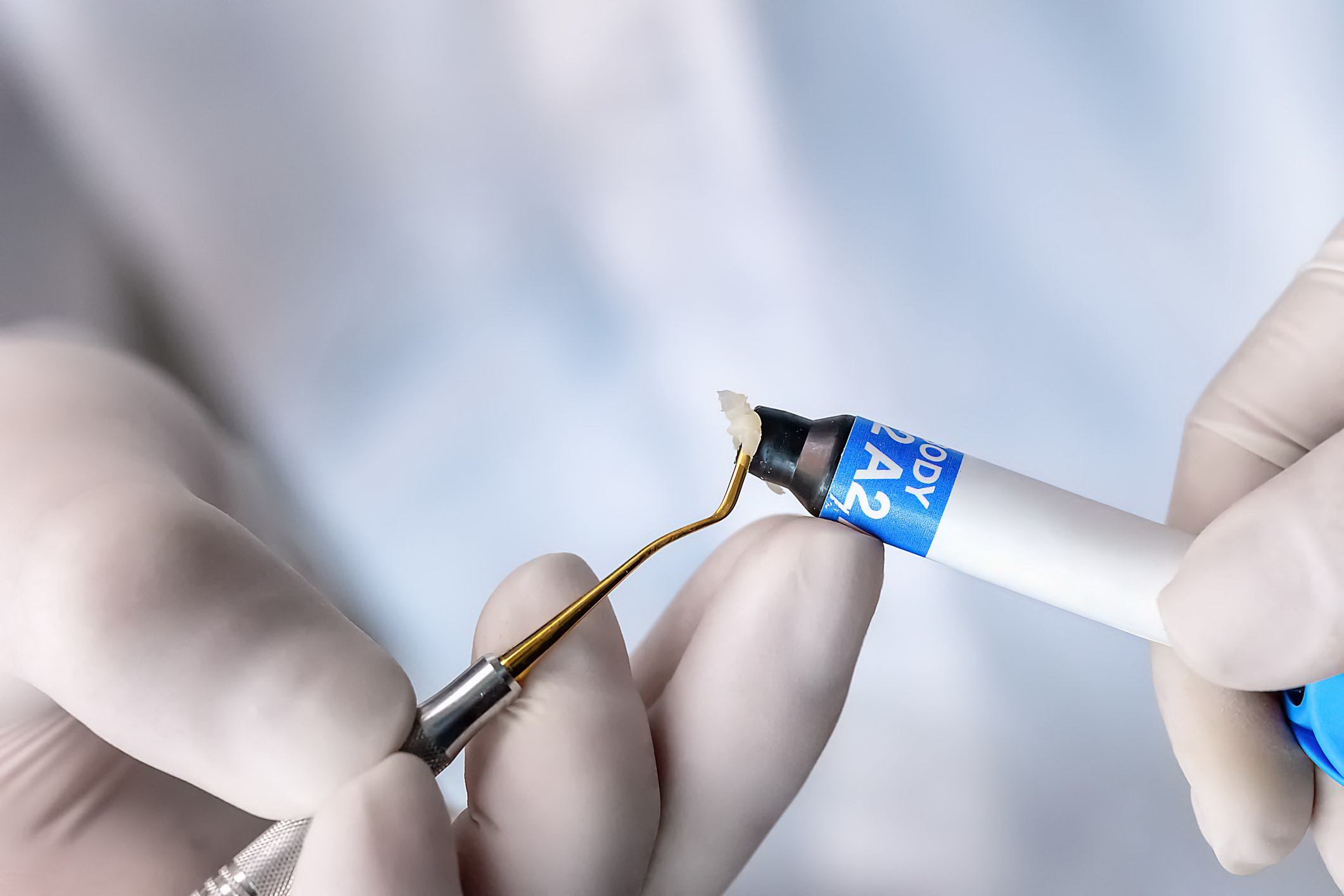
- Place, pack, and contour restorative materials
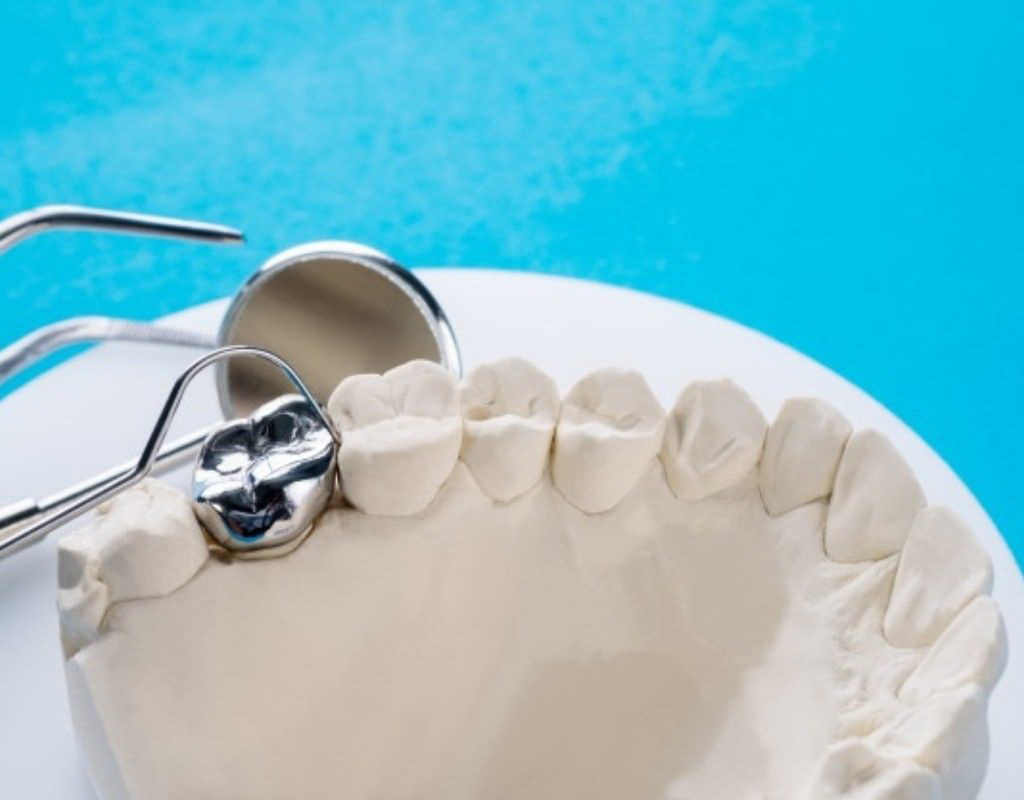
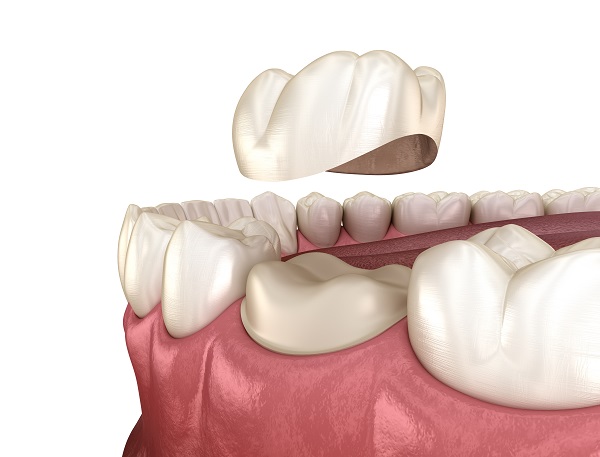
- Size, fit, adjust, and cement stainless steel crowns
- Utilize slow-speed handpieces in restorative procedures
In today’s efficiency-driven practices, delegation is essential. RFDA-certified professionals significantly reduce chair time — often by 30–50% — allowing dentists to increase productivity while maintaining high clinical standards.
This is not just continuing education.
It is expanded clinical authorization.
Program Structure: Designed for Working Professionals
This 5-month, 120-hour certification course combines:
- Online, self-paced didactic modules
- Interactive video instruction
- Knowledge checks and dashboard tracking
- In-person, CODA-accredited hands-on laboratory training
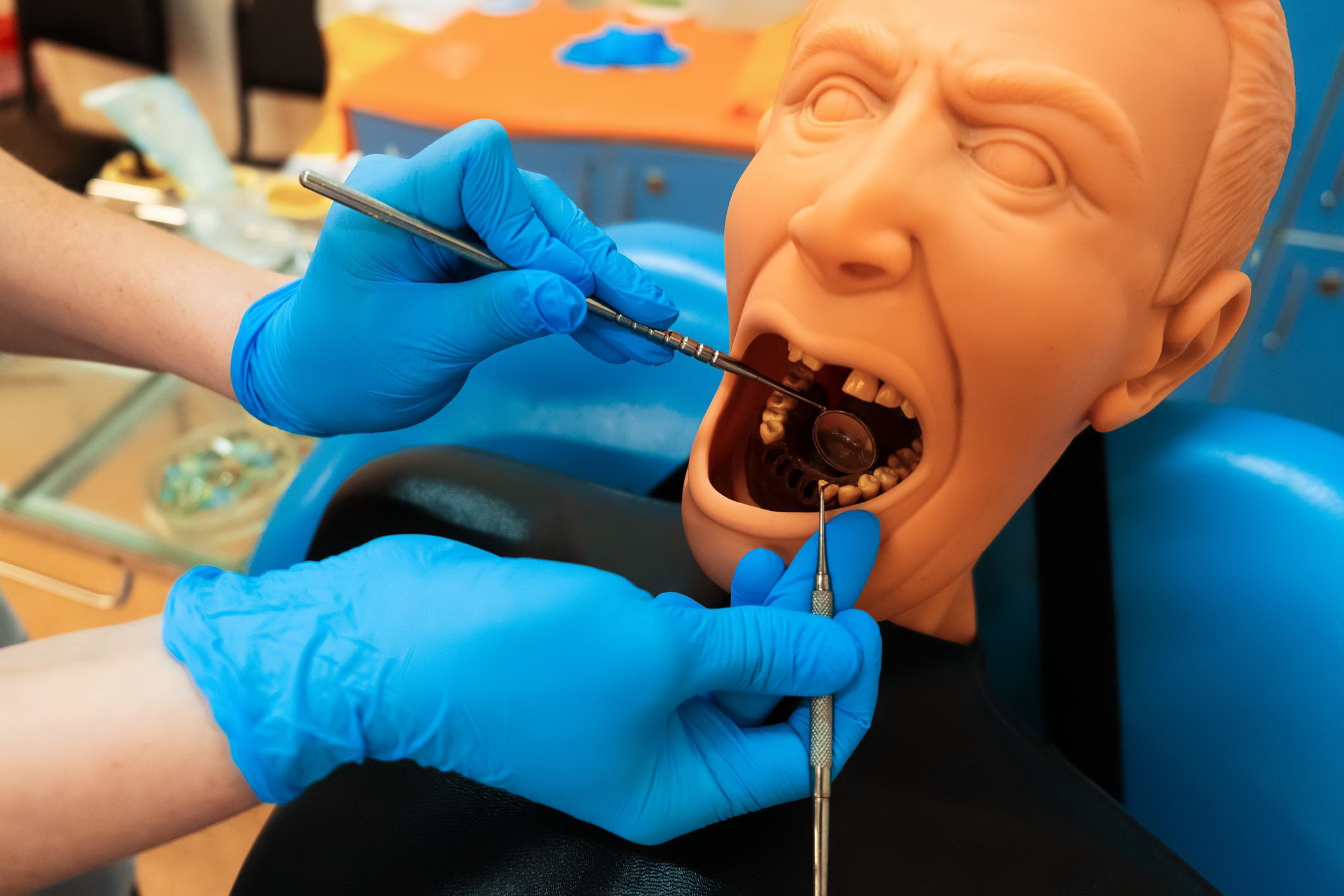
- Pre-clinical operative simulation on manikins
- Clinical competency evaluations
Students begin with foundational theory and progress to pre-clinical simulation before advancing to clinical scenarios.
Certification is awarded upon successful completion of written examinations and demonstration of clinical competency.
The hybrid structure ensures flexibility for working professionals while maintaining rigorous hands-on standards required by the Florida Board of Dentistry.
Advanced Restorative Skills You Will Master
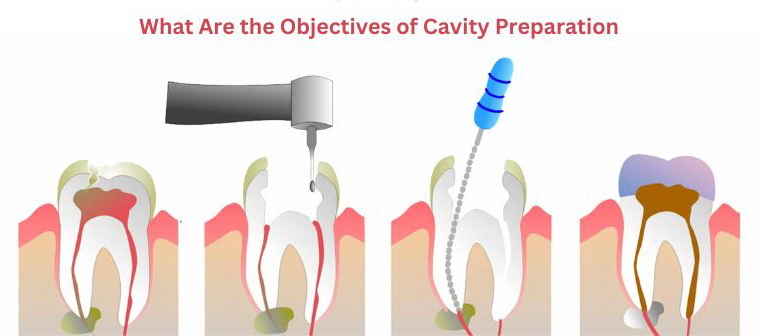
Cavity Preparation & Restoration Principles
You will develop a deep understanding of:
- Classifications of cavity preparation design
- Principles of restoring primary and permanent dentition
- Biomechanics of adhesive dentistry
- Proper contouring and occlusal anatomy
This knowledge ensures restorations are not just placed — but placed correctly.
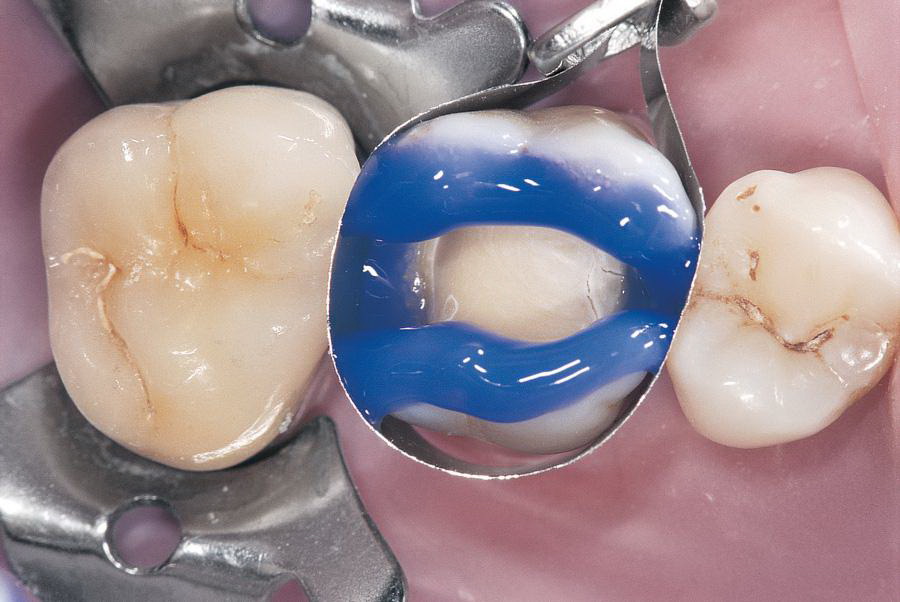
Adhesive Restorations (Composite Techniques)
You will learn protocols for:
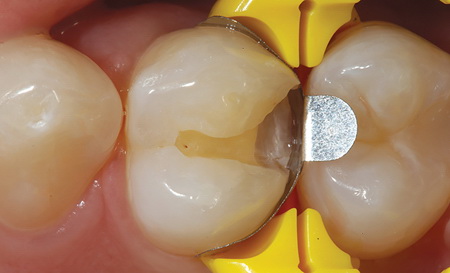
- Class I, II, III, and V composite restorations
- Adhesive systems and their indications
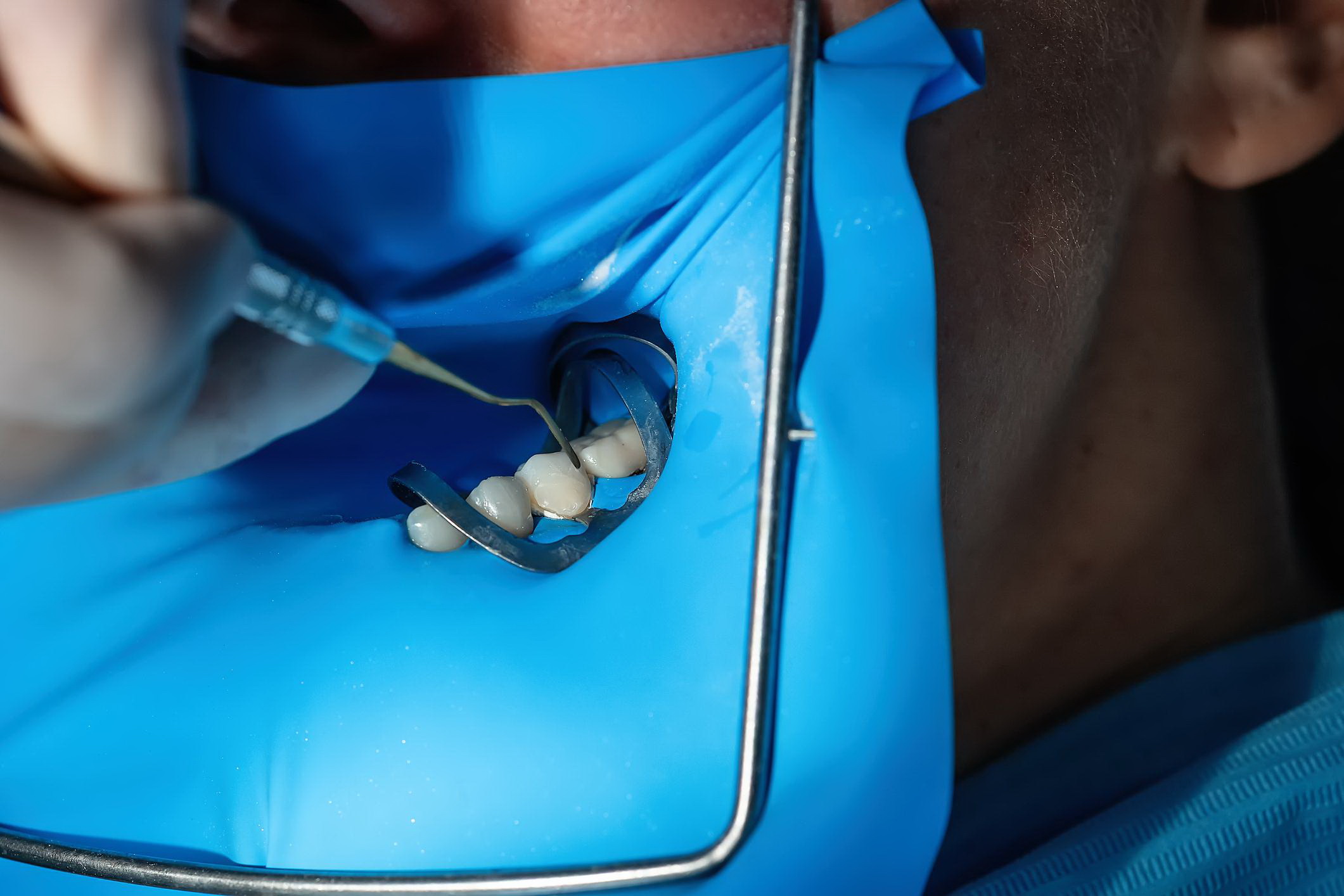
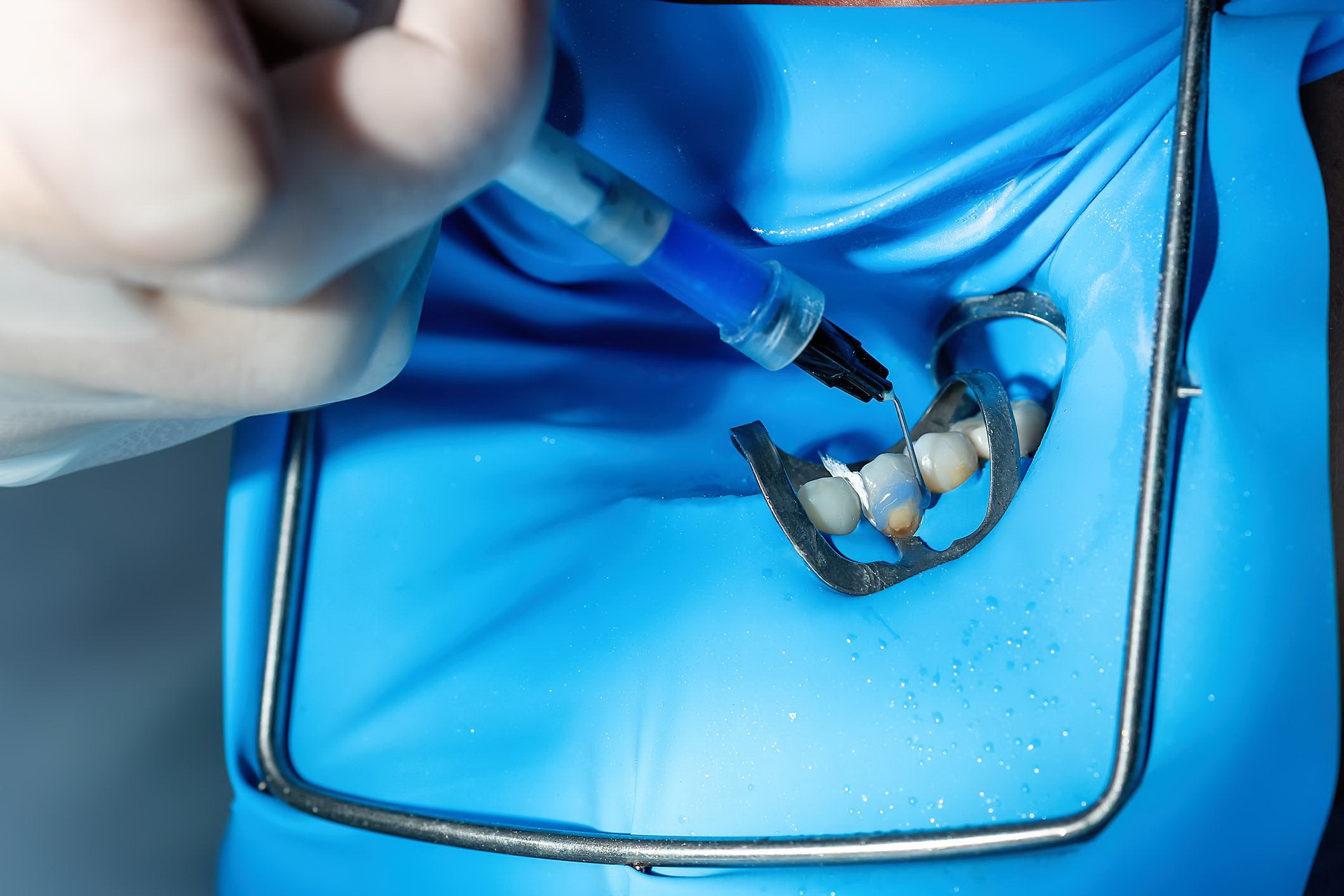
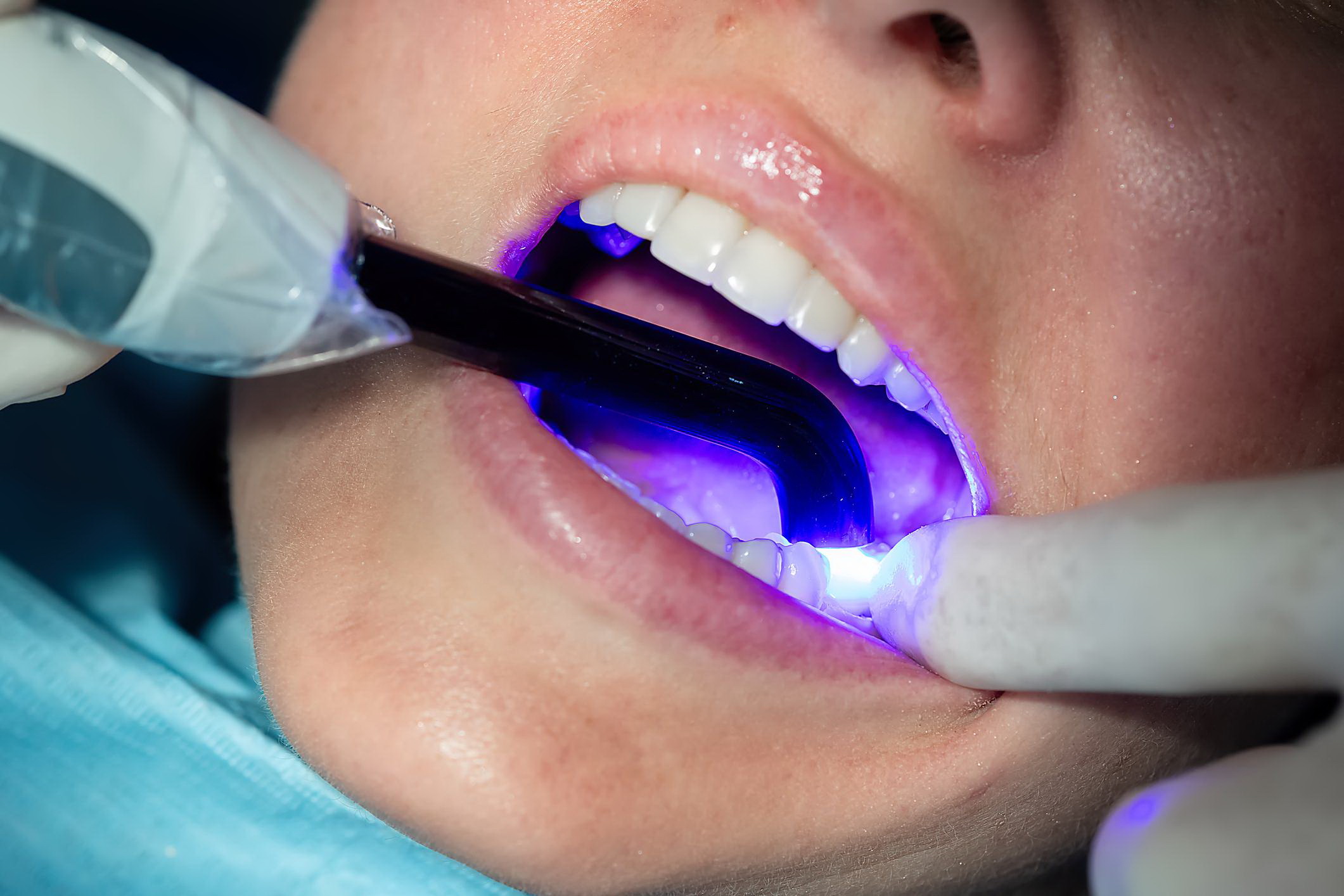
- Etching, bonding, and polymerization techniques
- Proper manipulation and contouring
- Finishing and polishing techniques
Modern dentistry is adhesive-driven — and RFDA certification positions you at the center of restorative workflow.
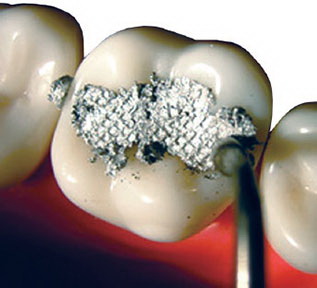
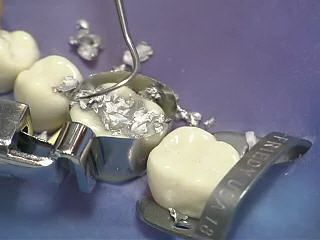
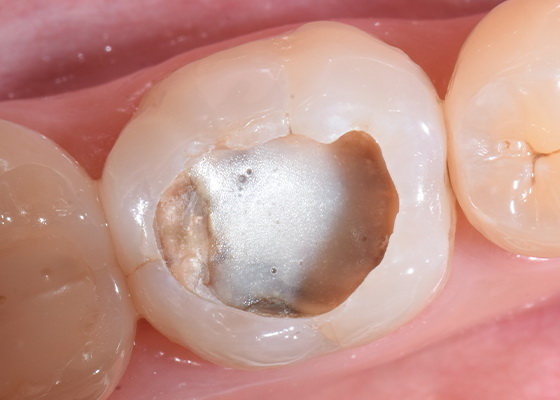
Amalgam Restorations
Although composite use has expanded, amalgam remains clinically relevant.
You will gain competency in:
- Manipulating and condensing amalgam
- Proper carving techniques
- Occlusal anatomy refinement
- Class I, II, and V restorations
Understanding both traditional and modern materials strengthens your restorative versatility.
Stainless Steel Crowns (SSC)
Stainless steel crowns are widely used in pediatric dentistry and high-caries-risk patients.
You will master:
- SSC indications
- Crown sizing and fitting
- Contouring and crimping
- Cementation protocols
- Post-placement adjustments
Properly fitted SSC restorations protect tooth structure and ensure longevity.
Bases, Liners & Pulp Protection
You will learn principles of:
- Pulp protection for deep lesions
- Bases and liners selection
- Resin-modified glass ionomer placement
- Protective restorations in Class V
Understanding pulpal health is critical to long-term restorative success.
Benefits to the Practice
RFDA-certified professionals provide measurable value:
- Increased clinical efficiency
- Reduced dentist chair time
- Higher patient throughput
- Expanded delegation capabilities
- Improved case completion rates
Practices with expanded-function team members operate at a higher level of productivity and profitability.
Benefits to Your Career
Level 03 RFDA certification demonstrates:
- Advanced restorative authority
- Legal expanded-function compliance
- Increased earning potential
- Greater professional autonomy
- Elevated clinical credibility
This certification distinguishes you in a competitive job market and opens doors to leadership opportunities within high-performing practices.
High Demand – Limited Availability
Due to high demand, enrollment fills quickly and waitlists are common.
This is a career-defining certification for serious dental professionals.
Operate at the Expanded Level
If you are ready to:
- Perform restorative procedures legally and confidently
- Increase practice efficiency
- Elevate your clinical authority
- Expand your earning potential
Then Level 03: Restorative Functions (RFDA) Certification at Broward Dental Academy is your next strategic advancement.
Expand your skills, increase your impact, operate at the highest level of modern dental practice.
Attendance at all scheduled sessions is mandatory in order to obtain certification.
Acceptance Criteria and Requirements Before The Course
Dental Assistants Must:
- Be at least 18 years of age.
- Be able to read, write, and speak English at an advanced level.
- Be a high school graduate or have a High School Equivalency Certificate.
- Have a current Basic Life Support for Healthcare Provider certificate.
- Be a graduate of a dental assisting program that is accredited by a dental accrediting entity recognized by the United States Department of Education, or have received formal training in expanded duties.
- Never had a dental assisting license suspended or revoked in any jurisdiction.
- Within 24 months prior to being admitted to the mandatory training course, the Candidate must have documented proof of 2,400 hours of clinical work experience in either a dental office or as an educator of dental assisting.
Dental Hygienists Must:
- Be at least 18 years of age.
- Be able to read, write, and speak English at an advanced level.
- Be a high school graduate or have a High School Equivalency Certificate.
- Have a current Basic Life Support for Healthcare Provider certificate.
- Have an unrestricted dental hygiene license from any U.S. state or territory.
- Never had a dental hygiene license suspended or revoked in any jurisdiction.
- Within 24 months prior to being admitted to the mandatory training course, the candidate must have documented proof of 2,400 hours of clinical work experience in either A dental office, as an educator of a dental hygiene program, or be a graduate of a dental hygiene program, accredited by a dental accrediting entity recognized by the United States Department of Education.
Requirements Before The Course…
Dental Assistants and Dental Hygienists Must:
– Access their Online Coursework (Link found in digital enrollment receipt)
– Complete their HIPAA Quiz
– Complete their OSHA Quiz
– Complete their Bloodborne Pathogens Quiz
– Obtain a minimum score of 70% on the quizzes mentioned 2 weeks prior to the first day of class
– Upload their Restorative Function Certification Form
– Upload their UF Certification and Authorization Form
– Upload their Marketing Form
– Upload a copy of their CPR Card
Dental Hygienists Must:
– Upload a copy of their License or EFDA Certificate
After enrollment, the requirements will be sent electronically to the student for completion.
Recommended Texts: Art and Science of Operative Dentistry by Sturdevant, 7th Edition, Ritter, Boushell, and Walter, Elsevier (Textbook available to purchase from Amazon or Elsevier)
All necessary supplies and instruments will be provided. However, please bring your own safety glasses or loupes if you need special glasses.
Click Here To View Rule: 64B5-16.0051
64B5-16.0051 Delegation of Remediable Restorative Functions to Dental Assistants; Supervision Level; and Training and Experience Requirements.
Notwithstanding any other rule provision to the contrary, a dentist may delegate remedial intraoral restorative functions to a Dental Assistant in strict compliance with the provisions of this rule. All functions delegated under this rule shall be performed under direct supervision.
(1) Delegable Restorative Functions: After a dentist has prepared a tooth, a dentist may delegate to a dental assistant, who has met the mandatory training requirements of this rule, the task of placing, packing and contouring amalgam and composite restorations and the fitting and contouring of stainless-steel crowns (tasks). However, a dental assistant shall not permanently cement stainless steel crowns.
(a) The tasks shall only be performed using a slow speed handpiece and hand instruments.
(b) The delegating dentist shall not supervise more than four (4) dental hygienists or dental assistants in combination who are simultaneously performing the tasks pursuant to this rule or a rule authorizing the same or similar delegable tasks for dental hygienists.
(c) The delegating dentist shall ensure that the patient’s dental chart is annotated to reflect the initials of the dental assistant who performed the tasks.
(d) The delegating dentist shall also ensure that the patient’s dental chart reflects that the final restoration was verified by the delegating dentist and the result of the verification shall also be documented.
(2) Mandatory Training Course Prerequisites: To be eligible to be admitted into the mandatory training course required in subsection (3), a dental assistant (Candidate) shall meet the following conditions:
(a) The Candidate shall be at least 18 years of age.
(b) The Candidate shall be a high school graduate or have a High School Equivalency Certificate.
(c) The Candidate shall have a current Basic Life Support for Healthcare Provider certificate.
(d) The Candidate shall be a graduate of a dental assisting program that is accredited by a dental accrediting entity recognized by the United States Department of Education or shall have received formal training in expanded duties pursuant to paragraph 64B5-16.002(1)(b), F.A.C. The Candidate shall have never had a dental assisting license suspended or revoked in any jurisdiction.
(e) Within 24 months prior to being admitted to the mandatory training course in subsection (3), the Candidate must have documented proof of 2,400 hours of clinical work experience in either a dental office or as an educator of dental assisting.
(f) All students must have a delegating dentist to enroll in the program. The commitment of the delegating dentist is to supervise and evaluate a portion of their clinical requirements and submit a report to the CE provider.
(g) The delegating dentist must attend a two-hour online interactive video conference mandatory training on the Laws and Rules of Remediable Restorative Functions, and calibration of the clinical requirements and procedures.
(3) Mandatory Training Course: The mandatory training course shall be offered by a dental or dental hygiene school or program that is accredited by a dental accrediting entity recognized by the United States Department of Education. The training course must be specifically designed and implemented to comply with the provisions of this rule. The training program shall ensure that the candidate meets all the qualifications in subsection (2) before accepting the candidate into the training program. At a minimum, the training shall include and contain the following:
(a) 105 clock hours including a minimum of 10 hours dedicated to preclinical didactic hours, and a clinical portion consisting of a minimum 70 hours dedicated to simulated lab and a minimum of 25 hours dedicated to live patients, divided in 12 clinical hours with the delegating dentist, and 13 clinical hours at the course provider institution. The preclinical didactic hours, may be offered online. At the completion of the preclinical didactic hours, the course shall require the passing of an initial written examination prior to the clinical portion of the training. A passing score shall require a score of 75 percent or above.
(b) A clinical and lab session for Amalgam Restorations Class I, II, and V, which shall include live patients.
(c) A clinical and lab session for Composite Restorations Class I, II, III, and V, which shall include live patients.
(d) A lab case-based clinical scenario session to size, fit and contour, but not permanently cement, stainless steel crowns.
(e) The training program shall verify competency by requiring an exit or final written examination and clinical examination that includes live patients. The written portion of the examination shall include a section covering the Laws and Rules of Dentistry in Florida. A passing score shall require a 75 percent or above on both the written and clinical examination and the examinations shall not be weighted to achieve an overall score of 75 percent or better. The clock hours dedicated to the exit or final written and clinical examination shall not count towards the required minimum 105 total clock hours required by the course.
(f) Upon the successful completion of the training course, a certificate of successful completion of the Restorative Function Course shall be issued.
(4) Documentation of Training: A Dentist who delegates tasks pursuant to this rule shall ensure that a copy of the Restorative Function Course training certificate is immediately available at the location where tasks are delegated, and the certificate shall be produced by the dentist when requested by the Board Office or any authorized inspector.
(5) Responsibility: The delegating and supervising dentist shall remain fully responsible for all delegated tasks and for ensuring that the dental assistant meets the training requirements of this rule.
(6) This rule shall be reviewed, and if necessary, repealed, modified, or renewed through the rulemaking process five years from the effective date.
Rulemaking Authority 456.013, 466.024 FS. Law Implemented 456.013, 466.024, 466.024(1) FS. History–New 6-23-19, Amended 5-18-23.
https://flrules.org/gateway/ruleNo.asp?id=64B5-16.0051