Dental assistant certifications in Florida are issued after Board-approved training: the Florida Board of Dentistry requires it before an assistant may expose dental radiographs or perform expanded functions. Broward Dental Academy teaches those paths in Coral Springs, FL.
Taught by licensed clinicians and university faculty in Broward County, at 8888 Royal Palm Blvd, Coral Springs, FL 33065. Call 954-761-5388 or apply now.
Certifications
Dental Assistant Certifications in Florida
Key takeaways
- What is a dental certification?
Documented proof of training for a specific task — infection control, OSHA compliance, radiography, expanded or restorative functions — not a general job title. - Why does Florida care?
Florida ties what you may legally perform to the training you can document, so the certificate defines your scope at the chair. - Which ones do offices ask for?
Infection control and sterilization, OSHA compliance, and radiographic procedures, with expanded and restorative function credentials for higher scope. - How do you judge a program?
Look for didactic instruction, skill labs, supervised clinical hours, a real competency evaluation and a verifiable certificate — not a same-day printout.
What are dental program certifications, and why do they matter?
Dental assistant certifications are documented proof that you completed specific training and passed a competency evaluation tied to real clinical tasks. In plain language, it is not just a course you attended. It is a credential that shows you were trained, tested, and cleared to perform certain duties in a dental setting.
That distinction matters more than ever because dentistry is one of the fastest-growing areas in healthcare. It offers stable income, flexible schedules, and real career mobility. But even with high demand, employers still prioritize verified skills. A modern dental office is a regulated clinical environment with tight workflows and high expectations. Most practices cannot afford to hire someone who needs weeks of remedial training to be safe, efficient, and confident chairside.
A certification signals three things to employers:
- Professional readiness: you understand the rules, standards, and pace of an actual practice.
- Clinical confidence: you have practiced key procedures, not just read about them.
- Modern practice fit: you can contribute in a high-performance environment with minimal onboarding.
In this guide, you will learn the main types of dental assistant certifications, with training pathways such as oral surgery, orthodontics, and endodontics. We will also discuss Florida-specific considerations, what legitimate training should include, how certification is issued, and how to verify that a program is worth your time and money.
How do certifications protect patients and reduce risk?
Dental certifications are not just resume boosters. They are safety systems.
Patient protection is the first reason. Standardized training in infection control, radiographic safety, and chairside assisting protocols reduces avoidable errors. When everyone on the team follows the same sterilization steps, barrier techniques, and clinical procedures, patients are safer and outcomes are more consistent.
Practice liability reduction is the second reason. Dental offices operate under strict rules, and documentation matters. When a team member has completed formal training with competency validation, the practice is better positioned for regulatory compliance and has more defensible clinical processes if questions arise.
Clinical workflow efficiency is the third reason. Certified dental auxiliaries can perform permitted tasks smoothly, which improves chair time and team coordination. That does not just help the dentist. It improves the patient experience because appointments run on time and the clinical team communicates clearly.
This is also why employers use certifications as:
- a hiring filter (to shortlist candidates with proven basics)
- an onboarding shortcut (less time reteaching fundamentals)
- a baseline skills guarantee (consistent minimum competency)
What are the Florida rules you need to understand first?
In Florida, dental roles and allowable duties are governed by the Florida Board of Dentistry and Florida statutes. That means what you can legally do in one state may not match Florida’s expectations.
You will often hear the term dental auxiliaries, which generally refers to support roles such as dental assistants and other clinical team members who help deliver patient care under supervision.
You may also hear expanded functions. In Florida, expanded functions typically mean extra clinical tasks beyond entry-level assisting, performed only with the right training and credentials, and within the scope permitted by Florida rules.
The practical takeaway is simple: choose programs that are built around Florida regulatory standards and board-aligned coursework where applicable. For instance, Broward Dental Academy offers various courses such as periodontics that adhere to these standards. Otherwise, you risk paying for training that does not help you qualify for the duties employers need filled.
Requirements can change, and documentation expectations can shift. Before you enroll, confirm the latest rules that apply to your target role and make sure the program can show you exactly what credential you will receive, what it qualifies you to do, and what documentation you will keep.
Which certifications do most dental offices ask for?
Most dental employers look for a baseline set of safety and compliance credentials. These are the certifications that tend to come up repeatedly in hiring conversations because they reduce risk and speed up onboarding.
Infection Control and Sterilization
This training typically covers sterilization, instrument processing, asepsis, operatory turnover, and compliance-oriented documentation habits. In a real practice, these are daily systems, not occasional tasks. A certification here tells an employer you can be trusted around infection control protocols from day one.
OSHA compliance training
OSHA-focused training usually includes hazard communication, exposure control basics, and how to respond appropriately to common clinical risks. Many offices want this completed before your first shift because compliance is not optional, and mistakes can be costly.
Radiographic procedures and radiology certification
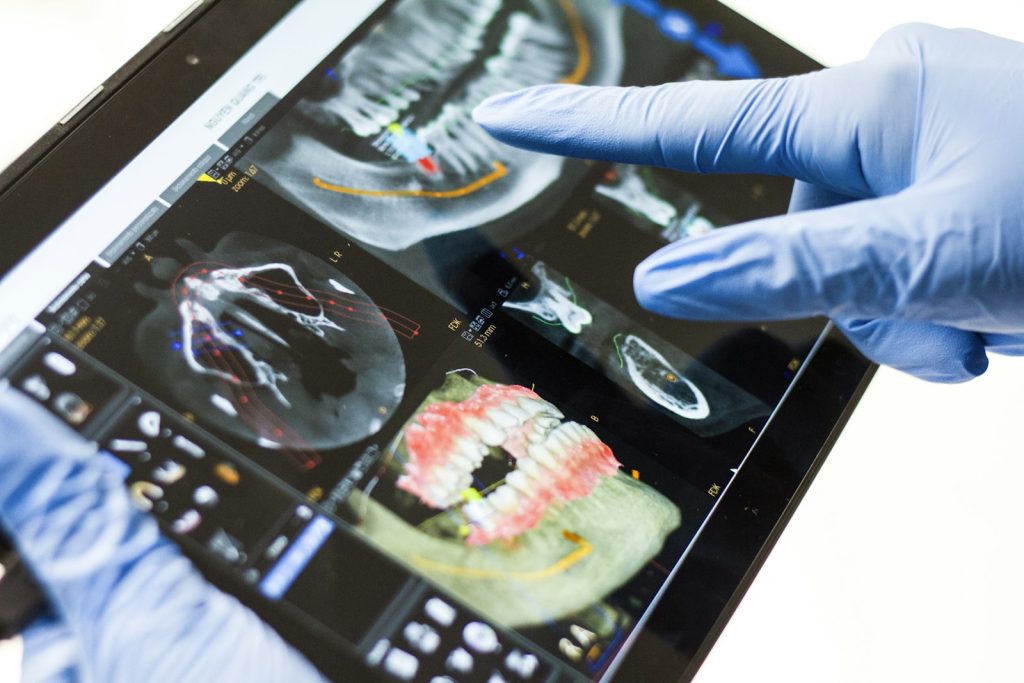
Radiographic training generally includes safety principles, technique fundamentals, proper documentation, and consistent processes that protect patients and staff. Having radiology-related credentials can significantly improve employability because it allows a practice to delegate imaging tasks to trained team members within permitted scope.
Together, these baseline credentials signal safety, readiness, and reduced onboarding time. They also help you interview with confidence because you can speak clearly about the “why” behind your actions, not just the steps.
Which expanded function credentials raise your scope and pay?
Expanded function credentials are certifications for skills beyond basic assisting. In approachable terms, they make you more useful in busy practices because they support delegation and help the dentist and team keep an efficient schedule. For a comprehensive overview of these essential certifications, consider exploring the resources available at Broward Dental Academy.
Restorative Functions Certification
A restorative-focused credential often relates to assisting with restorative workflows and related support tasks. The key point is not the title alone. It is whether the program includes hands-on training and skill checks that match real chairside expectations. Offices value documented, validated ability because restorative work is detail-heavy and time-sensitive.
Orthodontic Assisting Certification
Orthodontic environments have their own rhythm, tools, and workflows. Orthodontic assisting training generally focuses on the routine processes orthodontic offices perform daily. When you have documented training, an orthodontic practice can be more confident that you understand the flow and can contribute quickly.
Expanded function certifications support career advancement because they open doors to specialized offices, increase your responsibility range, and improve long-term mobility across roles and practice types.
What should legitimate certification training include?
Not all certificates are equal. A legitimate certification program should feel like training for the real world, not a document you can buy.
Didactic instruction in dental programs
Quality programs start with foundational knowledge: terminology, safety, legal and ethical standards, and the “why” behind procedures. This is where students learn how to think clinically, not just memorize steps. For instance, didactic instruction in dental programs is crucial as it lays down this foundational knowledge which is essential for a successful career in dentistry.
Clinical skill development labs
Before you ever attempt skills in a real clinical environment, you should practice step by step techniques in a structured setting. This is where instructors can correct ergonomics, infection control habits, and procedural sequence early. Such practical exposure is similar to what students gain in physician assistant master’s programs, where hands-on experience is emphasized heavily.
Also, it’s important to note that legitimate certification programs often include rigorous clinical skill development labs. These labs ensure that before attempting skills in a real clinical environment, students have already practiced step-by-step techniques in a structured setting. This mirrors the extensive clinical training that physician assistants undergo, highlighting the importance of practical experience in medical education.
Hands-on practical experience and clinical setting immersion
Hands-on experience is the difference between feeling ready and being ready. Supervised practice that mirrors real chairside pace prepares you for the pressure and timing of an actual schedule, including teamwork and communication.
Competency evaluation
Competency evaluation is what turns training into certification. Look for skills checkoffs, knowledge assessments, and clear pass or fail criteria tied to clinical competency. If a program cannot explain how they evaluate competency, it is a red flag.
What should a completed certification actually mean?
A formal certification process typically follows a clear path:
- Training hours or modules completed
- Knowledge assessments
- Clinical competency validation
- Documentation review
- Certificate of Completion or credential awarded
When you finish, you should receive and keep:
- Certificate of Completion (with your name, program name, completion date, and authorized signature)
- Transcripts or score reports (if gave)
- Skills checklists or competency records (when applicable)
- Compliance training documentation (infection control, OSHA, and related training)
These documents make hiring easier because verification is straightforward. They also give you more confidence in interviews because you can clearly explain what you trained on, how you were evaluated, and what you are prepared to do.
Common red flags to avoid
Be cautious if you see any of the following:
- Vague claims that do not specify skills or duties
- No hands-on component
- No clear assessments or competency checkoffs
- Unclear alignment with Florida regulatory standards
How do you choose an accredited or board-aligned certification?
Start with your target role. Are you looking for entry-level assisting, like a Dental Assistant Level 01, or are you specifically pursuing expanded functions such as a Dental Assistant Hygienist? A good program helps you map the credential to the job you want, not just “finish a class.”
Next, look for Florida-focused signals:
- Coursework aligned with Florida expectations
- Training designed around current compliance requirements
- Clear documentation and verifiable credential issuance
Prioritize programs that give:
- hands-on practical experience
- clinical workflow efficiency training
- structured competency evaluation
Before enrolling, ask practical questions:
- Is there an internship or in-office clinical exposure?
- How many hands-on hours are included?
- What does the assessment look like?
- What documentation will I receive?
- How can an employer verify my certification?
If the answers are unclear, keep looking.
What does Broward Dental Academy offer for certification?
Broward Dental Academy, designed for students who want to be thoroughly trained, legally compliant, and clinically confident. The training model is built around immediate immersion in online and clinical settings, using updated eLearning lesson plans for remote training, plus in-office internships that reflect real practice pace.
The goal is not to “teach to the test.” It is to prepare students to thrive in modern, high-performance dental practices. Students are trained to think critically, act ethically, and perform confidently. Each program culminates in a recognized certification that validates training, clinical competency, and professional readiness.
Broward Dental Academy offers seven career-focused dental programs, including Dental Assistant Level 02, designed around workforce entry preparation and expanded functions opportunities. These programs feature structured curriculum, competency evaluation, and formal certification issuance upon successful completion. Graduates leave with documented clinical competency, regulatory-compliant training hours, board-aligned coursework where applicable, hands-on practical experience, and industry-recognized credentials.
For students balancing work and life, the Academy also offers a scheduling-friendly approach and flexible financing options.
Broward Dental Academy
8888 Royal Palm Blvd,
Coral Springs, FL 33065
Tel: 954-761-5388
How to verify the legitimacy of a dental certification (and keep your documentation hiring-ready)
Use a simple verification checklist for every credential you earn:
- Program name and training provider
- Credential title
- Dates of training and completion
- Training components (didactic, lab, hands-on, internship if applicable)
- Assessment method (knowledge exams and clinical competency validation)
- Issuer contact details and verification method
Employers typically verify by reviewing your Certificate of Completion, checking supporting documentation, and confirming the credential is relevant to the role’s duties.
Best practices for students:
- Keep digital copies of every credential
- Keep a dedicated folder for CE and certifications
- Track continuing education credits when applicable
- Bring clean copies to interviews and onboarding
Organized documentation supports compliance and makes you easier to hire because you look prepared, credible, and professional.
Industry-Recognized Credentials That Advance Your Dental Career
At Broward Dental Academy, certification is more than a completion certificate, it is formal recognition of clinical competency, regulatory compliance, and professional readiness.
We offer seven career-focused dental programs, each designed to meet Florida regulatory standards, industry expectations, and real-world clinical demands. Every course culminates in a recognized certification that validates your training and prepares you for immediate workforce entry or advancement.
Our programs are structured to ensure that graduates leave with:
- Documented clinical competency
- Regulatory-compliant training hours
- Board-aligned coursework (where applicable)
- Hands-on practical experience
- Industry-recognized credentials
Why do certifications matter in dentistry?
Dental offices operate in a highly regulated clinical environment. Proper certification protects:
- Patients
- Dentists
- Practices
- You as a healthcare professional
Certification confirms that you have completed formal training in:
- Infection control and safety standards
- Radiographic procedures
- Expanded clinical functions
- Chairside assisting protocols
- Sterilization and OSHA compliance
- Clinical workflow efficiency
Employers actively seek certified professionals because certification reduces liability, improves productivity, and ensures compliance with Florida Board of Dentistry requirements.
What are the seven certification programs?
Broward Dental Academy offers seven specialized training tracks designed to meet different career goals within dentistry. Each program includes structured curriculum, competency evaluation, and official certification upon successful completion.
Depending on the program, students receive:
- Certificate of Completion
- Expanded Function Credentials
- Radiology Certification
- Restorative Functions Certification
- Orthodontic Assisting Certification
- Clinical Compliance Training Documentation
- Continuing Education Credits (where applicable)
Each course is designed to align with Florida regulations and professional standards.
Florida Regulatory Alignment
Our programs are developed in accordance with applicable Florida statutes and professional guidelines governing dental auxiliaries and expanded functions.
We ensure:
- Needed training hours are met
- Didactic and hands-on components are properly documented
- Competency evaluations are conducted
- Certification documentation is formally issued
Graduates receive verifiable documentation that may be presented to employers and, when needed, to regulatory bodies.
Certification Structure
Each certification program includes:
- Didactic Instruction
Structured online or classroom modules covering theory, safety, legal framework, and procedural foundations.
- Clinical Skill Development
Hands-on lab training or supervised instruction where students show practical competence.
- Knowledge Assessments
Examinations and skill evaluations to ensure mastery of material.
- Formal Certification Issuance
Upon successful completion, students receive official documentation recognizing their training and competency.
Designed for Career Advancement
Our certification programs are ideal for:
- Individuals entering the dental field
- Current dental assistants seeking expanded functions
- Dental hygienists pursuing extra credentials
- Professionals seeking regulatory-compliant training
- Career changers entering healthcare
We build our programs around real-world practice expectations, not just textbook knowledge.
Employer-Focused Training
Dental practices hire certified professionals because they:
- Reduce onboarding time
- Need less remedial training
- Increase chairside efficiency
- Improve patient experience
- Support clinical delegation
Our certification standards are designed to produce graduates who are practice-ready from day one.
How is a certification verified?
Each certification issued by Broward Dental Academy includes:
- Student identification
- Program name
- Completion date
- Authorized signature
- Institutional documentation
Employers may verify certification through official academy records.
Invest in Credentials That Open Doors
Whether you are beginning your dental career or advancing your clinical qualifications, our certification programs give the structured training, documentation, and professional recognition needed to move forward with confidence.
Your certification is proof of your competence.
Your training is your competitive advantage.
Putting it all together: a simple certification roadmap (from beginner to expanded functions)
If you want a straightforward plan, here is a reliable path many students follow:
Step 1: Start with baseline safety and compliance
Complete infection control, sterilization, and OSHA compliance training.
Step 2: Add radiology or radiographic procedures training
This widens your job options and increases your day-one value to employers.
Step 3: Choose an expanded function track
Pick restorative or orthodontic assisting based on the environment you want to work in.
Step 4: Keep building with continuing education
Stay current, remain competitive, and position yourself for advancement.
Dentistry rewards people who take training seriously. Choose board-aligned, hands-on, documented training, then enroll when you are ready to move forward.
Don’t delay, enroll today, you will be glad that you did!
Frequently Asked Questions
What are dental program certifications and why are they important?
Dental program certifications are documented proof that you have completed specific training and passed competency evaluations tied to real clinical tasks in dentistry. They matter because they show professional readiness, clinical confidence, and the ability to fit into modern dental practices, which is crucial in a fast-growing healthcare field with high employer expectations.
How do dental certifications protect patients and reduce risk for dental practices?
Dental certifications standardize training in infection control, radiographic safety, and chairside assisting protocols, reducing avoidable errors and enhancing patient safety. They also help dental practices comply with regulations, reduce liability through documented competency, and improve clinical workflow efficiency by ensuring team members perform permitted tasks smoothly.
What should I consider about Florida-specific regulations before enrolling in a dental certification program?
In Florida, dental roles and allowable duties are governed by the Florida Board of Dentistry and state statutes. It’s essential to choose programs aligned with Florida regulatory standards and board-approved coursework to ensure your certification qualifies you for the duties employers need. Confirm the latest rules and verify what credentials and documentation the program gives before enrolling.
What are the core dental certifications most employers look for?
Most dental employers seek baseline safety and compliance credentials such as Infection Control and Sterilization certification, OSHA compliance training, and Radiographic procedures certification. These certifications reduce practice risk, ensure regulatory compliance, speed up onboarding, and guarantee consistent minimum competency among staff.
Why is infection control certification critical in a dental setting?
Infection Control certification covers sterilization techniques, instrument processing, asepsis protocols, operatory turnover procedures, and compliance documentation habits. Since these are daily systems in dental practice, having this certification assures employers that you can be trusted to keep patient safety from day one.
What does OSHA compliance training involve for dental professionals?
OSHA compliance training for dental professionals includes hazard communication, exposure control basics, and appropriate responses to common clinical risks. Many dental offices need this training before starting work because adherence to OSHA standards is mandatory to ensure workplace safety and avoid costly mistakes.
Visit us in Coral Springs
8888 Royal Palm Blvd
Coral Springs, FL 33065
Tel: 954-761-5388