Dental Assistant Level 03 is Broward Dental Academy’s 120-hour advanced restorative functions certification in Coral Springs, FL, for assistants who have completed Level 02: 12 weeks, blended, $4,500, finishing with a Certificate of Completion.
Taught by licensed clinicians and university faculty in Broward County, at 8888 Royal Palm Blvd, Coral Springs, FL 33065. Call 954-761-5388 or apply now.
Skills Checklist
Dental Assistant Level 03
If you are a dental assistant in Florida and you keep hearing “Level 03,” here is the practical meaning: it is about being trained and verified to support specific remediable restorative functions under a delegating dentist’s direct supervision, following Florida rules.
It that matters more than ever because restorative schedules are packed, practices want efficiency without sacrificing quality, and assistants who can confidently support restorative workflows tend to become the go-to clinical teammate.
Throughout this checklist, I will keep the focus on what you can actually be delegated, what you cannot, and what “job ready” looks like in real operatories.

Key takeaways
- What is Level 03?
Florida expanded functions: restorative work a dentist may delegate, including amalgam and composite support, stainless steel crowns, bases and liners, under direct supervision. - What stays with the dentist?
Diagnosis, treatment planning, the preparation itself and every judgement about the tooth. Delegation never moves clinical judgement. - What is required first?
Documented training and verification, including written and clinical examination, plus the prerequisites listed for the course. - Why does it pay?
An assistant who can take delegated restorative work keeps more of the dentist’s chair time productive, which is the clearest case for a raise.
What does Dental Assistant Level 03 mean in Florida?
In Florida, “Dental Assistant Level 03” commonly refers to a dental assistant who has completed the needed training and verification to perform delegated remediable restorative functions under a delegating dentist’s supervision, as permitted by Florida laws and rules (including Rule 64B5-16.0051, Delegation of Remediable Restorative Functions to Dental Assistants).
Here is the real-world value when you are Level 03 trained:
- Expanded functions in restorative appointments (within the Florida rule and your training).
- Stronger employability in general dentistry and pediatric settings where restorations are routine.
- More clinical confidence because you understand restorative sequence, materials, and quality checks.
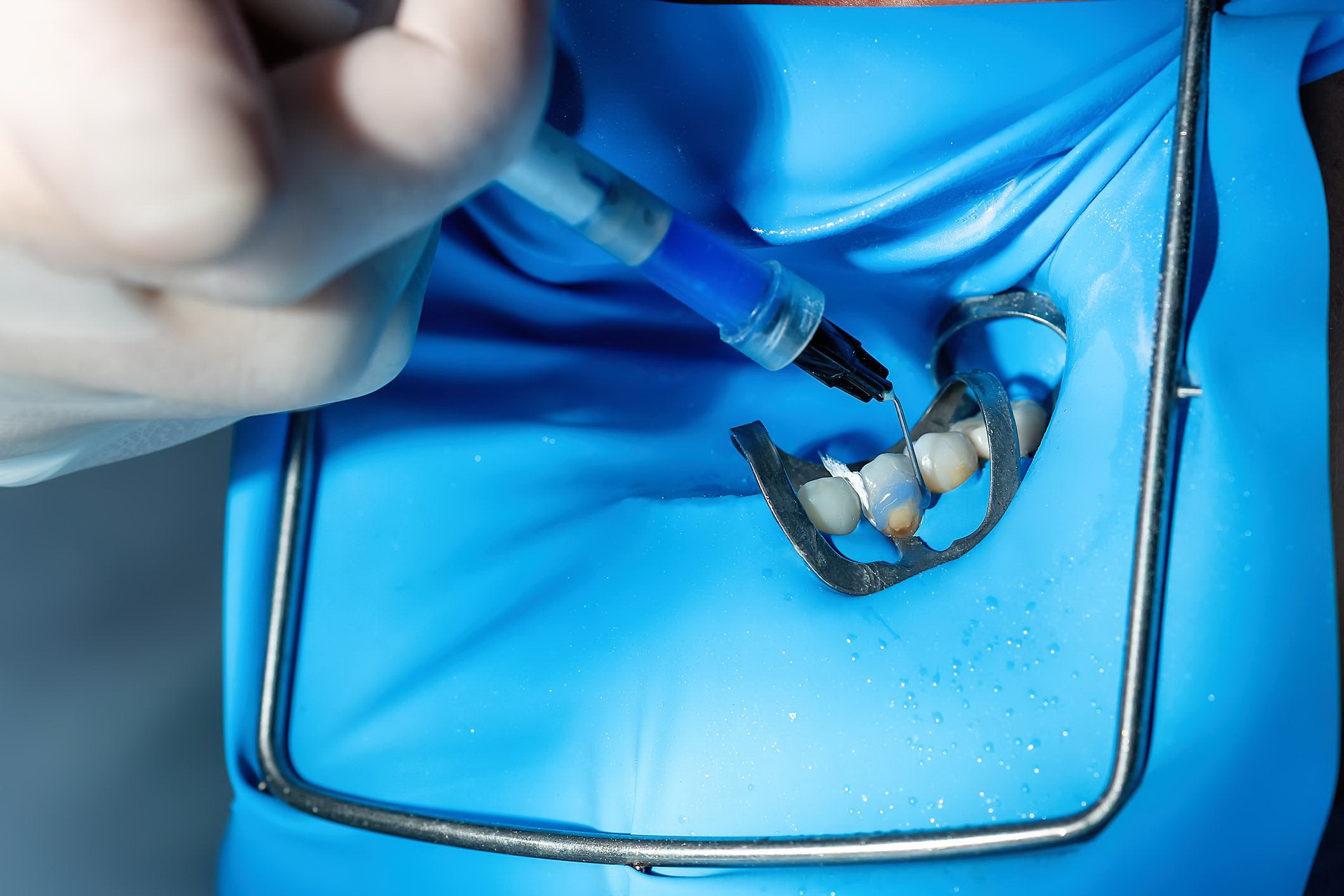
- Better support for production flow: setups, isolation, matrices, curing readiness, finishing kits, and documentation support.
Just as important: a Level 03 dental assistant is not a dentist or a dental hygienist. You do not diagnose, treatment plan, or “decide” what procedure is needed. Your duties are limited to what Florida permits and what the dentist delegates to you under the correct supervision level.
What this checklist covers:
- Skills you need to be safe and useful on restorative days
- The typical supervision reality in Florida practices
- Training expectations, clinical hours, documentation, and exams
- How to protect your license status and your career by staying in scope
To gain these essential skills and knowledge for becoming a Level 03 dental assistant, consider enrolling in specialized training programs such as those offered by Broward Dental Academy. They give comprehensive courses that cover various aspects of dentistry including oral surgery and orthodontics, which can greatly enhance your employability. Also, their structured training programs ensure that you acquire the necessary skills safely and effectively. For those interested in testing their knowledge or skills before pursuing formal training, resources such as this test from Broward Dental Academy could prove beneficial.
Which restorative functions can be delegated to a Level 03 assistant?
Florida’s rule focuses on the concept of dentist delegation of remediable restorative functions. The dentist prepares the tooth and stays responsible for the case. The assistant may be delegated certain steps that are specifically allowed, gave the assistant is properly qualified and the procedure is performed under direct supervision.
Common restorative categories you may see in Level 03 tracks
These categories show up again and again in Florida Level 03 restorative training pathways:
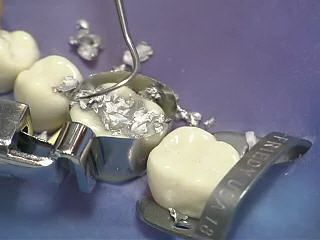
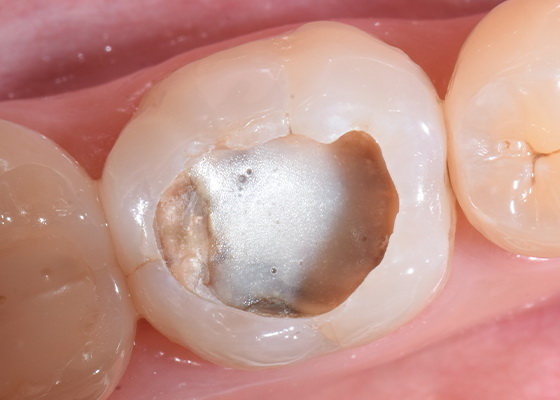
- Amalgam restorations
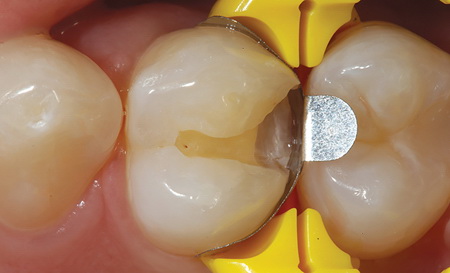
- Composite restorations
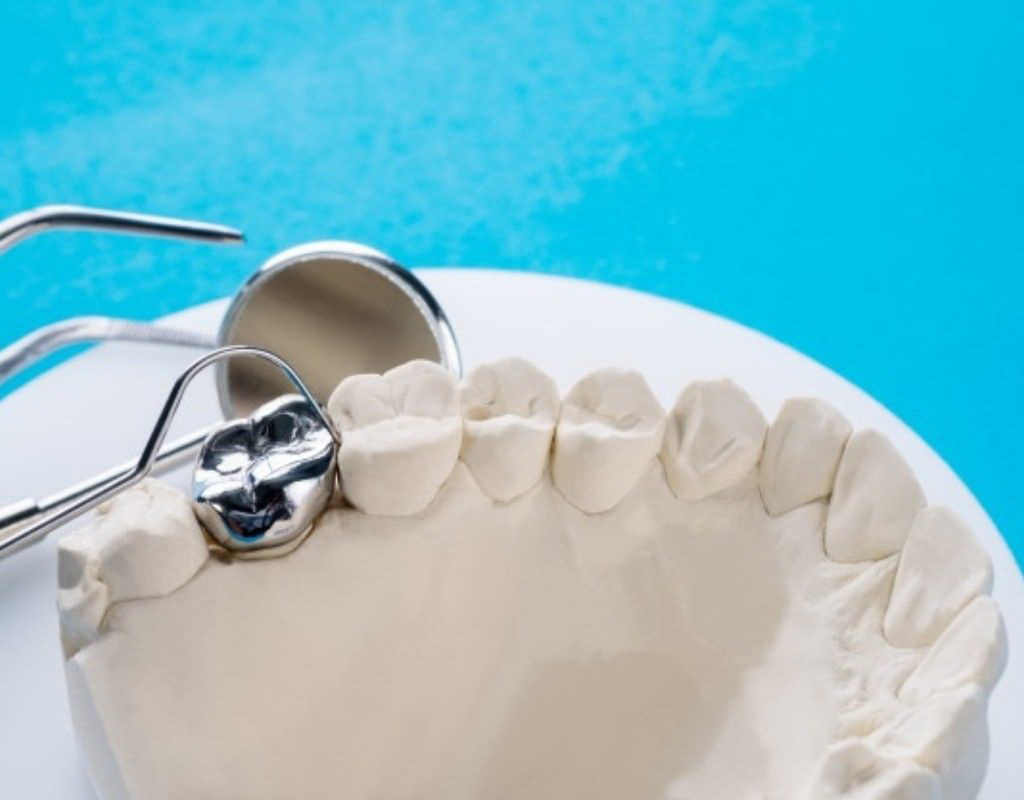
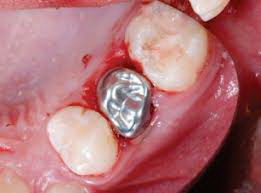
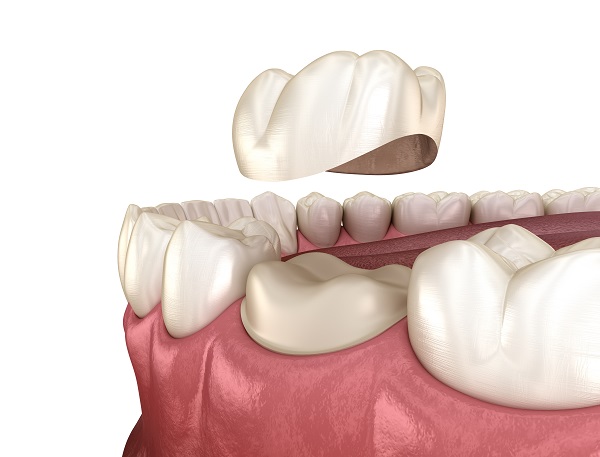
- Stainless steel crowns (SSCs), often in pediatric dentistry
Core limits you must be clear on
Even when you are Level 03 trained, you are not permitted to step into areas that remain the dentist’s responsibility, including:
- Diagnosis
- Treatment planning
- Final evaluation of the restoration and overall outcome
- Any duty outside the dental assistant scope of practice or outside your verified training
Florida also places specific boundaries on how certain tasks are performed. Under Rule 64B5-16.0051, delegated remediable intraoral restorative functions are performed using slow speed handpiece and hand instruments only, and all delegated functions must be performed under direct supervision.
Patient safety comes first. If you are ever asked to do something outside your training, outside the rule, or without the needed supervision, the correct move is to pause and clarify before touching the patient.
For those looking to expand their skill set beyond basic restorative functions, courses offered at institutions like Broward Dental Academy can give valuable training. They offer a range of certifications that can enhance a dental assistant’s qualifications. This includes specialized training in areas such as endodontics and periodontics, which could open up new avenues within the dental field.
Which pre-clinical foundations must you be solid on?
Before you worry about amalgam vs composite vs crowns, make sure your foundations are strong. Level 03 assistants stand out because they are consistent with the basics, even on busy days.
Infection control mastery
- Hand hygiene timing and technique
- PPE selection for aerosols and splatter
- Operatory barrier placement and removal without cross-contamination
- Sterilization workflow: transport, ultrasonic or instrument processing, packaging, indicators, autoclave loading, and storage
- Sharps safety and proper disposal
- Clear separation of clean vs dirty zones in the operatory
Patient communication basics (without diagnosing)
- Explaining what you are doing in plain language: “I’m going to place a protective cover here to keep the tooth dry.”
- Comfort checks during isolation and suctioning
- Setting expectations: sounds, water spray, curing light, and timing
- Neutral language when patients ask “Do I need a filling?”: “The dentist will review everything with you.”
Tooth anatomy and occlusion essentials
You do not need to speak like a textbook, but you do need working knowledge:
- Surfaces and numbering
- Contacts, marginal ridges, embrasures
- Occlusal anatomy basics (cusps, grooves, fossae)
- What articulation paper marks mean at a basic level
- Why “high bite” complaints happen and how they are checked and corrected by the dentist
Records that support restorative workflows (as allowed in your setting)
- Knowing what documentation the office expects for restorative visits
- Understanding why lot numbers and material details sometimes matter
- Chairside organization that prevents charting gaps
Emergency readiness baseline
- Current BLS for Healthcare Provider card (a Florida prerequisite for Level 03 training)
- Knowing where emergency equipment is and your role during an event
- Calm, repeatable response habits: call-out, clear pathway, and documentation support
What do you need to know about assisting with amalgam restorations?
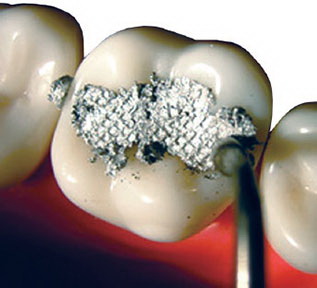
Amalgam is less common than it used to be in some offices, but it still appears in many workflows. If your practice uses it, your value comes from setup accuracy and timing.
Setup competence
- Isolation readiness: cotton rolls, dry angles, HVE positioning, retraction plan
- Rubber dam setup support if delegated in your office workflow
- Matrix band and wedge selection for Class II restorations
- Understanding basic carving instruments and burnishers
- Triturator and capsule handling: correct capsule selection and readiness
Material handling and safety
- Awareness of working time and the need for a smooth handoff rhythm
- Spill management and safe handling practices per office protocol
- Keeping the field ready so the dentist does not have to pause for missing items
Occlusion support
- Articulation paper readiness, correct size and type for the case
- Efficient suction and cheek retraction while the dentist checks the bite
- Supporting adjustments under the dentist’s direction
Post-op basics
- Reinforce the dentist’s instructions without adding your own diagnosis
- Support documentation: materials used, procedure notes structure, and assistant initials when needed by office protocol
It’s important to note that while amalgam restorations are still prevalent in many dental practices, there are environmental concerns associated with their use. For instance, a study conducted by the EPA highlights some of these issues.
Quality mindset: what “good looks like”
Even if you are not the one doing the final evaluation, you should understand what the team is aiming for:
- Proper contours and anatomy
- Solid contacts and no food traps
- Smooth margins that are not overhanging
- Occlusion that does not leave the patient feeling “high”
What does the composite restoration and adhesion workflow require?
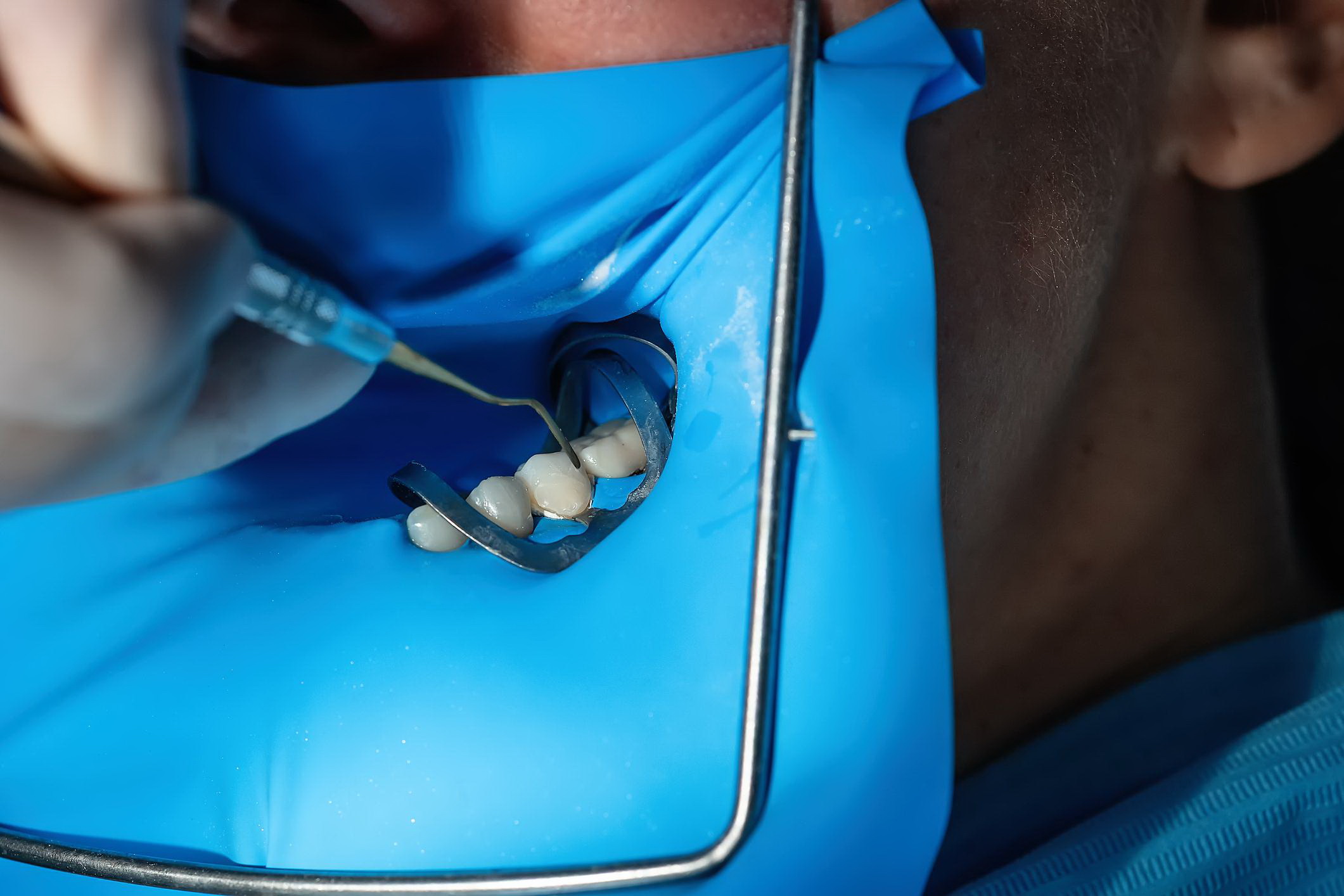
Composite is technique-sensitive. Moisture control, bonding sequence discipline, and curing checks are where great assistants make the biggest difference.
Isolation and moisture control (non-negotiable with composite)
- Strategic cotton roll placement and replacement timing
- Dry angles and saliva control without traumatizing tissue
- HVE positioning that keeps visibility and dryness
- Retraction choices that protect gingiva and improve access
- Knowing when to call out contamination risk so the dentist can reset the step
Bonding protocol support
Your office protocol and delegation rules will determine what you do hands-on. But you should know the sequence and what can go wrong.
Checklist awareness:
- Etch timing
- Rinse control and moisture level expectations (not too wet, not desiccated, depending on system)
- Primer and bond readiness
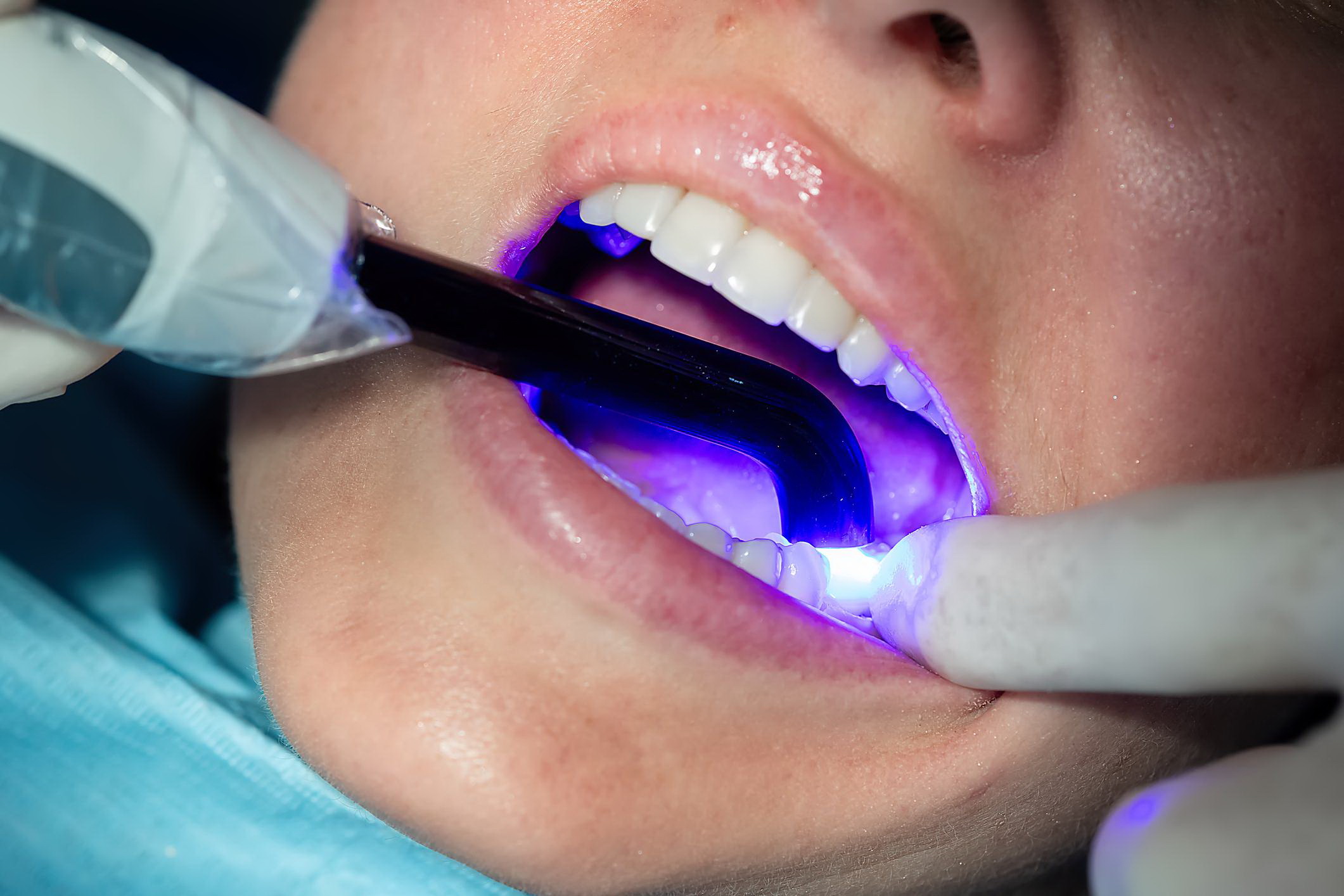
- Curing light safety: protective eyewear, avoiding soft tissue exposure, stable positioning
Curing light checks you should build into your routine:
- Clean curing tip before use
- Verify the correct mode and time
- Keep the light as close as appropriate and steady through the cycle
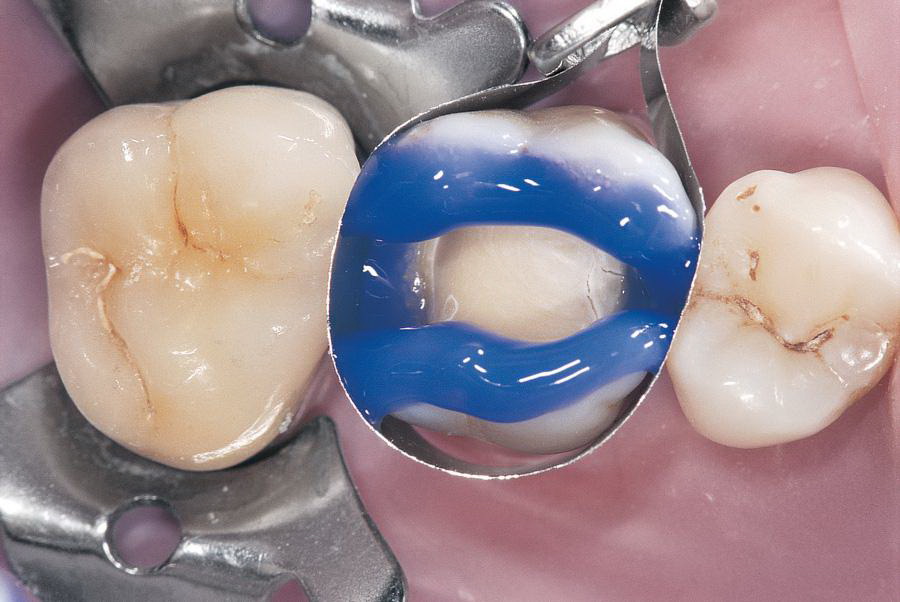
Matrix systems for anterior and posterior
- Mylar strips and wedges for anterior composites
- Sectional matrices, rings, and wedges for posterior contacts
- Knowing how to set up quickly and pass the right piece without breaking the dentist’s rhythm
- Understanding why open contacts happen and how matrix stability helps prevent it
Finishing and polishing sequence awareness
- Burs, discs, cups, and strips organized in a predictable order
- Protecting gingiva during finishing
- Keeping the field dry so polishing is efficient and margins are smooth
Common failure points to help the team avoid
You do not need to critique the dentist. You do need to notice risks early:
- Contamination during bonding
- Rushed curing or incorrect light positioning
- Matrices that are not seated well
- Rough margins that catch floss
- Patient discomfort that signals retraction pressure or tissue trauma
How do you support stainless steel crown appointments?
SSCs are common in pediatric dentistry and in situations where durability is the priority. Your role often involves organization, child-friendly communication, and clean cement workflows.
Indications basics (without diagnosing)
You do not decide when an SSC is needed. But you should understand typical scenarios where they are used so you can anticipate workflow, including pediatric restorative cases where full coverage is selected.
Crown selection and try-in assistance
- Crown sizing support: having options ready and organized
- Contour awareness and tissue protection during try-ins
- Efficient suction and retraction so the dentist can evaluate fit quickly
Cementation support (and the key limitation)
Be very clear on Florida’s rule: under Rule 64B5-16.0051, a dental assistant may be delegated fitting and contouring stainless steel crowns, but shall not permanently cement stainless steel crowns.
You can still bring significant value with:
- Cement selection readiness per office protocol
- Mixing timing and correct consistency awareness
- Cleanup strategy setup: gauze, floss, suction tips, explorer availability
- Patient management during setting time
Behavior and communication
- Child-friendly explanations and calm coaching
- Setting boundaries with parents: no diagnosis, no promises, reinforce what the dentist has explained
- Smooth transitions that reduce anxiety and movement during critical steps
Post-cementation checks support
- Articulation paper ready for the dentist’s bite check
- Efficient cleanup assistance and documentation support (including materials and lot numbers if your office needs it)
What supervision and delegation rules keep you legally safe?
In Florida Level 03 restorative functions, the rule specifies direct supervision. Practically, that means the dentist is present, actively supervising, and able to evaluate and intervene.
The dentist’s role
- Evaluate the patient and prepare the tooth
- Decide what can be delegated and to whom
- Be available and supervising during the delegated steps
- Verify the final restoration and document verification in the chart
Florida’s rule also includes operational safeguards such as:
- The dentist may not supervise more than four dental hygienists or dental assistants in combination performing these or similar delegable tasks simultaneously.
- The patient chart must be annotated with the initials of the dental assistant who performed the delegated task.
- The chart must reflect that the final restoration was verified by the dentist, and the result of verification is documented.
Your role
- Confirm the dentist is delegating the function to you
- Confirm you are trained and qualified for that exact function
- Stop and clarify if the request is outside your course completion boundaries, outside the rule, or outside your comfort level
Documentation habits that protect everyone
- Keep your restorative function course certificate accessible per office policy (Florida needs it be immediately available where tasks are delegated)
- Keep copies of training records and clinical documentation logs
- Support accurate chart notes: materials, surfaces, and assistant initials when needed
Common risk scenarios (and professional responses)
- Asked to do a task you were not trained for: “I’m not signed off for that function. Can we adjust the workflow?”
- Unclear supervision: “Before I proceed, can you confirm you want me to do this under your direct supervision?”
- Office policy conflicts with Florida rules: Ask for clarification and reference the practice’s compliance process. Protect the patient and your career first.
What does a Level 03 certification track include?
Most Florida Level 03 pathways follow a structure designed to meet Rule 64B5-16.0051. While details vary by provider, the training is typically organized to verify that the assistant is safe, consistent, and compliant.
Typical prerequisites (conceptually)
Florida’s rule includes common gatekeepers such as:
- Age and education requirements (at least 18; high school graduate or equivalent)
- Current BLS for Healthcare Provider
- Graduation from an accredited dental assisting program recognized by an entity recognized by the U.S. Department of Education, or qualifying expanded duties training as allowed
- Clear disciplinary background related to dental assisting licensure status
- Recent clinical work experience documentation (Florida references 2,400 hours within the prior 24 months)
- A delegating dentist connected to the training process, including dentist training and calibration requirements
Learning structure you should expect
Most candidates experience a staged approach:
- Preclinical didactic: laws and rules, materials, steps, safety, documentation.
- Simulated lab clinical: repetition on models before live patients.
- Live patient clinical: completing requirements under supervision with documented competency sign-offs.
Florida’s rule outlines a minimum 105 clock hours with minimums allocated to didactic, simulated lab, and live patient clinical time. It also needs written and clinical exams with minimum passing scores.
The takeaway: choose a program that is serious about competency, not just completion.
How many clinical hours make you ready to perform restorative functions?
Clinical hours are not just time on a schedule. They are proof of repetition and safe performance.
Simulated competency vs live patient competency
- Simulated training builds muscle memory and sequence discipline.
- Live patient training proves you can do it with saliva, movement, time pressure, and real-world communication.
Competency examples employers notice quickly
- Consistent isolation quality and retraction
- Matrix placement readiness and correct selection
- Curing light readiness and safety habits
- Clean instrument transfer and tray organization
- Efficient cleanup that protects soft tissue and saves time
- Calm patient management, especially in pediatric cases
Professionalism skills evaluated implicitly
Even if no one says it out loud, these are always being graded:
- Punctuality and preparedness
- HIPAA awareness and discretion
- Charting accuracy support
- Ethical decision-making when something is unclear or unsafe
In 2026 hiring, practices want assistants who are thoroughly trained, legally compliant, and clinically confident because restorative dentistry leaves little room for “guessing.”
What exams and verification are required?
Most Level 03 restorative function pathways include:
Written examination
Expect coverage of:
- Steps and sequencing for restorative support
- Materials handling and safety
- Infection control
- Florida laws and rules related to delegation and supervision
Clinical examination
Typically a showed skills exam that may include live patient components, where you must show safe, consistent performance.
Documents you are commonly asked to produce
Keep both digital and physical copies when possible:
- Restorative Function Course completion certificate
- Clinical hour logs and competency sign-offs
- CPR/BLS card and expiration date
- Program transcripts or completion documents if requested
- Any employer onboarding forms tied to scope verification
How offices verify scope before delegating Level 03 duties:
- They review your documentation, confirm the dentist’s delegation comfort level, and make sure the certificate is accessible at the location where duties are performed.
For more information on frequently asked questions regarding these processes, refer to this resource.
How do you work with a delegating dentist chairside?
Level 03 assistants shine when they reduce friction in the appointment.
A typical restorative appointment flow (where you add value)
- Rooming, review, and setup confirmation
- Isolation plan and tray readiness
- Matrix and materials staged before the dentist asks
- Efficient handoffs during bonding and placement steps
- Finishing and polishing readiness without searching
- Bite check support and patient comfort checks
- Documentation support and fast turnover
“Anticipation” is the Level 03 differentiator
Have these ready before the dentist looks up:
- Correct matrix system, wedges, rings
- Curing light, clean tip, correct mode
- Finishing kit and polishing sequence
- Crown sizing set and cement setup (when applicable)
- Floss, gauze, suction tips, and tissue protection tools
Team communication habits
- Repeat back key instructions quickly: “Sectional matrix and wedge for #19, then cure check.”
- Confirm delegation without slowing down the appointment
- Speak up early if contamination risk is present
Quality control habits
- Clean curing tip and verify performance per office protocol
- Confirm shade selection workflow timing if applicable (many offices shade before dehydration)
- Track lot numbers where your office protocol needs it
Patient experience
Patients remember how they were treated more than the materials used. Your calm explanations, comfort checks, and steady suction and retraction help the dentist focus on clinical decision-making.
How does Level 03 change your career options?
Expanded functions can change your role from “helping” to being a true restorative partner.
In practical terms, Level 03 training can support:
- More responsibility in restorative and pediatric workflows
- A stronger resume for competitive practices
- Broader practice settings where restorative volume is high
The dental industry continues to grow, and demand for skilled dental professionals remains strong. For many assistants, the lifestyle benefits are just as important:
- More stable long-term career direction
- Flexibility across offices and schedules depending on your goals
- A respected healthcare role without needing to become a dentist
If dental hygiene school is on your horizon, restorative training can also strengthen your fundamentals, increase your clinical exposure, and make your next step feel less intimidating.
Why do assistants choose Broward Dental Academy for Level 03 preparation?
When it comes to Level 03 preparation, Broward Dental Academy is a top choice for many Florida assistants. The academy offers a training program that focuses on building real clinical confidence, rather than just fulfilling a requirement.
Students typically seek the following key features in a Level 03 preparation provider, all of which are emphasized by Broward Dental Academy:
- Advanced dental training with multiple course options, including foundational courses like Level 01 and Level 02
- Structured learning design that supports both online learning and hands-on clinical development
- eLearning lesson plans designed for modern remote training needs
- In-office internships that build speed, repetition, and real operatory confidence
- A focus on outcomes employers care about: assistants who are thoroughly trained, legally compliant, and clinically confident
- Practical accessibility features such as flexible financing and support for busy students balancing work and life
If your goal for 2026 is to become the assistant your dentist can rely on during high-volume restorative days, a structured Level 03 training plan from Broward Dental Academy is one of the most direct paths to achieving that goal.
Next step: If you are ready to build Level 03 restorative skills with a clear, supervised training pathway, consider enrolling with Broward Dental Academy. This will set you on the path toward confident and compliant restorative support in today’s modern dental practices.
Welcome to Broward Dental Academy
Meet Professor Harry Panahi
Dental Assistant / Hygienists Level 03
Dental Assistant Hygienist Level 03: Restorative Functions (RFDA) Certification Expanded Functions for Dental Assistants & Dental Hygienists
Operate at the Highest Level of Clinical Authority
Level 03 is not entry-level training.
It is professional elevation.
The Restorative Functions (RFDA) 120-Hour Certification Course at Broward Dental Academy is designed for dental assistants and dental hygienists who are ready to perform expanded restorative procedures legally, safely, and confidently under Florida law.
This Florida Board-approved program trains qualified dental professionals to:
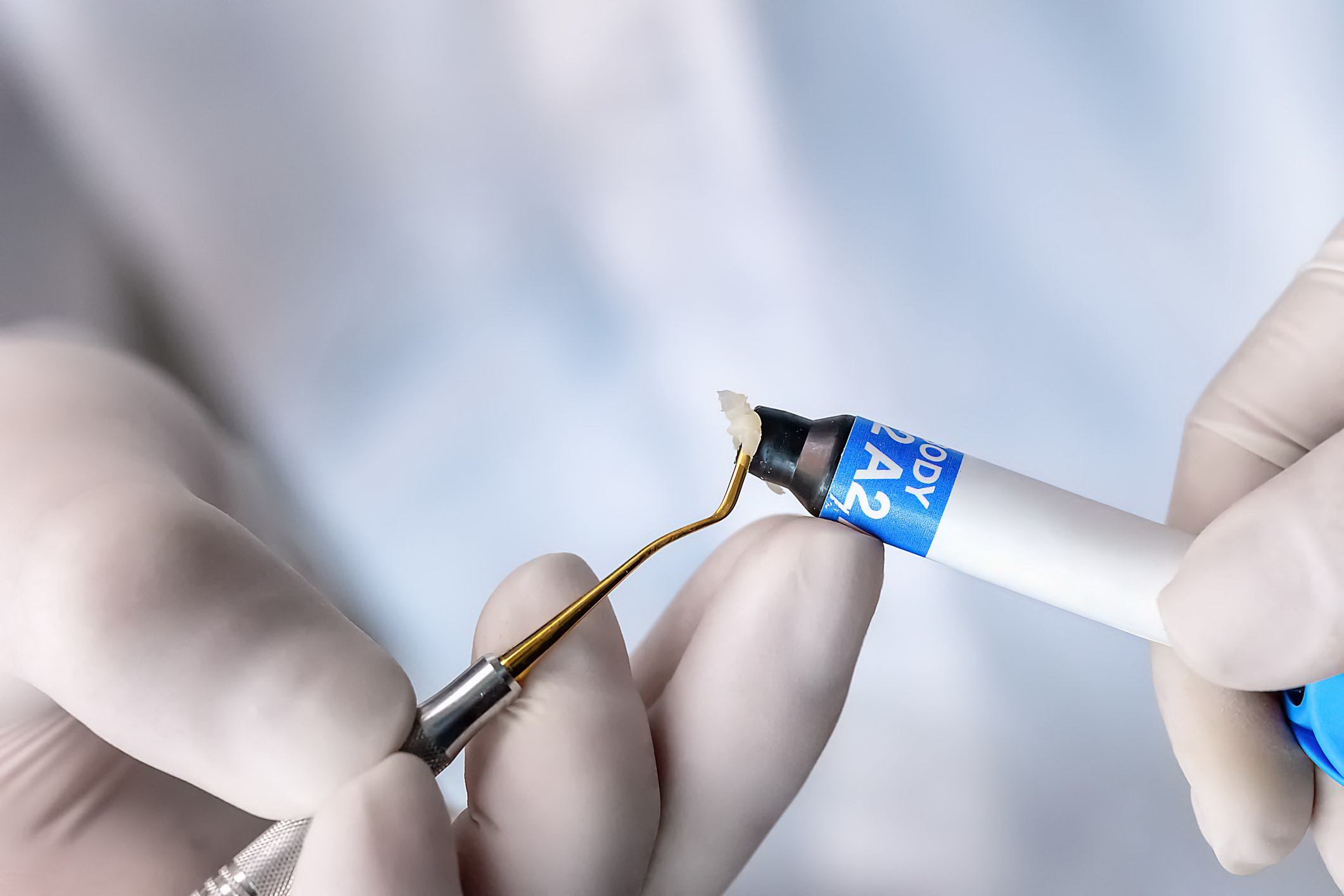
- Place, pack, and contour restorative materials
- Size, fit, adjust, and cement stainless steel crowns
- Use slow-speed handpieces in restorative procedures
In today’s efficiency-driven practices, delegation is essential. RFDA-certified professionals significantly reduce chair time, often by 30–50%, allowing dentists to increase productivity while maintaining high clinical standards.
This is not just continuing education.
It is expanded clinical authorization.
Program Structure: Designed for Working Professionals
This 5-month, 120-hour certification course combines:
- Online, self-paced didactic modules
- Interactive video instruction
- Knowledge checks and dashboard tracking
- In-person, CODA-accredited hands-on laboratory training
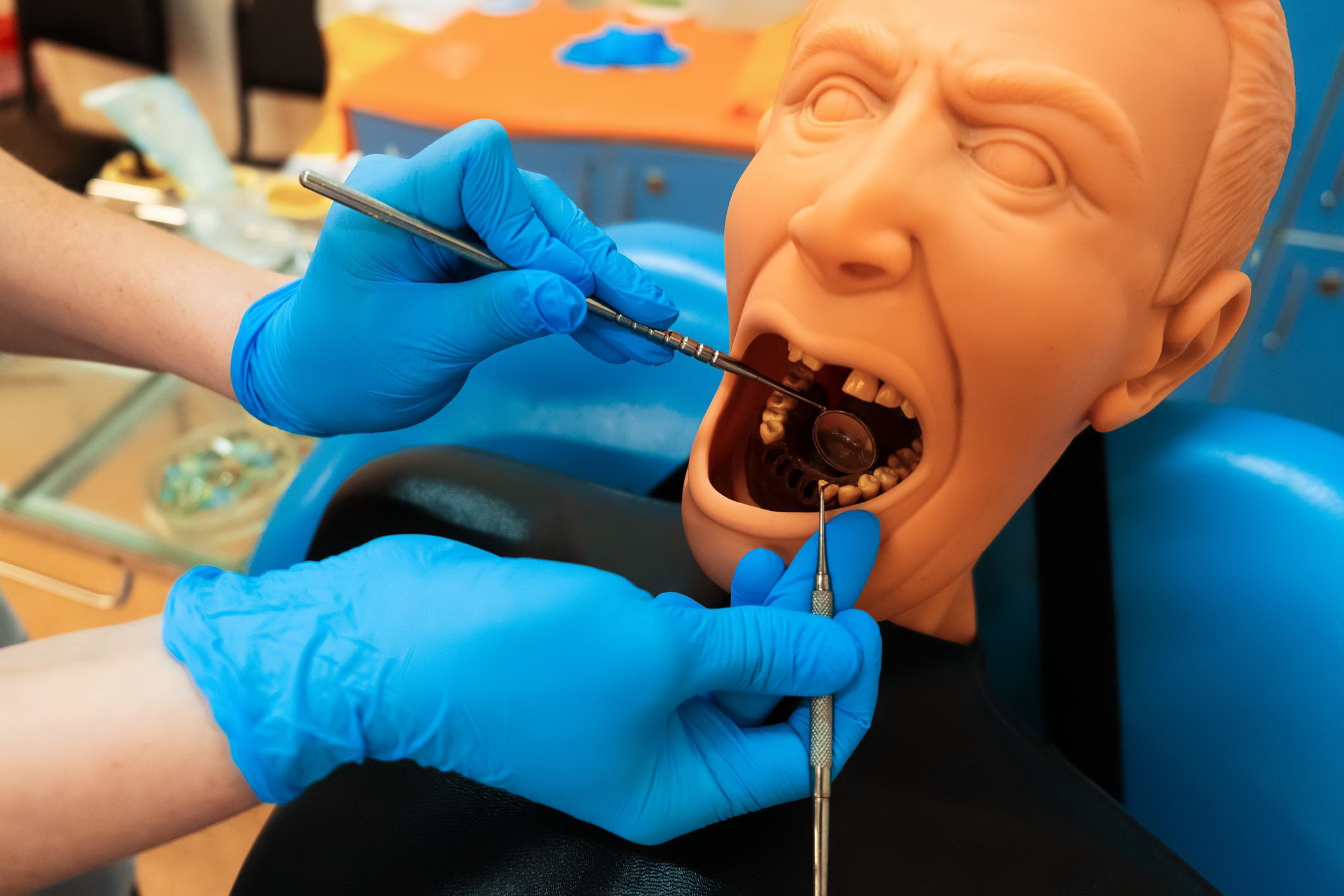
- Pre-clinical operative simulation on manikins
- Clinical competency evaluations
Students begin with foundational theory and progress to pre-clinical simulation before advancing to clinical scenarios.
Certification is awarded upon successful completion of written examinations and demonstration of clinical competency.
The hybrid structure ensures flexibility for working professionals while maintaining rigorous hands-on standards needed by the Florida Board of Dentistry.
Which advanced restorative skills will you master?
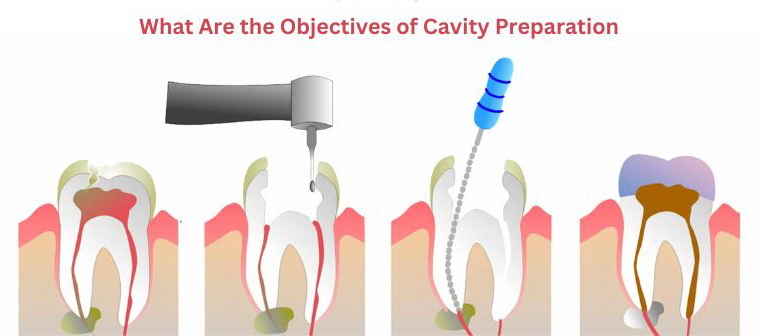
Cavity Preparation & Restoration Principles
You will develop a deep understanding of:
- Classifications of cavity preparation design
- Principles of restoring primary and permanent dentition
- Biomechanics of adhesive dentistry
- Proper contouring and occlusal anatomy
This knowledge ensures restorations are not just placed, but placed correctly.
Adhesive Restorations (Composite Techniques)
You will learn protocols for:
- Class I, II, III, and V composite restorations
- Adhesive systems and their indications
- Etching, bonding, and polymerization techniques
- Proper manipulation and contouring
- Finishing and polishing techniques
Modern dentistry is adhesive-driven, and RFDA certification positions you at the center of restorative workflow.
Amalgam Restorations
Although composite use has expanded, amalgam remains clinically relevant.
You will gain competency in:
- Manipulating and condensing amalgam
- Proper carving techniques
- Occlusal anatomy refinement
- Class I, II, and V restorations
Understanding both traditional and modern materials strengthens your restorative versatility.
Stainless Steel Crowns (SSC)
Stainless steel crowns are widely used in pediatric dentistry and high-caries-risk patients.
You will master:
- SSC indications
- Crown sizing and fitting
- Contouring and crimping
- Cementation protocols
- Post-placement adjustments
Properly fitted SSC restorations protect tooth structure and ensure longevity.
Bases, Liners & Pulp Protection
You will learn principles of:
- Pulp protection for deep lesions
- Bases and liners selection
- Resin-modified glass ionomer placement
- Protective restorations in Class V
Understanding pulpal health is critical to long-term restorative success.
Benefits to the Practice
RFDA-certified professionals give measurable value:
- Increased clinical efficiency
- Reduced dentist chair time
- Higher patient throughput
- Expanded delegation capabilities
- Improved case completion rates
Practices with expanded-function team members operate at a higher level of productivity and profitability.
Benefits to Your Career
Level 03 RFDA certification shows:
- Advanced restorative authority
- Legal expanded-function compliance
- Increased earning potential
- Greater professional autonomy
- Elevated clinical credibility
This certification distinguishes you in a competitive job market and opens doors to leadership opportunities within high-performing practices.
High Demand, Limited Availability
Due to high demand, enrollment fills quickly and waitlists are common.
This is a career-defining certification for serious dental professionals.
Operate at the Expanded Level
If you are ready to:
- Perform restorative procedures legally and confidently
- Increase practice efficiency
- Elevate your clinical authority
- Expand your earning potential
Then Level 03: Restorative Functions (RFDA) Certification at Broward Dental Academy is your next strategic advancement.
Expand your skills, increase your impact, operate at the highest level of modern dental practice.
Attendance at all scheduled sessions is mandatory to get certification.
What are the acceptance criteria and requirements before the course?
Dental Assistants Must:
- Be at least 18 years of age.
- Be able to read, write, and speak English at an advanced level.
- Be a high school graduate or have a High School Equivalency Certificate.
- Have a current Basic Life Support for Healthcare Provider certificate.
- Be a graduate of a dental assisting program that is accredited by a dental accrediting entity recognized by the United States Department of Education, or have received formal training in expanded duties.
- Never had a dental assisting license suspended or revoked in any jurisdiction.
- Within 24 months before being admitted to the mandatory training course, the Candidate must have documented proof of 2,400 hours of clinical work experience in either a dental office or as an educator of dental assisting.
Dental Hygienists Must:
- Be at least 18 years of age.
- Be able to read, write, and speak English at an advanced level.
- Be a high school graduate or have a High School Equivalency Certificate.
- Have a current Basic Life Support for Healthcare Provider certificate.
- Have an unrestricted dental hygiene license from any U.S. state or territory.
- Never had a dental hygiene license suspended or revoked in any jurisdiction.
- Within 24 months before being admitted to the mandatory training course, the candidate must have documented proof of 2,400 hours of clinical work experience in either A dental office, as an educator of a dental hygiene program, or be a graduate of a dental hygiene program, accredited by a dental accrediting entity recognized by the United States Department of Education.
Requirements Before The Course…
Dental Assistants and Dental Hygienists Must:
- Access their Online Coursework (Link found in digital enrollment receipt)
- Complete their HIPAA Quiz
- Complete their OSHA Quiz
- Complete their Bloodborne Pathogens Quiz
- Get a minimum score of 70% on the quizzes mentioned 2 weeks before the first day of class
- Upload their Restorative Function Certification Form
- Upload their UF Certification and Authorization Form
- Upload their Marketing Form
- Upload a copy of their CPR Card
Dental Hygienists Must:
- Upload a copy of their License or EFDA Certificate
After enrollment, the requirements will be sent electronically to the student for completion.
Recommended Texts: Art and Science of Operative Dentistry by Sturdevant, 7th Edition, Ritter, Boushell, and Walter, Elsevier (Textbook available to buy from Amazon or Elsevier)
All necessary supplies and instruments will be gave. But, please bring your own safety glasses or loupes if you need special glasses.
Location:
Broward Dental Academy
8888 Royal Palm Blvd
Coral Springs, FL 33065
LearnWith@BrowardDentalAcademy.com
954-761-5388
Dental Assistant Level 03 training
Click Here To View Rule: 64B5-16.0051
64B5-16.0051 Delegation of Remediable Restorative Functions to Dental Assistants; Supervision Level; and Training and Experience Requirements.
Notwithstanding any other rule provision to the contrary, a dentist may delegate remedial intraoral restorative functions to a Dental Assistant in strict compliance with the provisions of this rule. All functions delegated under this rule shall be performed under direct supervision.
(1) Delegable Restorative Functions: After a dentist has prepared a tooth, a dentist may delegate to a dental assistant, who has met the mandatory training requirements of this rule, the task of placing, packing and contouring amalgam and composite restorations and the fitting and contouring of stainless-steel crowns (tasks). But, a dental assistant shall not permanently cement stainless steel crowns.
(a) The tasks shall only be performed using a slow speed handpiece and hand instruments.
(b) The delegating dentist shall not supervise more than four (4) dental hygienists or dental assistants in combination who are simultaneously performing the tasks pursuant to this rule or a rule authorizing the same or similar delegable tasks for dental hygienists.
(c) The delegating dentist shall ensure that the patient’s dental chart is annotated to reflect the initials of the dental assistant who performed the tasks.
(d) The delegating dentist shall also ensure that the patient’s dental chart reflects that the final restoration was verified by the delegating dentist and the result of the verification shall also be documented.
(2) Mandatory Training Course Prerequisites: To be eligible to be admitted into the mandatory training course needed in subsection (3), a dental assistant (Candidate) shall meet the following conditions:
(a) The Candidate shall be at least 18 years of age.
(b) The Candidate shall be a high school graduate or have a High School Equivalency Certificate.
(c) The Candidate shall have a current Basic Life Support for Healthcare Provider certificate.
(d) The Candidate shall be a graduate of a dental assisting program that is accredited by a dental accrediting entity recognized by the United States Department of Education or shall have received formal training in expanded duties pursuant to paragraph 64B5-16.002(1)(b), F.A.C. The Candidate shall have never had a dental assisting license suspended or revoked in any jurisdiction.
(e) Within 24 months before being admitted to the mandatory training course in subsection (3), the Candidate must have documented proof of 2,400 hours of clinical work experience in either a dental office or as an educator of dental assisting.
(f) All students must have a delegating dentist to enroll in the program. The commitment of the delegating dentist is to supervise and evaluate a portion of their clinical requirements and submit a report to the CE provider.
(g) The delegating dentist must attend a two-hour online interactive video conference mandatory training on the Laws and Rules of Remediable Restorative Functions, and calibration of the clinical requirements and procedures.
(3) Mandatory Training Course: The mandatory training course shall be offered by a dental or dental hygiene school or program that is accredited by a dental accrediting entity recognized by the United States Department of Education. The training course must be specifically designed and set up to comply with the provisions of this rule. The training program shall ensure that the candidate meets all the qualifications in subsection (2) before accepting the candidate into the training program. At a minimum, the training shall include and contain the following:
(a) 105 clock hours including a minimum of 10 hours dedicated to preclinical didactic hours, and a clinical portion consisting of a minimum 70 hours dedicated to simulated lab and a minimum of 25 hours dedicated to live patients, divided in 12 clinical hours with the delegating dentist, and 13 clinical hours at the course provider institution. The preclinical didactic hours, may be offered online. At the completion of the preclinical didactic hours, the course shall need the passing of an initial written examination before the clinical portion of the training. A passing score shall need a score of 75 percent or above.
(b) A clinical and lab session for Amalgam Restorations Class I, II, and V, which shall include live patients.
(c) A clinical and lab session for Composite Restorations Class I, II, III, and V, which shall include live patients.
(d) A lab case-based clinical scenario session to size, fit and contour, but not permanently cement, stainless steel crowns.
(e) The training program shall verify competency by requiring an exit or final written examination and clinical examination that includes live patients. The written portion of the examination shall include a section covering the Laws and Rules of Dentistry in Florida. A passing score shall need a 75 percent or above on both the written and clinical examination and the examinations shall not be weighted to achieve an overall score of 75 percent or better. The clock hours dedicated to the exit or final written and clinical examination shall not count towards the needed minimum 105 total clock hours needed by the course.
(f) Upon the successful completion of the training course, a certificate of successful completion of the Restorative Function Course shall be issued.
(4) Documentation of Training: A Dentist who delegates tasks pursuant to this rule shall ensure that a copy of the Restorative Function Course training certificate is immediately available at the location where tasks are delegated, and the certificate shall be produced by the dentist when requested by the Board Office or any authorized inspector.
(5) Responsibility: The delegating and supervising dentist shall remain fully responsible for all delegated tasks and for ensuring that the dental assistant meets the training requirements of this rule.
(6) This rule shall be reviewed, and if necessary, repealed, modified, or renewed through the rulemaking process five years from the effective date.
Rulemaking Authority 456.013, 466.024 FS. Law Set up 456.013, 466.024, 466.024(1) FS. History–New 6-23-19, Amended 5-18-23.
https://flrules.org/gateway/ruleNo.asp?id=64B5-16.0051
Broward Dental Academy’s Dental Training Resources (7 Pillars)
Broward Dental Academy serves the dental community by developing well-rounded professionals through a wide range of dental training programs. The model is designed to help students become thoroughly trained, legally compliant, and clinically confident, not just “test-ready.”
Students experience immediate immersion through:
- Online learning with updated eLearning lesson plans
- Hands-on clinical training
- In-office internships that build real-world readiness
Broward Dental Academy also offers flexible scheduling and flexible financing options, making it easier to train without putting life on hold.
Below are the 7 pillars. If you are not sure where to begin, start with Pillar 1 or Pillar 2, then choose your level based on your goals and timeline.
Pillar 1: Dental Assistant Careers in South Florida (Career and Planning Resource)
If you want clarity before committing to a course level, this is the best starting point. It helps you understand what dental assisting jobs look like locally, typical responsibilities, and growth potential.
It also connects directly to why so many people choose this path: stable income potential, flexible schedules, career mobility, and growing demand for skilled professionals.
Pillar 2: How to Become a Dental Assistant in Florida (Step-by-Step Resource)
Florida has specific expectations, and dental employers care about legal compliance and practice readiness. This pillar breaks down the process so you understand the pathway and what to look for in a quality program.
Use it as your roadmap before selecting Level 01, Level 02, or EFDA.
Pillar 3: Dental Assistant Level 01 Training (Foundational Clinical Skills)
Level 01 is your foundation. It focuses on core chairside workflows, operatory readiness, sterilization fundamentals, and professional habits that make you useful in a real practice.
The learning structure is designed to build confidence early through blended online learning plus clinical immersion. The outcome is not just knowledge, but readiness for real practice expectations.
Pillar 4: Advanced Dental Assistant Training: Level 02 (Build Speed, Accuracy, Confidence)
Level 02 is advanced training designed for higher-performance assisting. It strengthens clinical repetition, workflow efficiency, and your ability to take on elevated responsibility under supervision.
Modern practices value assistants who can keep up, stay calm under pressure, and keep compliance while moving fast.
Pillar 5: Expanded Functions Dental Assistant: Level 03 (EFDA) (Career Expansion Resource)
EFDA training is a major career mobility step for qualified assistants. Expanded functions can increase your value to a practice, add variety to your daily work, and support long-term flexibility.
Because expanded duties need strong training and careful legal compliance, Level 03 is best approached after a solid foundation.
Pillar 6: Specialty Dental Assisting Training (Perio • Endo • Ortho • Oral Surgery)
Specialty training is one of the fastest ways to differentiate yourself. You learn specialty workflows, instruments, and the patient flow expectations that come with more complex procedures.
Examples include:
- Perio: maintenance flow support and procedure setup expectations
- Endo: isolation support and sequence awareness
- Ortho: setup support and appointment rhythm
- Oral surgery: prep and assisting basics as allowed within scope. For detailed training on this aspect, consider our Oral Surgery program.
Practices value assistants who can support specialty procedures confidently and ethically.
Pillar 7: Dental Certifications (Credential and Compliance Resources)
Certifications are ongoing training resources that strengthen employability, support compliance, and signal professionalism. They also reflect the mindset that employers trust most: continuing education, staying current, and taking patient safety seriously.
This pillar is “stackable” alongside Levels 01 to 03 and specialty training so you stay competitive as dentistry evolves.
Course: Dental Assistant Level 03
Course Code: DA-L03
Instructor: Professor Dr. Harry Panahi
Educational Level: Completion of Dental Assistant Level 02
Language: English -US
Educational Credential Awarded: Certificate of Completion
Course Mode: Blended
Duration: 12 Weeks
Price: $4,500.00 USD
Valid From: 2026-01-01
Start Date: 2026-01-01
End Date: 2031-01-01
Description: A 120-hour advanced restorative functions certification course for qualified dental assistants and dental hygienists. The hybrid program combines online didactic instruction, laboratory training, pre-clinical simulation and clinical competency evaluations.
Ready to Enroll?
Take the first step toward your dental career today.
Frequently Asked Questions
What does ‘Dental Assistant Level 03’ mean in Florida and why is it important?
In Florida, a ‘Dental Assistant Level 03’ is a dental assistant who has completed the needed training and verification to perform delegated remediable restorative functions under a delegating dentist’s direct supervision, following Florida laws and Rule 64B5-16.0051. It is designation is especially important due to packed restorative schedules and the demand for efficient, high-quality support in dental practices. Level 03 assistants enhance production flow and become valuable clinical teammates during restorative appointments.
What specific restorative functions can a Level 03 dental assistant perform in Florida?
Level 03 dental assistants in Florida may be delegated remediable restorative functions such as assisting with amalgam restorations, composite restorations, and stainless steel crowns (SSCs), particularly in pediatric dentistry. These tasks must be performed using slow speed handpieces and hand instruments only, under direct supervision of a dentist, as outlined in Rule 64B5-16.0051.
What duties are Level 03 dental assistants NOT permitted to perform?
Level 03 dental assistants are not authorized to diagnose, create treatment plans, or perform final evaluations of restorations and overall treatment outcomes. They must not undertake any duties outside the scope of practice defined by Florida law or beyond their verified training. All delegated functions need direct dentist supervision to ensure patient safety.
How can a dental assistant become ‘job ready’ for Level 03 restorative functions in Florida?
To become job ready as a Level 03 dental assistant, one should build strong pre-clinical foundations including understanding restorative sequences, materials, quality checks, and clinical workflows. Completing specialized training programs, such as those offered by Broward Dental Academy, covering oral surgery, orthodontics, endodontics, periodontics, and restorative procedures ensures competence. Also, gaining practical clinical hours, passing relevant exams, and adhering strictly to scope of practice guidelines are essential.
Why is direct supervision critical when performing delegated restorative functions as a Level 03 assistant?
Direct supervision ensures that the delegating dentist is physically present on-site during all delegated remediable restorative procedures performed by a Level 03 assistant. This oversight keeps patient safety and compliance with Florida Rule 64B5-16.0051. It also guarantees that the dentist retains responsibility for diagnosis, treatment planning, and final evaluation while allowing assistants to support efficiently within their authorized roles.
Where can dental assistants find specialized training to advance their skills beyond basic restorative functions?
Dental assistants seeking to expand their skills can enroll in comprehensive courses at institutions like Broward Dental Academy. They offer certifications and training in advanced areas such as oral surgery, orthodontics, endodontics, periodontics, and other specialized dental fields. These programs help assistants safely acquire new competencies that enhance employability and career growth within the scope permitted by Florida regulations.