Periodontics Training Program: What You’ll Actually Learn
The Periodontics Training Program at Broward Dental Academy is a 12-week blended periodontal assisting course in Coral Springs, FL. Tuition is $4,500 and you finish with a Certificate of Completion.
Taught by licensed clinicians and university faculty in Broward County, at 8888 Royal Palm Blvd, Coral Springs, FL 33065. Call 954-761-5388 or apply now.
Periodontics is often misunderstood as “just deep cleanings.” In a modern dental practice, that mindset is exactly how disease gets missed, implants fail, and patients cycle in and out without real stability.
A strong periodontics training program, like the ones offered at Broward Dental Academy, teaches you how to think like a periodontal support specialist, not just how to scale. You learn how to recognize early warning signs, chart accurately, support advanced procedures safely, and build long-term maintenance systems that keep patients healthy.
Key takeaways
- What is the periodontics course for?
Supporting the diagnosis, treatment and long-term maintenance of gum disease, from charting and nonsurgical therapy through surgical assisting and implant maintenance. - What will you practise?
Periodontal charting, risk assessment, hand and ultrasonic scaling, scaling and root planing support, suturing principles and post-operative care. - Why does it matter?
Periodontal disease is common, progressive and quietly expensive, and maintenance intervals are clinical decisions rather than scheduling habits. - Who is it for?
Dental assistants and hygienists who want specialty clinical authority and the patient-education skills that keep results stable between visits.
What will you actually learn in a periodontics training program?
Periodontics is often misunderstood as “just deep cleanings.” In a modern dental practice, that mindset is exactly how disease gets missed, implants fail, and patients cycle in and out without real stability.
A strong periodontics training program, like the ones offered at Broward Dental Academy, teaches you how to think like a periodontal support specialist, not just how to scale. You learn how to recognize early warning signs, chart accurately, support advanced procedures safely, and build long-term maintenance systems that keep patients healthy.

Why does periodontics training matter more than ever?
Here’s the real-world shift most dental teams feel daily:
- More adults are keeping their teeth longer, which means more years for biofilm-driven inflammation to do damage.
- Implants are everywhere, and they bring their own maintenance demands and disease risks.
- Chronic inflammation is showing up more often, and not just in mouths. Many patients have diabetes, cardiovascular risk factors, autoimmune conditions, or medication histories that change how periodontal disease presents and progresses.
Periodontal health is also tied to overall health in ways that matter clinically. Good training will help you speak responsibly about the oral-systemic health connection, including the well-established associations with glycemic control in diabetes and important pregnancy considerations. The goal is not to overpromise, but to communicate risk clearly and support better outcomes through consistent care.
So what is a periodontics training program for?
For dental professionals, it is designed to build:
- Stronger diagnosis support through better charting, probing consistency, and risk recognition
- Better nonsurgical therapy skills, including instrumentation and staging care
- Safer surgical assisting through understanding indications, steps, setups, and post-op priorities
- Smarter long-term maintenance protocols so results hold up months and years later
In this guide from Broward Dental Academy, I’ll walk you through what you will actually learn: clinical skills, decision-making, documentation, patient communication, and the career upside.
For those interested in expanding their expertise beyond periodontics, Broward Dental Academy also offers comprehensive training programs in other fields such as orthodontics and endodontics. Additionally, a variety of other courses are available to suit your professional development needs.
What is the difference between gingivitis and periodontitis?
A good program, such as those offered at the Broward Dental Academy, makes this simple in clinical terms:
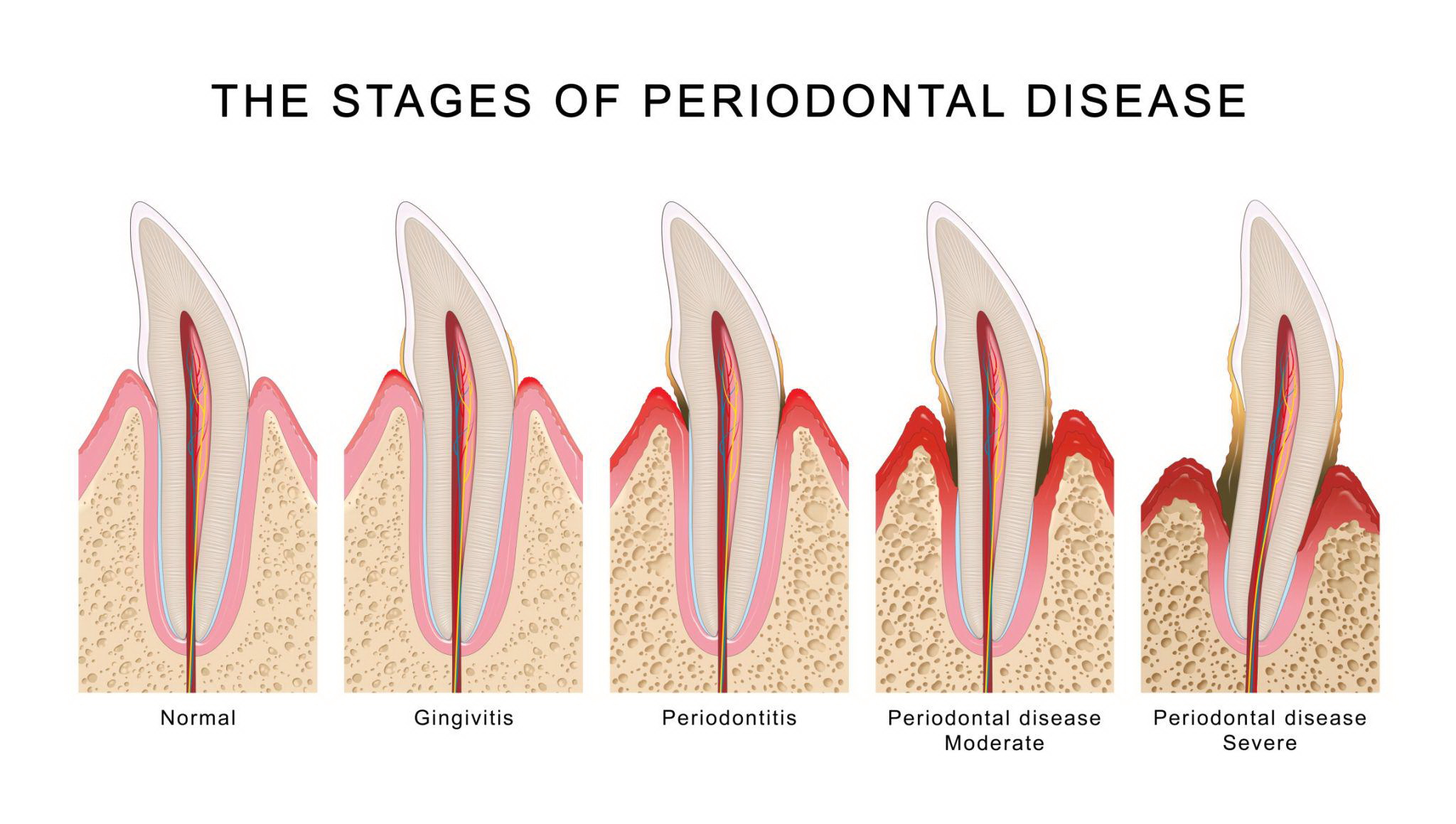
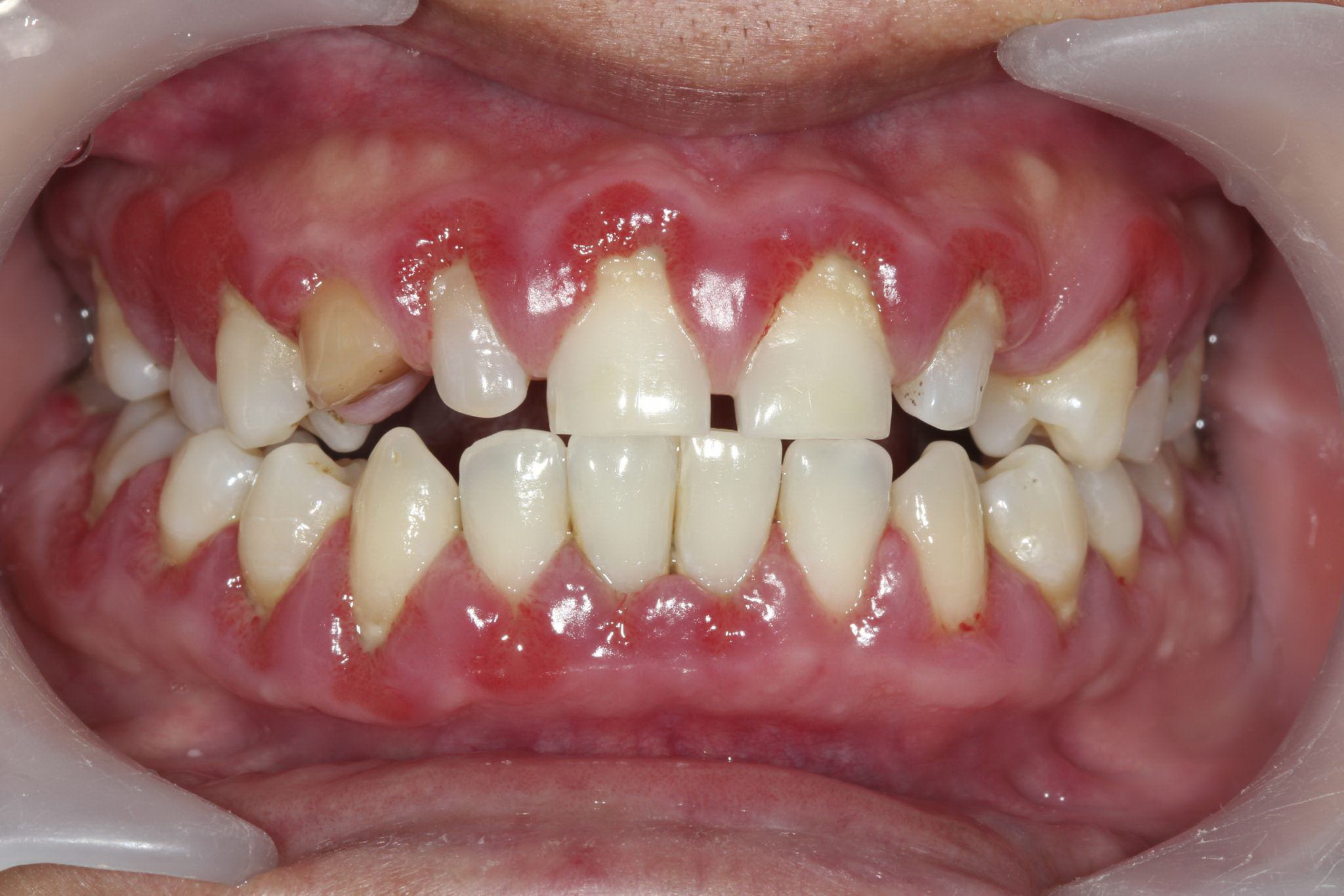
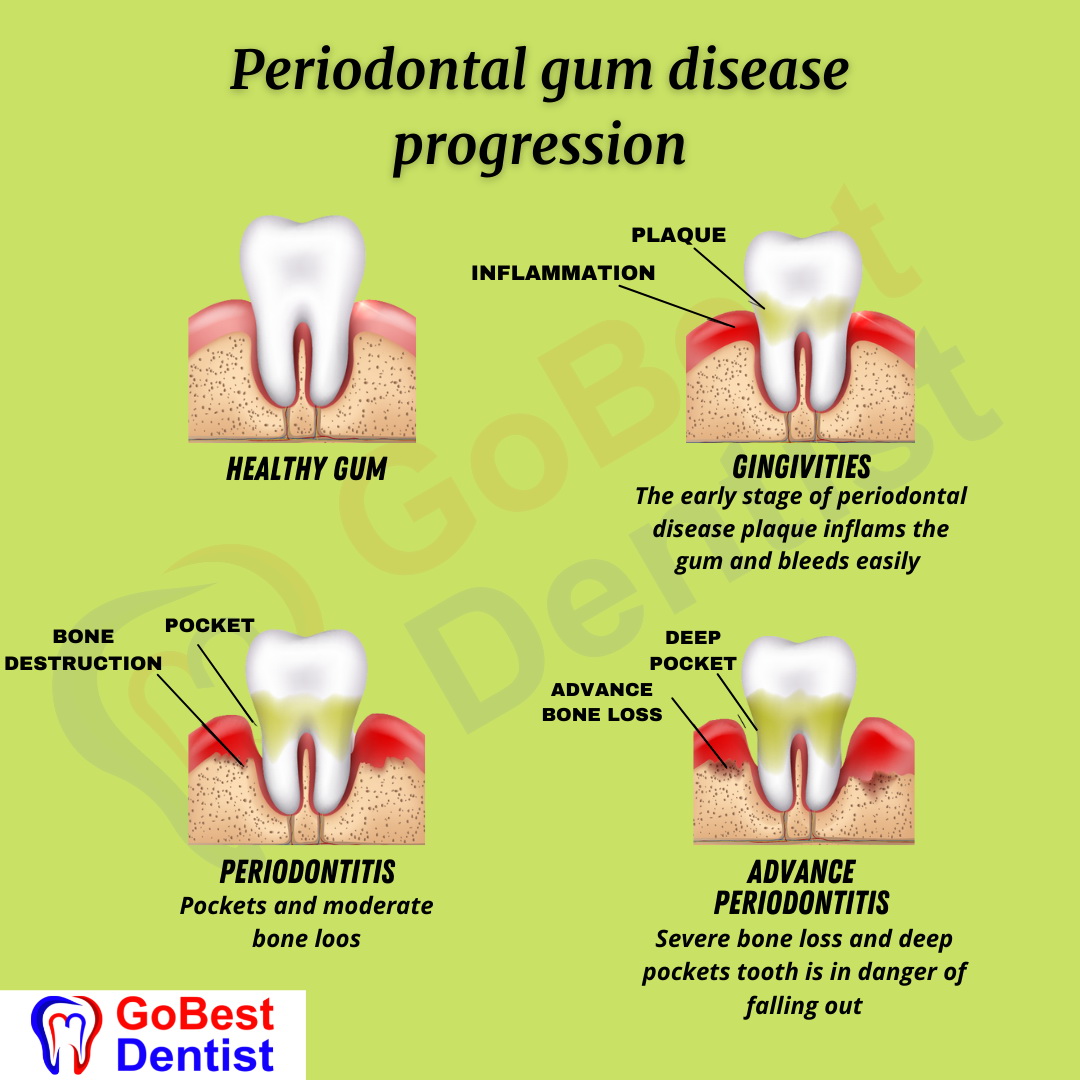
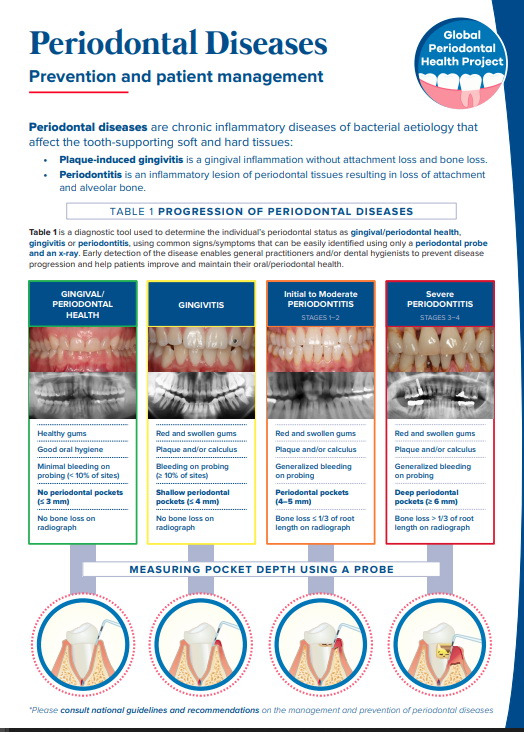
- Gingivitis is inflammation without attachment loss. You can see bleeding and swelling, but the supporting structures have not been lost.
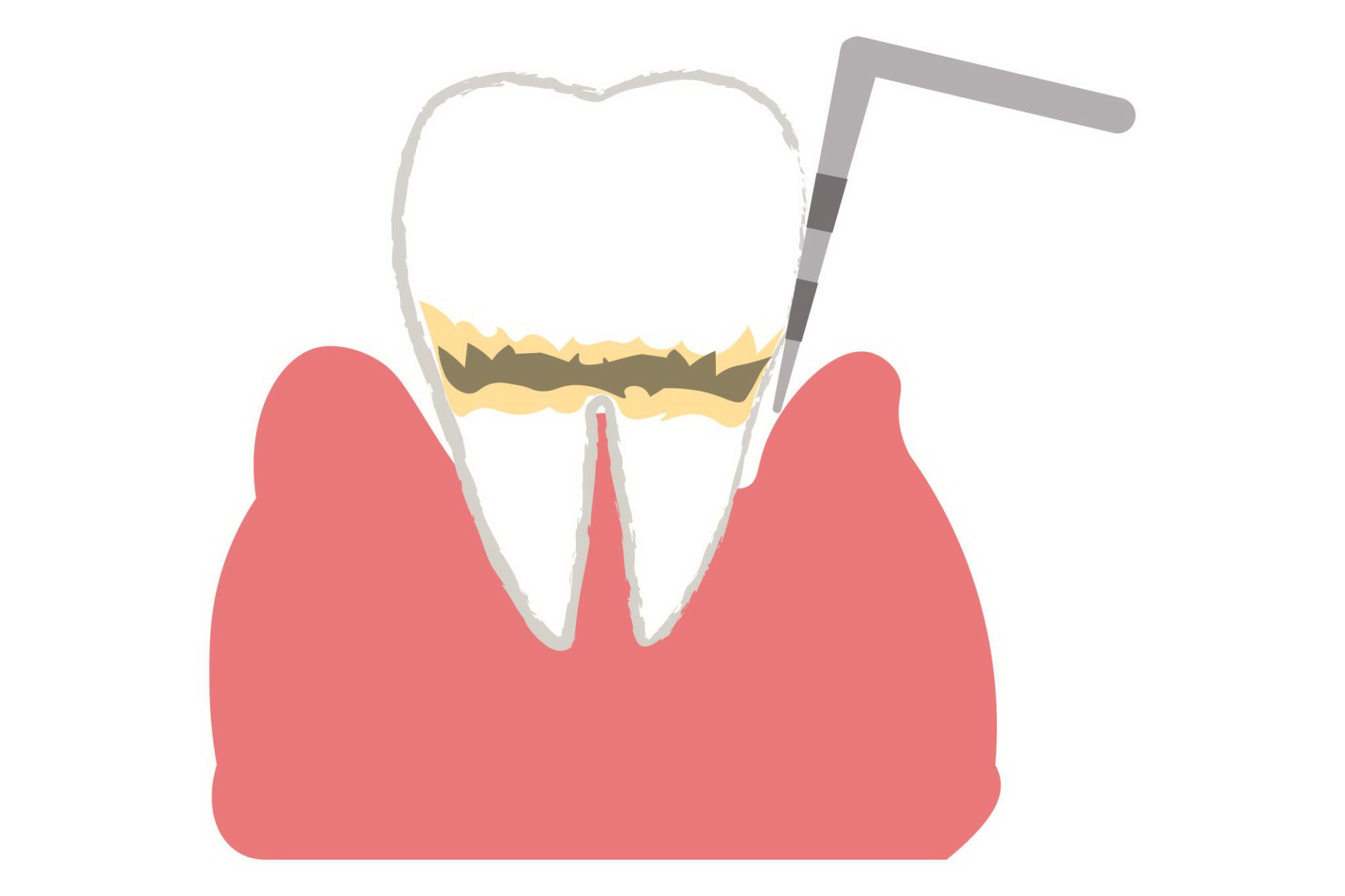
- Periodontitis is inflammation with attachment loss and bone changes. This is where pockets deepen, bone levels change, and stability becomes a long-term management issue.
What drives both? Mostly plaque biofilm that matures and hardens into calculus, especially in areas patients cannot clean well. The same amount of biofilm does not affect every patient equally, which is why risk factors are a major part of training. You will learn how factors like smoking, diabetes, dry mouth, home care habits, nutrition patterns, stress, and medication history can change outcomes.
Common signs you’ll be trained to spot quickly include:
- Bleeding on probing patterns that suggest inflammation burden
- Recession and tissue quality changes that signal chronic trauma or disease history
- Suppuration as a red flag for active infection
- Mobility and fremitus indicators that shift the treatment plan
- Furcation involvement clues, often first suspected clinically and then confirmed with focused evaluation
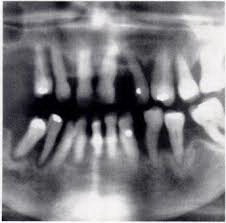
You will also learn what progression looks like. It is rarely dramatic overnight. More often it shows up as pockets that do not resolve, bleeding that persists in the same areas, and subtle radiographic changes that become obvious only when compared over time. Early identification is what prevents complex, expensive cases later.
The training you receive will prepare you to identify these issues effectively and manage them appropriately at various locations where you practice.
How do you perform a periodontal exam correctly?
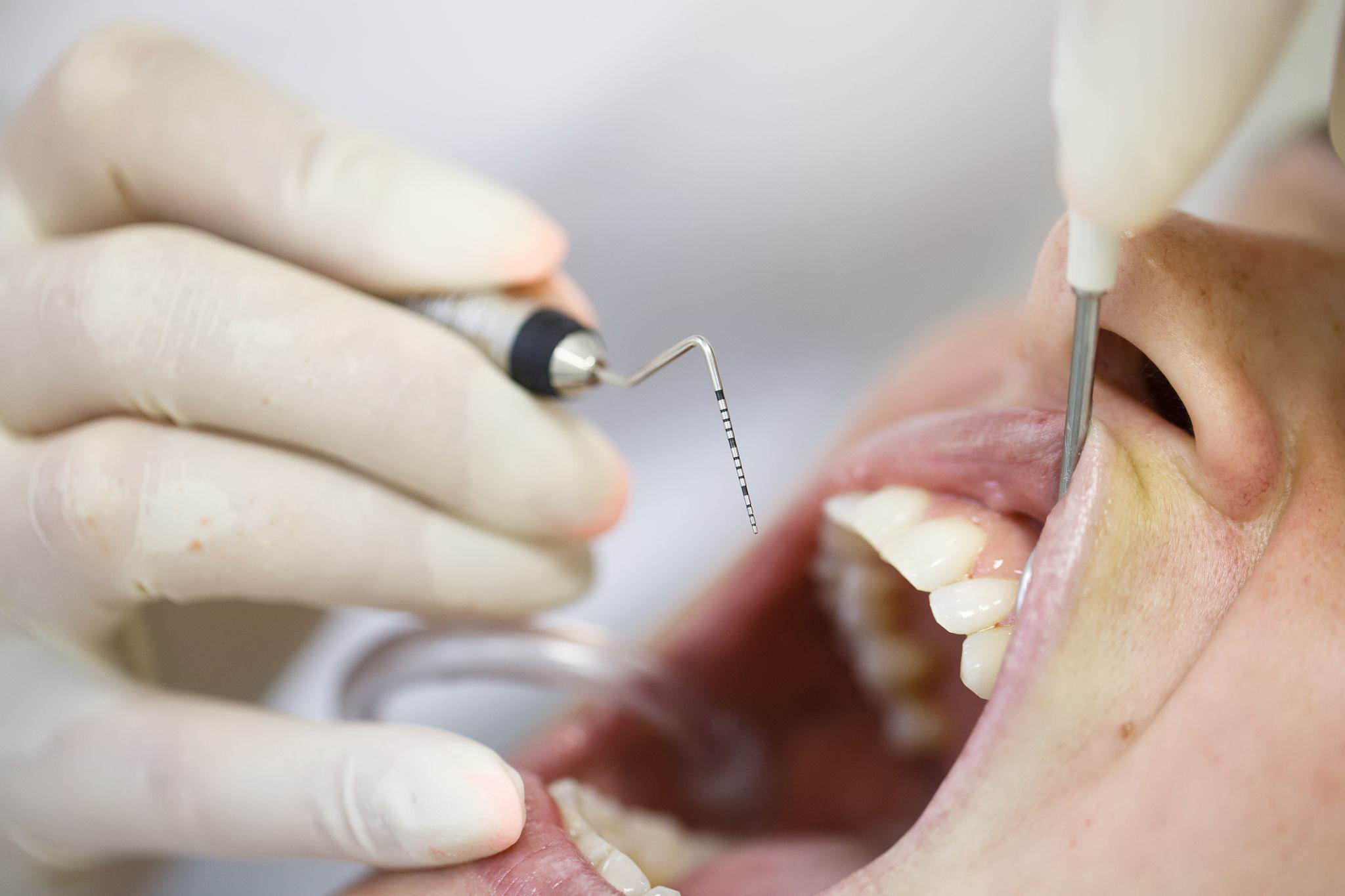
Periodontal therapy is only as good as the exam behind it. In training, you will practice a repeatable workflow that starts before the probe ever touches the tissue.
1- Medical history review and risk assessment
You learn to translate “medical history” into clinical risk:
- Diabetes control and A1C discussions (as documented by the patient’s physician or patient report)
- Anticoagulant use and what it changes for bleeding expectations and documentation
- Pregnancy status considerations and conservative care planning
- Smoking and vaping history
- Medications that impact gingival tissue, saliva, or healing
You also learn how to turn the patient’s chief concern into clinical questions. “My gums bleed” becomes: where, how often, spontaneous or provoked, and what does the chart show?
2- Periodontal charting essentials
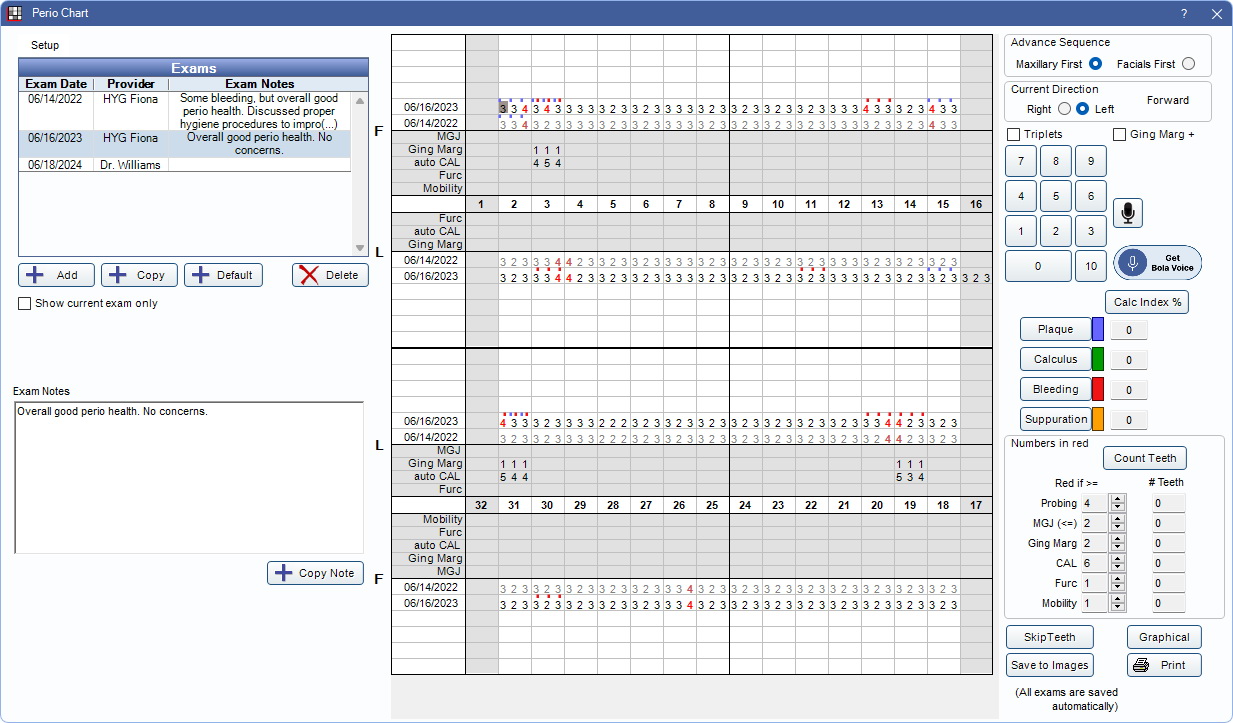
A complete chart is more than pocket numbers. Training typically covers:
- Probing depths with consistent technique
- Clinical attachment loss concepts (why recession plus probing matters)
- Bleeding indices and inflammation scoring
- Recession measurement and pattern interpretation
- Mobility grading
- Furcation classification basics
- Mucogingival findings, including attached gingiva and frenum concerns
You also learn the habits that separate a confident perio team member from a rushed one: controlled probe pressure, repeatable angulation, and consistent site order so the data is dependable.
3- Radiographic interpretation basics for perio
You are not expected to diagnose like a periodontist, but you will be trained to support smarter interpretation:
- Crestal bone level and how to describe it consistently
- Horizontal vs vertical bone loss patterns and why they change treatment decisions
- Radiographic calculus clues and why they often underestimate what is clinically present
- Implant baseline comparisons, so future images have a reference point
For those who have further questions about this intricate process, resources such as frequently asked questions can provide additional insights.
4- Documentation that holds up clinically and legally
Practices expect trained team members to chart clearly, record findings accurately, and document patient communication. Good notes protect the patient and the practice. Training usually includes what to document, how to document it, and how to avoid vague chart entries that create confusion later.
Which nonsurgical periodontal therapy skills will you practise?
Nonsurgical periodontal therapy is the foundation. The clinical goal is straightforward:
- Disrupt biofilm
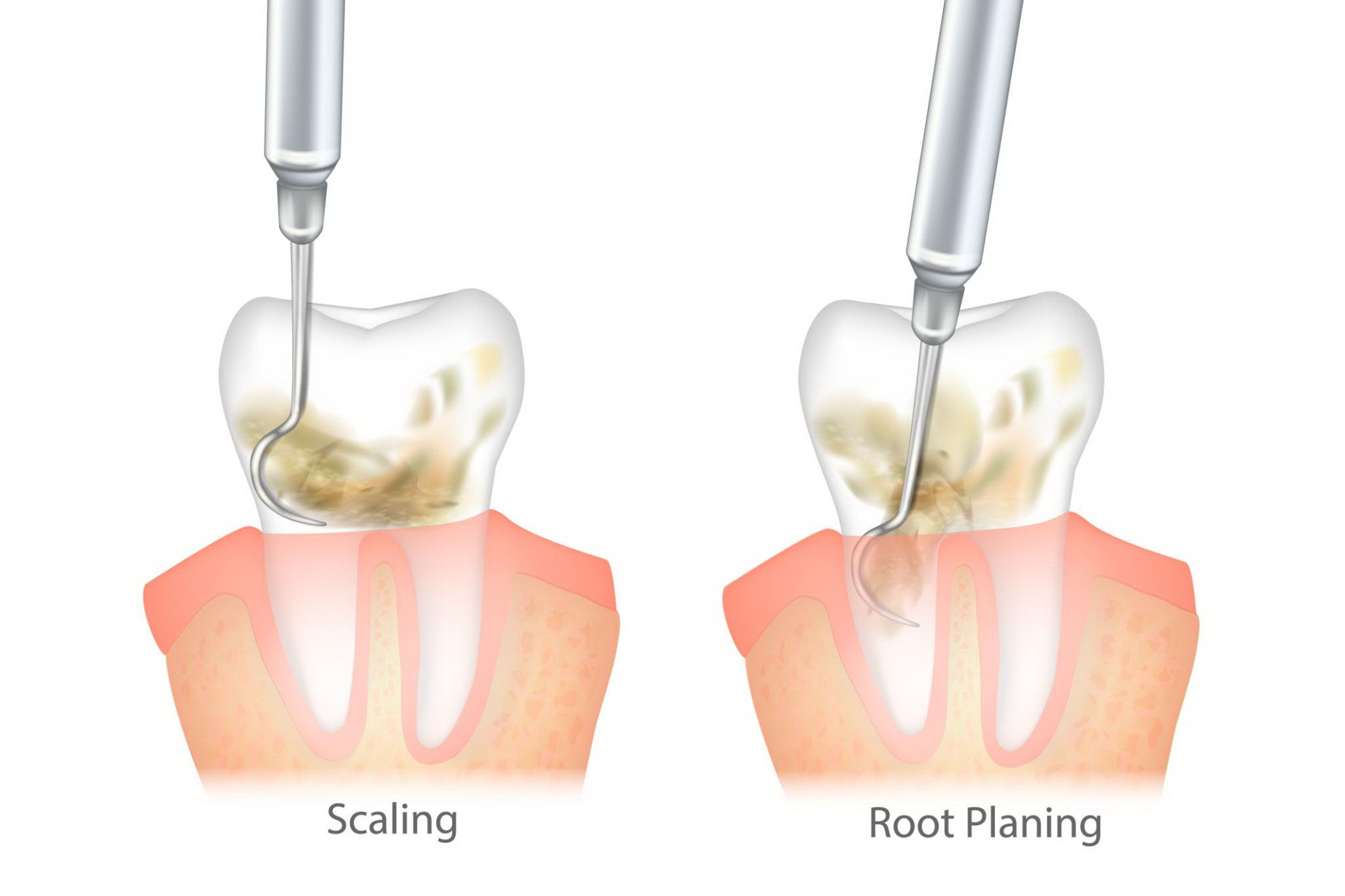
- Remove calculus and endotoxin-laden deposits
- Reduce inflammation
- Create tissue conditions the patient can maintain
Training focuses on both technique and efficiency, because the best therapy is useless if it cannot be delivered consistently.
Hand scaling: what you will actually drill
You will spend serious time on:
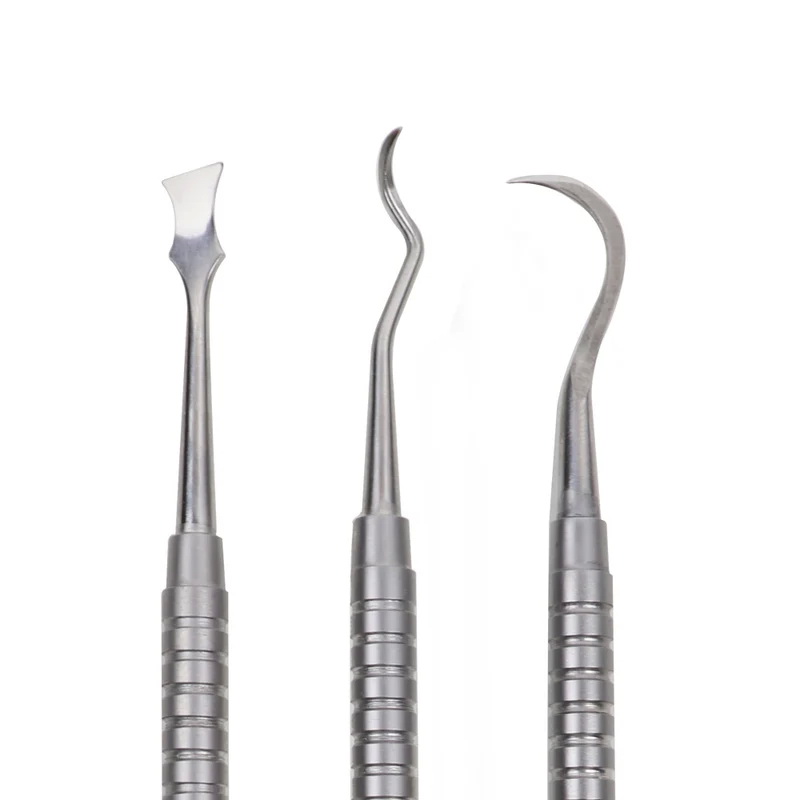
- Instrument selection and understanding design
- Stable fulcrums and controlled activation
- Proper adaptation to root anatomy
- Angulation and stroke selection by deposit type and location
Common errors are corrected early, like using too open an angle that gouges tissue, chasing deposits with the toe instead of the cutting edge, or skipping line angles where calculus hides.
Ultrasonic scaling: efficiency without trauma
Ultrasonic training is not “turn it up and go.” You typically learn:
- Tip selection for debridement vs precision
- Power settings based on deposit tenacity and patient sensitivity
- Lavage concepts and why irrigation matters
- Aerosol control, high-volume evacuation positioning, and barrier discipline
- Light lateral pressure and constant motion to avoid tissue burnishing or root damage
Scaling and root planing vs periodontal debridement
A quality program teaches you to use the right language and the right approach:
- Periodontal debridement often refers to initial gross removal of heavy deposits when tissues are too inflamed for definitive instrumentation.
- Scaling and root planing focuses on thorough subgingival calculus removal and root surface decontamination based on diagnosed periodontal findings.
You also learn how to explain the difference to patients in a way they can understand, without sounding like you are upselling.
Staging therapy and running a smooth visit
This is where training becomes highly practical:
- Quadrant-based planning and sequencing
- Coordinating anesthesia needs and timing
- Building time management habits that keep quality high
- Defining assistant roles so instrument exchange, suction, and patient comfort are handled efficiently
How do periodontal maintenance protocols decide long-term results?
Most periodontal failures are not because the initial therapy was “bad.” They happen because maintenance becomes a generic six-month recall.
Supportive periodontal therapy is a system. Training will teach you how to personalize it.
Maintenance intervals are clinical decisions
A trained periodontal support specialist learns to weigh:
- Bleeding and inflammation trends
- Pocket depth patterns and changes over time
- Systemic conditions, especially diabetes
- Smoking status and history
- Home care effectiveness and patient consistency
- Previous history of periodontitis, which raises future risk
That is how you decide whether someone belongs on 3-month, 4-month, or another interval, and what to reassess at each visit.
Re-evaluation visits: what to re-measure and when to escalate
You will learn how to compare charts over time, not just “clean and go.” Re-evaluations typically involve:
- Re-probing key sites
- Updating bleeding scores
- Checking mobility changes
- Confirming patient comfort and home care performance
- Identifying persistent deep sites that may need referral or additional therapy
Implant-focused maintenance
Implants are not “set and forget.” Training usually covers:
- Baseline probing approach and gentle technique
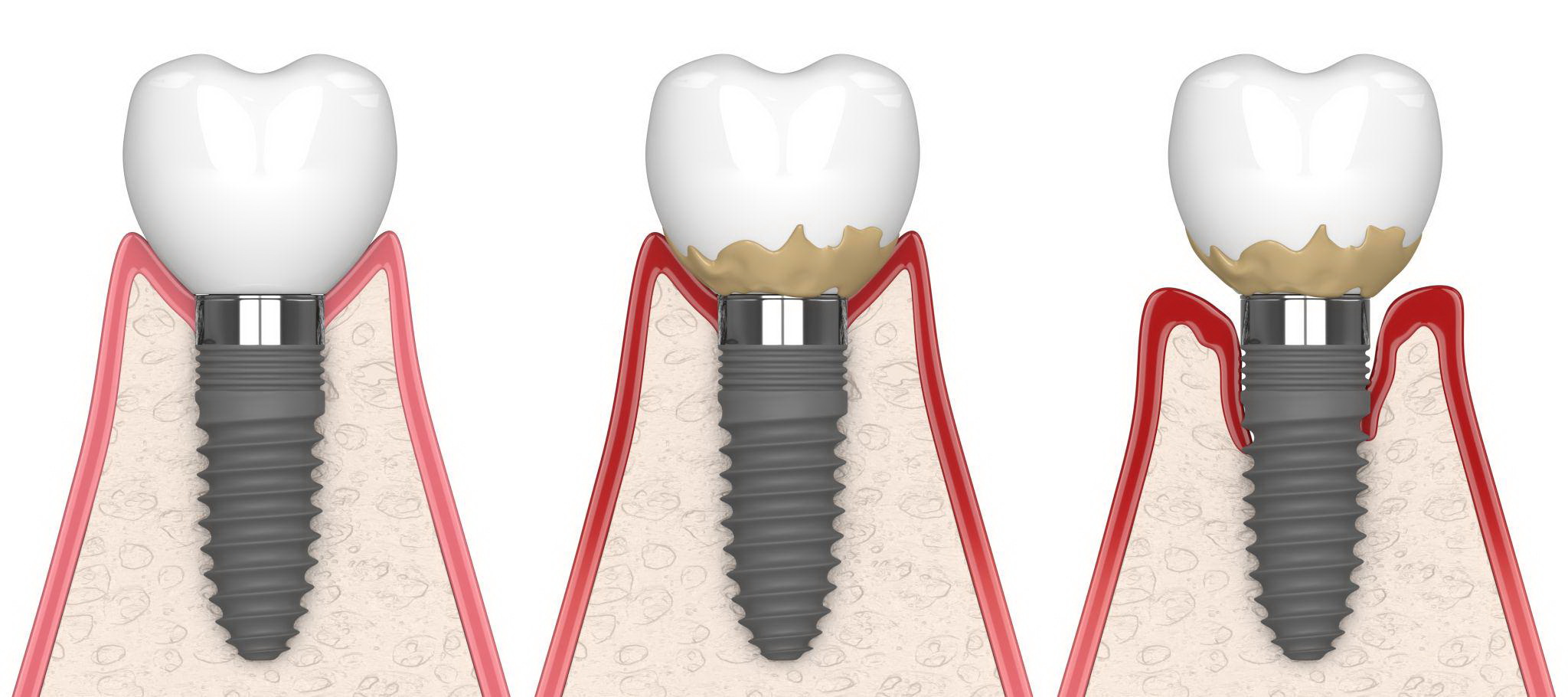
- Identifying peri-implant mucositis vs warning signs of peri-implantitis
- Radiographic comparison principles, because changes matter most relative to baseline
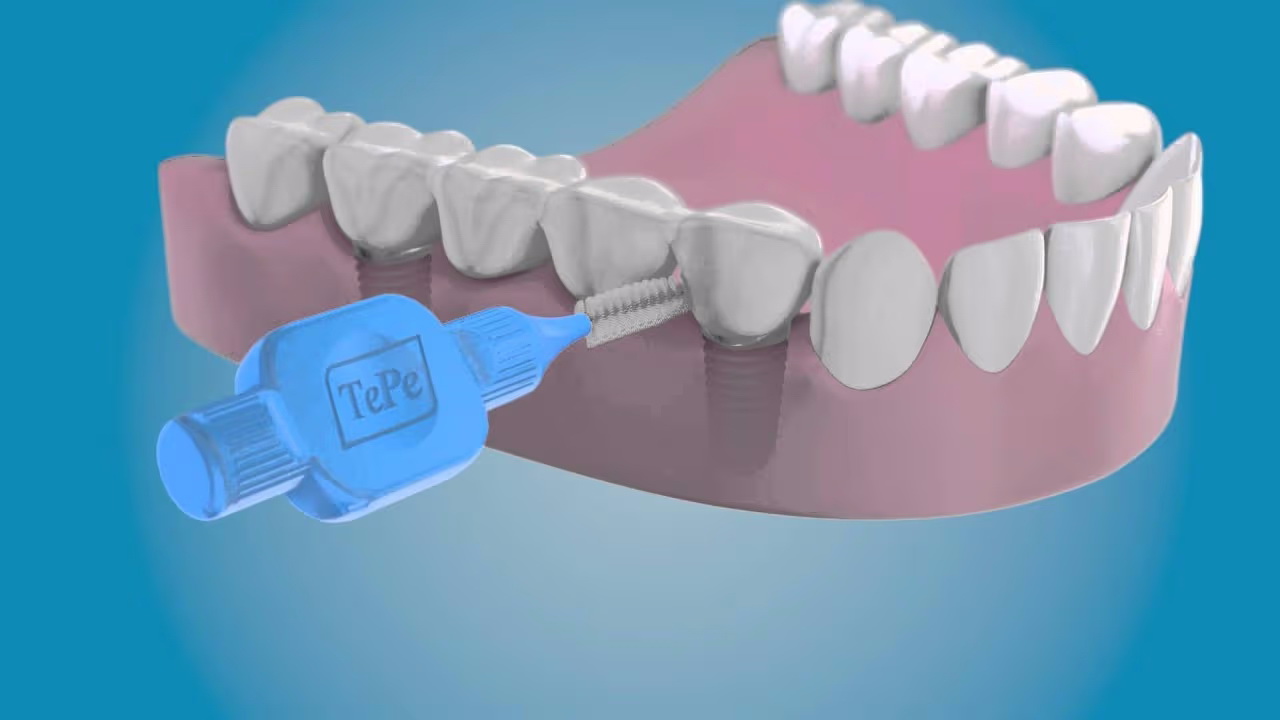
- Hygiene aids that help, including implant-safe interdental tools and patient-specific home care strategies
Documentation and continuity
Maintenance needs documentation that captures:
- Current findings
- Patient compliance and reported home care
- What was recommended and why
- Next steps and timing
That is how the entire team stays aligned and the patient stays accountable.
What surgical periodontics will you assist with?
Even if you are not the surgeon, surgical exposure is a major value-add. It changes how you set up, how you anticipate needs, and how you educate patients. Most training programs cover the “why,” “when,” and “how it flows.”
Flap surgery basics
You learn why flap surgery is indicated, commonly to gain access for debridement, manage defects, or improve tissue contours. You also learn the basic sequence, sterile setup expectations, and tissue handling principles that support healing. For a deeper understanding of surgical techniques such as these, exploring resources on oral surgery could be beneficial.
Additionally, understanding the nuances of surgical periodontics can significantly enhance your ability to assist in these procedures.
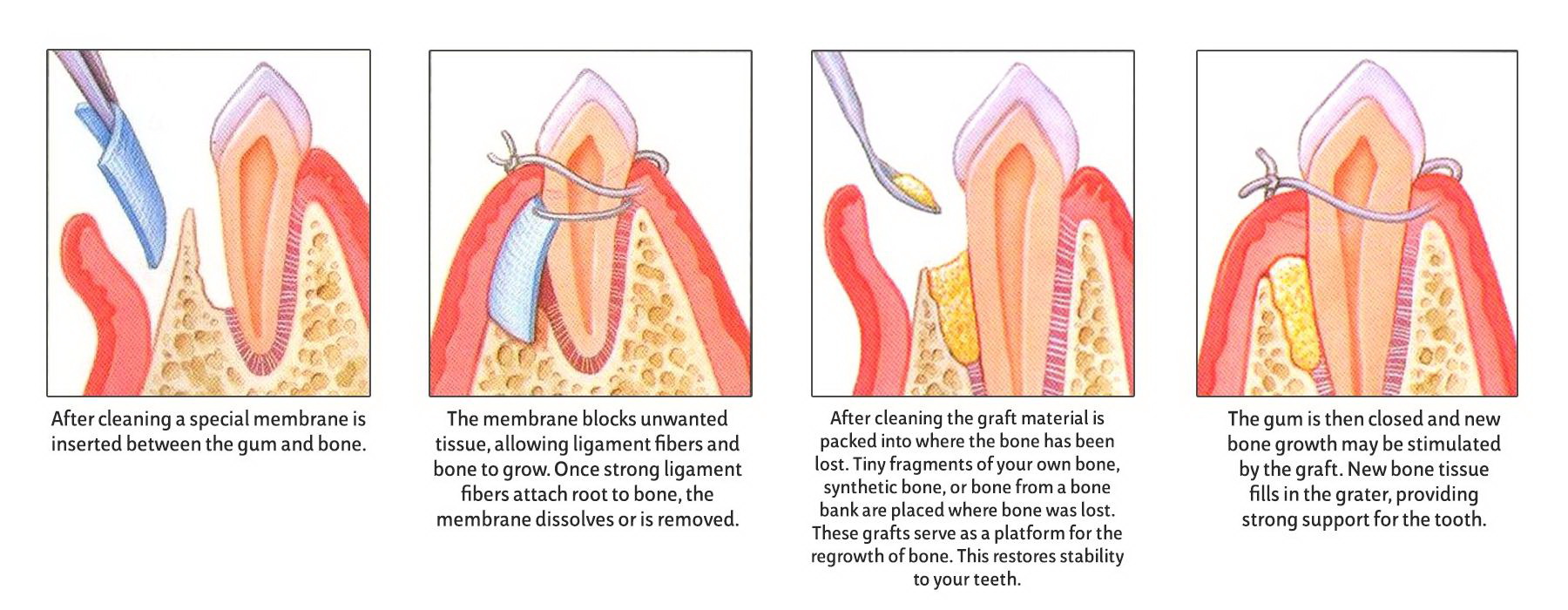
Guided tissue regeneration
You will learn what membranes are designed to do, why stabilization matters, and how contamination is prevented. Understanding these principles helps you support the clinician and protect the procedure.
Suturing principles
Training often includes:
- Common suture types and when they are used
- Needle handling basics
- Knot security principles
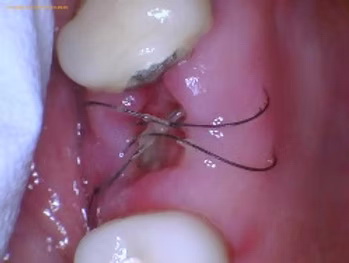
- How to pass, cut, and manage sutures efficiently as an assistant
Postoperative care priorities
You will learn how to reinforce:
- Pain control basics and what instructions are typically given
- Swelling management and hygiene restrictions
- Red flags that require a call back
- Follow-up timing and documentation
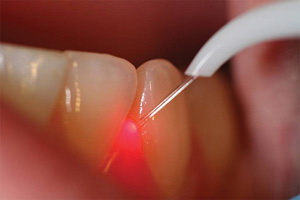
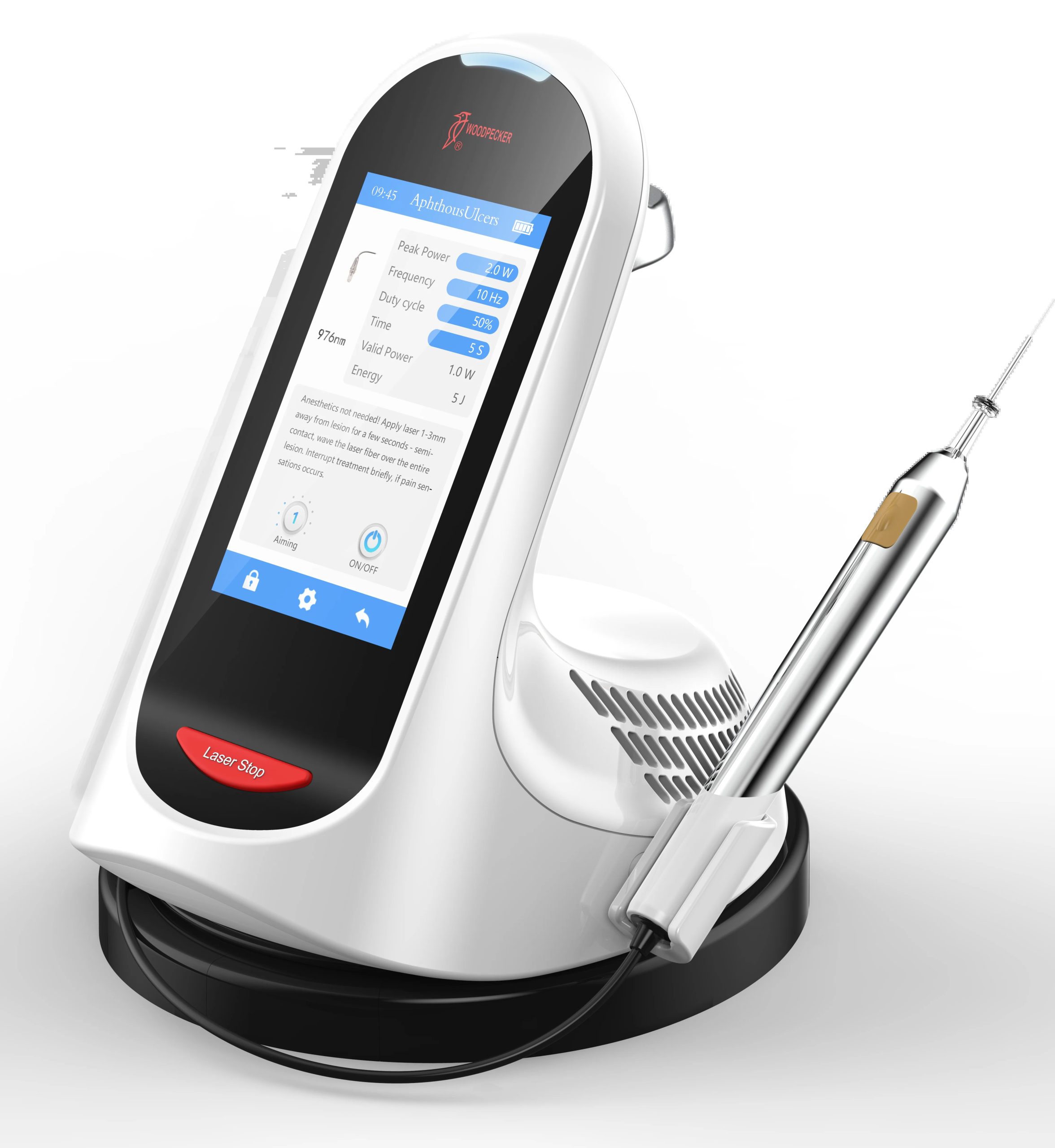
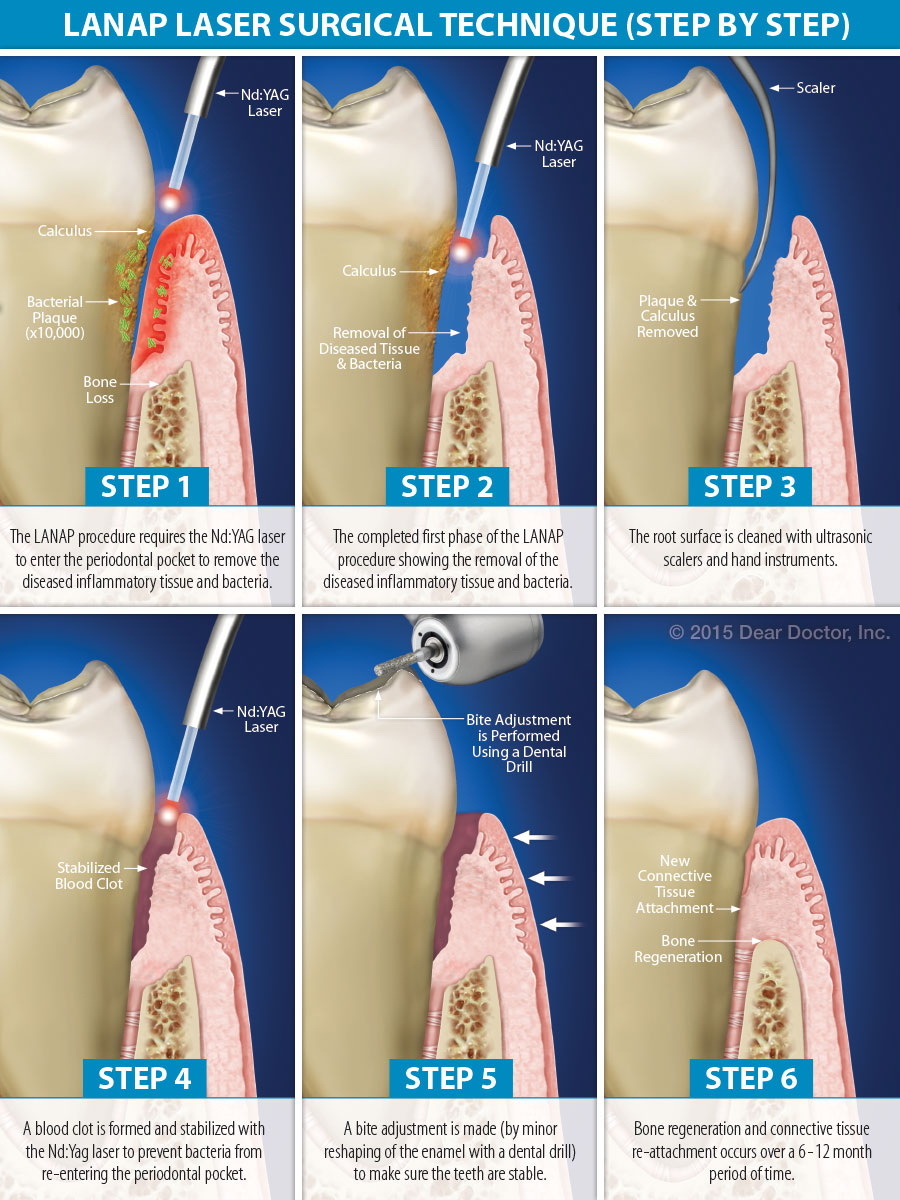
What do lasers in periodontics actually do?
Laser dentistry can be useful in periodontics, but it is not a magic replacement for foundational care. A credible training program teaches disciplined case selection and safety.
You will typically cover:
- Where lasers may be used as an adjunct, including tissue management and decontamination support
- Laser-tissue interaction fundamentals, including basic wavelength concepts and absorption targets
- Safety protocols: eye protection, plume considerations, and operatory discipline
- Workflow integration: pre-op checks, consent language basics, and documenting laser use appropriately
- Limitations and how lasers coordinate with conventional scaling and surgical protocols
The practical takeaway is simple: lasers can support outcomes when used correctly, but they do not replace diagnosis, thorough instrumentation, and maintenance.
How do you care for dental implants and peri-implant disease?
In many offices, implants are placed, restored, and then treated like natural teeth with routine polishing. That is where problems start.
Periodontics training emphasizes that implant success depends on:
- Healthy soft tissue conditions
- Risk reduction (smoking, diabetes control support, bruxism awareness)
- Consistent maintenance and early detection
You will learn how to recognize:
- Peri-implant mucositis, which is inflammation without bone loss and is often reversible
- Peri-implantitis, which involves inflammation with progressive bone loss and requires prompt attention
You will also learn what measurements and radiographs are used to track change over time, and why baseline records matter.
Instrumentation around implants
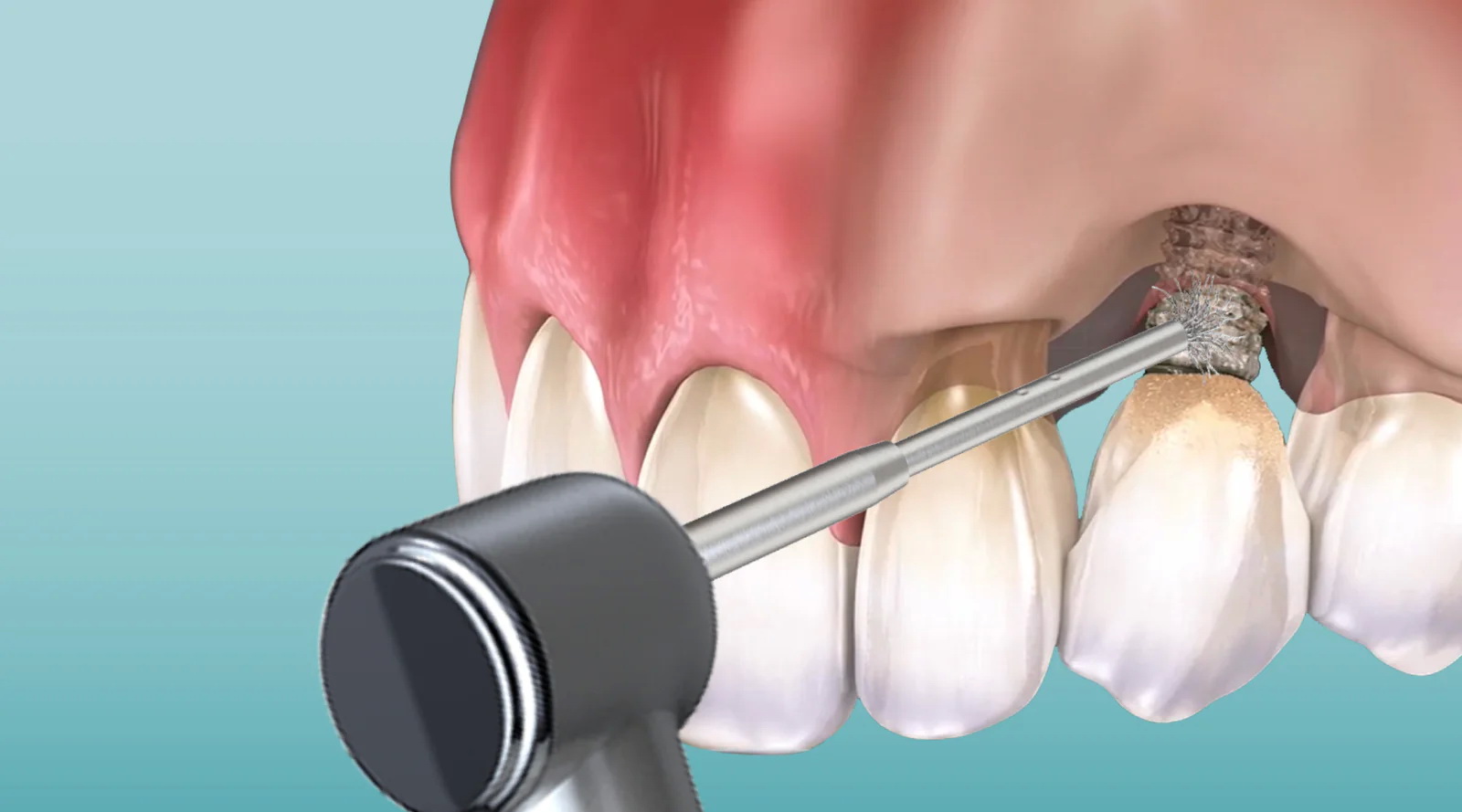
A major training point is iatrogenic prevention. You will learn what is typically considered safer for implant surfaces, what to avoid, and how to reduce damage risk while still being effective.
Patient coaching that prevents expensive complications
Patients often want implants to be “easier than teeth.” Training helps you coach reality:
- Home care tools that match the patient’s dexterity and anatomy
- Habit risks like smoking, clenching, and inconsistent maintenance
- When to bring a patient back sooner based on bleeding, discomfort, or history
What patient education works for periodontal patients?
The best periodontal plan fails if the patient cannot maintain it. Training programs that create strong clinicians also teach communication.
Oral hygiene instruction that sticks
You learn how to tailor instruction for real-life situations:
- Bleeding and tenderness
- Recession and sensitivity
- Orthodontic appliances
- Bridges and complex restorative margins
- Implant home care needs
The goal is not to overwhelm patients. It is to give them one clear routine they can repeat.
Motivational communication without shame
Periodontal disease is common, and many patients already feel embarrassed. Training often includes phrasing that focuses on biofilm behavior and inflammation, not blame. You learn how to discuss bleeding as a measurable sign, and how to coach improvement with specific, trackable steps.
Nutrition and habit coaching that is practical
Most dental professionals are not acting as dietitians, but you can still provide useful, appropriate guidance:
- Sugar frequency matters more than “sugar once”
- Snacking patterns affect plaque activity
- Hydration supports saliva function
- Simple inflammation-supportive habits can be discussed without exaggeration
Smoking cessation scripting
You will likely practice brief interventions that fit in a dental visit:
- Ask, advise, assess readiness
- Document the patient’s response
- Reinforce small wins and keep the door open
The “risk reduction plan”
A useful clinical skill is creating a simple plan a patient can repeat back. For example: “Brush twice daily for two minutes, clean between teeth nightly with the tool we chose, use the rinse as directed, and return in three months so we can re-measure bleeding and pockets.”
Which competencies do employers look for after periodontics training?
When offices hire for advanced assisting or hygiene-support roles, they look for confidence and consistency.
Here is what periodontics training translates to in hiring language:
- Accurate periodontal charting with consistent probing technique
- Stronger radiograph support, including bone level awareness and comparison habits
- Clear clinical notes that capture findings, education, and next steps
- Efficient nonsurgical therapy support, including instrument selection and chairside flow
- Infection control discipline, especially during ultrasonic and surgical workflows
- Professional judgment that recognizes when findings suggest referral, re-evaluation, or escalation
- Ethics and compliance, including staying within scope and aligning with state regulations
From an employer’s perspective, a trained periodontal support specialist helps improve patient retention, increases case acceptance through clearer communication, and supports better long-term outcomes.
What does the periodontics training program look like at Broward Dental Academy?
Broward Dental Academy positions periodontics training as career-focused education that prepares you to thrive in a modern, high-performance dental practice. The goal is not just to “learn terms.” It is to build clinical readiness and confidence.
Students can expect a blend of learning environments, including:
- Structured eLearning lesson plans for remote learning and review
- Immersion in clinical settings so skills translate into real operatory performance
Broward Dental Academy also supports career mobility across the dental industry through an ecosystem of seven courses, designed to help students build expanded functions, stronger clinical value, and flexible career options in dentistry. This includes various levels of dental assistant training that cater to different experience levels.
For accessibility, the Academy offers flexible financing options and support for working students balancing school with real life.
If you are considering enrollment in one of these programs, the next step is simple: inquire about start dates, prerequisites, and what to prepare before day one. This includes discussing your current role, experience level, and career goals so the team can point you to the best-fit path.
Is this training worth it for your career? (the honest ROI)
This training is most valuable for:
- Dental assistants who want to move beyond general assisting into specialty support
- Hygienists who want stronger perio systems, better re-evaluation habits, and more confident patient communication
- Growing practices that want more predictable periodontal outcomes and stronger implant maintenance programs
The career upside tends to show up as:
- More responsibility and trust in the operatory
- Higher clinical confidence with exams, instrumentation, and patient conversations
- Better patient retention because outcomes hold up
- Potential pay leverage depending on your role, experience, and state scope rules
The broader context matters, too. Dentistry continues to be one of the faster-growing healthcare industries with stable income potential, flexible scheduling options, and respected, patient-facing roles. As periodontal and implant care become more common, the demand for skilled professionals who are legally compliant and clinically confident keeps rising.
How to choose the right program
Look for:
- Real hands-on time, not just lectures
- Internship or clinical exposure where possible
- Instructors with practical perio experience
- Training that builds decision-making, not memorization
If your goal is to become the kind of team member practices rely on for periodontal outcomes, this is a strategic step.
Don’t delay, enroll today, you’ll be glad that you did.
Welcome to Broward Dental Academy
Meet Professor Harry Panahi
Periodontics
Periodontics Training Program
Master the Science of Gum Health. Elevate Your Clinical Value.
Periodontal disease is one of the most common chronic conditions affecting adults, and one of the most preventable and treatable when managed correctly. That is why advanced training in Periodontics is one of the most valuable specializations a dental professional can pursue.
At Broward Dental Academy, our Periodontics Training Program is designed for students who want to move beyond general assisting and develop specialized knowledge in the diagnosis, treatment, and long-term management of periodontal disease.
This program transforms you from a general clinical assistant into a periodontal support specialist, someone who understands the biology, instrumentation, surgical protocols, maintenance therapy, and patient education required to preserve oral health.
In modern dentistry, gum health is not secondary, It is foundational.
And professionals trained in periodontics are in high demand.
What will you master in periodontics training?
Understanding Periodontal Disease
Before treatment comes understanding.
You will develop a deep knowledge of:
- The etiology of gingivitis and periodontitis
- The role of plaque biofilm and calculus
- Risk factors including systemic conditions
- The oral-systemic health connection
- Stages and grading of periodontal disease
This scientific foundation allows you to support accurate diagnosis and effective treatment planning.
Periodontal Examination & Charting
Precision matters in periodontics.
You will learn to:
- Assist during comprehensive periodontal evaluations
- Understand probing depths and attachment loss
- Recognize bleeding indices and mobility
- Support radiographic interpretation
- Accurately document findings
Clear and accurate periodontal charting is essential for both patient care and legal protection.
Periodontal Instrumentation & Nonsurgical Therapy
Nonsurgical therapy is the first line of defense against periodontal disease.
You will gain exposure to:
- Hand scaling instruments and their design
- Ultrasonic scaling principles
- Scaling and root planing workflows
- Assisting during periodontal debridement
- Periodontal maintenance protocols
Understanding instrumentation enhances clinical efficiency and improves patient outcomes.
Surgical Periodontics & Advanced Procedures
For advanced cases, surgical intervention may be required.
You will learn the fundamentals of:
- Flap surgery concepts
- Bone grafting procedures
- Guided tissue regeneration
- Suturing principles
- Postoperative care and complication awareness
Assistants trained in surgical periodontics are highly valued in specialty and implant-focused practices.
Lasers in Periodontics
Laser therapy is reshaping periodontal treatment.
You will explore:
- Principles of laser-tissue interaction
- Indications for periodontal laser procedures
- Safety considerations
- Workflow integration
Understanding modern periodontal technologies increases your relevance in forward-thinking practices.
Dental Implants & Periodontal Maintenance
Periodontal health and implant success are directly connected.
You will learn:
- Maintenance protocols for implants
- Recognition of peri-implantitis
- Long-term supportive periodontal therapy
- Patient compliance strategies
Specialized maintenance knowledge is essential in implant-driven practices.
Patient Education & Risk Reduction
Successful periodontal therapy depends on patient participation.
You will develop skills in:
- Oral hygiene instruction
- Motivational communication
- Nutritional considerations
- Smoking cessation awareness
- Long-term recall scheduling
Professionals who can educate and motivate patients improve case acceptance and retention.
Why does periodontics certification elevate your career?
A student trained in periodontics demonstrates:
- Advanced knowledge of gum and bone health
- Strong understanding of oral-systemic connections
- Surgical awareness and instrumentation familiarity
- Implant maintenance competency
- Enhanced patient education skills
- Higher-level clinical confidence
Specialty knowledge increases your professional credibility and opens doors to periodontal and implant practices, multi-specialty groups, and advanced general practices.
Periodontics is not just about gums.
It is about preserving the foundation of every smile.
Build Specialized Clinical Authority
If you want to:
- Develop deeper clinical expertise
- Work in specialty or implant-focused practices
- Increase your professional value
- Play a critical role in long-term oral health
Then our Periodontics Training Program at Broward Dental Academy is your next strategic step.
Master the science.
Support the surgery.
Protect the foundation of every patient’s smile.
Location:
Broward Dental Academy
8888 Royal Palm Blvd
Coral Springs, FL 33065
LearnWith@BrowardDentalAcademy.com
954-761-5388
Periodontics training program
Broward Dental Academy’s Dental Training Resources (7 Pillars)
Broward Dental Academy serves the dental community by developing well-rounded professionals through a wide range of dental training programs. The model is designed to help students become thoroughly trained, legally compliant, and clinically confident, not just “test-ready.”
Students experience immediate immersion through:
- Online learning with updated eLearning lesson plans
- Hands-on clinical training
- In-office internships that build real-world readiness
Broward Dental Academy also offers flexible scheduling and flexible financing options, making it easier to train without putting life on hold.
Below are the 7 pillars. If you are not sure where to begin, start with Pillar 1 or Pillar 2, then choose your level based on your goals and timeline.
Pillar 1: Dental Assistant Careers in South Florida (Career and Planning Resource)
If you want clarity before committing to a course level, this is the best starting point. It helps you understand what dental assisting jobs look like locally, typical responsibilities, and growth potential.
It also connects directly to why so many people choose this path: stable income potential, flexible schedules, career mobility, and growing demand for skilled professionals.
Pillar 2: How to Become a Dental Assistant in Florida (Step-by-Step Resource)
Florida has specific expectations, and dental employers care about legal compliance and practice readiness. This pillar breaks down the process so you understand the pathway and what to look for in a quality program.
Use it as your roadmap before selecting Level 01, Level 02, or EFDA.
Pillar 3: Dental Assistant Level 01 Training (Foundational Clinical Skills)
Level 01 is your foundation. It focuses on core chairside workflows, operatory readiness, sterilization fundamentals, and professional habits that make you useful in a real practice.
The learning structure is designed to build confidence early through blended online learning plus clinical immersion. The outcome is not just knowledge, but readiness for real practice expectations.
Pillar 4: Advanced Dental Assistant Training: Level 02 (Build Speed, Accuracy, Confidence)
Level 02 is advanced training designed for higher-performance assisting. It strengthens clinical repetition, workflow efficiency, and your ability to take on elevated responsibility under supervision.
Modern practices value assistants who can keep up, stay calm under pressure, and maintain compliance while moving fast.
Pillar 5: Expanded Functions Dental Assistant: Level 03 (EFDA) (Career Expansion Resource)
EFDA training is a major career mobility step for qualified assistants. Expanded functions can increase your value to a practice, add variety to your daily work, and support long-term flexibility.
Because expanded duties require strong training and careful legal compliance, Level 03 is best approached after a solid foundation.
Pillar 6: Specialty Dental Assisting Training (Perio • Endo • Ortho • Oral Surgery)
Specialty training is one of the fastest ways to differentiate yourself. You learn specialty workflows, instruments, and the patient flow expectations that come with more complex procedures.
Examples include:
- Perio: maintenance flow support and procedure setup expectations
- Endo: isolation support and sequence awareness
- Ortho: setup support and appointment rhythm
- Oral surgery: prep and assisting basics as allowed within scope. For detailed training on this aspect, consider our Oral Surgery program.
Practices value assistants who can support specialty procedures confidently and ethically.
Pillar 7: Dental Certifications (Credential and Compliance Resources)
Certifications are ongoing training resources that strengthen employability, support compliance, and signal professionalism. They also reflect the mindset that employers trust most: continuing education, staying current, and taking patient safety seriously.
This pillar is “stackable” alongside Levels 01 to 03 and specialty training so you stay competitive as dentistry evolves.
Course: Periodontics Training Program
Course Code: PTP
Instructor: Professor Dr. Harry Panahi
Educational Level: Completion of Dental Assistant Level 01
Language: English -US
Educational Credential Awarded: Certificate of Completion
Course Mode: Blended
Duration: 12 Weeks
Price: $4,500.00 USD
Valid From: 2026-01-01
Start Date: 2026-01-01
End Date: 2031-01-01
Description: Advanced periodontal assisting course designed for dental assistants and dental professionals seeking specialized training in periodontal procedures, instrumentation, surgical assisting, patient management, and periodontal therapy.
Ready to Enroll?
Take the first step toward your dental career today.
Frequently Asked Questions
What is periodontics and why is it more than just deep cleanings?
Periodontics is a specialized field of dentistry focused on the prevention, diagnosis, and treatment of periodontal disease and the maintenance of oral health. It goes beyond just deep cleanings; it involves recognizing early warning signs, accurate charting, supporting advanced procedures like implants safely, and building long-term maintenance systems to keep patients healthy and stable.
Why is periodontics training important in modern dental practice?
Periodontics training is crucial because more adults are retaining their natural teeth longer, increasing the risk for biofilm-driven inflammation. The widespread use of dental implants also requires specialized maintenance to prevent disease. Additionally, chronic inflammation linked to systemic conditions like diabetes and cardiovascular diseases affects periodontal health. Proper training equips dental professionals to diagnose accurately, manage nonsurgical and surgical therapies safely, and support long-term patient outcomes.
What are the key differences between gingivitis and periodontitis?
Gingivitis is characterized by inflammation of the gums without attachment loss; signs include bleeding and swelling but no bone changes. Periodontitis involves inflammation with attachment loss and bone changes, leading to deeper pockets around teeth and long-term stability challenges. Both conditions are primarily driven by plaque biofilm that hardens into calculus, especially in areas difficult for patients to clean.
What clinical signs will periodontics training help me recognize?
Training helps you identify critical signs such as bleeding on probing indicating inflammation burden; recession and tissue quality changes signaling chronic trauma or disease; suppuration as a red flag for active infection; mobility and fremitus which influence treatment plans; and furcation involvement often confirmed through focused evaluation. Recognizing these signs early prevents complex cases later on.
How does a proper periodontal exam contribute to effective treatment planning?
A thorough periodontal exam includes medical history review with risk assessment, considering factors like diabetes control, anticoagulant use, pregnancy status, smoking habits, and medications affecting gum health. This informs clinical questions based on the patient’s concerns (e.g., bleeding gums). Accurate periodontal charting follows a repeatable workflow that ensures treatment plans are tailored to the patient’s specific condition for better outcomes.
What comprehensive training programs does Broward Dental Academy offer beyond periodontics?
Broward Dental Academy provides strong periodontics training programs designed to build clinical skills, decision-making abilities, documentation proficiency, patient communication expertise, and career advancement opportunities. Beyond periodontics, they also offer comprehensive training in orthodontics, endodontics, and a variety of other courses tailored for professional development in dentistry.