The Endodontics Training Program at Broward Dental Academy is a 12-week blended endodontic assisting course in Coral Springs, FL. Tuition is $4,500 and you finish with a Certificate of Completion.
Taught by licensed clinicians and university faculty in Broward County, at 8888 Royal Palm Blvd, Coral Springs, FL 33065. Call 954-761-5388 or apply now.
Hands-On, Fast
Endodontics Training Program
Root canal therapy has a reputation that makes patients tense the moment they hear the words “you need a root canal.” But inside the operatory, endodontics is not a scary mystery. It is a precise, tooth-saving workflow built on anatomy, diagnosis, clean technique, and calm, confident execution. In fact, you can learn more about what a root canal treatment involves.
That is exactly why a focused endodontics training program from an institution like the Broward Dental Academy, can be such a career accelerator.
At Broward Dental Academy, the Endodontics Training Program is designed for students who want a real understanding of the science, instrumentation, and clinical flow behind modern endodontic care. If you are aiming to become the assistant teams rely on for high-stakes procedures, or you want to strengthen your value in restorative driven practices, this training is a powerful step forward.

Key takeaways
- What is endodontics?
The treatment of the dental pulp and root canal system — the work that saves a tooth instead of extracting it, from diagnosis through obturation and follow-up. - What will you learn?
Pulpal disease and diagnosis, endodontic instruments and equipment, the full root canal sequence, microscopic and surgical foundations, and documentation. - Who is it for?
Dental assistants who want specialty clinical authority and the ability to keep an endodontic appointment moving without being prompted. - Why does it matter?
Endodontic appointments are long, technique-sensitive and unforgiving of a missed instrument, so a trained assistant changes the outcome for both the patient and the schedule.
Welcome to Broward Dental Academy
Broward Dental Academy is built around one idea: train for the real world of modern dentistry.
Dental is one of the fastest growing healthcare industries because people will always need care that improves comfort, function, and confidence. Practices also need teams that are well trained, legally compliant, and clinically calm under pressure. That combination is not just helpful. It is employable.
Across its range of dental courses and advanced training including orthodontics and periodontics, Broward Dental Academy focuses on preparing students to do more than pass exams. The goal is to help you think critically, act ethically, and perform confidently in a high-performance practice environment.
Many programs include a blended educational experience with current eLearning lesson plans and practical clinical exposure, so students can connect what they learn to what they do.
Meet Professor Harry Panahi
A strong training program depends on more than content. It depends on guidance.
At Broward Dental Academy, Professor Harry Panahi leads with a practical, clinical perspective that keeps endodontics grounded in what matters most: patient comfort, predictable outcomes, and an efficient workflow that helps the entire team.
When you learn endodontics from an instructor who understands both the science and the pace of real practice, you gain something that is difficult to copy from a textbook: clinical judgment and operatory readiness.
What is endodontics, and why does it matter?
Endodontics is often summarized as infection removal inside the tooth. In reality, it is a discipline focused on:
- Preserving natural teeth
- Relieving pain
- Restoring function
- Supporting long-term restorative success
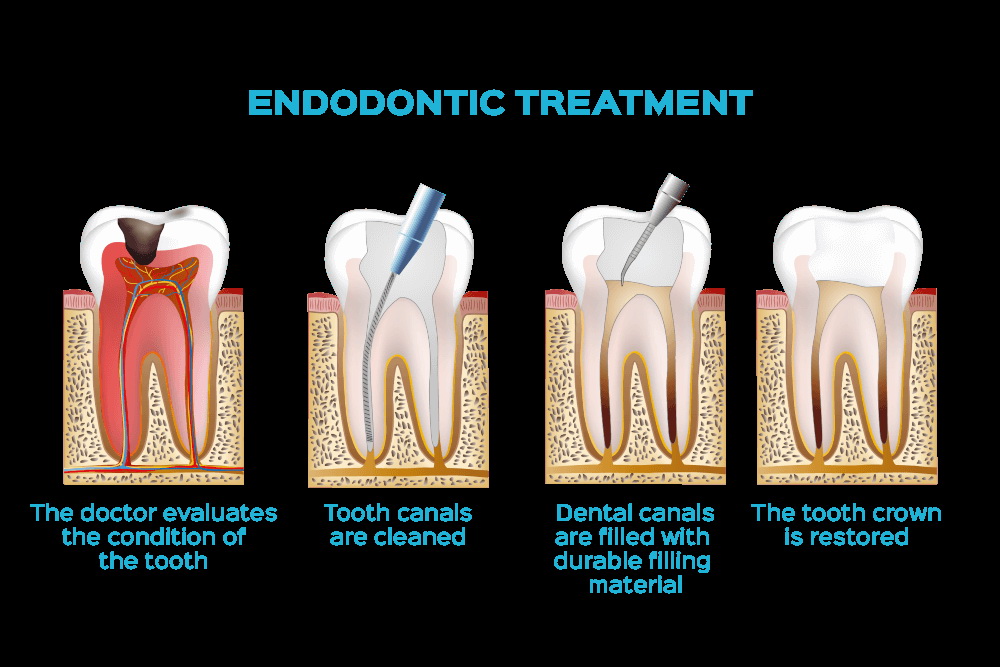
A successful root canal is not just “getting the canals filled.” It starts with diagnosis, continues through precise instrumentation and irrigation, and ends with a restoration plan that protects the tooth.
That is why a trained assistant, or any clinical team member supporting endodontics, needs more than surface-level familiarity. The best teams understand the “why” behind each step, anticipate needs, and protect the field with consistent infection control.
Who is this endodontics training program for?
This program is a strong fit if you want to:
- Build confidence supporting root canal therapy in a general practice
- Become more valuable in a restorative focused or specialty environment
- Strengthen your diagnostic awareness and terminology
- Improve chairside efficiency during technical procedures
- Understand advanced workflows like CBCT guided diagnosis and microscope assisted treatment
- Add a respected credential that signals commitment to clinical excellence
If you have ever watched an endodontic procedure and thought, “I want to understand what is happening at every step,” you are the right kind of student for this training.
For more information about our courses offered, certifications, or to find answers to your questions in our frequently asked questions section, please feel free to reach out.
Endodontics Training Program: Hands-On, Fast
“Hands-on” and “fast” should never mean rushed. In endodontics, speed is the outcome of structure, not shortcuts.
In a focused training environment, you learn the workflow in a way that makes it feel natural in practice:
- You understand the biological reason behind each clinical step.
- You learn the instruments and what each one is meant to accomplish.
- You practice the setup sequence so the operatory runs smoothly.
- You build habits that support isolation, sterility, and documentation.
The result is a student who can step into a procedure with confidence, not just enthusiasm.
What will you master in endodontics training?
1- Understanding pulpal disease and diagnosis
Diagnosis is where confidence begins. When you understand pulpal biology, the testing makes sense. When the testing makes sense, the treatment plan becomes clearer.
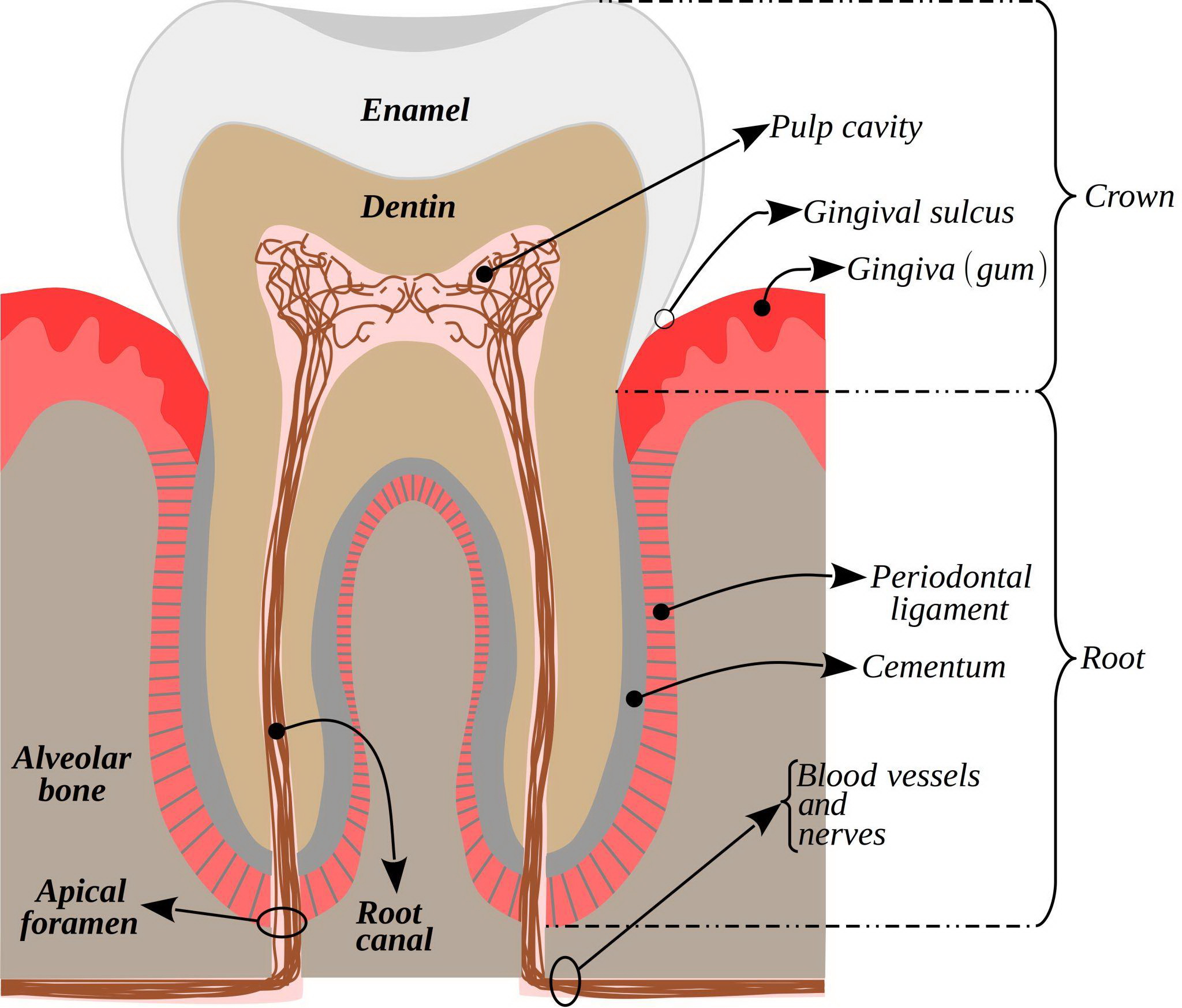
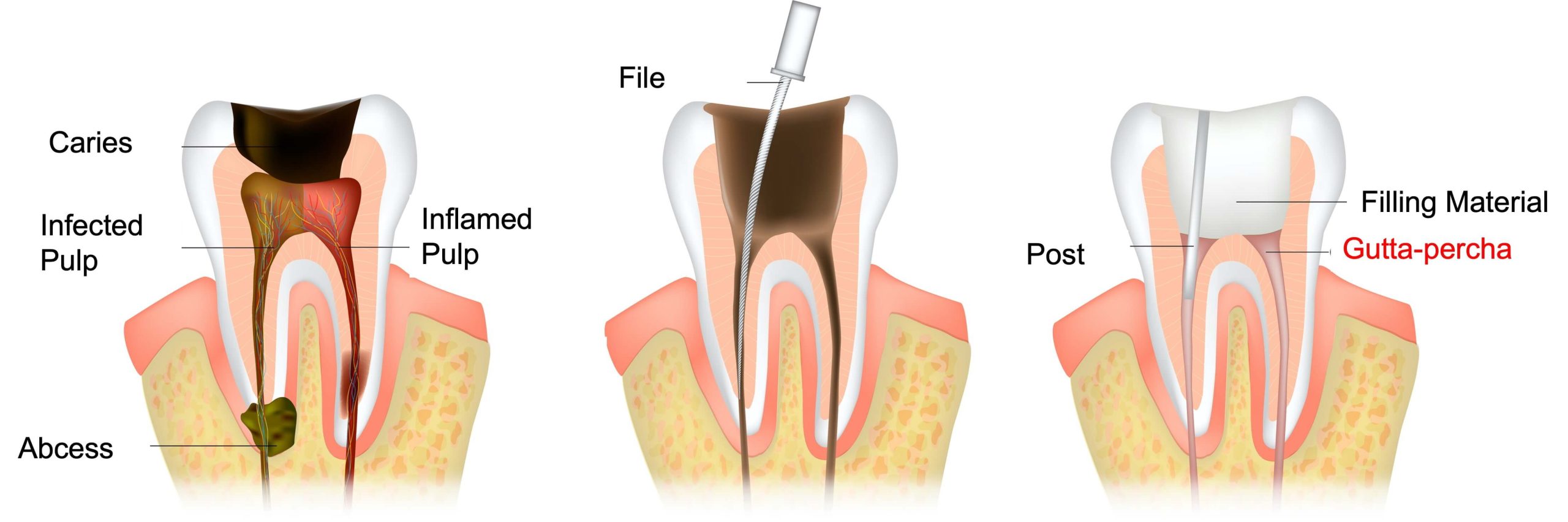
In this section of training, you will develop a stronger understanding of tooth pulp anatomy and root canal systems, the common causes of pulpal damage including caries, trauma, restorative irritation, and cracks, and the clinical distinction between reversible and irreversible pulpitis. You will also learn to recognize periapical pathology and understand what it implies for treatment.
Core diagnostic methods covered in training
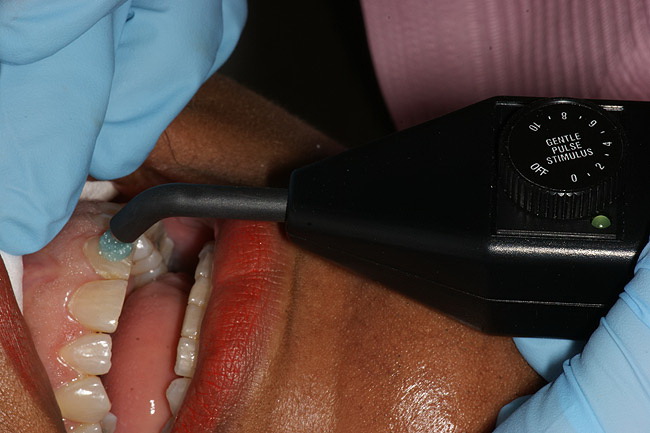
- Thermal testing using cold and heat stimuli
- Percussion and palpation assessment
- Periodontal evaluation when clinically indicated
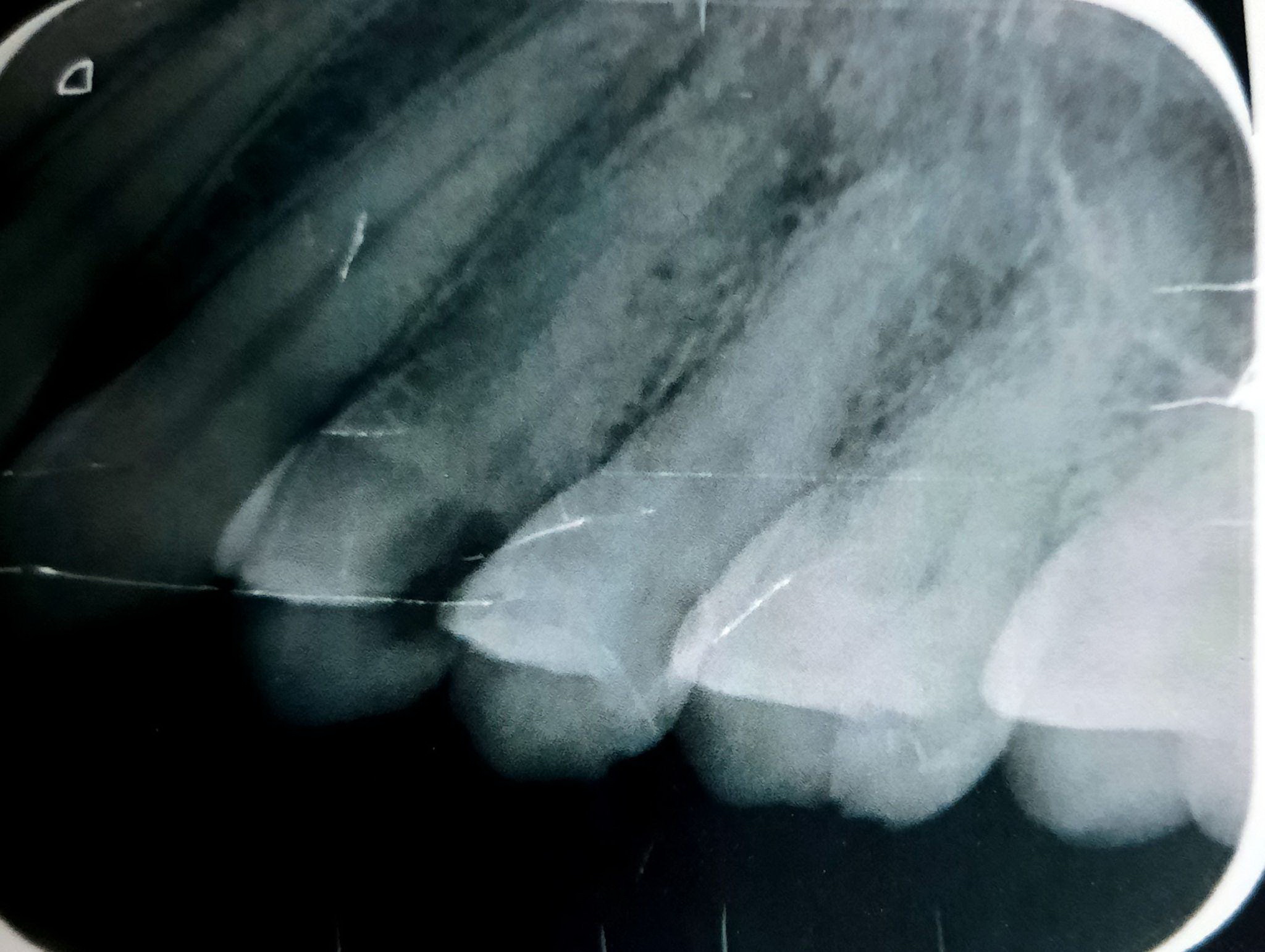
- Radiographic interpretation and lesion awareness
- Correlating signs, symptoms, and findings into a coherent clinical picture
2- Endodontic instruments and equipment
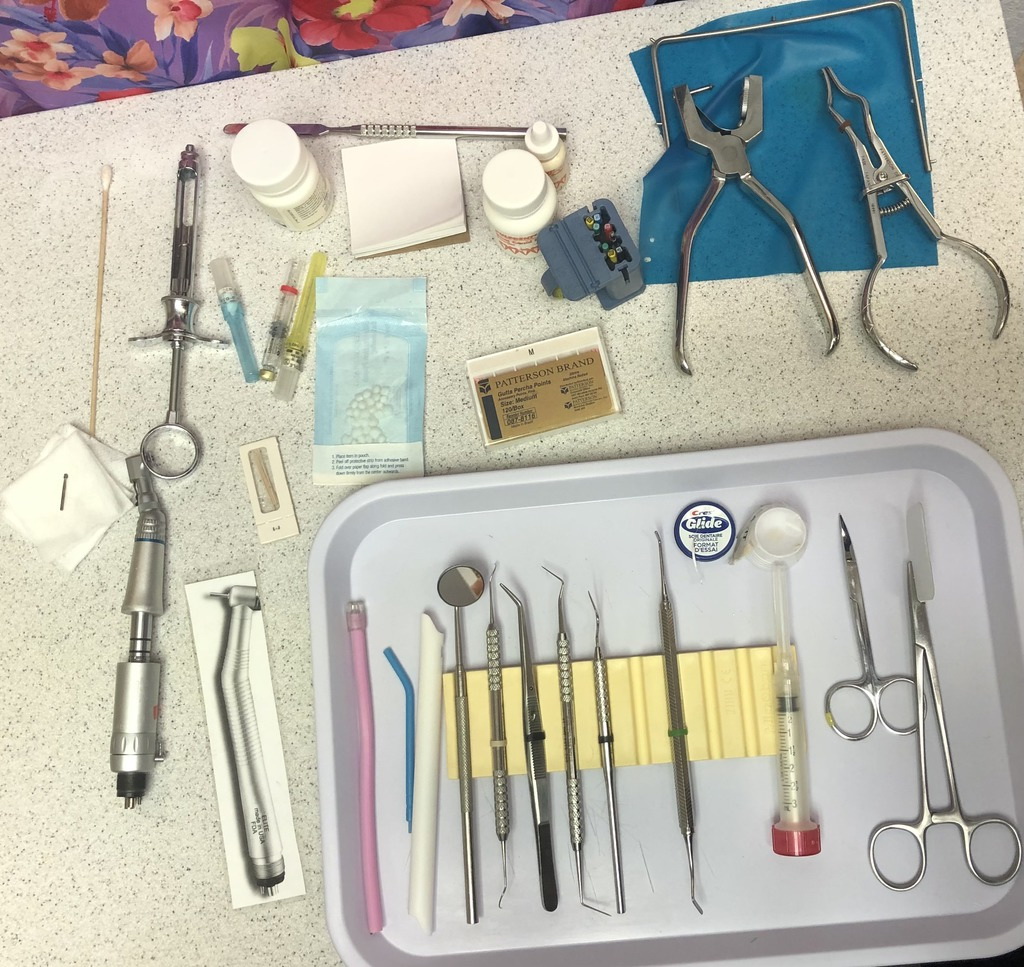
Endodontics is highly instrument-driven. The more fluent you become with armamentarium, the smoother your appointments run and the more relaxed your provider becomes.
You will learn how endodontic tools fit into an efficient sequence, including:
- Hand files and their practical uses
- Rotary instrumentation systems and what makes them different
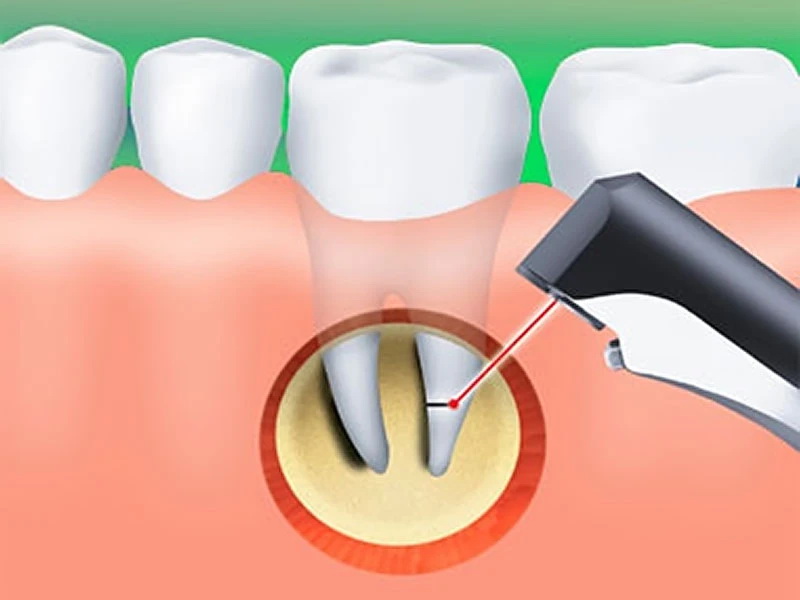
- Using apex locators to support working length determination
- Why accurate working length matters for shaping, cleaning, and obturation
- Irrigation protocols, including the purpose of common irrigants and safe delivery principles
- When and why medicaments are used
- Rubber dam isolation techniques, including the rationale behind isolation
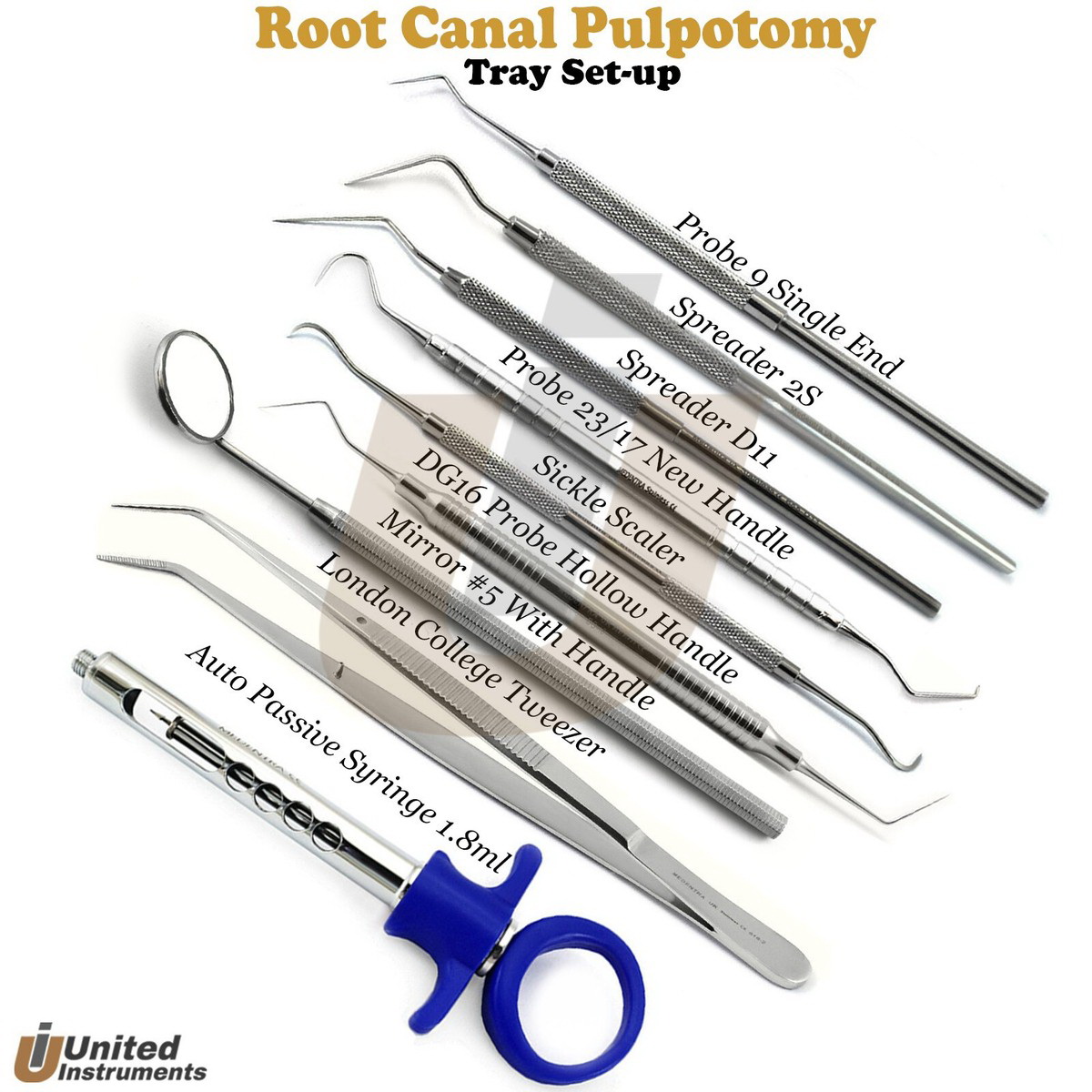
- Endodontic setup basics, including tray organization and operatory flow
Instrument familiarity is not just a technical skill. It is also a communication skill. When you understand what the provider is doing and why, you can anticipate the next step, reduce downtime, and keep the procedure moving safely.
3- Overview of root canal therapy (start to finish)
Many people can describe root canal therapy in one sentence. Trained professionals can describe it as a sequence that protects the tooth and the patient.
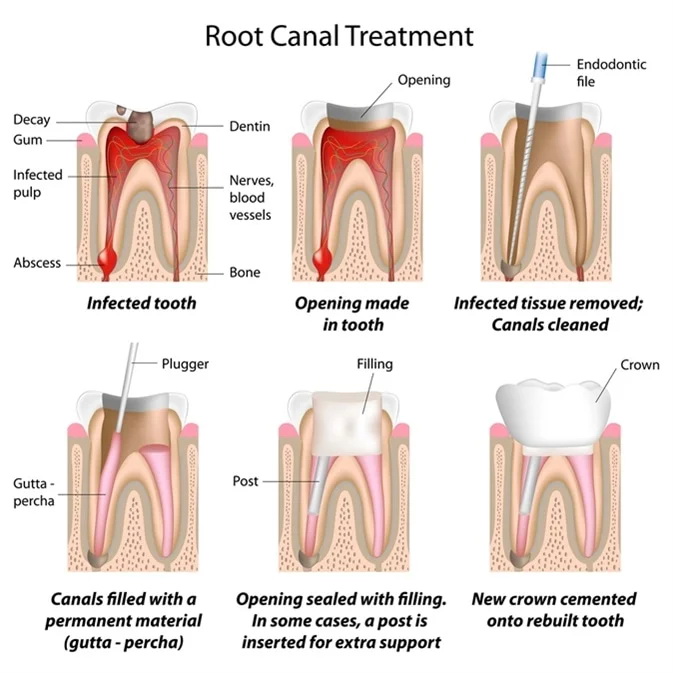
This part of training builds a comprehensive understanding of each stage, including:
- Access cavity preparation and what makes an access ideal for canal location and shaping
- Canal negotiation concepts and basic pathway creation
- Cleaning and shaping principles, including how shaping supports irrigation effectiveness
- Obturation techniques, with emphasis on gutta-percha and sealers
- Understanding the difference between temporary vs. permanent restorations
- The logic behind post-endodontic restoration planning, especially in heavily restored posterior teeth
Knowing the full sequence makes you more efficient chairside. It also strengthens your role in infection control because you understand when contamination risk rises and what must stay sterile.
4- Microscopic and advanced endodontics
Modern endodontics increasingly depends on magnification and imaging. Practices that adopt these tools often look for team members who already understand the workflow.
This training explores:
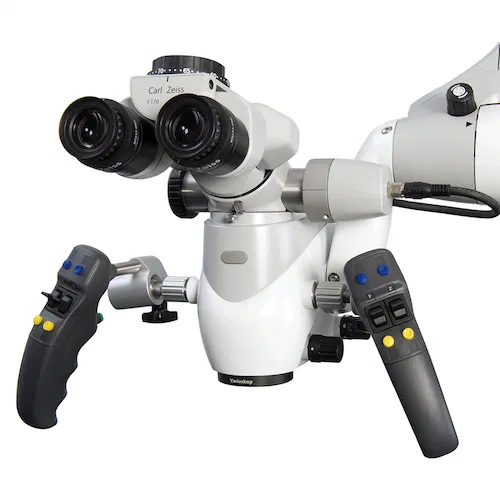
- The role of the dental operating microscope in locating canals and enhancing precision
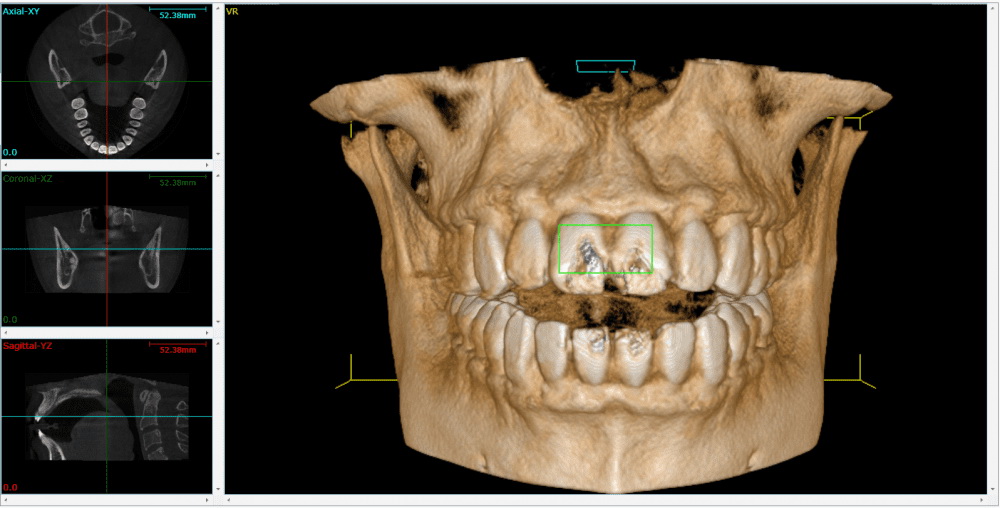
- How CBCT (3D imaging) supports diagnosis, anatomy evaluation, and treatment planning
- Complex canal anatomy and why some teeth are more challenging than they appear on a 2D radiograph
- Retreatment concepts for failed cases
- Recognizing and responding to complications such as fractured instruments in canals
- How advanced imaging and magnification change chairside support needs, setup, and procedural pacing
When you are trained in this area, you become highly desirable in practices moving toward advanced endodontic workflows, including specialty settings.
5- Surgical endodontics foundations
While many general practices refer surgical endodontics, foundational knowledge still matters. It helps you understand cases that escalate beyond nonsurgical treatment, and it prepares you to support specialty workflows if your career goes in that direction.
In this section, you gain foundational understanding of:
- Apicoectomy procedures (root-end surgery) and why they are indicated
- Surgical setup requirements and sterile protocol basics
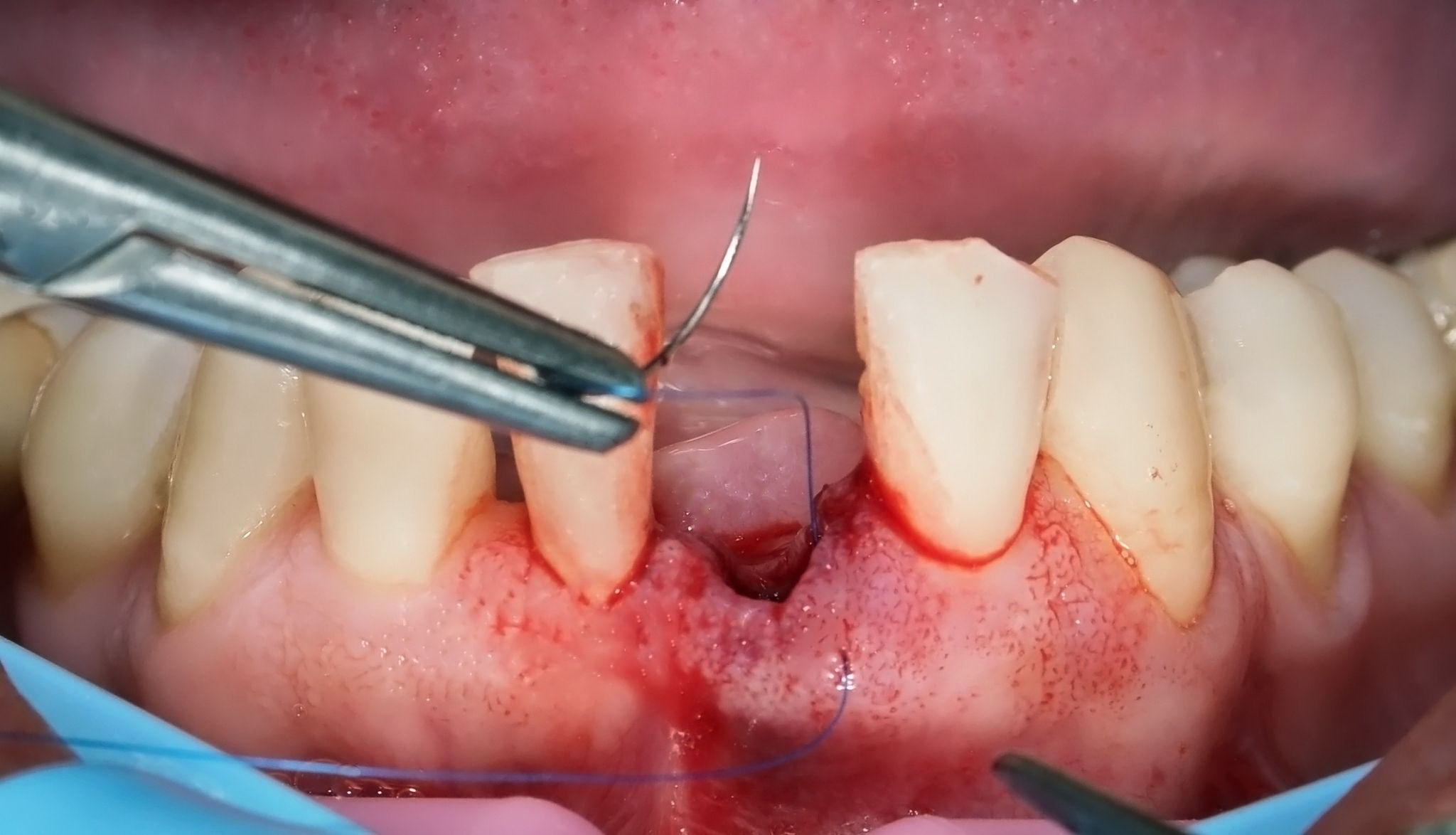
- Suturing principles relevant to endodontic surgery support
- Postoperative care essentials and patient instructions
- Recognizing common complications and the importance of documentation and follow-up
For students who want expanded opportunities in specialty environments, this foundation adds real value. If you’re interested in learning more about the foundations of oral surgery, this training will be invaluable.
6- Infection control and documentation
Endodontics has unique infection control demands. Files, irrigation systems, and small instruments require consistent handling. Documentation and consent are also essential for patient safety and practice protection.
Training strengthens your skills in:
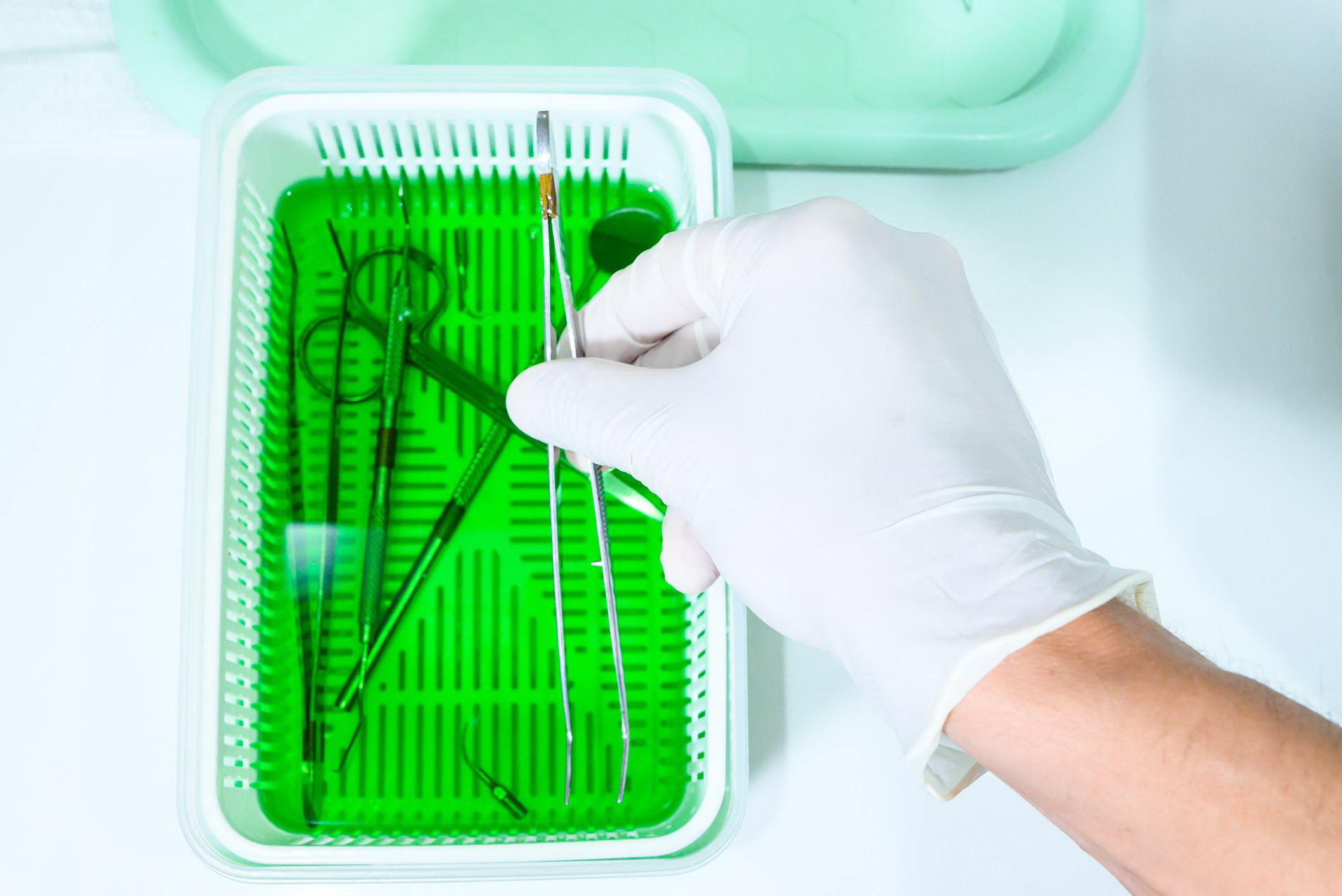
- Sterilization protocols for endodontic instruments
- Isolation protocols during procedures, including rubber dam workflow support
- Treatment documentation standards and clarity in clinical notes
- Consent and legal considerations specific to endodontic care
- Post-treatment patient education, including what patients should expect and when to call the office
Good documentation is not busywork. It is part of quality care. It supports continuity, reduces risk, and helps the practice deliver a more professional patient experience.
Why does endodontics certification elevate your career?
Endodontics is technical, detailed, and outcomes-driven. When you train in it formally, it signals something to employers: you can be trusted in procedures where precision matters.
Here is what that can translate to in the real world:
- Increased credibility in restorative driven and specialty practices
- Stronger ability to contribute meaningfully to complex cases
- Smoother, more efficient procedures because you understand sequence and setup
- Expanded diagnostic vocabulary and chairside communication
- Higher professional value, often linked to stronger earning potential over time
Most importantly, the work itself matters. Root canal therapy saves natural teeth every day. Professionals trained in endodontics help make those saves possible.
Strengthen your clinical authority (without guessing)
In a busy practice, confidence is not loud. It is quiet competence.
Endodontics training supports that by helping you:
- Expand your technical skillset with structured knowledge
- Work confidently in restorative focused environments
- Support advanced diagnostic workflows, including imaging driven decisions
- Become the person who can keep procedures organized, sterile, and calm
Even if your long-term goal is broader expanded functions, endodontics is one of the most respected ways to deepen your clinical identity.
What does a high-performance endodontic appointment look like?
Here is what practices aim for when they run endodontic procedures efficiently:
- The room is set up correctly before the patient sits down.
- Rubber dam and isolation are handled smoothly and confidently.
- Instruments are ready in sequence, not searched for mid-procedure.
- Irrigation and suction are coordinated to keep the field clean.
- The assistant understands pacing and reduces interruptions.
- Documentation is accurate, complete, and done without delay.
- Post-op communication is clear and reassuring.
That is the difference between “assisting” and supporting outcomes.
A training program that teaches workflow, not just terminology, helps you step into that level of performance faster. For example, Broward Dental Academy’s Level 01 training program provides foundational knowledge that can significantly enhance performance in such high-pressure situations.
How does this training help patients, not just careers?
When the clinical team is well trained, patients feel it.
Endodontic patients are often anxious, uncomfortable, or in pain. A confident and organized team can:
- Reduce procedural stress through calmer chairside communication
- Improve perceived professionalism and trust
- Support better infection control and procedural predictability
- Help the patient leave with clear instructions and realistic expectations
In other words, endodontics training improves the patient experience while strengthening the practice.
What are the program goals at Broward Dental Academy?
The goals of Broward Dental Academy’s Endodontics Training Program are straightforward and practice-focused:
- Understand the science behind endodontic care
- Support precision in technical procedures
- Help preserve every patient’s natural smile through better clinical support
This is not just about knowing what a file is called. It is about knowing what it is doing, why it matters, and how to support the procedure in a way that protects quality. For instance, their Level 02 training program focuses on advanced techniques that can greatly improve clinical outcomes. Similarly, the Level 03 program dives even deeper into specialized areas of dental care.
What should you be able to do after endodontics training?
By the end of a strong endodontics training experience, you should be able to:
- Explain core pulpal conditions and why diagnosis changes treatment
- Recognize common endodontic instruments and their sequence of use
- Support rubber dam isolation with confidence
- Assist in working length determination flow and understand its purpose
- Prepare an endodontic operatory setup that minimizes delays
- Support obturation steps with better anticipation and organization
- Follow strict sterilization and documentation standards
- Educate patients on post-op basics in clear, calm language
If those outcomes sound like the kind of professional you want to become, you are looking at the right training.
Ready for the next step?
Endodontics is one of the most technical, high-impact areas of clinical dentistry. It demands precision, organization, and a real understanding of what is happening inside the tooth. That is also why endodontics training can elevate your confidence quickly and make you more valuable in both general and specialty practices.
If you want hands-on, fast skill-building that is grounded in real clinical workflow, Broward Dental Academy’s Endodontics Training Program is built for that purpose.
To learn more about enrollment, schedules, and how the program fits into Broward Dental Academy’s broader advanced dental training options, reach out to the academy directly and ask about the endodontics track.
Endodontics
Endodontics Training Program - Master the Science of Saving Teeth
When a patient hears the words “root canal,” anxiety often follows. But behind that phrase is one of the most precise, technical, and tooth-saving procedures in dentistry.
At Broward Dental Academy, our Endodontics Training Program is designed for students who want to understand the science, instrumentation, and clinical workflow behind modern root canal therapy and advanced pulpal care.
Endodontics is not just about removing infection.
It is about preserving natural teeth, relieving pain, and restoring function.
This program elevates your clinical understanding and prepares you to confidently support endodontic procedures in both general and specialty practices.
If you want to increase your technical competence, expand your diagnostic knowledge, and become highly valuable in restorative-driven practices, endodontics training is a powerful step forward.
What will you master in endodontics training?
Understanding Pulpal Disease & Diagnosis
Everything begins with diagnosis.
You will develop a strong understanding of:
- Tooth pulp anatomy and root canal systems
- Causes of pulpal damage
- Reversible vs. irreversible pulpitis
- Periapical pathology
- Diagnostic testing methods
When you understand the biology behind infection and inflammation, you become a more confident and capable clinical assistant.
Endodontic Instruments & Equipment
Precision defines endodontics.
You will learn about:
- Hand files and rotary instrumentation systems
- Apex locators and working length determination
- Irrigation protocols and medicaments
- Rubber dam isolation techniques
- Endodontic setup and armamentarium
Familiarity with these tools allows you to anticipate the doctor’s needs and maintain smooth clinical flow during highly technical procedures.
Overview of Root Canal Therapy
You will gain a comprehensive understanding of:
- Access cavity preparation
- Canal cleaning and shaping
- Obturation techniques (gutta-percha and sealers)
- Temporary vs. permanent restorations
- Post-endodontic restoration planning
Knowing each stage of the procedure strengthens your ability to assist efficiently and maintain strict infection control protocols.
Microscopic & Advanced Endodontics
Modern endodontics is technology-driven.
You will explore:
- The role of dental operating microscopes
- 3D imaging integration with CBCT
- Complex canal anatomy
- Retreatment procedures
- Identification of fractured instruments
As more practices adopt advanced imaging and magnification, assistants trained in these workflows become highly desirable.
Surgical Endodontics
In some cases, nonsurgical root canal therapy is not enough.
You will gain foundational knowledge in:
- Apicoectomy procedures
- Surgical setup and sterile protocol
- Suturing principles
- Postoperative care
- Recognition of complications
Assistants who understand surgical endodontics bring added value to specialty practices.
Infection Control & Documentation
Endodontic procedures demand strict compliance and precise documentation.
You will strengthen your knowledge of:
- Sterilization of endodontic instruments
- Isolation protocols
- Treatment documentation standards
- Consent and legal considerations
- Post-treatment patient education
Proper documentation protects both the patient and the practice.
Location:
Broward Dental Academy
8888 Royal Palm Blvd
Coral Springs, FL 33065
LearnWith@BrowardDentalAcademy.com
954-761-5388
Endodontics training program
Broward Dental Academy’s Dental Training Resources (7 Pillars)
Broward Dental Academy serves the dental community by developing well-rounded professionals through a wide range of dental training programs. The model is designed to help students become thoroughly trained, legally compliant, and clinically confident, not just “test-ready.”
Students experience immediate immersion through:
- Online learning with updated eLearning lesson plans
- Hands-on clinical training
- In-office internships that build real-world readiness
Broward Dental Academy also offers flexible scheduling and flexible financing options, making it easier to train without putting life on hold.
Below are the 7 pillars. If you are not sure where to begin, start with Pillar 1 or Pillar 2, then choose your level based on your goals and timeline.
Pillar 1: Dental Assistant Careers in South Florida (Career and Planning Resource)
If you want clarity before committing to a course level, this is the best starting point. It helps you understand what dental assisting jobs look like locally, typical responsibilities, and growth potential.
It also connects directly to why so many people choose this path: stable income potential, flexible schedules, career mobility, and growing demand for skilled professionals.
Pillar 2: How to Become a Dental Assistant in Florida (Step-by-Step Resource)
Florida has specific expectations, and dental employers care about legal compliance and practice readiness. This pillar breaks down the process so you understand the pathway and what to look for in a quality program.
Use it as your roadmap before selecting Level 01, Level 02, or EFDA.
Pillar 3: Dental Assistant Level 01 Training (Foundational Clinical Skills)
Level 01 is your foundation. It focuses on core chairside workflows, operatory readiness, sterilization fundamentals, and professional habits that make you useful in a real practice.
The learning structure is designed to build confidence early through blended online learning plus clinical immersion. The outcome is not just knowledge, but readiness for real practice expectations.
Pillar 4: Advanced Dental Assistant Training – Level 02 (Build Speed, Accuracy, Confidence)
Level 02 is advanced training designed for higher-performance assisting. It strengthens clinical repetition, workflow efficiency, and your ability to take on elevated responsibility under supervision.
Modern practices value assistants who can keep up, stay calm under pressure, and maintain compliance while moving fast.
Pillar 5: Expanded Functions Dental Assistant – Level 03 (EFDA) (Career Expansion Resource)
EFDA training is a major career mobility step for qualified assistants. Expanded functions can increase your value to a practice, add variety to your daily work, and support long-term flexibility.
Because expanded duties require strong training and careful legal compliance, Level 03 is best approached after a solid foundation.
Pillar 6: Specialty Dental Assisting Training (Perio • Endo • Ortho • Oral Surgery)
Specialty training is one of the fastest ways to differentiate yourself. You learn specialty workflows, instruments, and the patient flow expectations that come with more complex procedures.
Examples include:
- Perio: maintenance flow support and procedure setup expectations
- Endo: isolation support and sequence awareness
- Ortho: setup support and appointment rhythm
- Oral surgery: prep and assisting basics as allowed within scope. For detailed training on this aspect, consider our Oral Surgery program.
Practices value assistants who can support specialty procedures confidently and ethically.
Pillar 7: Dental Certifications (Credential and Compliance Resources)
Certifications are ongoing training resources that strengthen employability, support compliance, and signal professionalism. They also reflect the mindset that employers trust most: continuing education, staying current, and taking patient safety seriously.
This pillar is “stackable” alongside Levels 01–03 and specialty training so you stay competitive as dentistry evolves.
Course: Endodontics Training Program
Course Code: ETP
Instructor: Professor Dr. Harry Panahi
Educational Level: Completion of Dental Assistant Level 01
Language: English -US
Educational Credential Awarded: Certificate of Completion
Course Mode: Blended
Duration: 12 Weeks
Price: $4,500.00 USD
Valid From: 2026-01-01
Start Date: 2026-01-01
End Date: 2031-01-01
Description: Advanced endodontic assisting course designed for dental assistants and dental professionals seeking specialized training in endodontic procedures, root canal therapy support, instrumentation, isolation techniques, radiographic interpretation, and patient care.
Ready to Enroll?
Take the first step toward your dental career today.
Frequently Asked Questions
What is root canal therapy and why does it have a reputation for being scary?
Root canal therapy is a precise, tooth-saving procedure focused on preserving natural teeth, relieving pain, restoring function, and supporting long-term restorative success. While it often has a reputation that makes patients tense, modern endodontics is built on anatomy, diagnosis, clean technique, and calm, confident execution within the operatory.
What does the Endodontics Training Program at Broward Dental Academy offer?
The Endodontics Training Program at Broward Dental Academy provides students with a real understanding of the science, instrumentation, and clinical workflow behind modern endodontic care. It prepares dental assistants and clinical team members to confidently support high-stakes procedures like root canal therapy through hands-on training, advanced diagnostic techniques such as CBCT guided diagnosis and microscope-assisted treatment, and practical clinical exposure.
Who is the ideal candidate for the Endodontics Training Program?
This program is ideal for individuals who want to build confidence supporting root canal therapy in general practice, become more valuable in restorative-focused or specialty environments, strengthen diagnostic awareness and terminology, improve chairside efficiency during technical procedures, understand advanced workflows like CBCT guided diagnosis and microscope-assisted treatment, and add a respected credential signaling commitment to clinical excellence.
How does Professor Harry Panahi contribute to the Endodontics Training Program?
Professor Harry Panahi leads the program with a practical clinical perspective emphasizing patient comfort, predictable outcomes, and efficient workflow. His expertise ensures that students gain clinical judgment and operatory readiness beyond textbook knowledge by understanding both the science and pace of real-world practice.
Why is understanding the ‘why’ behind each step important in endodontics?
Understanding the ‘why’ behind each step in endodontics allows dental assistants and clinical team members to anticipate procedural needs accurately, maintain consistent infection control standards, protect the operative field effectively, and contribute meaningfully to successful outcomes beyond just filling canals.
What makes Broward Dental Academy’s approach to dental education unique?
Broward Dental Academy focuses on training students for the real world of modern dentistry by combining current eLearning lesson plans with practical clinical exposure. Their goal is to help students think critically, act ethically, and perform confidently in high-performance practice environments across various specialties including endodontics, orthodontics, and periodontics.