Oral Surgery Training Program: What You’ll Actually Do
The Oral Surgery Training Program at Broward Dental Academy is a 12-week blended oral surgery assisting course in Coral Springs, FL. Tuition is $4,500 and you finish with a Certificate of Completion.
Taught by licensed clinicians and university faculty in Broward County, at 8888 Royal Palm Blvd, Coral Springs, FL 33065. Call 954-761-5388 or apply now.
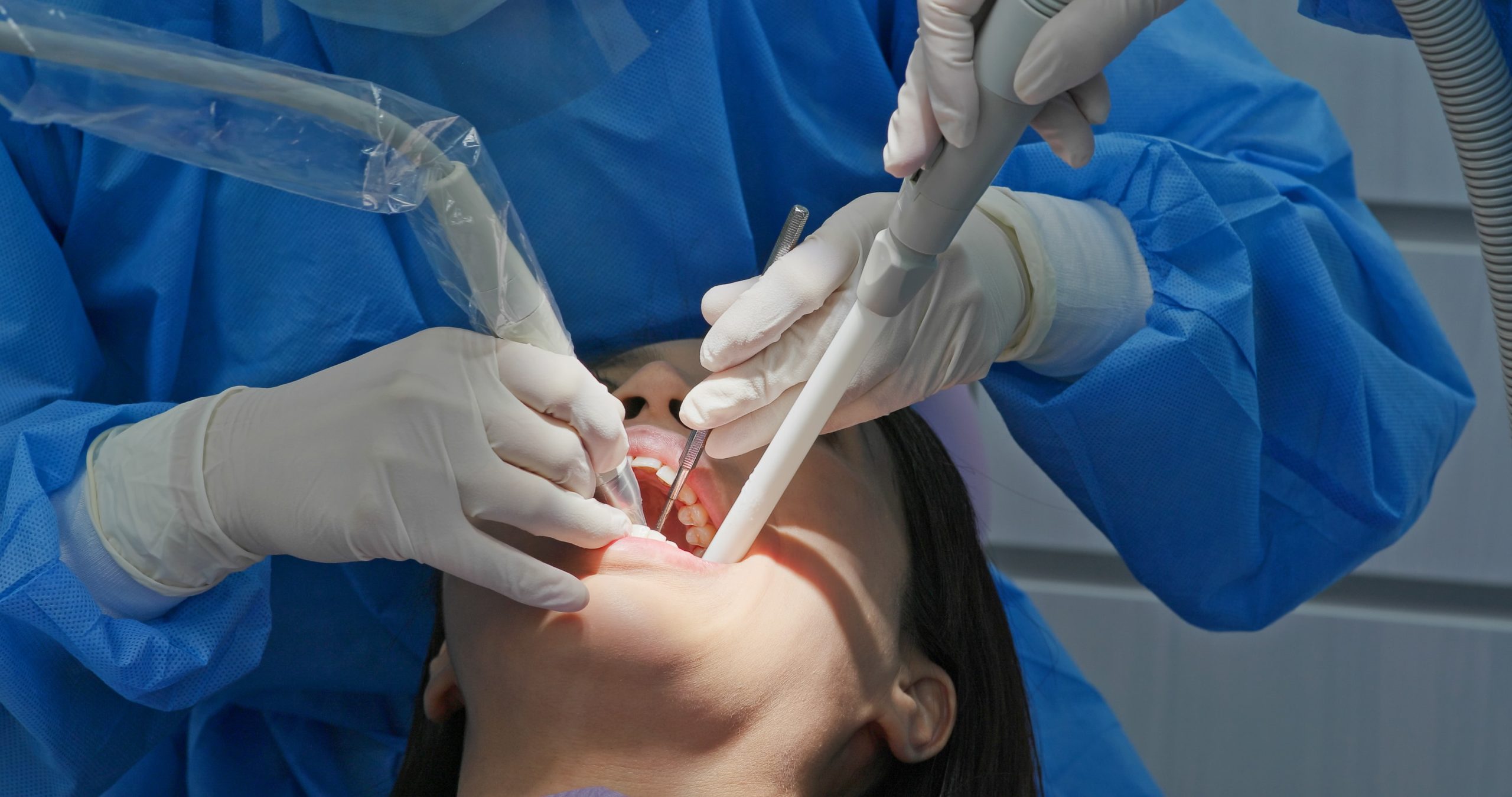
Oral surgery may appear calm from the waiting room. But inside the operatory, it is a realm of controlled, technical, and highly coordinated care. Each team member has a specific role to play, adhering to strict sterile protocols. Once the procedure begins, the surgical assistant takes charge of maintaining a steady pace and ensuring a safe environment.
To prepare for this pivotal role, one must undergo an oral surgery training program. This program equips you with the necessary skills through repeatable workflows that can be executed under pressure.

Key takeaways
- What does the oral surgery course cover?
Surgical instrumentation and tray setup, aseptic technique, anesthesia and sedation support, extraction assisting, suturing, implant and grafting support, and post-operative care. - What are your limits?
Assistants support anesthesia and sedation, they do not administer or diagnose. Knowing the boundary is part of the training, not an afterthought. - What matters most chairside?
Sterile discipline you can repeat under pressure, sharps safety, and anticipating the next instrument before it is asked for. - Why does it pay?
Surgical days are unforgiving of delays and contamination, so a trained surgical assistant is one of the hardest roles for a practice to replace.
What is an oral surgery training program, and who is it for?
In the realm of dental assisting, an oral surgery training program is distinct from dental school or a surgeon’s residency. It is specialized clinical training designed to prepare dental team members to support oral and maxillofacial procedures in a legally compliant and clinically confident manner.
This training encompasses a range of essential skills:
- Setting up and protecting a sterile field
- Identifying and organizing surgical instrumentation
- Assisting during extractions, suturing, implants, and grafting cases
- Supporting anesthesia and sedation workflows within your scope
- Documenting accurately and adhering to OSHA and CDC-aligned infection control standards
Who typically enrolls?
Participants in these training programs generally belong to a few common categories:
- Dental assistants transitioning from general dentistry into surgery-heavy schedules
- Aspiring surgical assistants seeking proficiency in implants and extractions
- Team members in expanding practices where the doctor is incorporating sedation, implants, or more complex surgeries into their repertoire
For those interested in broadening their expertise beyond oral surgery, Broward Dental Academy offers various specialized programs in fields such as orthodontics, endodontics, and periodontics.
What does trained, legally compliant and clinically confident look like?
In a surgical environment, confidence is not personality. It is competence you can repeat.
A trained surgical assistant is expected to:
- Keep sterile boundaries without being reminded
- Anticipate the next instrument without guessing
- Protect the patient during anesthesia support and recovery flow
- Stay calm when something changes and follow protocol instead of improvising
Quick reality check
This training is hands-on, detail-heavy, and built on sterile discipline. You will learn the same steps repeatedly until they become automatic, because in oral surgery, “close enough” is not good enough.
Why people pursue it
The dental industry continues to be one of the fastest-growing healthcare fields, as highlighted in this article about the top 5 growing healthcare fields in the nation. Oral surgery skills can increase your mobility across advanced general practices, oral and maxillofacial surgery offices, perio settings, and implant-focused clinics. Many assistants also value the stability, respected role in healthcare, and the schedule flexibility that dentistry can offer.
If you’re interested in pursuing this path, consider exploring various certifications that can enhance your qualifications.
What You’ll Actually Do in Training (a week-by-week feel)
Most modern programs are built around a rhythm that blends knowledge and performance. While exact schedules vary, the flow usually looks like:
- Online learning to build terminology, safety rules, sequencing, and “why”
- Clinical lab time to practice sterile setup, transfers, and scenario drills
- In-office internship or externship exposure when available, to see real pace and real patient flow
How eLearning stays practical
Good eLearning lesson plans are not just slides. They are structured to support performance:
- You learn the steps, then you execute the steps
- You watch correct technique, then you repeat it with feedback
- You review protocols until you can explain them and perform them
For more specific questions about the training process or other aspects of becoming a dental assistant in Broward County, check out our frequently asked questions.
What “immediate immersion” really means
In strong surgical training, you do not just observe. You practice the core tasks that make surgery run:
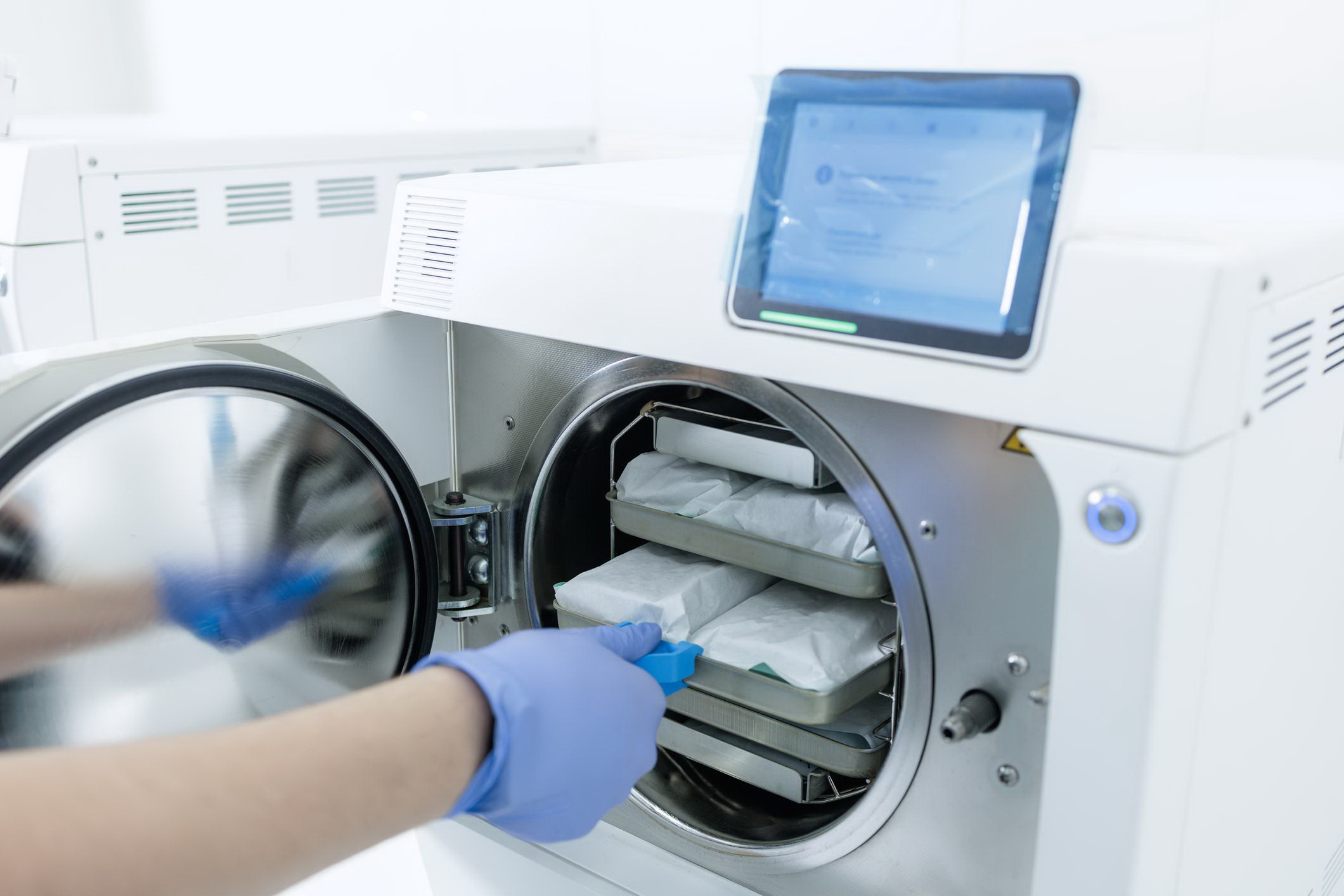
- Set up the room and sterile field
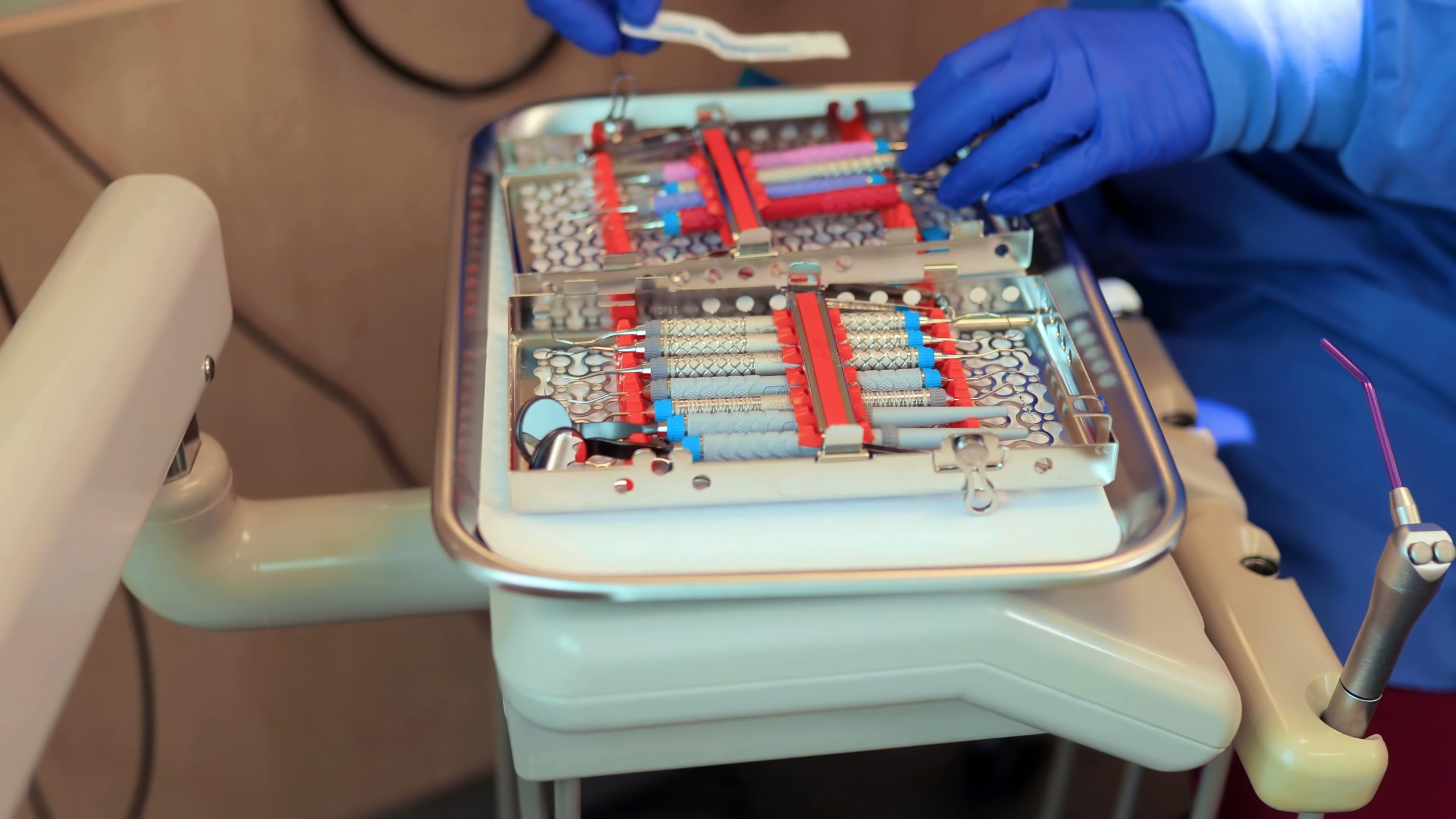
- Identify instruments and build trays
- Pass instruments correctly
- Control suction and irrigation positioning
- Monitor, document, and communicate clearly
- Break down the room and process instruments safely
- Troubleshoot contamination or missing items without panic
How performance is measured
Expect your skills to be evaluated the way real practices expect them to be done:
- Checklists for sterile setup and breakdown
- Timing and flow during mock procedures
- Aseptic protocol accuracy, including what you touch and when
- Tray organization and instrument counts
- Scenario drills that test how you respond under pressure
Modern practices expect speed, but not shortcuts. Training should teach you how to move quickly while staying aligned with OSHA requirements, CDC infection control guidance, and calm professional behavior.
How do you learn surgical instrumentation?
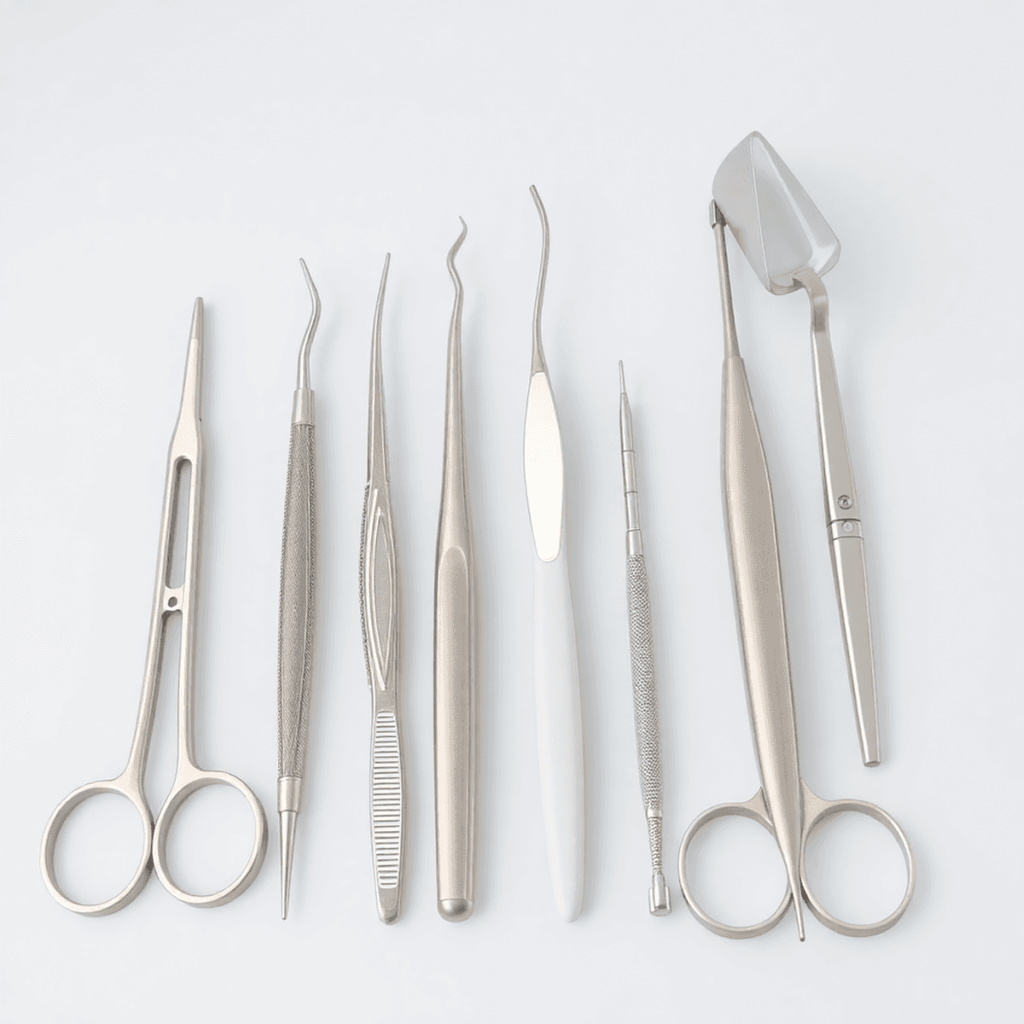
Instrumentation is not memorization for its own sake. In oral surgery, instrument identification is safety. The wrong instrument at the wrong moment increases risk, slows the procedure, and breaks flow.
Key categories you will handle
In training, you typically learn to identify and correctly use, pass, and organize instruments such as:
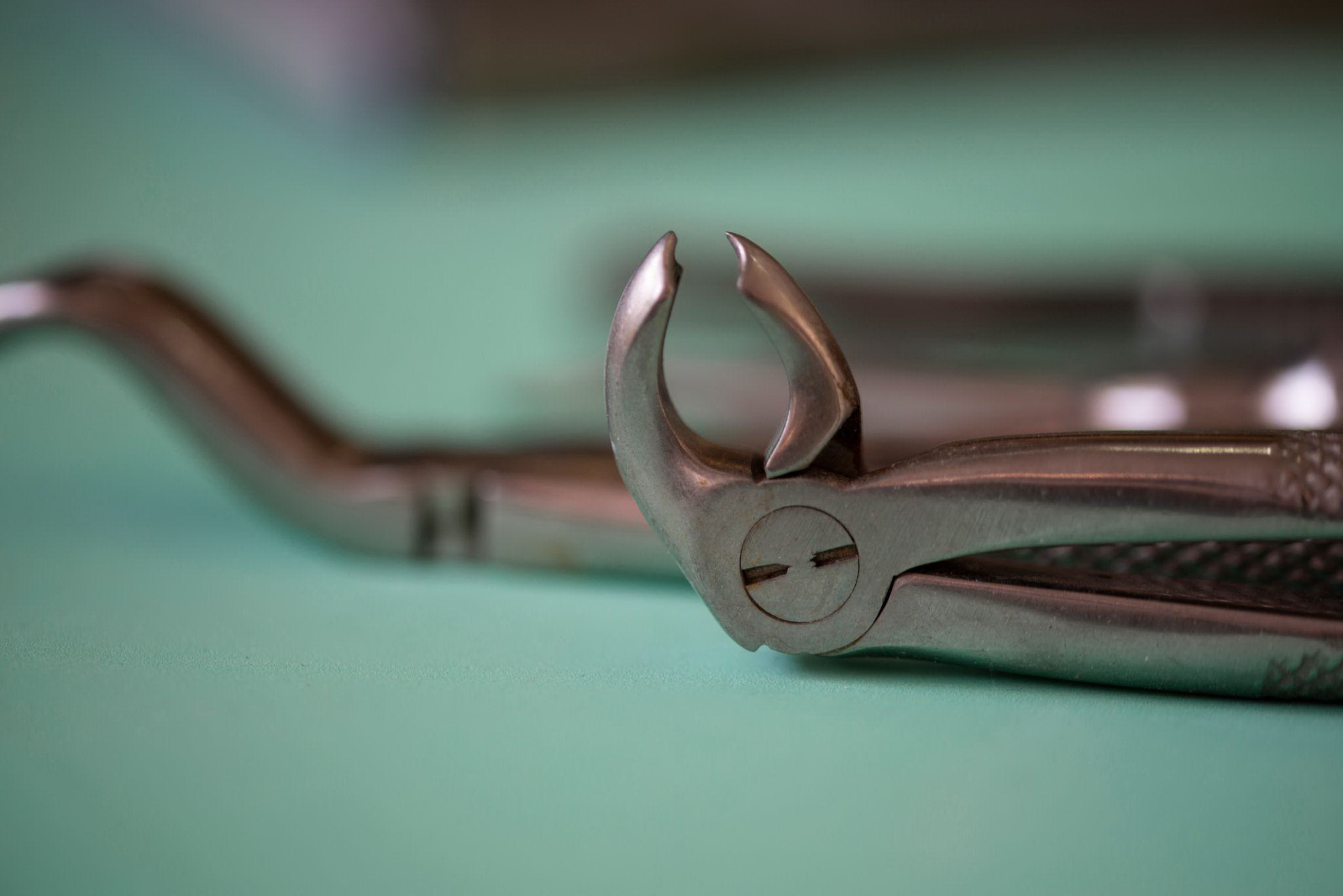
- Forceps (extraction forceps variations)
- Elevators (for luxation and root management)
- Retractors (for visibility and tissue protection)
- Suction tips (including surgical suction styles)
- Needle holders
- Scissors
- Curettes and related debridement instruments
How tray organization is taught
You learn set layouts that make sense in real procedures:
- Standardized setups so nothing is “hunted for” mid-case
- Counts and sequencing so the field stays organized
- “Surgeon preference” logic so you can adapt to different providers without losing safety
Instrument handling basics
Even before you help on complex steps, you will drill the fundamentals:
- Safe, clean pass technique
- Protecting sterile surfaces
- Preventing cross-contamination during transfers
- Keeping sharps controlled and visible
Sharps safety and inspection
You will also learn what to do when something is not right:
- If an instrument is damaged, dull, or compromised
- If an item is not sterile or the sterile indicator is questionable
- If contamination occurs and the correct recovery steps must happen immediately
In surgery, calling out a break in sterility is not “slowing things down.” It is doing your job.
What aseptic technique can you repeat under pressure?
Oral surgery is not casual dentistry. Sterile discipline is the baseline.
Training focuses on the habits that prevent contamination even when the room gets busy:
- Hand hygiene timing and technique
- PPE selection and correct donning and doffing
- Knowing sterile vs non-sterile boundaries
- Following sterile field rules consistently
Step-by-step sterile field setup
You practice a clean, repeatable sequence, including:
- Opening sterile packs correctly
- Adding items without contaminating the field
- Maintaining visibility and control of sterile surfaces
- Avoiding reach-over contamination and accidental contact
What breaks sterility in real life (and how to recover)
Programs should teach real-world errors and the correct response, such as:
- Glove contamination and when to reglove
- Torn packaging or questionable indicators
- A non-sterile item touching the sterile field
- Unclear boundaries during fast instrument transfers
Room turnover and operatory prep
Surgery days depend on sequencing:
- Surface disinfection
- Barrier placement
- Clean-to-dirty workflow patterns
- Correct setup so the next case starts smoothly
Waste management compliance
You will build habits around:
- Sharps container use and placement
- Biohazard handling
- Documentation routines that support compliance and safety

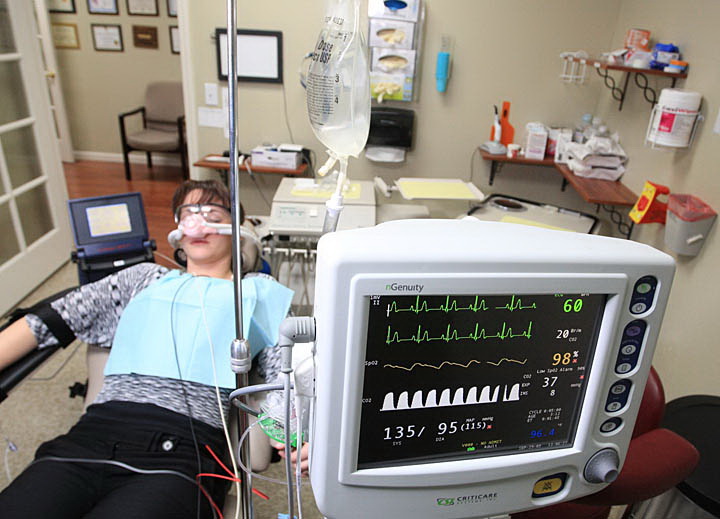
What is your role in anesthesia and sedation support?
Anesthesia support is a major part of oral surgery assisting, but scope matters. Your role is to support the provider, follow office protocols, and operate within your state laws and training.
In training, you learn to contribute safely through:
- Equipment preparation
- Monitoring basics as delegated
- Documentation support
- Patient communication and comfort
- Escalation when something looks wrong
Local anesthesia workflow
Expect to practice:
- Topical preparation support
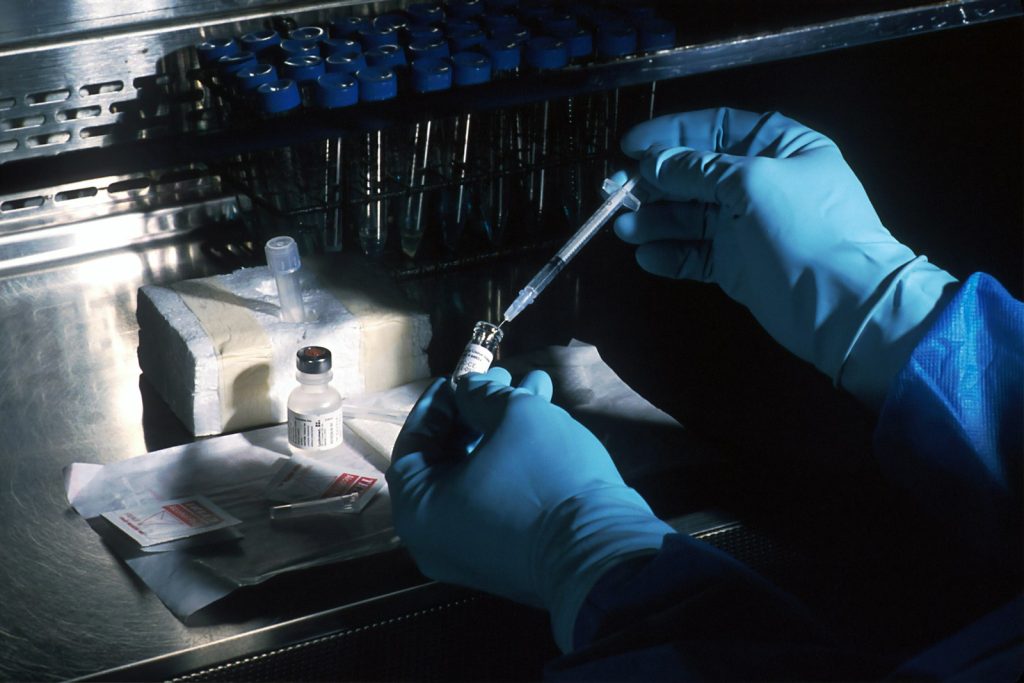
- Syringe setup
- Carpule and needle handling
- Safe passing and sharps discipline
- Post-injection observation and patient reassurance
IV sedation overview
Even when you are not the person administering medications, you learn the workflow and expectations:
- Room and equipment setup
- Monitoring protocols and vital trends
- Recovery flow and discharge readiness steps
- When to escalate concerns immediately
Nitrous oxide support
Training usually includes:
- Equipment checks and scavenging awareness
- Coaching patients through breathing and comfort
- Contraindication awareness so you recognize when something does not fit the normal pattern
Emergency preparedness
Oral surgery offices drill for emergencies because minutes matter. Training should build familiarity with:
- Crash cart basics
- Oxygen readiness
- Suction readiness
- Response drills for syncope, allergic reaction, and over-sedation
Which assisting skills make or break a surgical extraction?
Extractions are common, but surgical extractions are different. Visibility, suction control, retraction strategy, and anticipation are what keep the procedure efficient and safe.
What you will practice supporting
You learn the flow for:
- Simple vs surgical extractions
- How exposure and visibility drive everything
- How to keep a clean field so the provider can work precisely
Flap design support basics
Assistants do not design the flap, but you support the field:
- Retraction that protects tissue and improves visibility
- Suction positioning that does not collapse the site or block the view
- Staying steady so the provider can make controlled movements
Bone management support
When handpieces and irrigation are involved, your role becomes even more technical:
- Irrigation flow awareness
- Suction control that keeps the field clear without disrupting tissue
- Anticipating instrument changes and keeping the tray organized
Recognizing red flags and staying calm
Training should help you notice cues that need attention, such as:
- Excess bleeding patterns
- Signs the patient is distressed
- Provider cues that a root tip may be challenging
- Any shift in normal sedation recovery behavior
Your job is to stay calm, follow protocol, and support the provider’s next step.
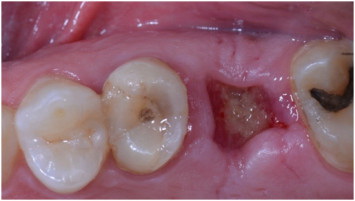
Post-extraction setup
You practice:
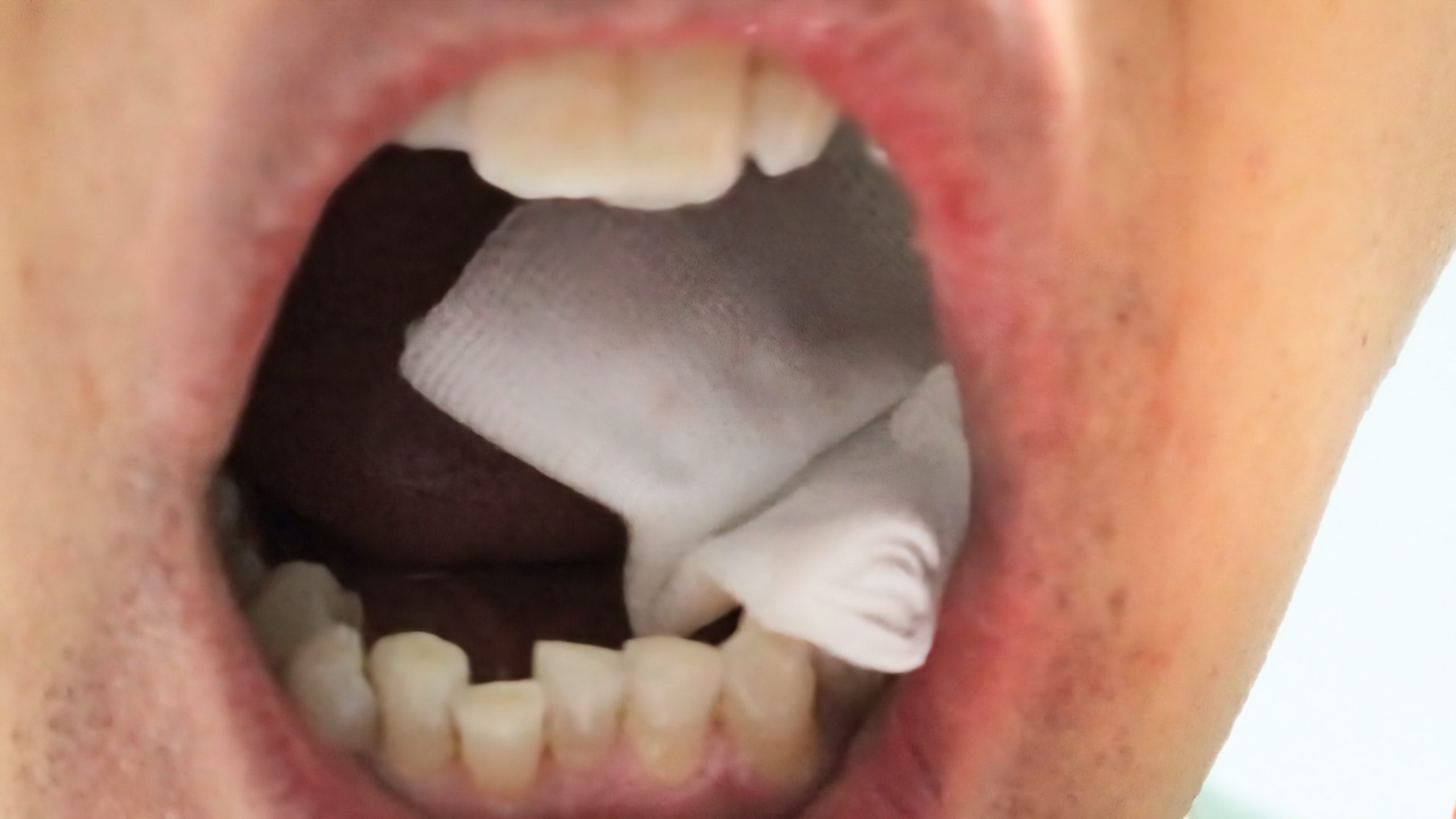
- Dressing and gauze placement support
- Hemostasis checks as directed
- Accurate documentation
What suturing will you handle chairside?
Suturing support is one of the most practical skills you can bring to a surgical team because it combines sterile discipline, instrument control, and pace.
Suture materials and needles
You learn the common types at a high level and how to handle them correctly:
- How sutures are packaged and opened sterily
- How needles are presented safely
- How different materials may be selected for different goals
Needle holder and scissors technique for assistants
Expect drills on:
- Safe passing and receiving
- Cutting tails without contaminating the field
- Maintaining tension support without pulling incorrectly or breaking sterile boundaries
Supporting closure goals
You will learn how to support what the provider is trying to achieve:
- Primary closure when showed
- Leaving drainage pathways when instructed
- Keeping the site visible and dry enough for controlled knot placement
Charting and postoperative notes
Training should emphasize documentation as both a medical and legal standard, including:
- What was done
- What materials were used
- Patient tolerance and key post-op notes
Patient comfort
You will also reinforce immediate post-op basics:
- Gauze placement and bite pressure coaching
- Calm, clear reinforcement of the doctor’s instructions
How do assistants support implant placement and bone grafting?
Implants and grafting procedures demand organization and contamination control. Assistants are often the difference between a smooth case and a chaotic one.
Your support role in implant placement
You learn to manage:
- Sterile setup and draping
- Implant kit organization
- Irrigation readiness and suction positioning
- Anticipating instrument and component changes
Bone grafting basics
You are not expected to be the decision-maker on graft selection, but you should understand:
- Common graft material categories at a high level
- Sterile handling and contamination prevention
- Why moisture control and clean transfers matter
Membranes and site protection
You learn what to prepare, how to open and pass materials correctly, and how to keep packaging and components organized during a fast-moving case.
How flap design and suturing connect to outcomes
Training should connect the dots: good exposure, clean handling, and proper closure support are not just “steps.” They influence healing, comfort, and stability.
Post-op priorities for grafts and implants
Assistants support:
- Bleeding control and swelling expectations
- Clear instructions reinforcement
- Follow-up scheduling coordination
What happens after the patient leaves the chair?
A strong post-op process protects the patient and the practice. Training usually builds a simple, consistent flow.
A basic post-op discharge routine
You practice:
- Reviewing written instructions
- Medication guidance protocols as directed by the provider
- Confirming the patient can repeat back key points
- Coordinating escort and safety steps when sedation is involved
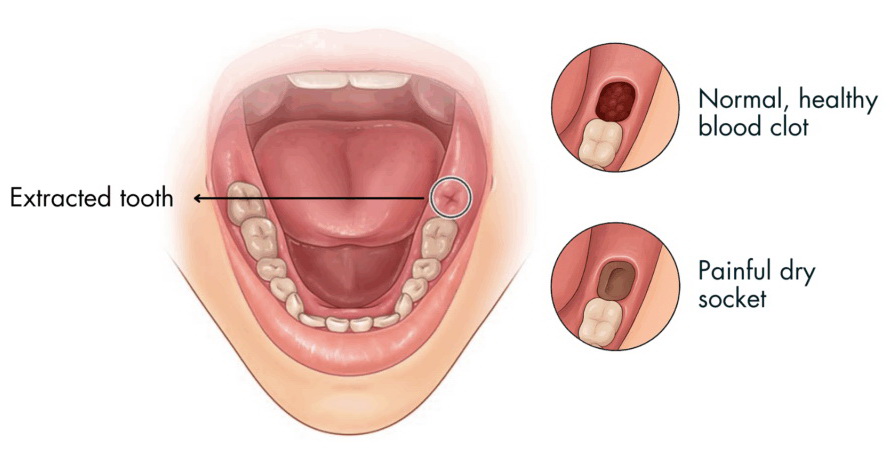
Dry socket prevention guidance basics
You learn how to explain key do’s and don’ts clearly, without overwhelming the patient, and how to emphasize the first 24 to 72 hours when risk behaviors matter most.
Complication triage
Training helps you understand what can be normal and what is not. You learn to escalate concerns appropriately, including patterns like:
- Bleeding that does not improve with standard instructions
- Swelling that rapidly worsens
- Fever or systemic symptoms
- Severe pain that does not follow a typical recovery trend
Infection awareness and documentation
You learn the signs that should be documented and communicated, and how infection control continues after the procedure through proper handling of follow-up visits and instrument processing.
Follow-up routines
You support:
- Suture checks and removal coordination
- Clear communication with the surgical team
- Documentation continuity so the office has a defensible clinical record
How do OSHA and CDC standards apply in real practice?
Compliance is not paperwork. It is employability.
Practices want assistants who can protect patients, protect the team, and perform under scrutiny. Surgical environments are especially sensitive to audits and protocol breakdowns.
OSHA standards you will touch constantly
Training reinforces a bloodborne pathogens mindset, including:
- Sharps handling discipline
- Exposure response familiarity
- Proper PPE use and disposal
- Safe cleanup routines
CDC-aligned surgical standards
You learn the sterilization chain of custody concepts that support safe care:
- Packaging principles
- Indicators and monitoring basics
- Storage practices that protect sterility
- Communication with instrument processing workflows
Behaviors that get noticed and audited
In real practices, the small things matter:
- Hand hygiene timing
- Glove changes at the right moment
- Surface disinfection sequencing
- Coordination between operatory and sterilization areas
How training builds habits
The best programs create a “no shortcuts” culture through:
- Checklists
- Repetition
- Corrective feedback
- Scenario-based practice that feels like real work
How does Broward Dental Academy prepare you to perform?
Broward Dental Academy serves the dental community by offering a wide range of dental courses and advanced dental training. Their programs, such as the Oral Surgery Training Program, are designed for real surgical environments.
The goal is not to simply complete modules. It is to build a dependable surgical team member.
How the learning environment works
Students typically experience:
- Immediate immersion in online and clinical settings
- Modern eLearning lesson plans that support practical performance
- Hands-on repetition that builds speed and sterile discipline
- In-office internships where available, so skills translate to real patient flow
Critical thinking and ethical action
Oral surgery can change fast. A case can become more complex. A patient can become anxious. A sterile boundary can be compromised. Training should teach you to think clearly, act ethically, and follow protocol when stress rises.
Confidence-building through repetition
Expect repeated practice around:
- Sterile setup and breakdown
- Instrumentation identification and tray organization
- Anesthesia workflow support basics
- Post-op routines and documentation habits
Broward Dental Academy’s leadership and mentorship culture, including guidance associated with experienced educators such as Professor Harry Panahi, helps reinforce professional standards and real-world expectations.
Also, their comprehensive dental assistant programs such as Level 01 or Level 02 offer essential training for aspiring dental professionals.
What can oral surgery training unlock for your career?
Oral surgery training can make you more valuable across multiple clinical environments, including:
- Oral surgery and oral and maxillofacial surgery practices
- Advanced general dentistry with high-volume extractions
- Implant-focused and grafting-focused schedules
- Periodontal and surgical specialty settings
Why demand is rising
Practices want efficient teams that can:
- Keep sterile discipline consistently
- Support sedation workflows safely and calmly
- Keep procedures moving without sacrificing compliance
Expanded functions mindset
Even without overpromising specific titles or outcomes, oral surgery training often positions you as the person who can handle complex chairside responsibilities. In many offices, that becomes the assistant the doctor trusts most on surgery days.
Income and lifestyle factors
Dentistry can offer stable income, flexible schedules, and career mobility. Oral surgery skills may support advancement because they solve high-value problems for busy practices. The key is to stay realistic: your outcomes depend on your role, local regulations, and how you apply your skills in the workplace.
How do you choose the right oral surgery training program?
Not all programs prepare you for real surgical pace. When comparing options, look for training that proves you can do the work.
1- Hands-on emphasis
You should see clear training time dedicated to:
- Sterile field setup and breakdown
- Surgical tray organization and counts
- Suturing support and sterile passing
- Complication and contamination recovery drills
2- Anesthesia and sedation support coverage
Confirm the program includes:
- Local anesthesia workflow support
- IV sedation monitoring protocol overview
- Nitrous oxide support basics
- Emergency preparedness drills and expectations
3- Compliance training that matches real practice
Ask about:
- OSHA and bloodborne pathogens training integration
- CDC-aligned infection control workflow habits
- Waste management compliance and documentation routines
4- Learning format fit
Many students benefit from a blend of:
- Online components for knowledge
- Clinical practice for performance
- Externships or internships where available for real exposure
5- Practical logistics
Consider:
- Scheduling flexibility
- Financing options
- How quickly you can apply the training at work
Ready to Train Like a Surgical Team Member?
You now know what oral surgery training actually looks like. You are not just “learning about surgery.” You are practicing the tasks that make the operatory run:
- Instrumentation identification and surgical tray organization
- Aseptic protocol that holds under pressure
- Anesthesia and sedation workflow support within legal limits
- Extraction flow support, suction and retraction strategy
- Suturing support and clean documentation
- Implant placement and bone grafting assistance fundamentals
- Post-op instruction reinforcement and complication triage awareness
Modern practices want assistants who are clinically confident, legally compliant, and precise under pressure.
Broward Dental Academy offers a supportive training environment, modern lesson plans, flexible financing, and multiple dental courses designed to prepare students to perform in high-expectation settings.
Don’t delay, enroll today. If you want help choosing the right course fit, talk to admissions about your schedule, experience level, and financing options.
Welcome to Broward Dental Academy
Meet Professor Harry Panahi
Oral Surgery
Oral Surgery Training Program
Support Precision. Protect Safety. Master Surgical Dentistry.
Oral surgery is where clinical precision, sterile discipline, and coordinated teamwork come together.
From routine extractions to complex surgical procedures, oral surgery needs highly trained professionals who understand instrumentation, aseptic protocol, anesthesia workflow, and postoperative care.
At Broward Dental Academy, our Oral Surgery Training Program prepares students to confidently help in surgical environments, whether in advanced general practices or oral and maxillofacial specialty settings.
This program elevates your clinical awareness and positions you as a trusted surgical support professional.
Oral surgery is not casual dentistry.
It is controlled, technical, and highly coordinated care.
And well-trained surgical assistants are indispensable.
What will you master in oral surgery training?
Foundations of Oral and Maxillofacial Surgery
You will develop a foundational understanding of:
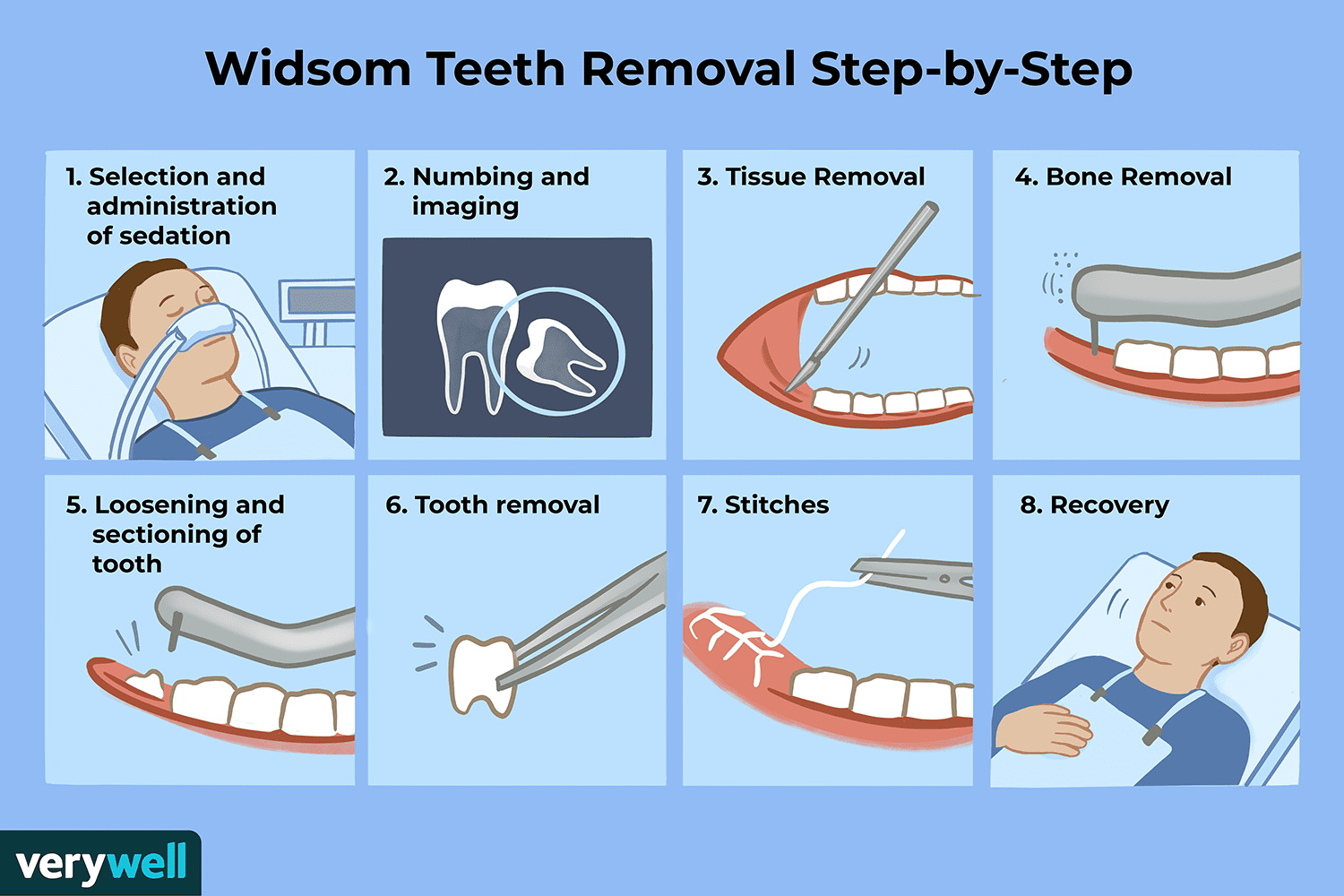
- Indications for extractions
- Impacted teeth and surgical removal
- Preoperative evaluation and preparation
- Anatomy considerations in surgical procedures
- Risk assessment and informed consent
Understanding the clinical rationale behind surgical intervention allows you to anticipate procedural flow and enhance patient safety.
Surgical Instrumentation & Setup
Precision begins with preparation.
You will learn:
- Identification of surgical instruments (forceps, elevators, retractors)
- Proper surgical tray organization
- Sterile field setup
- Instrument transfer in a surgical environment
- Maintaining aseptic technique
Surgical discipline separates routine assisting from advanced surgical support.
Anesthesia & Sedation Support
Patient comfort and safety are paramount in oral surgery.
You will gain knowledge in:
- Local anesthesia principles
- Monitoring protocols during sedation
- IV sedation workflow basics
- Nitrous oxide administration support
- Emergency preparedness and response
Understanding sedation protocols increases your value in high-level surgical practices.
Surgical Procedures & Suturing Concepts
You will explore the structure and sequencing of:
- Simple and surgical extractions
- Bone grafting fundamentals
- Implant placement support
- Flap design and management
- Suturing principles and removal
Knowledge of surgical progression allows you to anticipate the doctor’s needs and keep procedural efficiency.
Postoperative Care & Complication Management
The procedure does not end when the surgery is complete.
You will develop skills in:
- Delivering postoperative instructions
- Recognizing complications such as dry socket or infection
- Managing follow-up appointments
- Supporting pain management protocols
- Documentation and compliance procedures
Clear communication during recovery improves outcomes and patient trust.
Infection Control & Surgical Asepsis
Oral surgery demands the highest infection control standards.
You will reinforce:
- Advanced sterilization protocols
- Surgical asepsis principles
- Instrument processing for surgical cases
- Waste management compliance
- OSHA and CDC surgical standards
A surgical assistant must keep strict infection control discipline at all times.
Why does oral surgery certification elevate your career?
A student trained in oral surgery shows:
- Advanced surgical awareness
- Strong sterile technique discipline
- Confidence in sedation and anesthesia workflow
- Familiarity with implant and grafting procedures
- Enhanced emergency preparedness
- High-level clinical professionalism
Surgical-trained assistants are often viewed as high-value team members due to their technical competence and ability to function in fast-paced environments.
Oral surgery is one of the most procedure-driven areas of dentistry, and trained assistants are essential to its success.
Build Advanced Clinical Authority
If you want to:
- Work in a surgical or implant-focused practice
- Strengthen your technical confidence
- Increase your professional value
- Play a critical role in complex dental procedures
Then our Oral Surgery Training Program at Broward Dental Academy is your next step forward.
Support precision, protect patient safety, become indispensable in the surgical operatory.
Location:
Broward Dental Academy
8888 Royal Palm Blvd
Coral Springs, FL 33065
LearnWith@BrowardDentalAcademy.com
954-761-5388
Oral Surgery training program
Broward Dental Academy’s Dental Training Resources (7 Pillars)
Broward Dental Academy serves the dental community by developing well-rounded professionals through a wide range of dental training programs. The model is designed to help students become thoroughly trained, legally compliant, and clinically confident, not just “test-ready.”
Students experience immediate immersion through:
- Online learning with updated eLearning lesson plans
- Hands-on clinical training
- In-office internships that build real-world readiness
Broward Dental Academy also offers flexible scheduling and flexible financing options, making it easier to train without putting life on hold.
Below are the 7 pillars. If you are not sure where to begin, start with Pillar 1 or Pillar 2, then choose your level based on your goals and timeline.
Pillar 1: Dental Assistant Careers in South Florida (Career and Planning Resource)
If you want clarity before committing to a course level, this is the best starting point. It helps you understand what dental assisting jobs look like locally, typical responsibilities, and growth potential.
It also connects directly to why so many people choose this path: stable income potential, flexible schedules, career mobility, and growing demand for skilled professionals.
Pillar 2: How to Become a Dental Assistant in Florida (Step-by-Step Resource)
Florida has specific expectations, and dental employers care about legal compliance and practice readiness. This pillar breaks down the process so you understand the pathway and what to look for in a quality program.
Use it as your roadmap before selecting Level 01, Level 02, or EFDA.
Pillar 3: Dental Assistant Level 01 Training (Foundational Clinical Skills)
Level 01 is your foundation. It focuses on core chairside workflows, operatory readiness, sterilization fundamentals, and professional habits that make you useful in a real practice.
The learning structure is designed to build confidence early through blended online learning plus clinical immersion. The outcome is not just knowledge, but readiness for real practice expectations.
Pillar 4: Advanced Dental Assistant Training: Level 02 (Build Speed, Accuracy, Confidence)
Level 02 is advanced training designed for higher-performance assisting. It strengthens clinical repetition, workflow efficiency, and your ability to take on elevated responsibility under supervision.
Modern practices value assistants who can keep up, stay calm under pressure, and keep compliance while moving fast.
Pillar 5: Expanded Functions Dental Assistant: Level 03 (EFDA) (Career Expansion Resource)
EFDA training is a major career mobility step for qualified assistants. Expanded functions can increase your value to a practice, add variety to your daily work, and support long-term flexibility.
Because expanded duties need strong training and careful legal compliance, Level 03 is best approached after a solid foundation.
Pillar 6: Specialty Dental Assisting Training (Perio • Endo • Ortho • Oral Surgery)
Specialty training is one of the fastest ways to differentiate yourself. You learn specialty workflows, instruments, and the patient flow expectations that come with more complex procedures.
Examples include:
- Perio: maintenance flow support and procedure setup expectations
- Endo: isolation support and sequence awareness
- Ortho: setup support and appointment rhythm
- Oral surgery: prep and assisting basics as allowed within scope. For detailed training on this aspect, consider our Oral Surgery program.
Practices value assistants who can support specialty procedures confidently and ethically.
Pillar 7: Dental Certifications (Credential and Compliance Resources)
Certifications are ongoing training resources that strengthen employability, support compliance, and signal professionalism. They also reflect the mindset that employers trust most: continuing education, staying current, and taking patient safety seriously.
This pillar is “stackable” alongside Levels 01 to 03 and specialty training so you stay competitive as dentistry evolves.
Course: Oral Surgery Training Program
Course Code: OSTP
Instructor: Professor Dr. Harry Panahi
Educational Level: Completion of Dental Assistant Level 01
Language: English -US
Educational Credential Awarded: Certificate of Completion
Course Mode: Blended
Duration: 12 Weeks
Price: $4,500.00 USD
Valid From: 2026-01-01
Start Date: 2026-01-01
End Date: 2031-01-01
Description: Advanced oral surgery assisting course designed for dental assistants and dental professionals seeking specialized training in sterile surgical setup, instrumentation, extractions, suturing, implant and grafting procedures, anesthesia support, infection control, and postoperative patient care.
Ready to Enroll?
Take the first step toward your dental career today.
Frequently Asked Questions
What is an oral surgery training program and who is it designed for
An oral surgery training program is specialized clinical training that prepares dental team members to support oral and maxillofacial procedures in a legally compliant and clinically confident manner. It is distinct from dental school or a surgeon’s residency and is designed for dental assistants transitioning into surgery-heavy roles, aspiring surgical assistants, and team members in expanding practices incorporating sedation, implants, or complex surgeries.
What essential skills are taught in an oral surgery training program?
The program teaches setting up and protecting a sterile field, identifying and organizing surgical instruments, assisting during extractions, suturing, implants, grafting cases, supporting anesthesia and sedation workflows within scope, and accurate documentation adhering to OSHA and CDC infection control standards.
How does oral surgery training ensure a surgical assistant becomes ‘trained, legally compliant, and clinically confident’?
Training focuses on repeatable workflows under pressure to build competence. A trained assistant keeps sterile boundaries without reminders, anticipates instruments accurately, protects patients during anesthesia support and recovery, stays calm during changes by following protocols instead of improvising, all reflecting confidence through competence.
What does the week-by-week structure of an oral surgery training program typically include?
Most programs blend online learning for terminology and safety rules. Clinical lab time to practice sterile setups, instrument transfers, and scenario drills. Followed by in-office internships or externships when available to experience real patient flow and surgical pace.
Why do dental professionals pursue oral surgery training programs?
Oral surgery skills increase mobility across advanced general practices, oral and maxillofacial surgery offices, periodontal settings, and implant-focused clinics. The dental industry is rapidly growing; many value the stable career path, respected healthcare role, schedule flexibility, and enhanced qualifications through certifications.
How is performance evaluated during oral surgery training?
Performance is measured using checklists for sterile setup and breakdown accuracy, timing and flow during mock procedures, aseptic protocol adherence including proper touch techniques, tray organization efficiency, instrument identification accuracy, and the ability to troubleshoot contamination or missing items calmly.