Dental assistant programs in Florida range from short intensive courses to college certificates and degrees, and because Florida does not license entry-level assistants, no single program type is mandatory. What the state does regulate is specific duties: radiography and expanded functions require Board-approved training. Here is how to navigate the options statewide.
Key takeaways
- Which program types exist?
Entry-level chairside, programs that include radiography, advanced and expanded-functions training, and specialty-focused tracks. - What does the state require?
Training tied to specific functions, particularly radiography and expanded functions, rather than one blanket credential. - What separates programs?
Supervised clinical hours and internship placement, which decide how ready you are on the first day. - How do you choose?
Start from the duties you want to perform, then pick the program that documents competency in exactly those.
Focused on the tri-county area? Our South Florida programs comparison goes deeper on local options.
What types of dental assistant programs exist in Florida?
Private career schools and academies
Focused, career-oriented programs running weeks to months, often with flexible or blended scheduling built for working adults. Quality varies widely with the amount of supervised clinical practice, so that is the first thing to compare.
Community college certificates
Certificate programs typically run nine months to a year with broad curricula. A solid route if you have the time and budget, though not required to work in Florida.
Degree routes
Associate degrees take about two years. Most useful if you want the degree itself for longer-term goals beyond assisting.
On-the-job training
Legal in Florida for entry-level duties and genuinely free, but your progress depends on the office’s teaching capacity, and regulated duties still require Board-approved coursework on top.

What does Florida actually require?
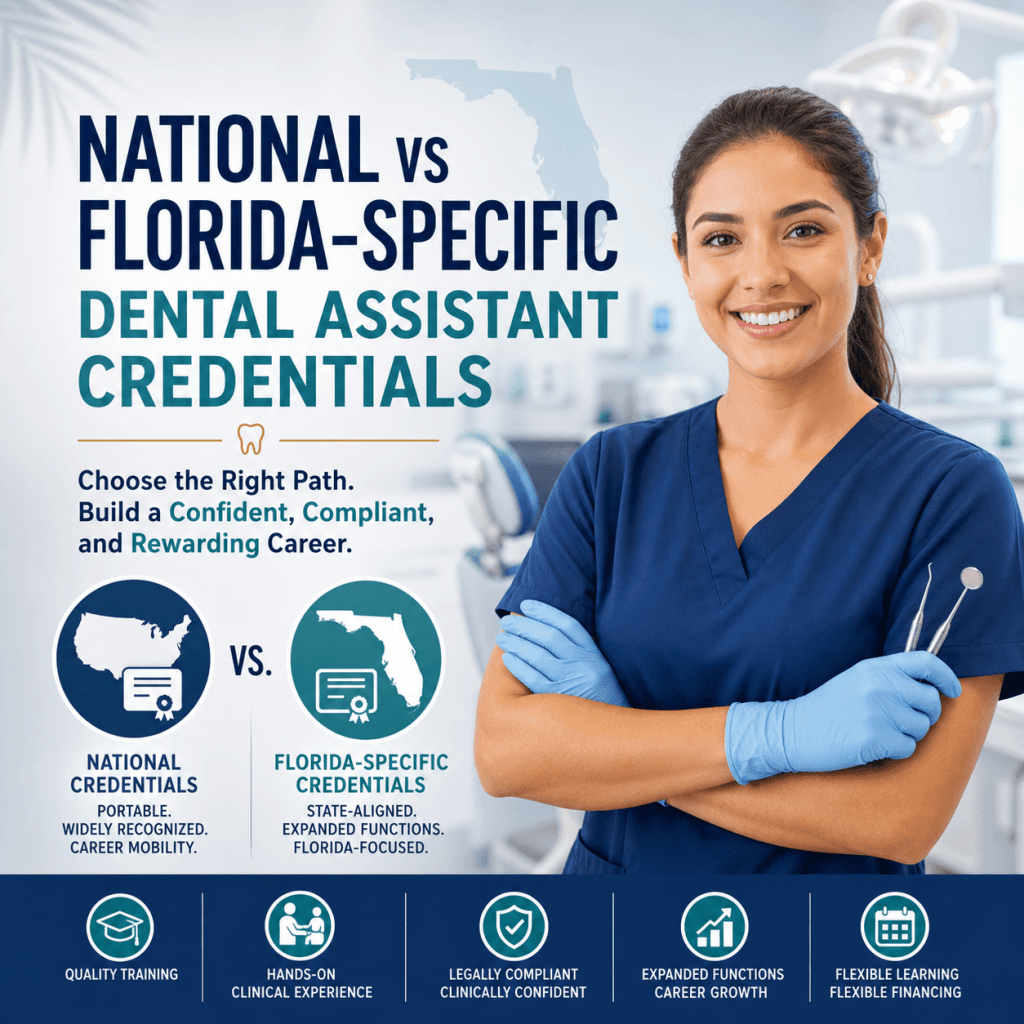
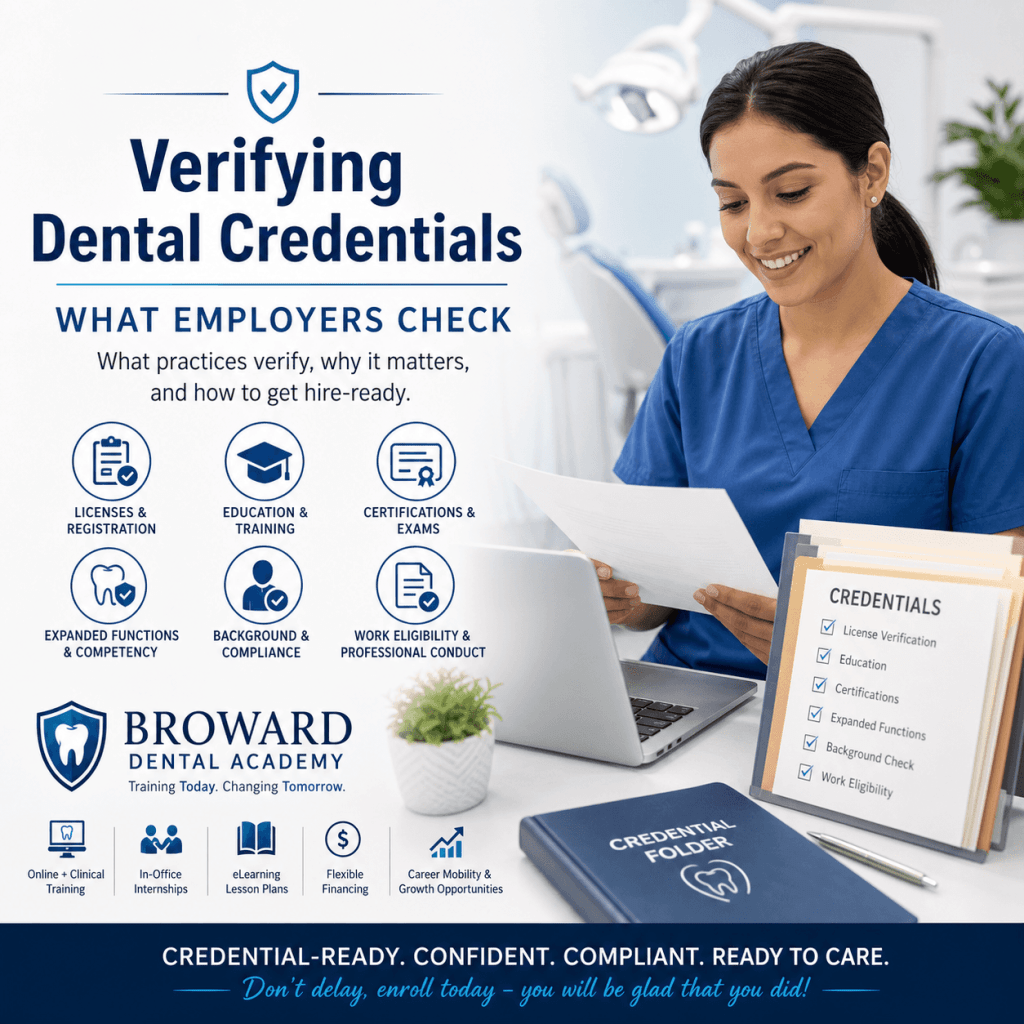
Entry-level dental assistants work under a dentist’s supervision without a state license. The Florida Board of Dentistry requires Board-approved training before an assistant can expose dental radiographs, and Board-approved formal training before performing expanded functions; the Board’s site at floridasdentistry.gov is the authoritative source. National certification through DANB is voluntary in Florida but valued by many employers. Full details in our dental assistant requirements guide.
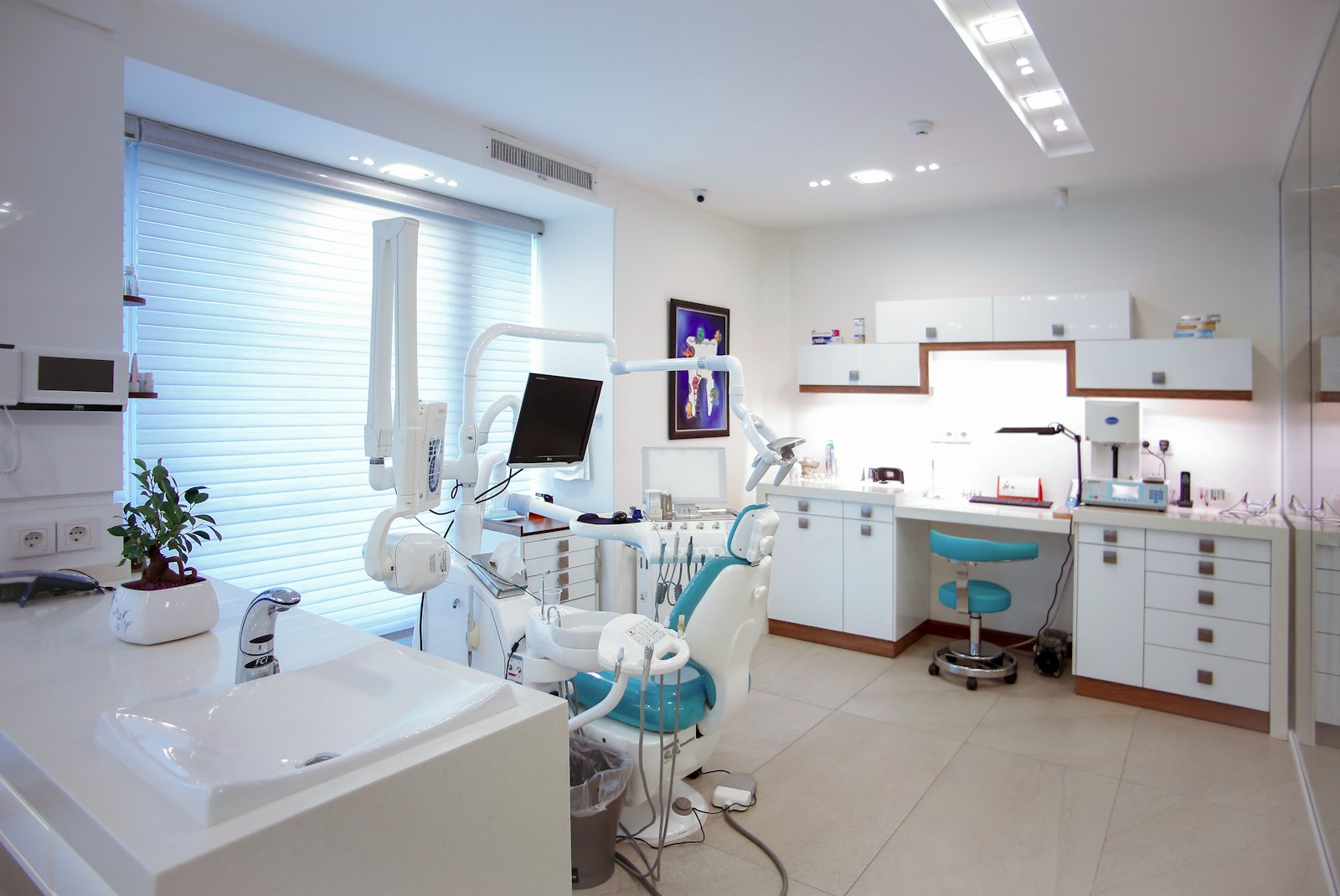
How do you judge any Florida program in five questions?
How many supervised hands-on hours are included? Is there an internship or externship in a working practice? Which regulated topics does it prepare you for, and which are extra? How does scheduling work for employed students? And what do total cost and payment options look like, compared using our cost guide and timeline guide?
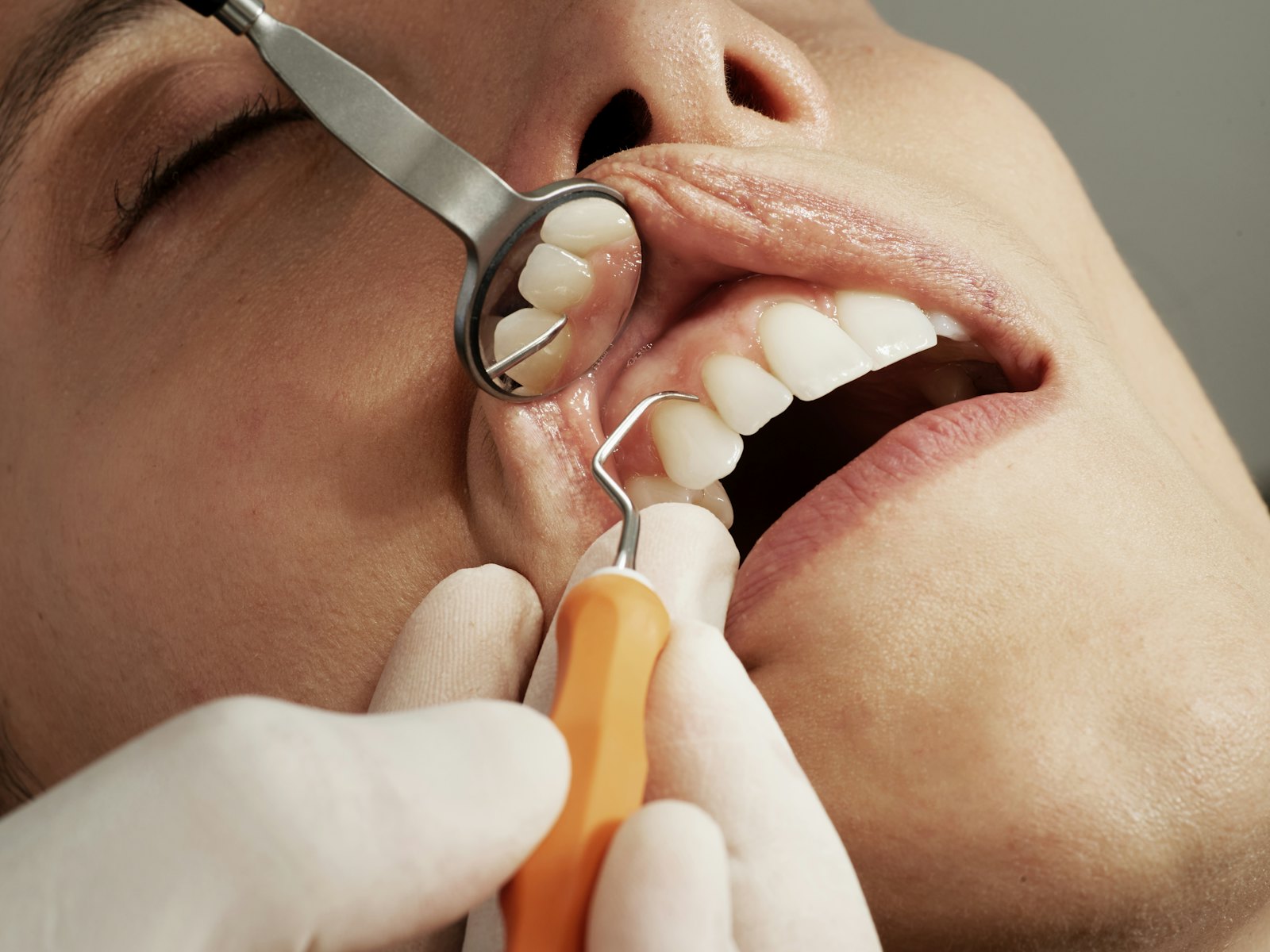
Where does Broward Dental Academy fit?
Broward Dental Academy serves South Florida from Coral Springs with a three-stage blended model: eLearning theory, in-person clinical immersion, and an in-office internship. Seven courses run from Level 01 fundamentals through Level 03 expanded functions and specialty tracks in periodontics, endodontics, orthodontics, and oral surgery. Local guides cover Coral Springs, Fort Lauderdale, Miami-Dade, and Boca Raton and Palm Beach County.
How do you choose well?
Match the program type to your constraints: fastest entry, lowest cost, most flexibility, or broadest credential. Then verify the hands-on hours claim in writing. Our guide on choosing the right dental assistant school in Florida walks through the decision step by step.
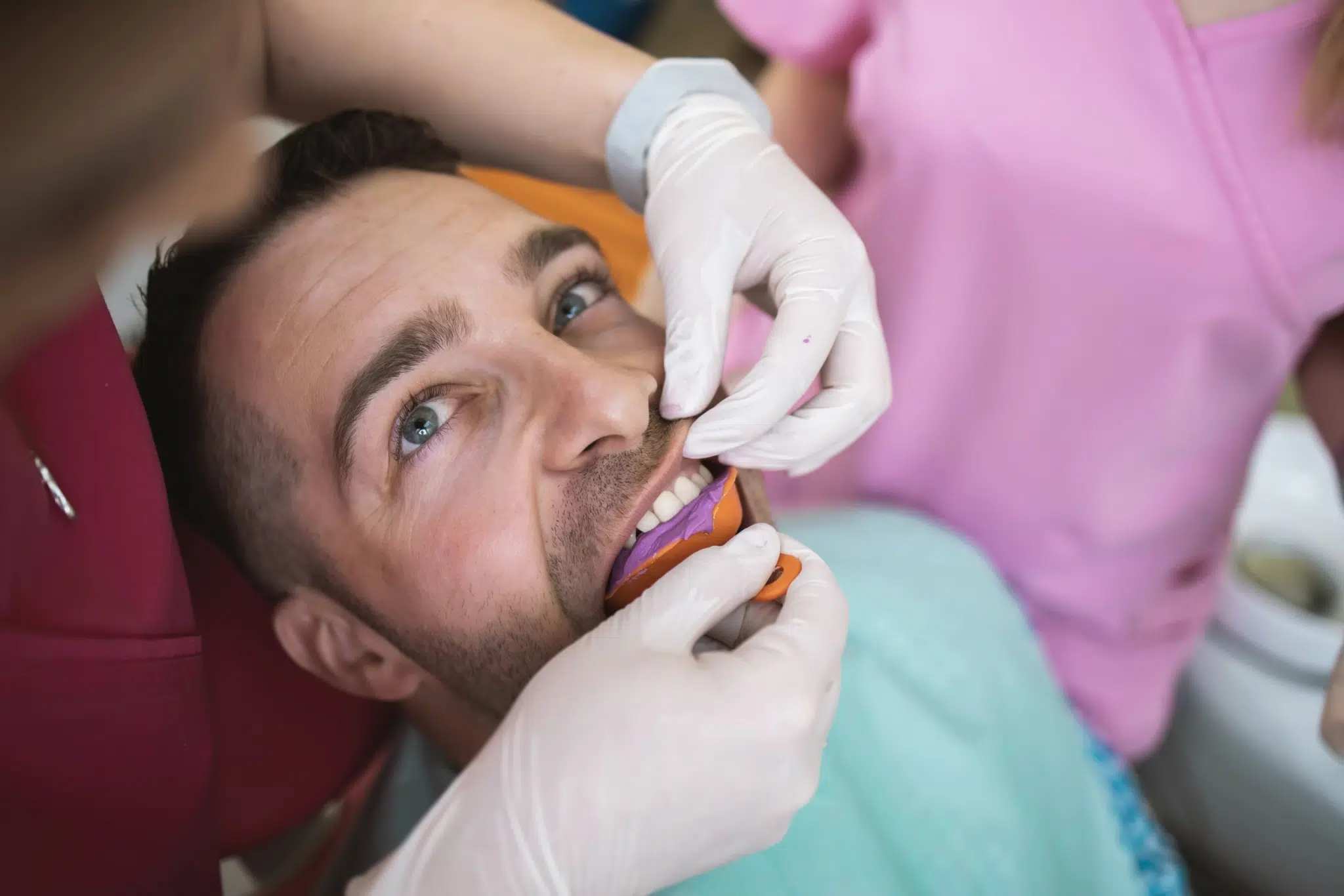
How do the program types compare on scope and outcome?
Florida programs differ less in subject matter than in how much clinical proof they produce and which duties they qualify you to perform.
- Entry-level chairside programs: fundamentals and infection control, enough to start in a general practice. See Level 01 training.
- Programs with radiography included: add the training Florida requires before an assistant may take radiographs, covered in radiology certification in Florida.
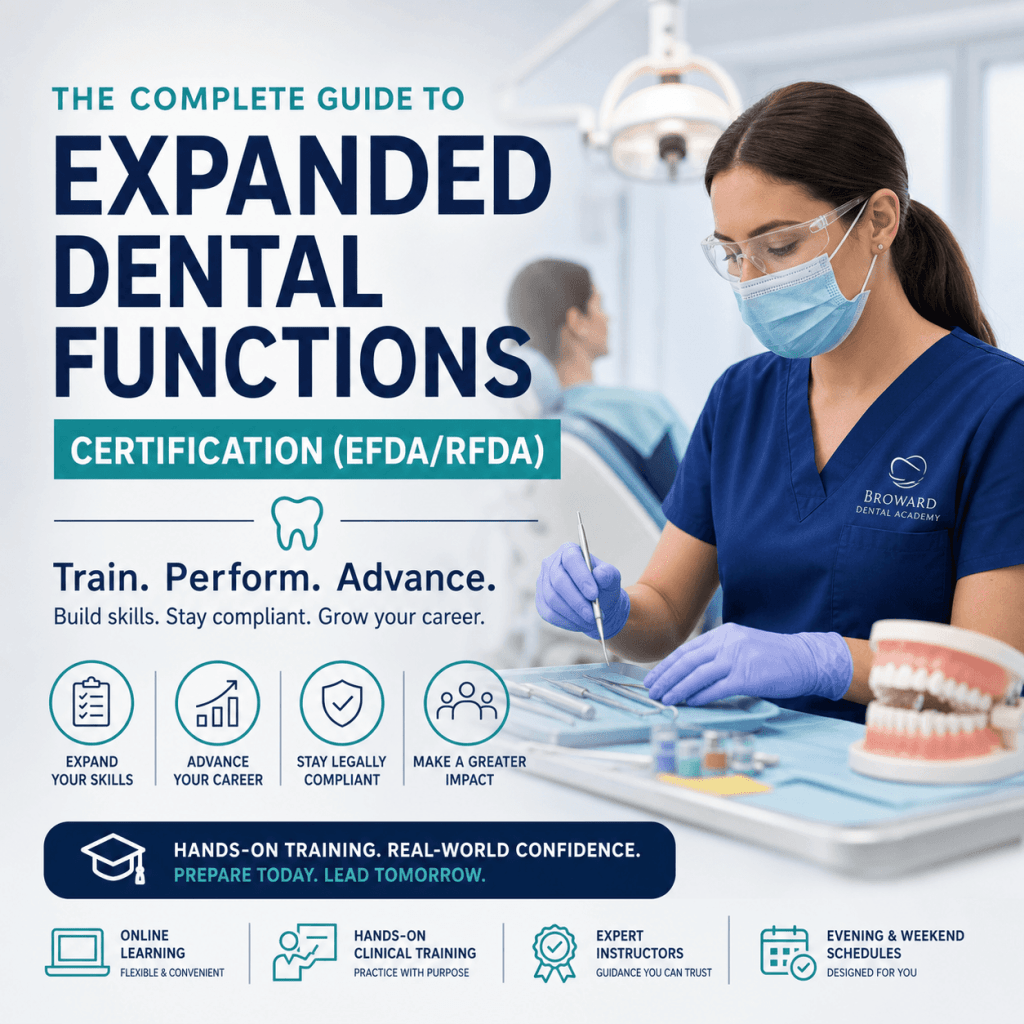
- Advanced and expanded-functions programs: add restorative support and the duties described in EFDA Level 03.
- Specialty-focused training: perio, endo, ortho and oral surgery sequences for assistants targeting a specialty practice.
What should you verify before enrolling anywhere in Florida?
- Which duties the program qualifies you to perform, checked against the Florida Board of Dentistry rather than the marketing page.
- How many supervised clinical hours are included, and on what equipment.
- Whether an in-office internship is arranged for you.
- What the total cost covers, including radiography, CPR or BLS and any credential fee.
- How the school measures whether graduates are hired, not just whether they finished.
The wider rules on duties and delegation are set out in licensing and scope of practice.
FAQs (Frequently Asked Questions)
Do you need to attend an accredited program to work as a dental assistant in Florida?
No. Florida does not license entry-level dental assistants, so no specific program type is required to start. Specific duties are regulated instead: radiography and expanded functions require Board-approved training.
What kinds of dental assistant programs exist in Florida?
Private career schools and academies running weeks to months, community college certificates around nine months to a year, associate degrees around two years, and legal on-the-job training. Each trades time and cost against depth.
Which dental assistant program type is best?
The one whose supervised hands-on hours, schedule, and cost fit your situation. Employers hire demonstrated clinical skill, so the hands-on component matters more than the program label.
Is DANB certification required in Florida?
No, national certification through DANB is voluntary in Florida, but many employers value it. Florida’s own requirements attach to specific duties like radiography and expanded functions.
Are there good programs in South Florida specifically?
Yes. Broward Dental Academy in Coral Springs runs seven courses on a blended model serving Broward, Miami-Dade, and Palm Beach, and our South Florida comparison guide covers how to evaluate local options.