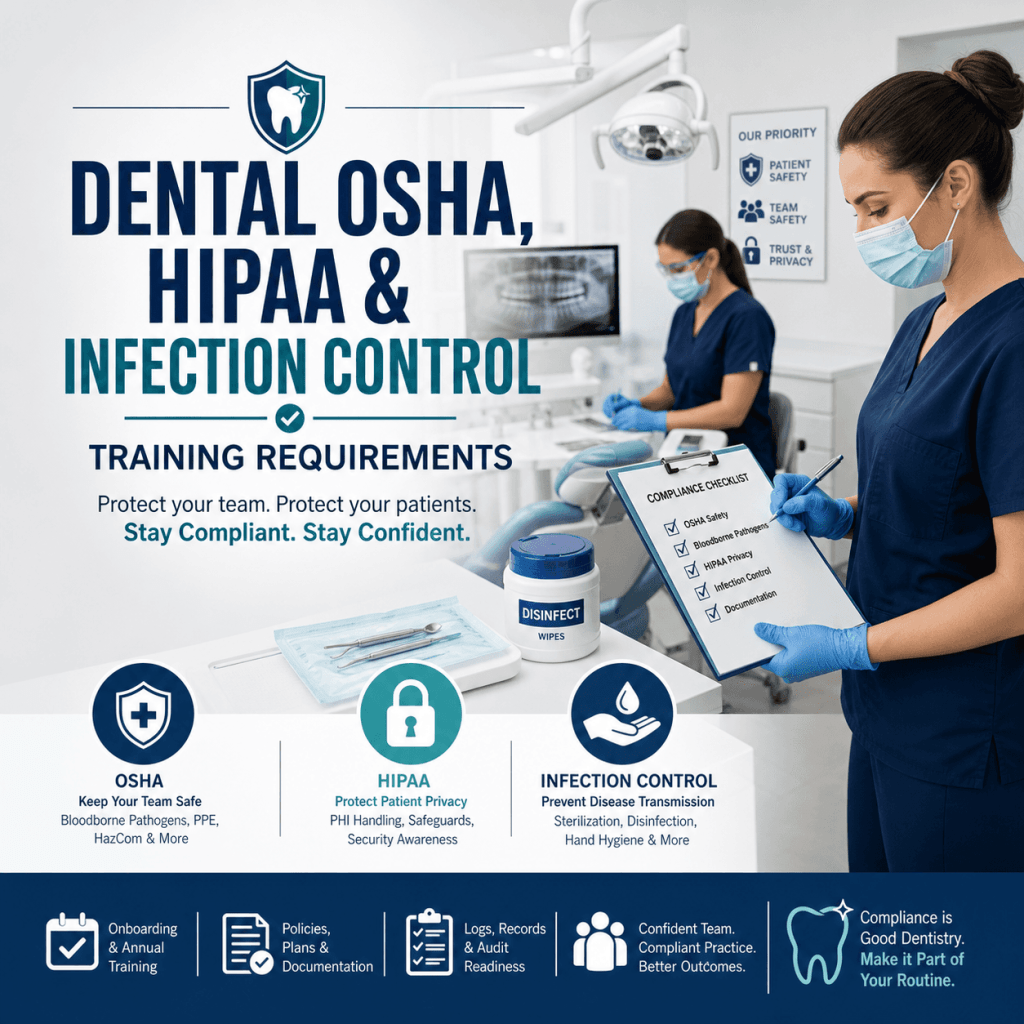
Dental OSHA, HIPAA & Infection Control Training Requirements

Dental OSHA, HIPAA & Infection Control Training Requirements

That is exactly why dental OSHA, HIPAA, and infection control training gets so much attention. These are not “extra” tasks. They shape how safely you work, how confidently you treat patients, and how well your practice stands up to audits, complaints, and real-world incidents.

In this guide, you will learn what dental offices typically must cover for OSHA, what HIPAA training should include for every role, what strong infection control training looks like today, and how to stay organized all year long.

Dental team training and compliance

Why dental OSHA, HIPAA & infection control training matters (and why practices care so much)

Most people think compliance training is about avoiding fines. In dentistry, the stakes are much more practical and immediate:

  • Patient safety: Infection prevention and correct handling of instruments, surfaces, and waterlines reduces risk of disease transmission.
  • Staff safety: OSHA training reduces needlesticks, sharps injuries, chemical exposure issues, and workplace incidents.
  • Legal and financial exposure: A single privacy mistake or an exposure incident handled improperly can trigger investigations, claims, and costly remediation.
  • Audit readiness: When OSHA, a state agency, or a third-party payer requests documentation, the practice needs proof of training and protocols.
  • Reputation: A breach of patient privacy or a sterilization failure does not stay quiet for long.
  • Day-to-day efficiency: Clear protocols reduce confusion, rework, missed steps, and last-minute scrambling.

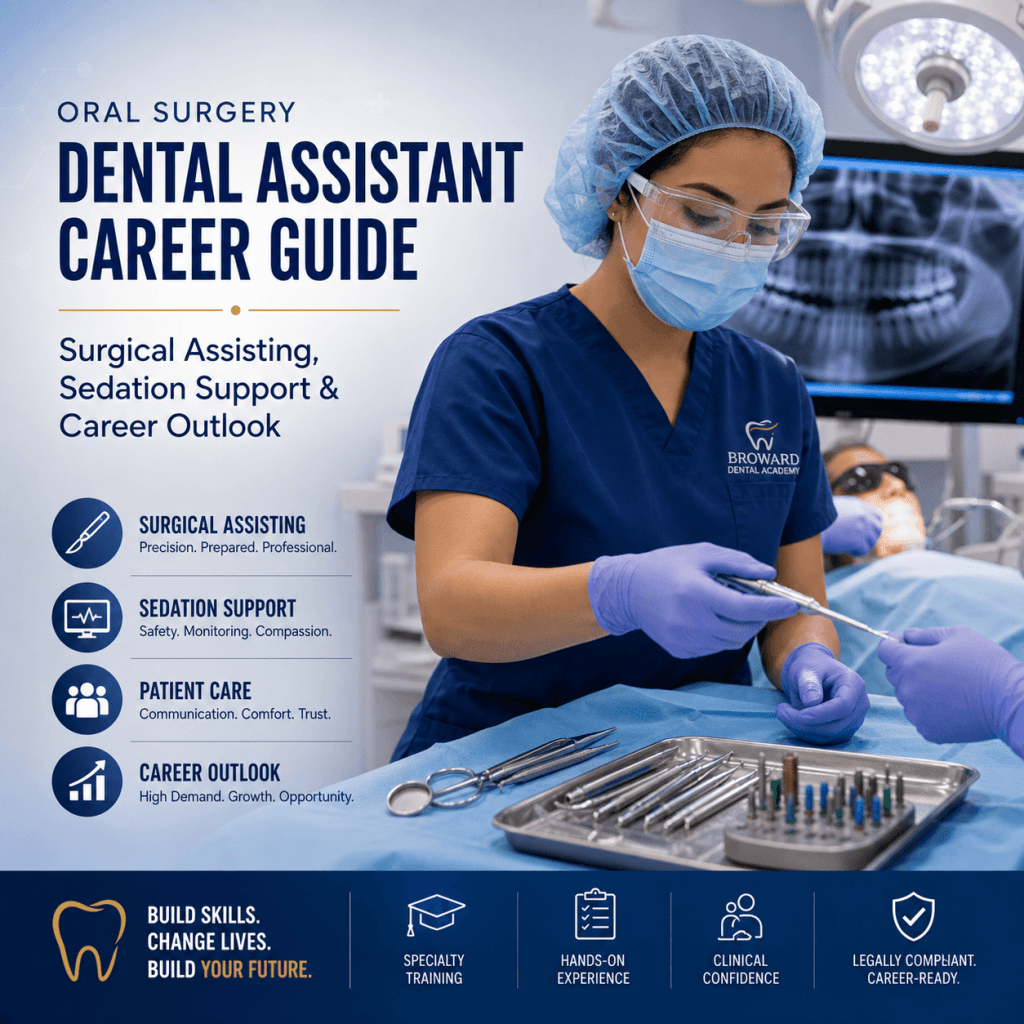
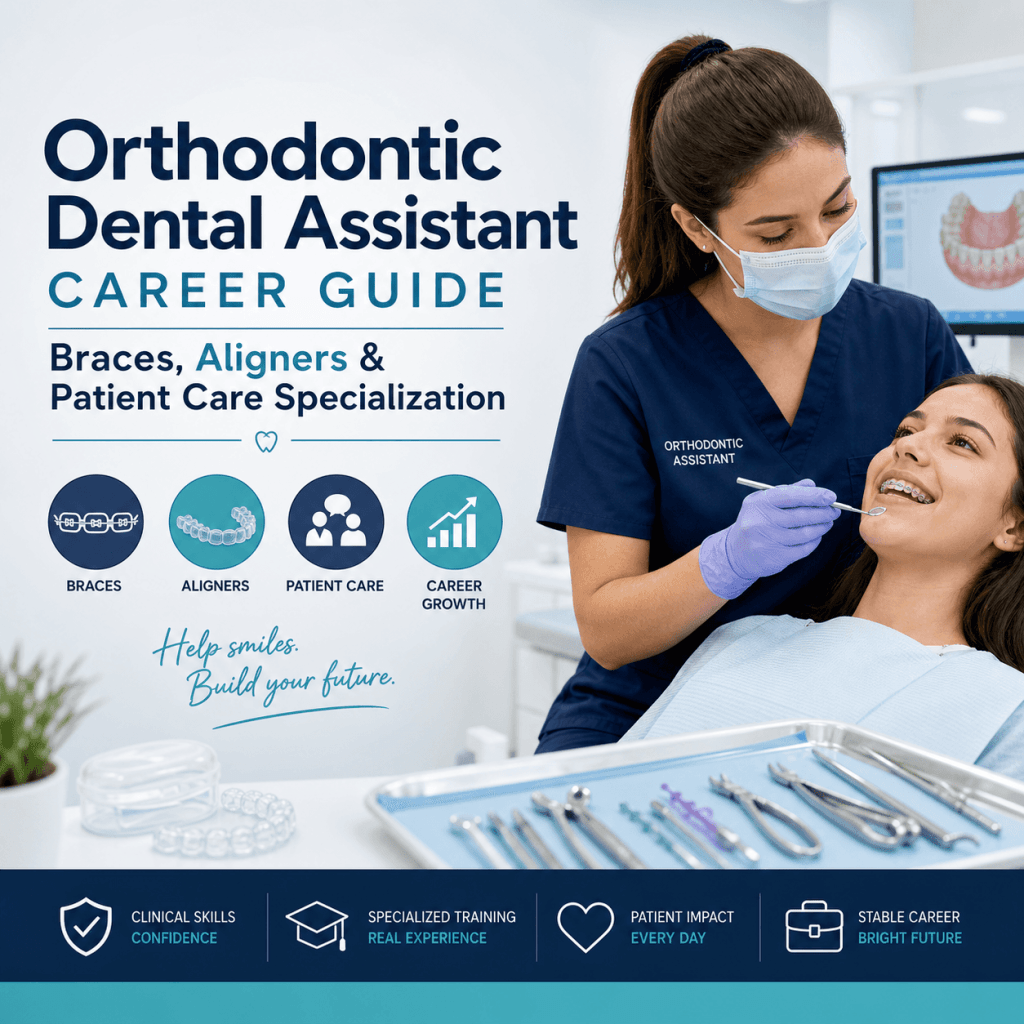
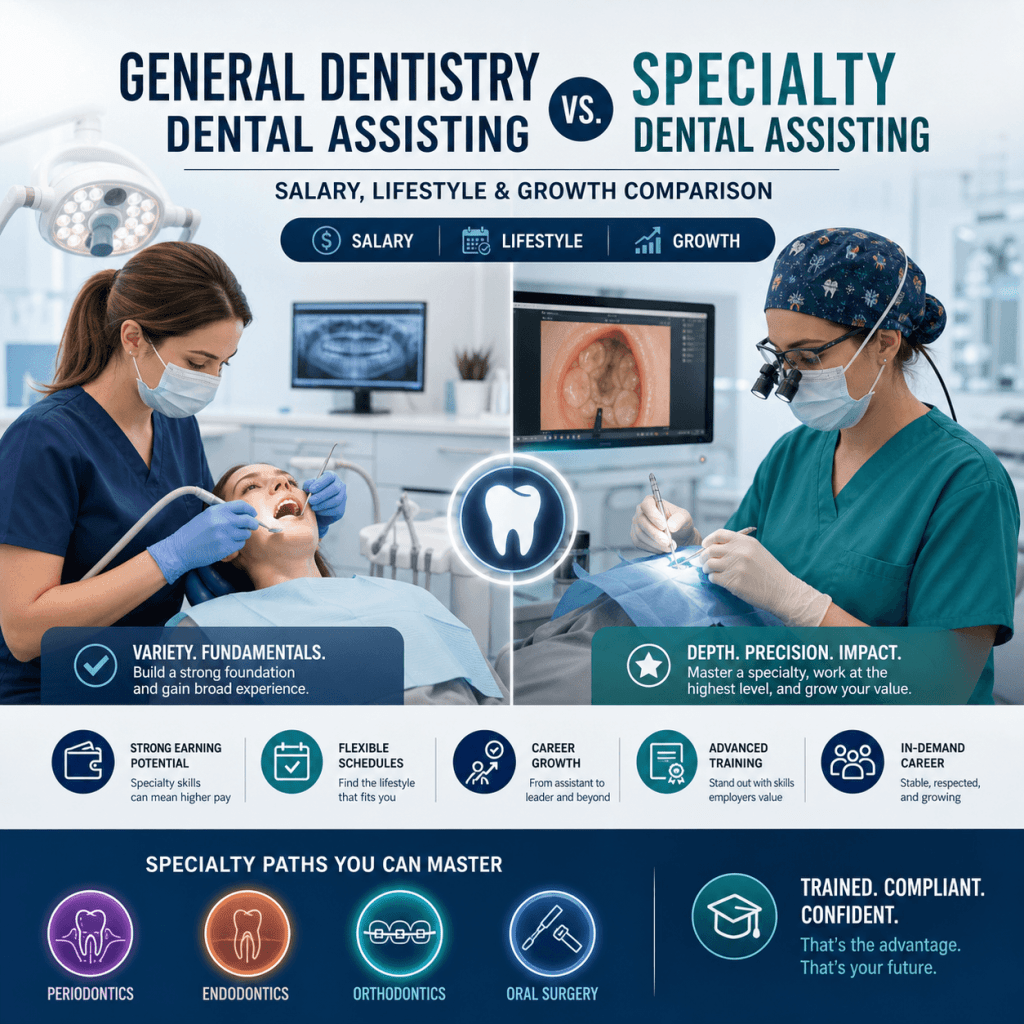
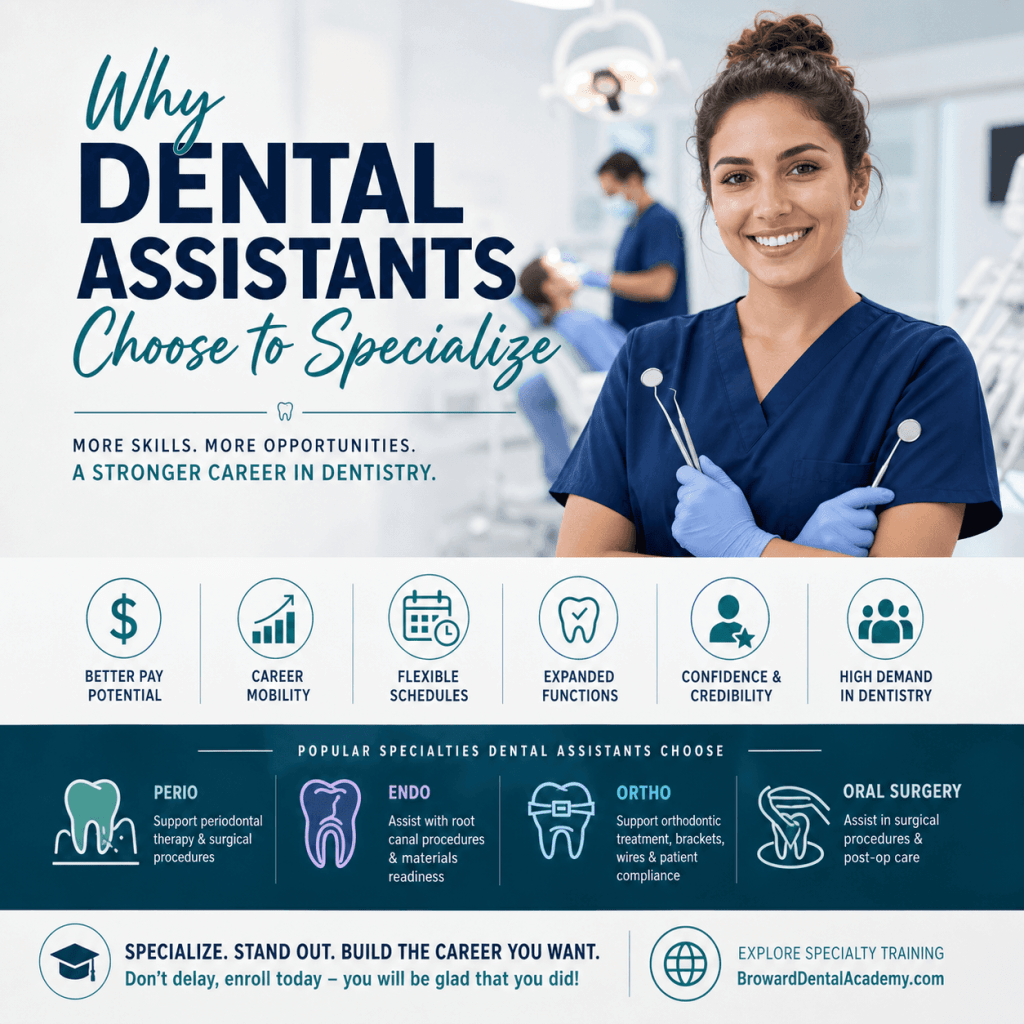
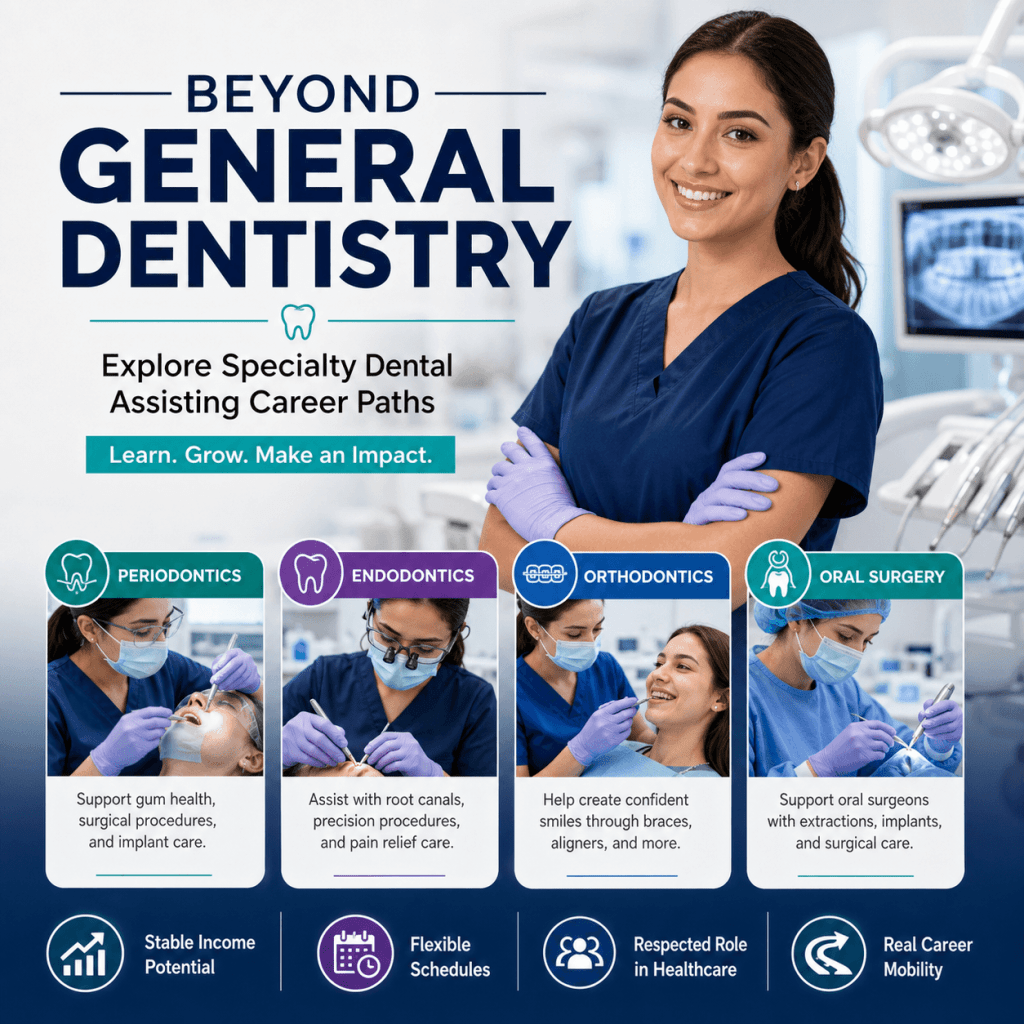
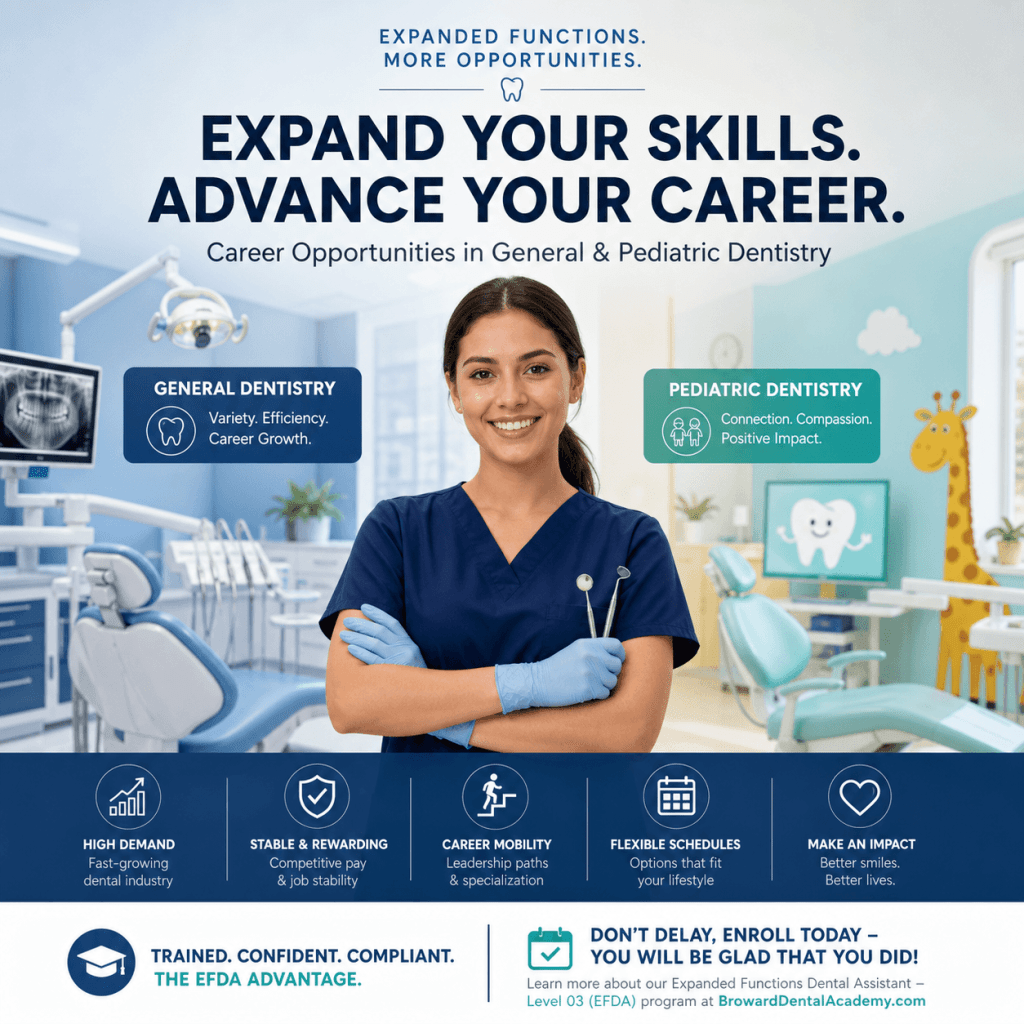
This also connects directly to hiring. The dental industry is one of the fastest-growing healthcare industries, and demand for skilled dental professionals keeps rising. Practices want team members who can step in, follow protocols, and make safe decisions without constant supervision. Being thoroughly trained in areas such as oral surgery, orthodontics, or endodontics—and being legally compliant—is a real career advantage.

This article covers:

  • OSHA training expectations for dental offices
  • HIPAA training essentials for dental teams
  • Infection control training requirements and best practices
  • A simple way to manage compliance year-round

The three compliance lanes: OSHA vs HIPAA vs infection control (quick, practical definitions)

In most dental offices, compliance falls into three lanes. They overlap, but they are not the same.

OSHA (workplace safety)

OSHA is about protecting workers. In a dental office, that typically includes:

HIPAA (patient privacy and security)

HIPAA is about protecting patient information, including PHI found in:

  • Charts and treatment notes
  • X-rays and clinical photos
  • Insurance forms and billing records
  • Texts, emails, voicemails, and patient portals

Key themes include minimum necessary access, secure communication, and proper breach response.

Infection control (clinical prevention of disease transmission)

Infection control is the clinical system that prevents cross-contamination and reduces transmission risk. It is often aligned with CDC guidance and state dental board rules and typically includes:

  • Hand hygiene and PPE
  • Sterilization and disinfection workflows
  • Instrument processing and monitoring
  • Operatory turnover
  • Waterline maintenance
  • Immunization awareness and exposure incident procedures

Where they overlap: A needlestick involves OSHA (workplace exposure) and infection control (sharps handling, post-exposure steps). Documentation and incident reporting can also touch HIPAA if patient identifiers are involved.

Who needs training in a dental office (and when)

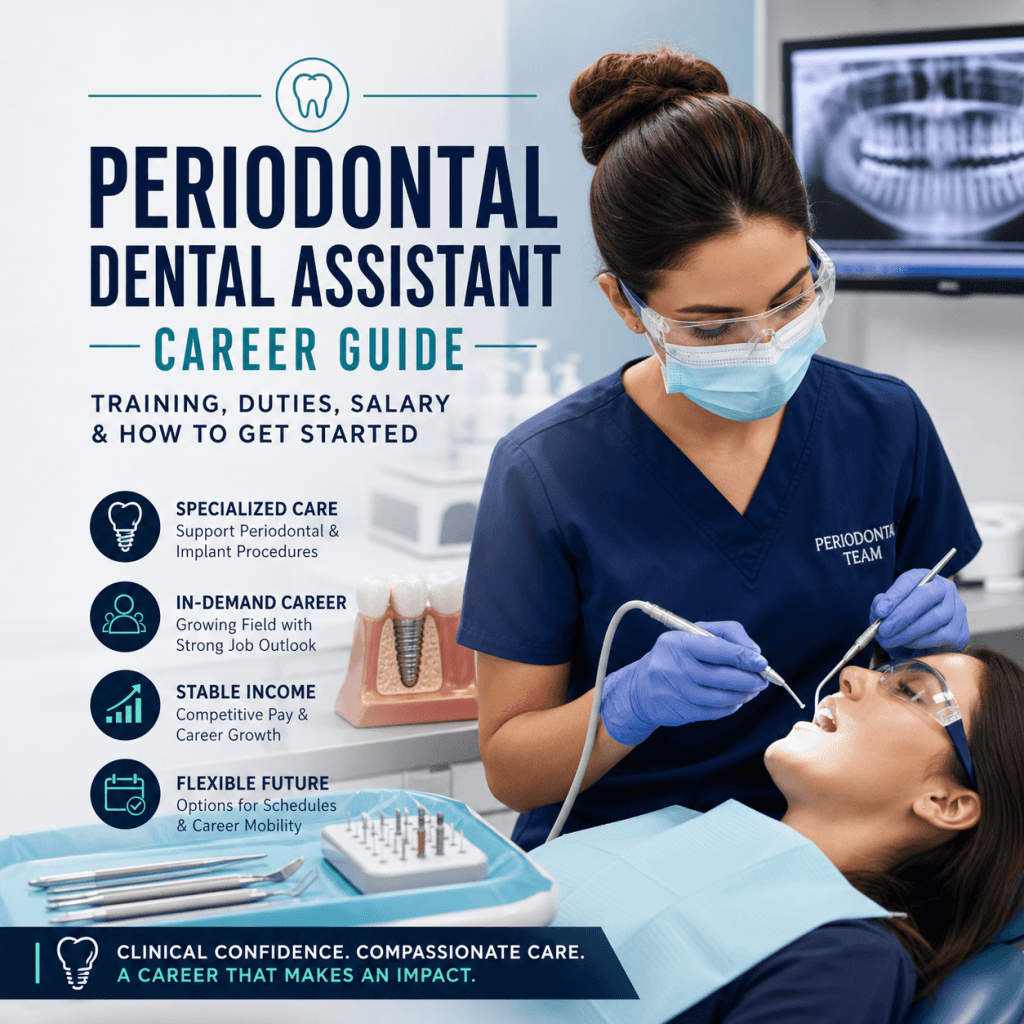
Training is not only for clinical staff. Most audits and real-world mistakes involve multiple roles. For instance, periodontics training or specific certifications could be necessary for certain positions. It’s also important to address common frequent asked questions regarding compliance training. Additionally, understanding the locations where these training programs are available can help streamline the process.

Who needs training

Typical roles include:

  • Dentists
  • Dental hygienists
  • Dental assistants
  • Sterilization techs and instrument processing staff
  • Front desk and administrative team members
  • Office managers and practice administrators
  • Temporary staff
  • Externs and interns

Role-based training (what “appropriate” looks like)

Clinical team members usually need deeper training on infection control, bloodborne pathogens, sharps safety, instrument processing, and exposure response.

Front office team members need strong HIPAA training because they handle scheduling, phone calls, payments, insurance, records requests, and patient communications.

Managers and compliance leads need oversight training: documentation systems, written plans, reporting pathways, and ensuring updates happen on schedule.

When training should happen

Most dental offices use a cadence that includes initial training at hire before independent work begins, and annual refreshers especially for bloodborne pathogens and infection control topics. Training should also be triggered whenever something changes in the practice.

Triggered training applies when the following change:

  • New equipment, such as a sterilizer, ultrasonic, or imaging sensors
  • New chemicals or disinfectants
  • New software, texting platform, or patient communication workflow
  • Policy or procedure updates

Documentation matters

If it is not documented, it is difficult to prove compliance. Good offices keep a clean record of:

  • Training date
  • Attendees
  • Topics covered
  • Trainer name and qualifications
  • Proof of completion for anyone who missed the main session

Dental OSHA training requirements: what you must cover

Dental OSHA training is not a single topic. It is a set of safety expectations that typically includes bloodborne pathogens, hazard communication, PPE, and incident readiness.

Below are the most common areas dental offices must cover.

Bloodborne Pathogens (29 CFR 1910.1030)

Bloodborne pathogens training is the core OSHA requirement in dentistry and should include:

  • The practice’s Exposure Control Plan and where it is located
  • Universal precautions and how they apply in dental workflows
  • Engineering controls and work practice controls
  • PPE selection and correct use
  • Housekeeping and clinical area safety
  • Sharps handling and sharps safety devices where applicable
  • Post-exposure evaluation and follow-up procedures
  • Hepatitis B vaccination information, including offer/declination process

Hazard Communication (29 CFR 1910.1200)

HazCom should include:

  • Chemical inventory basics
  • Safety Data Sheets (SDS) access and interpretation
  • Labeling requirements
  • Training on the specific chemicals used in the office, including disinfectants and sterilants

PPE basics

Training should cover:

  • What PPE is required for which tasks
  • Donning and doffing basics that reduce contamination
  • Limitations (for example, gloves are not a substitute for hand hygiene)
  • Storage, maintenance, and disposal

Emergency preparedness basics

Depending on the office setup, training often includes:

  • What to do for chemical splashes and eye exposure
  • Eyewash station use (if applicable)
  • Fire safety, evacuation, and who calls 911
  • Incident reporting chain and documentation expectations

Recordkeeping and proof of training

Most offices keep:

  • Training dates and rosters
  • Content outline or agenda
  • Trainer qualifications
  • Make-up training documentation for absentees
  • Storage location and retention approach (digital, binder, or both)

OSHA bloodborne pathogens training for dental offices (the non-negotiables)

Bloodborne pathogens is not “general healthcare training.” Dental has its own high-frequency exposure risks.

What counts as occupational exposure in dentistry

Examples commonly include:

  • Saliva visibly contaminated with blood
  • Needles, scalers, burs, endo files, and other sharps
  • Contaminated instruments and cassettes
  • Blood-contaminated surfaces or barriers
  • Cleanup after procedures where blood is present

What staff should be able to do after training

A solid training program should leave staff able to:

  • Prevent exposures through safe setup, safe passing, and safe disposal
  • Respond correctly to a needlestick or sharps injury
  • Report the incident immediately and follow the office protocol
  • Complete post-exposure steps without delays or guesswork

Exposure Control Plan: where it lives and who updates it

Every team member should know:

  • Where the plan is stored (binder location or digital folder)
  • Who the plan owner is
  • How often it is reviewed and updated
  • How to access it quickly after an incident

Sharps injury log

Where applicable, practices should understand:

  • What the sharps injury log is and why it exists
  • What information belongs in the log
  • Who maintains it and how often it is reviewed

HazCom in a dental practice: making SDS and labels actually usable

HazCom fails when it becomes a binder nobody opens. The goal is simple: staff should be able to identify chemical hazards quickly and respond correctly.

Common dental chemicals that should be covered in training

Many offices use a mix of:

  • Surface disinfectants
  • Sterilants and instrument cleaners
  • Etchants, bonding agents, adhesives
  • Impression materials and model/tray cleaners
  • Compressed gas canisters where applicable

A simple system that works

A practical HazCom setup often includes:

  • A current chemical inventory list
  • SDS access via a binder or a digital link that is easy to find
  • A quick-reference location (sterilization area, lab area, or staff room)
  • A new-product intake process so SDS and labels get handled before the product is used

Labeling and secondary containers

Common pitfalls include:

  • Secondary spray bottles with no label
  • Staff not knowing the mix ratio or contact time
  • Using a product on a surface it is not compatible with

Training should show staff exactly how your office labels secondary containers and where those containers are allowed to be stored.

HIPAA training requirements in a dental office: what staff must know

Most dental practices are covered entities, and many also work closely with business associates. HIPAA training is not optional in day-to-day operations because PHI shows up everywhere in dentistry.

Where HIPAA shows up in dentistry

Common PHI touchpoints include:

  • EHR systems and paper charts
  • Digital radiographs and intraoral photos
  • Insurance submissions and attachments
  • Appointment confirmations, emails, and text messages
  • Payment plans and billing conversations
  • Referral communications with other providers

Core HIPAA topics for dental teams

A practical training program typically covers:

  • Privacy Rule basics (what can be shared and when)
  • Security basics (passwords, device security, access control)
  • Minimum necessary standard
  • Patient rights (access to records, amendments, restrictions, accounting of disclosures)
  • Authorization versus treatment, payment, and operations
  • Basics of breach recognition and reporting
  • Proper disposal of PHI, including labels and printed schedules

Mini-scenarios that come up in real offices

  • A patient calls and asks, “Did you confirm what you found on my x-ray with my spouse?”
  • A front desk team member texts a photo of an insurance card to a personal phone “just to upload later.”
  • Someone tries to be helpful in a public area and reveals too much information.

Training helps staff recognize these situations fast and respond consistently.

HIPAA and patient privacy in a dental office

Common HIPAA mistakes in dental offices (and how training prevents them)

HIPAA mistakes in dentistry are usually not malicious. They happen because teams move fast and workflows get informal. Training creates guardrails.

1) Talking about patients in public areas

Example: A team member discusses treatment details at the front desk while other patients are nearby.

Training fix: Use private spaces for sensitive conversations, lower voice volume, and keep details limited.

2) Calling out full names and conditions in the waiting room

Example: “John Smith, you are here for the extraction follow-up, right?”

Training fix: Use first name plus last initial where appropriate, or confirm identity discreetly.

3) Unsecured texting and photos

Example: A clinical photo is taken on a personal phone and sent through a standard messaging app.

Training fix: Clear policy on approved devices, approved apps, consent, and where images are stored.

4) Improper disposal of records or labels

Example: Patient labels or printed schedules are thrown into regular trash.

Training fix: Shred bins, disposal protocols, and reminders in high-risk areas like check-out and billing.

5) Responding to online reviews with PHI

Example: “We are sorry your crown didn’t fit, but you missed your prep appointment.”

Training fix: Never confirm the person is a patient or discuss treatment online. Use a neutral response and invite offline contact.

Infection control training requirements: what “good” looks like in a modern dental practice

Infection control training is where policies meet hands-on performance. “Good” looks like consistency, documentation, and team members who can explain the why behind each step.

Core infection control domains to cover

A modern dental office should train on:

  • Hand hygiene and glove use
  • PPE selection and task-based changes
  • Instrument processing workflow
  • Sterilization monitoring and documentation
  • Operatory turnover and surface disinfection
  • Dental unit waterline maintenance
  • Respiratory hygiene and source control when applicable
  • Vaccination and immunization awareness
  • Exposure incident procedures and who to notify

Standard precautions and transmission-based considerations

Most daily dentistry relies on standard precautions. Offices should also understand what changes when there is a higher-risk respiratory situation and how the practice handles those adjustments.

Cleaning vs disinfection vs sterilization (and why it matters)

Training should make this difference clear:

  • Cleaning: physically removes debris and reduces bioburden
  • Disinfection: kills many microorganisms on surfaces, based on product label and contact time
  • Sterilization: eliminates all forms of microbial life for critical instruments

Confusion here is a major reason audits go poorly and why sterilization areas need competency checks, not just online quizzes.

Follow the strictest applicable rule

CDC guidance is a strong baseline, but state dental boards and local health departments may have additional requirements. Practices should follow the strictest rule that applies and document their chosen protocols.
Instrument processing & sterilization: the training topics auditors focus on

If an auditor wants to understand your infection control program, they often start here.

Workflow zones and clean separation

Training should cover:

  • Dirty-to-clean separation and why it matters
  • Transport of contaminated instruments in a safe manner
  • Ultrasonic or washer use, including loading and solution changes
  • Packaging steps and correct use of indicators
  • Sterilizer loading patterns that support proper circulation
  • Storage rules that protect package integrity

Sterilization monitoring and documentation

Training should cover the three categories and what gets logged:

  • Biological indicators (spore tests): frequency and where results are stored
  • Chemical indicators: internal and external indicators and what “fail” looks like
  • Mechanical monitoring: time, temperature, pressure, and cycle printouts where available

For more information on sterilizing practices, it’s advisable to follow established guidelines.

What to do when a test fails

Training should outline a clear plan:

  • Stop using the sterilizer if indicated
  • Notify the responsible person immediately
  • Quarantine questionable loads
  • Consider instrument recall based on the situation and office policy
  • Document the event and corrective actions
  • Arrange service and retesting before returning to normal use

Keeping logs tidy

Auditors like simple, consistent records:

  • Sterilizer log
  • Maintenance log
  • Spore test results
  • Corrective action documentation for any failures

For more detailed guidance on these topics, consider enrolling in a comprehensive training program which covers all aspects of instrument processing and sterilization.

Operatory turnover & surface disinfection: training that prevents cross-contamination

Turnover is where small misses become big risks.

Barriers vs wipe-down protocols

Training should clarify:

  • When barriers are required
  • How to remove barriers without contaminating clean surfaces
  • When to wipe down and when to replace
  • How to avoid “double dipping” with wipes and gloves

Contact times and product compatibility

Many disinfectants only work if the surface stays wet for the required contact time. Training should show staff:

  • Where to find contact time on the label
  • Which products are approved for which surfaces and equipment

High-touch areas and forgotten spots

Training should explicitly include:

  • Light handles
  • Chair controls
  • X-ray sensors and sensor cords
  • Keyboard covers or computer surfaces
  • Drawer handles and tray handles

PPE changes and hand hygiene timing

Training should reinforce when to:

  • Remove gloves
  • Perform hand hygiene
  • Put on clean gloves
  • Avoid touching clean items with contaminated PPE

Waste handling basics

Include:

  • Regulated medical waste handling, if applicable
  • Sharps container use and replacement triggers
  • Safe handling of contaminated disposables

How often do these trainings need to be renewed? (a simple, office-friendly cadence)

Exact requirements can vary by state dental board rules, insurer expectations, and corporate policies. Many offices use a cadence that satisfies both compliance and practical operations:

  • Onboarding before independent work
  • Annual OSHA bloodborne pathogens refresher
  • HIPAA refresher commonly annually, plus additional training when policies, technology, or workflows change
  • Infection control refreshers at least annually, plus whenever protocols, products, or equipment change

A practical “calendar approach” helps: pick one month or one quarter as your annual compliance season, schedule make-up sessions, and log completions immediately.

Dental OSHA compliance checklist: what to keep on file (so you’re ready for audits)

A clean file system makes compliance much easier. Here is what many dental offices keep ready.

Training documentation

  • Certificates or sign-in sheets
  • Training agendas or topic outlines
  • Trainer credentials or qualifications
  • Dates and completion proof
  • Make-up training records for absentees

Written plans and policies

  • Exposure Control Plan
  • Hazard Communication plan
  • HIPAA policies and procedures
  • Breach response basics
  • Infection control manual or protocols

Logs and records

  • Sharps injury log (where applicable)
  • Sterilization logs and spore test results
  • Equipment maintenance logs
  • Immunization offers or declinations where applicable
  • Incident reports and corrective actions

Clinical safety infrastructure

  • PPE available and accessible
  • Eyewash station (if required by your setup and chemicals)
  • Labeled containers and secondary container labels
  • SDS access and posted instructions
  • Posted protocols where appropriate (sterilization steps, emergency numbers)

Make it easy: a single Compliance Binder

Many offices use one “Compliance Binder,” physical or digital, with a table of contents and a simple folder structure that matches the checklist above.

Online vs in-person training for dental offices: what to choose (and what to avoid)

Most dental offices use a mix.

Online training benefits

  • Consistent content delivery
  • Easier tracking and documentation
  • Flexible scheduling for busy teams
  • Useful for HIPAA basics and OSHA knowledge topics

In-person training benefits

  • Hands-on instrument processing and turnover coaching
  • Real workflow observation and correction
  • Faster improvement in technique, speed, and consistency
  • Competency checks that prove a staff member can perform the task

Best practice: blended training

A strong approach is:

  • Online modules for foundational knowledge
  • In-office practical training and competency validation for infection control workflows

What to avoid

  • Checkbox courses with weak documentation
  • Outdated content
  • Generic training with no dental-specific scenarios
  • Training that does not match what the office actually does day to day

New hires, externs, and interns: a clean onboarding path that keeps you compliant

New team members should never have to guess what is allowed. A simple 7 to 14 day onboarding path keeps training realistic and trackable.

A practical onboarding sequence

  • Day 1: HIPAA basics, office communication rules, device and password practices
  • Before any clinical exposure: OSHA bloodborne pathogens and exposure response steps
  • Before chairside assisting or sterilization duties: infection control workflow training and competency checks

Assign responsibility

  • Office manager or compliance lead tracks completion and stores documentation
  • Clinical lead validates hands-on competencies (sterilization area, operatory turnover, sharps handling)

A “no solo work until cleared” policy

Many offices use a simple rule: no independent sterilization-area work and no independent chairside assisting until the person is signed off.

Document everything

Use an onboarding checklist signed by the trainer and trainee. It is simple, defensible, and easy to audit.

Where Broward Dental Academy fits: training that supports compliance and real clinical confidence

Dental practices want professionals who are thoroughly trained, legally compliant, and clinically confident from day one. That expectation is only growing as dentistry expands and practices push for higher-performance teams.

Broward Dental Academy supports that reality by preparing students to thrive in a modern dental practice, not simply pass an exam. Students are trained to think critically, act ethically, and perform confidently, with training that includes immediate immersion in online and clinical settings.

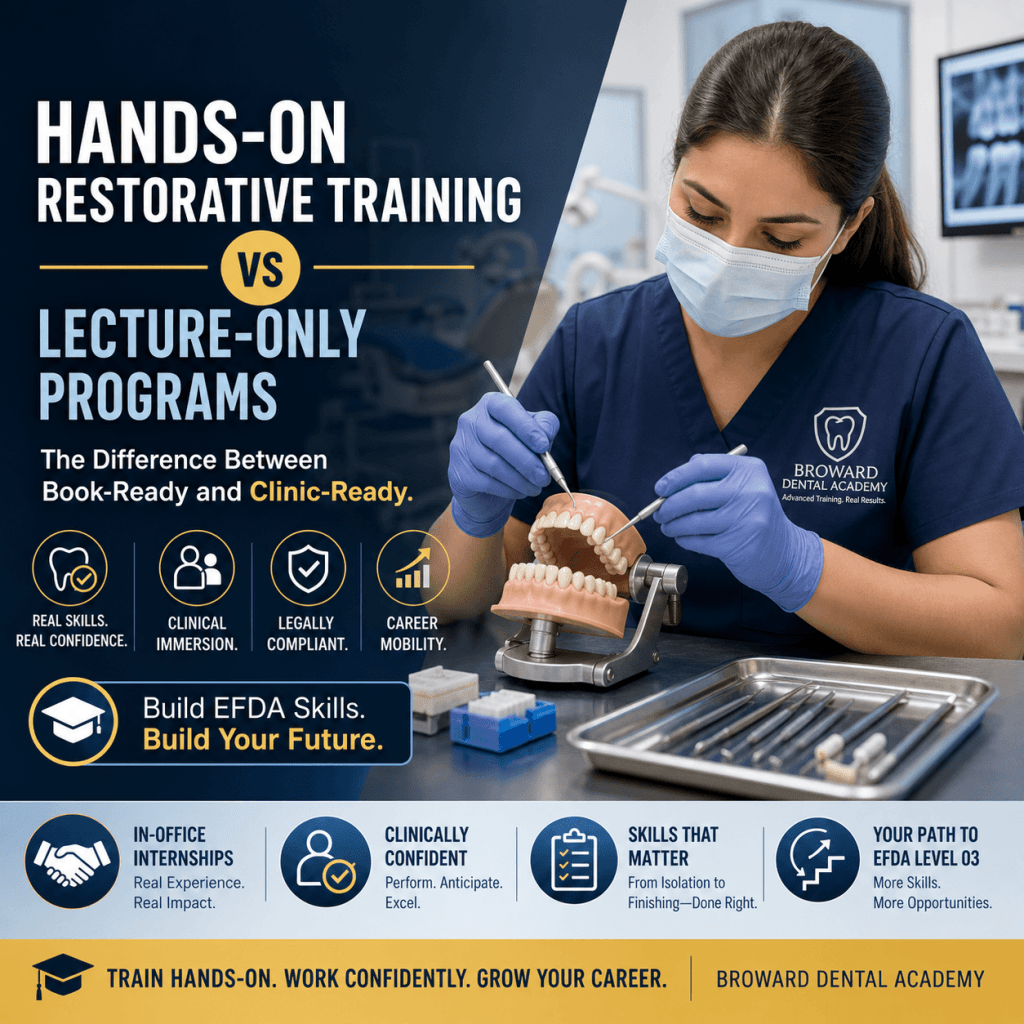
Broward Dental Academy incorporates the latest eLearning lesson plans for remote training and includes in-office internships so students gain real workflow exposure. The goal is a well-rounded professional who understands the expectations behind OSHA, HIPAA, and infection control, and can apply them in day-to-day practice.

With a wide range of dental courses and advanced dental training available, including Dental Assistant Level 01, Dental Assistant Level 02, Dental Assistant Hygienists Level 03, among others found on our courses page, Broward Dental Academy is a prime choice for those planning their next step in dentistry. Exploring programs that build both compliance readiness and clinical confidence is one of the smartest moves you can make.

Putting it all together: a simple compliance plan you can run every year

You do not need a complicated system. You need a repeatable one.

  1. Assign a compliance owner (office manager or lead assistant) and name a backup.
  2. Set an annual training month and schedule reminders in advance. Track completion in a spreadsheet or HR system.
  3. Standardize documentation storage with one digital folder structure plus a binder if your office prefers paper.
  4. Run quarterly mini-checks: confirm SDS is current, sterilization logs are complete, HIPAA safeguards are working, and the exposure control plan has been reviewed.
  5. Update training when something changes: new disinfectant, new sterilizer, new imaging software, new texting platform, new forms, or new workflows.

This approach keeps you audit-ready while also improving safety and reducing day-to-day confusion.

Conclusion: compliance isn’t “extra”—it’s part of being a modern dental professional

OSHA protects the team. HIPAA protects patient trust. Infection control protects everyone who walks through the door.

When you treat training as a core skill, not a checkbox, it becomes a career advantage. Dental practices notice the people who are prepared, ethical, and reliable, especially in a fast-growing industry with rising demand and real opportunities for stable income, flexible schedules, and long-term mobility.

Don’t delay, enroll today – you will be glad that you did!

FAQs (Frequently Asked Questions)

Why is OSHA, HIPAA, and infection control training crucial for dental offices?

These trainings are essential because they ensure patient safety by preventing disease transmission, protect staff from workplace hazards like needlesticks and chemical exposure, reduce legal and financial risks from privacy breaches or exposure incidents, prepare the practice for audits, safeguard the practice’s reputation, and improve day-to-day efficiency through clear protocols.

What are the main differences between OSHA, HIPAA, and infection control compliance in dental practices?

OSHA focuses on protecting dental workers by addressing bloodborne pathogens, chemical hazards, PPE use, sharps safety, and incident procedures. HIPAA protects patient information including charts, X-rays, billing records, and communications by emphasizing minimum necessary access and secure communication. Infection control centers on preventing disease transmission clinically through hand hygiene, sterilization workflows, instrument processing, operatory turnover, waterline maintenance, and exposure incident procedures.

Who in a dental office requires OSHA, HIPAA, and infection control training?

Training is required for a wide range of roles including dentists, dental hygienists, dental assistants, sterilization technicians, front desk staff, office managers, temporary staff, externs, and interns. The depth of training varies by role; clinical staff need comprehensive infection control and bloodborne pathogen training while administrative staff require strong HIPAA training.

What topics should OSHA training cover in a dental office setting?

OSHA training should include bloodborne pathogen exposure control measures, hazard communication regarding chemicals used in the office, proper selection and use of personal protective equipment (PPE), sharps safety protocols to prevent injuries from needles or instruments, housekeeping standards to maintain a safe environment, and procedures for reporting workplace incidents.
What are the key components of effective HIPAA training for dental team members?

Effective HIPAA training must cover protecting patient health information (PHI) found in charts, treatment notes, X-rays, insurance forms and billing records; ensuring minimum necessary access to PHI; securing communications such as texts or emails; recognizing potential privacy breaches; and understanding proper breach response protocols to maintain confidentiality.
How can dental practices manage compliance with OSHA, HIPAA, and infection control training throughout the year?

Dental practices can stay organized year-round by implementing structured training schedules tailored to each role’s needs; maintaining thorough documentation of completed trainings and protocols; regularly updating staff on changes in regulations; conducting periodic audits to ensure ongoing compliance; and utilizing resources such as role-based certifications or location-specific programs to streamline compliance management.

Broward Dental Academy

8888 Royal Palm Blvd
Coral Springs, FL 33065
Phone: 954-761-5388