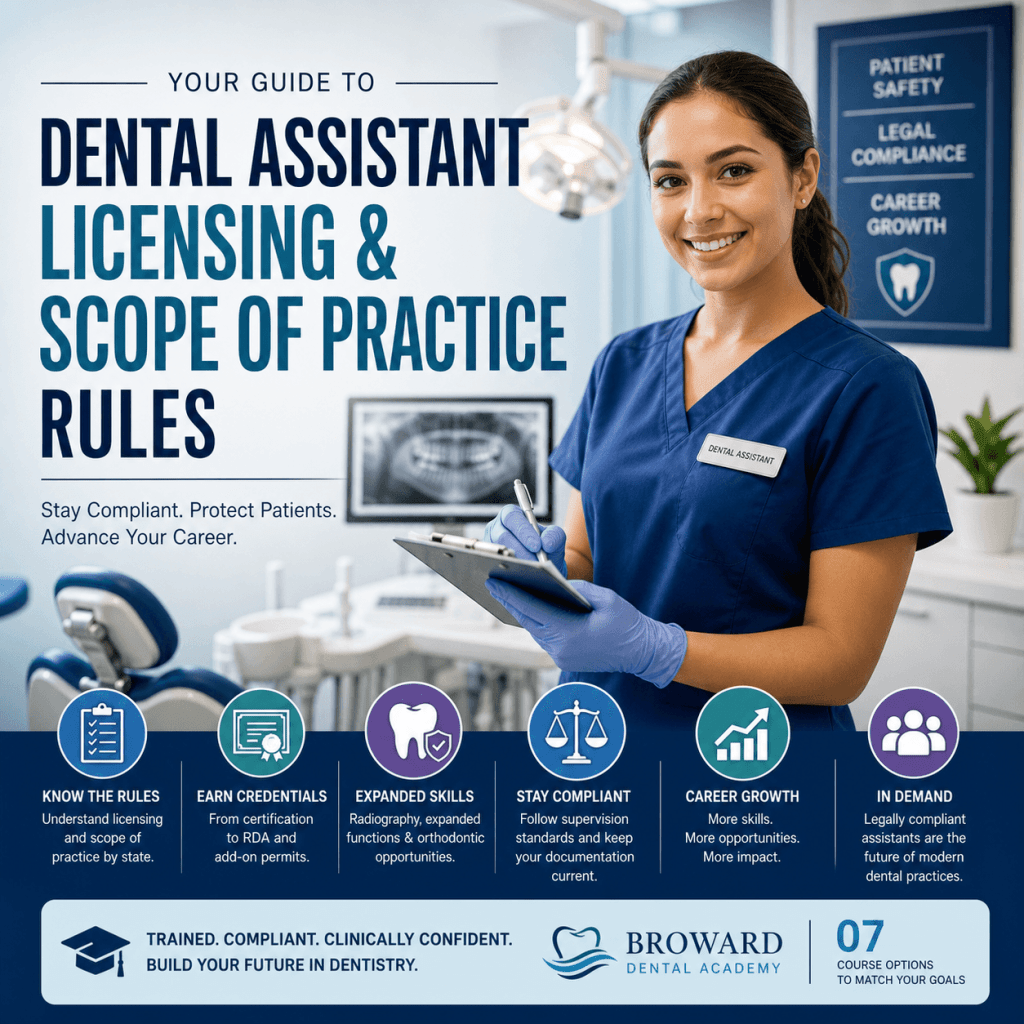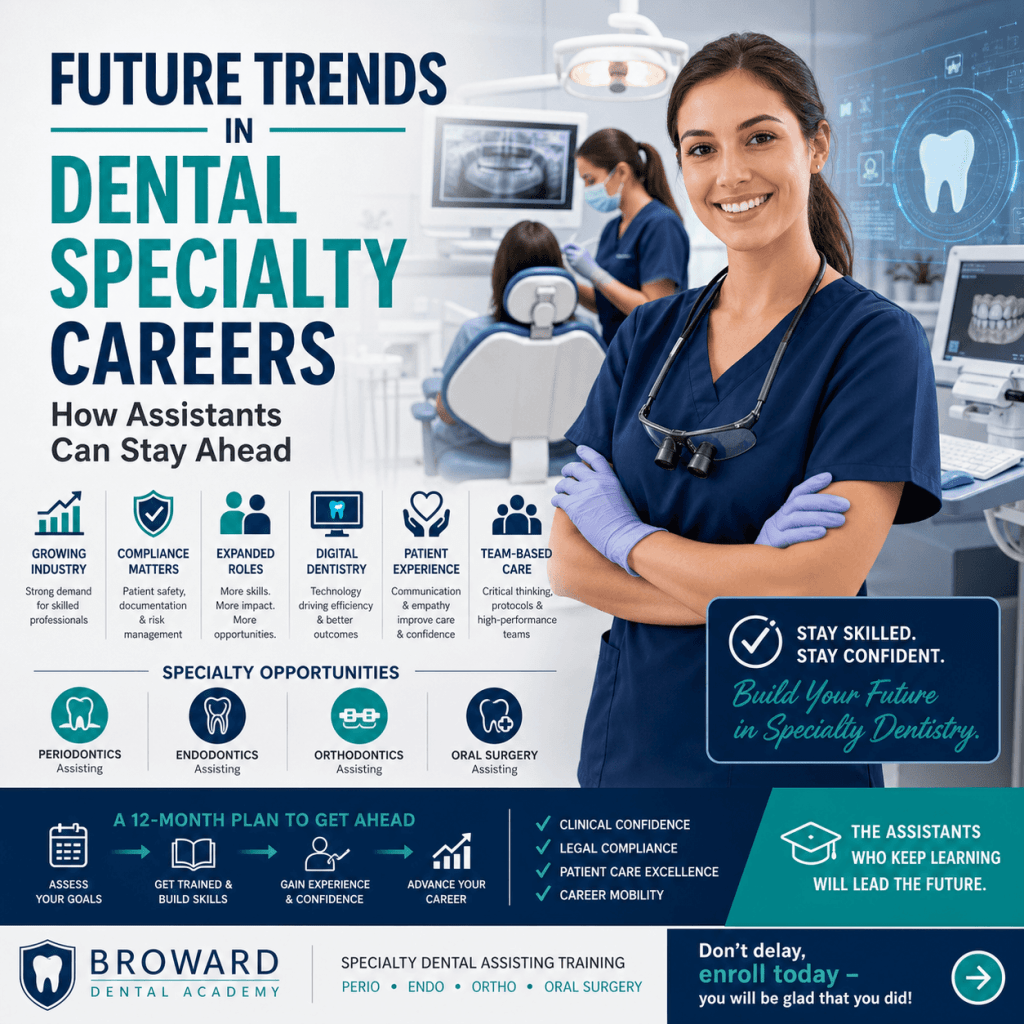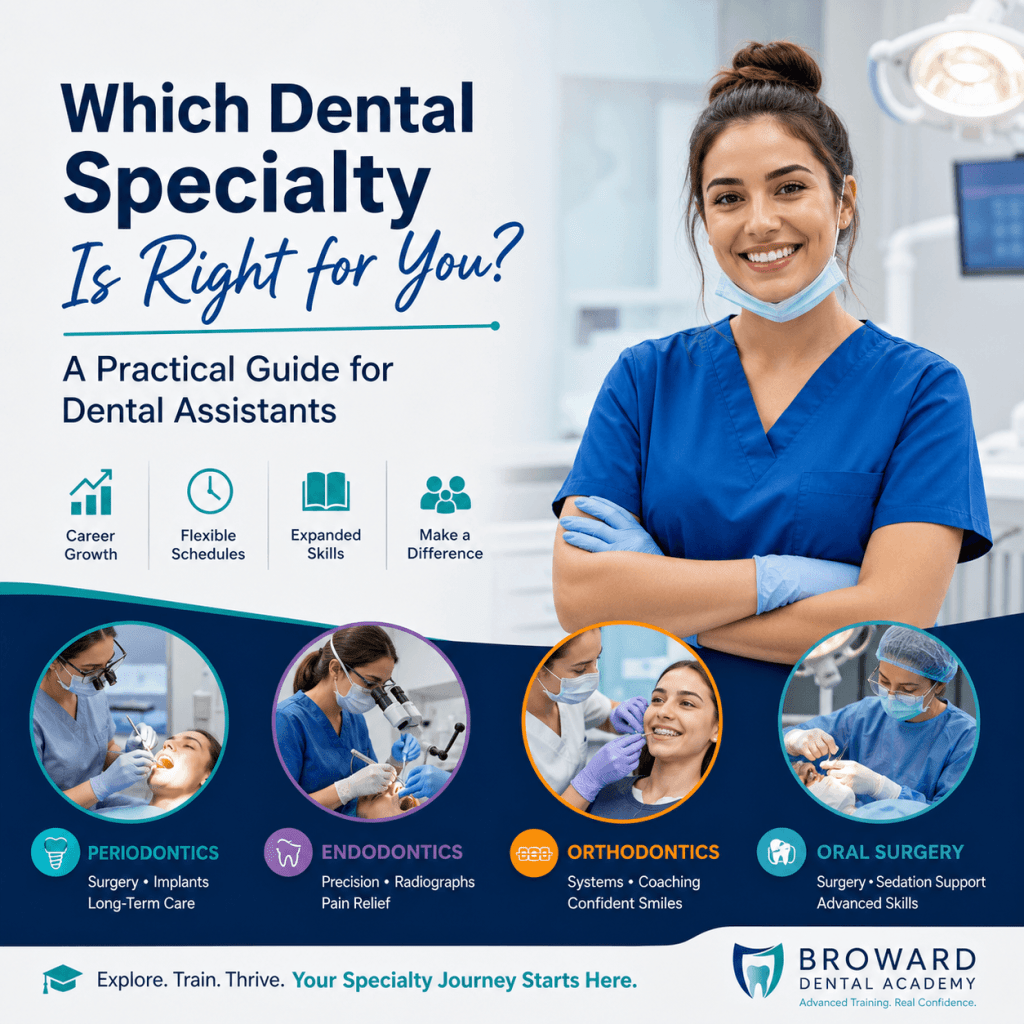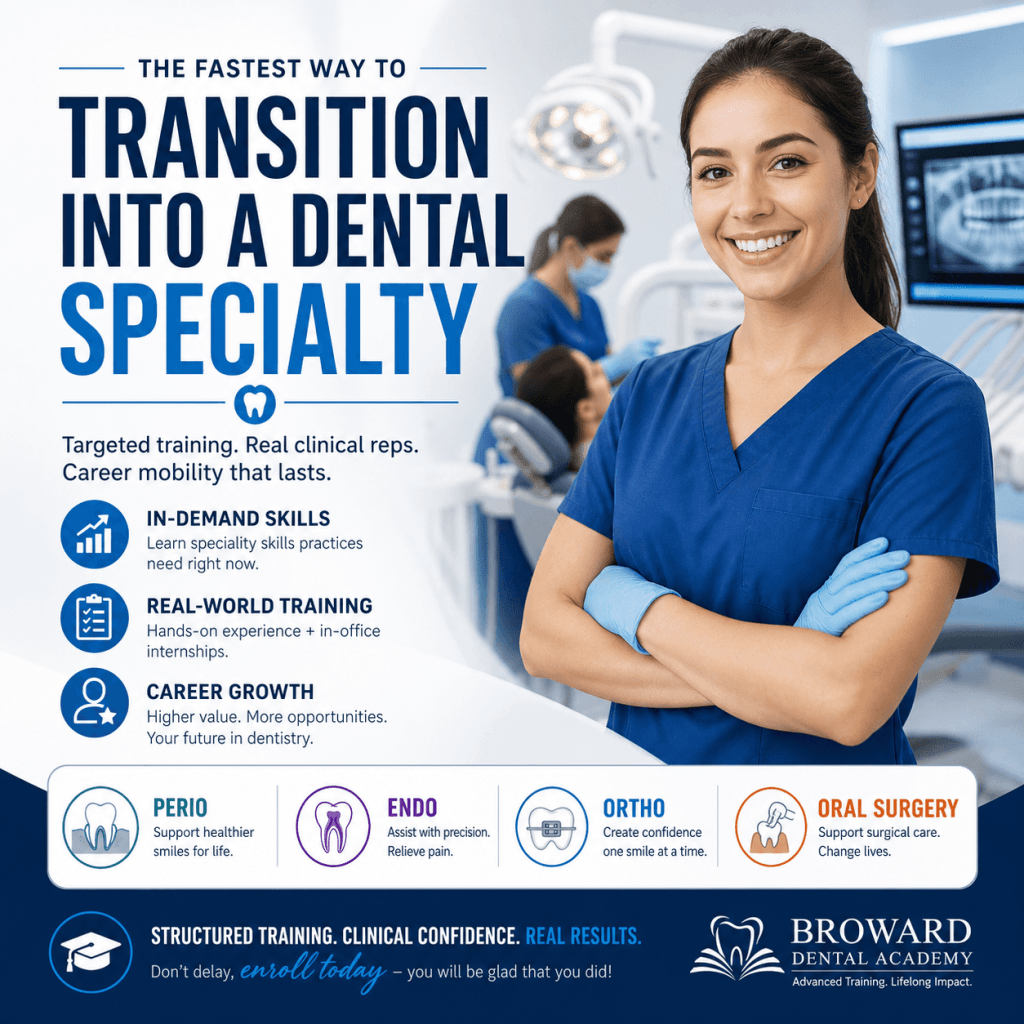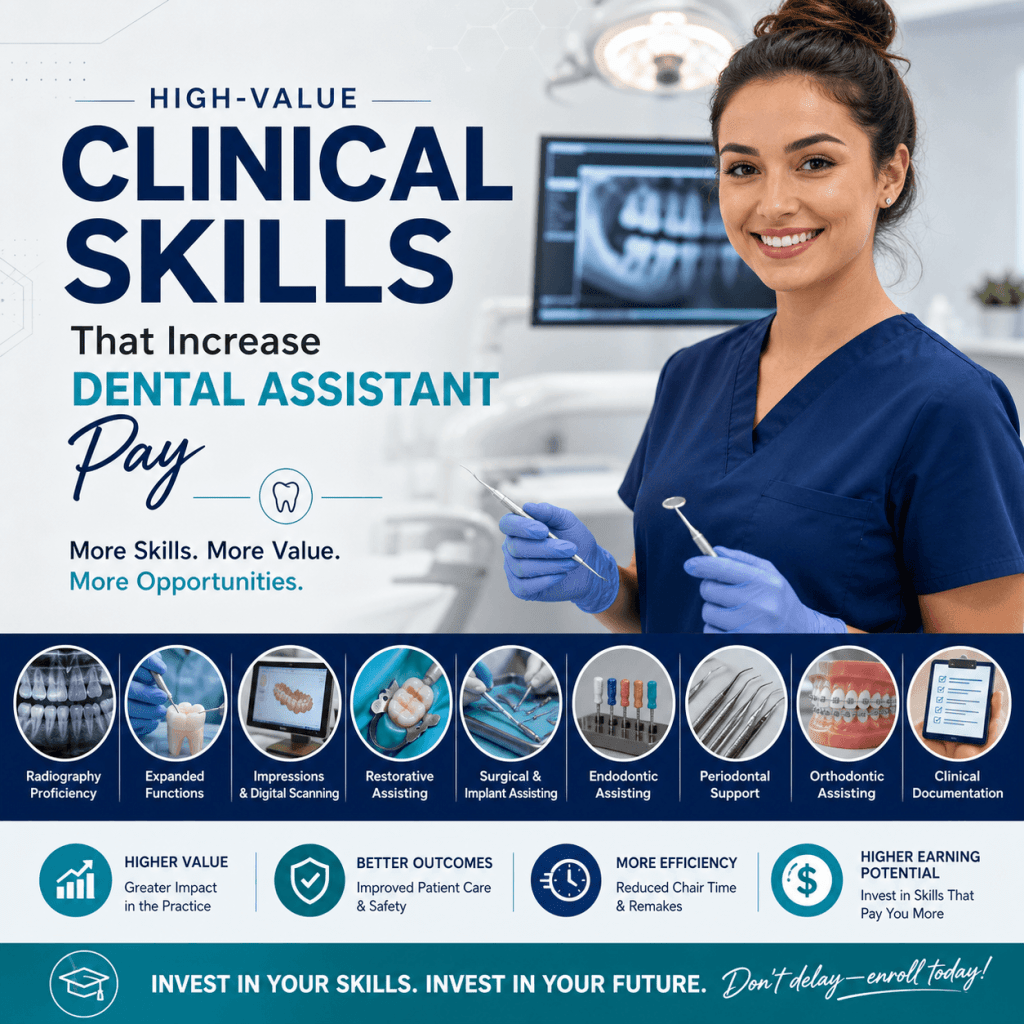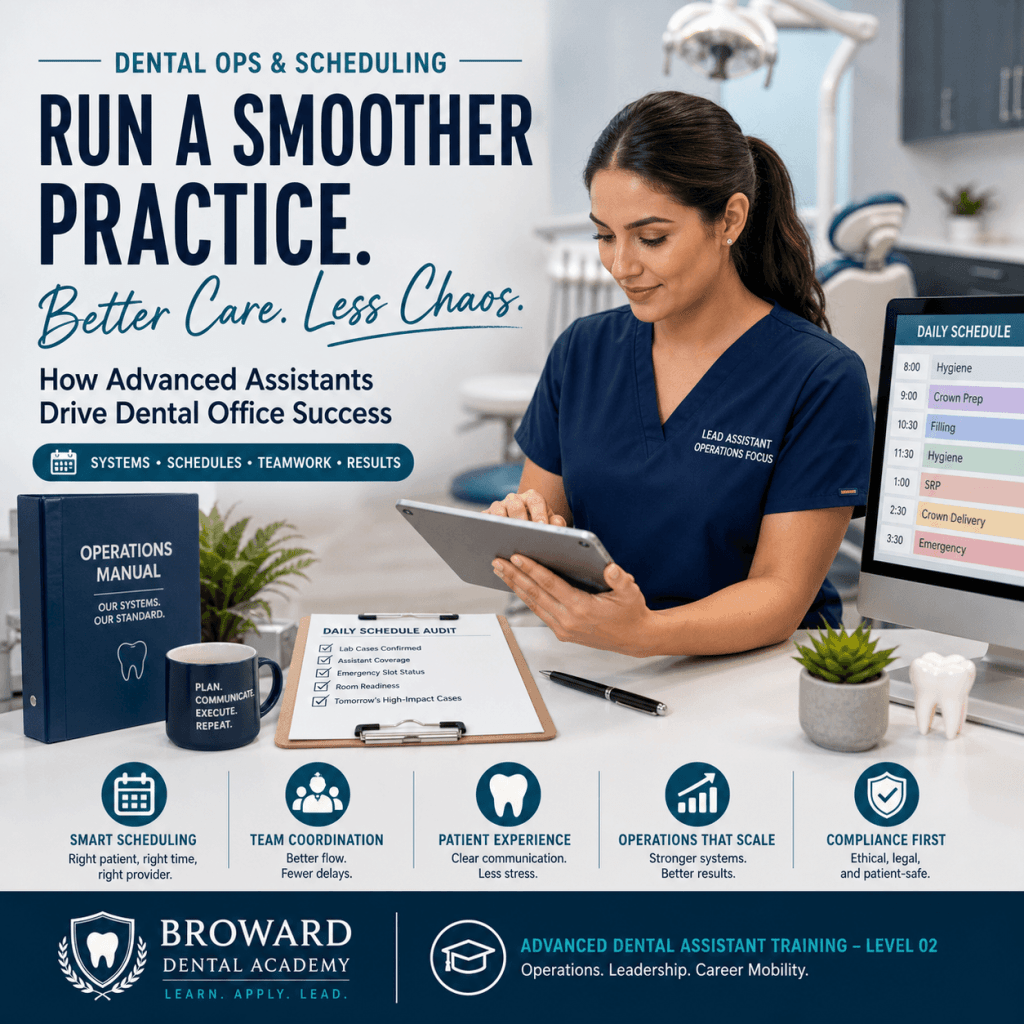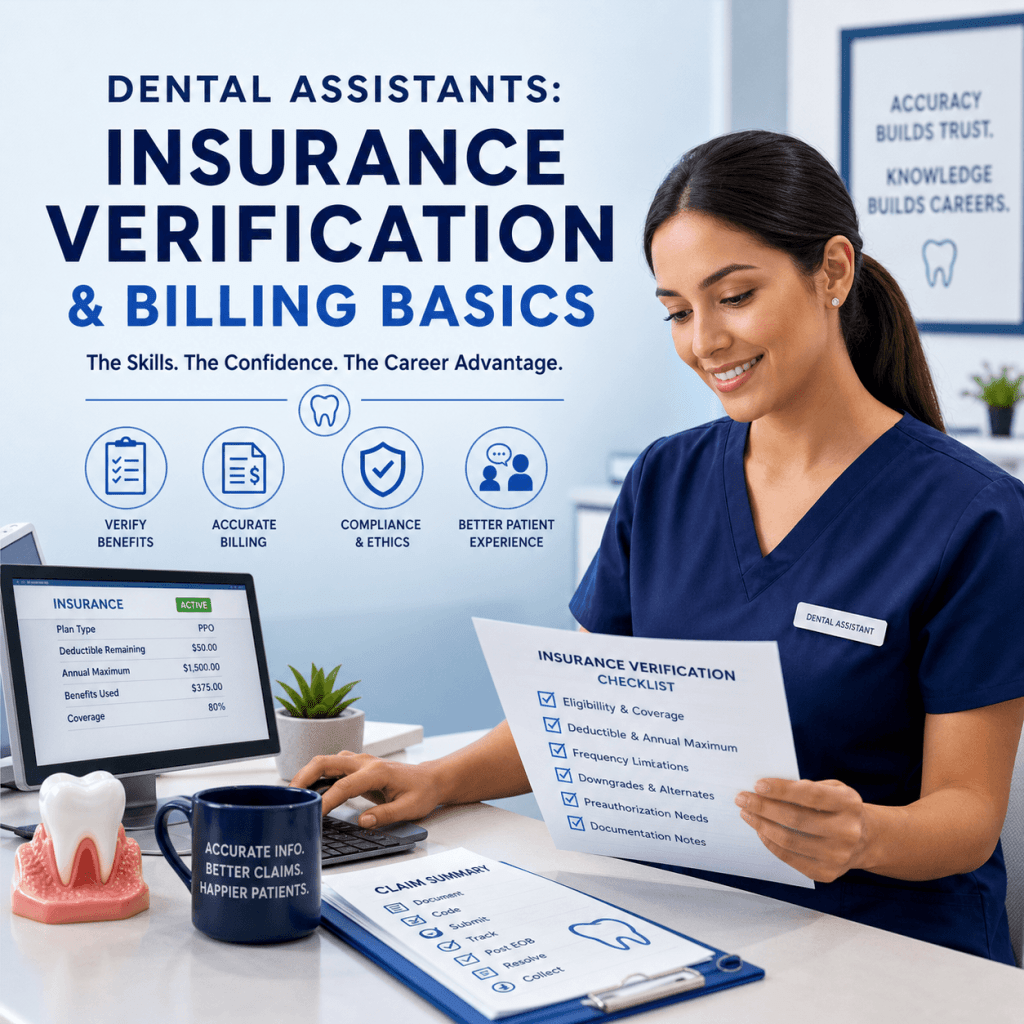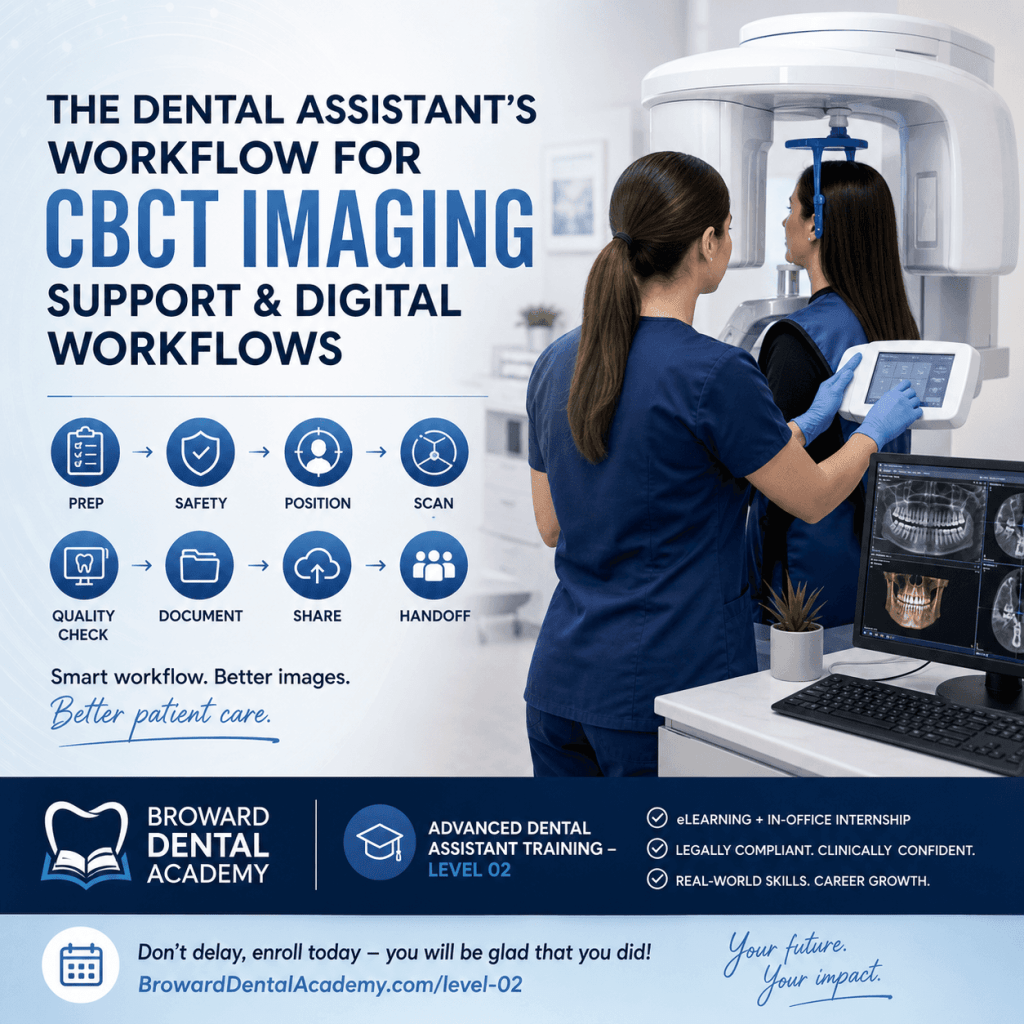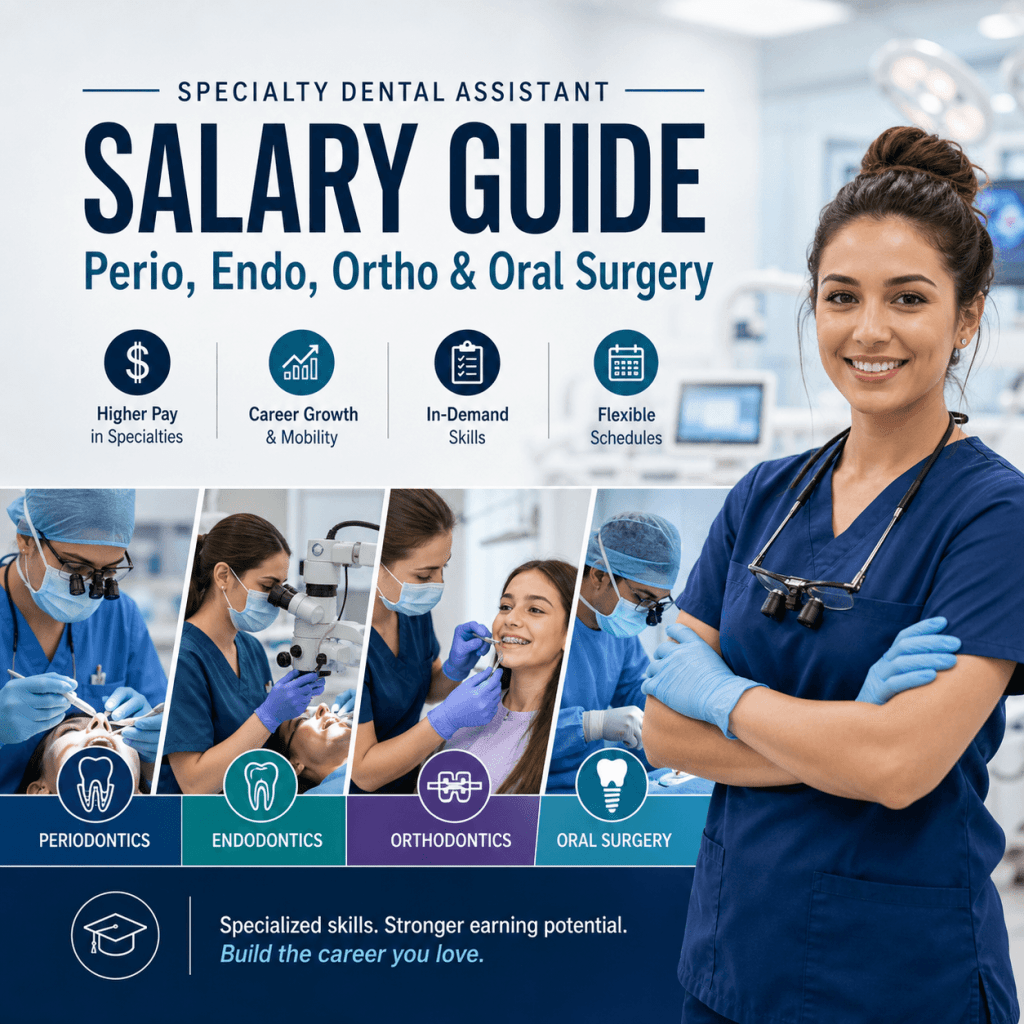
Below is a practical salary guide to help you understand what drives pay in each specialty, including the specialty dental assistant salary, what “salary” really includes, and how to position yourself for higher offers.
Why specialty dental assisting pays differently (and why employers care)
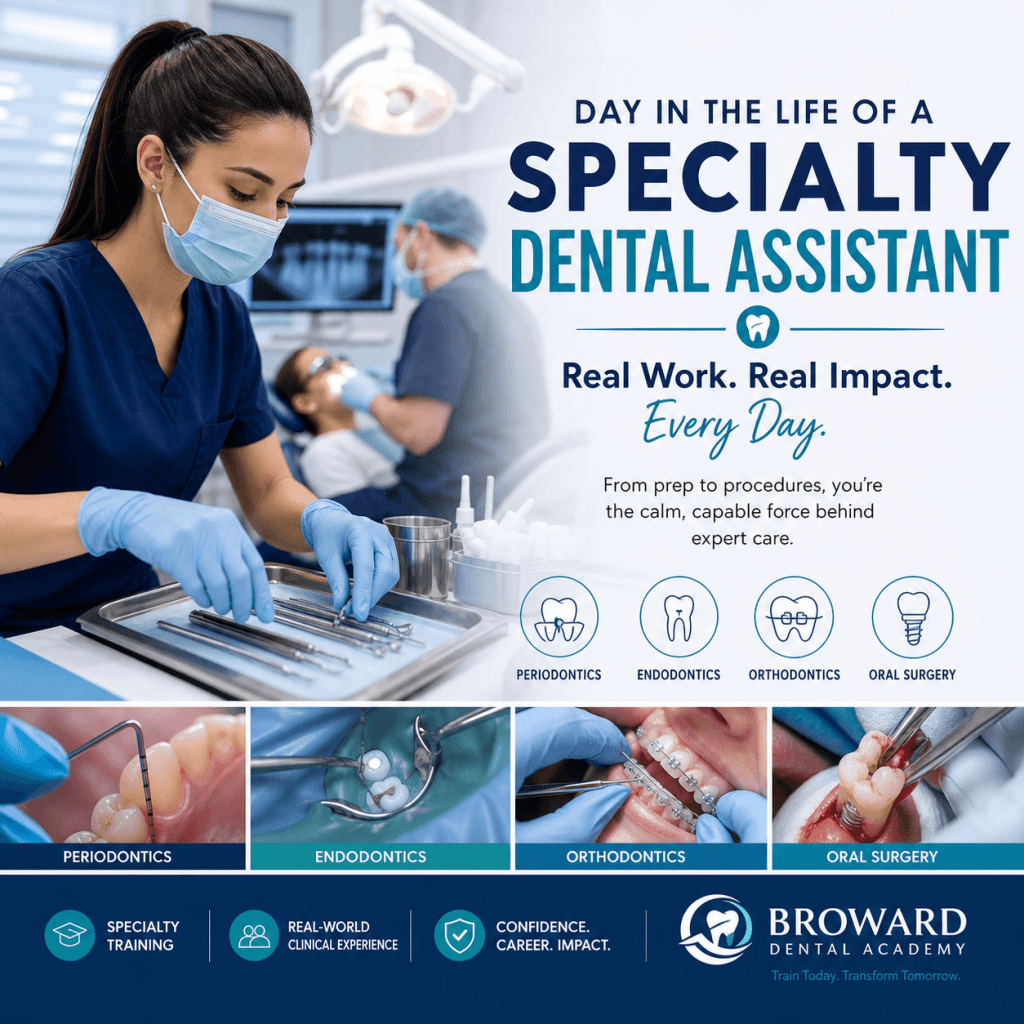
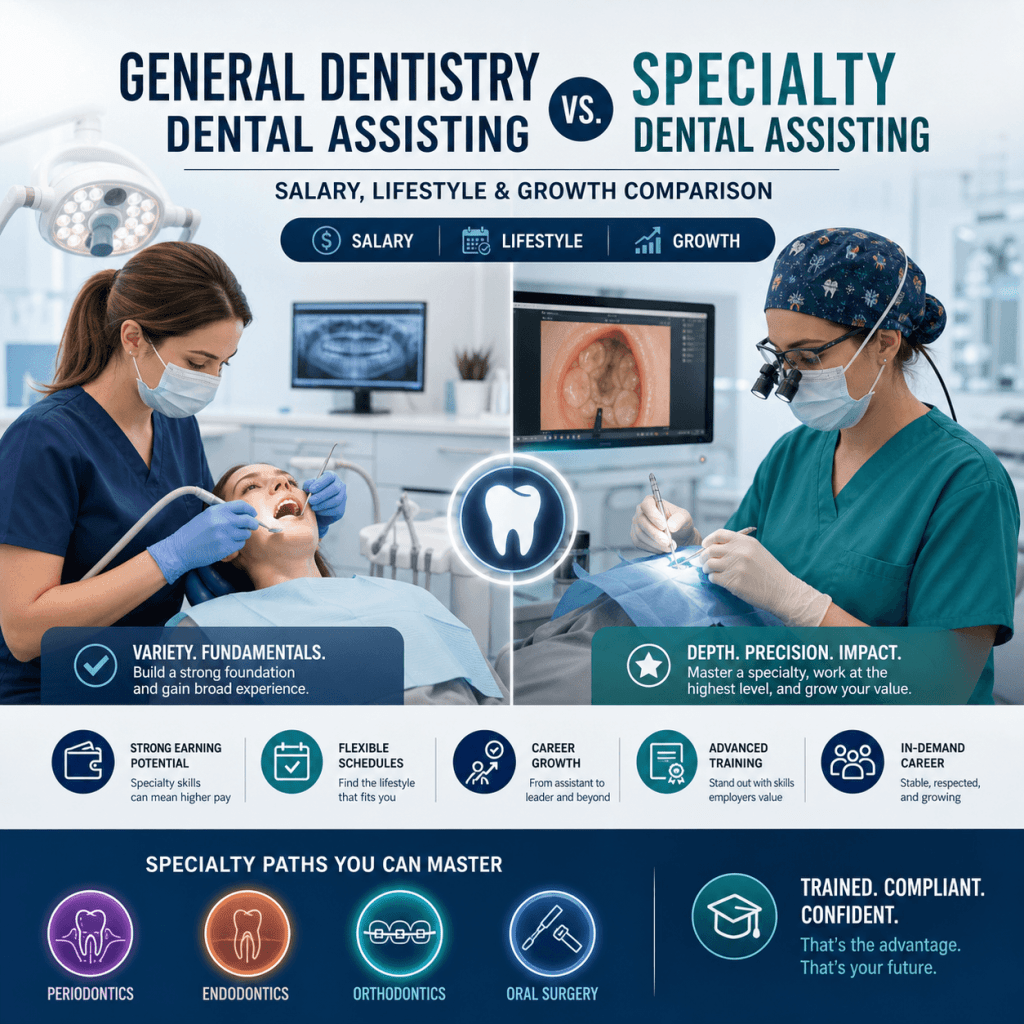
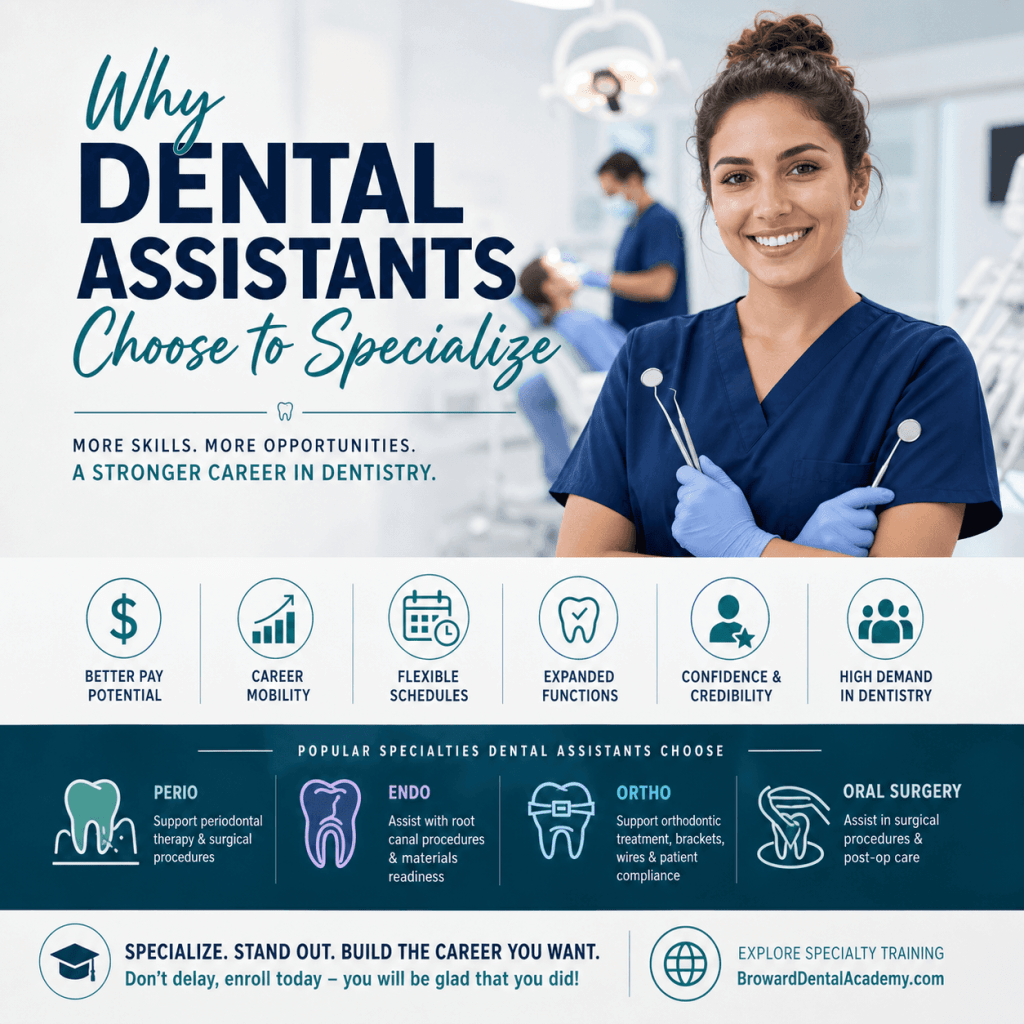
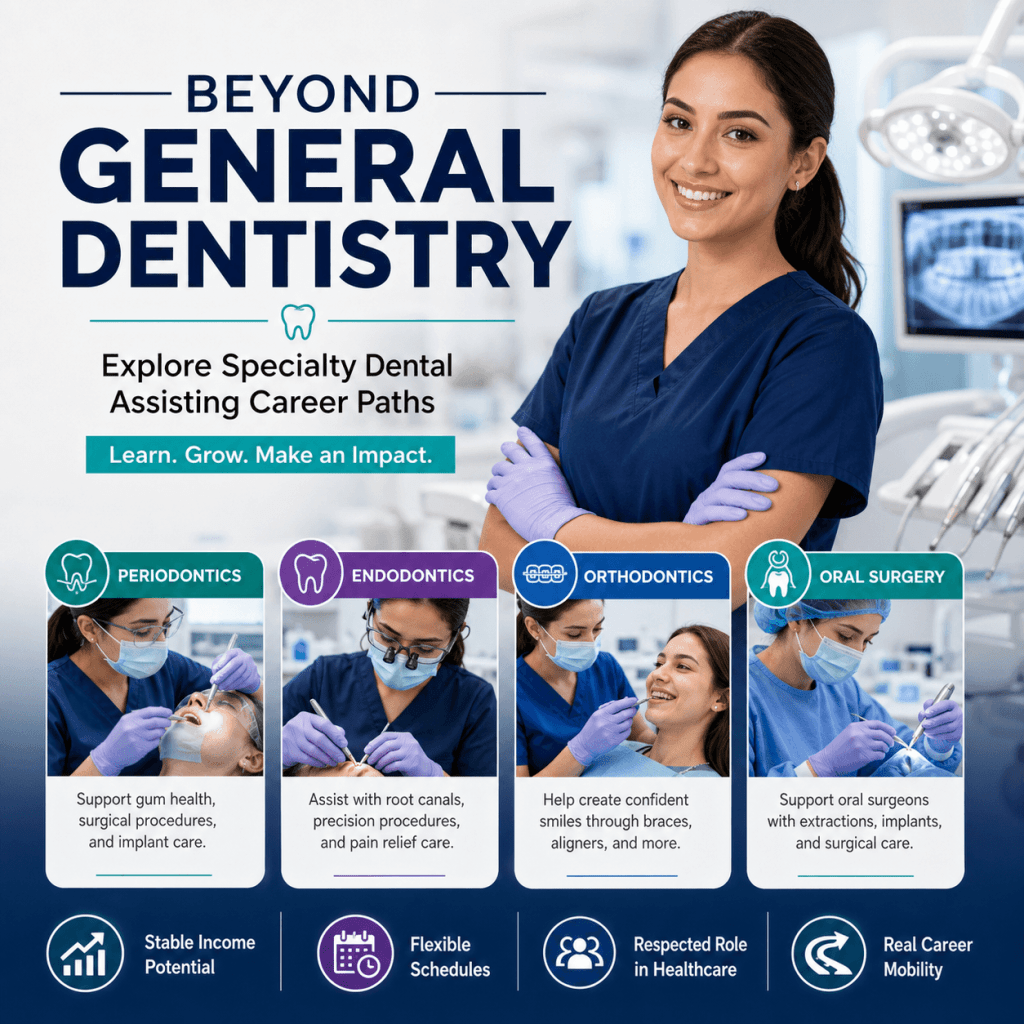
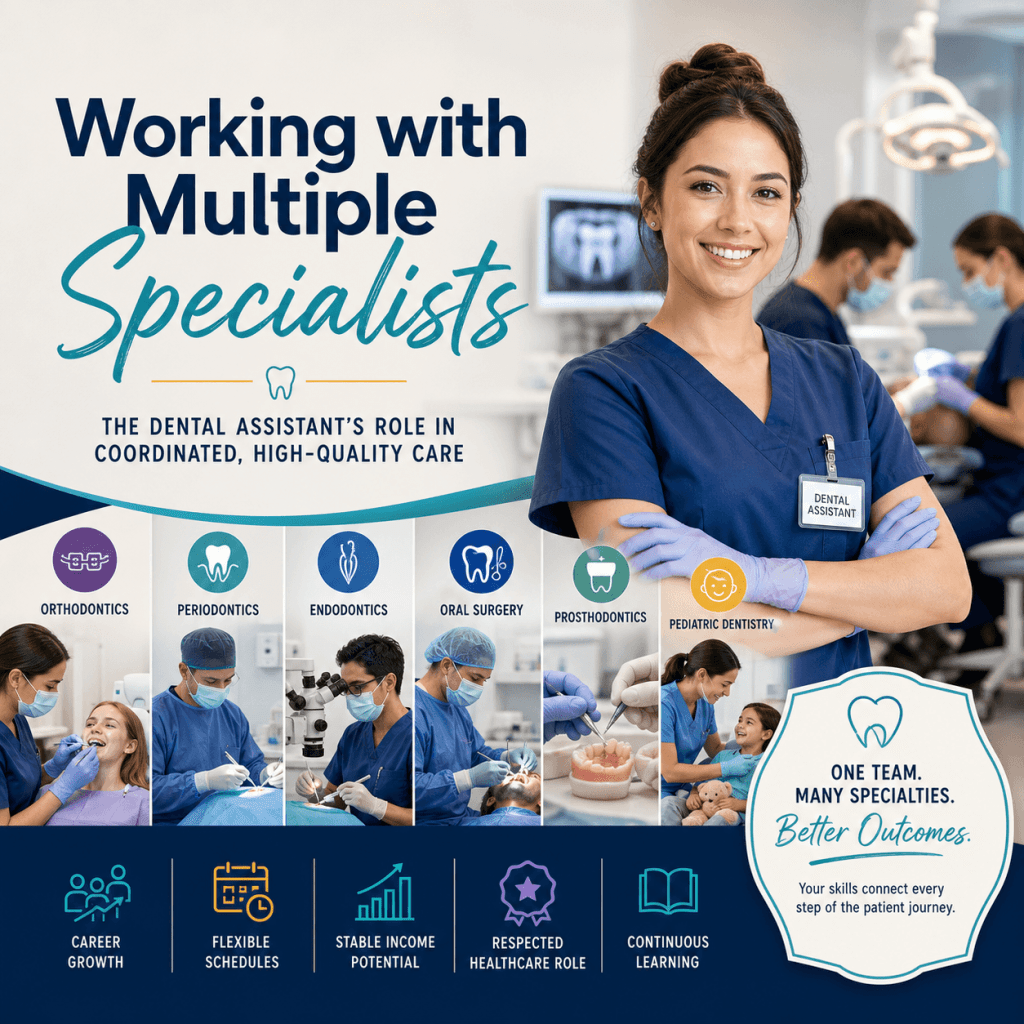
A specialty dental assistant works in a practice focused on a specific area of dentistry, such as periodontics, endodontics, orthodontics, or oral and maxillofacial surgery. A general dentistry assistant supports a broader mix of procedures, from fillings and crowns to routine preventive care.
Specialty pay can be higher, but it is rarely “one-size-fits-all.” It varies by:
- Specialty type (perio vs endo vs ortho vs oral surgery)
- State regulations and what expanded functions are allowed
- Practice type and patient volume (private practice, DSO, hospital, surgery center)
- Experience, certifications, and chairside speed
- Local cost of living and hiring competition
So why do specialties often pay more?
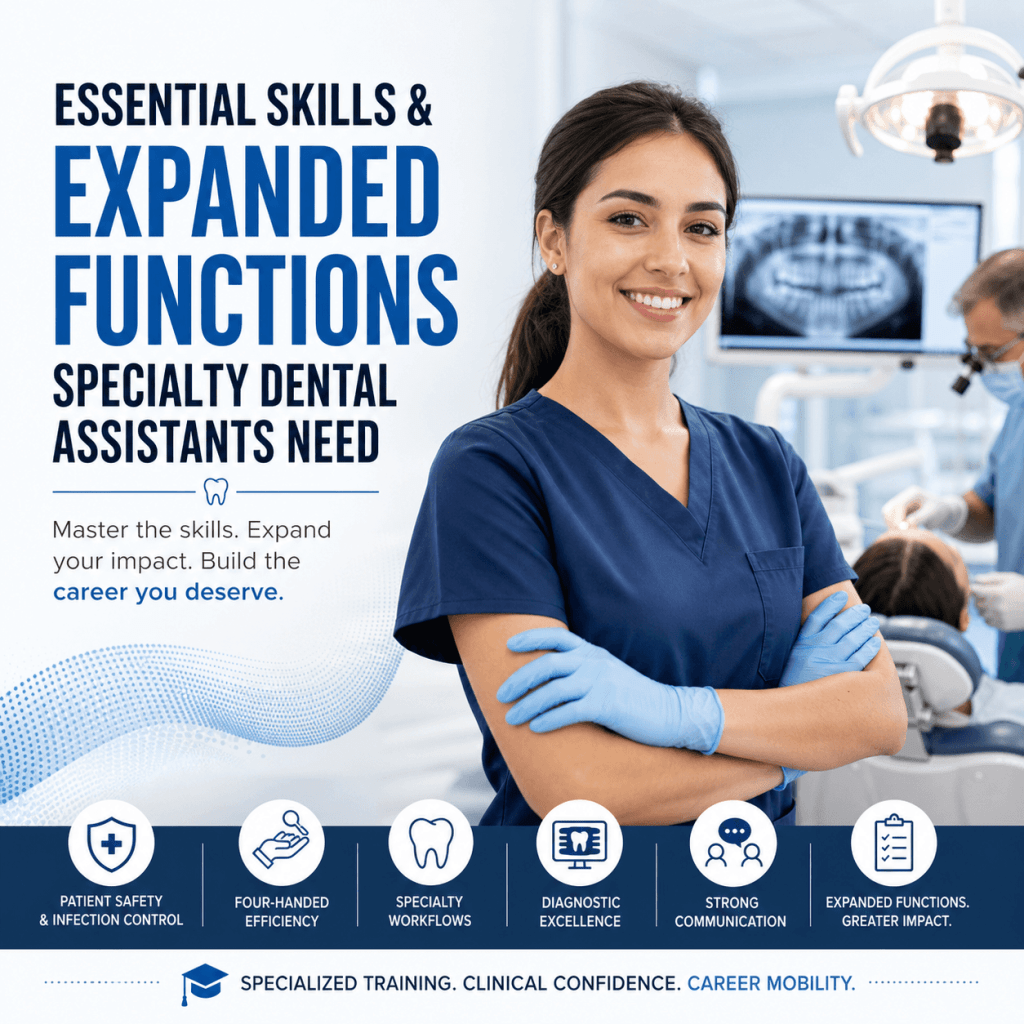
Because specialty offices depend on assistants who can perform in faster-paced, higher-complexity environments. That can include surgical and sterile protocols, advanced imaging, specialty instruments, sedation support (where permitted), tighter documentation standards, and more detailed patient instructions.
Employers care about this because a specialty assistant is not just “helping.” They are protecting schedule flow, safety, compliance, and case quality. In a growing industry with rising demand for skilled dental professionals, practices compete for assistants who are thoroughly trained, legally compliant, and clinically confident.
Expectation-setting: salary ranges below are best viewed as “typical market bands.” Your real number will depend on experience, certifications like those from a hygienist level 03 course, expanded functions such as those learned in specialized training programs ,and your local market.
What “salary” really includes: base pay, bonuses, and benefits
Many dental assistants talk about pay as a single number, but specialty compensation is usually a package. Before comparing offers, make sure you understand the full breakdown.
Base pay: hourly vs salary
- Hourly pay is most common for dental assistants and often comes with overtime eligibility.
- Salary roles exist, but you should confirm expectations around extended days, early starts, and on-call coverage.
Bonuses you may see in specialty offices
Understanding the specialty dental assistant salary is crucial for making informed career decisions.
- Production or collections bonuses tied to office performance
- Case-start bonuses (commonly in orthodontics)
- Surgical or assist differentials for complex cases
- On-call pay (more common in oral surgery)
- Monthly/quarterly performance bonuses for efficiency, reviews, or conversion metrics
Benefits that change your real annual value
Even a $2 to $4 per hour difference can be outweighed by benefits such as:
- Health insurance and dental coverage
- Paid time off and paid holidays
- 401(k) with a match
- Continuing education (CE) stipends
- Uniform allowance
- Paid certifications, CPR renewal, radiology credentials (as applicable)
- Tuition assistance or structured training support
The paid certifications could include essential areas such as CPR renewal or obtaining radiology credentials which are often covered by employers.
Schedule flexibility affects annual earnings
A four-day week can feel like a pay cut if the hourly rate is the same, but extended hours or a high-production schedule can offset it. Some assistants increase income with:
- PRN shifts
- Extended-hours specialty practices
- Multiple-office coverage within the same group
If you’re seeking opportunities in different locations, consider exploring various locations where you could potentially work.
Interview checklist: questions that help you compare offers
- Is this pay hourly or salary, and is overtime paid?
- What is the expected weekly schedule and typical end time?
- Are there bonuses? How are they calculated and how often are they paid?
- Are there on-call responsibilities (especially oral surgery)?
- What benefits are included, and when do they start?
- Does the practice pay for CE, CPR, radiology, or specialty training?
- What does “growth” look like at 6 months and 12 months?
The biggest factors that change specialty dental assistant salaries
Here are the variables that most directly move your pay up or down.
Geography and cost of living
Metro areas often pay more than rural areas, but not always “more enough” to beat cost of living. Compare offers using:
- Rent and commute costs
- Benefits value
- Overtime opportunities
- Stability and predictability of hours
The experience ladder
A typical pay pattern looks like:
- New grad / entry level: learning speed and reliability matter most
- 1 to 2 years: efficiency starts to raise your value quickly
- 3 to 5+ years: speed, leadership, and specialty mastery command a premium
- Lead/senior assistant: training others, managing flow, and reducing errors often justify a higher rate
Expanded functions and advanced skills
Pay increases when you can legally and confidently support procedures that protect production. Depending on your state and office policy, that can include support with:
- Digital impressions and scanning workflows
- Temporary restorations support (where allowed)
- Suture removal support (per office policy)
- Orthodontic procedure support (as permitted)
For more insights into the frequently asked questions about dental assistant roles, you can refer to this resource.
Practice setting
- Private practices may offer strong culture and stability, sometimes with smaller bonus structures.
- DSOs may offer clearer wage ladders, benefits, and multi-site growth.
- Hospital or ambulatory surgery centers can pay well for surgical protocol, documentation, and compliance expectations.
- High-volume specialty practices often pay more because efficiency is everything.
Soft skills that boost pay
These are the quiet drivers of “why they offered you more than the other candidate”:
- Chairside speed without mistakes
- Calm patient communication, especially with anxiety and pain
- Strong charting accuracy and photo documentation
- Sterilization systems mastery and turnover consistency
- Anticipatory assisting (knowing the next step before being asked)
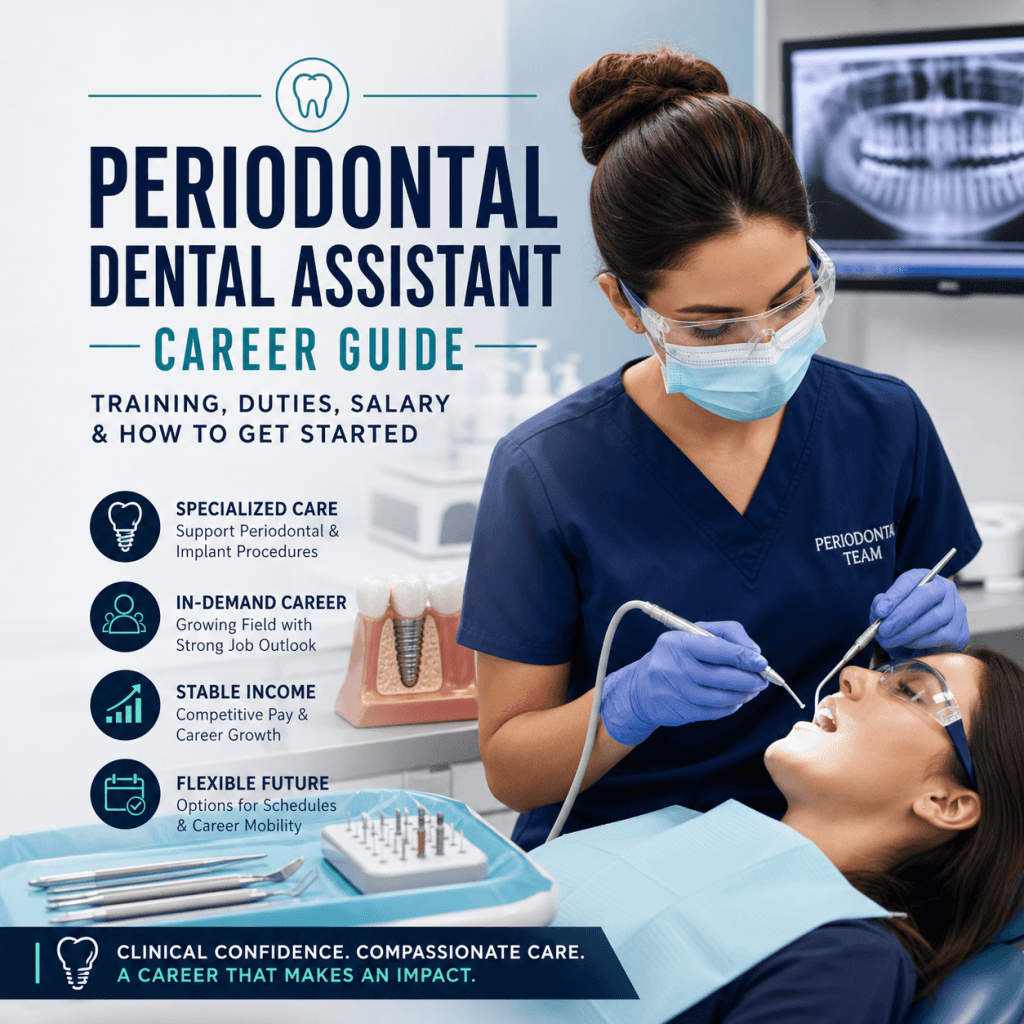
Specialty salary breakdown: Periodontics (Perio) dental assistant salary guide
What perio assistants do
Periodontic assistants support both maintenance-based care and surgical workflows. Common responsibilities include:
- Periodontal maintenance support and room setup
- Scaling and root planing setups
- Graft and suture support
- Implant surgery setups
- Sterile field setup and instrument processing
- Detailed charting, perio measurements support, and clinical photos
- Post-op instructions and patient education for long-term maintenance
Why perio can pay more
Perio can pay above general dentistry because it often includes surgical protocols, implant workflows, strict asepsis, and detailed documentation. Implant-driven practices may place a premium on assistants who keep surgeries efficient and predictable.
For those interested in pursuing a career as a periodontic assistant or enhancing their skills in this specialty area, Broward Dental Academy offers a range of courses that could prove beneficial.
Typical pay positioning
Perio assistants are often paid above general dentistry, and can be competitive with other specialties depending on implant volume and the surgical schedule.
Skills that raise perio pay
- Implant kit familiarity and setup speed
- Confident handling of suturing instruments and sterile workflow
- CBCT coordination and image organization
- Clinical photography and documentation accuracy
- Patient education that improves maintenance plan follow-through
Career mobility in perio
Perio experience can lead toward:
- Lead surgical assistant roles
- Implant coordinator roles
- Front-to-back leadership, including office management tracks in surgical practices
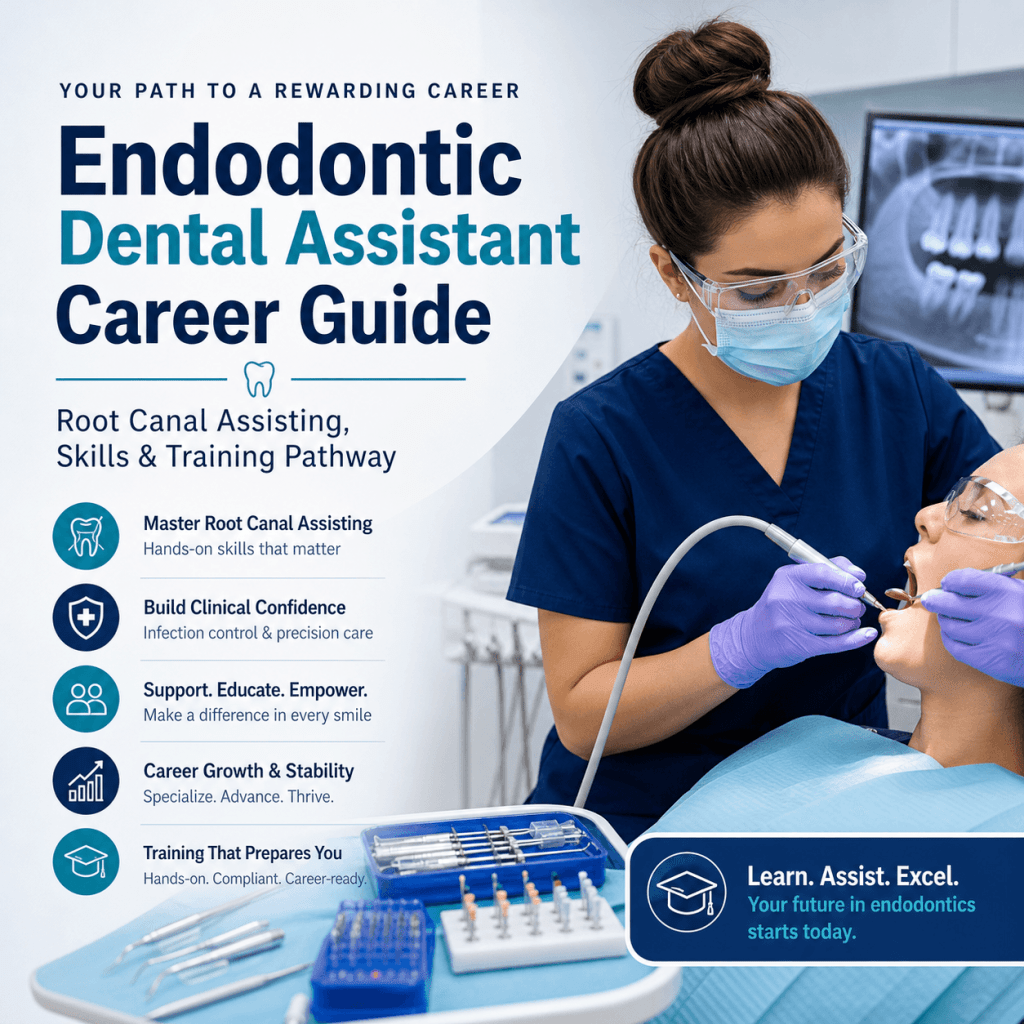
Specialty salary breakdown: Endodontics (Endo) dental assistant salary guide
What endo assistants do
Endodontic assisting is precision-based and often high-throughput. Responsibilities commonly include:
- Rubber dam setup and isolation support
- Rotary file workflow support and procedure setup
- Apex locator coordination and documentation
- Digital imaging and retake reduction through proper technique
- Patient anxiety management and calm chairside support
- Supporting urgent and emergency scheduling flow
Why endo pay can be strong
Endo offices often run on efficiency. Many procedures are time-sensitive, and the pace can be intense. Assistants who can set up fast, maintain isolation standards, and keep turnaround tight protect the schedule and revenue.
Typical pay positioning
Endo pay is often competitive because expectations are high. The assistant’s skill directly impacts speed, quality, and patient comfort.
Skills that raise endo pay
- Familiarity with endo motor systems and file sequences
- Fast, accurate documentation
- Consistently strong radiographs with minimal retakes
- Calm, confident chairside presence for anxious patients
- Sterilization efficiency and rapid operatory turnover
How endo experience translates
Endo assistants often transition well into:
- High-production general dentistry
- Cross-training into other specialties
- Lead assisting roles due to speed and documentation discipline
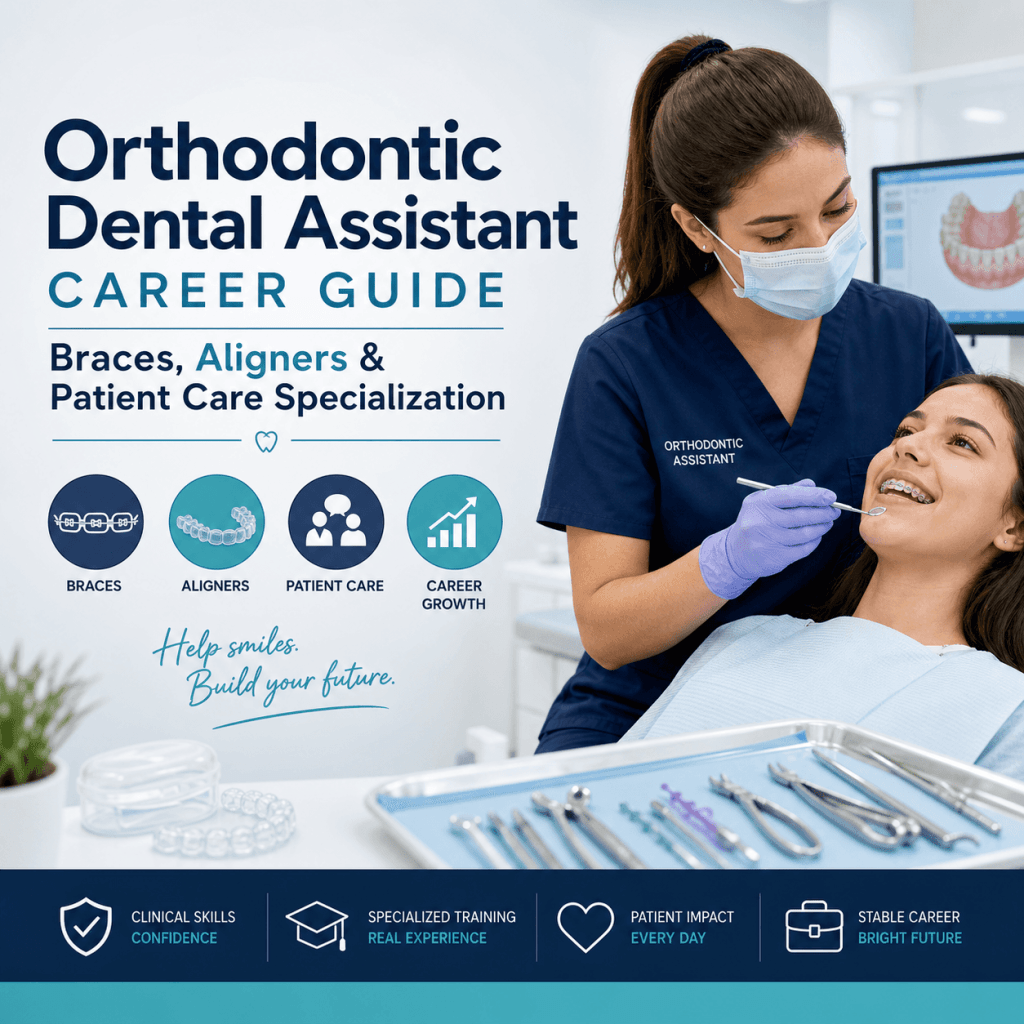
Specialty salary breakdown: Orthodontics (Ortho) dental assistant salary guide
What ortho assistants do
Orthodontic assisting is workflow-heavy and often involves high patient volume. Responsibilities may include:
- Banding and bonding support
- Tray setups and rapid room turnover
- Wire change support (as allowed)
- Scanner or impressions support
- Retainer delivery coordination
- Patient education, especially for hygiene and appliance care
- Communication with parents and teens, plus schedule coordination
For a deeper understanding of the field, you can explore more about orthodontics.
Why ortho compensation varies
Ortho compensation can range widely because some roles are highly clinical, while others are closer to clinical-coordinator work. Many practices tie compensation to:
- Starts
- Production
- Case acceptance and conversion metrics
Typical pay positioning
Ortho can be strong in high-volume practices, especially where bonus structures reward performance. In slower practices, base pay may be more modest, with steadier hours.
Skills that raise ortho pay
- iTero or 3D scanning workflow skill
- Bracket system familiarity and setup speed
- Patient communication that reduces breakage and missed appointments
- Scheduling efficiency and records accuracy
- Comfort supporting multiple providers in a fast flow
Career paths in ortho
Orthodontics offers clear growth tracks, including:
- Treatment coordinator
- Lead assistant
- Records technician and scanning-focused roles
Specialty salary breakdown: Oral surgery dental assistant salary guide
What oral surgery assistants do
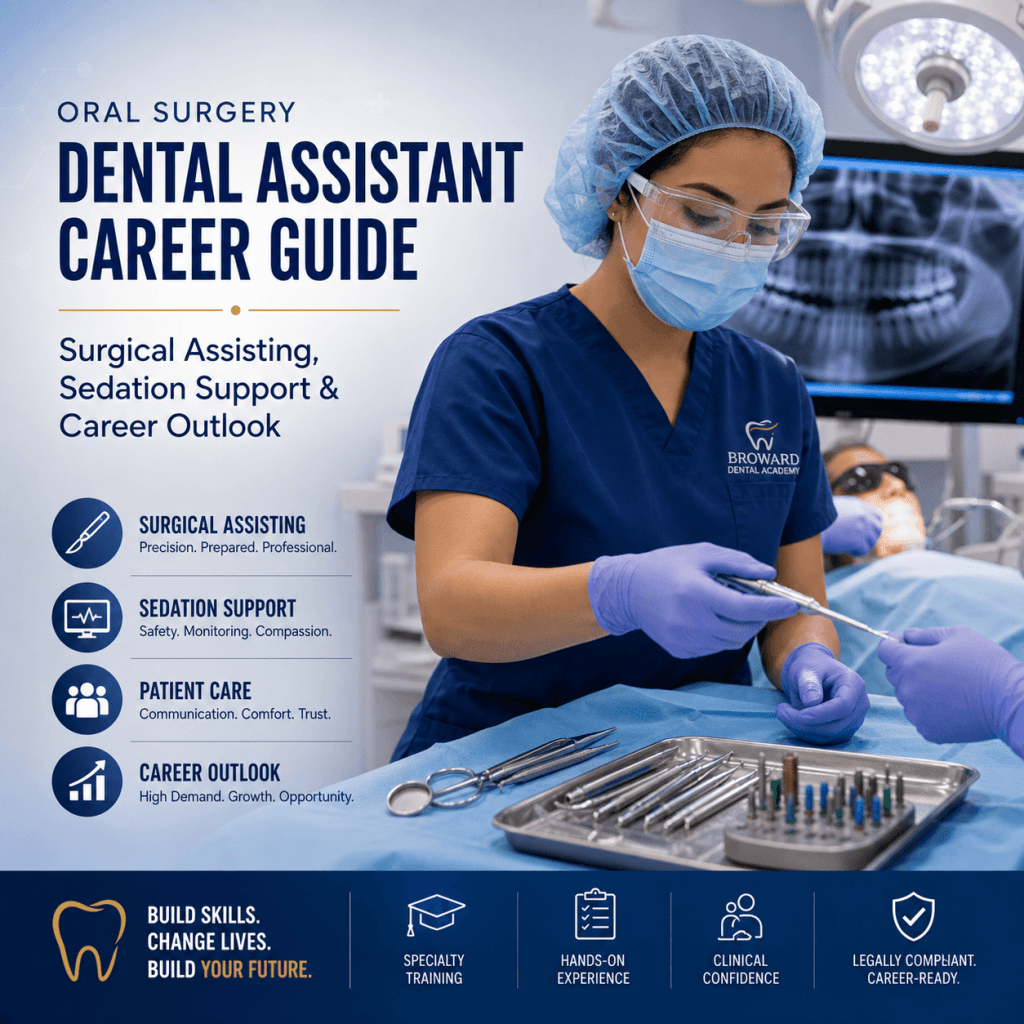
Oral surgery assistants work in a surgical environment with a strong focus on safety and efficiency. Responsibilities typically include:
- Surgical tray setups and sterile technique
- Suction and retraction support
- Post-op instructions and patient discharge readiness
- Inventory and surgical supply management
- Possible anesthesia or sedation assisting depending on state rules and training
Why oral surgery often pays at the top
Oral surgery commonly pays among the highest because it can include sedation support, higher-risk procedures, and stricter compliance expectations. The pace is fast, and the assistant’s readiness directly impacts patient safety and provider focus.
Typical pay positioning
Oral surgery assistant pay is commonly at the top of specialty ranges, especially for assistants who can support sedation workflows and remain calm under pressure.
Skills that raise oral surgery pay
- Monitoring and recording vitals (as permitted and trained)
- Emergency readiness and protocol familiarity
- IV sedation assistance (where legal and trained)
- Instrument processing excellence and sterile consistency
- Strong patient reassurance during anxious moments
Work-life considerations
Oral surgery can include:
- Early starts
- Longer surgical days
- Occasional on-call or emergency coverage
Those factors can increase annual income through overtime or differentials, but they also affect lifestyle. It is a good fit for assistants who like fast procedures, surgical structure, and a high-responsibility environment.
For those interested in pursuing this career path, resources such as Broward Dental Academy offer valuable information about the necessary training and skills required for success in this field.
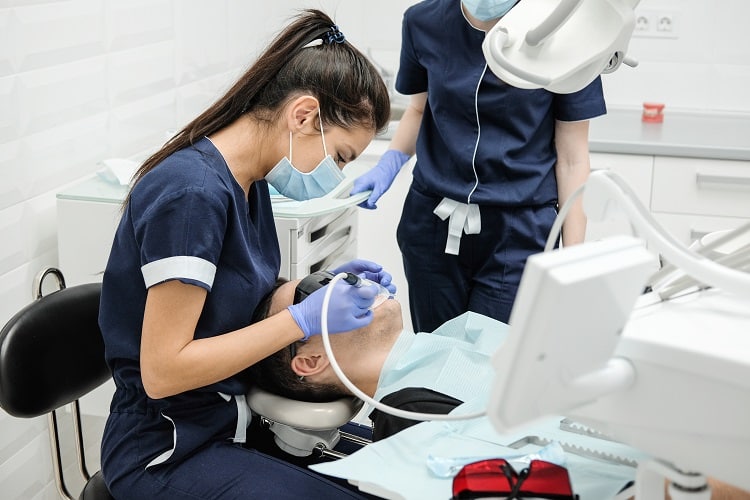
Perio vs Endo vs Ortho vs Oral Surgery: which specialty is best for your income goals?
Instead of asking “Which specialty pays the most?” ask a better question: Which specialty fits the way you work, so you can stay in it long enough to grow into top pay?
Use this comparison framework:
- Earning ceiling: oral surgery and surgical perio often have higher ceilings; ortho can be strong with bonuses; endo can be strong with efficiency.
- Learning curve: endo and oral surgery demand faster technical confidence; ortho is repetitive but high volume; perio blends maintenance and surgery.
- Physical demands: surgery can be physically intense; high-volume ortho can be repetitive; endo requires sustained focus and precision.
- Patient type: teens and families in ortho; anxious and pain-driven patients in endo; surgery patients in oral surgery; long-term maintenance and education in perio.
- Schedule predictability: ortho is often predictable; endo and oral surgery may see more urgent cases.
- Stress level: depends on pace, procedure risk, and patient anxiety.
The “best” specialty depends on your priorities, whether that is stable hours, highest upside, or long-term growth. A smart next step is to review local job postings and talk to practices in your area to validate real ranges, expectations, and bonus structures. If possible, try an externship, internship, or shadowing day to confirm fit.
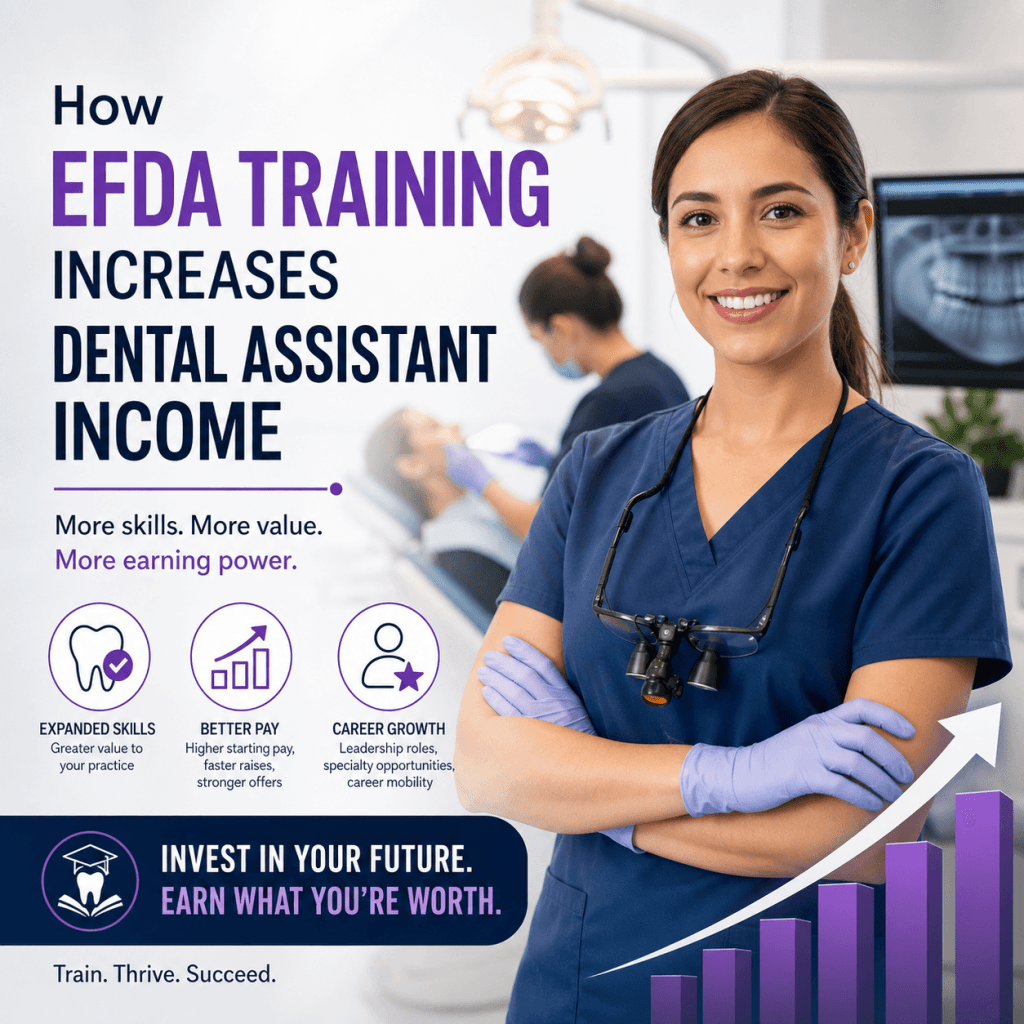
How to increase your specialty dental assistant salary (without waiting years)
You do not have to wait for a yearly raise to increase your value. In specialty practices, targeted skills can move your pay faster than time alone.
1) Build the right technical skills
Focus on skills that protect production and safety:
- Radiology proficiency and consistent imaging quality
- CBCT and 3D imaging workflow exposure
- Digital scanners and records workflows
- Surgical asepsis systems and sterile technique
- Sedation readiness where legal and trained
2) Practice “high-performance” habits
Higher-paying offices want assistants who can move quickly without creating remakes, delays, or compliance issues:
- Anticipatory assisting and organized setups
- Fast, accurate charting and documentation
- Instrument organization that reduces procedure friction
- Turnover systems that keep rooms on time
- Patient communication that reduces cancellations and confusion
3) Use reasonable negotiation angles
Negotiation works best when it is specific. Examples:
- Specialty certifications or documented training
- Cross-training value across procedures or multiple providers
- Reliability metrics, such as perfect attendance and on-time readiness
- Ability to reduce procedure time through better setup and flow
4) Document your value
Keep simple notes you can share during reviews:
- Reduced turnover time
- Fewer remakes or retakes
- Improved patient satisfaction feedback
- Better case acceptance support through clearer education and smoother visits
Training for specialty roles: what employers expect from a modern dental assistant
Specialty practices are not only hiring for personality. They are hiring for readiness.
Employers want assistants who are:
- Thoroughly trained and legally compliant
- Confident chairside, including in fast procedures
- Ethical, safety-minded, and consistent with protocols
- Strong critical thinkers who can anticipate and adapt
- Comfortable with modern technology and documentation standards
Structured training plus real clinical exposure helps because it shortens onboarding, reduces errors, and improves patient care. Specialty offices especially value candidates who already understand real-world workflow, including sterilization, operatory setup, turnover, imaging, patient flow, and communication standards.
How Broward Dental Academy helps you prepare for specialty dental assisting careers
Broward Dental Academy is career-focused. The goal is not just to help students pass an exam, but to prepare them to thrive in a modern, high-performance dental practice.
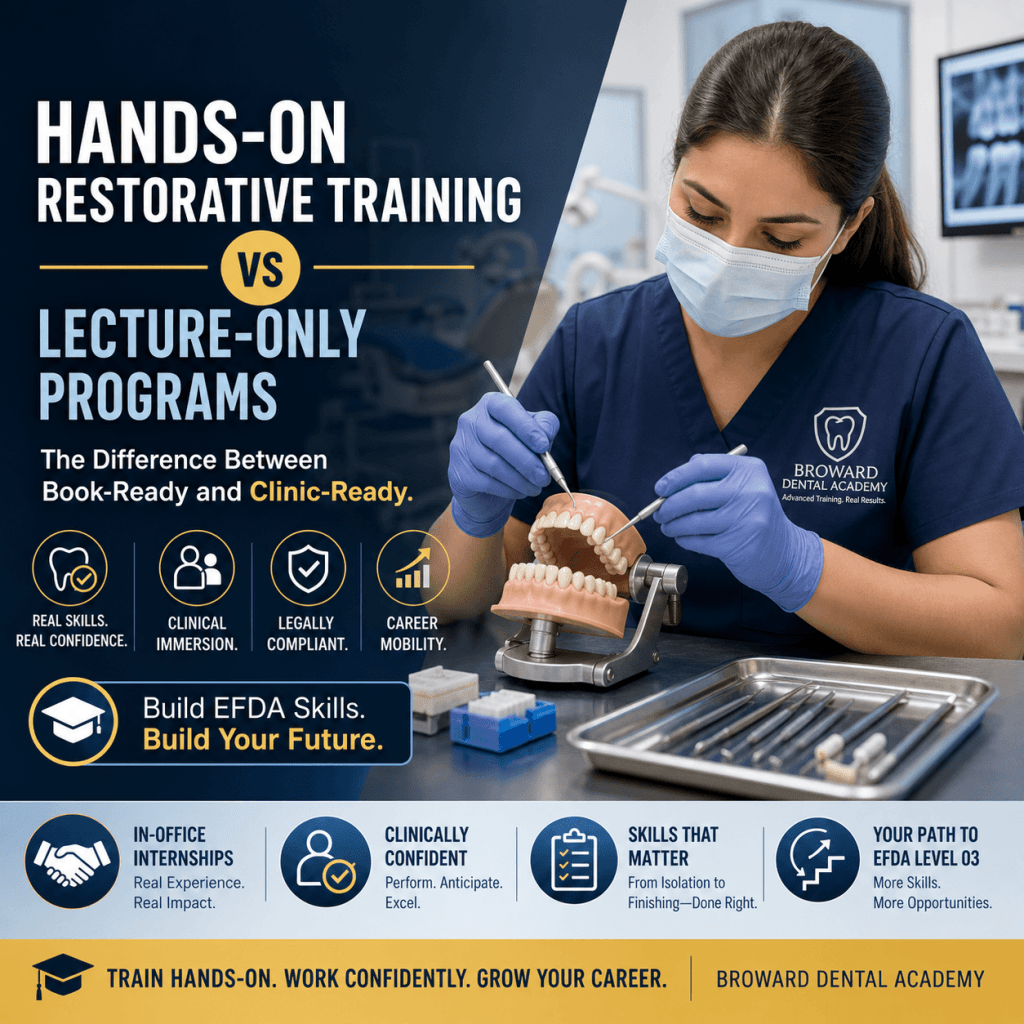
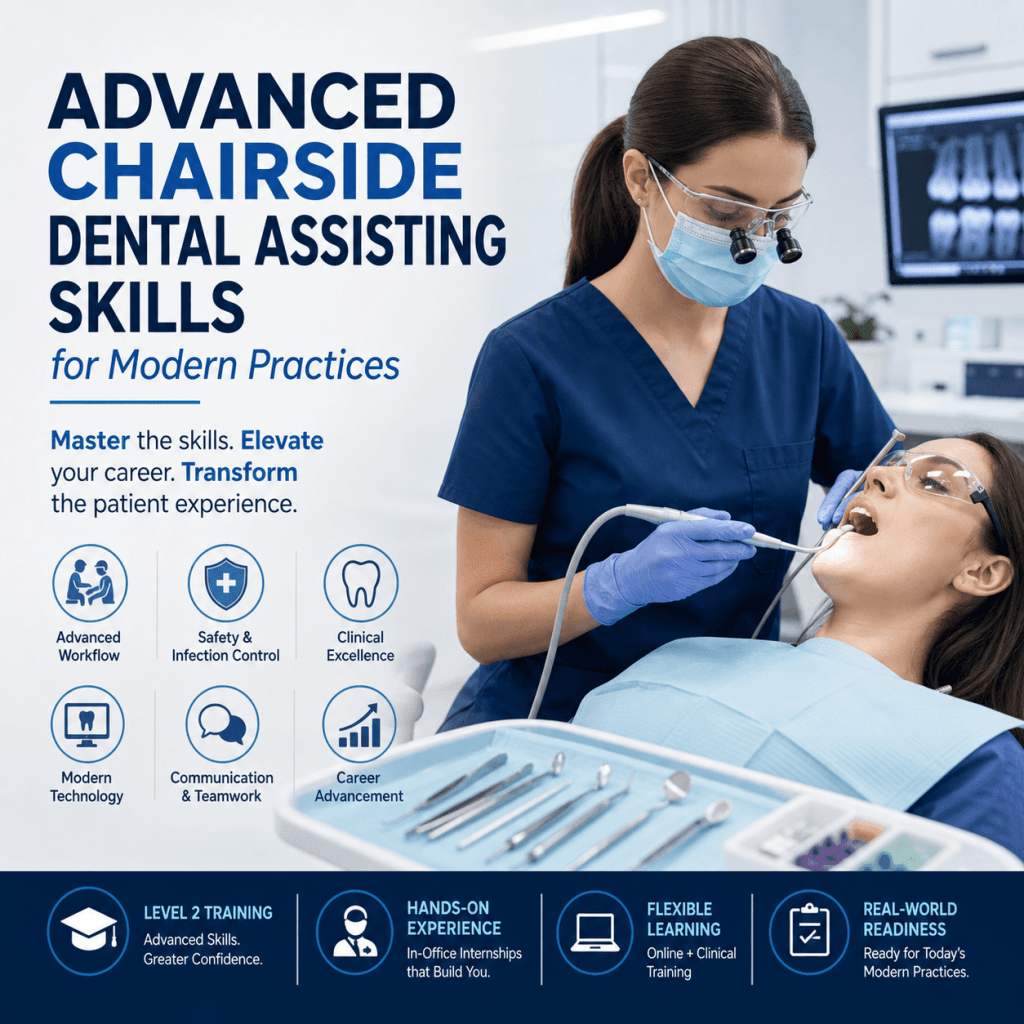
Students learn through immediate immersion in online and clinical settings, with updated eLearning lesson plans that support remote training. Training also includes in-office internships, helping students build real confidence, speed, and professionalism in the flow of an actual practice.
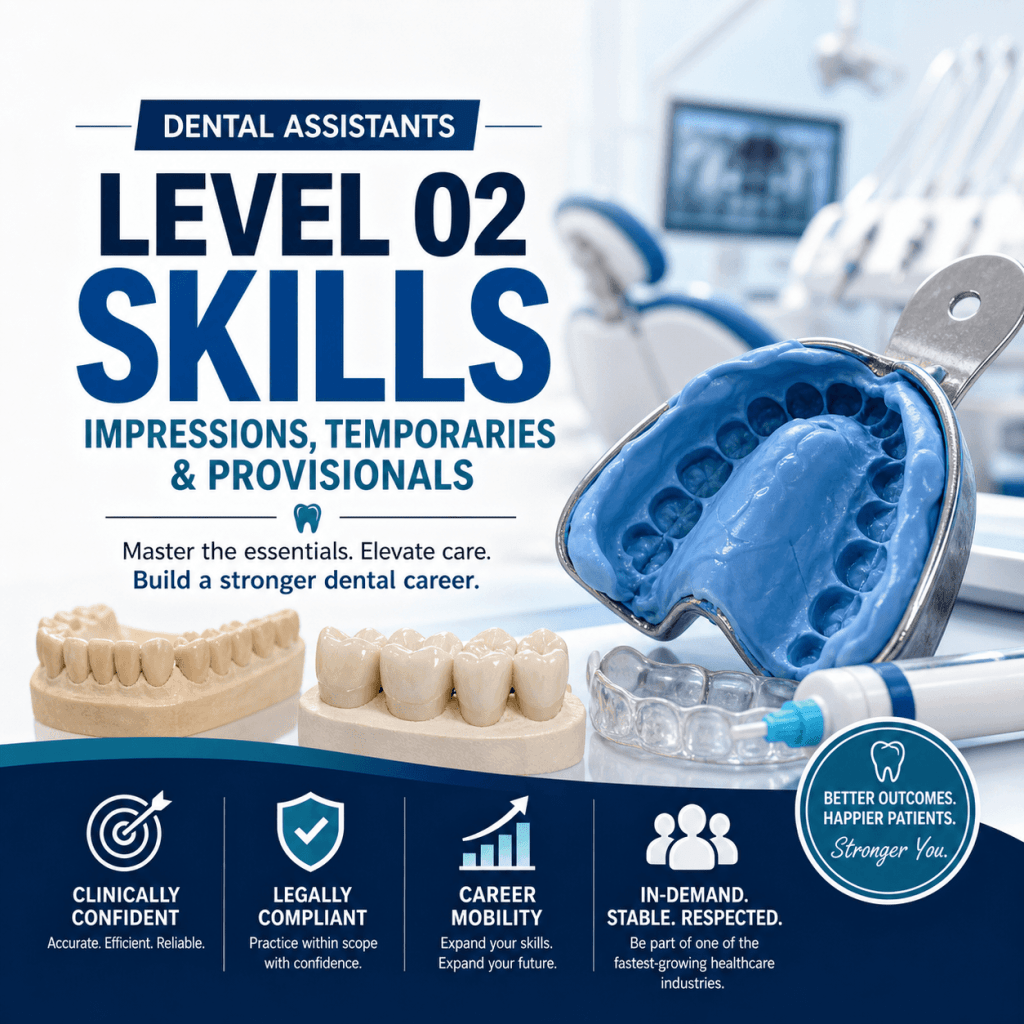
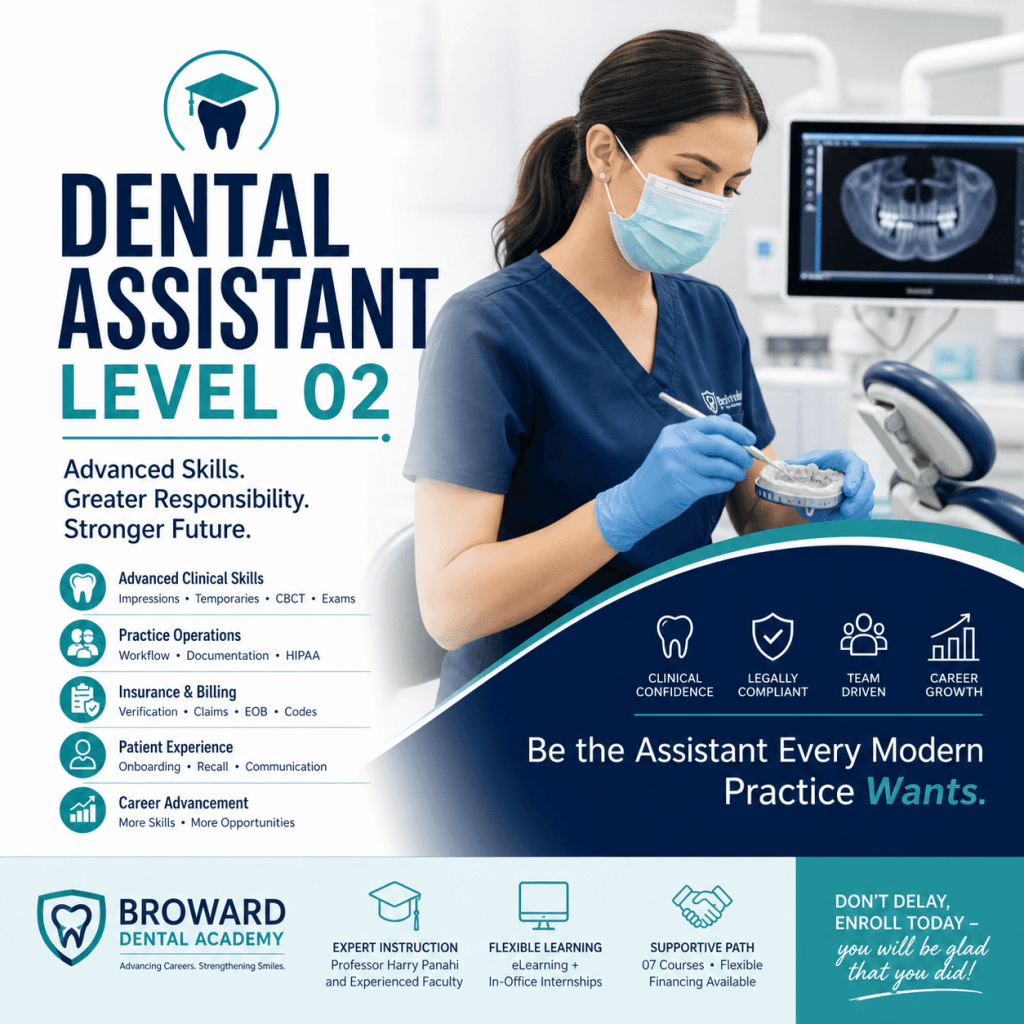
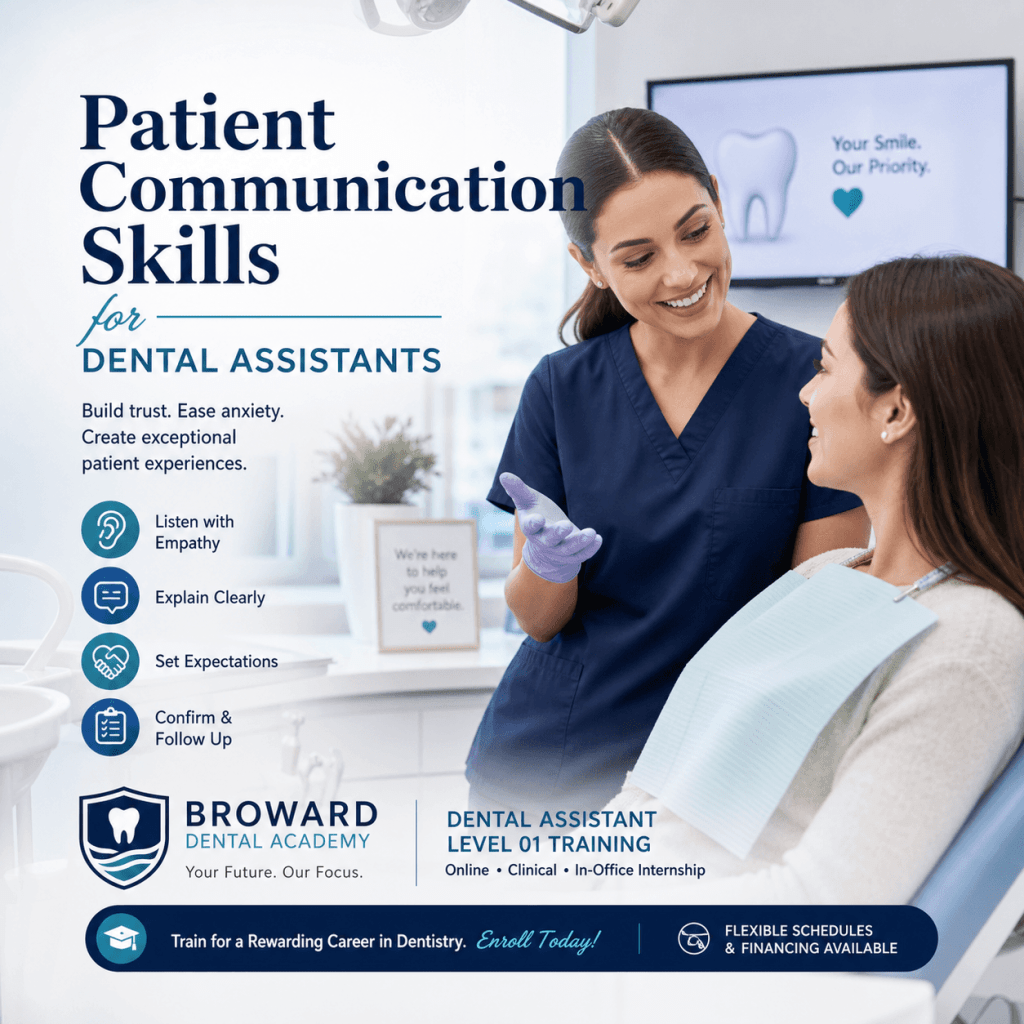
Broward Dental Academy prepares students to become thoroughly trained, legally compliant, and clinically confident professionals who think critically, act ethically, and perform confidently. The academy offers a variety of courses including Dental Assistant Level 01 and Dental Assistant Level 02, along with flexible financing to support both entry into the field and long-term career mobility.
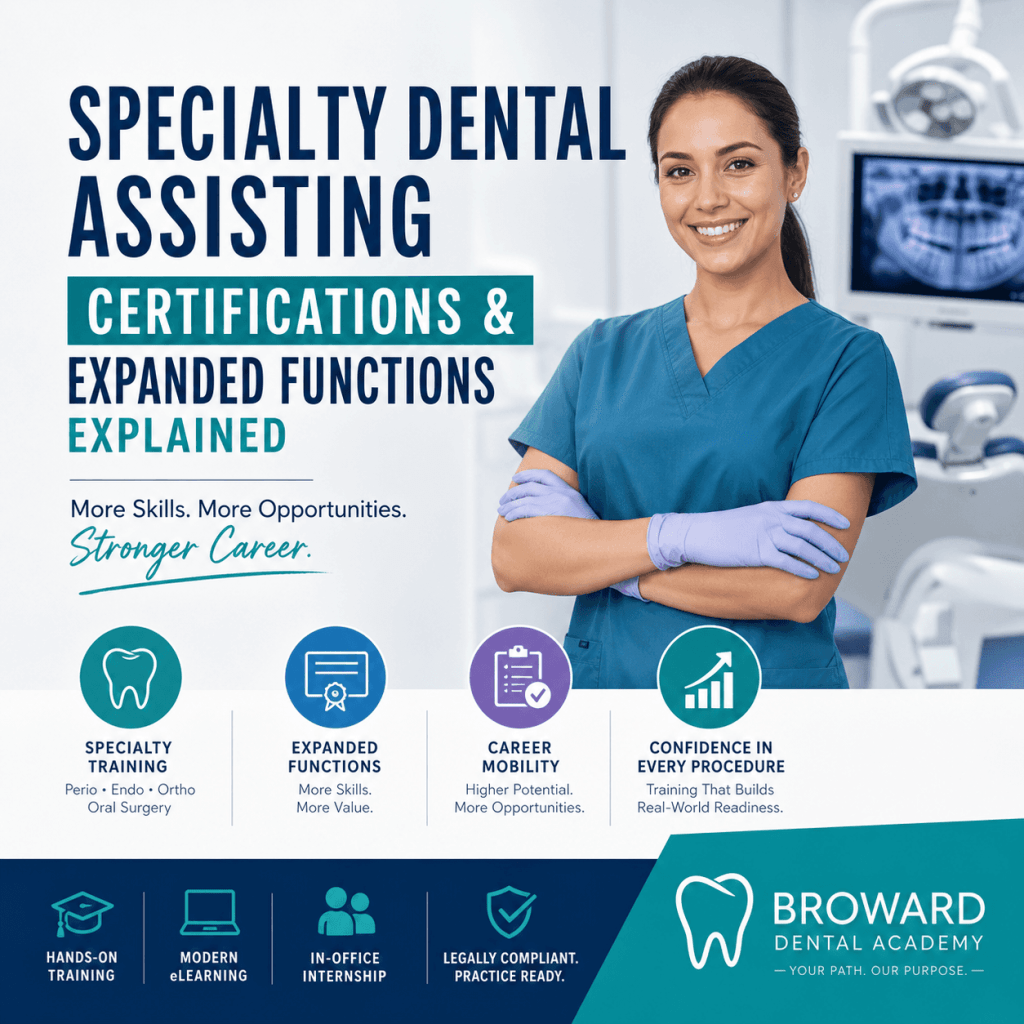
If you are exploring specialty training in periodontics, endodontics, orthodontics, or oral surgery, start here: Specialty Dental Assisting Training (Perio • Endo • Ortho • Oral Surgery).
Next steps: choosing a specialty path and getting hired faster
If you want to move into a higher-paying specialty role, keep it simple:
- Pick one or two specialties to explore first.
- Review local job ads and write down the top required skills.
- Talk to local offices about what they expect from new hires.
- Identify your skill gaps and get targeted training.
- Build a small portfolio of strengths you can speak to clearly in interviews.
Portfolio tips that get attention
Highlight skills that matter in specialty settings:
- Sterile technique and surgical readiness
- Imaging and documentation accuracy
- Scanning, impressions, and records workflows
- Patient education and post-op communication
- Turnover efficiency and instrument organization
If you are ready to take the next step, do not wait for the perfect moment. Don’t delay, enroll today – you will be glad that you did!
FAQs (Frequently Asked Questions)
Why does specialty dental assisting pay differently compared to general dentistry?
Specialty dental assisting often pays differently because it involves more technical, procedure-driven work in faster-paced, higher-complexity environments. Specialty assistants support specific areas like periodontics, endodontics, orthodontics, or oral surgery, requiring advanced skills such as surgical protocols, sedation support, and detailed documentation. Employers value these skills as they protect schedule flow, safety, compliance, and case quality.
What factors influence the salary of a specialty dental assistant?
Salary varies based on specialty type (e.g., perio vs endo), state regulations on expanded functions, practice type and patient volume (private practice, DSO, hospital), experience and certifications (such as hygienist level 03 courses), chairside speed, local cost of living, and hiring competition.
What components are typically included in a specialty dental assistant’s compensation package?
Compensation usually includes base pay (hourly or salary), bonuses (production/collections bonuses, case-start bonuses, surgical assist differentials, on-call pay, performance bonuses), and benefits such as health insurance, paid time off, 401(k) with match, continuing education stipends, uniform allowance, paid certifications (CPR renewal, radiology credentials), and tuition assistance.
How does schedule flexibility impact the annual earnings of a specialty dental assistant?
Schedule flexibility can significantly affect earnings. While a four-day workweek might seem like reduced income if hourly rates stay the same, extended hours or high-production schedules can offset this. Assistants may increase income by taking PRN shifts, working in extended-hours specialty practices, or covering multiple offices within the same group.
What questions should I ask during an interview to compare specialty dental assistant job offers effectively?
Key questions include: Is pay hourly or salary? Is overtime paid? What is the expected weekly schedule and typical end time? Are there bonuses and how are they calculated? Are there on-call responsibilities? What benefits are included and when do they start? Does the practice cover costs for continuing education (CE), CPR renewal, radiology credentials or specialty training? What growth opportunities exist at 6 and 12 months?
How does geography affect specialty dental assistant salaries?
Geography impacts salaries through differences in local cost of living and demand. Metro areas often offer higher pay than rural areas but may not always compensate enough to offset higher rent and commute costs. When comparing offers across locations, consider benefits value, overtime opportunities, stability of hours alongside base pay to assess true earning potential.