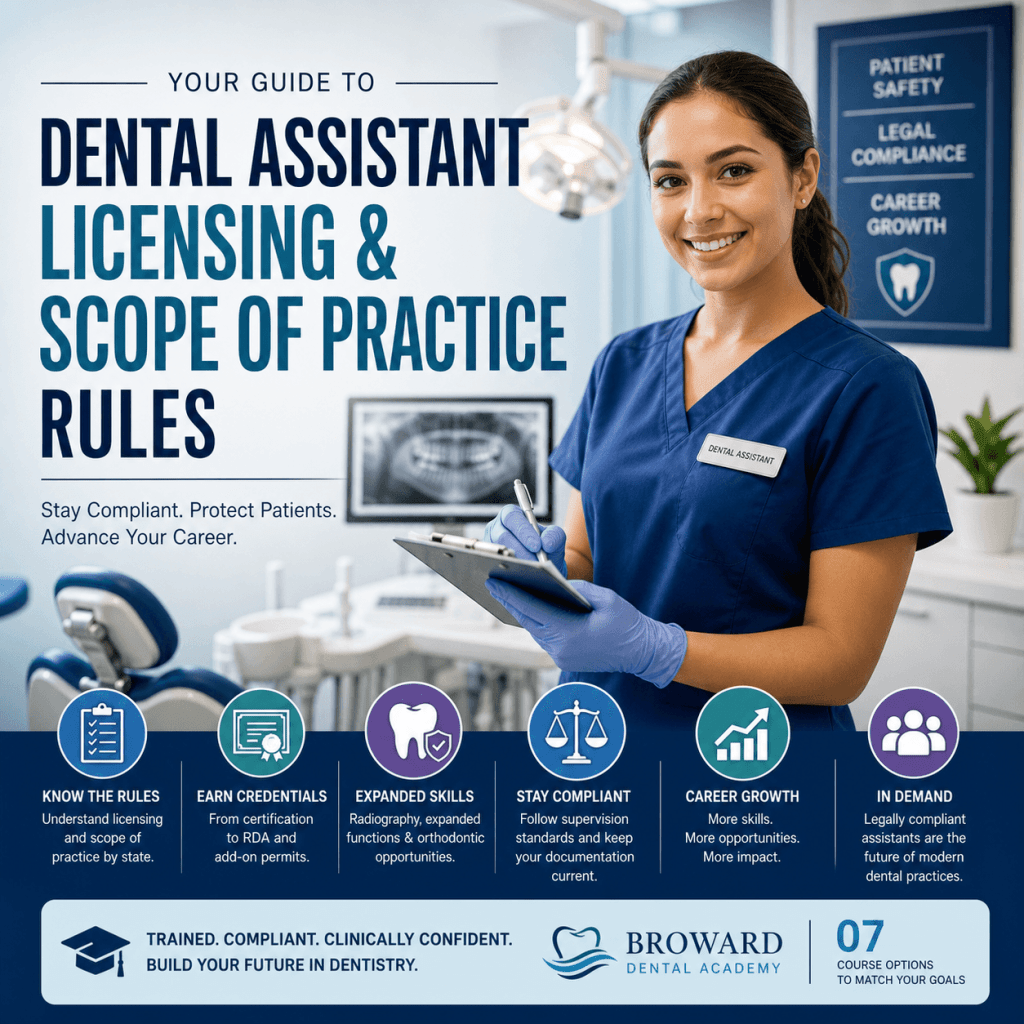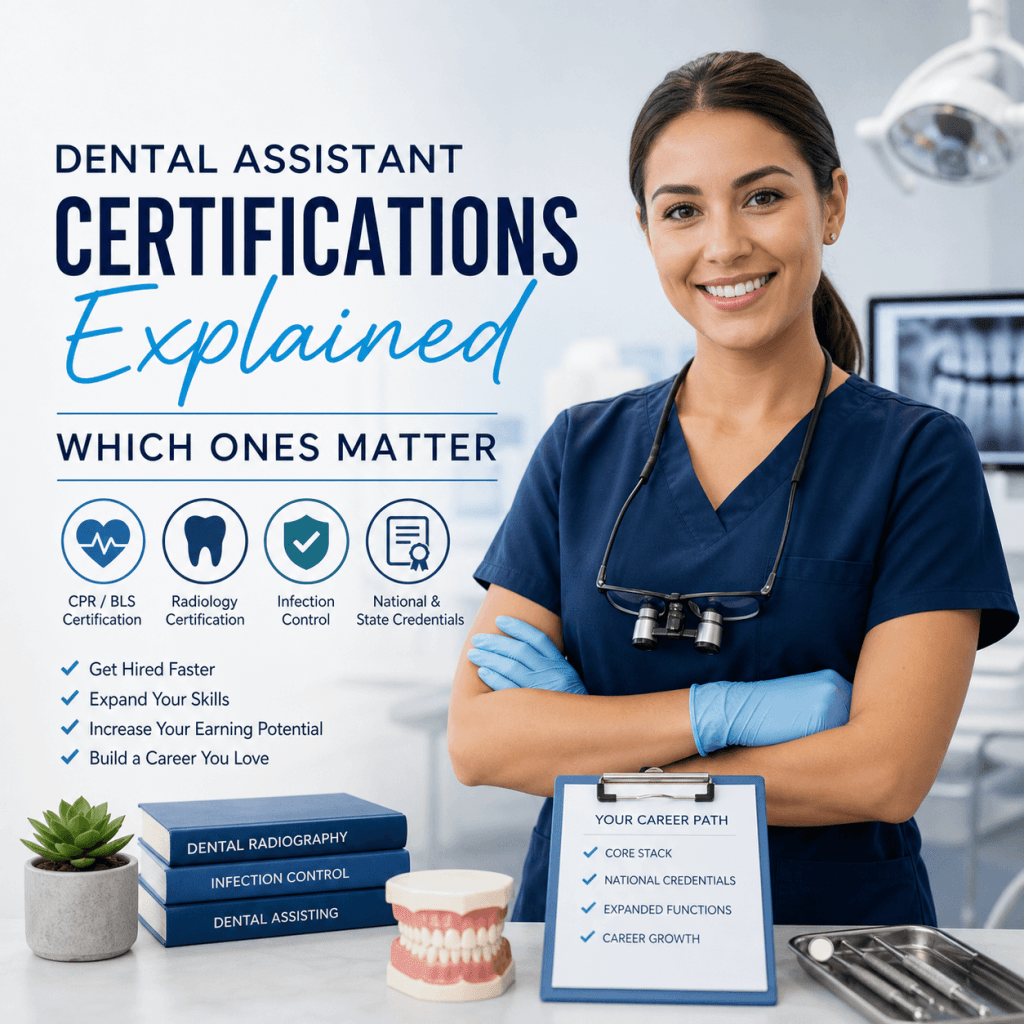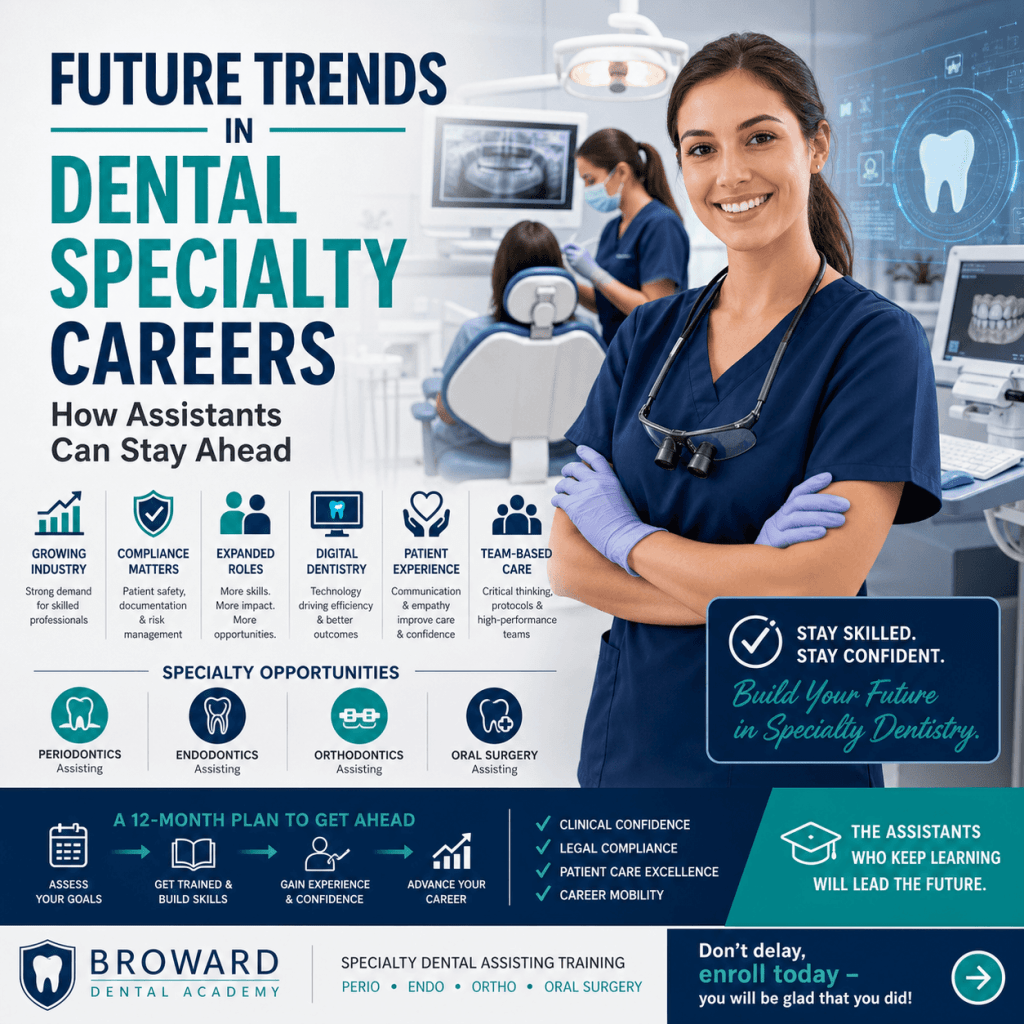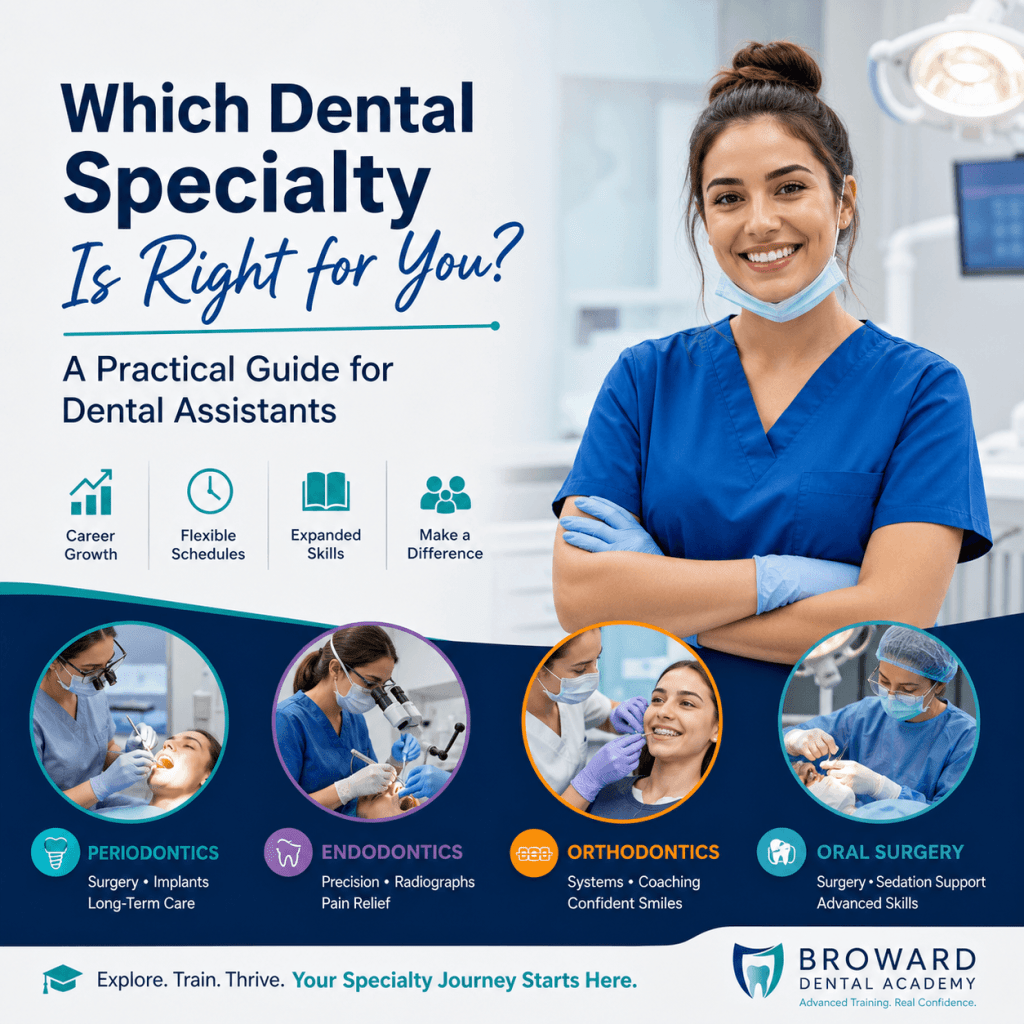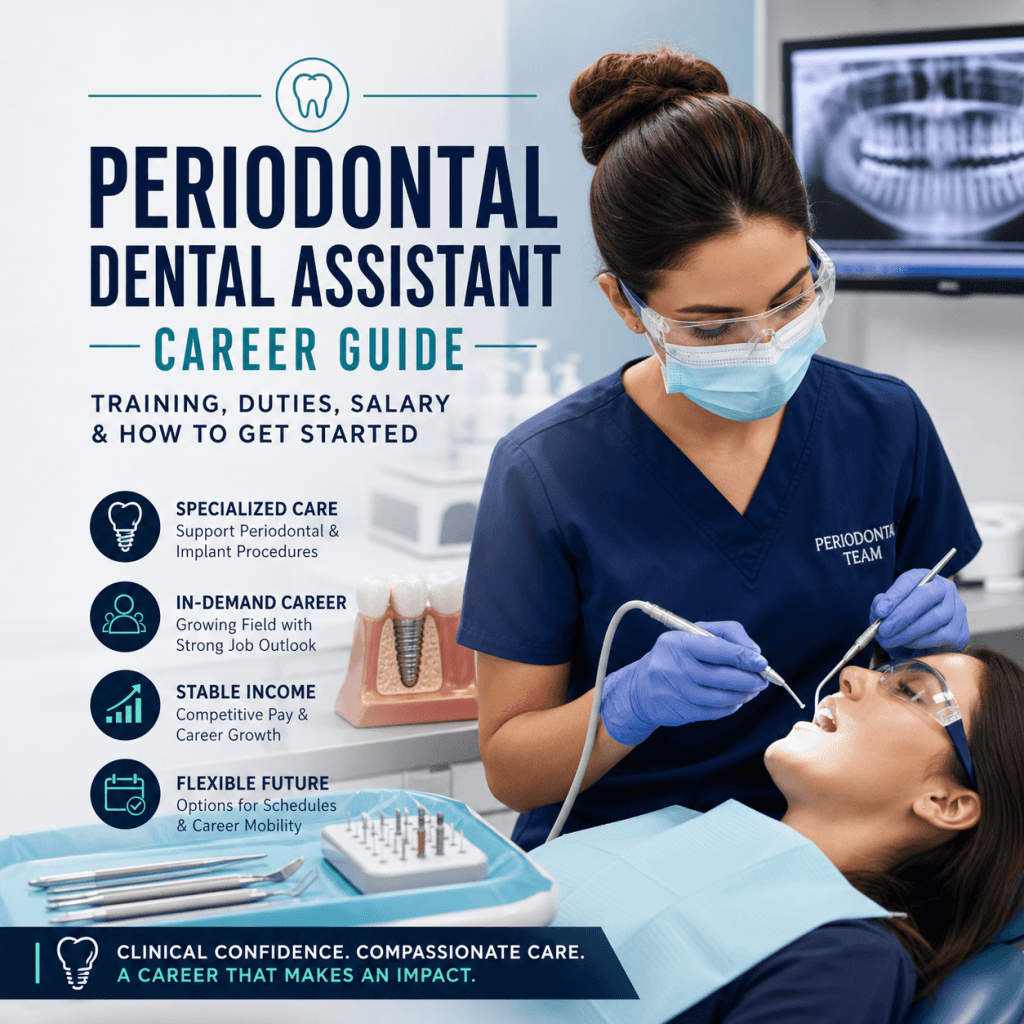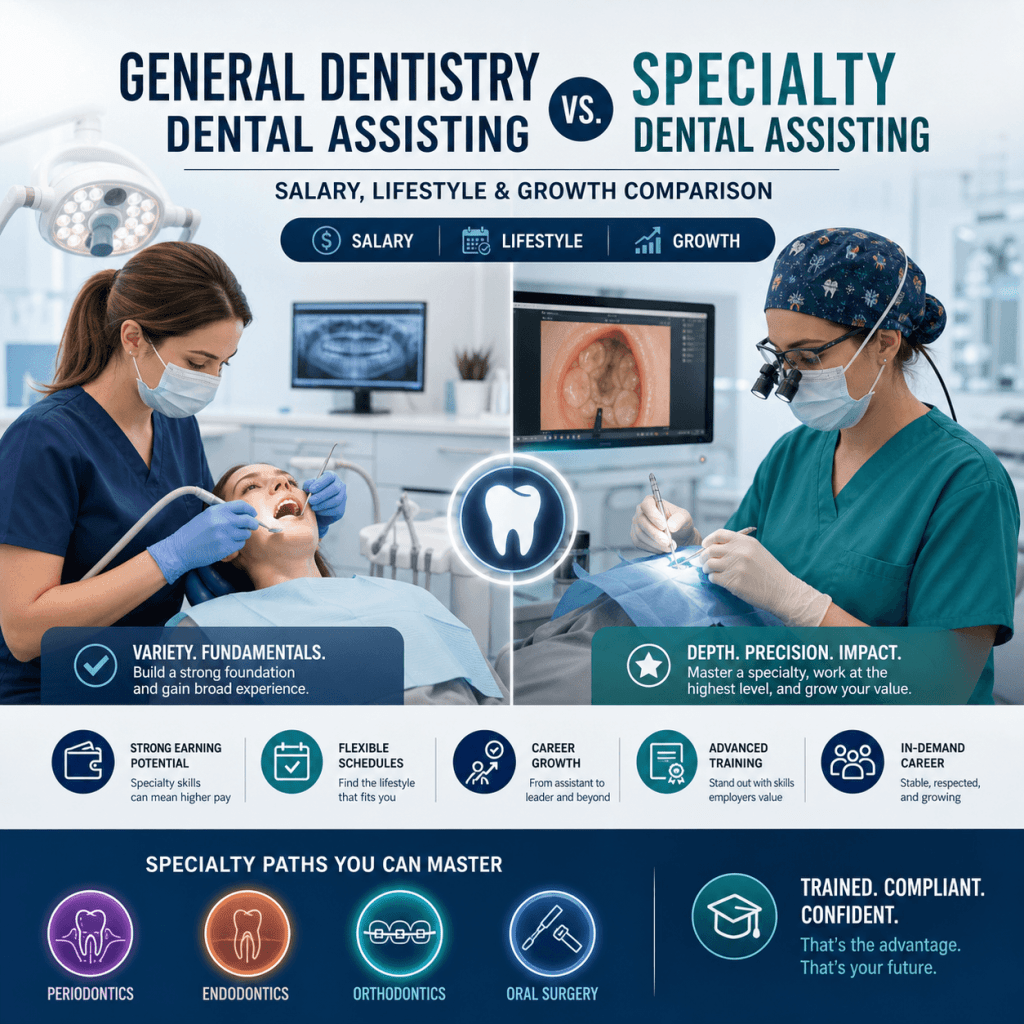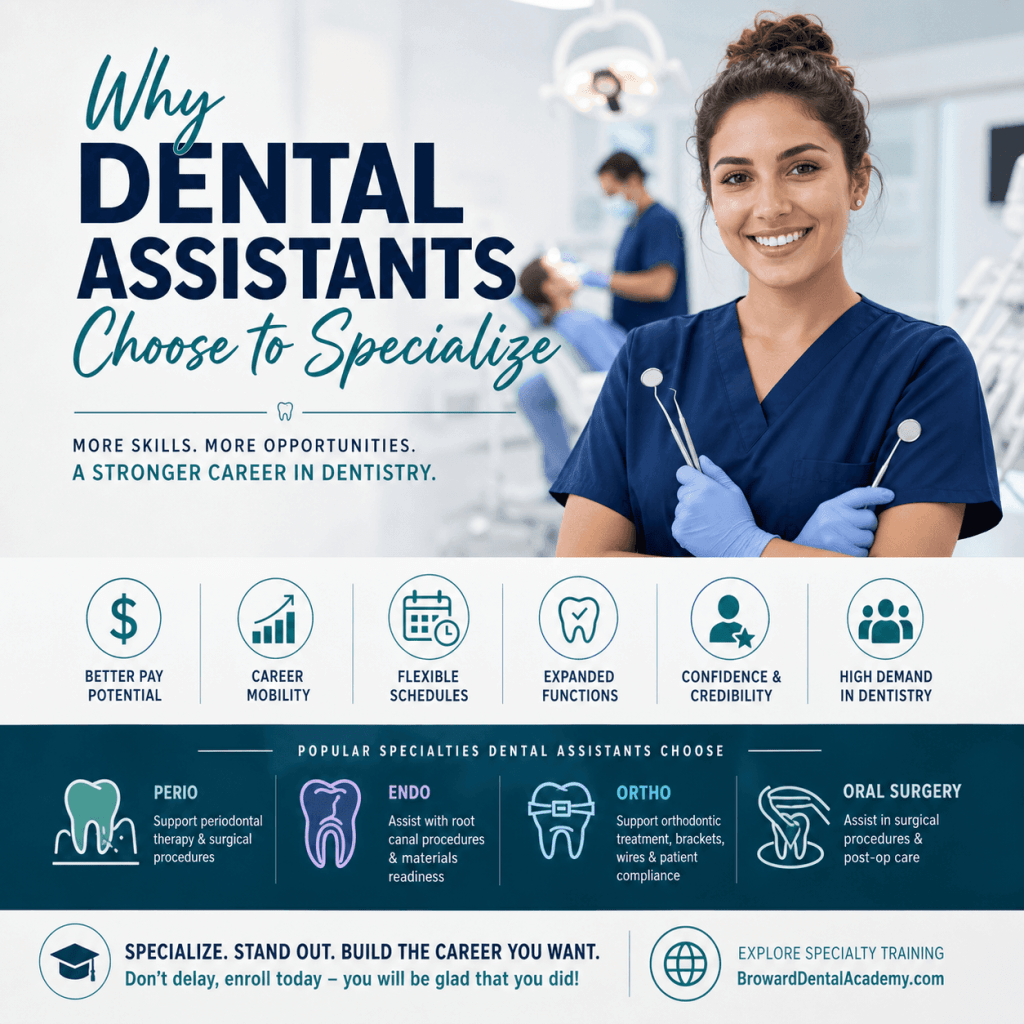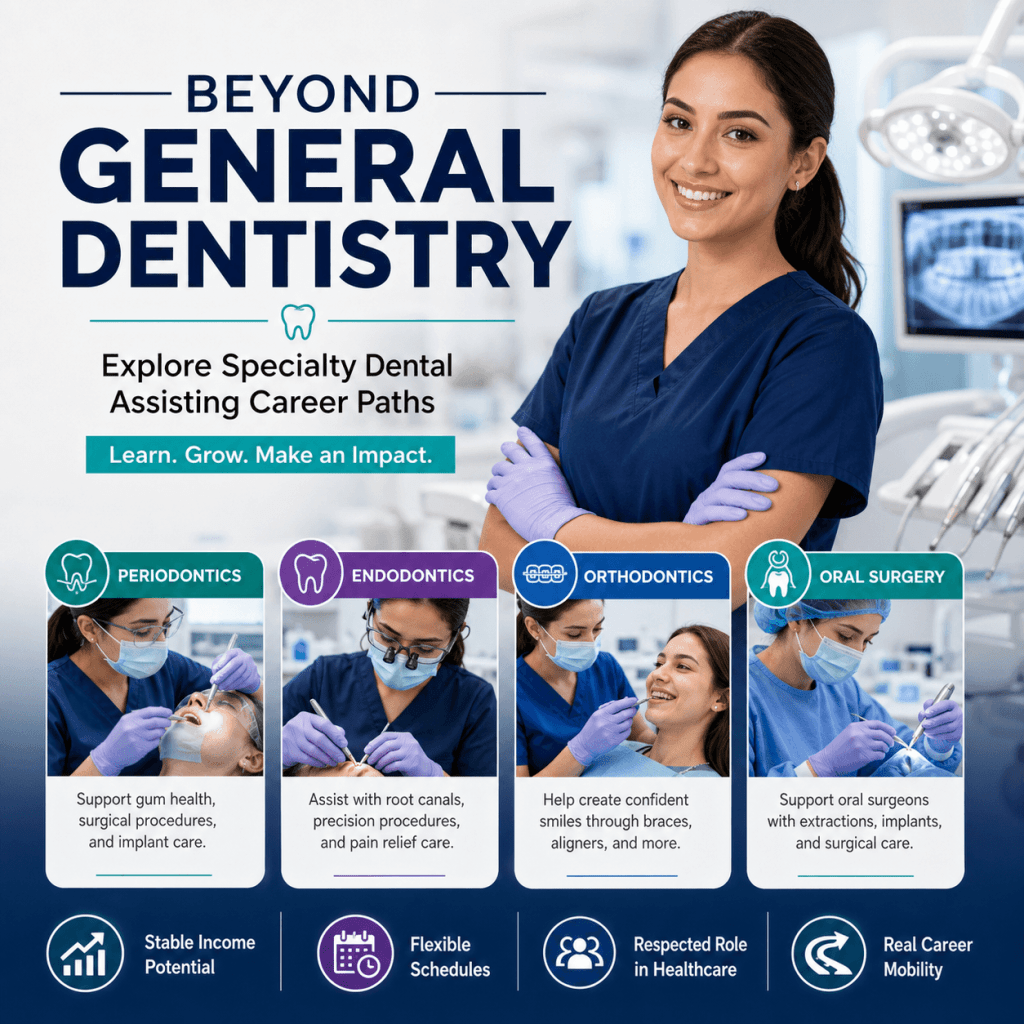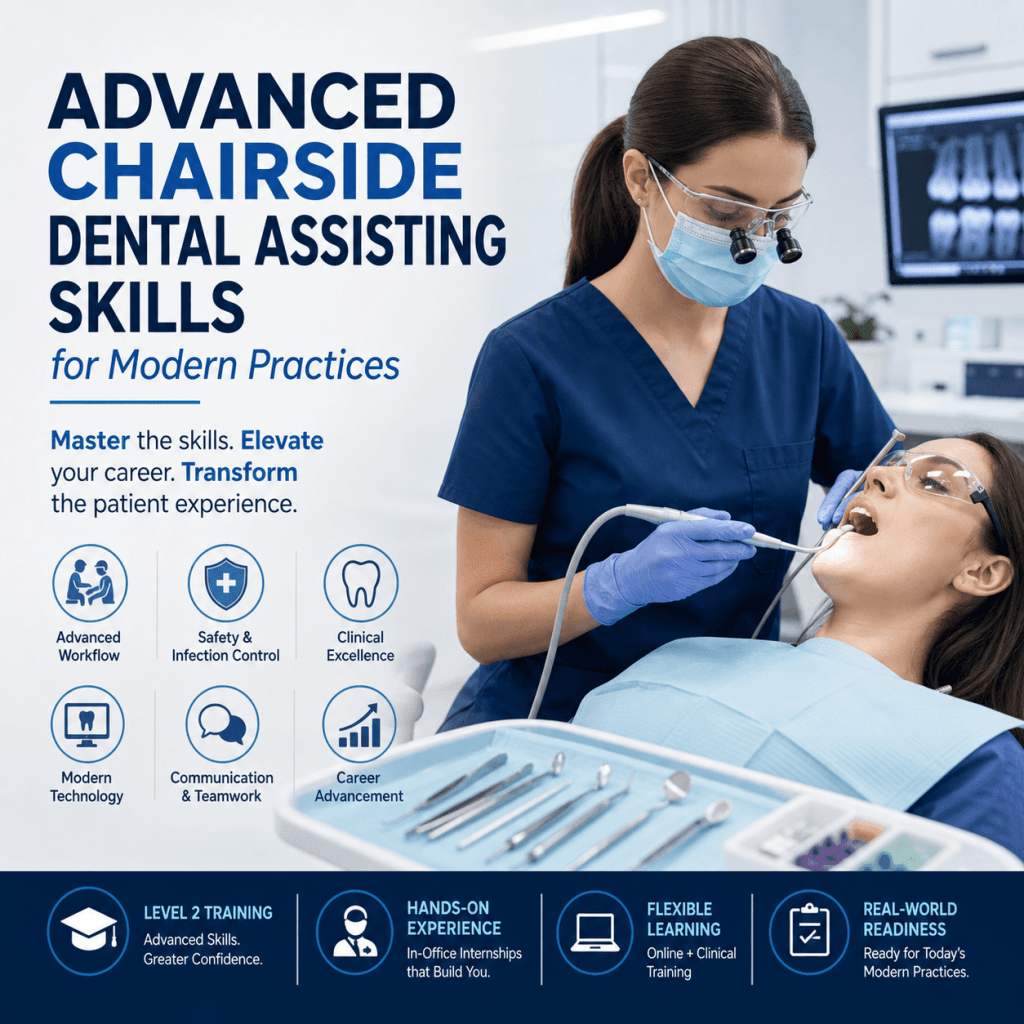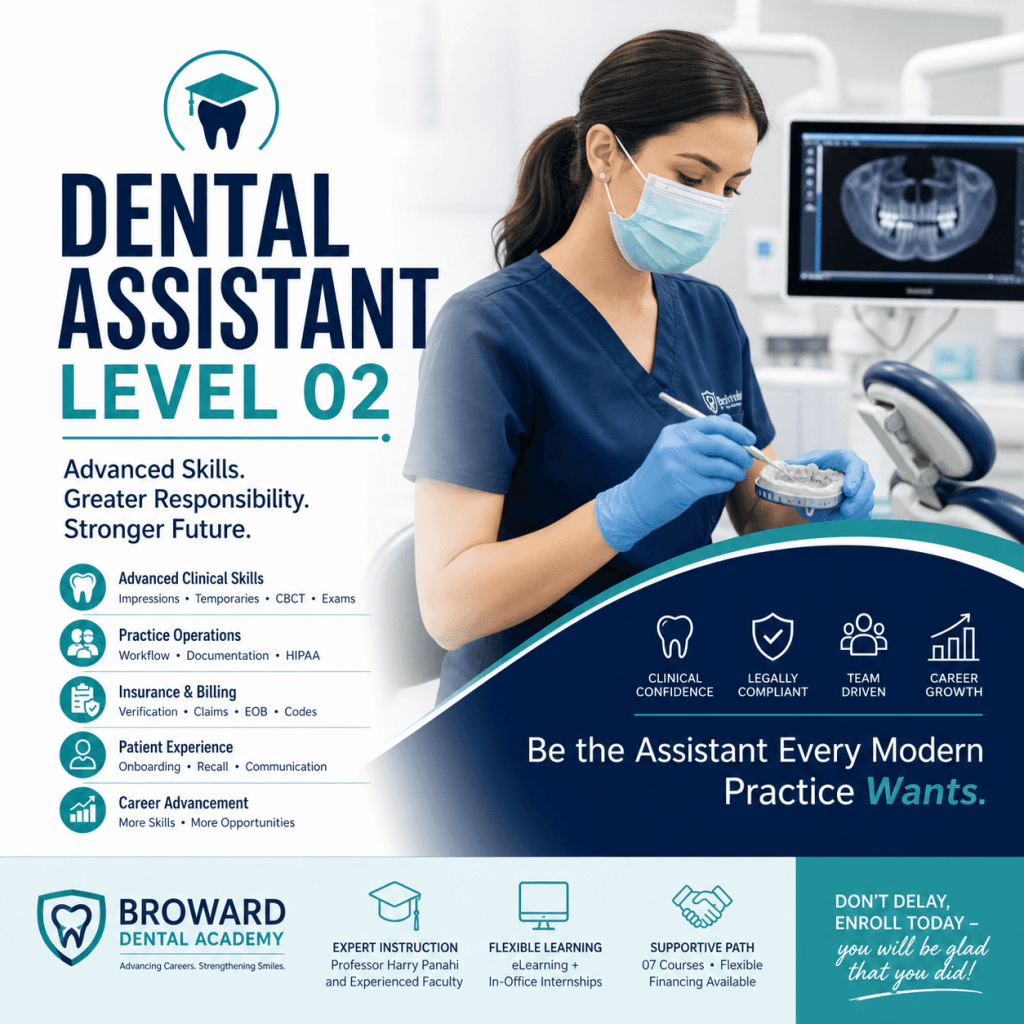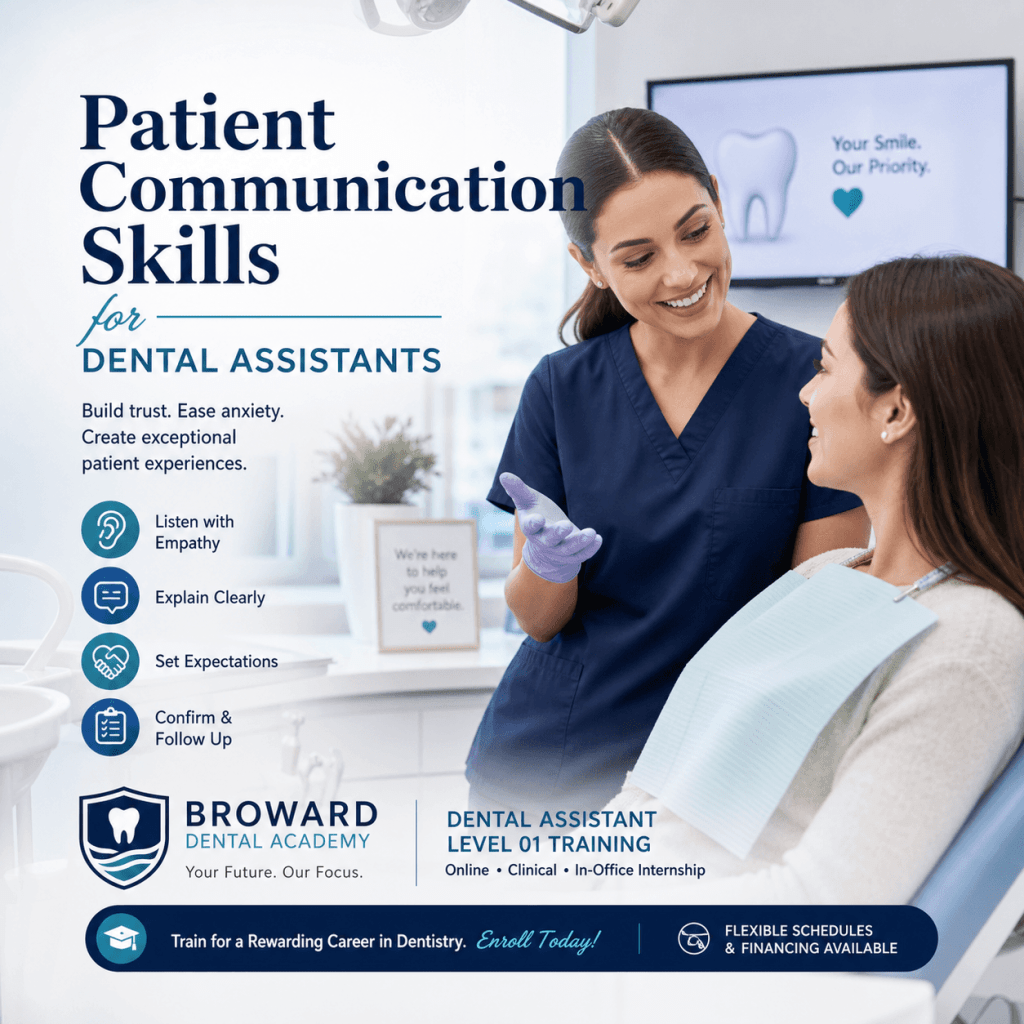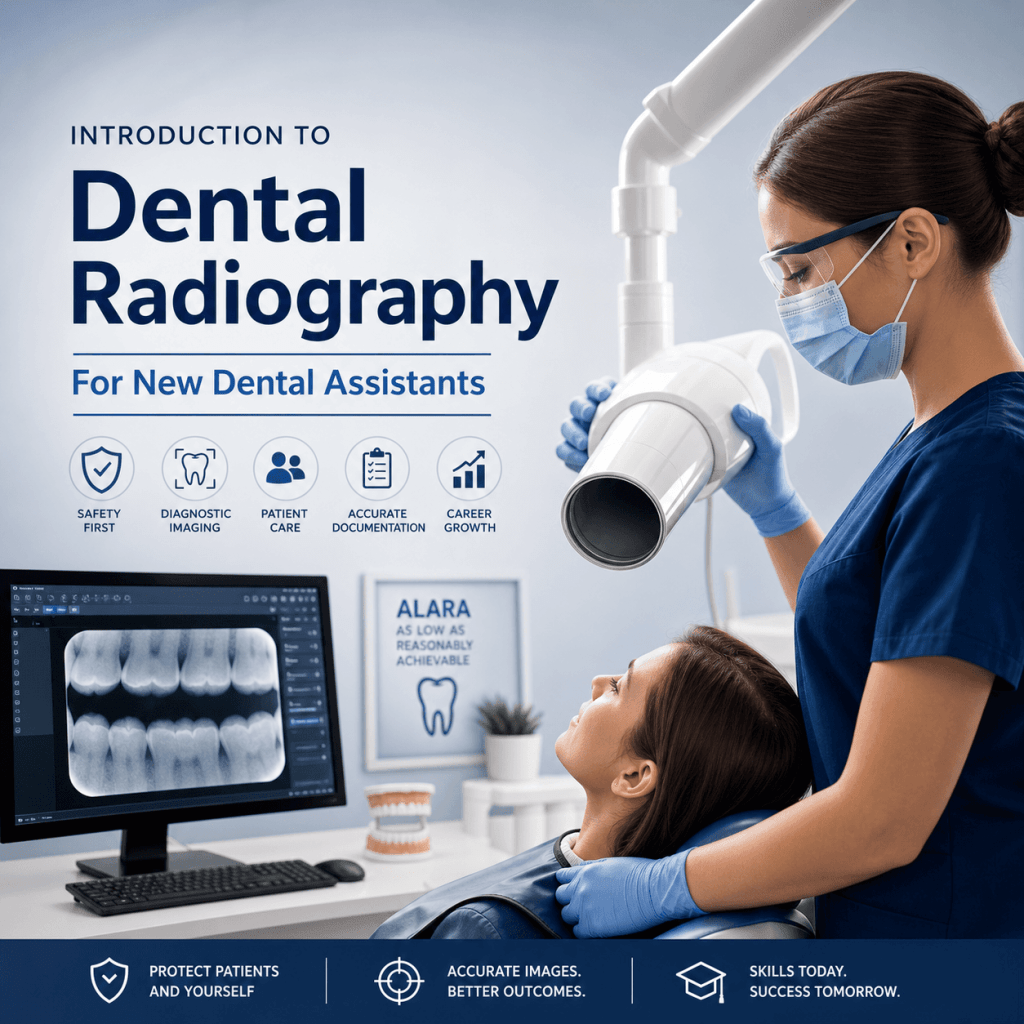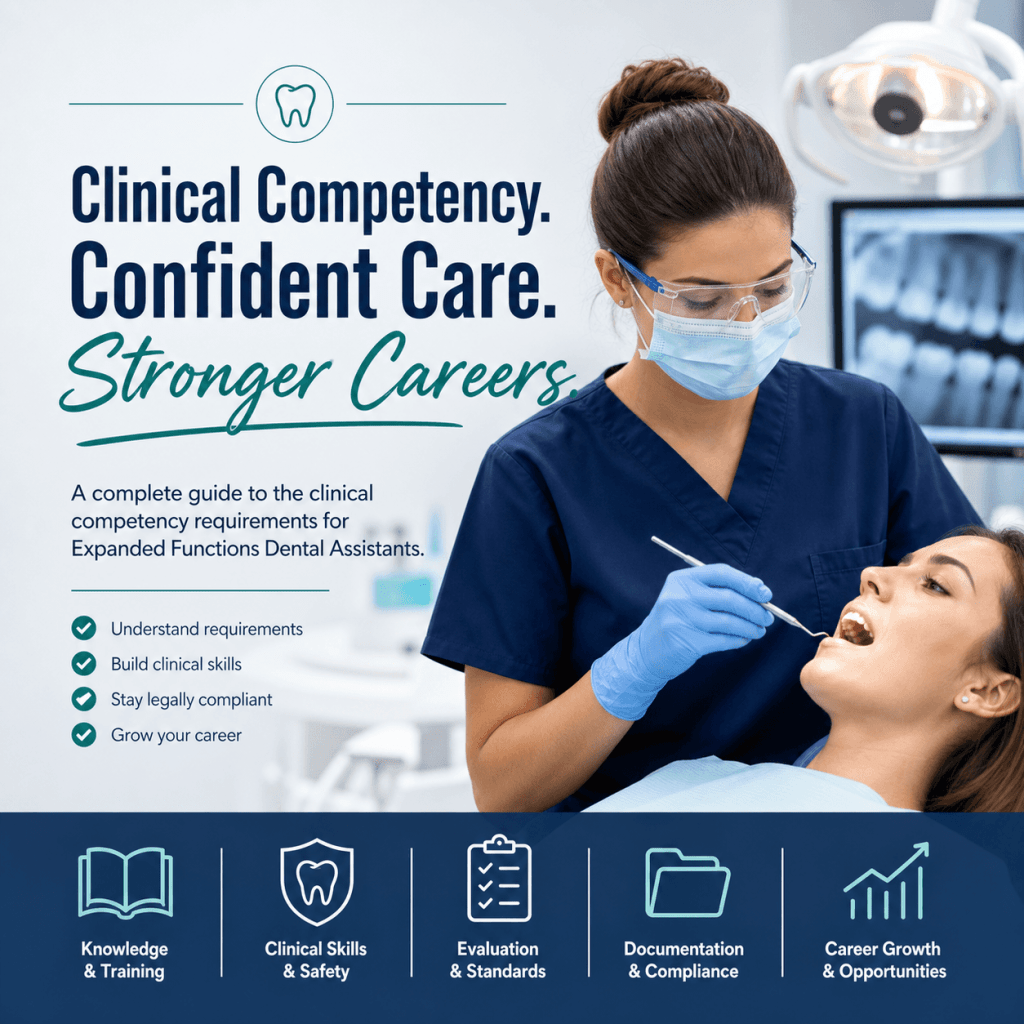
Clinical competency is the standard that proves you can do the work safely and consistently, not just explain it in a classroom. If you are pursuing expanded functions, such as oral surgery, orthodontics, endodontics, or periodontics, competency becomes the difference between “I’ve seen it” and “I can perform it correctly under the right level of supervision.” Understanding Dental Assistant clinical competency is crucial for achieving these functions.

Why “clinical competency” matters for expanded functions dental assistants
Dental Assistant clinical competency ensures you meet the necessary qualifications to perform effectively in your role.
Clinical competency, in plain language, means you can perform an expanded function safely, consistently, and to the standard of care, under the correct level of supervision allowed by your state.
When you move into expanded functions, several things change at once:
- Higher responsibility: Expanded functions often tie directly to restorative outcomes, comfort, and long-term oral health.
- More direct impact on patient outcomes: Small errors in contour, contact, or occlusion can create big problems later.
- Tighter documentation and oversight: Training records, clinical evaluations, and employer protocols matter more because the risk profile is higher.
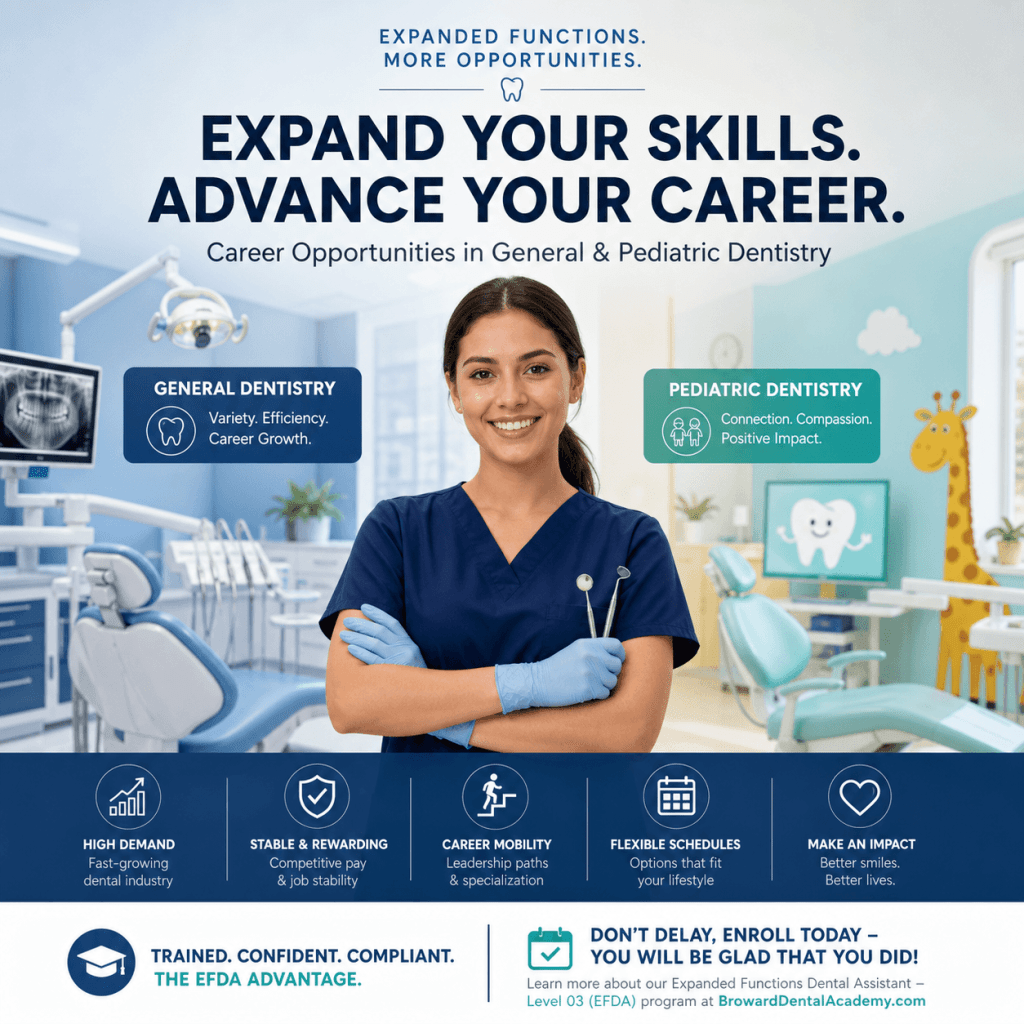
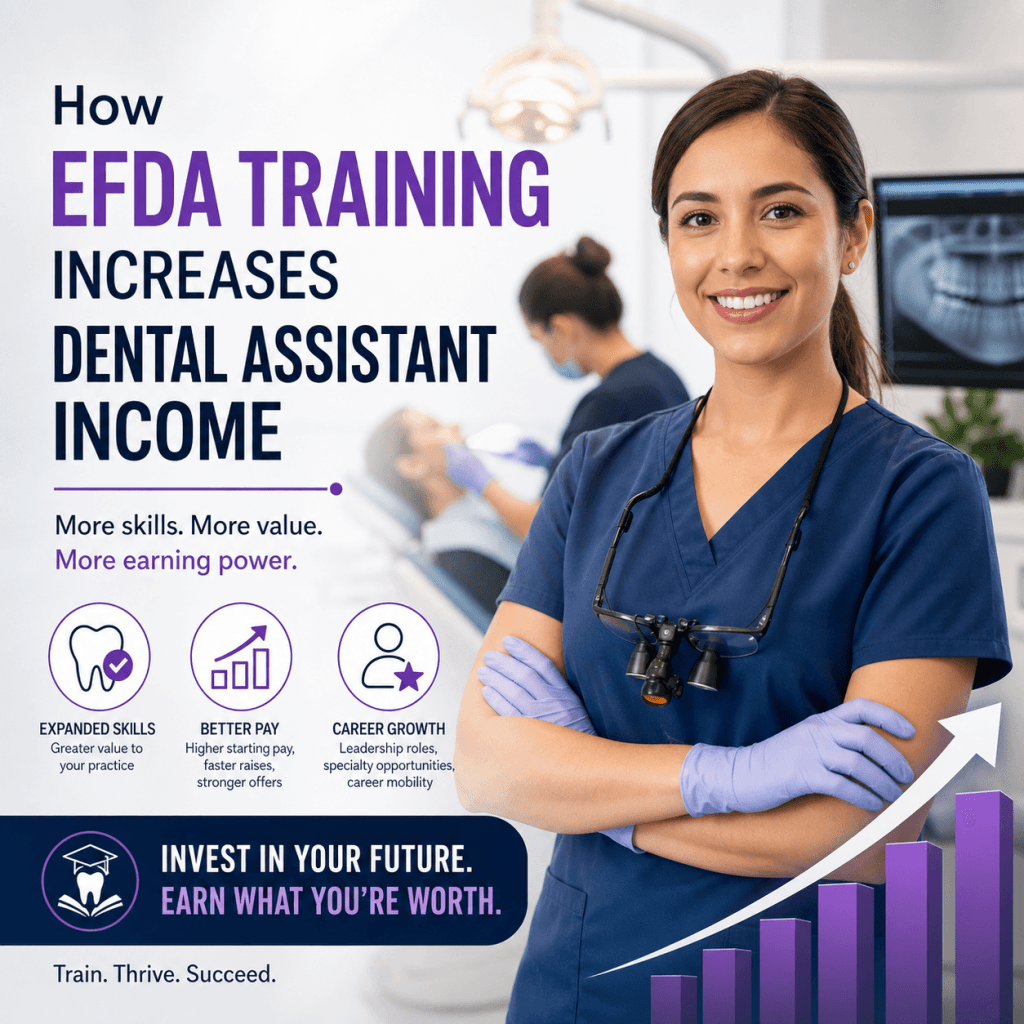
Competency also connects directly to career benefits. Expanded functions can open doors to more stable income potential, flexible schedules, and stronger career mobility through advanced credentials. It is also a respected clinical support role, and practices increasingly rely on expanded-function assistants to maintain efficient, high-performance workflows.
One important note: requirements vary by state and by function. The goal of this article is to explain the typical clinical competency expectations you will see across board-approved programs and common EFDA pathways, plus how to prepare to meet them.
What counts as an “expanded function” (and what it doesn’t)
Basic chairside duties generally include tasks like preparing the operatory, assisting during procedures, suctioning, instrument transfer, and supporting patient flow. Expanded functions, by contrast, typically involve tasks with greater clinical complexity, often connected to restorative or preventive services.
Expanded functions are also permission-based. That means they are regulated by state dental boards and usually tied to formal training and assessment. In most states, it is not enough to learn a skill informally in an office. The legal authority to perform it is connected to state rules.
Common examples that people associate with expanded functions dental assistant pathways include:
- Placing or finishing restorative materials (scope varies by state)
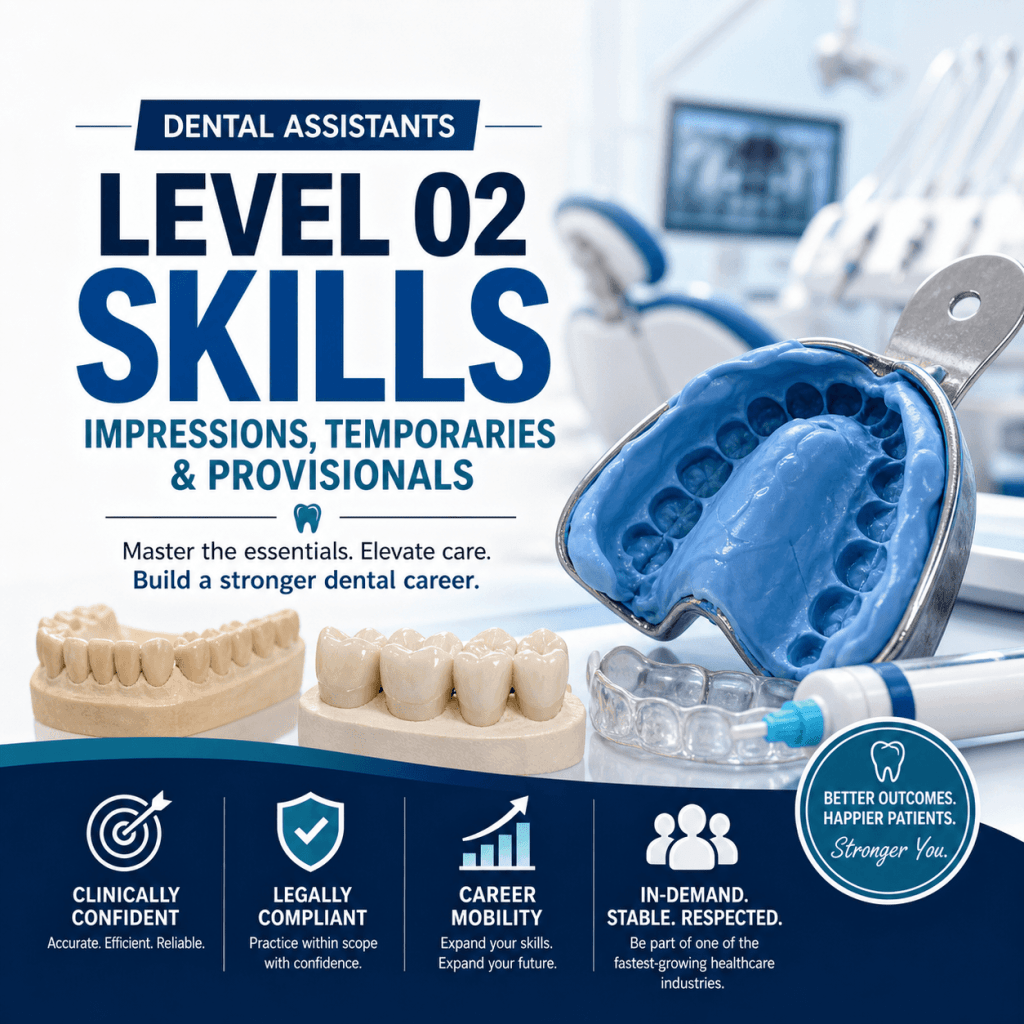
- Taking final impressions (where permitted)
- Coronal polishing (where permitted)
- Placing sealants (where permitted)
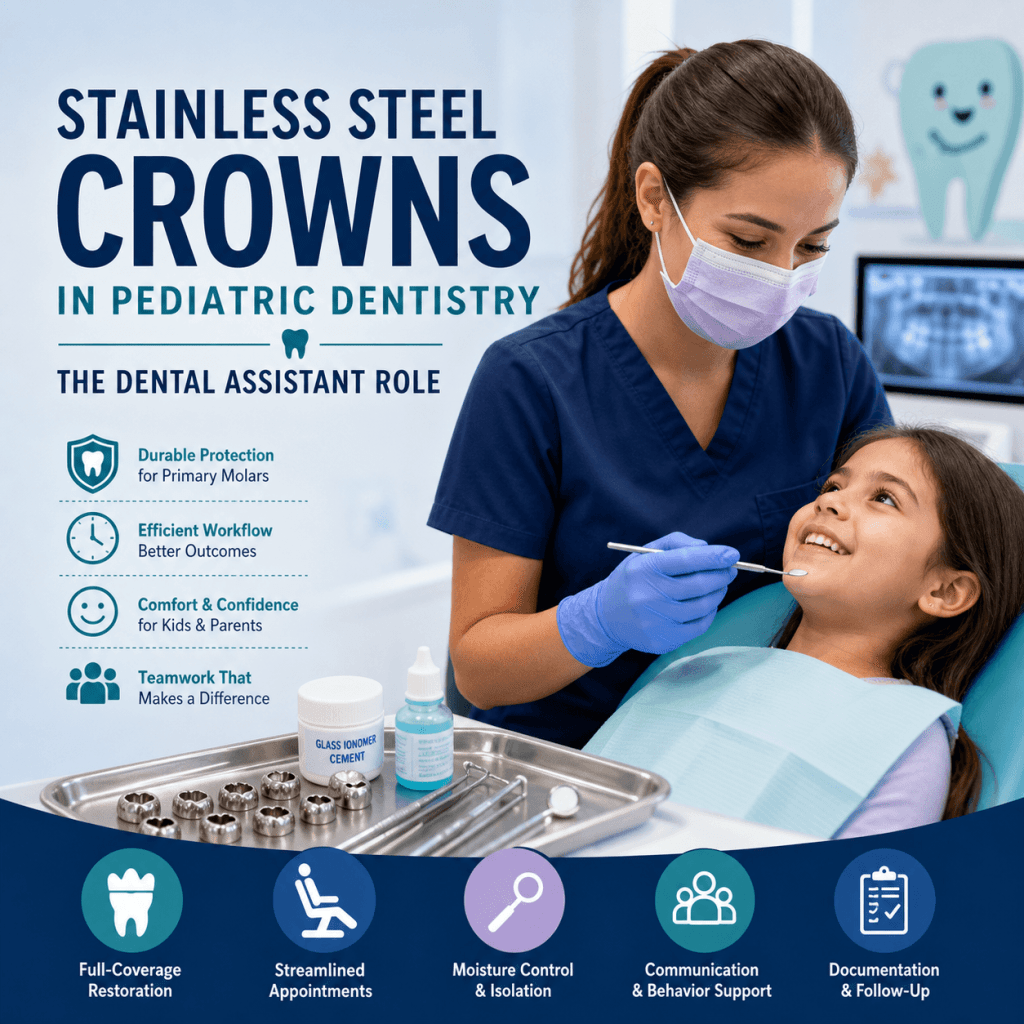
- Temporary crowns and temporization steps
- Other restorative support functions tied to board rules
To acquire such certifications, one must undergo formal training and assessment.
Supervision level is part of the definition. Your state may specify whether an expanded function requires:
- Direct supervision (dentist is present and actively supervising)
- Indirect supervision (dentist is on-site and available)
- General supervision (dentist authorizes the procedure but may not be in the facility)
A quick reality check: expanded functions are not shortcuts. Clinical competency is evaluated clinically, which means the evaluator cares about your process and your outcome, not just whether you can pass a written exam.
For more information on the specific requirements and frequently asked questions regarding expanded functions, visit this link.
Core clinical competency requirements most programs and boards look for
Most programs and boards evaluate competency across a few core domains. The wording differs, but the expectations are usually similar.
Competency domains to expect
- Knowledge: Knowing indications, contraindications, materials, and steps.
- Clinical skills: Performing the procedure correctly and efficiently.
- Patient safety: Infection control, prevention of harm, and appropriate escalation.
- Professionalism: Communication, ethics, and teamwork under pressure.
- Documentation: Accurate charting and proof of training and evaluation.
Clinical safety baseline
Before you can be signed off for expanded functions, you will typically need to demonstrate a reliable safety foundation, including:
- Infection control standards and consistent PPE use
- OSHA awareness in daily workflow
- HIPAA awareness and patient privacy habits
- Sterilization workflow and instrument processing
- Proper operatory setup and breakdown
- Sharps safety, injury prevention, and incident reporting basics
Quality standards that matter in real dentistry
Many expanded functions connect to restorative quality. Evaluators often focus on details like:
- Margins and contour: Overhangs or open margins can irritate tissue and trap plaque.
- Contacts: Too tight, too open, or poorly shaped contacts can create food impaction.
- Occlusion basics: High spots can cause pain, sensitivity, fracture, or premature failure.
- Finishing and polishing: Rough surfaces can increase plaque retention and staining.
To ensure optimal patient safety during these procedures, it’s crucial to adhere to certain clinical safety protocols.
Consistency under supervision
Competency is rarely a one-and-done event. Programs usually require you to do the procedure correctly multiple times under supervision before you are signed off. This is a major difference between “exposure” and “competence.”
Ethics and scope-of-practice
A core competency requirement is staying within what you are authorized and trained to do. Out-of-scope work can lead to:
- Patient harm
- Employer liability
- Board action
- Loss of credential eligibility
Competent expanded-function assistants understand not only how to do the procedure, but also when to pause and involve the dentist.
Typical pathway to expanded functions certification (step-by-step)
While details vary by state, most pathways follow a similar structure.
Step 1: Meet baseline dental assistant requirements
Start by confirming entry requirements for your role and state. Depending on where you work, that may involve:
- Dental assisting education or entry-level training
- CPR certification (often required by employers and many programs)
- Office onboarding policies and clinical safety training
Step 2: Verify your state’s expanded functions rules
Before enrolling anywhere, verify your state’s rules for the specific functions you want. States may require:
- A board-approved course
- A permit or registration
- A clinical exam (live patient or simulation)
- A specific credential or documented clinical hours
If you plan to move or work across state lines, check both locations early.
Step 3: Complete board-aligned education and hands-on training
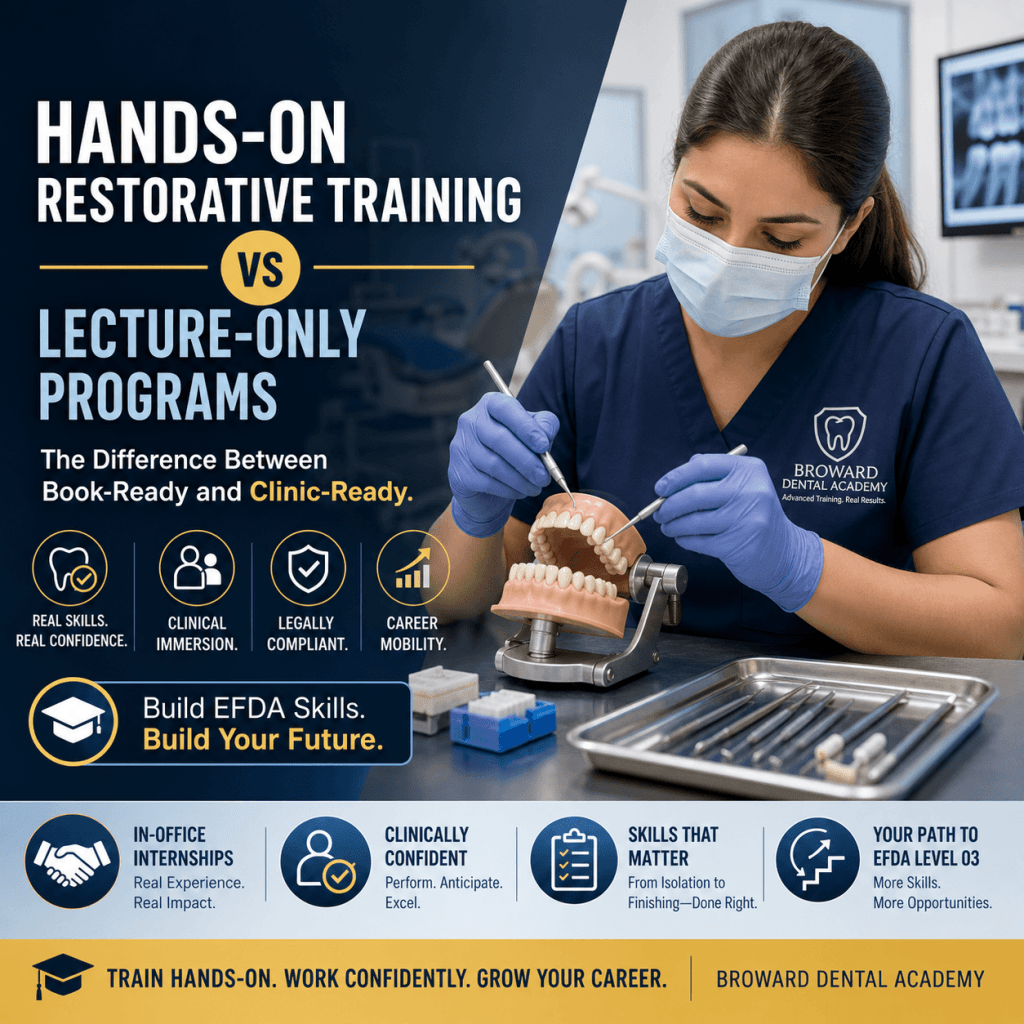
Expanded functions require more than lecture. Strong programs combine theory with structured clinical practice so you learn indications, materials, sequencing, and complication prevention.
For those seeking such comprehensive training in dental assisting with expanded functions, institutions like Broward Dental Academy offer valuable resources and programs.
Step 4: Demonstrate clinical competency through evaluation
Competency evaluations may be completed on live patients, manikins, or simulation-based setups depending on the function and state rules. Scoring commonly reflects:
- Critical errors: Safety or standard-of-care failures that result in an automatic fail.
- Minor errors: Correctable issues that still affect quality.
To successfully pass these evaluations, it’s crucial to understand the evaluation process and prepare accordingly.
Step 5: Submit documentation and maintain your credential
Once completed, you typically submit proof such as certificates, transcripts, and clinical sign-offs, then maintain eligibility through continuing education and renewals as required.
Where people get stuck most often:
- Missing prerequisites or enrolling in the wrong course type
- Not getting enough clinical repetitions to earn a sign-off
- Weak documentation, incomplete logs, missing signatures
- Not understanding the evaluation rubric until test day
How clinical competency is assessed (what evaluators actually watch for)
Competency-based assessment is about process plus outcome. Speed is not the goal. Safety and quality are.
Pre-procedure readiness
Evaluators often look for whether you can prepare like a professional:
- Correct patient verification and procedure confirmation
- Proper case selection (knowing when a case is not appropriate for an assistant-performed function)
- Accurate setup and instrument readiness
- Material selection, mixing/dispensing preparation, and equipment checks
- Clear communication with the dentist and clinical team
Critical checkpoints during the procedure
Depending on the function, these checkpoints usually include:
- Respecting anatomy and soft tissue
- Maintaining isolation and field control
- Managing working time for materials
- Achieving acceptable margins, contours, and surface finish
- Verifying proximal contacts where applicable
- Checking occlusion and comfort as required by the procedure
Post-procedure responsibilities
Competency includes what happens after the placement:
- Patient instructions that match the procedure
- Proper charting of materials used and steps performed
- Cleanup, sterilization workflow, and operatory turnover
- Reporting concerns to the dentist promptly and clearly
Professional behavior under pressure
Evaluators notice whether you stay calm, communicate clearly, and correct issues safely. Competent clinicians do not “hide” problems. They escalate early.
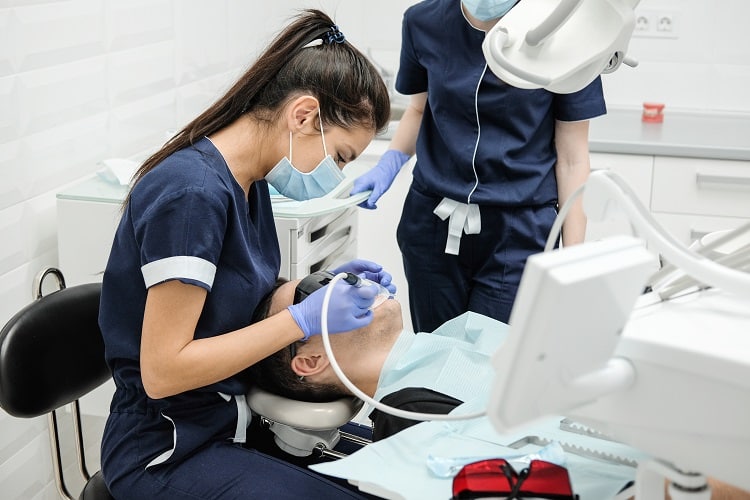
Clinical competency requirements by common expanded functions (what to be able to do)
Exact permitted functions vary by state, but the clinical expectations behind competency stay fairly consistent: safety, predictable technique, quality outcomes, and knowing your limits.
Restorative placement and finishing (general)
For states that permit assistants to place or finish restorative materials in specific situations, competency typically includes:
- Understanding basic material properties (handling, curing, working time)
- Proper isolation and moisture control awareness
- Layering and curing fundamentals where applicable
- Contouring to match tooth anatomy
- Finishing and polishing to reduce roughness and plaque retention
- Occlusal checks and recognition of high spots
- Recognizing when a restoration is not acceptable and must be corrected by the dentist
Temporary crowns and temporization (general)
Temporization is often viewed as “simple,” but it demands precision because it affects comfort and tissue health. Competency commonly includes:
- Selecting appropriate size and shape
- Trimming and contouring without irritating gingiva
- Managing cement handling and cleanup
- Checking occlusion so the patient can bite comfortably
- Delivering clear post-op instructions, including what to do if the temp dislodges
Sealants and Coronal Polishing (Where Permitted)
For preventive functions, competency often includes:
- Proper tooth selection and patient positioning
- Isolation and dryness control
- Following manufacturer steps for etch, rinse, dry, and placement (for sealants)
- Avoiding soft-tissue trauma
- Evaluating final coverage and retention risk
- Knowing when to involve the dentist for questionable anatomy, eruption status, or patient tolerance issues
Radiography Competency Tie-In (If Applicable)
Expanded-function pathways often expect strong radiography habits because imaging quality affects diagnosis and treatment planning. Competency typically includes:
- Accurate positioning and exposure selection
- Radiation safety and protective practices
- Image quality standards (no cone cuts, minimal overlap where possible, diagnostic value)
- Documentation and proper handling of images in the patient record
Across all functions, a key part of competency is judgment. You must know when not to proceed and when to involve the dentist immediately.
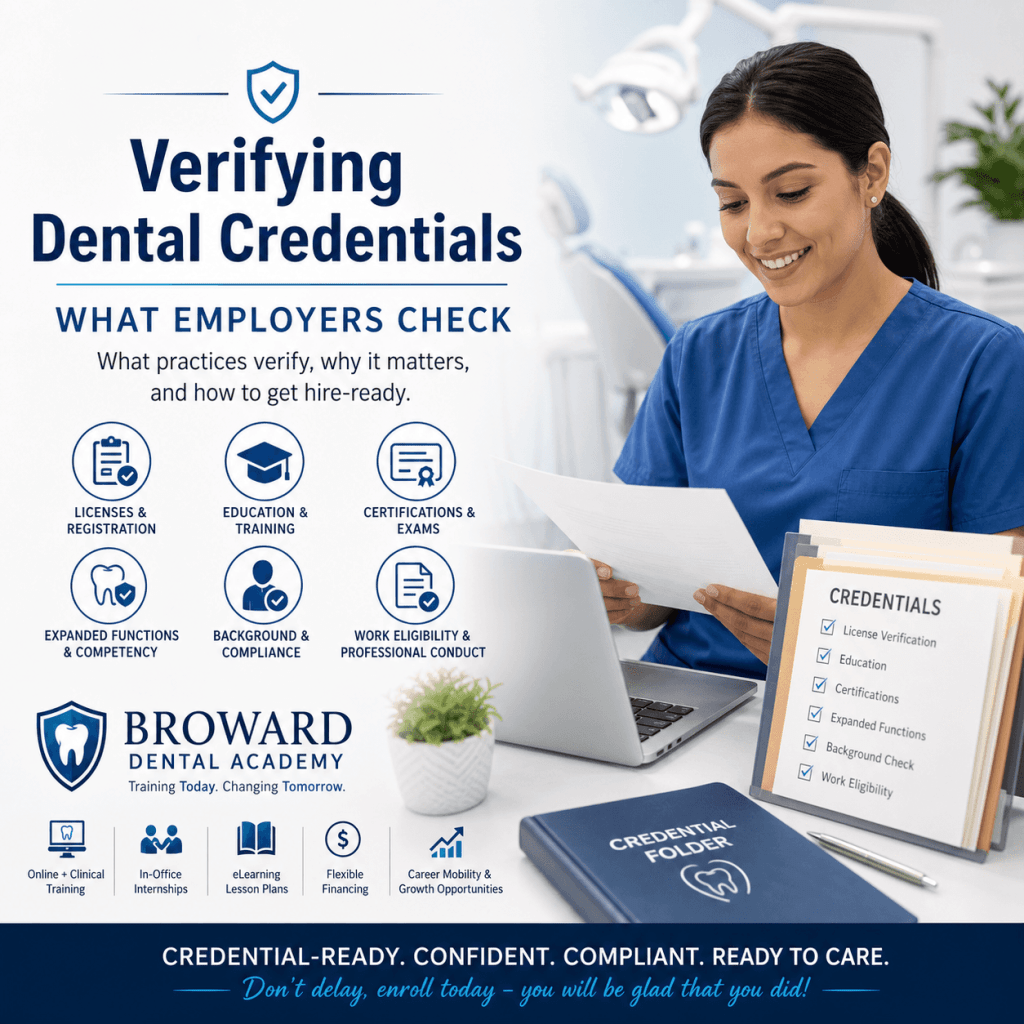
Documentation You’ll Need: Proof of Training, Evaluations, and Legal Compliance
Documentation is not paperwork for paperwork’s sake. It supports patient safety, employer liability protection, and your ability to prove you are authorized to perform a function if you are audited or change jobs.
Common documentation items include:
- Course completion certificates
- Transcripts or training records (as required)
- Clinical competency checklists and instructor sign-offs
- Clinical hours logs and procedure repetitions
- Internship or externship verification (if included)
- CPR certification (if required)
- Continuing education records for renewals
Charting expectations inside the practice
Documentation at work often includes:
- Procedure notes (what was performed and under what supervision level, per office protocol)
- Materials used and details when required by policy
- Lot numbers when required in your setting
- Patient instructions and follow-up plan
- Complications, adjustments, and dentist notifications
A simple best practice is building a personal credential portfolio. Keep digital and printed copies of your certificates, competency checklists, CE records, CPR, and any state-issued permits. It is useful for interviews and onboarding in fast-paced offices.
Continuing education: how EFDA CE keeps your skills sharp (and employable)
Expanded functions competence is not something you earn once and forget. Materials evolve, techniques change, and standards tighten as dentistry advances.
EFDA continuing education courses can help you maintain certification requirements where applicable and build confidence with updated techniques and expectations. You might want to explore some of the courses offered that focus on these areas.
Common CE themes include:
- Restorative material updates and handling
- Infection control refreshers and compliance updates
- Radiology updates and image quality improvement
- Ethics, scope-of-practice, and risk management
- Patient communication and chairside professionalism
The career payoff is real. Consistent CE can translate into stronger performance, higher responsibility, and better alignment with modern high-performance practices that value predictability, speed with quality, and excellent patient experience.
When choosing CE, look for:
- Hands-on components when possible
- Clear learning outcomes that match your role
- Instructor feedback, not just passive video time
- Documentation you can keep for renewals and employer records
Common mistakes that delay expanded functions approval (and how to avoid them)
A lot of delays are preventable if you treat expanded functions like a structured clinical credential, not a quick add-on.
Not checking state rules early
One of the biggest mistakes is enrolling in a program that does not match your state’s requirements, or missing prerequisites you could have completed first. Always confirm requirements before you invest time and tuition.
Underestimating clinical repetitions
Competency is consistency. If you only perform a skill once, you are still in the “introductory” phase. Plan for multiple reps and ask for feedback each time.
Rushing finishing and occlusion
Many assistants focus on placement and forget that finishing, polishing, and occlusal verification are often where evaluators decide whether the result meets the standard of care.
Incomplete paperwork
Missing signatures, missing logs, or inconsistent dates can delay approval even if your clinical work is strong. Treat your documentation like part of the skill.
Confusing confidence with competence
Feeling ready is not the same as being ready. The fastest way to grow is structured feedback and remediation when needed. Guessing in a clinical environment is where mistakes happen.
How Broward Dental Academy prepares you for expanded functions clinical competency
Broward Dental Academy offers advanced dental training designed to develop thoroughly trained, legally compliant, and clinically confident professionals. The goal is not to simply help students pass an exam. It is to prepare them to thrive in a modern, high-performance dental practice.
Training is built around a competency-first approach that supports real clinical readiness:
- Immediate immersion in online and clinical settings
- Modern eLearning lesson plans that support remote learning without losing structure
- Hands-on practice focused on technique, safety, and quality
- In-office internships that build speed, accuracy, and professionalism in real workflows
- Breadth and flexibility, with 7 courses including Dental Assistant Level 01, Dental Assistant Level 02, Dental Assistant Hygienists Level 03 and flexible financing to make upskilling realistic for working students
If you are exploring the EFDA path, you can review the program details here: Expanded Functions Dental Assistant – Level 03 (EFDA).
Choosing the right EFDA program: a quick checklist before you enroll
Before you commit to an EFDA program, use this checklist to protect your time, money, and career momentum.
- State alignment: Confirm the curriculum matches your state’s expanded functions requirements and is recognized where you plan to work.
- Competency-first structure: Look for clear skill checklists, multiple evaluation attempts, and instructor feedback loops.
- Real practice exposure: Prefer programs with internship or externship options that reflect a modern, high-performance dental office.
- Support and guidance: Choose a school that helps you stay organized with documentation, readiness, and next steps toward expanded functions certification.
Expanded functions can be a major career move when you approach it the right way: learn the standard, practice until consistent, document everything, and stay within scope. It’s crucial to understand that these expanded functions can significantly enhance your role in the dental field.
Don’t delay, enroll today. You will be glad that you did.
FAQs (Frequently Asked Questions)
What is clinical competency in expanded functions dental assisting and why is it important?
Clinical competency means the ability to perform expanded functions safely, consistently, and according to the standard of care under the appropriate level of supervision allowed by your state. It is crucial because expanded functions carry higher responsibility, directly impact patient outcomes, and require tighter documentation and oversight. Demonstrating clinical competency ensures you can perform advanced tasks correctly and contribute effectively to restorative outcomes and long-term oral health.
What tasks are considered expanded functions for dental assistants?
Expanded functions typically involve tasks with greater clinical complexity related to restorative or preventive services that require formal training and legal permission. Common examples include placing or finishing restorative materials (scope varies by state), taking final impressions where permitted, coronal polishing where permitted, placing sealants where permitted, temporary crowns and temporization steps, and other restorative support functions regulated by state dental boards.
How does supervision work for expanded functions in dental assisting?
Supervision levels vary by state and function but generally include direct supervision (dentist is present and actively supervising), indirect supervision (dentist is on-site and available), or general supervision (dentist authorizes the procedure but may not be physically present). The level of supervision required is part of the state’s regulatory framework governing expanded functions.
What core competency domains do most boards and programs evaluate for expanded function dental assistants?
Most programs assess competency across several key domains: knowledge (understanding indications, contraindications, materials, and procedural steps), clinical skills (performing procedures correctly and efficiently), patient safety (infection control, harm prevention, escalation protocols), professionalism (communication, ethics, teamwork under pressure), and documentation (accurate charting and proof of training/evaluation).
What baseline clinical safety standards must be demonstrated before performing expanded functions?
Before being signed off for expanded functions, dental assistants must demonstrate a reliable safety foundation including consistent infection control practices with proper PPE use, OSHA awareness in daily workflow, HIPAA compliance for patient privacy, sterilization procedures and instrument processing knowledge, proper operatory setup/breakdown, sharps safety measures, injury prevention strategies, and incident reporting basics.
How does achieving clinical competency in expanded functions benefit a dental assistant’s career?
Achieving clinical competency opens doors to more stable income potential, flexible schedules, and stronger career mobility through advanced credentials. It positions the dental assistant as a respected clinical support team member relied upon to maintain efficient workflows in modern practices. Competency also ensures legal compliance and enhances confidence when performing complex restorative or preventive procedures under appropriate supervision.