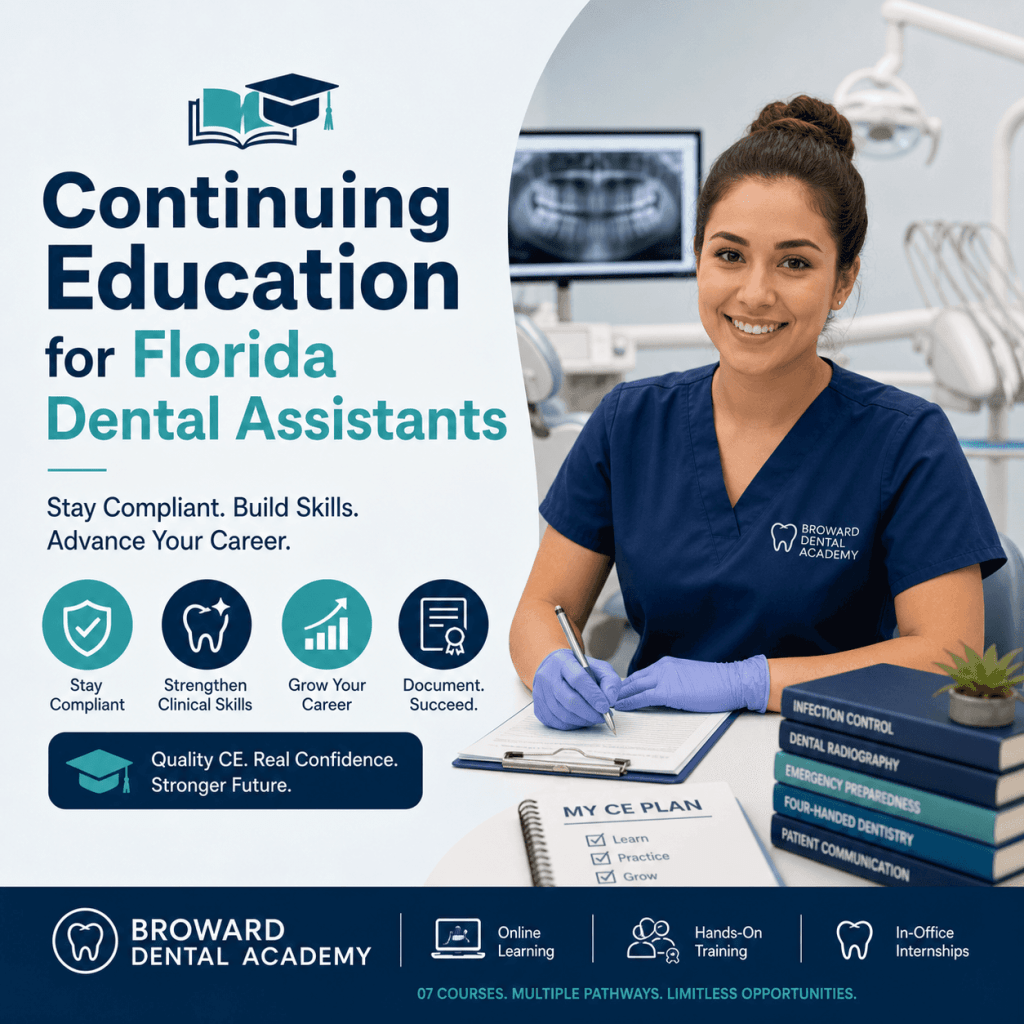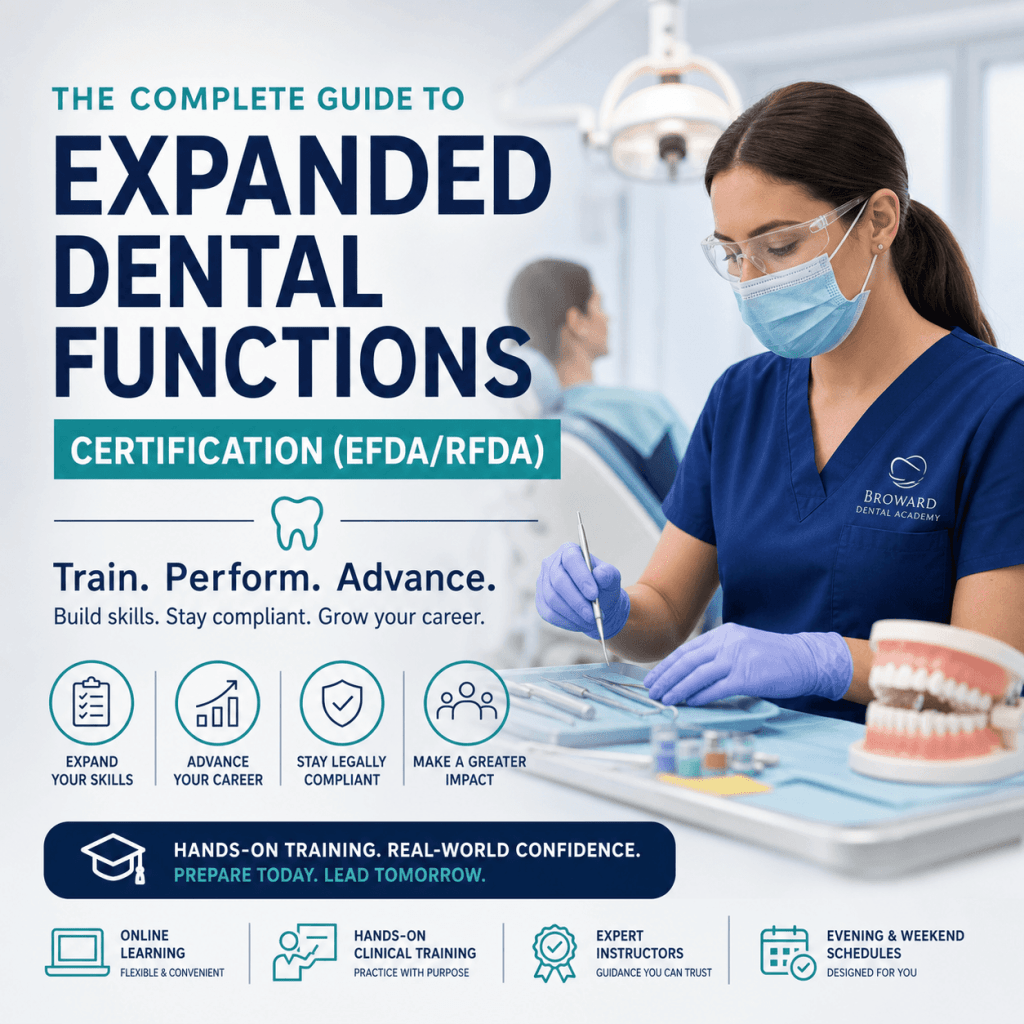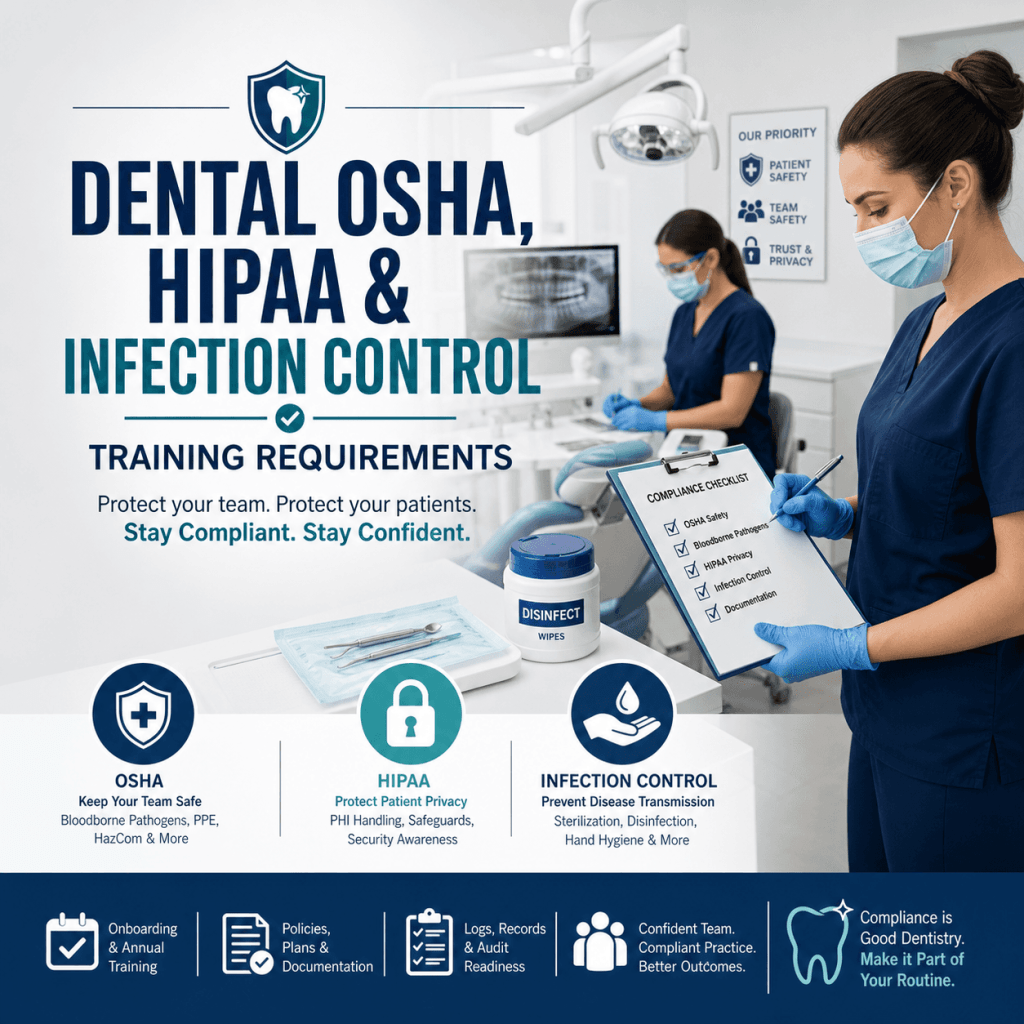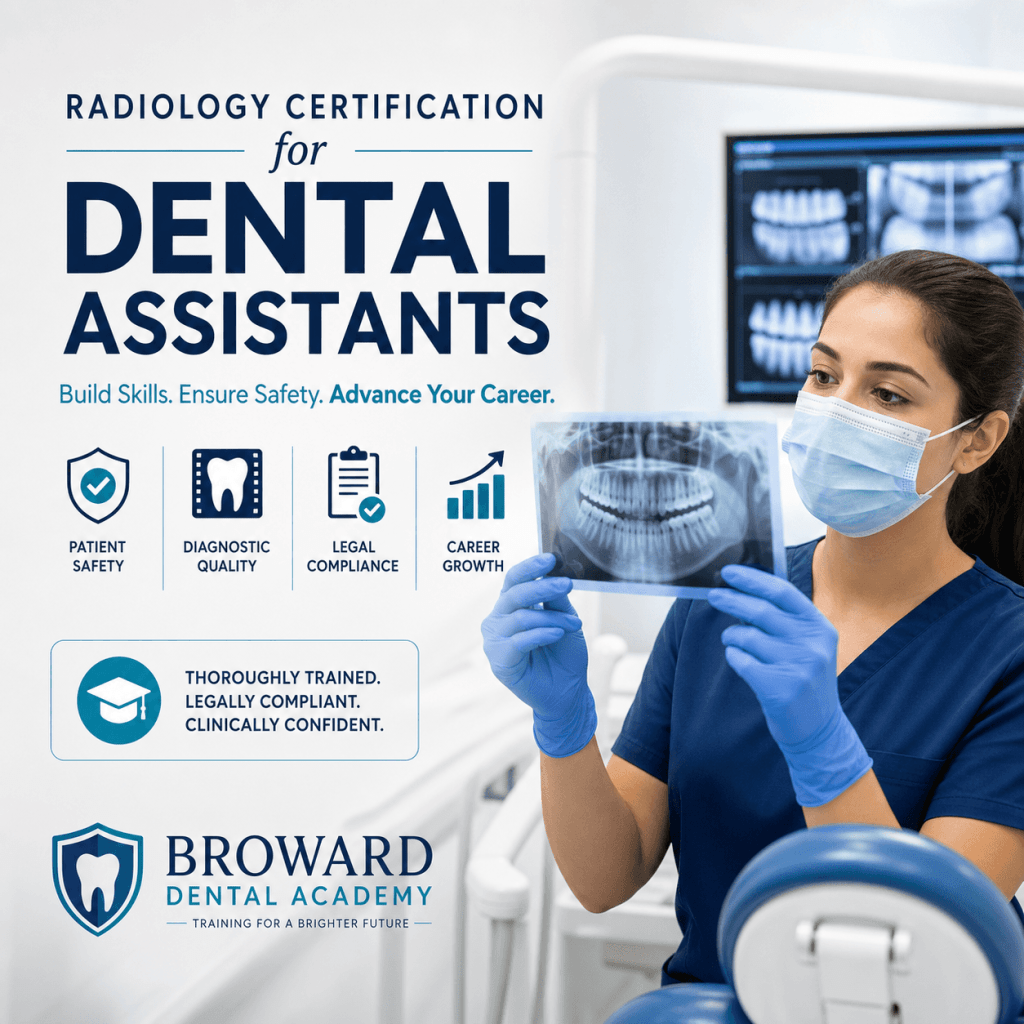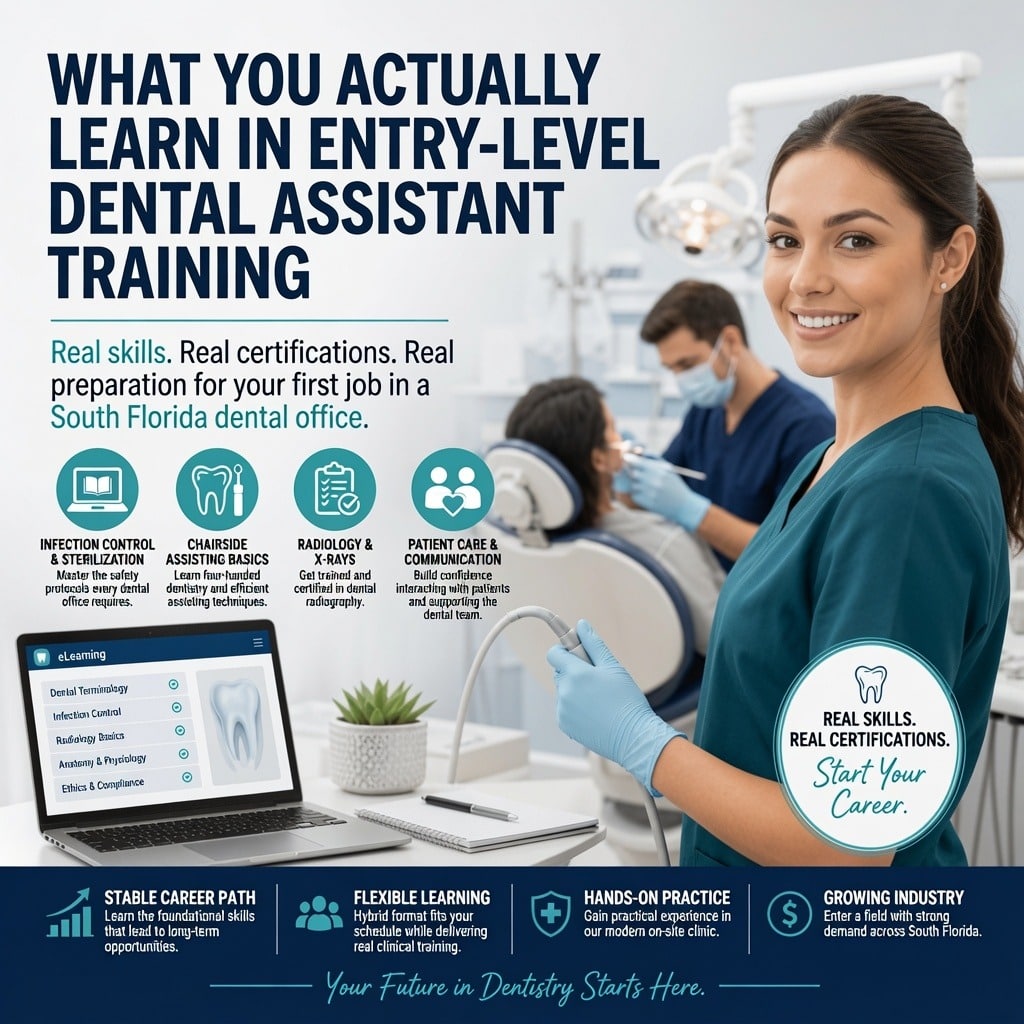
Most people assume entry-level dental assistant training is mainly memorizing tools, learning a few dental terms, and passing a test.
In reality, good training is much closer to learning how to function inside a real dental practice. You learn clinical basics, safety and sterilization, patient communication, professional standards, and the confidence to keep up with a real schedule without cutting corners.
Dental assisting is also one of the fastest-growing paths in healthcare, and the demand is not for “any warm body.” Practices want entry-level hires who are trained, legally compliant, and clinically confident from day one.
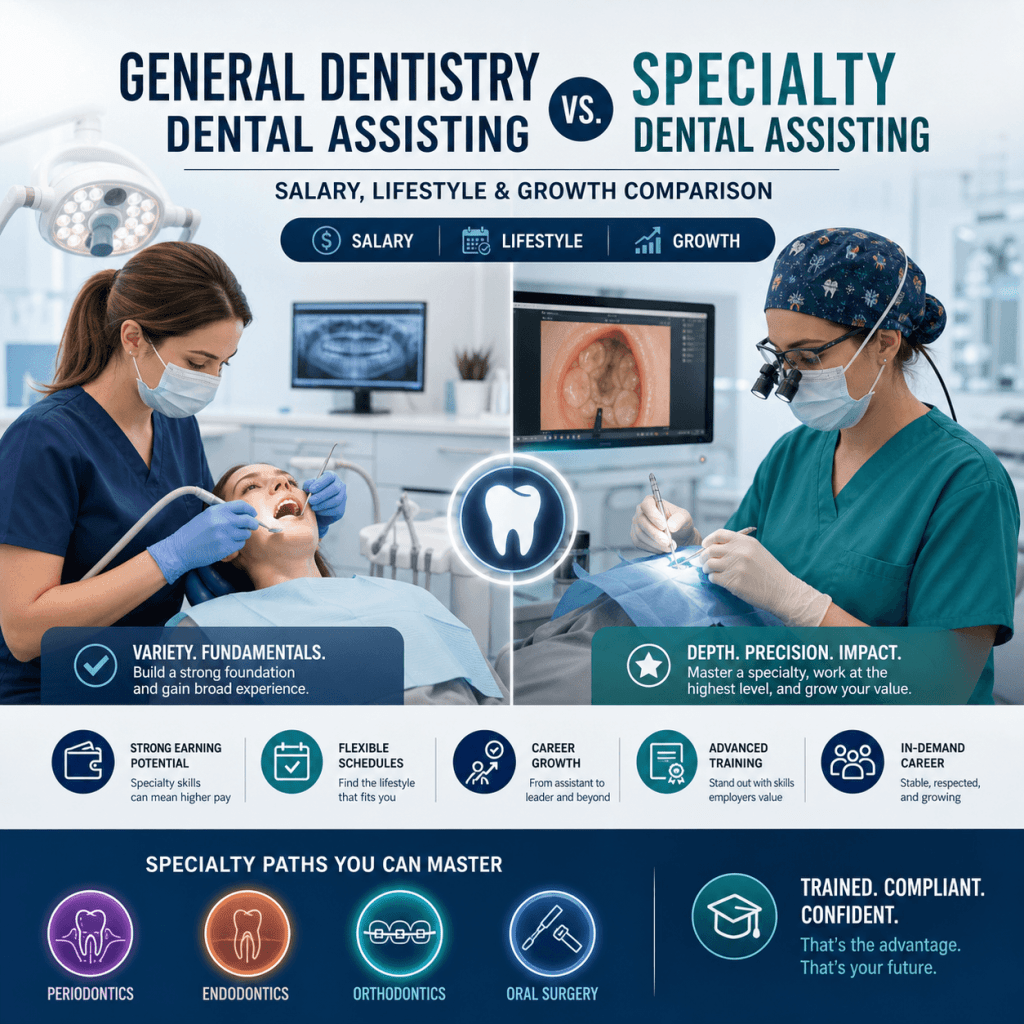
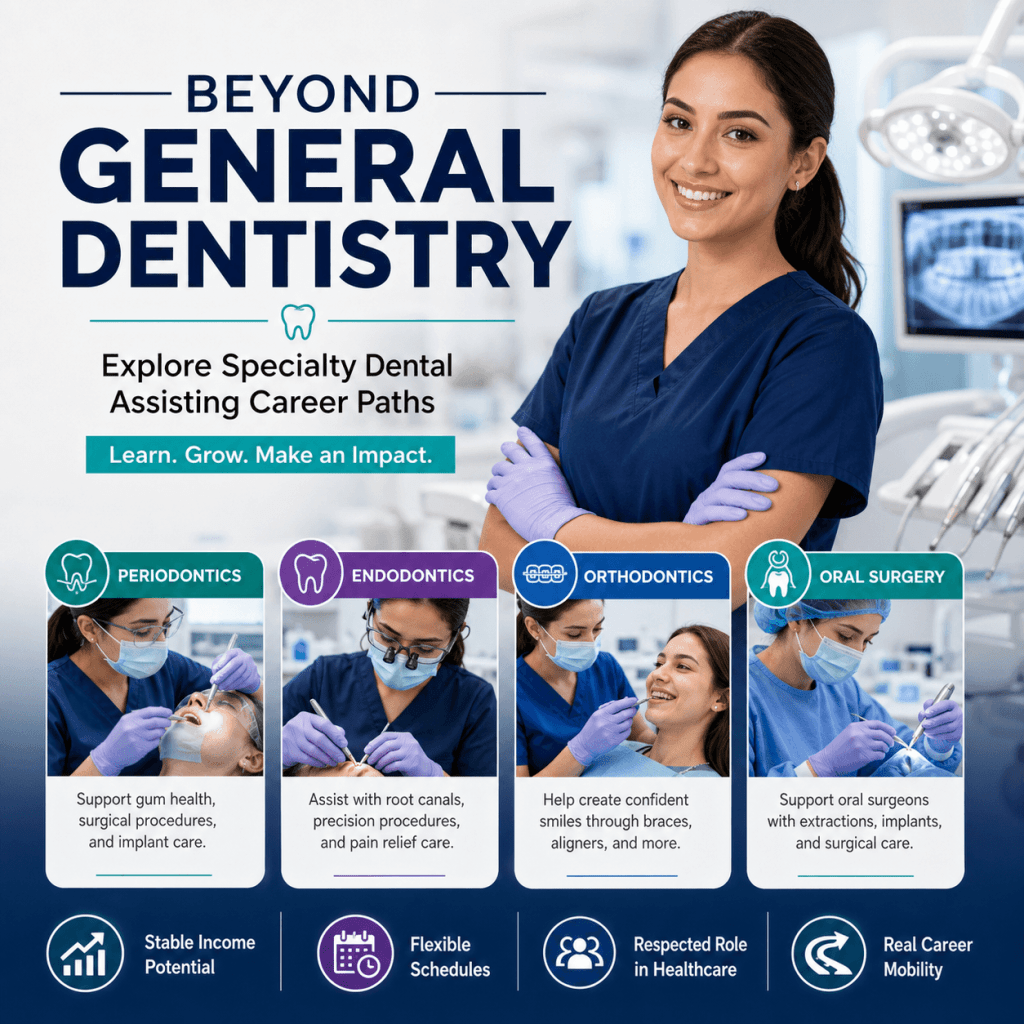
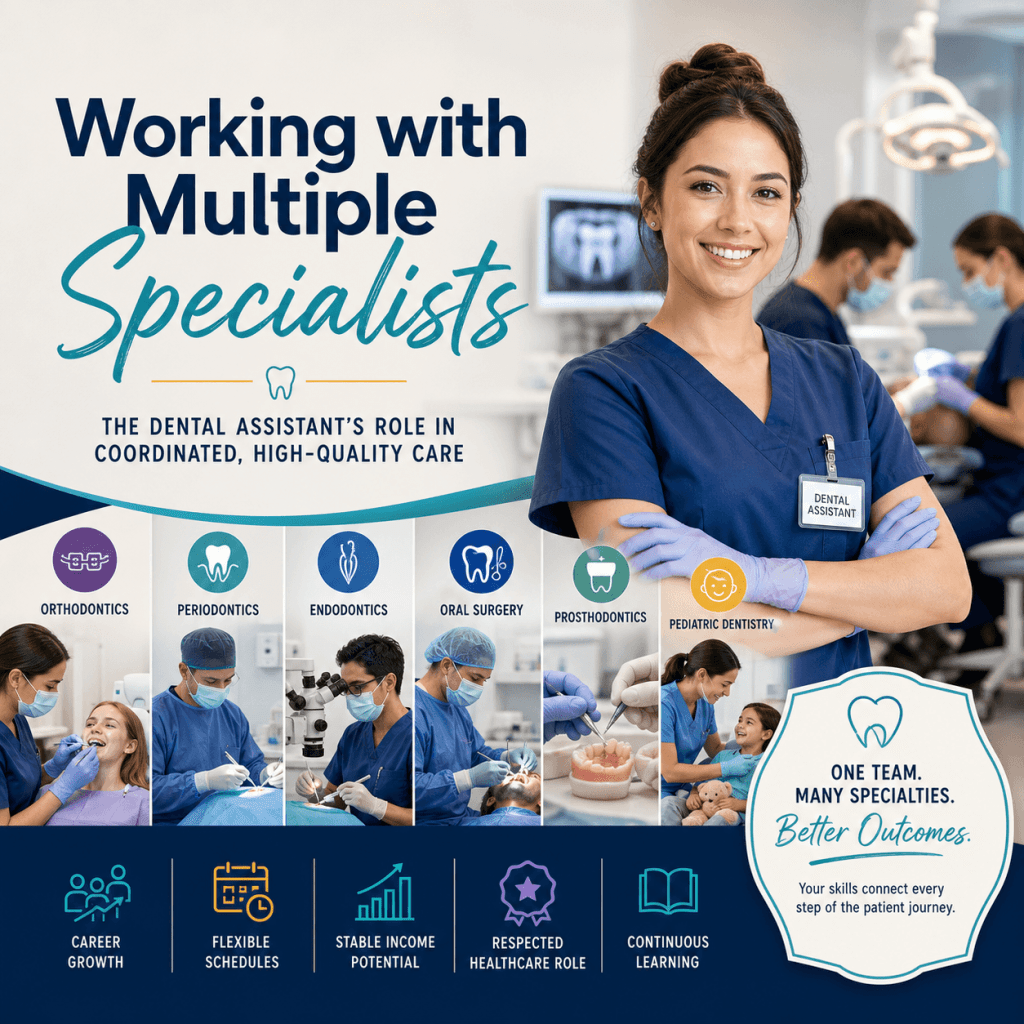
In this article, you’ll see what that training typically includes: clinical foundations such as orthodontics, oral surgery, and endodontics, infection control, chairside flow, radiology fundamentals, front office exposure, and how it all connects to entry-level dental assistant jobs.
At Broward Dental Academy, the goal is practice readiness, not just exam prep. That means modern, high-performance expectations, critical thinking, ethics, and real confidence under real pace.
Why “entry-level” dental assistant training is more than just learning to pass a test
A dental office is a fast-moving clinical environment where small mistakes can become big problems. If a tray is missing a key instrument, if barriers are placed inconsistently, or if a patient’s anxiety is handled poorly, the whole appointment can derail.
That is why solid entry-level training focuses on much more than terminology. It’s designed to help you:
- Work safely and consistently
- Communicate like a healthcare professional
- Understand clinical flow, not just steps
- Follow infection control rules that employers take seriously
- Build habits that make dentists trust you quickly
This is also why schools like Broward Dental Academy emphasize real-world practice readiness with hands-on skill development and modern learning tools. For example, their test preparation program not only helps students pass exams but also equips them with practical skills necessary for their careers.
What entry-level dental assistant training is designed to prepare you for
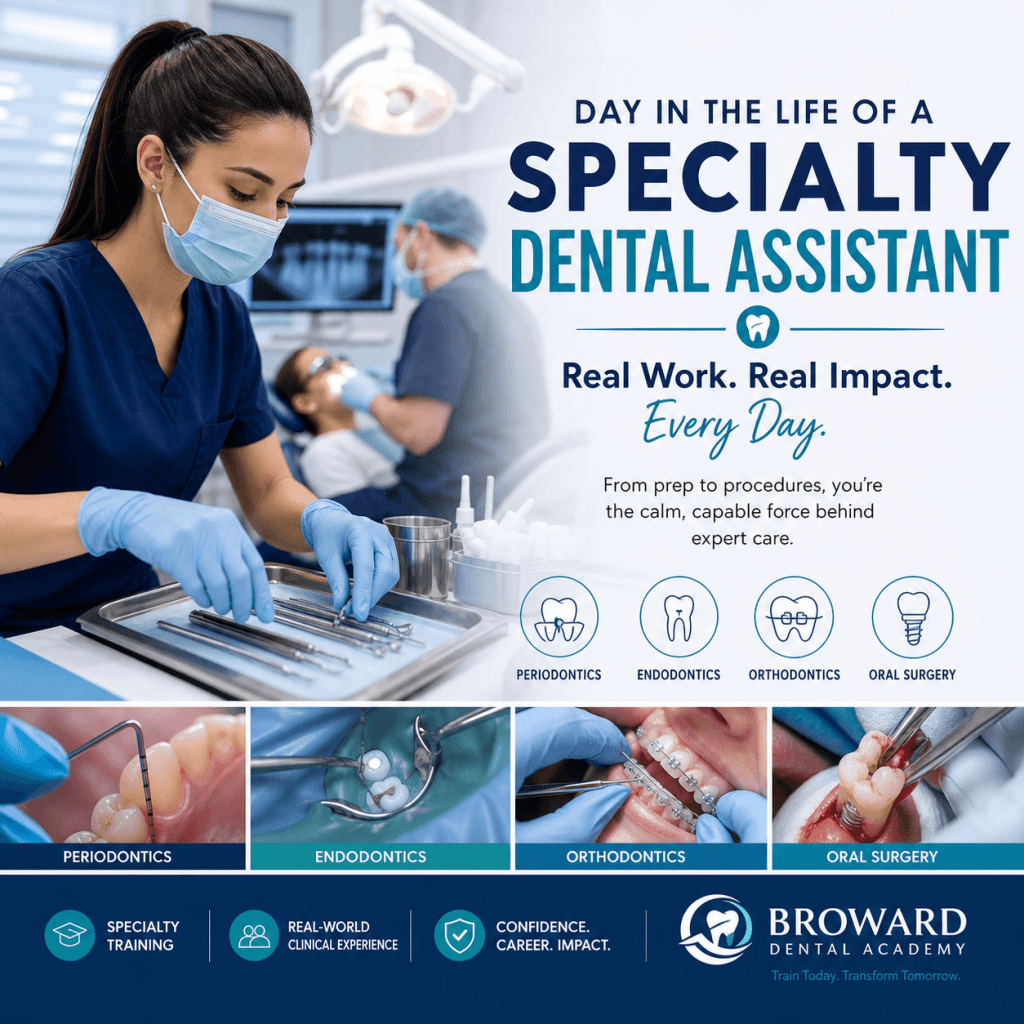
An entry-level dental assistant supports the dentist and hygienist while helping the office run smoothly. On a normal day, that can include:
- Setting up and breaking down operatories
- Preparing trays and materials for procedures
- Assisting chairside and anticipating next steps
- Helping patients feel comfortable and informed
- Documenting basics and supporting clinical records
- Maintaining safety and sterilization standards all day long
The goal of training is to help you operate at real clinic pace, not just memorize a checklist.
Level 01 foundations vs advanced functions
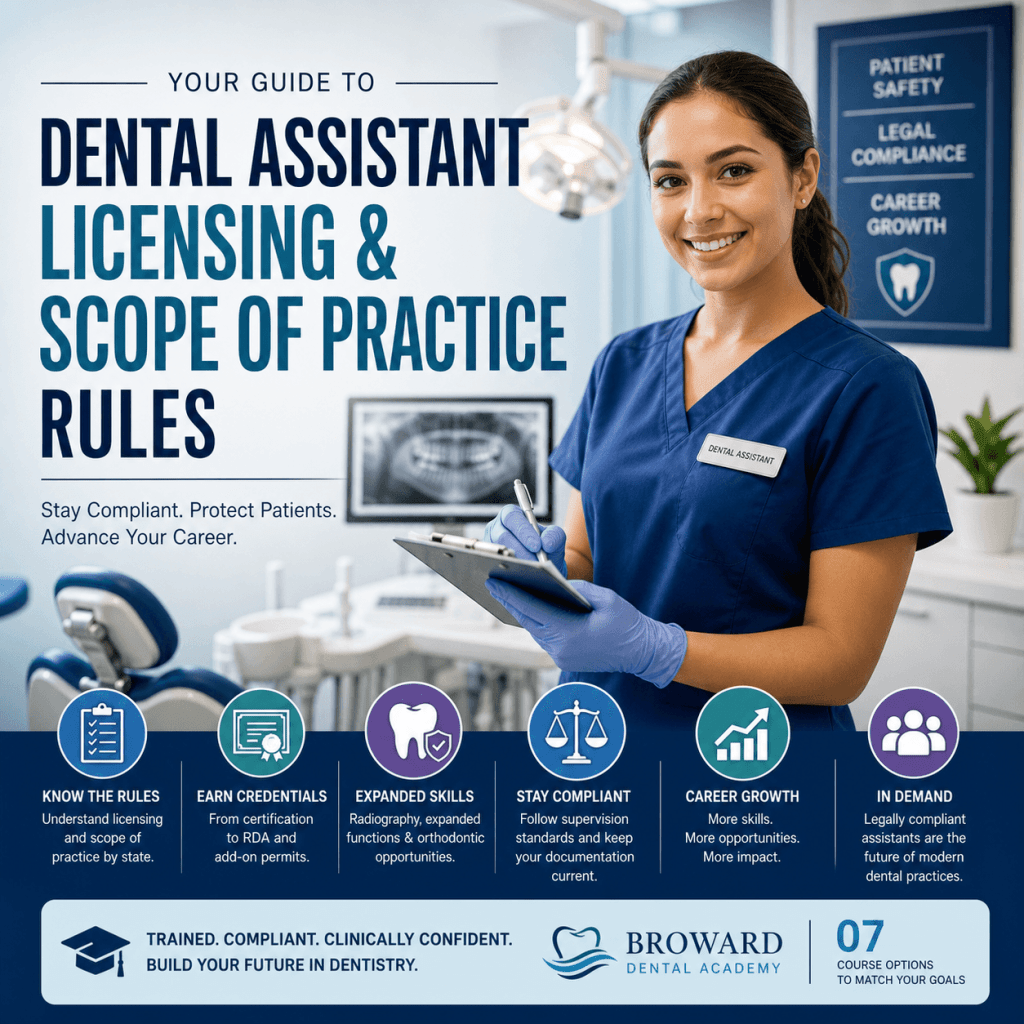
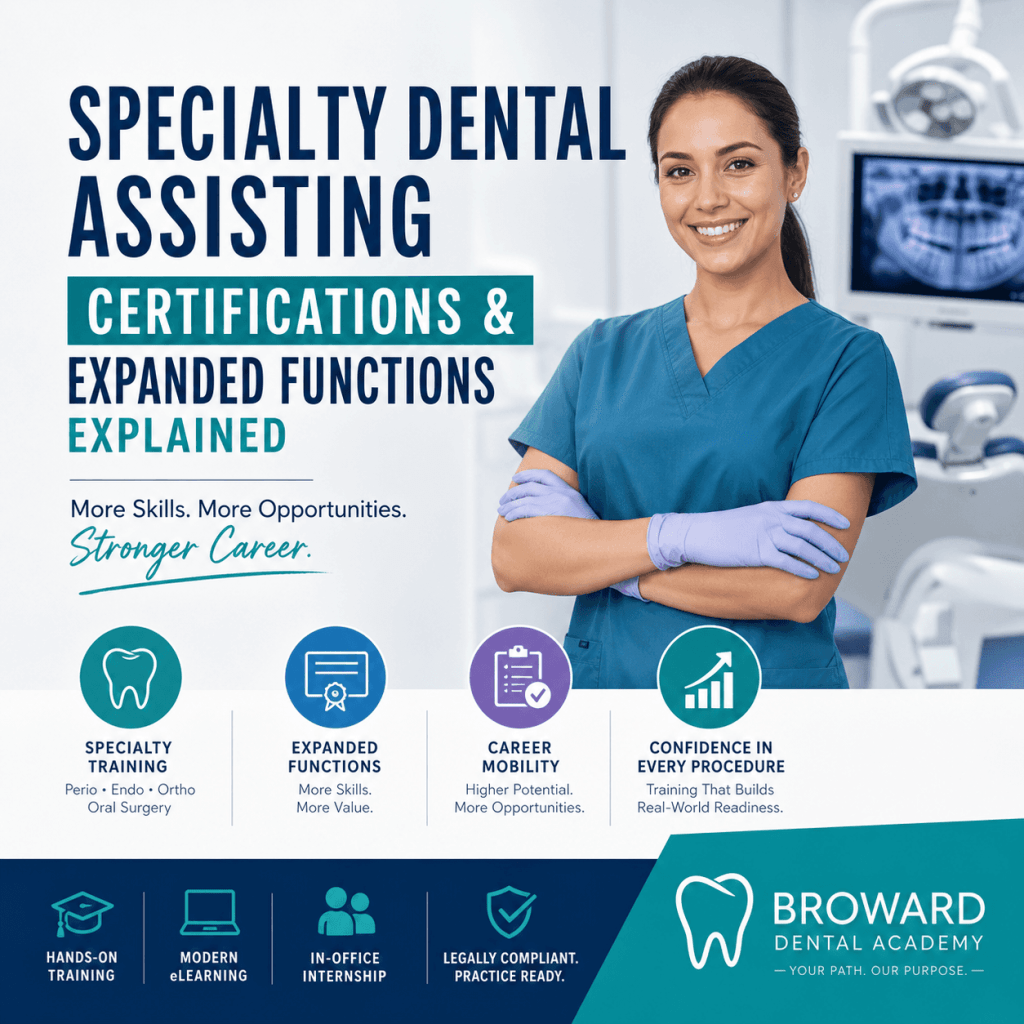
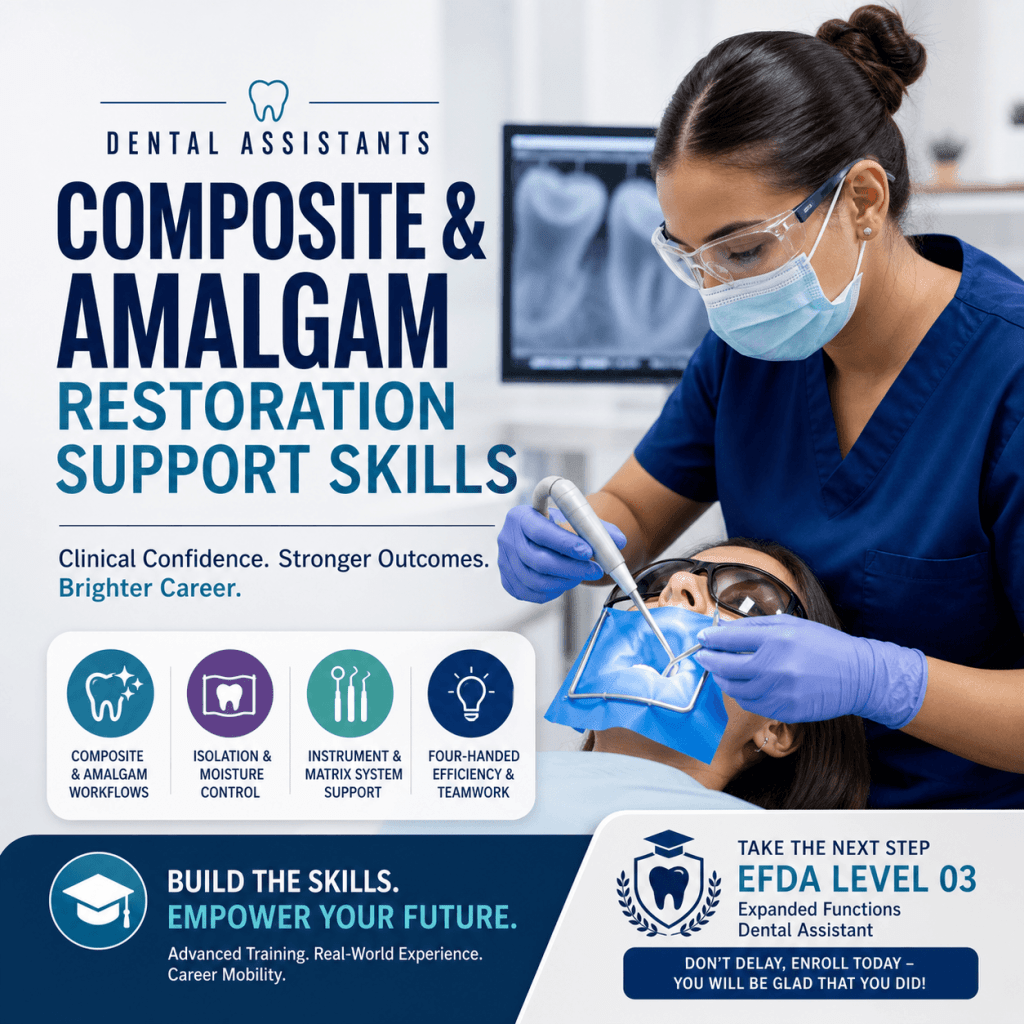
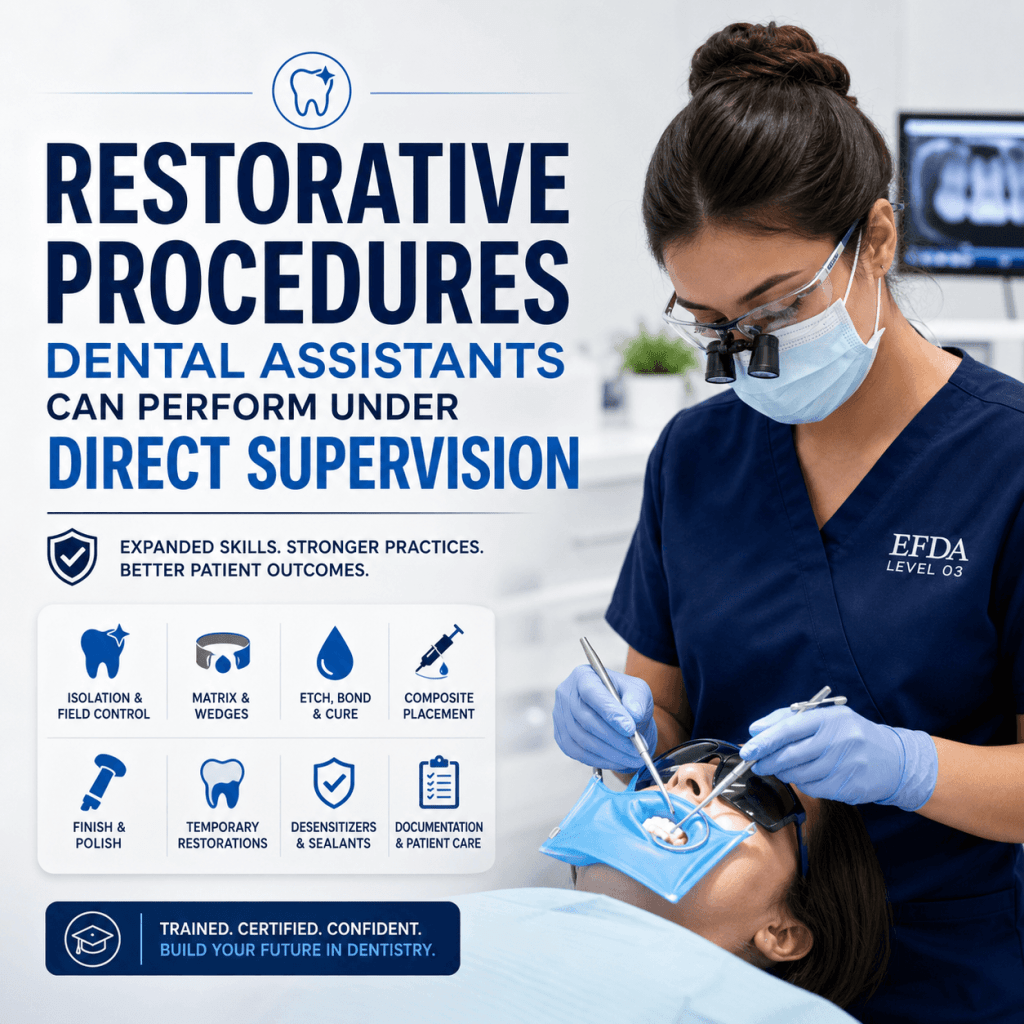
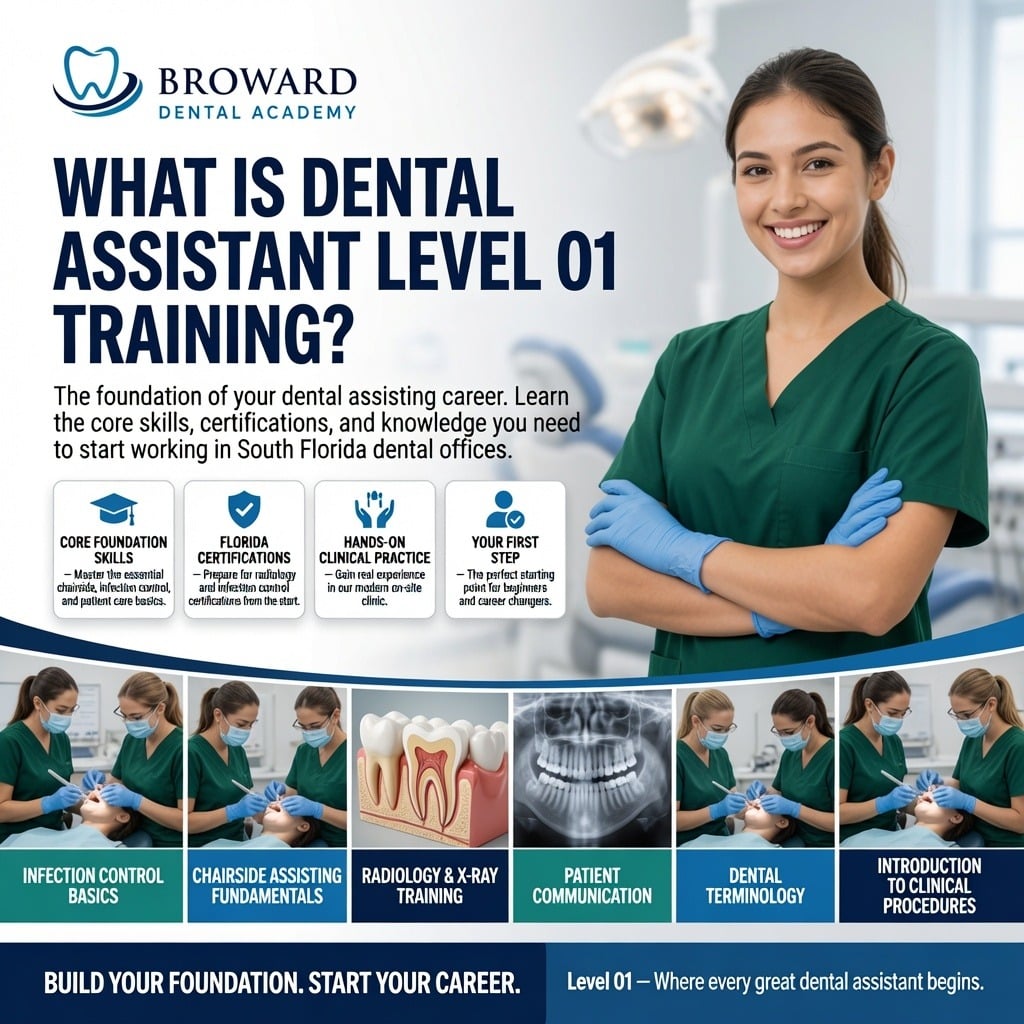
Most Level 01 style programs focus on foundational assisting skills. You are learning the essentials that make you employable and safe. Advanced or expanded functions typically come later as you gain experience and pursue additional training, depending on your state’s rules and your career goals such as certifications.
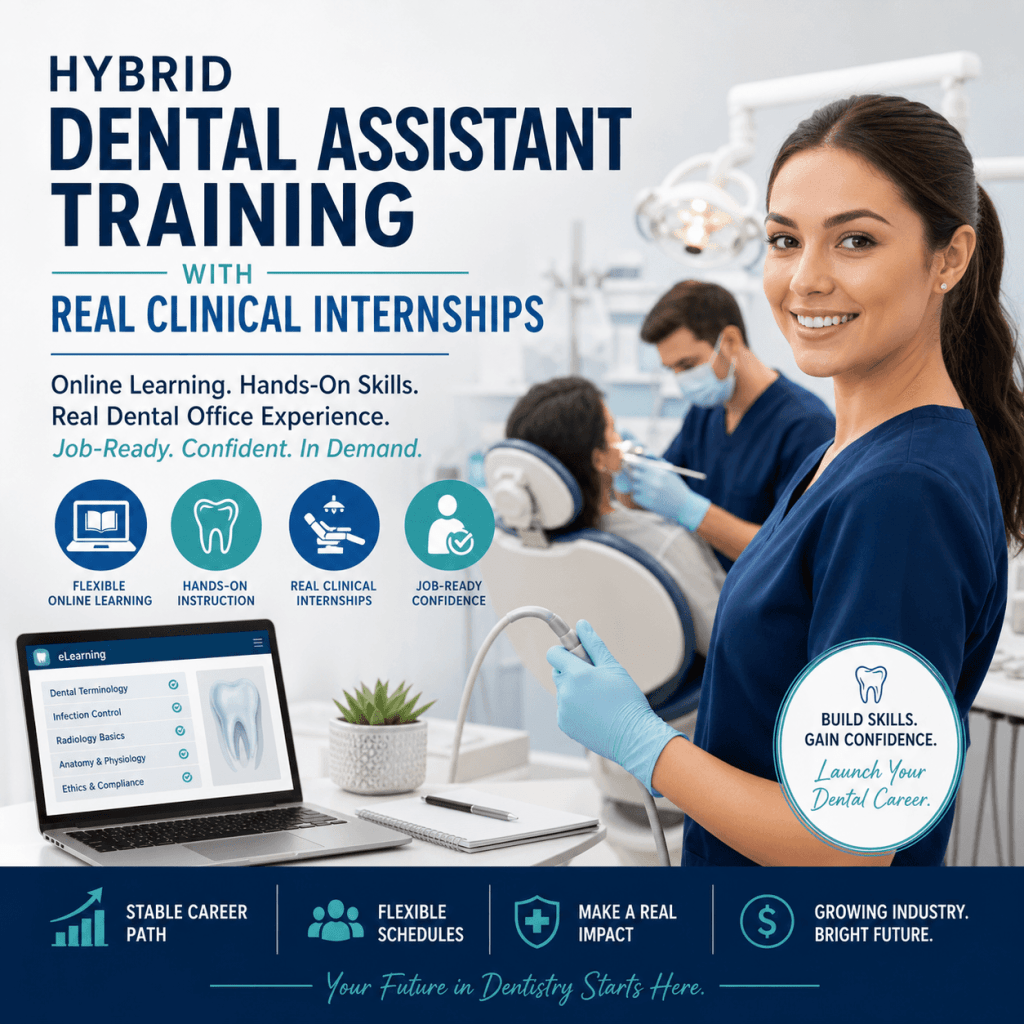
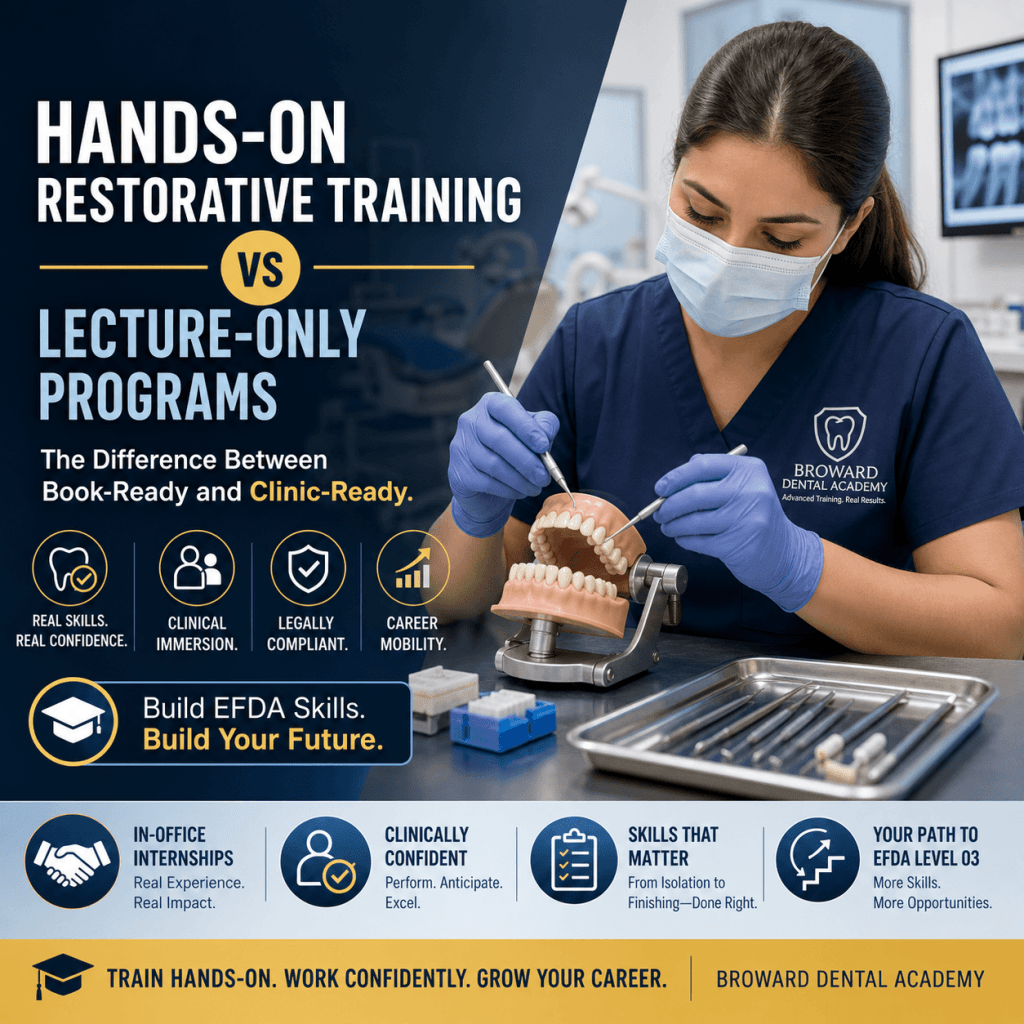
Many programs also blend online learning with hands-on clinical immersion. At Broward Dental Academy, students experience both structured eLearning lesson plans and in-person clinical skill development, often with in-office internships that help bridge training to employment.
Core clinical skills you actually learn (the hands-on part)
This is the section most people picture, and yes, you do learn the “hands” of dental assisting. The difference is that good training teaches you how to do these skills under real workflow expectations.
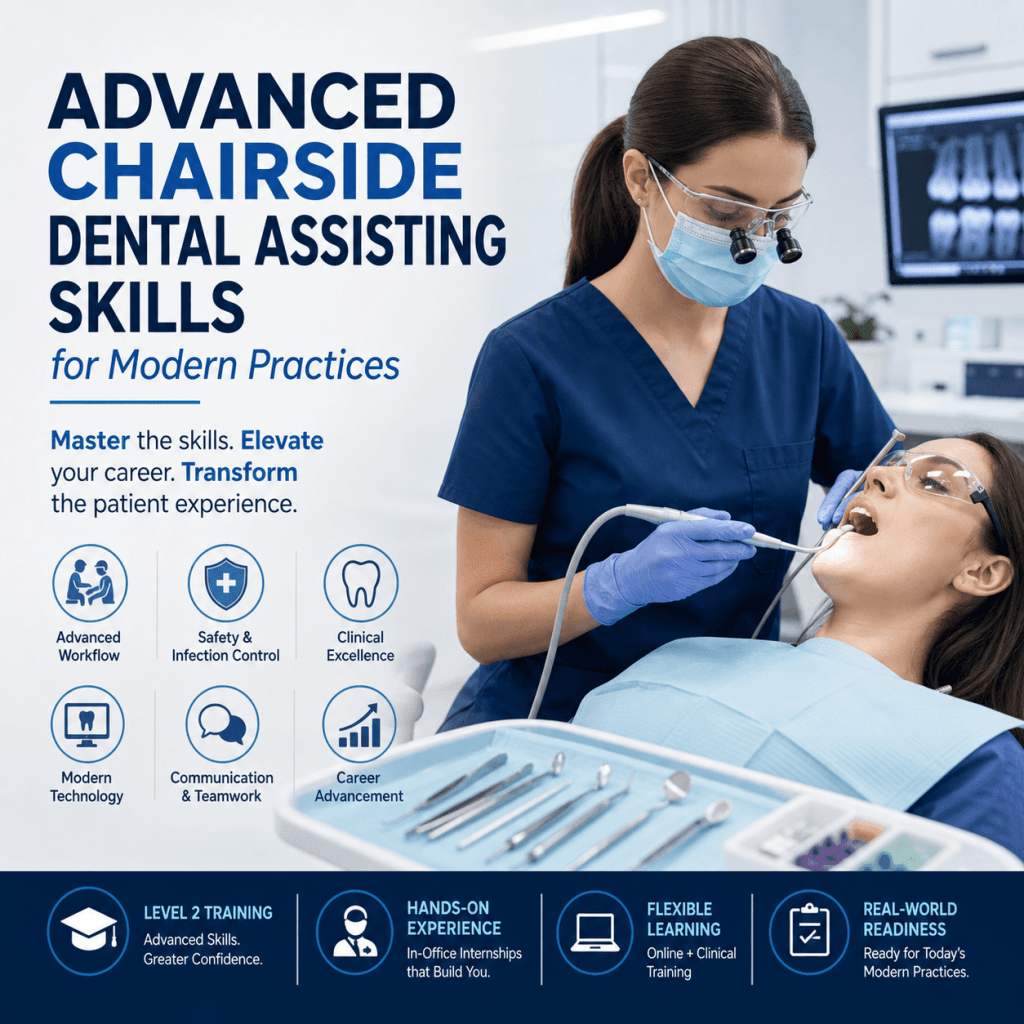
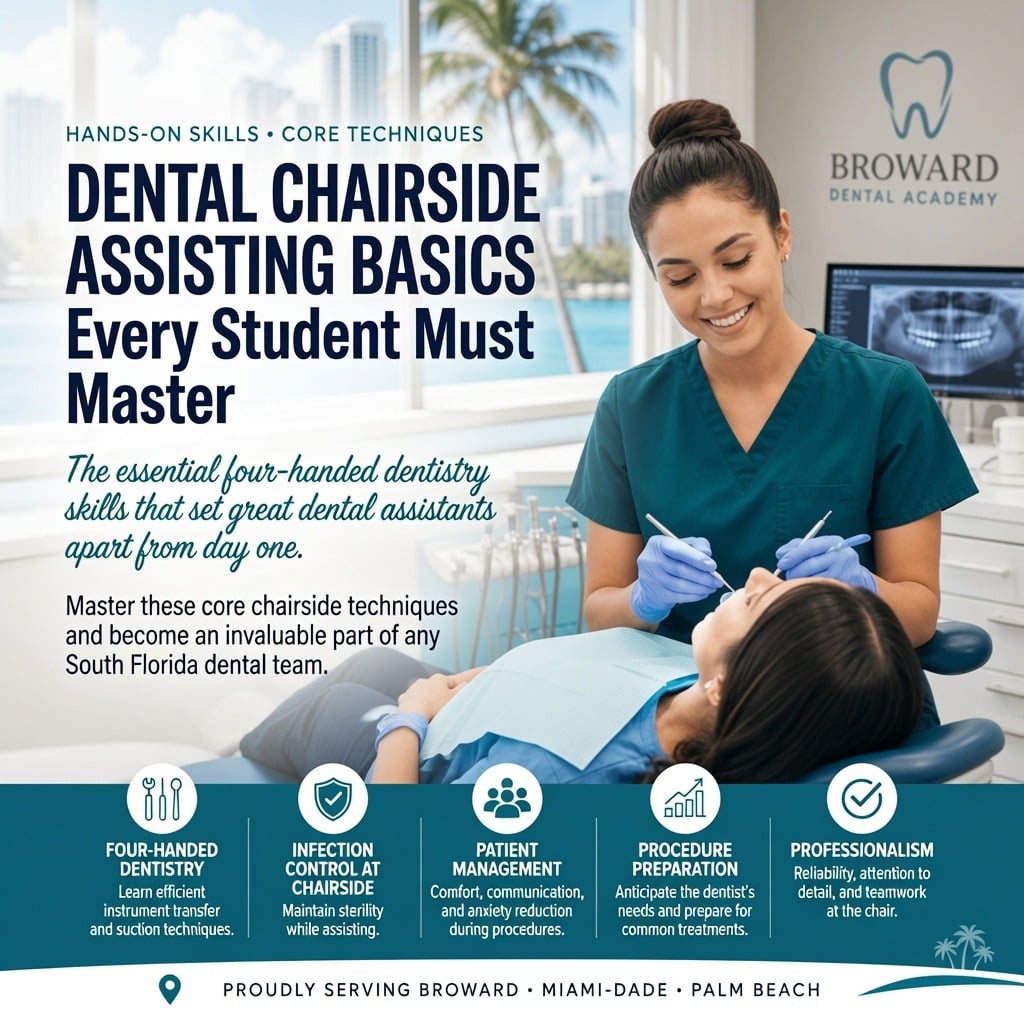
Chairside assisting fundamentals (four-handed dentistry)
You learn how to assist in a way that protects the dentist’s time and the patient’s comfort, including:
- Proper positioning for you, the patient, and the provider
- Retraction and maintaining a clear working field
- Safe instrument transfer techniques
- Suction techniques and moisture control
- Anticipating steps so the procedure stays smooth
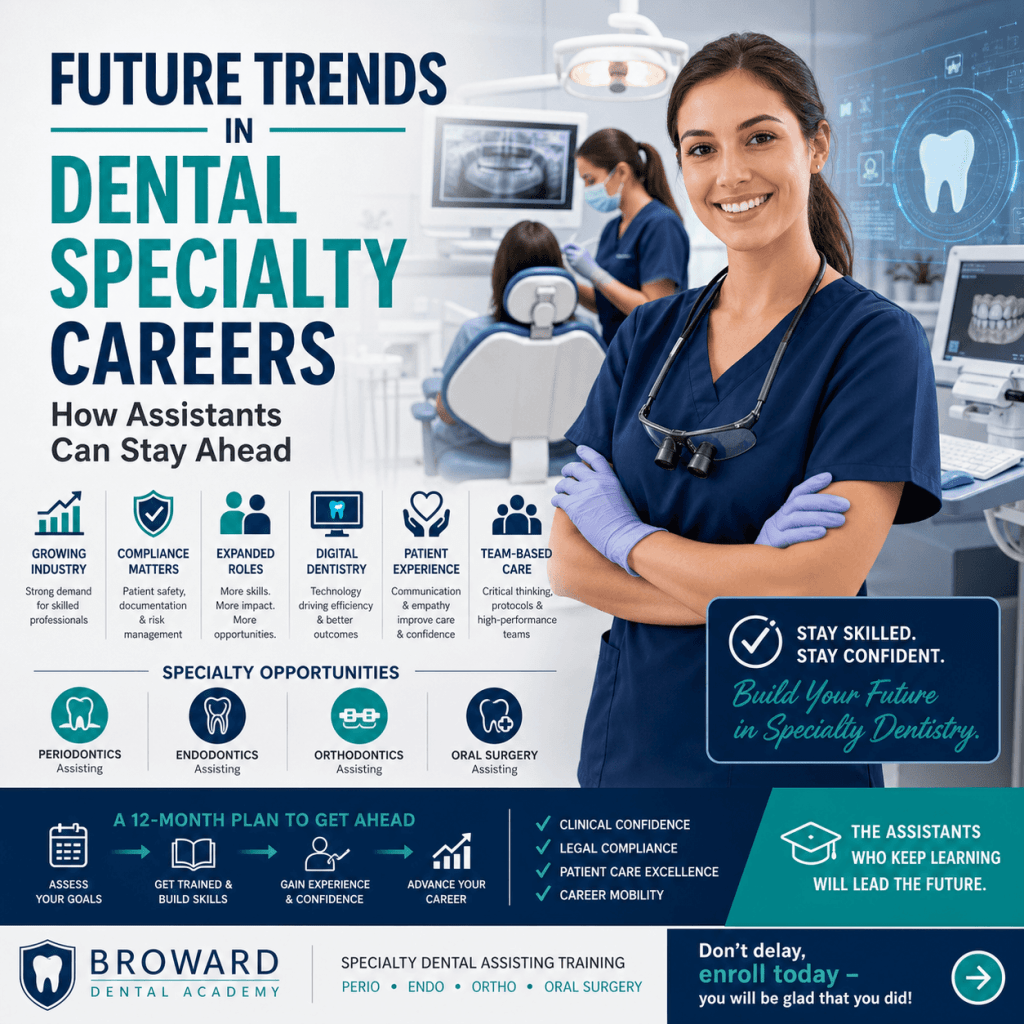
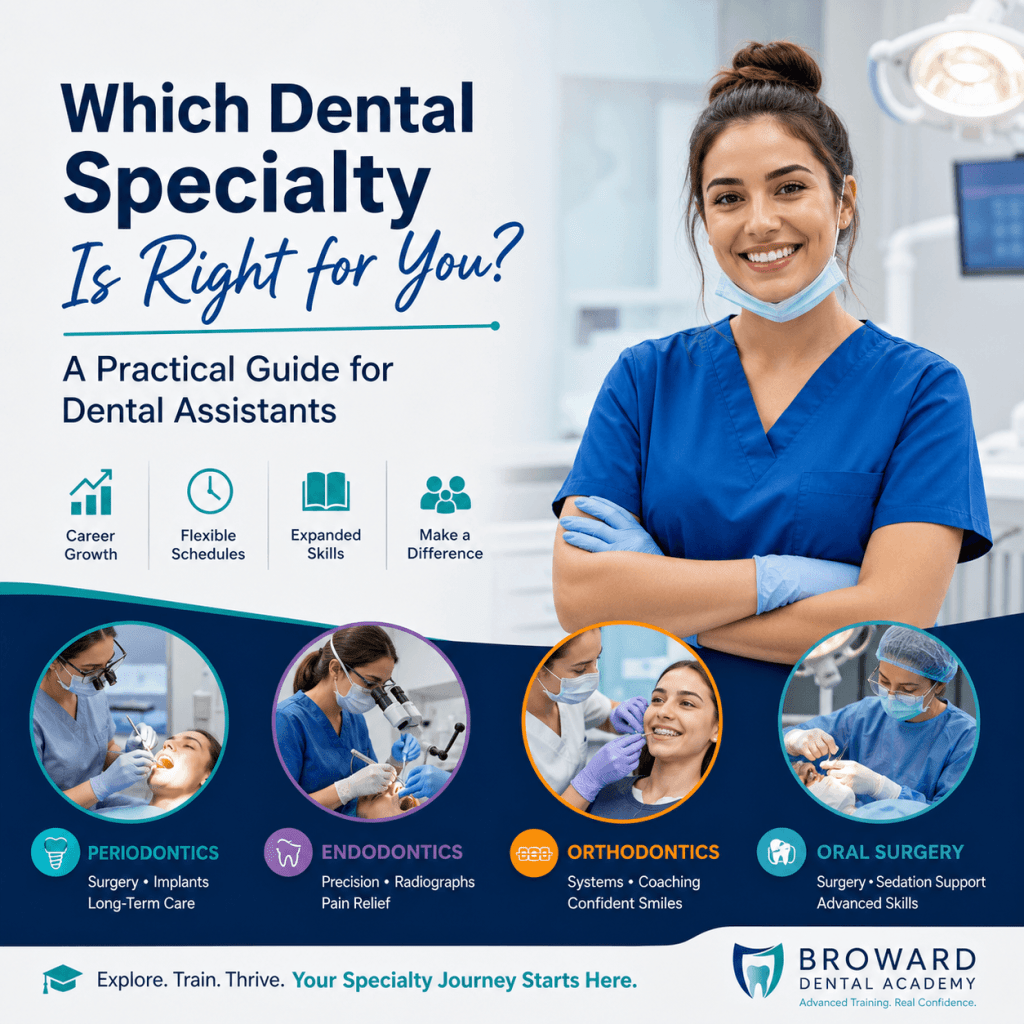
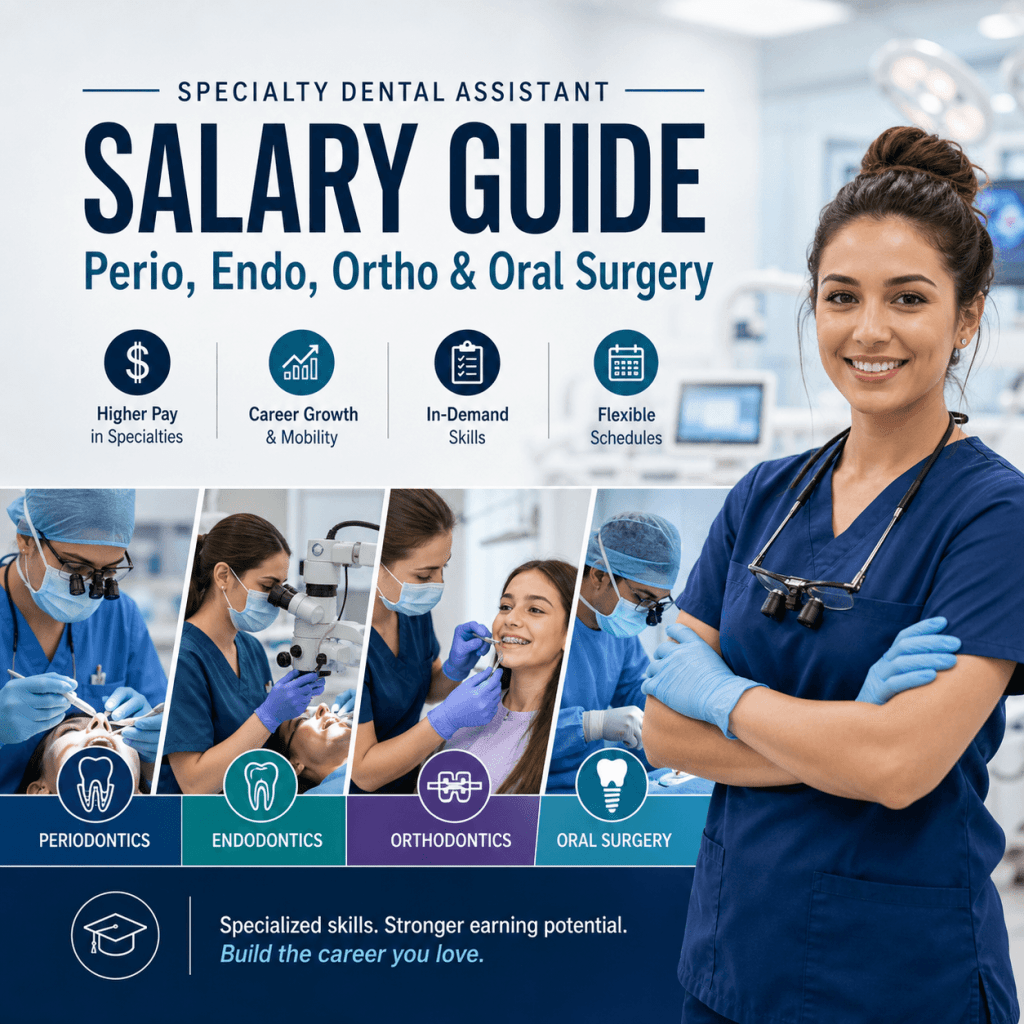
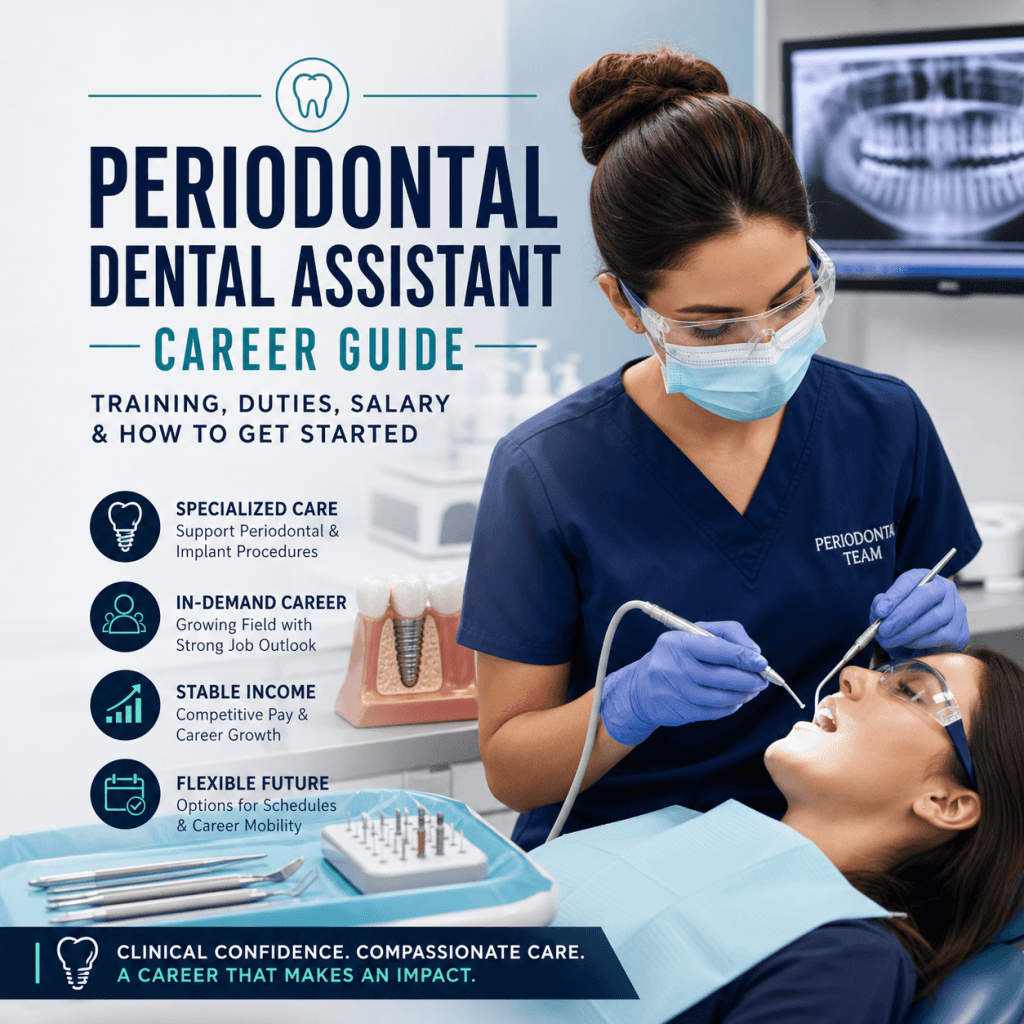
Additionally, part of your training may involve specialized areas such as periodontics which would further enhance your skill set. With various locations offering different programs, you have the flexibility to choose one that best fits your career aspirations.
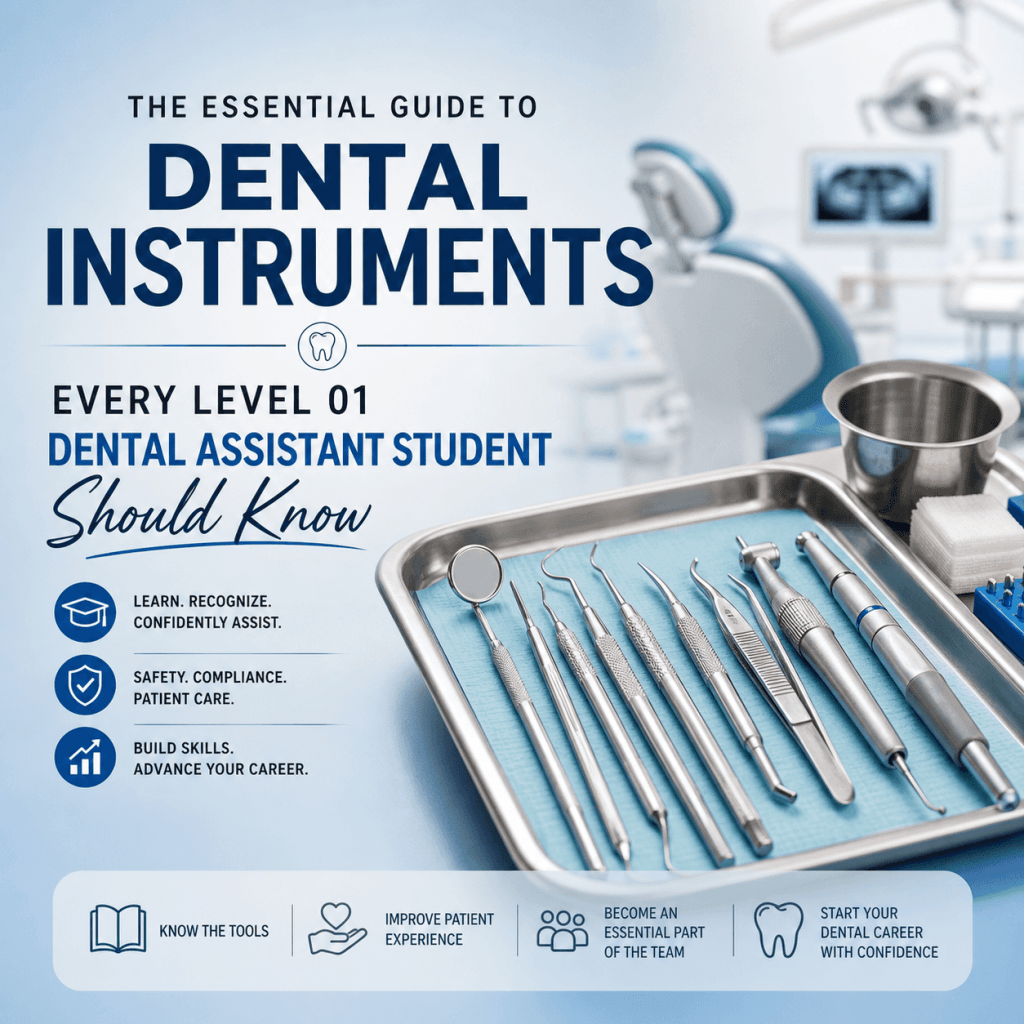
Instrument identification and tray setup
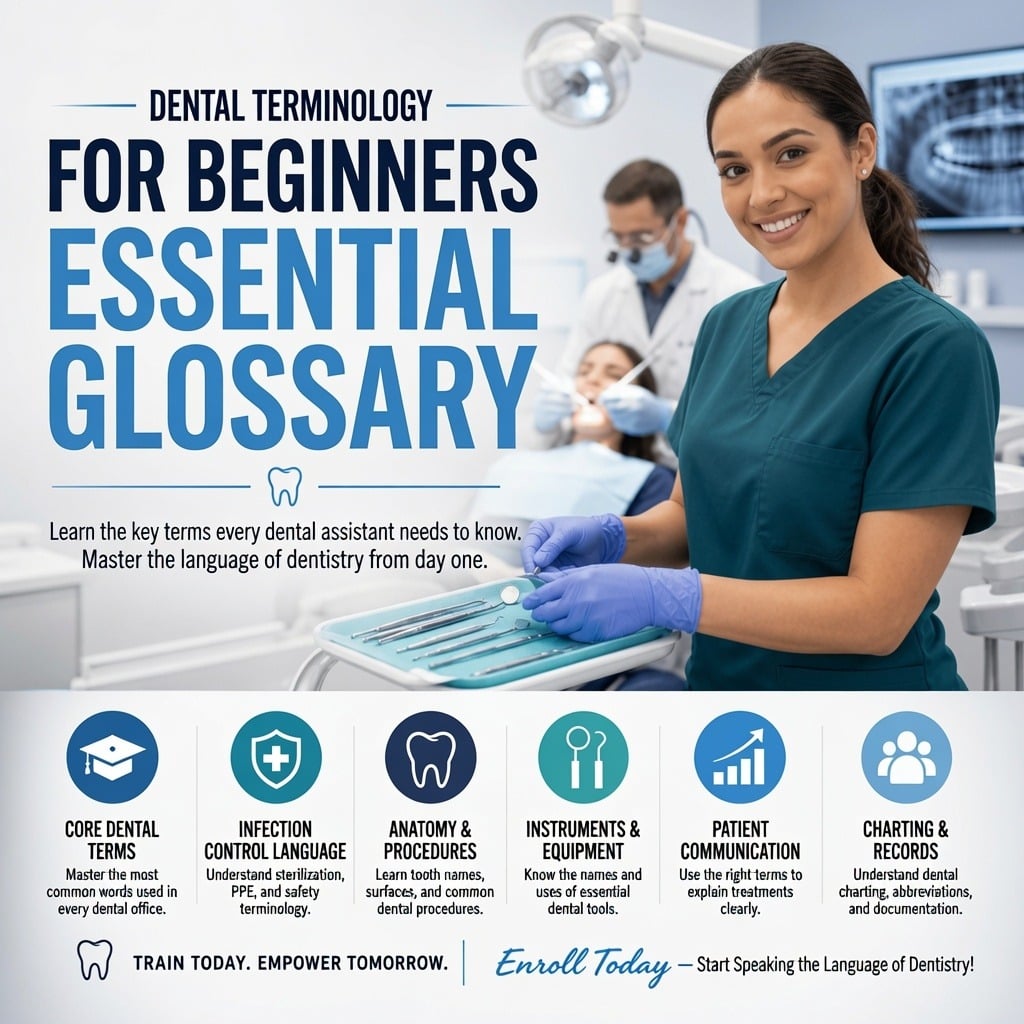
You learn what common instruments are called, what they do, and how to set up trays so you can find what you need quickly. Training typically includes:
- Basic diagnostic setup
- Common restorative setups (fillings)
- Crown and impression-related setups
- Safe handling and passing techniques
Mixing and handling dental materials (intro level)
Even at entry level, you will be exposed to materials that require correct timing and handling. Training often introduces:
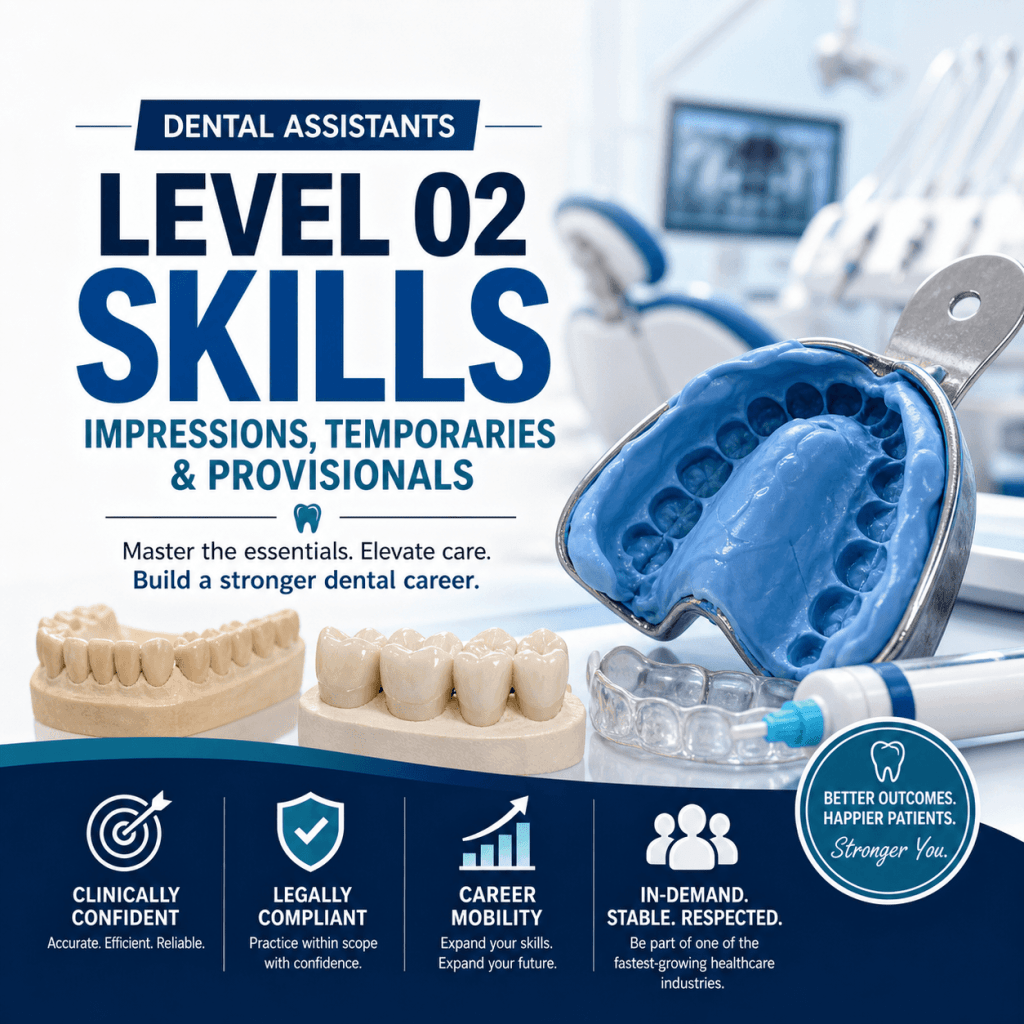
- Impression materials and basic mixing concepts
- Temporary materials basics
- Intro to cements, liners, and common material categories (within training scope)
Charting basics
You learn the fundamentals of documenting clearly, including:
- Tooth numbering systems
- Common abbreviations
- How to record findings consistently so the clinical team can rely on the chart
Patient positioning and communication
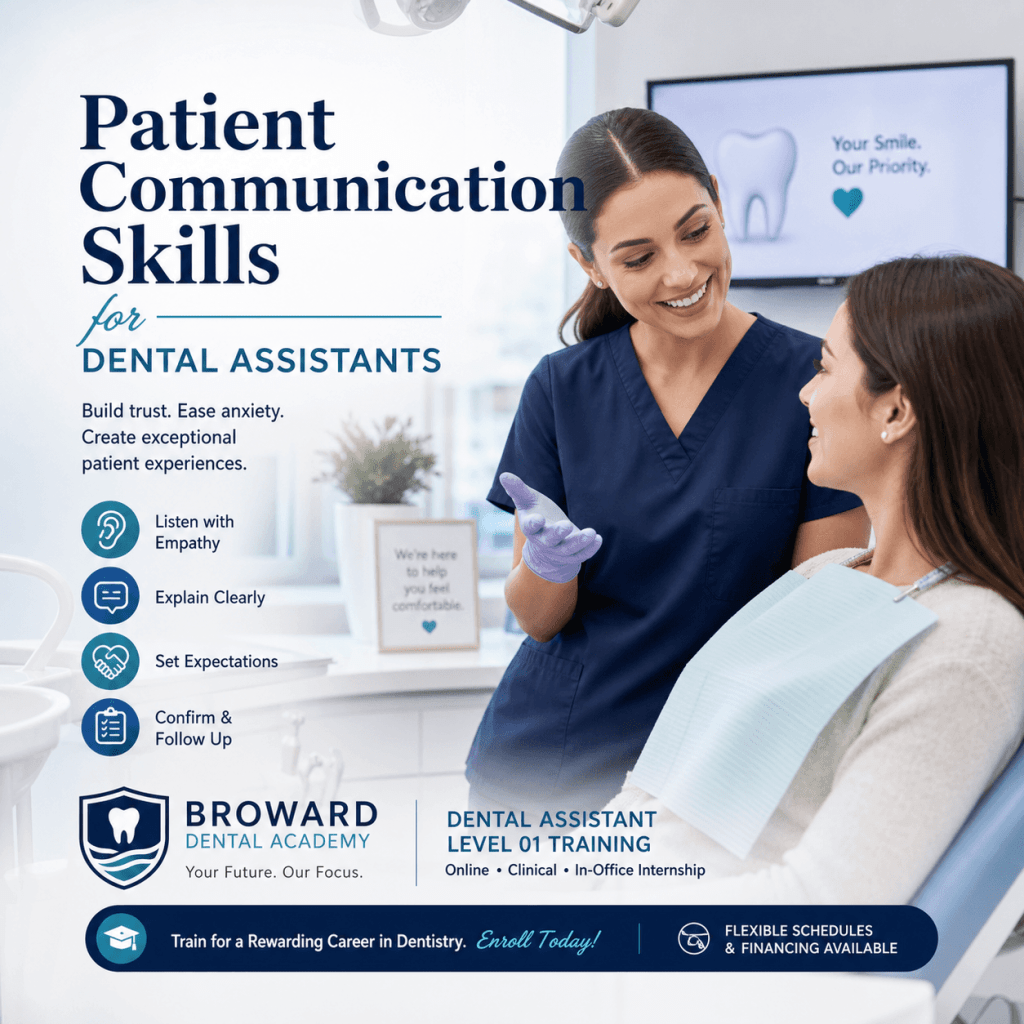
Entry-level assistants are often the person patients look at first. Training helps you learn how to:
- Seat and position patients properly
- Explain what is happening using simple language
- Stay calm and professional with anxious patients
- Recognize when to alert the dentist or hygienist
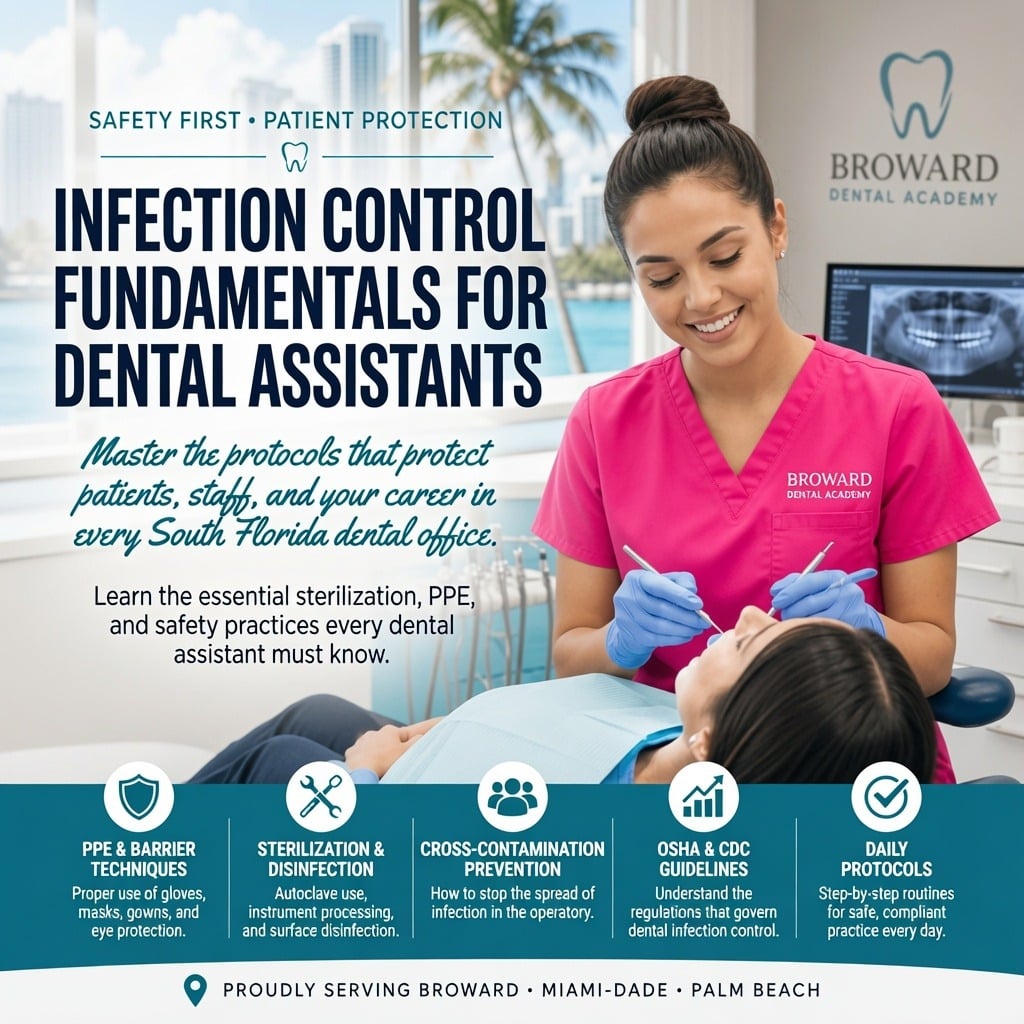
Infection control, sterilization, and safety (the stuff employers care about most)
If you ask most dentists what they care about in an entry-level hire, infection control is near the top. It affects patient safety, staff safety, and legal compliance. Therefore, understanding the principles of infection control is crucial for any dental assistant.
Standard precautions
Training typically covers how to follow standard precautions every time, including:
- Hand hygiene and glove use
- Proper PPE selection and usage
- Barrier techniques
- Sharps safety and disposal
- What to do if there is an exposure incident
Operatory turnover
“Flip the room” sounds simple until you do it ten times in a day and still need to be perfect. Training breaks down what a true, consistent turnover includes:
- Removing disposables correctly
- Disinfecting high-touch surfaces thoroughly
- Placing barriers consistently
- Resetting the room so the next appointment starts on time
Hazard communication
You also learn the basics of safely handling common dental chemicals and disinfectants, including what labels and safety data concepts mean in practice.
Strong infection control skills are one of the quickest ways to stand out when applying for entry-level dental assistant jobs near you. Offices are protecting patients, reputation, and compliance at the same time, and they notice who takes this seriously.
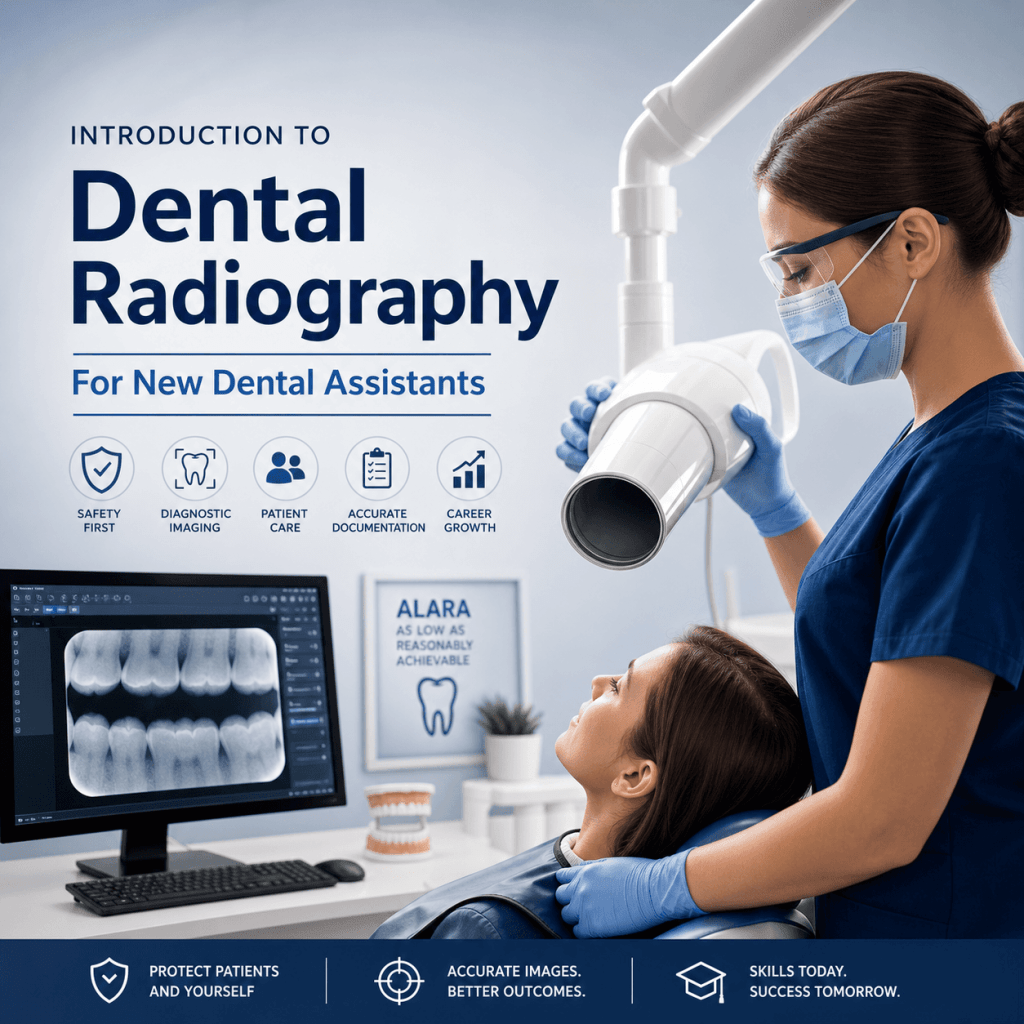
Radiology fundamentals: what you learn before you ever take X-rays on the job
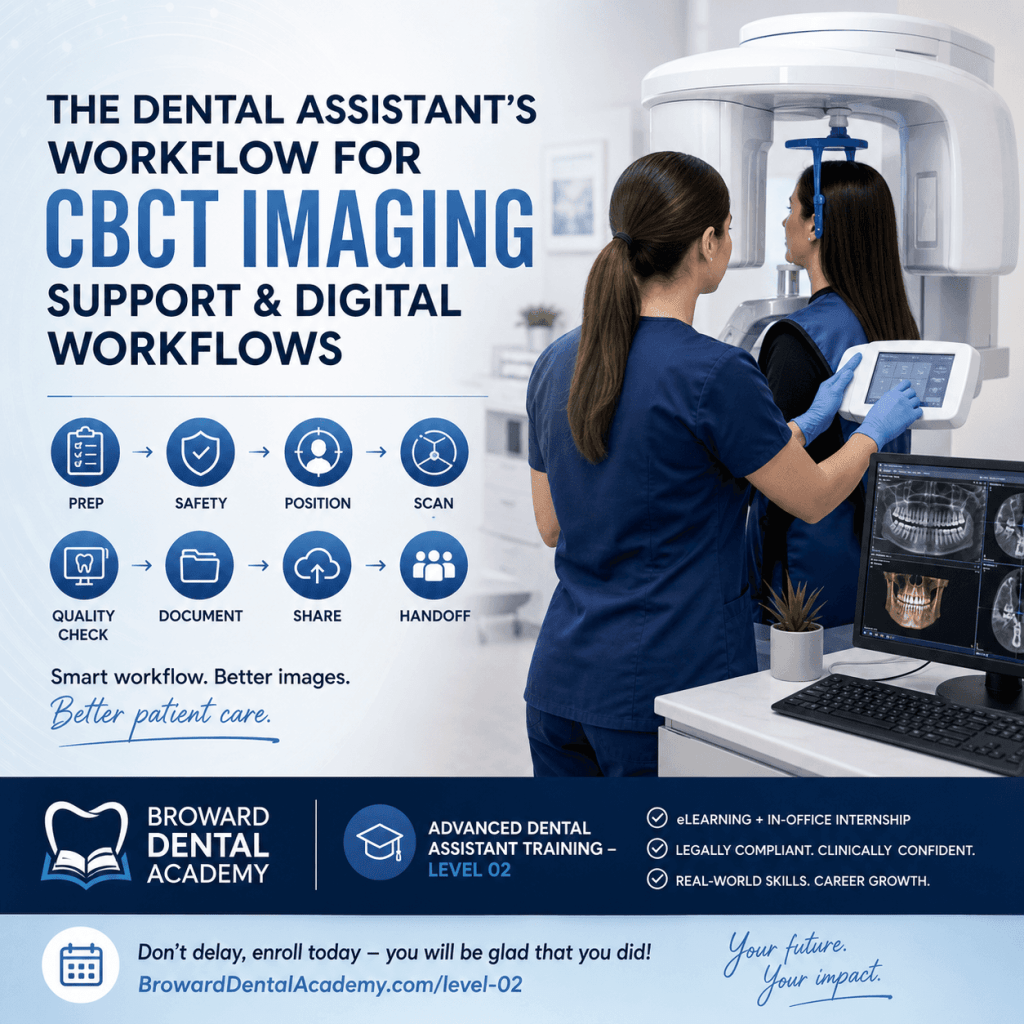
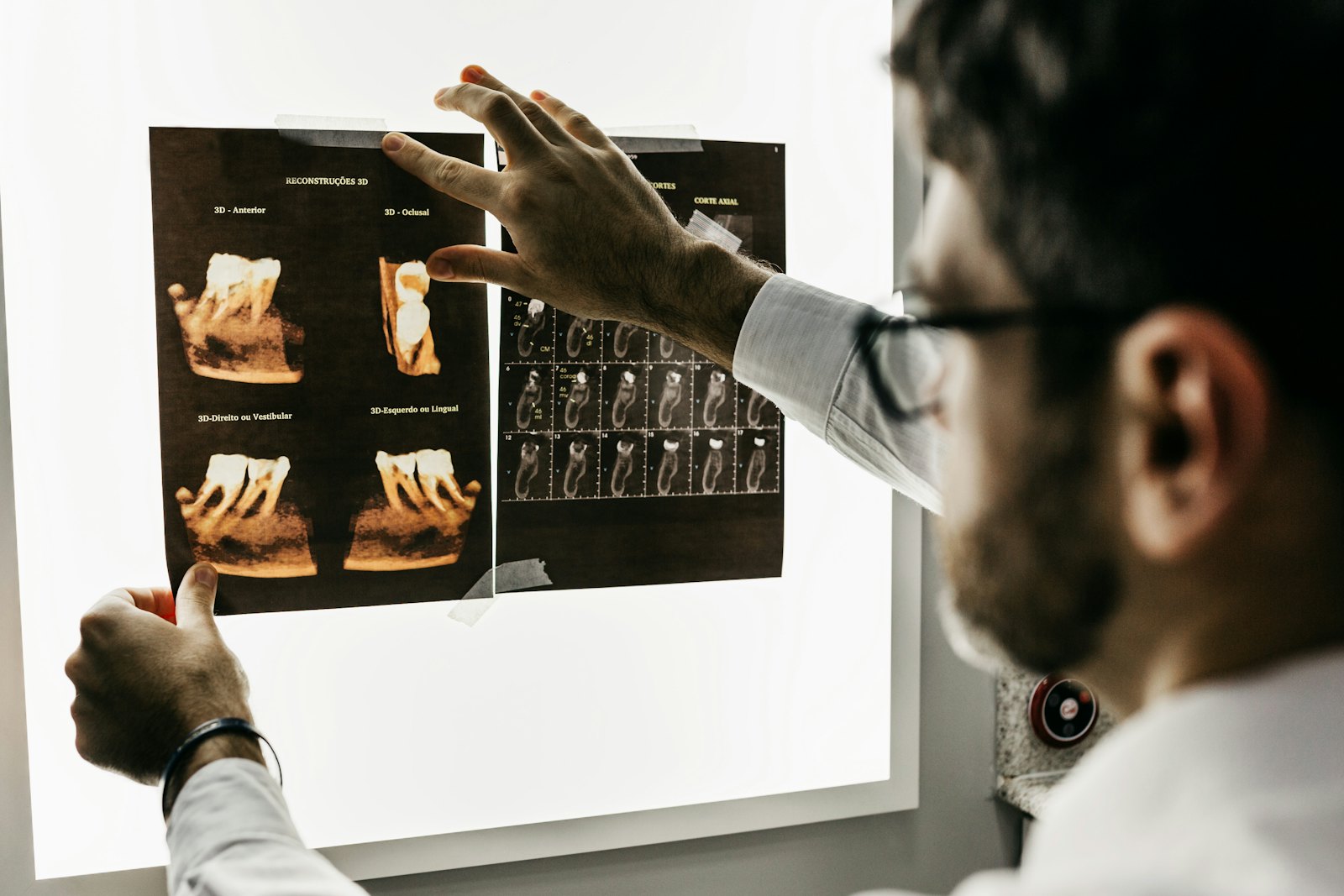
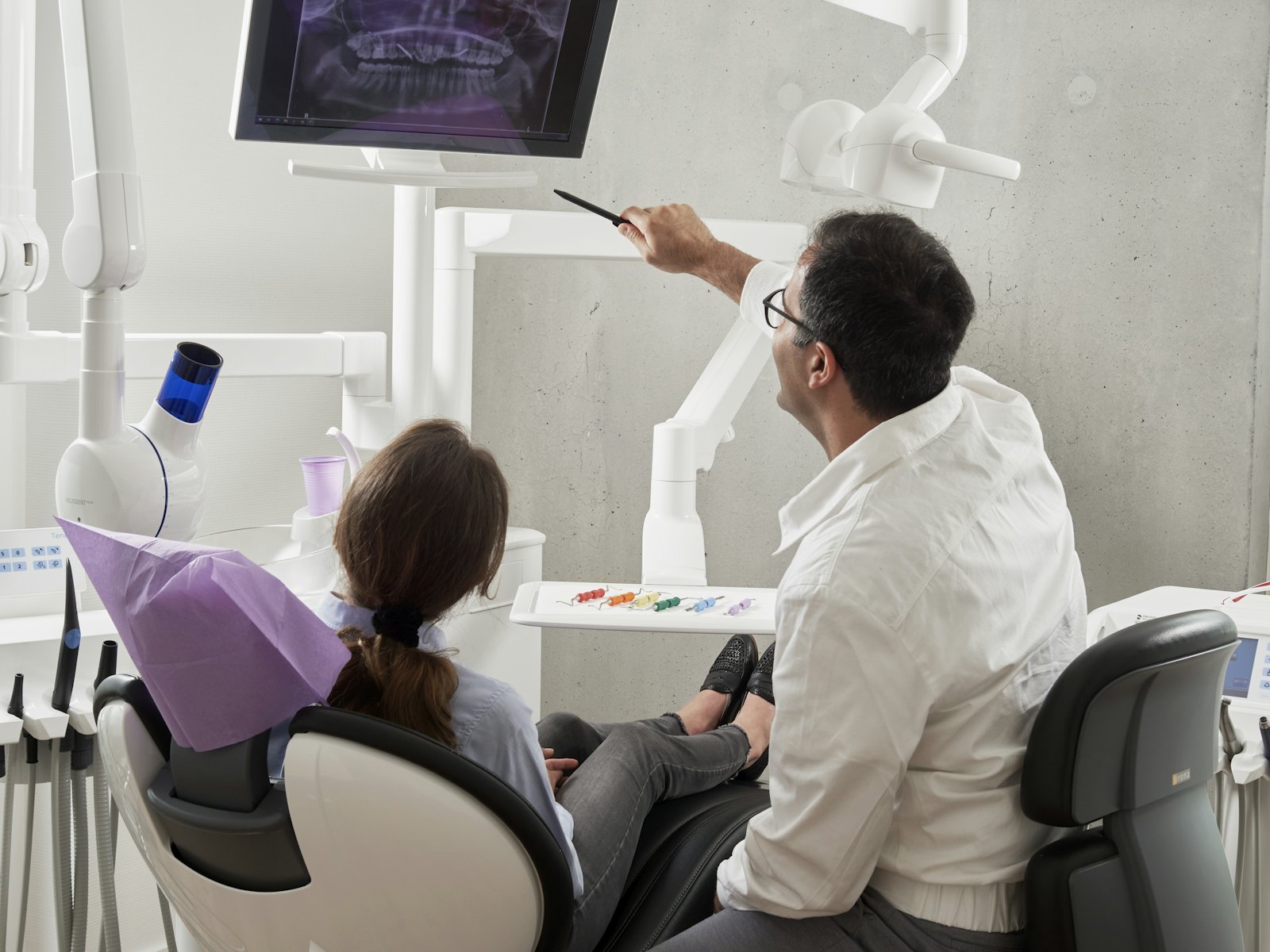
Radiology is a major area where “just copy what others do” is not enough. Entry-level training generally focuses on safety, technique concepts, and readiness to follow state requirements.
Safety principles and minimizing exposure
You learn why radiology safety matters and how to reduce retakes by doing it correctly the first time. Topics often include:
- Radiation safety basics
- Patient shielding and positioning principles
- Why technique and alignment prevent errors
Common dental images (beginner level)
Training commonly introduces:
- Bitewings: helpful for detecting interproximal caries and monitoring bone levels
- Periapicals: useful for roots, periapical areas, and specific tooth evaluation
- Panoramic basics: what a pano shows and when it is typically used
Positioning and technique concepts
You learn the concepts behind:
- Sensor or film placement
- Angulation basics
- Common errors (cut-off, cone cuts, overlapping) and how to avoid them
Image handling and documentation basics
Even when you are not “diagnosing,” you learn how images are labeled, stored, and communicated within the team.
Requirements vary by state, so strong programs focus on helping you be safe, compliant, and clinically confident as you enter the workforce.
Procedure basics you’ll be exposed to in training (so you’re not lost on day one)
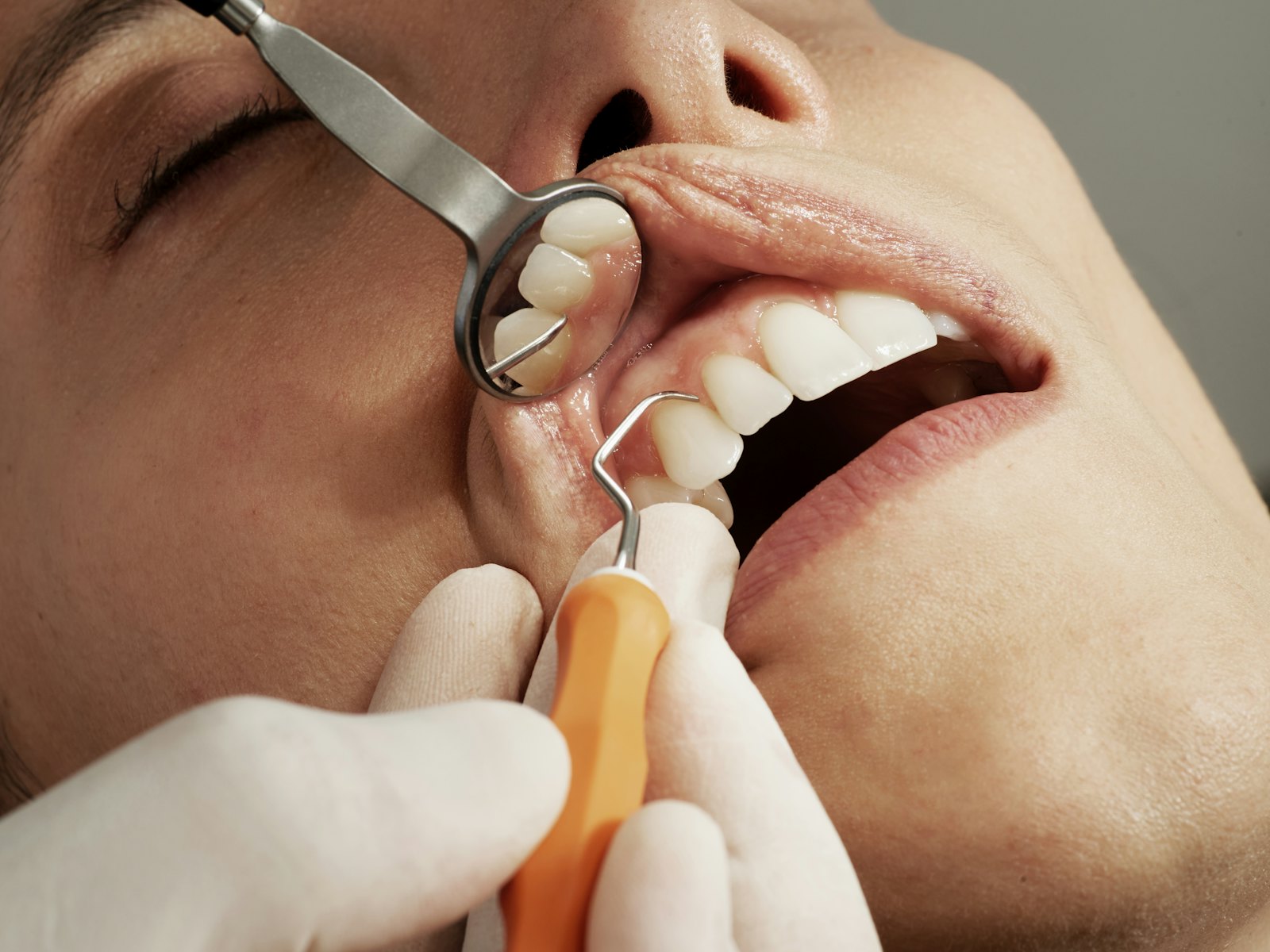
Entry-level training does not turn you into the dentist. It teaches you how to support procedures so you understand what is happening, what comes next, and how to keep the room running safely.
You are typically exposed to assisting flow for procedures such as:
- Exams and treatment planning appointments
- Prophy and hygiene support tasks (as allowed)
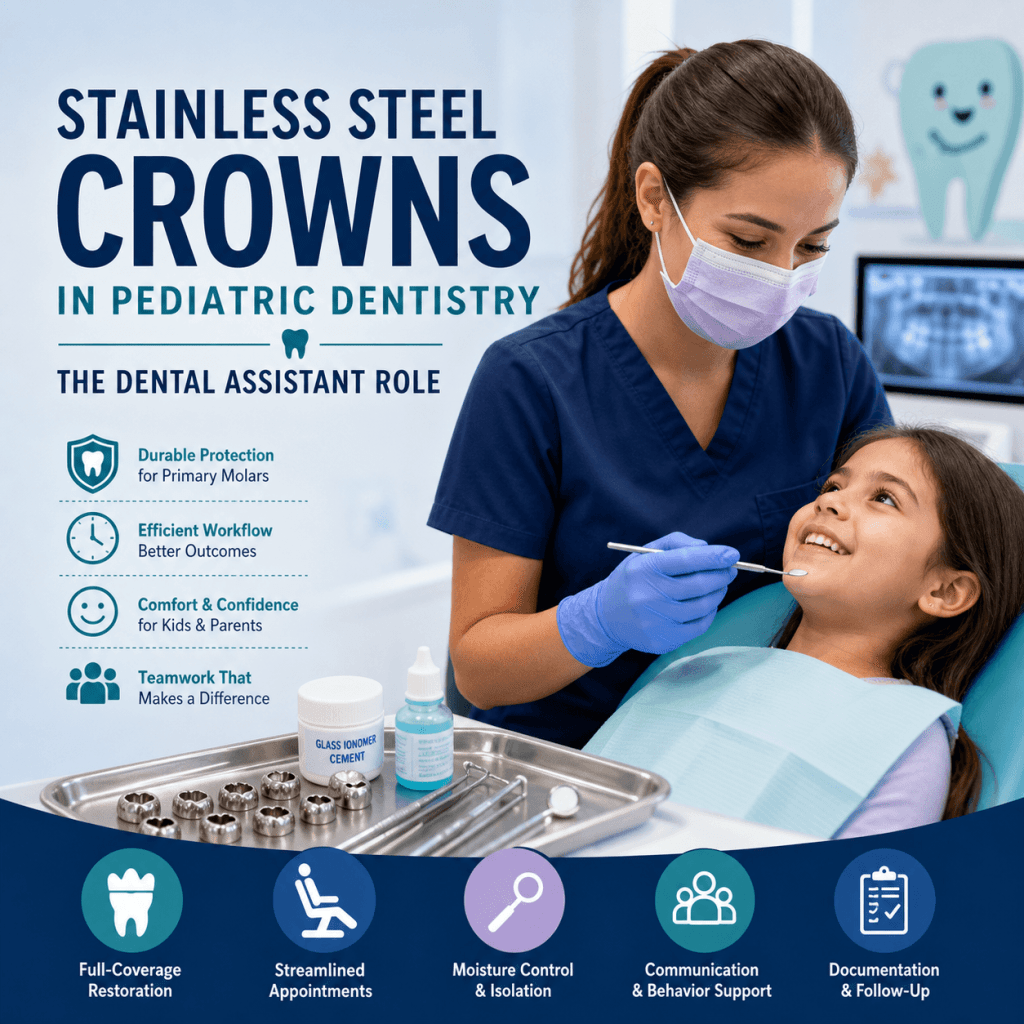
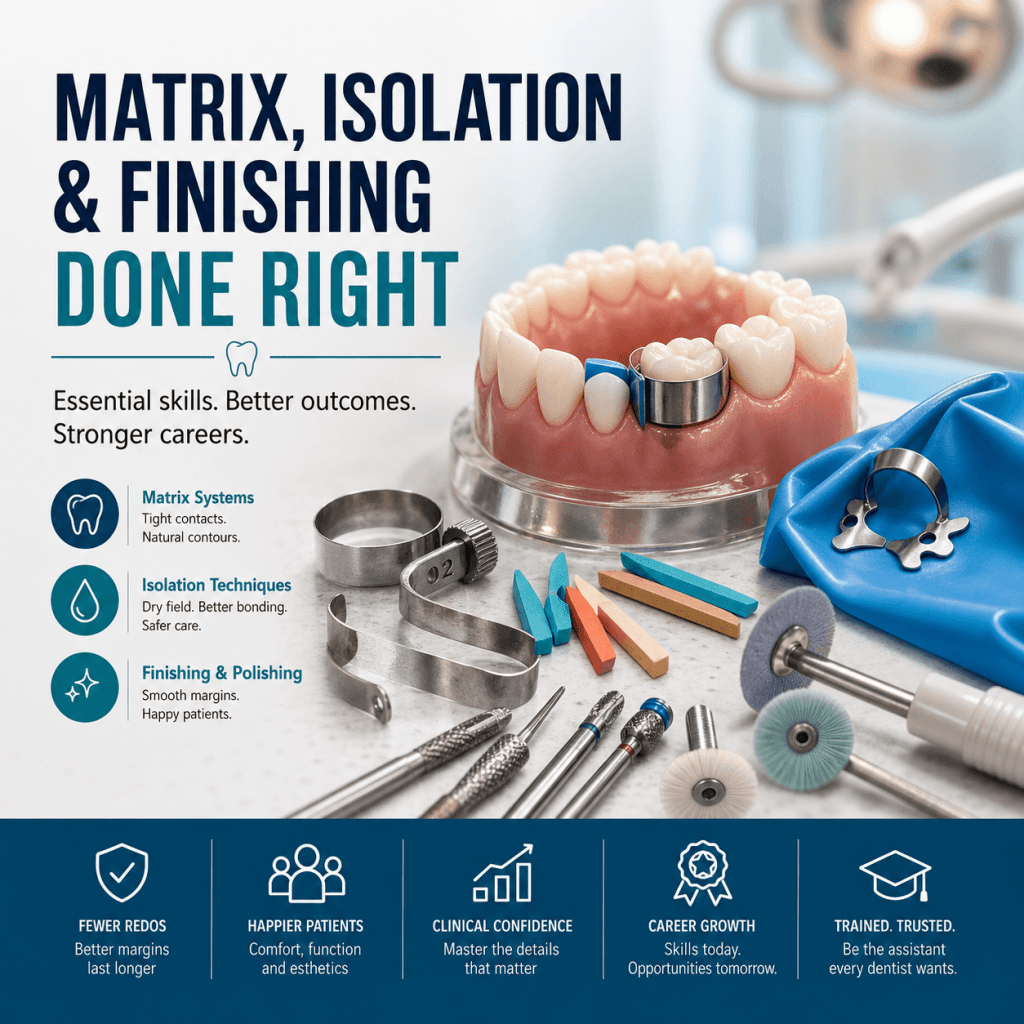
- Fillings and restorative procedures
- Crown procedures and impressions
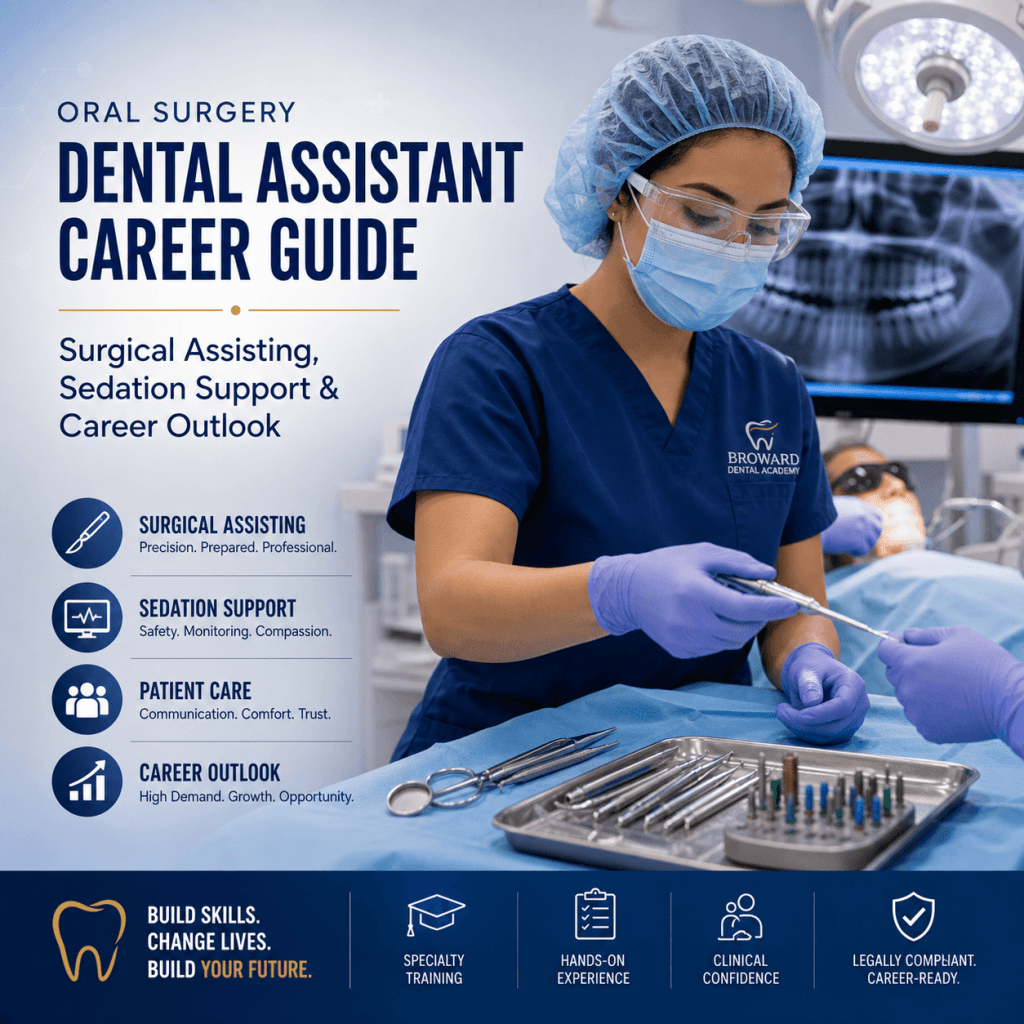
- Extractions (including setup and supportive roles)
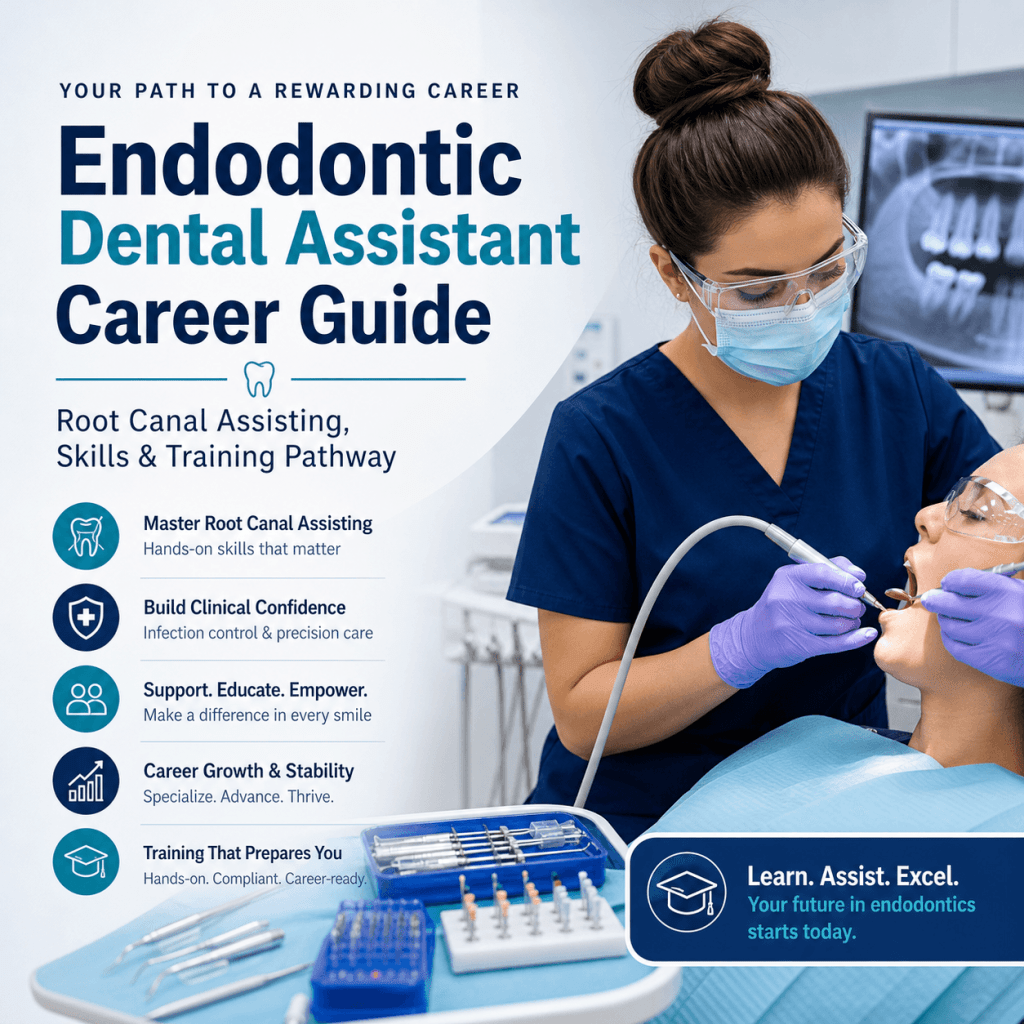
- Root canal assisting flow (endodontic appointments)
- Impression and temporary-related steps
Room prep and keeping the appointment on track
You learn how to prepare for procedures by:
- Verifying materials and instruments before seating the patient
- Setting up suction, trays, barriers, and needed items
- Understanding the sequence enough to prevent delays
Chairside support basics
Training typically emphasizes:
- Retraction and isolation support
- Suction and keeping the field clear
- Efficient instrument transfer
- Maintaining patient comfort without interrupting the procedure
Post-op basics (within role)
You also learn how to reinforce simple post-op reminders, what “normal” complaints might sound like, and when to alert the dentist quickly.
The most valuable part here is critical thinking. When you understand the “why” behind steps, you can anticipate safely instead of guessing.
Front office and patient flow skills (because many entry-level roles overlap)
In many practices, especially smaller offices, entry-level dental jobs blend back office and front office tasks. Training often introduces patient flow skills so you can be helpful wherever you are needed.
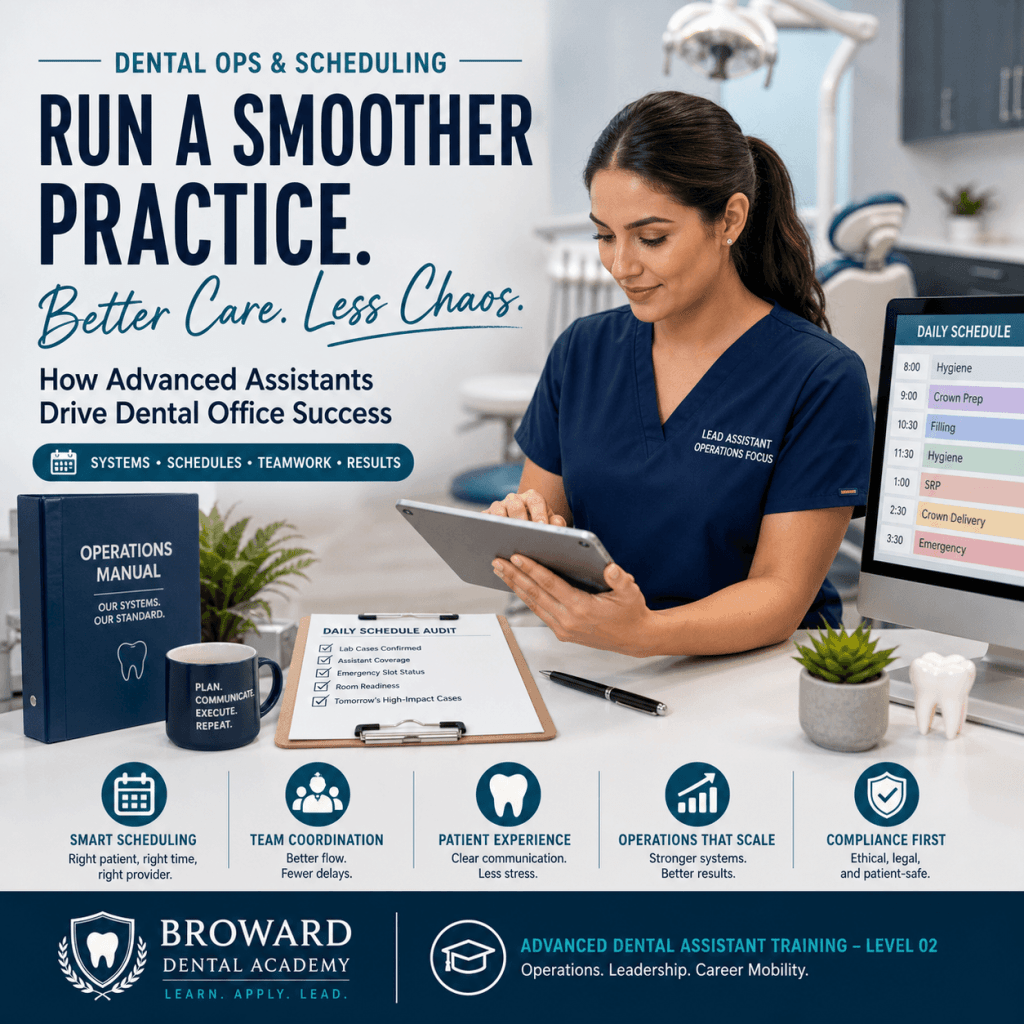
Scheduling and confirmations
You learn the basics of:
- Common appointment types and expected time blocks
- Why scheduling affects clinical efficiency
- Confirmations and reducing no-shows
Documentation and forms
Training commonly includes exposure to:
- Medical history intake and updates
- Consent basics (conceptual understanding)
- HIPAA and privacy awareness
Insurance and billing exposure
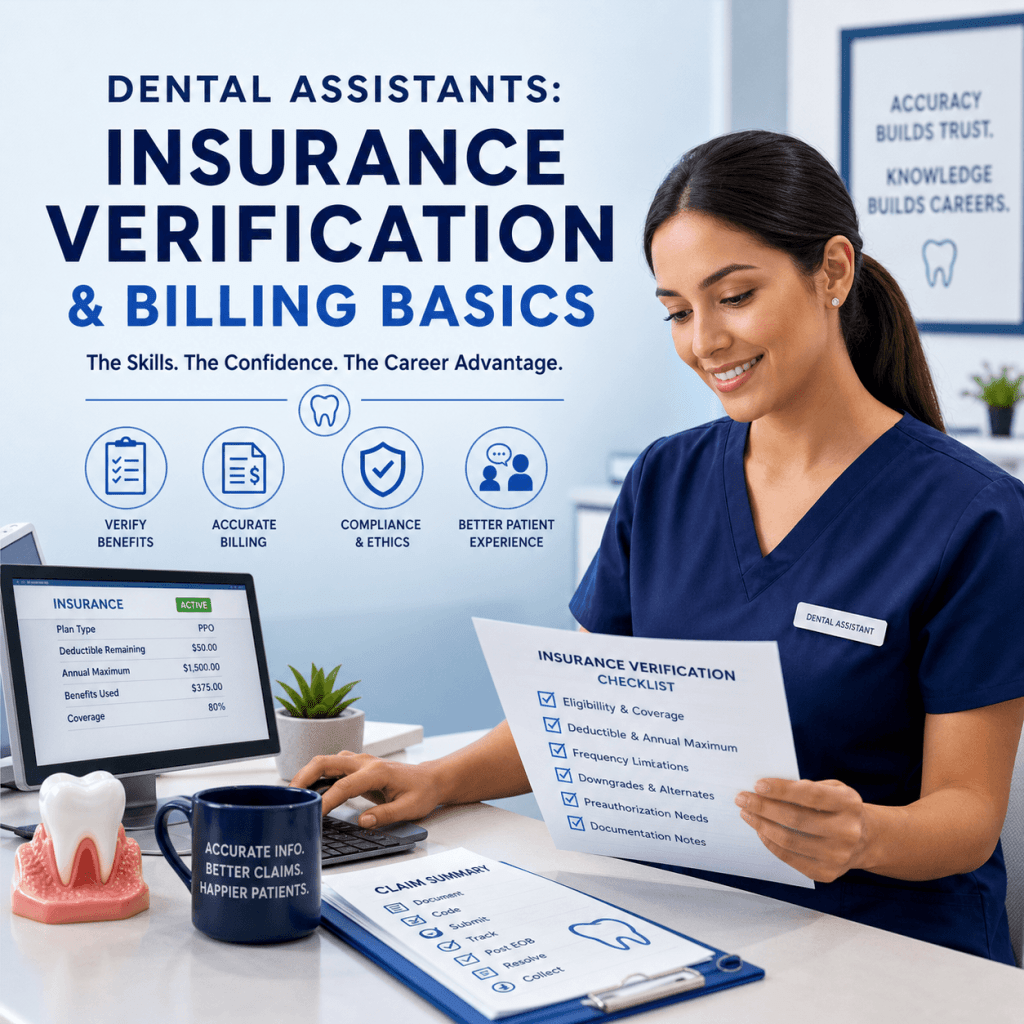
You may be introduced to insurance terminology and how estimates or claims work at a high level, which can make you more versatile when applying to entry-level dental office jobs near you.
Professionalism: the “soft skills” that make clinics want to hire you
Dental offices are clinical environments, but hiring decisions often come down to professionalism. Practices need assistants who are dependable, coachable, and calm under pressure.
Entry-level training should build habits like:
- Punctuality and consistent attendance
- Professional appearance and communication
- Teamwork in a high-performance environment
- Accepting feedback without getting defensive
- Respecting privacy and patient dignity at all times
- Speaking up when something is unsafe or unclear
Confidence is not pretending you know everything. It is asking the right questions, checking your setup, and learning from mistakes without panic. Dentists notice the difference immediately in working interviews and early onboarding.
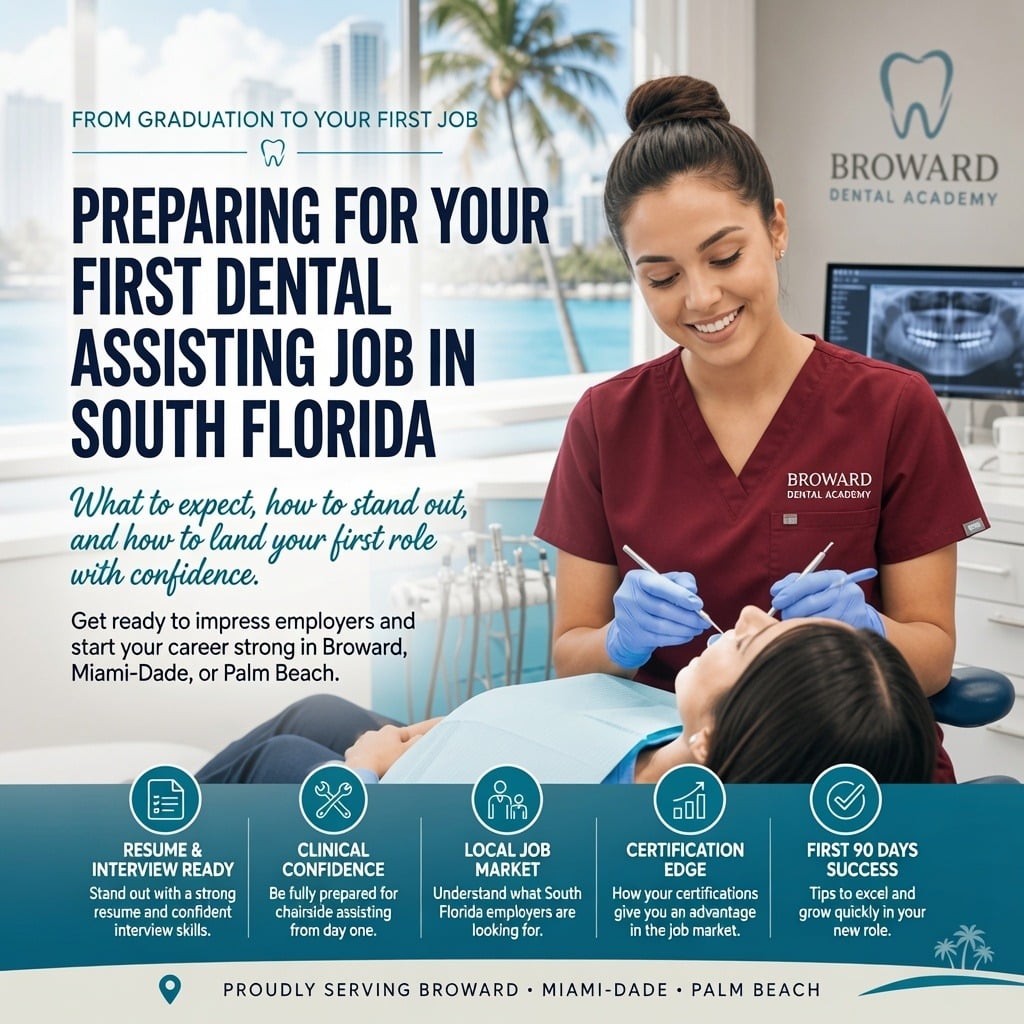
How training turns into real employment: what “job-ready” actually looks like
Training becomes valuable when you can translate it into real, repeatable performance in a clinic.
Resume-ready skills you can speak to
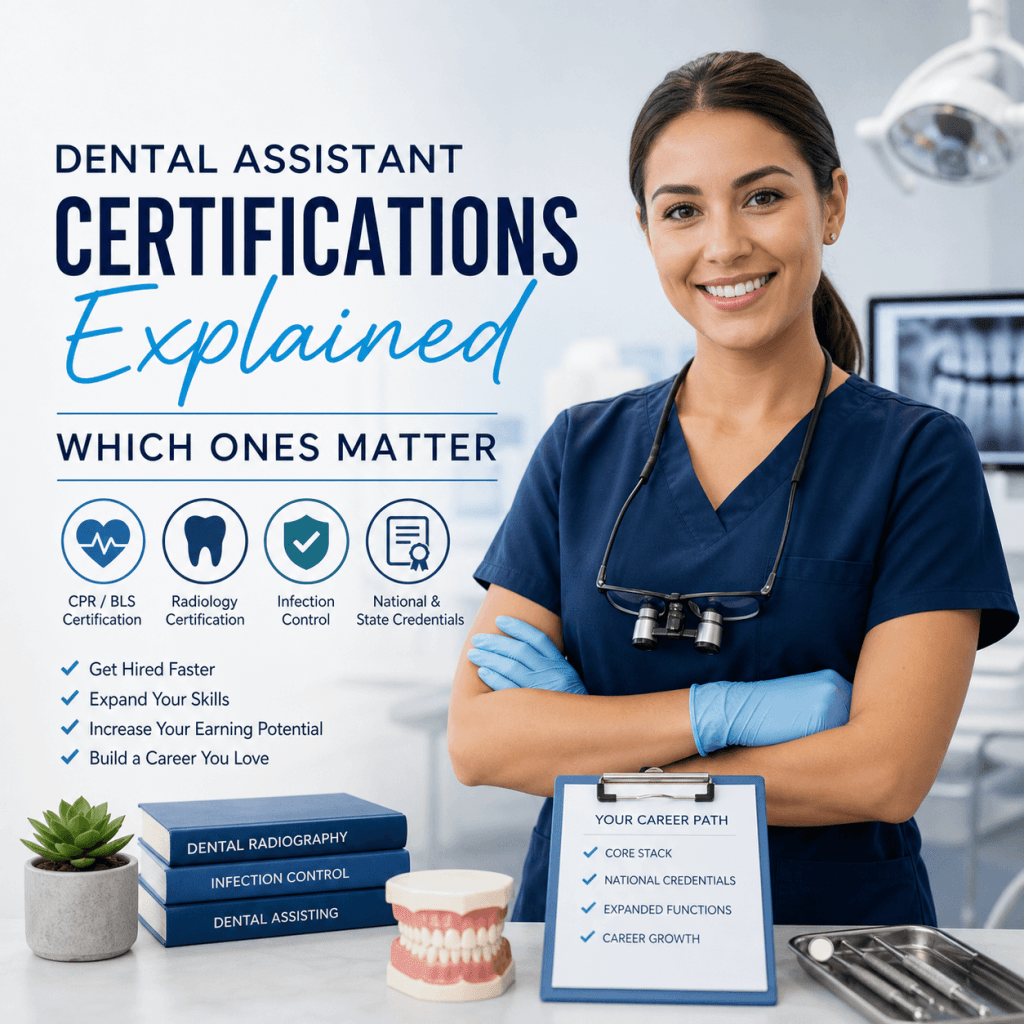
A strong entry-level graduate can usually describe skills such as:
- Infection control and sterilization workflow
- Operatory turnover and consistent setup
- Chairside assisting fundamentals and instrument awareness
- Radiology safety and basic technique concepts
- Patient communication and comfort support
- Documentation and charting basics
What clinics expect in the first 30 days vs 90 days
Every office is different, but many hiring managers think in milestones:
First 30 days:
- You show up on time, prepared, and professional
- You follow infection control rules without reminders
- You can turn rooms over consistently
- You can assist in basic procedures with guidance
By 90 days:
- You anticipate common setups and procedure flow
- You need fewer corrections on tray setup and turnover
- You communicate well with patients and the team
- You contribute to keeping the schedule on track
For those considering a career in dental assisting, it’s essential to understand what makes a candidate truly job-ready.
Interviews and working interviews
Many dental assisting interviews include a working component. Employers may watch how you:
- Set up a basic tray
- Handle suction and retraction
- Pass instruments safely
- Interact with patients in a calm, professional way
This is where in-office internships can be a major advantage. They help you adjust from classroom pace to real appointment pace, with real patients and real time pressure.
If you are searching for dental assistant entry level jobs near me or entry-level dental assistant jobs near me, take a focused approach:
- Apply to a defined list of offices
- Tailor your resume to clinical skills and safety
- Be ready to explain your training and what you can do on day one
- Ask smart questions about mentorship, pace, and expectations
Pay and growth: what to expect in entry-level roles (and how to move up faster)
Dental assistant entry-level pay varies by location, office type, and what you can confidently do. Offers are often influenced by:
- Radiology readiness and compliance (as applicable)
- Internship or hands-on experience
- Professionalism and communication
- Strong infection control habits such as those outlined in this clinical resource
- Ability to keep up with chairside flow and turnover
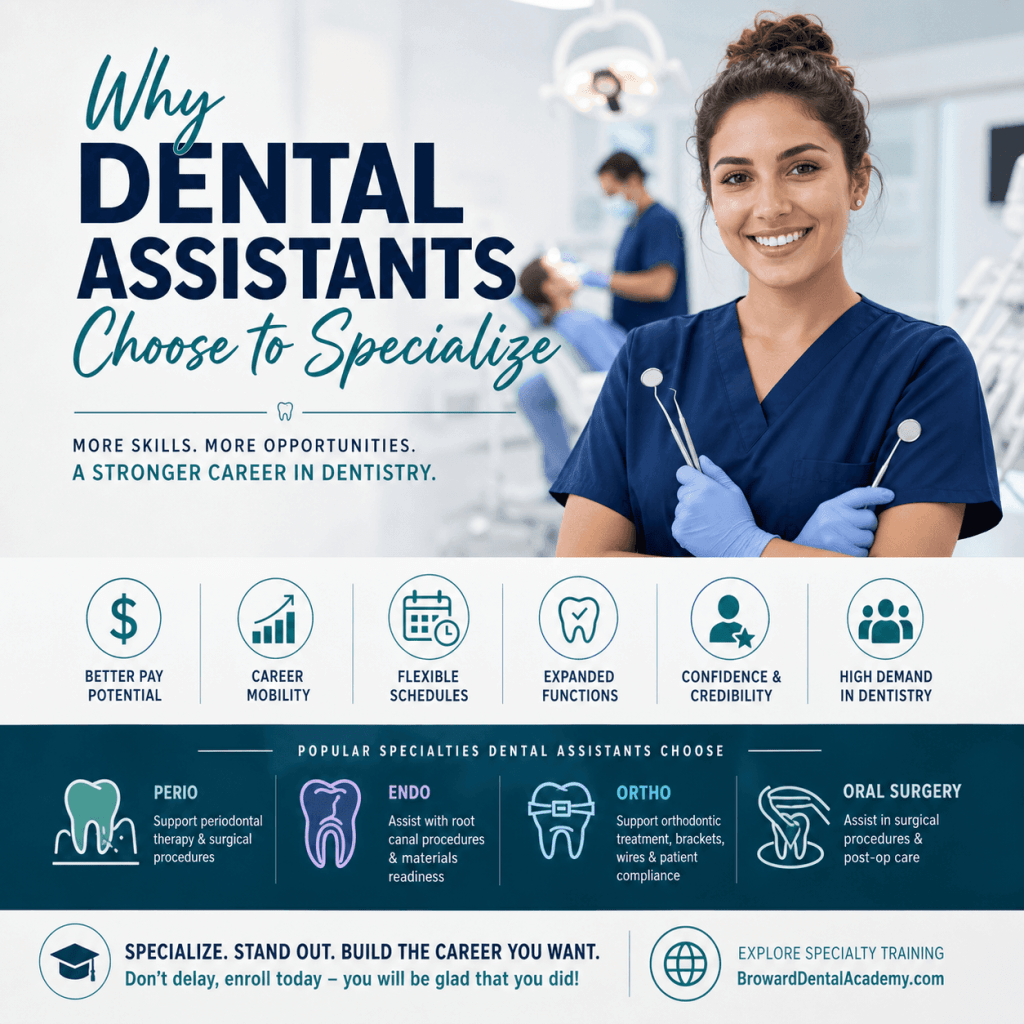
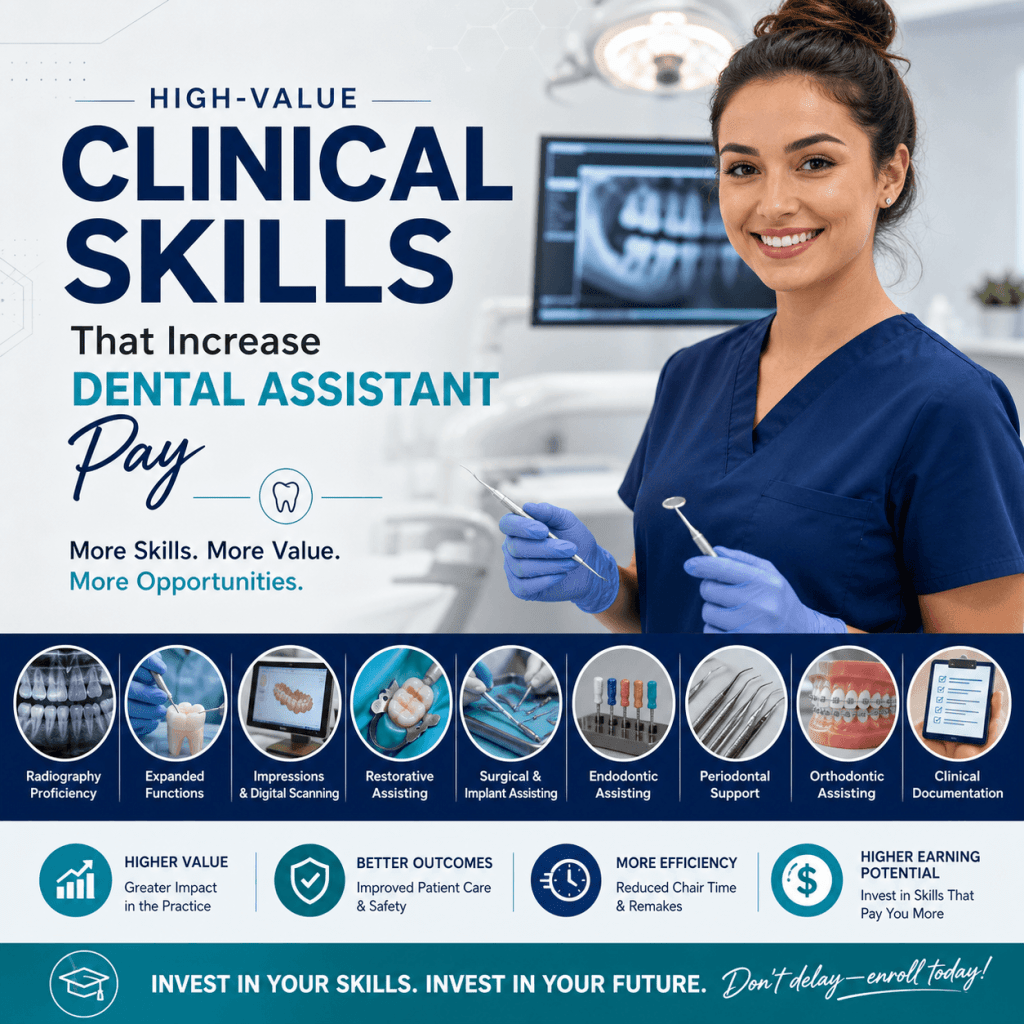
Dental assisting is also attractive because it can offer stable income and flexible schedules depending on the practice. Many assistants build long-term careers by stacking skills over time, moving into expanded functions, and pursuing advanced dental training as they grow.
If you want to move up faster:
- Keep a skills log of procedures you assisted with
- Ask for cross-training (hygiene support, front office, sterilization leadership)
- Pursue additional courses when you are ready
Broward Dental Academy supports long-term growth through a wide range of dental courses and advanced dental training beyond entry-level foundations.
What makes Broward Dental Academy’s approach different for entry-level dental assistant training
While some programs merely teach to the test, Broward Dental Academy prepares students to excel in a modern, high-performance dental practice. Our approach includes:
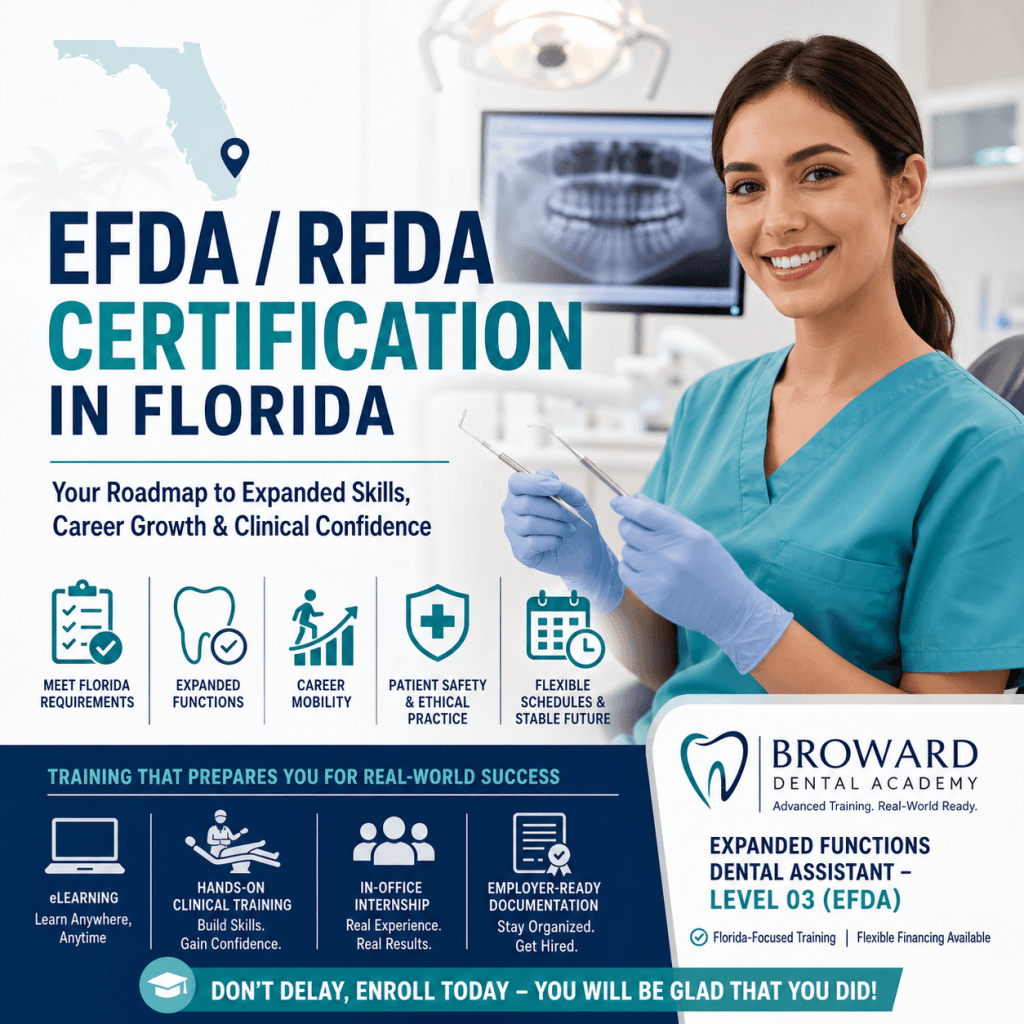
- Blended learning with current eLearning lesson plans plus hands-on clinical immersion
- Training that ensures students are thoroughly trained, legally compliant, and clinically confident
- A focus on critical thinking, ethics, and professional readiness
- In-office internships that help students adapt to real-world pace and expectations
- A professional training environment designed to produce polished dental professionals
- Flexible financing options to make getting started more practical
If your goal is to step into entry-level dental assistant work with confidence, the difference lies in training that reflects real clinic standards.
A simple next step if you’re considering entry-level dental assistant training
Now that you understand what entry-level dental assistant training should provide – such as hands-on assisting skills, infection control and safety, radiology fundamentals, procedure flow, patient communication, and the professional habits that make offices want to hire you – it’s time to take action.
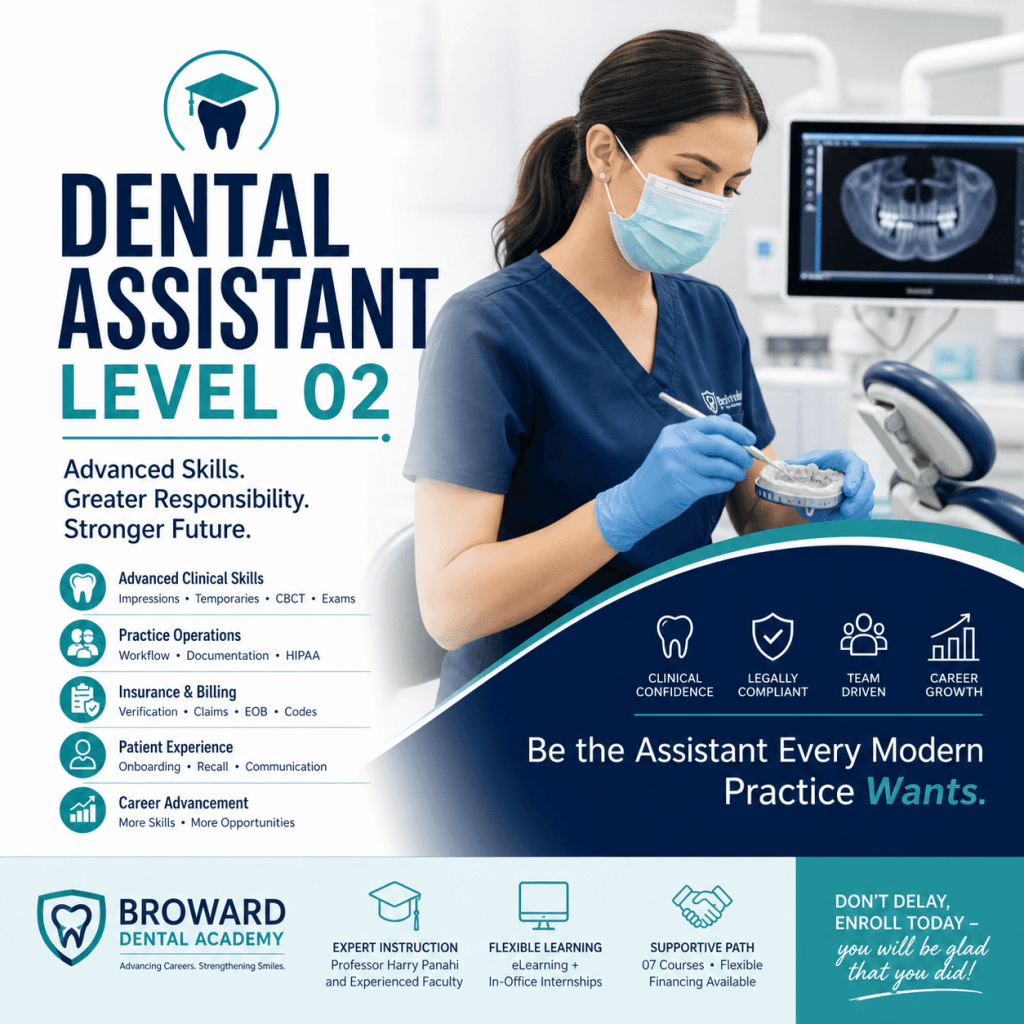
If you’re ready to connect your training with real entry-level dental assistant jobs or entry-level dental office jobs, explore Broward Dental Academy’s Dental Assistant Level 01 Training. If you’re looking for more advanced training, we also offer Dental Assistant Level 02 Training and Dental Assistant Hygienists Level 03 Training.
Don’t delay; enroll today – you will be glad that you did!
FAQs (Frequently Asked Questions)
What does entry-level dental assistant training typically include beyond memorizing tools and passing tests?
Entry-level dental assistant training goes beyond memorization and test prep by focusing on clinical basics, safety and sterilization, patient communication, professional standards, and building the confidence to function efficiently in a real dental practice environment.
Why is practical, hands-on training important for entry-level dental assistants?
Practical hands-on training is crucial because dental offices are fast-paced clinical environments where small mistakes can have big consequences. Hands-on skill development ensures assistants can work safely, communicate professionally, follow infection control protocols, and maintain smooth clinical flow under real-world conditions.
What core clinical skills are taught in entry-level dental assistant programs?
Core clinical skills include chairside assisting fundamentals such as proper positioning, instrument transfer techniques, suction and moisture control; instrument identification and tray setup for various procedures; mixing and handling dental materials; charting basics including tooth numbering systems; and patient positioning and communication skills.
How do entry-level dental assistant programs prepare students for real clinic pace and expectations?
These programs emphasize practice readiness by combining structured eLearning with in-person clinical skill development and internships. They teach students to anticipate procedural steps, maintain safety standards throughout the day, communicate effectively with patients, and operate efficiently without cutting corners.
What roles does an entry-level dental assistant typically perform during a normal workday?
An entry-level dental assistant supports dentists and hygienists by setting up and breaking down operatories, preparing trays and materials for procedures, assisting chairside while anticipating next steps, helping patients feel comfortable and informed, documenting basic clinical records, and maintaining safety and sterilization standards throughout the day.
How does Broward Dental Academy’s approach to dental assistant training differ from traditional exam-focused programs?
Broward Dental Academy prioritizes practice readiness over just exam preparation by integrating modern learning tools with hands-on skill development. Their programs focus on real-world clinic pace, critical thinking, ethics, legal compliance, and building confidence to meet high-performance expectations from day one.