Dental charting is the standardized way a practice records the condition of every tooth: which teeth exist, what surfaces are affected, what work exists already, and what treatment is planned. Assistants chart as the dentist calls out findings, so fluency in tooth numbering, surface names, and common notation is a core entry-level skill. Here is the system.
Key takeaways
- What numbering is used?
The universal system: teeth 1 through 32 for adults, with letters for primary teeth. - What do the letters mean?
Tooth surfaces: mesial, distal, occlusal, buccal or facial, and lingual, combined to describe where work sits. - Why does accuracy matter?
The chart drives the next appointment, the claim and the legal record, so an error carries beyond the day. - How do you get faster?
Learn numbering and surfaces cold first, then confirm findings aloud rather than guessing under pressure.
New to the vocabulary? Keep our dental terminology glossary open alongside this guide.
How does the universal numbering system work?
In the United States, under the numbering system standardized by the American Dental Association, permanent teeth are numbered 1 through 32, starting at the upper right third molar (tooth 1), running across the upper arch to the upper left third molar (16), dropping to the lower left third molar (17), and running across the lower arch to end at the lower right third molar (32). Primary teeth use letters A through T on the same path. When the dentist says “watch on 3, MO,” the number is the tooth and the letters are the surfaces.
What do the five surface letters mean?
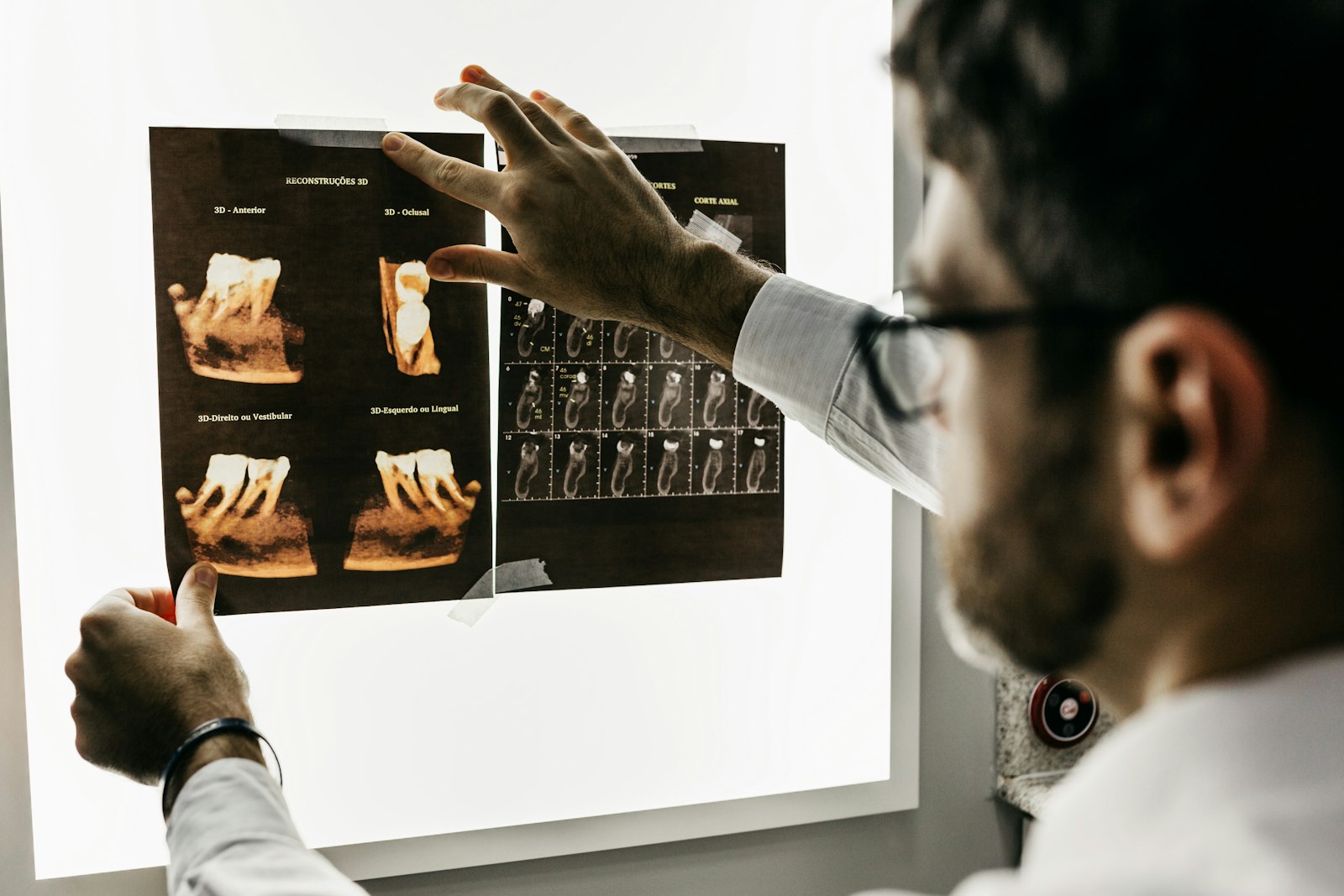
Every tooth has surfaces with standard names: mesial (toward the midline), distal (away from the midline), occlusal (the chewing surface of back teeth) or incisal (the edge of front teeth), buccal or facial (toward the cheek or lips), and lingual (toward the tongue). Findings combine them: MOD means a finding spanning the mesial, occlusal, and distal surfaces. Charting is simply these codes attached to tooth numbers, called out fast.

Which notation will you chart every week?
Practices vary in software and symbols, but the recurring entries are consistent: existing restorations (fillings, crowns, bridges, implants), conditions needing attention (decay, fractures, defective restorations), missing and unerupted teeth, and planned treatment. Many offices follow the convention of recording existing work and proposed work in visually distinct ways so the chart reads at a glance. Your job is accuracy and speed: the dentist calls, you enter, the chart stays trustworthy.

How does periodontal charting work?
Perio charting records pocket depths in millimeters at six points around each tooth, along with bleeding on probing, recession, and mobility where present. Shallow, stable readings are the goal; deeper pockets and bleeding flag disease the dentist and hygienist will act on. Assistants commonly record the readings as the clinician probes, which demands the same call-and-enter rhythm as restorative charting. For the patient-facing side of these terms, the ADA’s MouthHealthy glossary is a useful companion.
What does the charting workflow look like chairside?
Good charting practice looks like this: confirm the patient and date before starting, enter findings the moment they are called rather than batching from memory, repeat back anything ambiguous, and never guess. A wrong entry in a chart is a clinical and legal problem; the correction habit to build from day one is to ask, not assume. Charting connects directly to the instruments and procedures around it, so pair this with our essential instruments guide and chairside basics.
Where does charting fit in your training?
Charting fluency is built in Level 01 training alongside terminology and instruments, then exercised constantly at the chair. Broward Dental Academy’s Level 01 course covers the numbering system, surfaces, and notation with hands-on practice, and our guide to Level 01 training shows how it fits the bigger curriculum.
Why does accurate charting matter beyond the appointment?
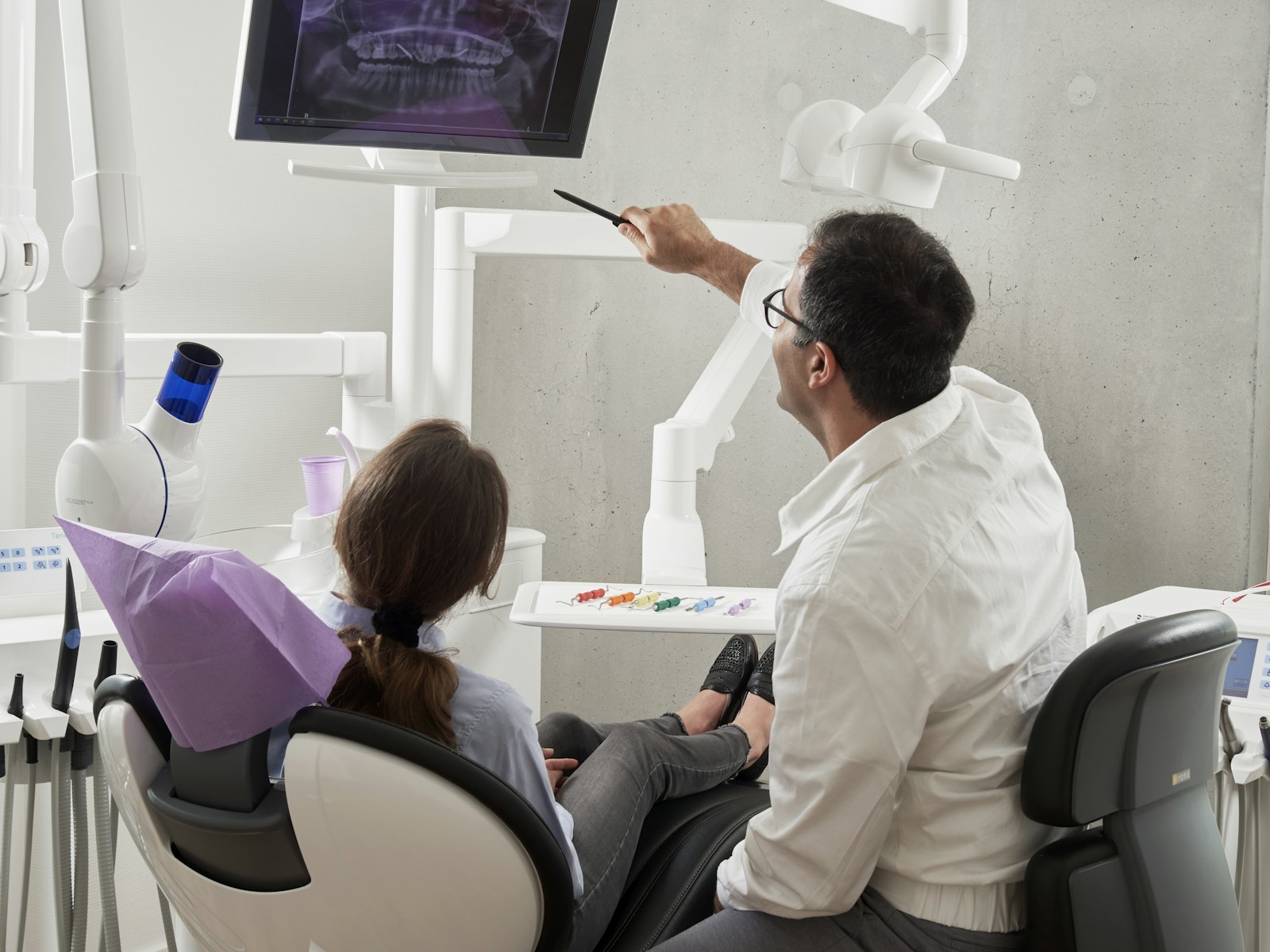
The chart is the clinical record, the billing basis and the legal account of what happened, so a shorthand error travels further than most new assistants expect.
- Clinical: the next provider treats from what you recorded, including surfaces, probing depths and existing restorations.
- Billing: claims are paid or denied on codes and narratives that trace back to the chart entry.
- Legal and compliance: the record shows who did what and when, which is what protects the patient and the practice.
- Continuity: periodontal numbers only mean something when they are taken and recorded consistently over time.
How do you build charting speed without errors?
- Learn tooth numbering cold, so you never guess a number while the dentist is calling findings.
- Memorize the surface letters and their combinations before adding speed.
- Repeat back what you heard when a finding is called quickly; a two-second confirmation prevents a remake.
- Use the practice’s own abbreviations rather than inventing your own.
- Check the entry before the patient leaves, while the operator can still correct it.
- Practice with the terminology base covered in Level 01 training and the compliance rules in licensing and scope of practice.
FAQs (Frequently Asked Questions)
What is dental charting?
The standardized recording of each tooth’s condition: existing restorations, conditions needing treatment, missing teeth, and planned work, plus periodontal measurements. It gives the whole team one accurate picture of the patient’s mouth.
How does the Universal Numbering System work?
Permanent teeth are numbered 1 to 32, starting at the upper right third molar, across the upper arch to 16, then dropping to the lower left third molar at 17 and ending at the lower right third molar at 32. Primary teeth use letters A through T.
What do letters like MOD mean in a dental chart?
They name tooth surfaces: mesial, occlusal, and distal in that example. The five standard surface names are mesial, distal, occlusal or incisal, buccal or facial, and lingual, and findings combine them to locate exactly where a condition sits.
Do dental assistants do the charting?
Very commonly, yes. The dentist or hygienist examines and calls out findings, and the assistant enters them in real time. Accuracy and the habit of asking rather than guessing are what make an assistant trusted with the chart.
What is periodontal charting?
Recording gum health numerically: pocket depths in millimeters at six points per tooth, plus bleeding, recession, and mobility. It tracks periodontal disease over time and is charted with the same call-and-enter workflow.