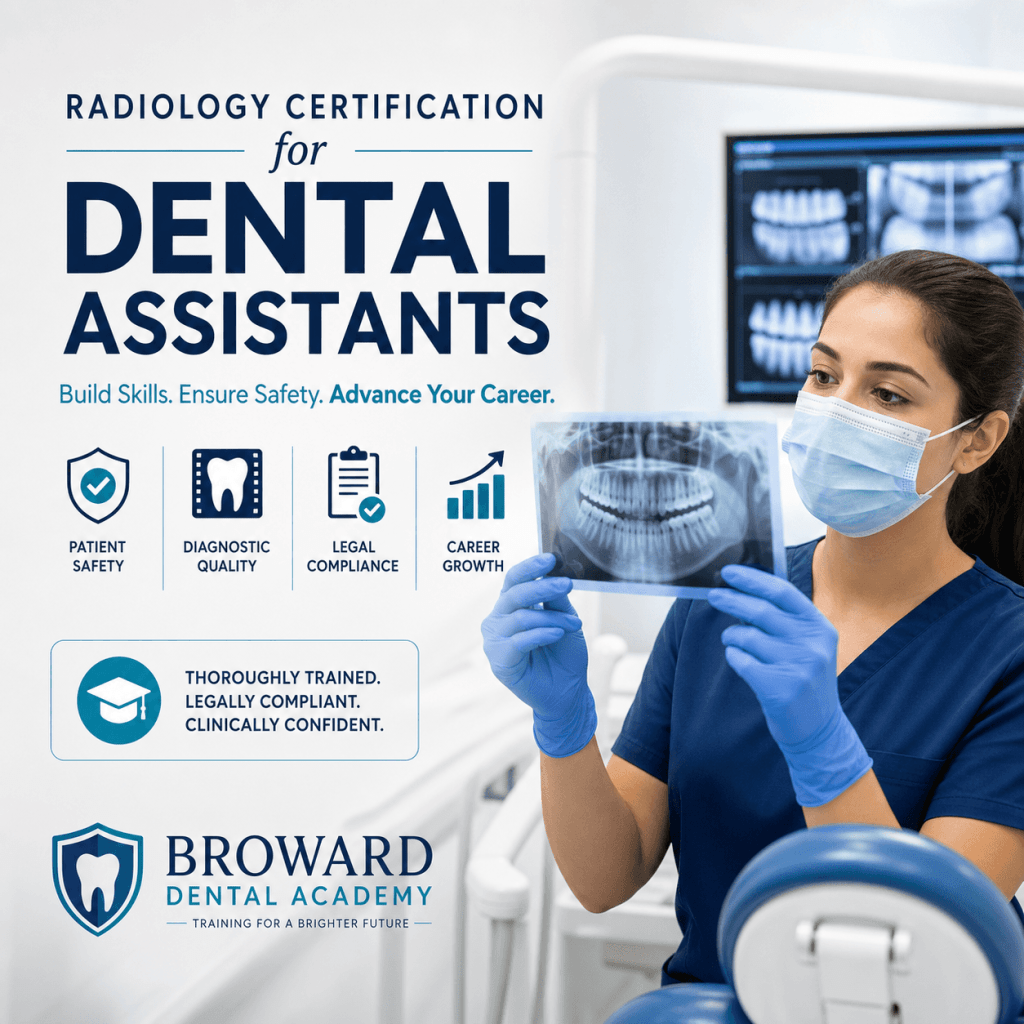
Dental Radiology Certification Course: What to Expect

Dental Radiology Certification Course: What to Expect

A dental radiology certification course prepares a dental assistant to expose x-rays legally and safely. In Florida that means a Board-approved course combining radiation safety and theory with supervised technique practice: positioning, exposure, and infection control around imaging. Here is what the course experience actually involves, and how it fits Florida’s rules.

Key takeaways

  • Why is the course required?
    Florida ties radiographic duties to documented training, so the course is what permits you to take images at all.
  • What is in it?
    Radiation physics and safety theory, then supervised technique: receptor placement, positioning and error correction.
  • How long is it?
    Typically weeks, depending on format and how quickly the hands-on component is completed.
  • What does it change?
    It makes you immediately more useful, because imaging is a bottleneck in most general practices.

For the legal pathway itself, eligibility, and the current requirements, the canonical reference is our Florida radiology certification guide.

Why does the course exist?

Radiographs involve ionizing radiation, so Florida requires Board-approved training before a dental assistant exposes them. The point of the course is not bureaucracy; it is that safe imaging is a real skill: protecting the patient, yourself, and the team while producing images the dentist can actually diagnose from. A poorly taken x-ray gets retaken, which doubles the exposure, which is exactly what training prevents.

Dental team with a patient in a modern operatory

What do you study in the theory half?

Expect radiation physics at a practical level (what x-rays are, how exposure works, why distance and shielding matter), radiation safety principles including keeping exposure as low as reasonably achievable, patient protection protocols, equipment handling, and the legal context of imaging in a dental office. This is the material that transfers well to structured study, and our article on dental radiography for new assistants previews much of it.

Two clinicians in full PPE performing a dental procedure

What do you practice in the technique half?

Producing diagnostic images is a motor skill: positioning receptors, aligning the beam, managing patient comfort and gag reflex, and following infection control protocol around equipment that moves between mouths and hands. Courses build this through supervised practice with feedback, because the difference between a diagnostic and a retake usually comes down to millimeters of positioning. Modern offices add digital sensors and workflow, covered in our CBCT and imaging workflow guide.
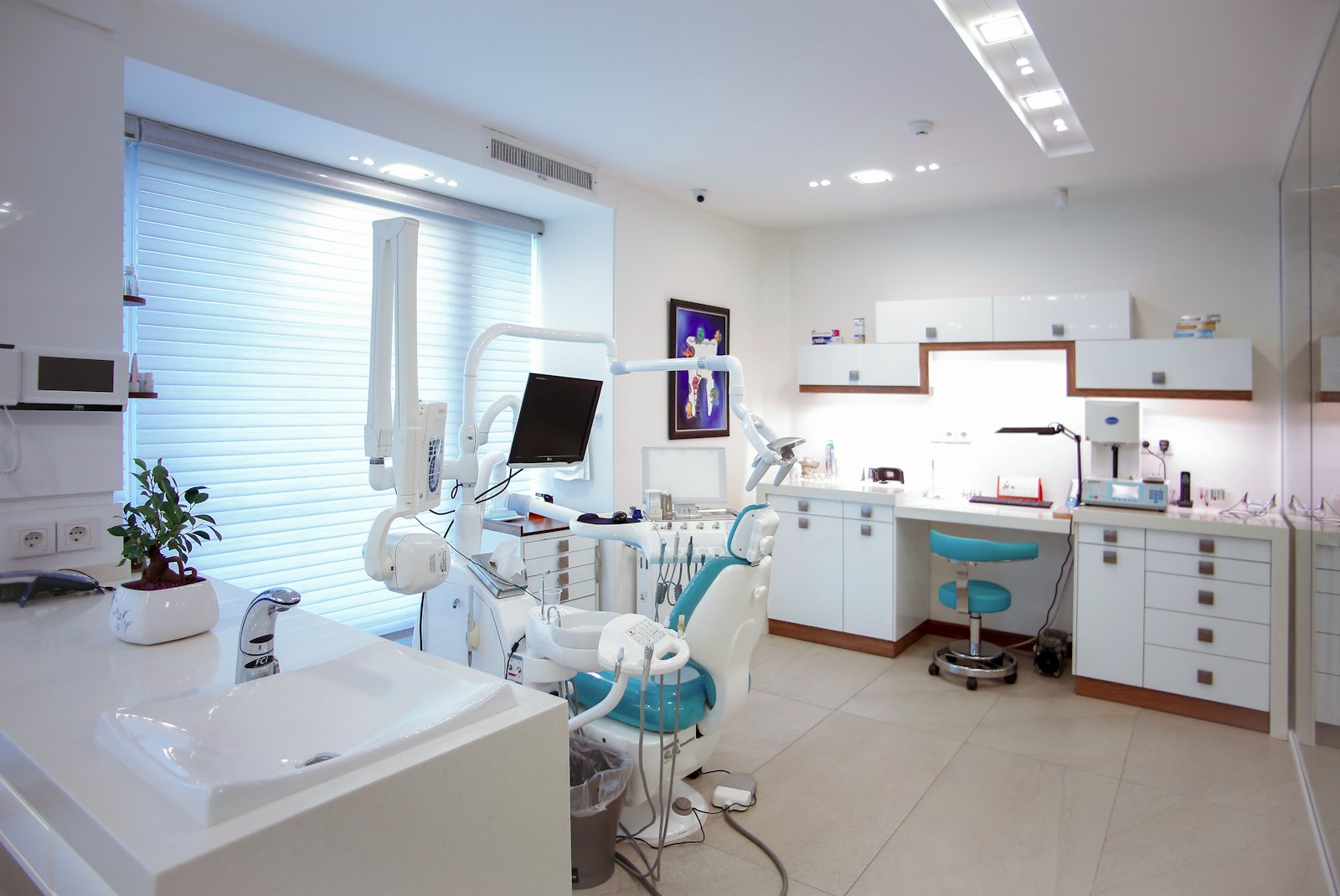
Modern dental operatory with teal patient chair

How does it fit Florida’s credential picture?

Radiography training is one of the two regulated add-ons that most change an assistant’s value; the other is expanded functions, covered in our EFDA certification guide. Radiology-related credentials improve employability because they let a practice delegate imaging to trained team members within permitted scope, and they pair naturally with continuing education that keeps skills current, and national bodies such as DANB offer radiation health and safety exams many employers recognize. The Florida Board of Dentistry at floridasdentistry.gov is the authority on the current rules.

How do you choose a course and enroll?

Verify three things: that the course is Board-approved for Florida, that it includes genuinely supervised technique practice rather than theory alone, and that completion documentation is employer-ready. Broward Dental Academy’s certifications overview shows how radiography fits our course sequence; to get moving, apply online and our team will confirm scheduling.
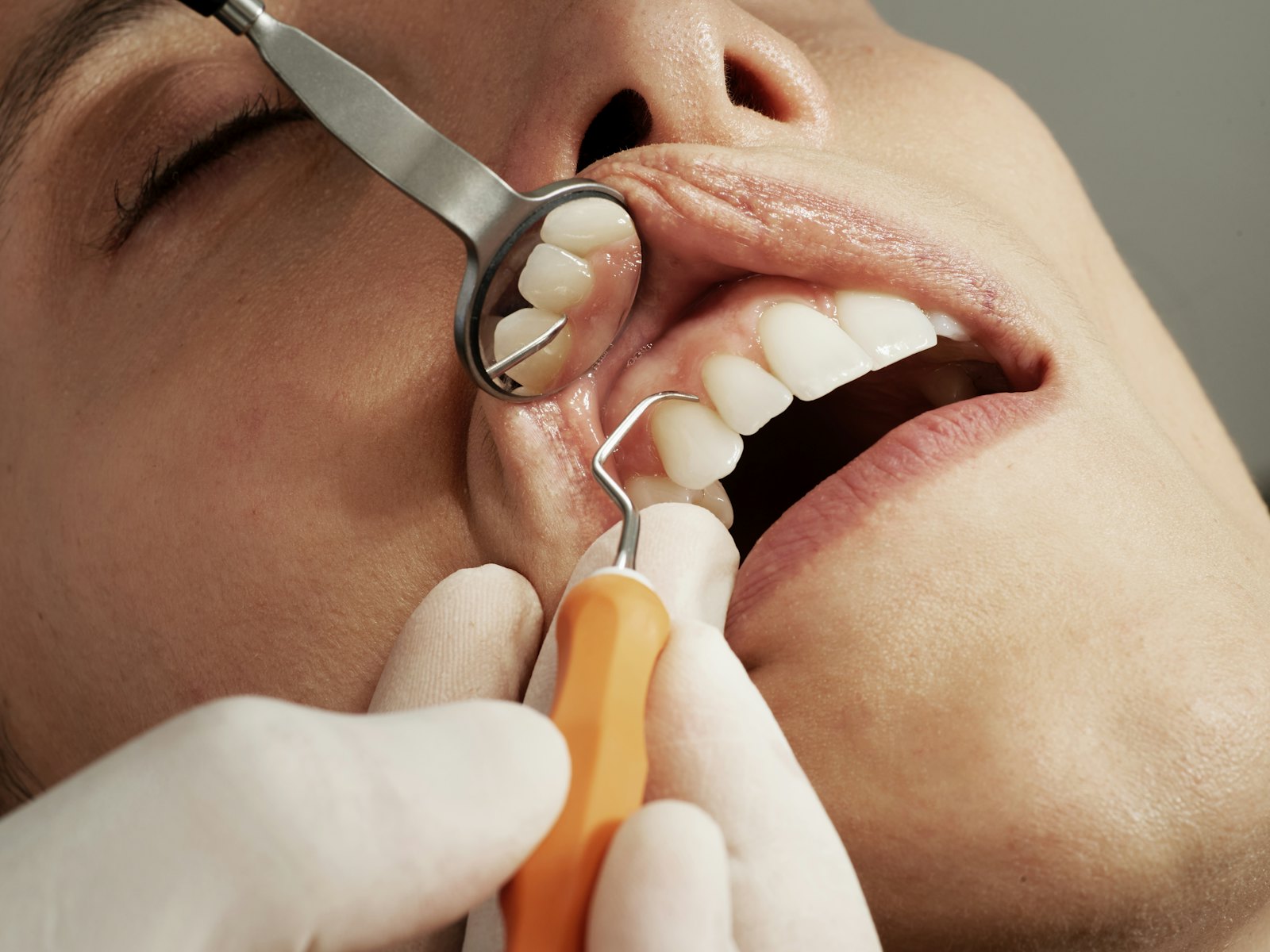
Close-up of a dental exam with mirror and explorer

What will you be expected to do on the job afterward?

A radiology course is judged by what you can do unsupervised in a real operatory once it is finished.

  • Select the right image for the clinical question: bitewings for interproximal decay, periapicals for the root and surrounding bone, panoramic for a broad overview.
  • Place receptors and position patients so the image is diagnostic the first time.
  • Apply radiation safety consistently: shielding where indicated, correct settings, and the lowest exposure that answers the question.
  • Recognize common errors such as cone cuts, elongation and foreshortening, and correct the cause rather than repeating the shot.
  • Document what was taken and why, per the rules of the Florida Board of Dentistry.

How do you turn the course into a hiring advantage?

  1. Complete it alongside Level 01 training so imaging and chairside skills arrive together.
  2. Ask the program how many supervised exposures you will take before completion.
  3. Keep the certificate and training record where an employer can verify it quickly.
  4. Practice positioning on the equipment the local practices actually use.
  5. Say on your application which images you can take confidently, as suggested in preparing for your first job.

FAQs (Frequently Asked Questions)

What does a dental radiology certification course cover?

Radiation physics and safety, patient protection, equipment handling, and the legal context, plus supervised hands-on technique: positioning receptors, aligning exposures, and infection control around imaging. Theory and technique are both required to produce safe, diagnostic images.

Is a radiology course required for dental assistants in Florida?

Yes, Florida requires Board-approved training before a dental assistant exposes dental radiographs. Entry-level chairside work does not require it, which is why many assistants add it shortly after starting.

How hard is the dental x-ray course?

The theory is manageable with structured study, and the technique comes with supervised repetition. Most students find positioning accuracy the real skill to build, since small alignment errors cause retakes.

Can the radiology course be done fully online?

The theory portion suits online study, but supervised technique practice is part of what makes training Board-approved and effective. Expect an in-person component.

Does x-ray certification increase dental assistant pay?

It commonly increases employability and value to a practice, because imaging can be delegated to you within permitted scope. Credentials that expand what a practice can delegate tend to strengthen both hiring position and pay conversations.
Related Posts

EFDA Programs Near Me: Expanded Functions Training in South Florida

EFDA Programs Near Me: Expanded Functions Training in South Florida

Dental Assistant Externships and Internships: How the In-Office Stage Works

Dental Assistant Externships and Internships: How the In-Office Stage Works

Dental Charting for Assistants: Symbols, Numbering, and Workflow

Dental Charting for Assistants: Symbols, Numbering, and Workflow

What Do Dental Assistants Do? A Day in the Role

What Do Dental Assistants Do? A Day in the Role

Dental Assistant Programs in Florida: The Statewide Guide

Dental Assistant Programs in Florida: The Statewide Guide

Accelerated Dental Assistant Programs in Florida: Fast Without Cutting Corners

Accelerated Dental Assistant Programs in Florida: Fast Without Cutting Corners

Online Dental Assistant Classes: What You Can and Cannot Learn Remotely

Online Dental Assistant Classes: What You Can and Cannot Learn Remotely

How Much Does Dental Assistant School Cost in Florida?

How Much Does Dental Assistant School Cost in Florida?

How Long Does It Take to Become a Dental Assistant in Florida?

How Long Does It Take to Become a Dental Assistant in Florida?

Why Students Choose Broward Dental Academy

Why Students Choose Broward Dental Academy

What to Expect When Enrolling in Dental Assistant Training

What to Expect When Enrolling in Dental Assistant Training

Accelerated & Weekend Dental Assistant Programs in South Florida

Accelerated & Weekend Dental Assistant Programs in South Florida

Hybrid Dental Assistant Training with Real Clinical Internships

Hybrid Dental Assistant Training with Real Clinical Internships

How to Choose the Right Dental Assistant School in Florida

How to Choose the Right Dental Assistant School in Florida

Dental Assistant Training Miami-Dade

Dental Assistant Training Miami-Dade

Dental Assistant Training Boca Raton & Palm Beach County

Dental Assistant Training Boca Raton & Palm Beach County

Dental Assistant Training Fort Lauderdale

Dental Assistant Training Fort Lauderdale

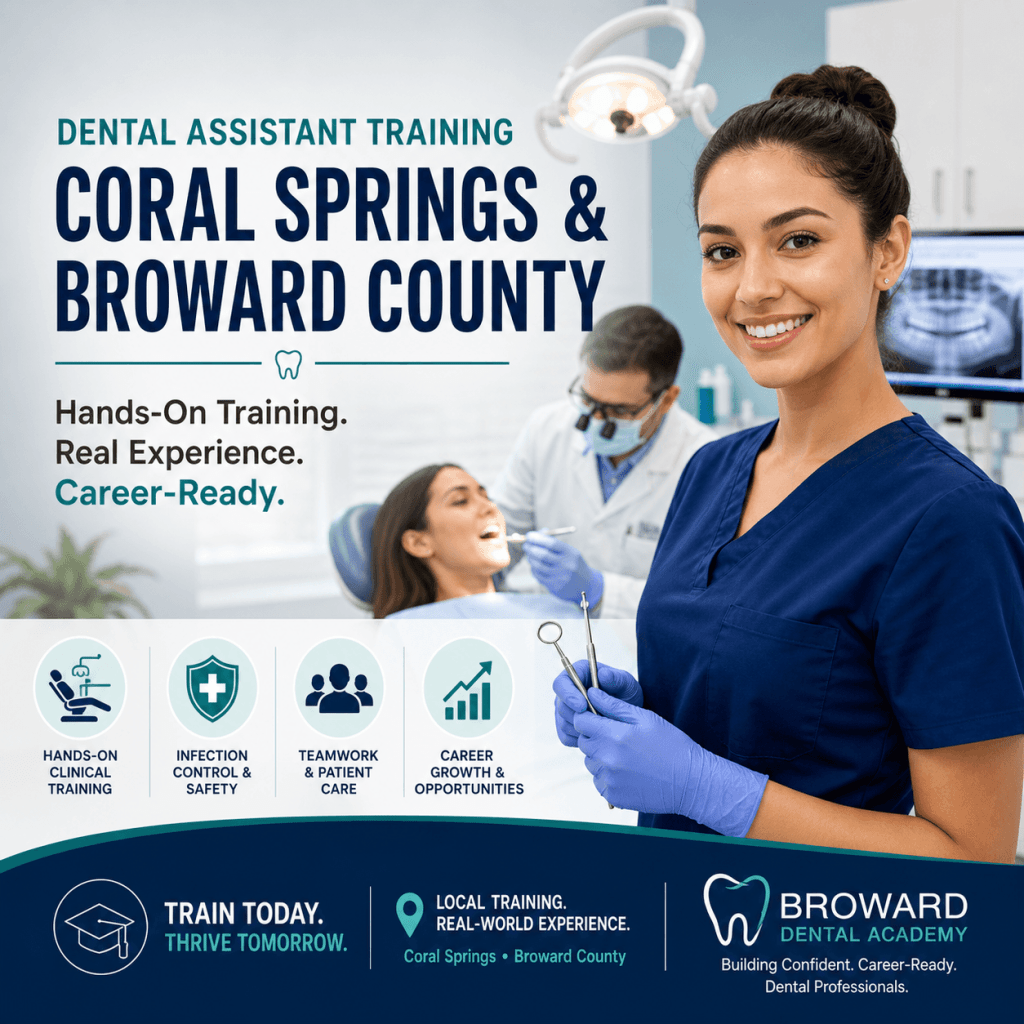
Dental Assistant Training Coral Springs & Broward County

Dental Assistant Training Coral Springs & Broward County

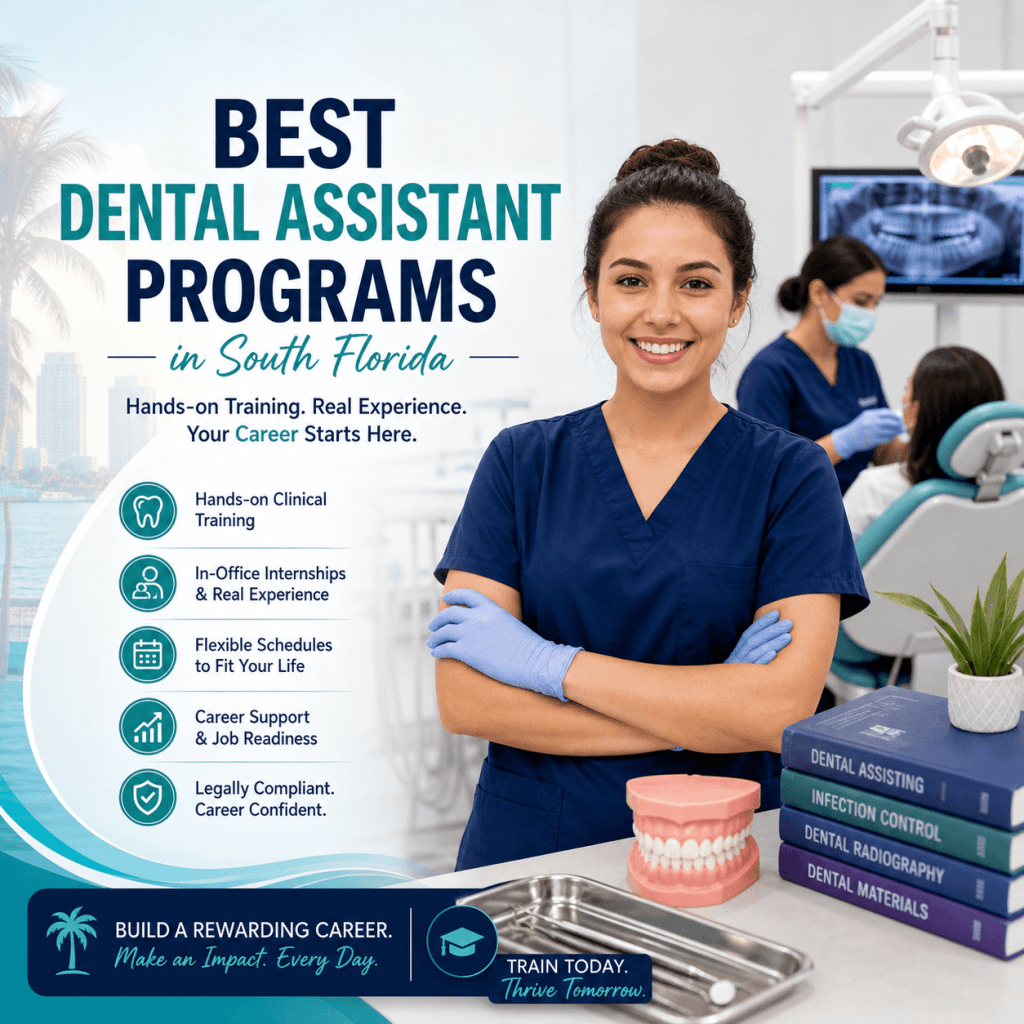
Best Dental Assistant Programs in South Florida

Best Dental Assistant Programs in South Florida

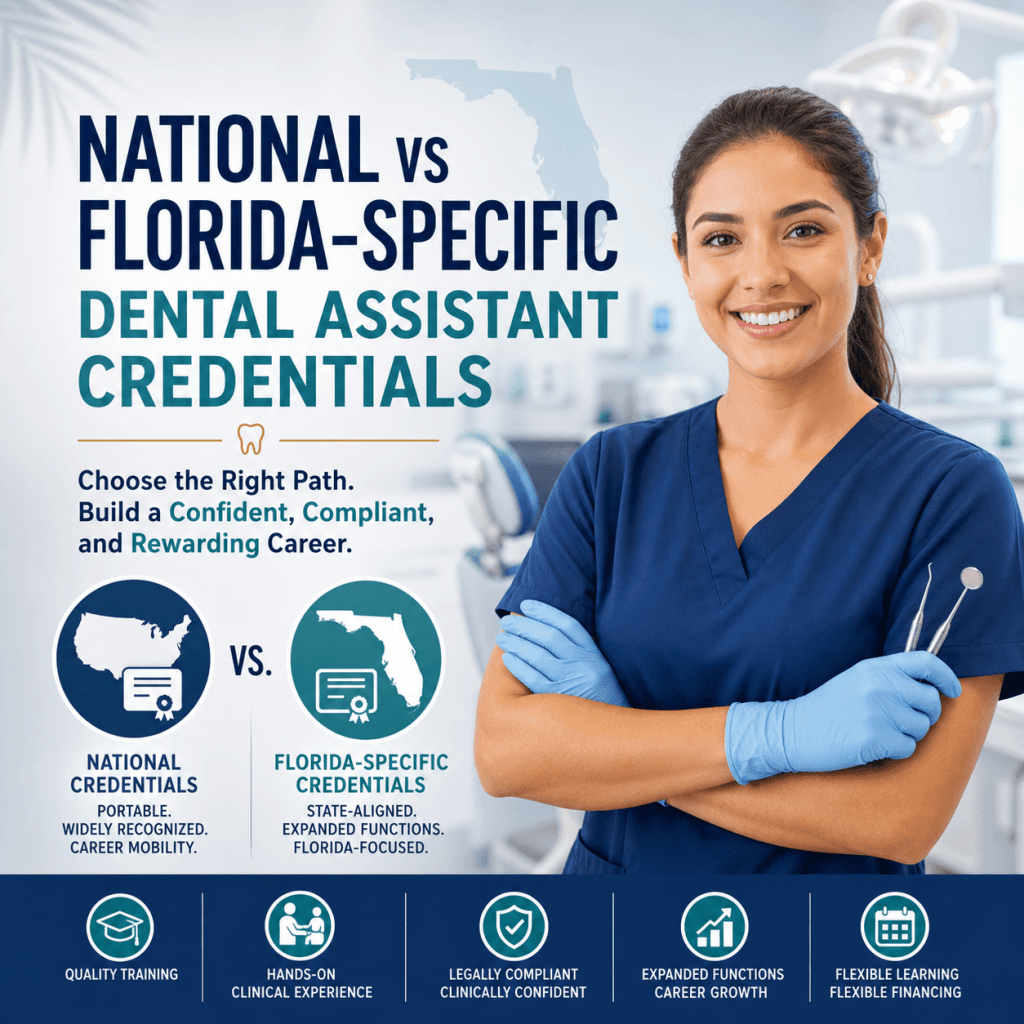
National vs Florida-Specific Dental Assistant Credentials

National vs Florida Dental Assistant Credentials

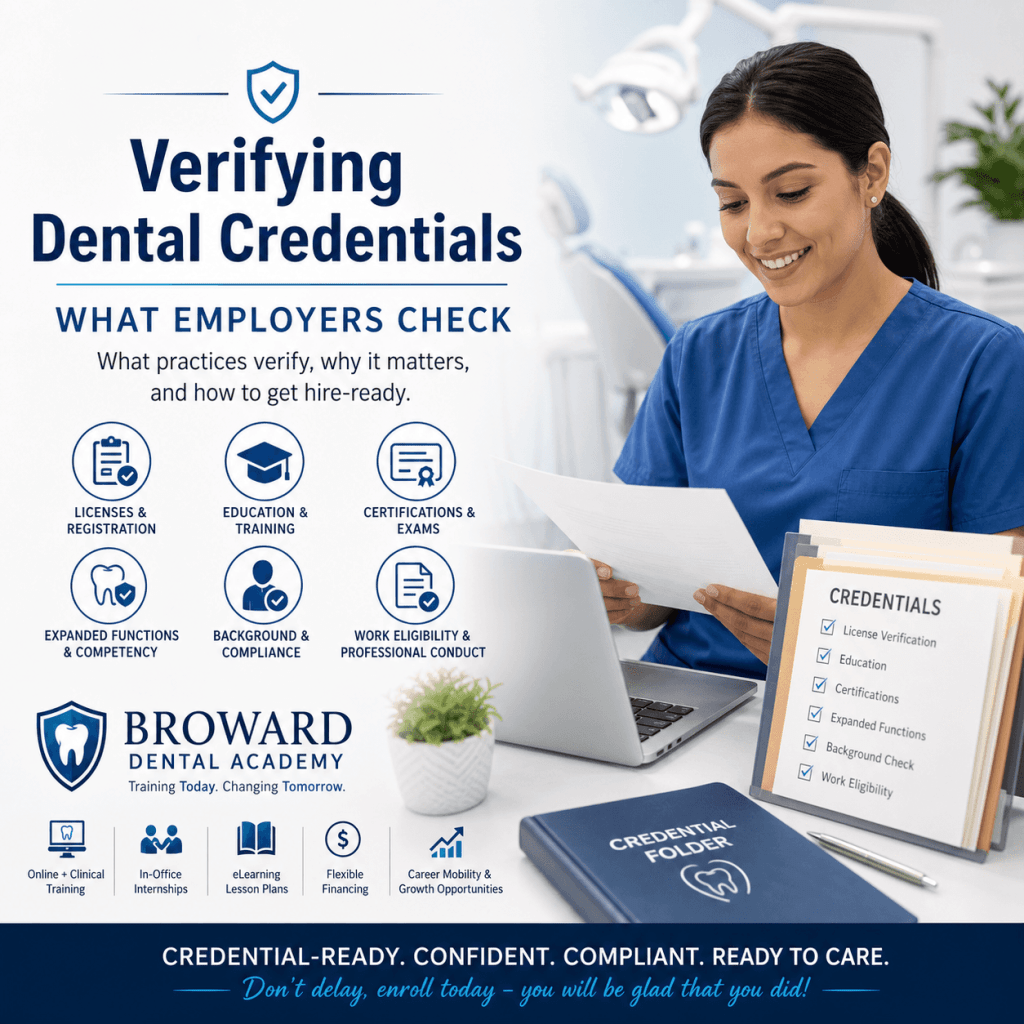
Verifying Dental Credentials – What Employers Check

Verifying Dental Credentials: What Employers Check

Dental Assistant Certifications How Certifications Increase Employability & Pay

How Dental Assistant Certifications Increase Pay & Employability

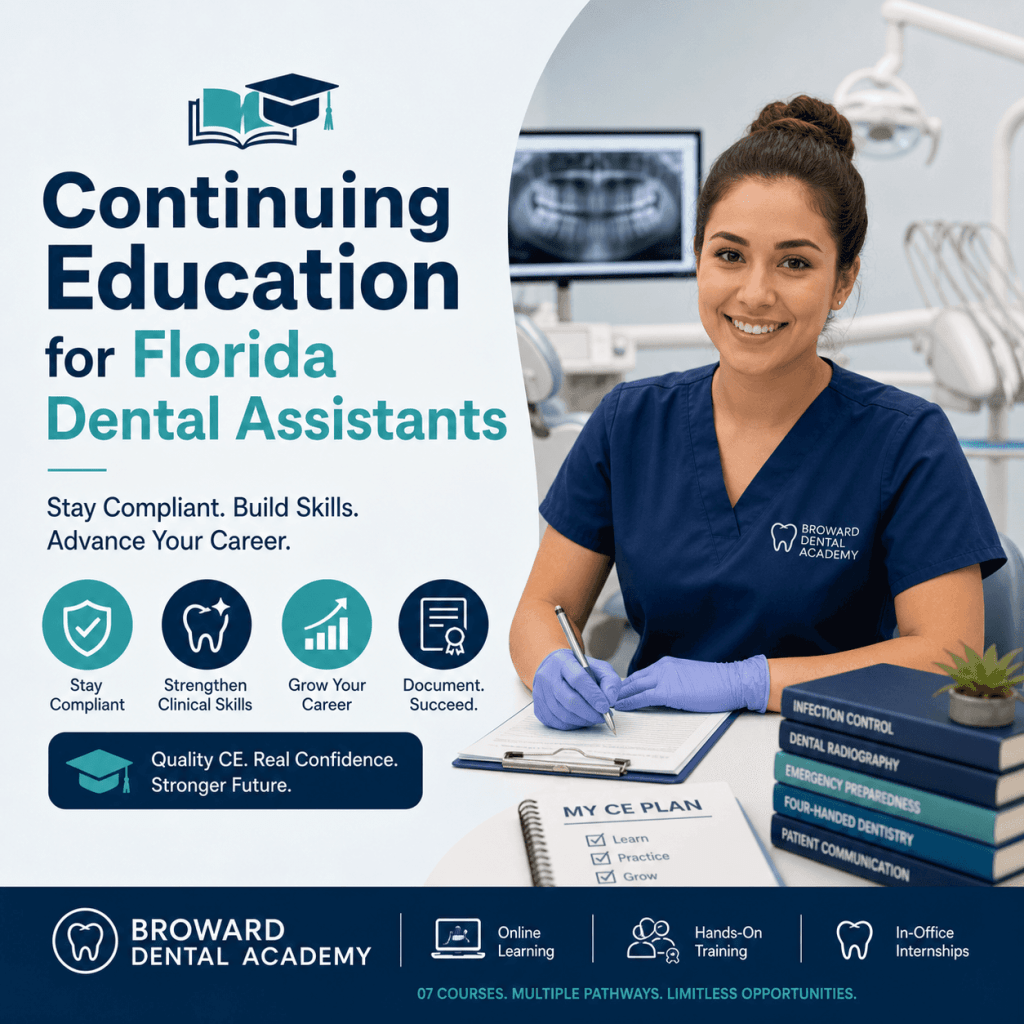
Continuing Education (CE) Requirements for Florida Dental Assistants

Continuing Education Requirements for Florida Dental Assistants

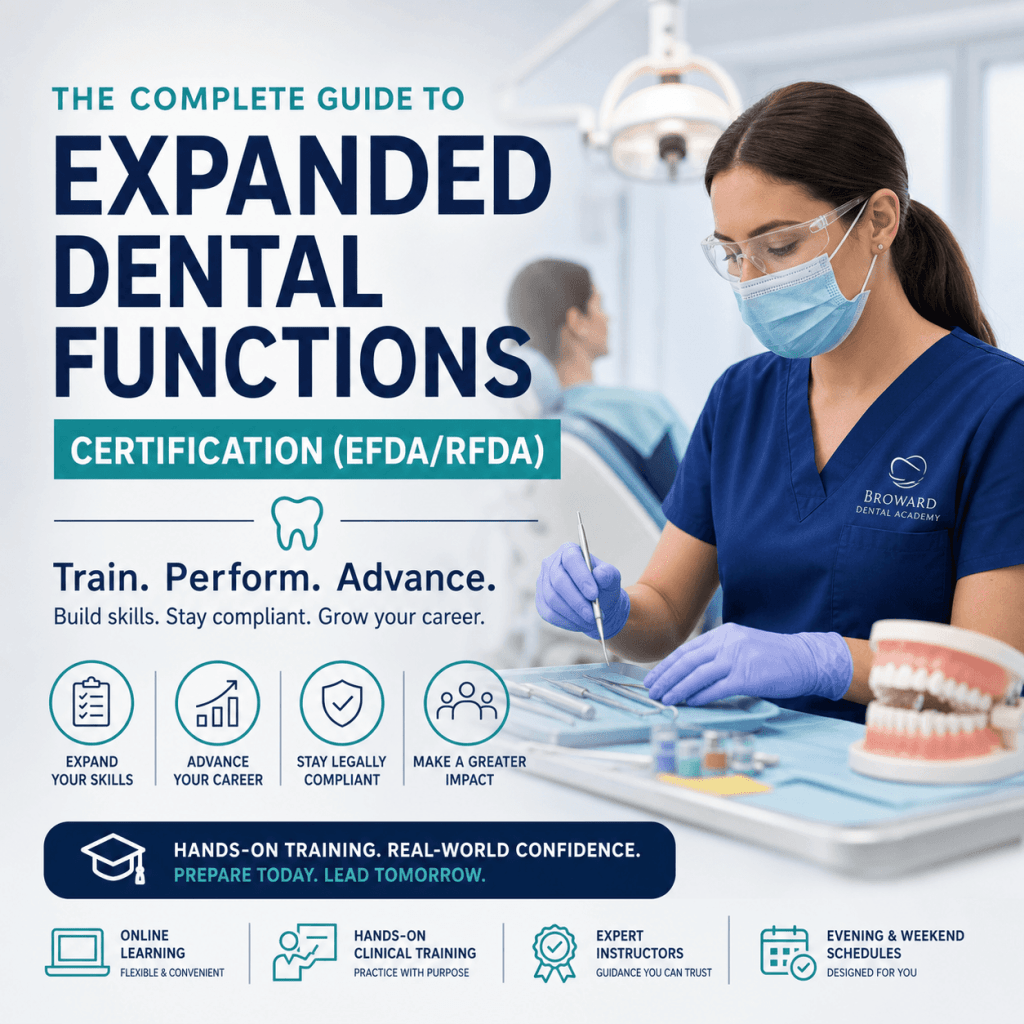
Expanded Dental Functions Certification Guide (EFDA/RFDA)

Expanded Dental Functions Certification Guide (EFDA/RFDA)

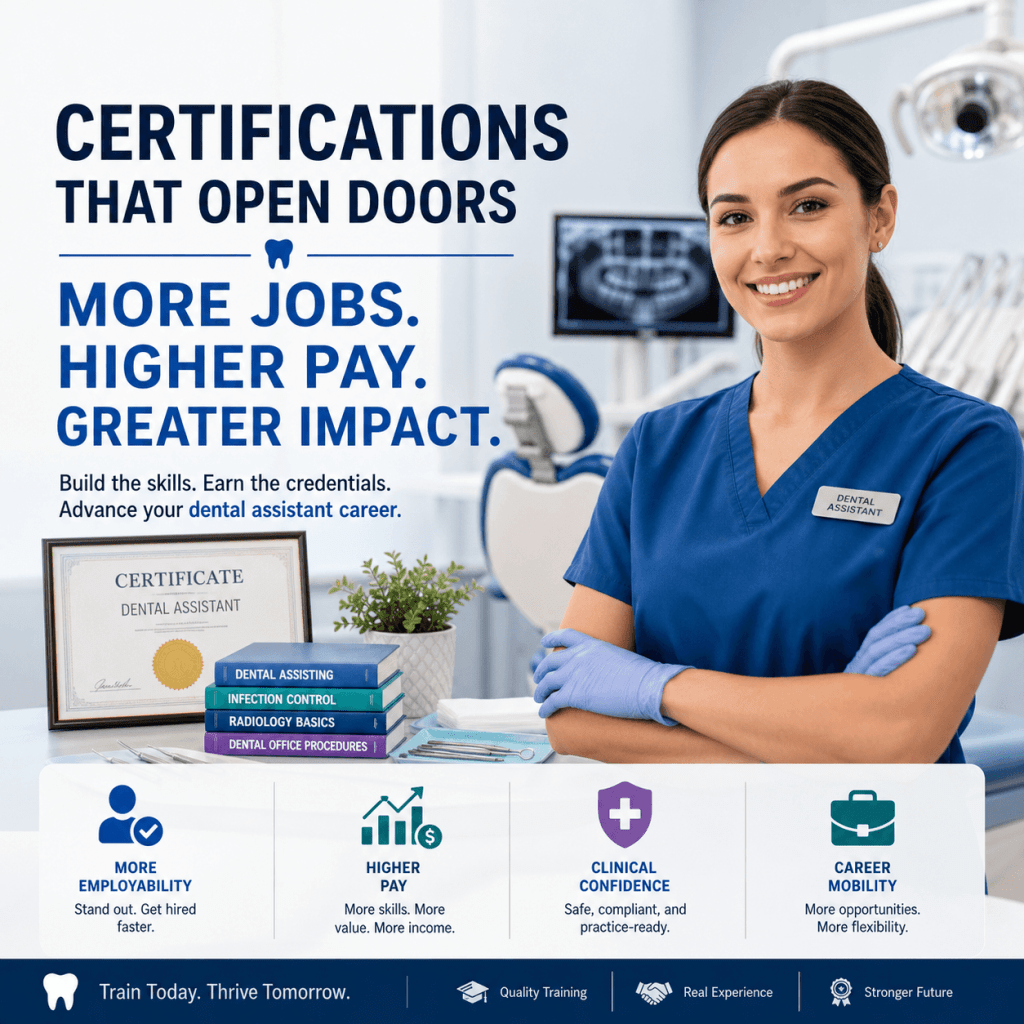
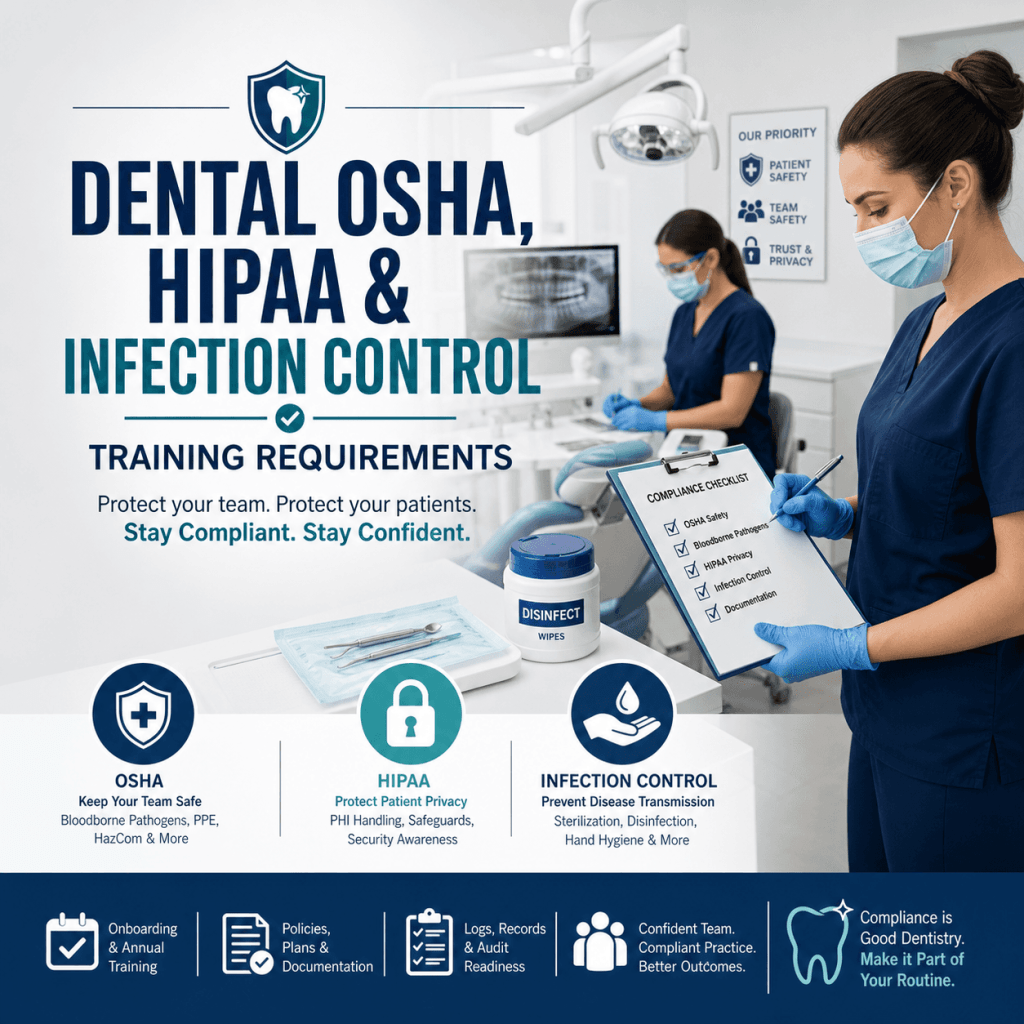
Dental OSHA HIPAA & Infection Control Training Requirements

Dental OSHA, HIPAA & Infection Control Training Requirements

Radiology Certification for Dental Assistants

Radiology Certification for Dental Assistants in Florida

Ready to Enroll?

Take the first step toward your dental career today.

Course Overview: Broward Dental Academy’s Dental Training Resources (7 Pillars)

Broward Dental Academy serves the dental community by developing well-rounded professionals through a wide range of dental training programs. The model is designed to help students become thoroughly trained, legally compliant, and clinically confident, not just “test-ready.”

Students experience immediate immersion through:

  • Online learning with updated eLearning lesson plans
  • Hands-on clinical training
  • In-office internships that build real-world readiness

Broward Dental Academy also offers flexible scheduling and flexible financing options, making it easier to train without putting life on hold.

Below are the 7 pillars. If you are not sure where to begin, start with Pillar 1 or Pillar 2, then choose your level based on your goals and timeline.

Pillar 1: Dental Assistant Careers in South Florida (Career and Planning Resource)

If you want clarity before committing to a course level, this is the best starting point. It helps you understand what dental assisting jobs look like locally, typical responsibilities, and growth potential.

It also connects directly to why so many people choose this path: stable income potential, flexible schedules, career mobility, and growing demand for skilled professionals.

Pillar 2: How to Become a Dental Assistant in Florida (Step-by-Step Resource)

Florida has specific expectations, and dental employers care about legal compliance and practice readiness. This pillar breaks down the process so you understand the pathway and what to look for in a quality program.

Use it as your roadmap before selecting Level 01Level 02, or EFDA.

Pillar 3: Dental Assistant Level 01 Training (Foundational Clinical Skills)

Level 01 is your foundation. It focuses on core chairside workflows, operatory readiness, sterilization fundamentals, and professional habits that make you useful in a real practice.

The learning structure is designed to build confidence early through blended online learning plus clinical immersion. The outcome is not just knowledge, but readiness for real practice expectations.

Pillar 4: Advanced Dental Assistant Training: Level 02 (Build Speed, Accuracy, Confidence)

Level 02 is advanced training designed for higher-performance assisting. It strengthens clinical repetition, workflow efficiency, and your ability to take on elevated responsibility under supervision.

Modern practices value assistants who can keep up, stay calm under pressure, and maintain compliance while moving fast.

Pillar 5: Expanded Functions Dental Assistant: Level 03 (EFDA) (Career Expansion Resource)

EFDA training is a major career mobility step for qualified assistants. Expanded functions can increase your value to a practice, add variety to your daily work, and support long-term flexibility.

Because expanded duties require strong training and careful legal compliance, Level 03 is best approached after a solid foundation.

Pillar 6: Specialty Dental Assisting Training (Perio • Endo • Ortho • Oral Surgery)

Specialty training is one of the fastest ways to differentiate yourself. You learn specialty workflows, instruments, and the patient flow expectations that come with more complex procedures.

Examples include:

  • Perio: maintenance flow support and procedure setup expectations
  • Endo: isolation support and sequence awareness
  • Ortho: setup support and appointment rhythm
  • Oral surgery: prep and assisting basics as allowed within scope. For detailed training on this aspect, consider our Oral Surgery program.

Practices value assistants who can support specialty procedures confidently and ethically.

Pillar 7: Dental Certifications (Credential and Compliance Resources)

Certifications are ongoing training resources that strengthen employability, support compliance, and signal professionalism. They also reflect the mindset that employers trust most: continuing education, staying current, and taking patient safety seriously.

This pillar is “stackable” alongside Levels 01 to 03 and specialty training so you stay competitive as dentistry evolves.

About Broward Dental Academy

Broward Dental Academy is a dental assistant training school in Coral Springs, Florida, serving Broward County and South Florida. Instruction is led by Dr. Harry Panahi, Professor and Lead Instructor.

Contact: 8888 Royal Palm Blvd, Coral Springs, FL 33065. Phone 954-761-5388. Email LearnWith@BrowardDentalAcademy.com.

8888 Royal Palm Blvd
Coral Springs, FL 33065

Phone: 954-761-5388

Hours of Operation:
Monday to Saturday, 9am to 5pm

Book an appointment

8888 Royal Palm Blvd
Coral Springs, FL 33065
Phone: 954-761-5388

Hours of Operation:
Monday to Saturday, 9am to 5pm

Book an appointment