What do dental assistants do? They keep the clinical side of a dental practice running: they prepare treatment rooms, assist the dentist chairside during procedures, sterilize instruments, help patients feel at ease, and handle records and scheduling support. With additional Board-approved training in Florida, the role grows into imaging and expanded functions. Here is what the work actually looks like.
Key takeaways
- What is the job?
Clinical support at the chair: setup, instruments, suction and isolation, sterilization, imaging support where trained, and charting. - What is the rhythm?
Prepare, assist, turn over, repeat, with the schedule setting the pace rather than the individual appointment. - What needs training?
Radiographs and expanded functions, both of which Florida ties to documented training. - What do patients notice?
Comfort and communication: the assistant is usually the person who settles a nervous patient before the dentist arrives.
Wondering whether the role suits you? Pair this with is dental assisting a good career and what dental assistants earn by county.
What is the core of the job?
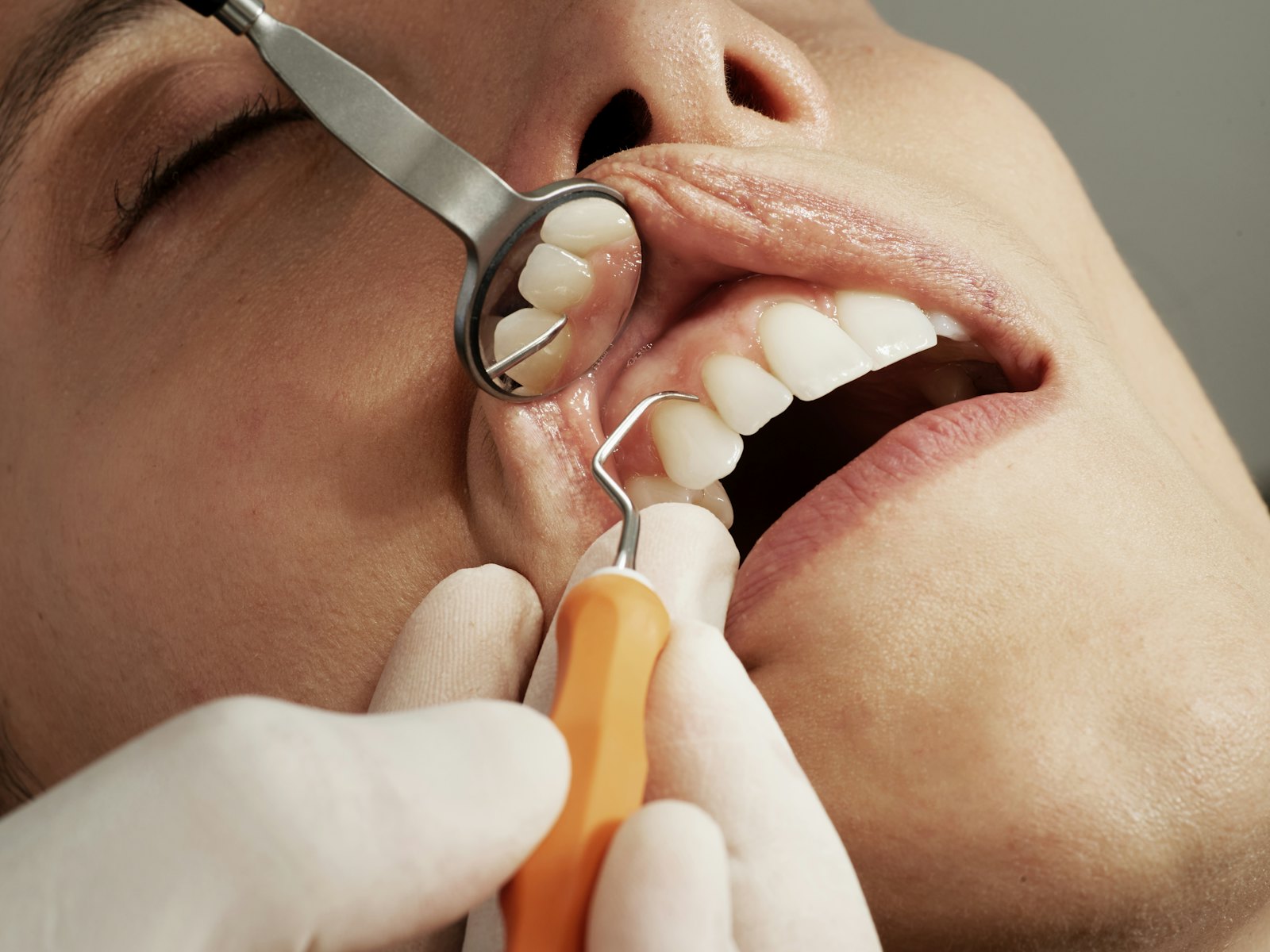
During procedures you are the dentist’s second pair of hands: passing instruments in the right order at the right moment, keeping the field dry and visible with suction, mixing and handling materials, and anticipating the next step so the procedure never stalls. Good chairside work is quiet, fast, and almost invisible, and it is the skill employers test first; our guide to chairside assisting basics breaks it down.
What happens before and after every patient?
Assistants turn rooms over between patients: breaking down the operatory, processing instruments through cleaning and sterilization, disinfecting surfaces, and setting up trays for the next procedure. Infection control is the non-negotiable backbone of the role, done to protocol every single time; see infection control fundamentals for how deep this discipline goes.

What does the human side of the job involve?
Patients are often nervous. Assistants greet them, explain what will happen in plain language, watch comfort levels during treatment, and reinforce aftercare instructions. Practices notice assistants who can calm an anxious patient, and so do patients; our guide to patient communication skills covers the techniques, and the ADA’s MouthHealthy site is a handy plain-language reference when explaining care to patients.
What record-keeping does the job involve?
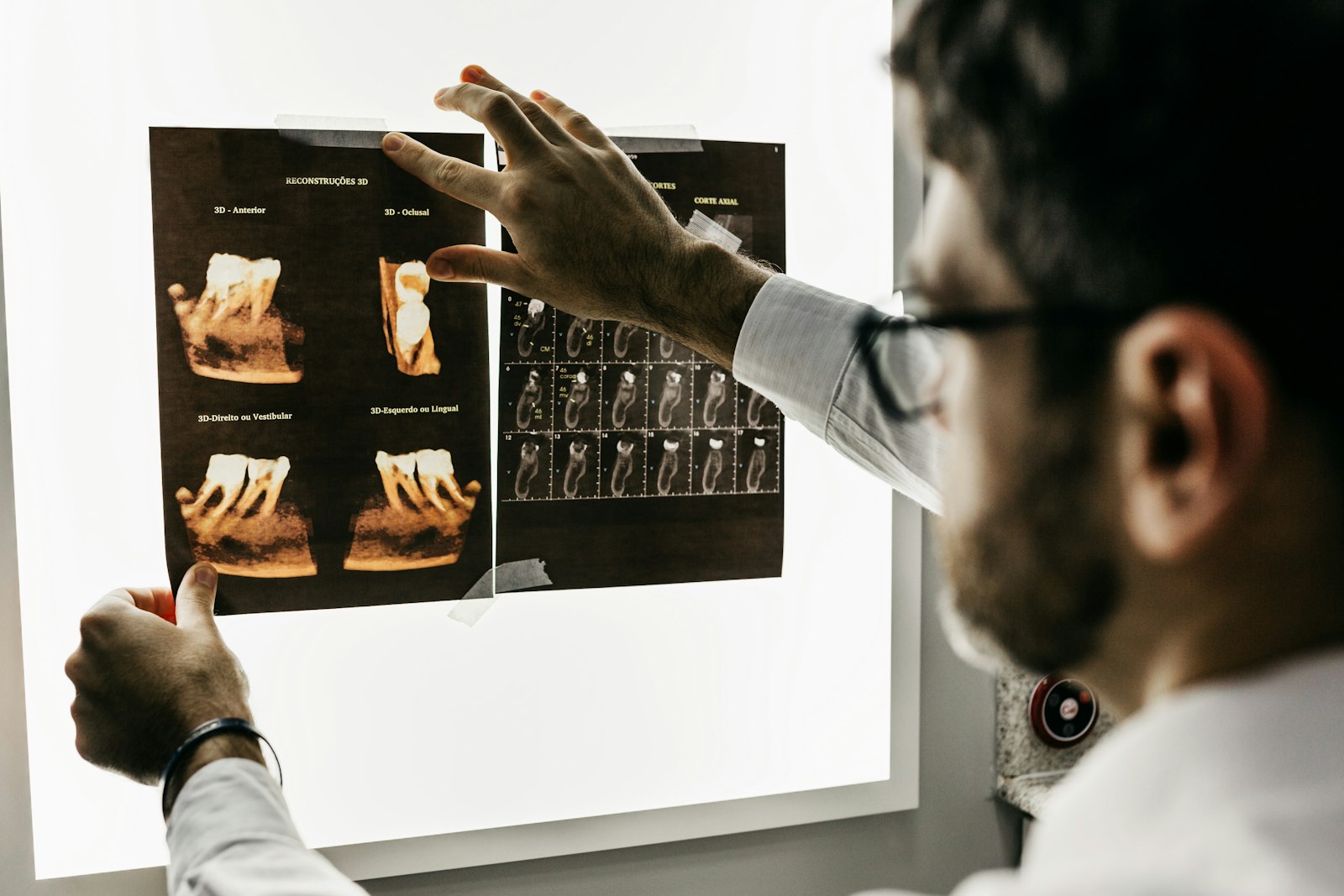
Assistants record findings as the dentist calls them out, using standard tooth numbering and surface notation, and help keep charts accurate; our dental charting guide explains the system. Many assistants also support scheduling, insurance verification, and supply management, especially in smaller offices.
What changes with training in Florida?
Entry-level assistants work under a dentist’s supervision without a state license, per the Florida Board of Dentistry. Add Board-approved radiography training and you can expose dental x-rays; add Board-approved expanded functions training and duties like certain restorative supports open up. Those steps are covered in our radiology certification guide and EFDA certification guide. Specialty practices layer their own rhythms on top; see specialty dental assisting career paths.
What does a realistic day look like, hour by hour?
Morning: arrive before the first patient, check the schedule, set up rooms. Through the day: alternate chairside procedures with room turnovers, sterilization cycles, and patient hand-offs, with charting in the gaps. End of day: final sterilization runs, restocking, and preparing tomorrow’s trays. The pace is active and structured; you are on your feet, moving with purpose, part of a team the whole time.
How do you start doing this work?
Broward Dental Academy trains all of the above through eLearning theory, hands-on clinical immersion, and an in-office internship. Review the courses offered or read how long training takes to plan your route in.

Which tasks belong to the assistant, and which stay with the dentist?
Knowing the line matters on day one, because it protects the patient and your ability to keep working.
- Assistant, always: operatory setup and turnover, instrument transfer, suction and isolation, sterilization, stocking and charting support.
- Assistant, with documented training: radiographs and any expanded function Florida permits to be delegated — see radiology certification in Florida and EFDA Level 03.
- Dentist only: diagnosis, treatment planning, the prep itself, and anything requiring clinical judgment about the tooth.
What does a new assistant learn first?
- Infection control and sterilization, before touching a patient.
- Operatory setup by procedure type, so the tray is right without prompting.
- Instrument names and transfer, practiced until it is automatic.
- Suction, isolation and moisture control, which is where a dentist notices a good assistant first.
- Charting shorthand and documentation, covered in Level 01 training.
- Patient communication, especially with anxious patients.
Role definitions and national outlook are published by the U.S. Bureau of Labor Statistics, and Florida duties are governed by the Florida Board of Dentistry.
FAQs (Frequently Asked Questions)
What do dental assistants do all day?
They prepare and turn over treatment rooms, assist the dentist chairside during procedures, sterilize instruments, support nervous patients, record chart entries, and help with scheduling and supplies. The day alternates between procedures, turnovers, and patient care.
Do dental assistants take x-rays?
In Florida, only after completing Board-approved radiography training. Many assistants add this credential soon after starting work because it makes them significantly more valuable to a practice.
Is dental assisting mostly clinical or administrative?
Primarily clinical: chairside assisting, sterilization, and patient care fill most of the day. Administrative support like scheduling and insurance verification is part of the role, especially in smaller offices.
Do dental assistants perform procedures themselves?
Entry-level assistants support the dentist rather than performing procedures. In Florida, expanded functions performed by an assistant require Board-approved formal training and appropriate supervision.
Is dental assisting physically demanding?
It is an active, on-your-feet role with sustained attention during procedures. Most people find the pace energizing rather than exhausting once the workflows become habit.