What Do Dental Assistants Do? A Day in the Role

What Do Dental Assistants Do? A Day in the Role

What do dental assistants do? They keep the clinical side of a dental practice running: they prepare treatment rooms, assist the dentist chairside during procedures, sterilize instruments, help patients feel at ease, and handle records and scheduling support. With additional Board-approved training in Florida, the role grows into imaging and expanded functions. Here is what the work actually looks like.

Key takeaways

  • What is the job?
    Clinical support at the chair: setup, instruments, suction and isolation, sterilization, imaging support where trained, and charting.
  • What is the rhythm?
    Prepare, assist, turn over, repeat, with the schedule setting the pace rather than the individual appointment.
  • What needs training?
    Radiographs and expanded functions, both of which Florida ties to documented training.
  • What do patients notice?
    Comfort and communication: the assistant is usually the person who settles a nervous patient before the dentist arrives.

Wondering whether the role suits you? Pair this with is dental assisting a good career and what dental assistants earn by county.

What is the core of the job?

During procedures you are the dentist’s second pair of hands: passing instruments in the right order at the right moment, keeping the field dry and visible with suction, mixing and handling materials, and anticipating the next step so the procedure never stalls. Good chairside work is quiet, fast, and almost invisible, and it is the skill employers test first; our guide to chairside assisting basics breaks it down.
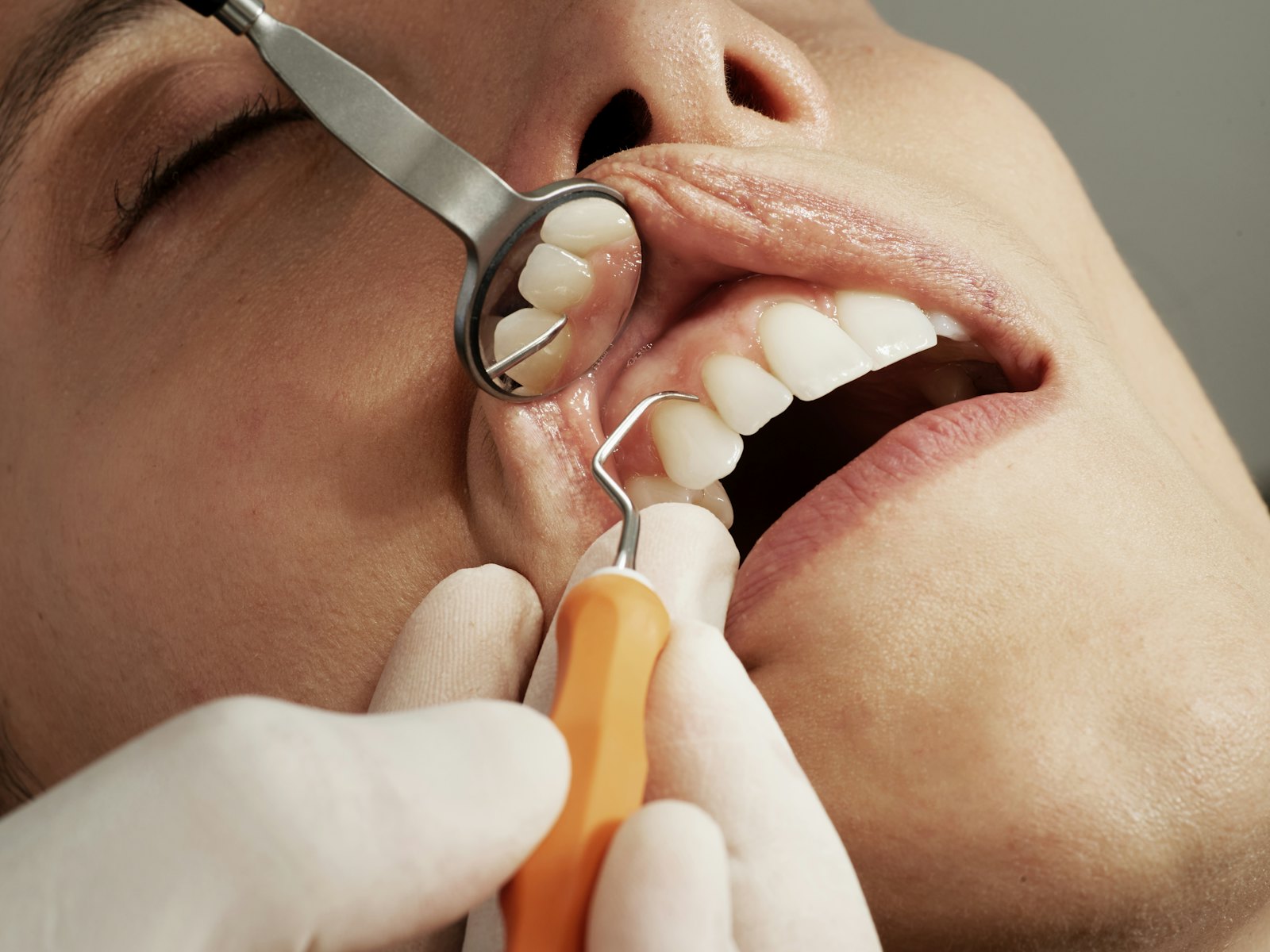
Close-up of a dental exam with mirror and explorer

What happens before and after every patient?

Assistants turn rooms over between patients: breaking down the operatory, processing instruments through cleaning and sterilization, disinfecting surfaces, and setting up trays for the next procedure. Infection control is the non-negotiable backbone of the role, done to protocol every single time; see infection control fundamentals for how deep this discipline goes.

Two clinicians in full PPE performing a dental procedure

What does the human side of the job involve?

Patients are often nervous. Assistants greet them, explain what will happen in plain language, watch comfort levels during treatment, and reinforce aftercare instructions. Practices notice assistants who can calm an anxious patient, and so do patients; our guide to patient communication skills covers the techniques, and the ADA’s MouthHealthy site is a handy plain-language reference when explaining care to patients.
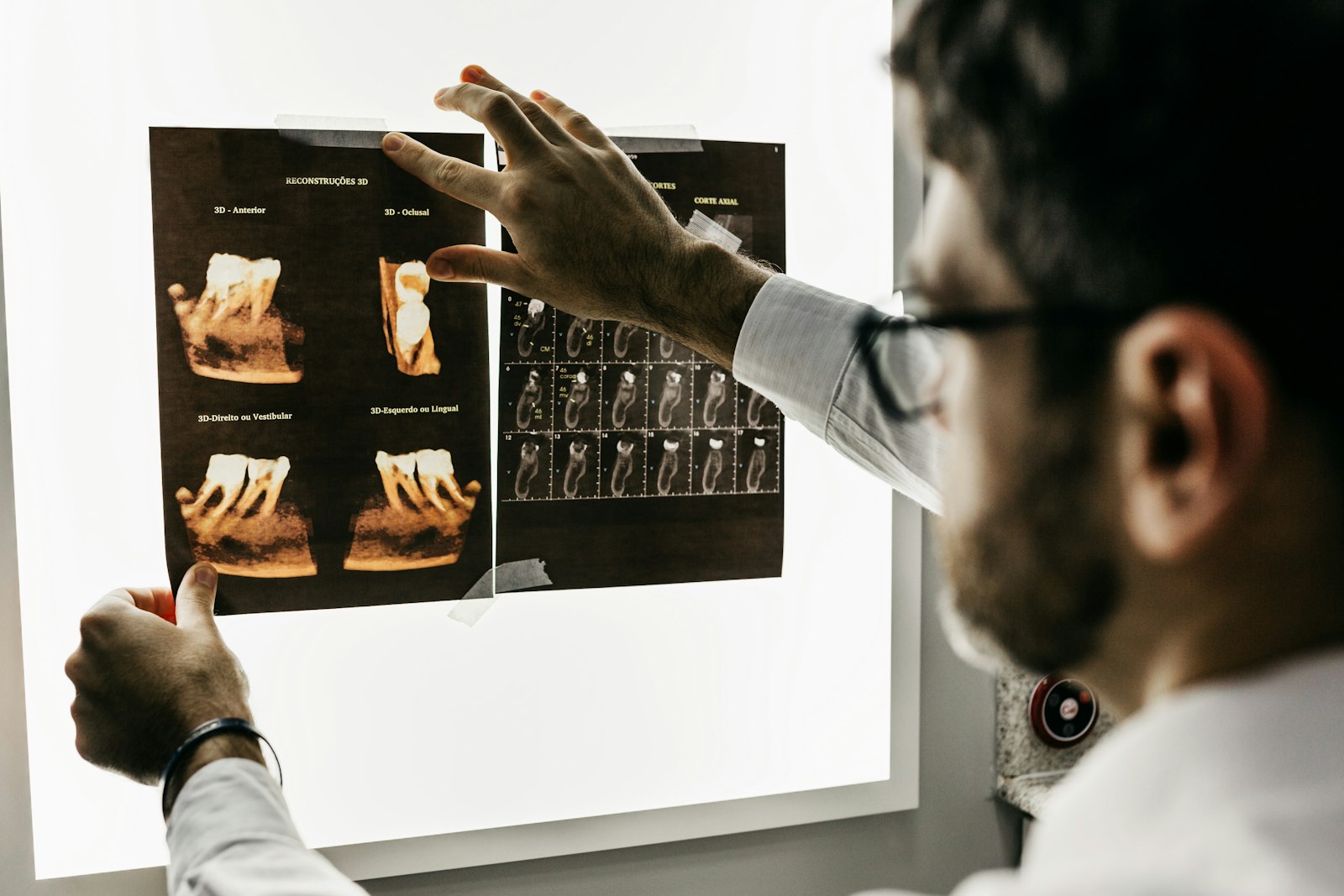
Clinician reviewing dental x-ray films on a light board

What record-keeping does the job involve?

Assistants record findings as the dentist calls them out, using standard tooth numbering and surface notation, and help keep charts accurate; our dental charting guide explains the system. Many assistants also support scheduling, insurance verification, and supply management, especially in smaller offices.

What changes with training in Florida?

Entry-level assistants work under a dentist’s supervision without a state license, per the Florida Board of Dentistry. Add Board-approved radiography training and you can expose dental x-rays; add Board-approved expanded functions training and duties like certain restorative supports open up. Those steps are covered in our radiology certification guide and EFDA certification guide. Specialty practices layer their own rhythms on top; see specialty dental assisting career paths.

What does a realistic day look like, hour by hour?

Morning: arrive before the first patient, check the schedule, set up rooms. Through the day: alternate chairside procedures with room turnovers, sterilization cycles, and patient hand-offs, with charting in the gaps. End of day: final sterilization runs, restocking, and preparing tomorrow’s trays. The pace is active and structured; you are on your feet, moving with purpose, part of a team the whole time.

How do you start doing this work?

Broward Dental Academy trains all of the above through eLearning theory, hands-on clinical immersion, and an in-office internship. Review the courses offered or read how long training takes to plan your route in.

Smiling dental assistant with a clinical team working behind her

Which tasks belong to the assistant, and which stay with the dentist?

Knowing the line matters on day one, because it protects the patient and your ability to keep working.

  • Assistant, always: operatory setup and turnover, instrument transfer, suction and isolation, sterilization, stocking and charting support.
  • Assistant, with documented training: radiographs and any expanded function Florida permits to be delegated — see radiology certification in Florida and EFDA Level 03.
  • Dentist only: diagnosis, treatment planning, the prep itself, and anything requiring clinical judgment about the tooth.

What does a new assistant learn first?

  1. Infection control and sterilization, before touching a patient.
  2. Operatory setup by procedure type, so the tray is right without prompting.
  3. Instrument names and transfer, practiced until it is automatic.
  4. Suction, isolation and moisture control, which is where a dentist notices a good assistant first.
  5. Charting shorthand and documentation, covered in Level 01 training.
  6. Patient communication, especially with anxious patients.

Role definitions and national outlook are published by the U.S. Bureau of Labor Statistics, and Florida duties are governed by the Florida Board of Dentistry.

FAQs (Frequently Asked Questions)

What do dental assistants do all day?

They prepare and turn over treatment rooms, assist the dentist chairside during procedures, sterilize instruments, support nervous patients, record chart entries, and help with scheduling and supplies. The day alternates between procedures, turnovers, and patient care.

Do dental assistants take x-rays?

In Florida, only after completing Board-approved radiography training. Many assistants add this credential soon after starting work because it makes them significantly more valuable to a practice.

Is dental assisting mostly clinical or administrative?

Primarily clinical: chairside assisting, sterilization, and patient care fill most of the day. Administrative support like scheduling and insurance verification is part of the role, especially in smaller offices.

Do dental assistants perform procedures themselves?

Entry-level assistants support the dentist rather than performing procedures. In Florida, expanded functions performed by an assistant require Board-approved formal training and appropriate supervision.

Is dental assisting physically demanding?

It is an active, on-your-feet role with sustained attention during procedures. Most people find the pace energizing rather than exhausting once the workflows become habit.
Related Posts

EFDA Programs Near Me: Expanded Functions Training in South Florida

EFDA Programs Near Me: Expanded Functions Training in South Florida

Dental Assistant Externships and Internships: How the In-Office Stage Works

Dental Assistant Externships and Internships: How the In-Office Stage Works

Dental Radiology Certification Course: What to Expect

Dental Radiology Certification Course: What to Expect

Dental Charting for Assistants: Symbols, Numbering, and Workflow

Dental Charting for Assistants: Symbols, Numbering, and Workflow

Dental Assistant Programs in Florida: The Statewide Guide

Dental Assistant Programs in Florida: The Statewide Guide

Accelerated Dental Assistant Programs in Florida: Fast Without Cutting Corners

Accelerated Dental Assistant Programs in Florida: Fast Without Cutting Corners

Online Dental Assistant Classes: What You Can and Cannot Learn Remotely

Online Dental Assistant Classes: What You Can and Cannot Learn Remotely

How Much Does Dental Assistant School Cost in Florida?

How Much Does Dental Assistant School Cost in Florida?

How Long Does It Take to Become a Dental Assistant in Florida?

How Long Does It Take to Become a Dental Assistant in Florida?

Why Students Choose Broward Dental Academy

Why Students Choose Broward Dental Academy

What to Expect When Enrolling in Dental Assistant Training

What to Expect When Enrolling in Dental Assistant Training

Accelerated & Weekend Dental Assistant Programs in South Florida

Accelerated & Weekend Dental Assistant Programs in South Florida

Hybrid Dental Assistant Training with Real Clinical Internships

Hybrid Dental Assistant Training with Real Clinical Internships

How to Choose the Right Dental Assistant School in Florida

How to Choose the Right Dental Assistant School in Florida

Dental Assistant Training Miami-Dade

Dental Assistant Training Miami-Dade

Dental Assistant Training Boca Raton & Palm Beach County

Dental Assistant Training Boca Raton & Palm Beach County

Dental Assistant Training Fort Lauderdale

Dental Assistant Training Fort Lauderdale

Dental Assistant Training Coral Springs & Broward County

Dental Assistant Training Coral Springs & Broward County

Best Dental Assistant Programs in South Florida

Best Dental Assistant Programs in South Florida

National vs Florida-Specific Dental Assistant Credentials

National vs Florida Dental Assistant Credentials

Verifying Dental Credentials – What Employers Check

Verifying Dental Credentials: What Employers Check

Dental Assistant Certifications How Certifications Increase Employability & Pay

How Dental Assistant Certifications Increase Pay & Employability

Continuing Education (CE) Requirements for Florida Dental Assistants

Continuing Education Requirements for Florida Dental Assistants

Expanded Dental Functions Certification Guide (EFDA/RFDA)

Expanded Dental Functions Certification Guide (EFDA/RFDA)

Dental OSHA HIPAA & Infection Control Training Requirements

Dental OSHA, HIPAA & Infection Control Training Requirements

Radiology Certification for Dental Assistants

Radiology Certification for Dental Assistants in Florida

Ready to Enroll?

Take the first step toward your dental career today.

Course Overview: Broward Dental Academy’s Dental Training Resources (7 Pillars)

Broward Dental Academy serves the dental community by developing well-rounded professionals through a wide range of dental training programs. The model is designed to help students become thoroughly trained, legally compliant, and clinically confident, not just “test-ready.”

Students experience immediate immersion through:

  • Online learning with updated eLearning lesson plans
  • Hands-on clinical training
  • In-office internships that build real-world readiness

Broward Dental Academy also offers flexible scheduling and flexible financing options, making it easier to train without putting life on hold.

Below are the 7 pillars. If you are not sure where to begin, start with Pillar 1 or Pillar 2, then choose your level based on your goals and timeline.

Pillar 1: Dental Assistant Careers in South Florida (Career and Planning Resource)

If you want clarity before committing to a course level, this is the best starting point. It helps you understand what dental assisting jobs look like locally, typical responsibilities, and growth potential.

It also connects directly to why so many people choose this path: stable income potential, flexible schedules, career mobility, and growing demand for skilled professionals.

Pillar 2: How to Become a Dental Assistant in Florida (Step-by-Step Resource)

Florida has specific expectations, and dental employers care about legal compliance and practice readiness. This pillar breaks down the process so you understand the pathway and what to look for in a quality program.

Use it as your roadmap before selecting Level 01Level 02, or EFDA.

Pillar 3: Dental Assistant Level 01 Training (Foundational Clinical Skills)

Level 01 is your foundation. It focuses on core chairside workflows, operatory readiness, sterilization fundamentals, and professional habits that make you useful in a real practice.

The learning structure is designed to build confidence early through blended online learning plus clinical immersion. The outcome is not just knowledge, but readiness for real practice expectations.

Pillar 4: Advanced Dental Assistant Training: Level 02 (Build Speed, Accuracy, Confidence)

Level 02 is advanced training designed for higher-performance assisting. It strengthens clinical repetition, workflow efficiency, and your ability to take on elevated responsibility under supervision.

Modern practices value assistants who can keep up, stay calm under pressure, and maintain compliance while moving fast.

Pillar 5: Expanded Functions Dental Assistant: Level 03 (EFDA) (Career Expansion Resource)

EFDA training is a major career mobility step for qualified assistants. Expanded functions can increase your value to a practice, add variety to your daily work, and support long-term flexibility.

Because expanded duties require strong training and careful legal compliance, Level 03 is best approached after a solid foundation.

Pillar 6: Specialty Dental Assisting Training (Perio • Endo • Ortho • Oral Surgery)

Specialty training is one of the fastest ways to differentiate yourself. You learn specialty workflows, instruments, and the patient flow expectations that come with more complex procedures.

Examples include:

  • Perio: maintenance flow support and procedure setup expectations
  • Endo: isolation support and sequence awareness
  • Ortho: setup support and appointment rhythm
  • Oral surgery: prep and assisting basics as allowed within scope. For detailed training on this aspect, consider our Oral Surgery program.

Practices value assistants who can support specialty procedures confidently and ethically.

Pillar 7: Dental Certifications (Credential and Compliance Resources)

Certifications are ongoing training resources that strengthen employability, support compliance, and signal professionalism. They also reflect the mindset that employers trust most: continuing education, staying current, and taking patient safety seriously.

This pillar is “stackable” alongside Levels 01 to 03 and specialty training so you stay competitive as dentistry evolves.

About Broward Dental Academy

Broward Dental Academy is a dental assistant training school in Coral Springs, Florida, serving Broward County and South Florida. Instruction is led by Dr. Harry Panahi, Professor and Lead Instructor.

Contact: 8888 Royal Palm Blvd, Coral Springs, FL 33065. Phone 954-761-5388. Email LearnWith@BrowardDentalAcademy.com.

8888 Royal Palm Blvd
Coral Springs, FL 33065

Phone: 954-761-5388

Hours of Operation:
Monday to Saturday, 9am to 5pm

Book an appointment

8888 Royal Palm Blvd
Coral Springs, FL 33065
Phone: 954-761-5388

Hours of Operation:
Monday to Saturday, 9am to 5pm

Book an appointment