Dentistry is one of the fastest-growing corners of healthcare, and you can feel it in real life. Busy schedules, longer patient lists, more specialty services, more technology, and more practices competing for skilled team members who can keep appointments running smoothly.
Key takeaways: dental assistant career ladder
- What does the dental assistant career ladder look like?
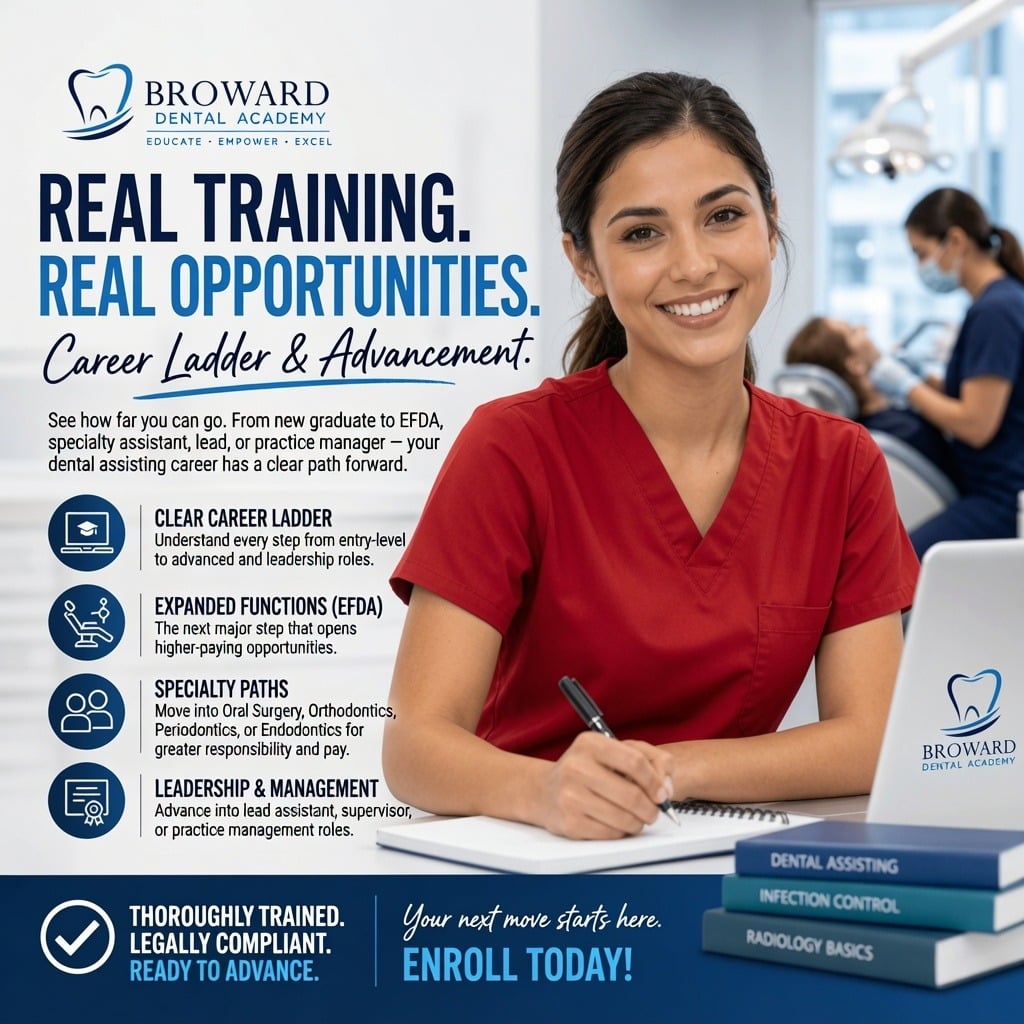
Fundamentals, then credentials, then expanded functions, then specialty or practice-side roles such as lead assistant and office manager — roughly two to five years for assistants who add training deliberately. - Is there a ladder?
Yes: fundamentals, then credentials, then expanded functions, then specialty or practice-side roles such as lead assistant and office management. - What moves you up fastest?
Expanded functions, because it widens what you may legally perform and directly changes how much of the doctor’s chair time stays productive. - How long does it take?
Two to five years covers most of the ladder for assistants who add training deliberately rather than waiting for an office to offer it. - What do promotions follow?
Reliability and clinical range: the assistant who keeps the schedule on time and handles more procedures is the one a practice promotes.
That matters if you are a dental assistant because growth in the industry usually shows up as career mobility inside the practice. More responsibility. More skills. Better pay potential. More options, whether you want to stay chairside, move into expanded functions, specialize, or grow into leadership and operations.
A “dental assistant career ladder” is simply a practical path from where you are now to roles with higher value and more control over your future. In dentistry, that often means:
- Clearer skills you can learn and prove
- Higher responsibility and trust from the doctor and team
- Better offers when you apply to new offices
- More choices across clinical, admin, and specialty settings
In fact, there are numerous specialty services available that can enhance your career prospects further. And yes, the lifestyle upsides are real. Dental assisting can offer stable income, flexible schedules, and a respected role in healthcare that does not require years of schooling to get started.
In this article, you will get five realistic moves most dental assistants can make over the next few years, depending on your goals, your state’s rules, and what your office needs.
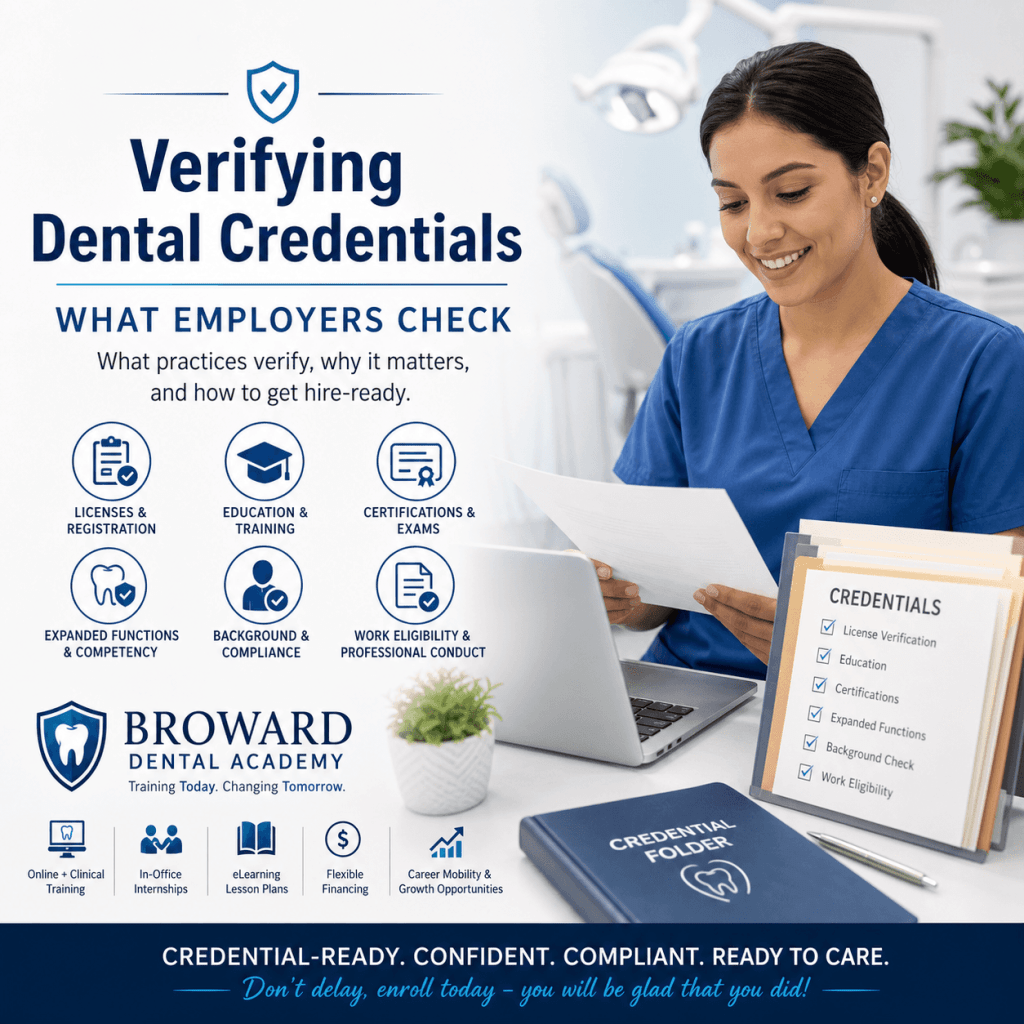
For those considering a broader scope within dentistry or even exploring different locations for work opportunities, resources like Broward Dental Academy provide valuable information on various aspects of dental careers including frequently asked questions about the field and its requirements.

Why does the dental assistant career ladder matter now?
Most people think of dental assisting as one job title. In reality, it is a role with multiple levels.
When you build your skills and credentials, you become the person who makes a practice faster, safer, more organized, and more profitable. That is why the “ladder” matters. It connects your day-to-day effort to long-term outcomes like pay, schedule options, and job security.
Here is the bigger picture:
- Demand for skilled dental professionals continues to rise.
- Practices are investing in technology and efficiency.
- Offices need assistants who are thoroughly trained, legally compliant, and clinically confident.
If you are in South Florida, you also know the market can be competitive. The assistants who move up fastest are not always the ones with the most years. They are the ones who can prove competence, consistency, and readiness for more responsibility.
What is your baseline, and what does your state allow?
Dental assistants start from different places:
- Entry-level assistants trained on the job (common in many offices)
- Assistants who completed formal training (often faster to ramp up and more confident early)
On-the-job training can work, but formal training often accelerates advancement because you are learning with structure, feedback, and repetition.
The most important thing to understand is that dental assisting is regulated. Your scope of practice, what you can and cannot do, depends on state rules and sometimes additional permits or certifications.
Think of advancement as three levers:
- Credentials (certifications like those offered by Broward Dental Academy, permits, CPR/BLS, national credentials)
- Expanded functions (new clinical duties, where permitted)
- Leadership (communication, reliability, systems, team impact)
Before you spend time and money on your next step, verify:
- Your state’s requirements for the duties you want
- What local employers are actually asking for in job postings
- What your current dentist is willing to train you on and delegate
If you do this first, you avoid chasing a credential that does not change your day-to-day responsibilities.
How do you become the assistant every dentist wants?
The fastest way up the ladder is to become excellent at what every practice needs every day.
That starts with fundamentals that raise your value quickly:
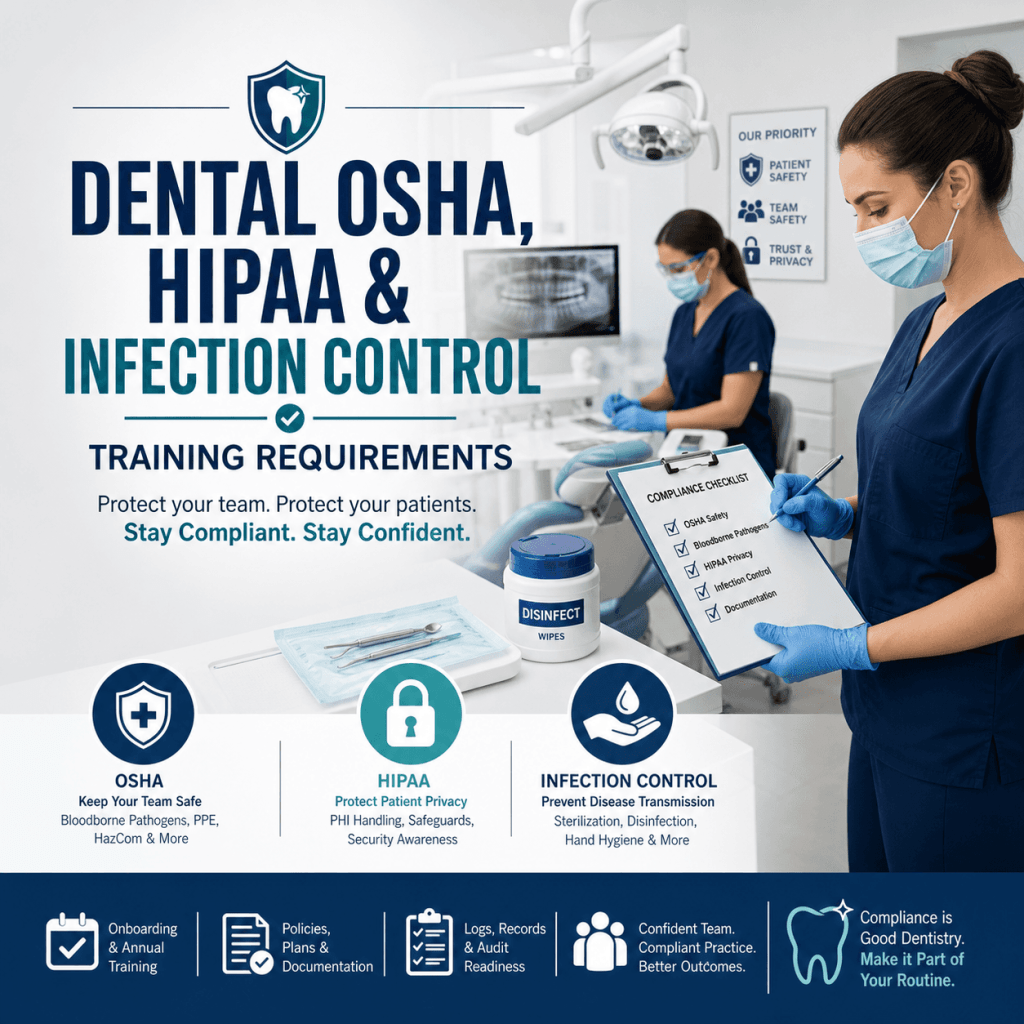
- Infection control and sterilization best practices
- Efficient instrument transfer and chairside flow
- Strong suction and retraction technique
- Room setup and breakdown that is fast and consistent
- Charting support and smooth handoffs
- Patient flow support so the schedule stays on time
- Impressions and models basics, if allowed in your state and office
Then add “modern practice” skills that many offices expect now:
- Digital X-rays and imaging workflows
- Intraoral scanner support, scanning prep, file organization
- Sterilization tracking and documentation
- Calm, clear communication with patients before, during, and after procedures
Professional habits matter more than most assistants realize because they are what dentists trust:
- You show up on time and prepared.
- You anticipate the next step without being told.
- You stay calm under pressure.
- You make ethical decisions, follow protocols, and protect patient safety.
- You take feedback without getting defensive.
What to track for yourself: if you want to get promoted, you need proof.
- Faster room turnover without cutting corners
- Fewer remakes and fewer “we need to redo that”
- Smoother appointments (doctor notices this immediately)
- Positive patient feedback and fewer patient complaints
If you focus on this for 60 to 90 days, you will often see more trust, more tasks, and better opportunities inside the same office.

Which credentials unlock higher-level duties?
Credentials do two things at once:
- They help you become legally compliant for additional duties.
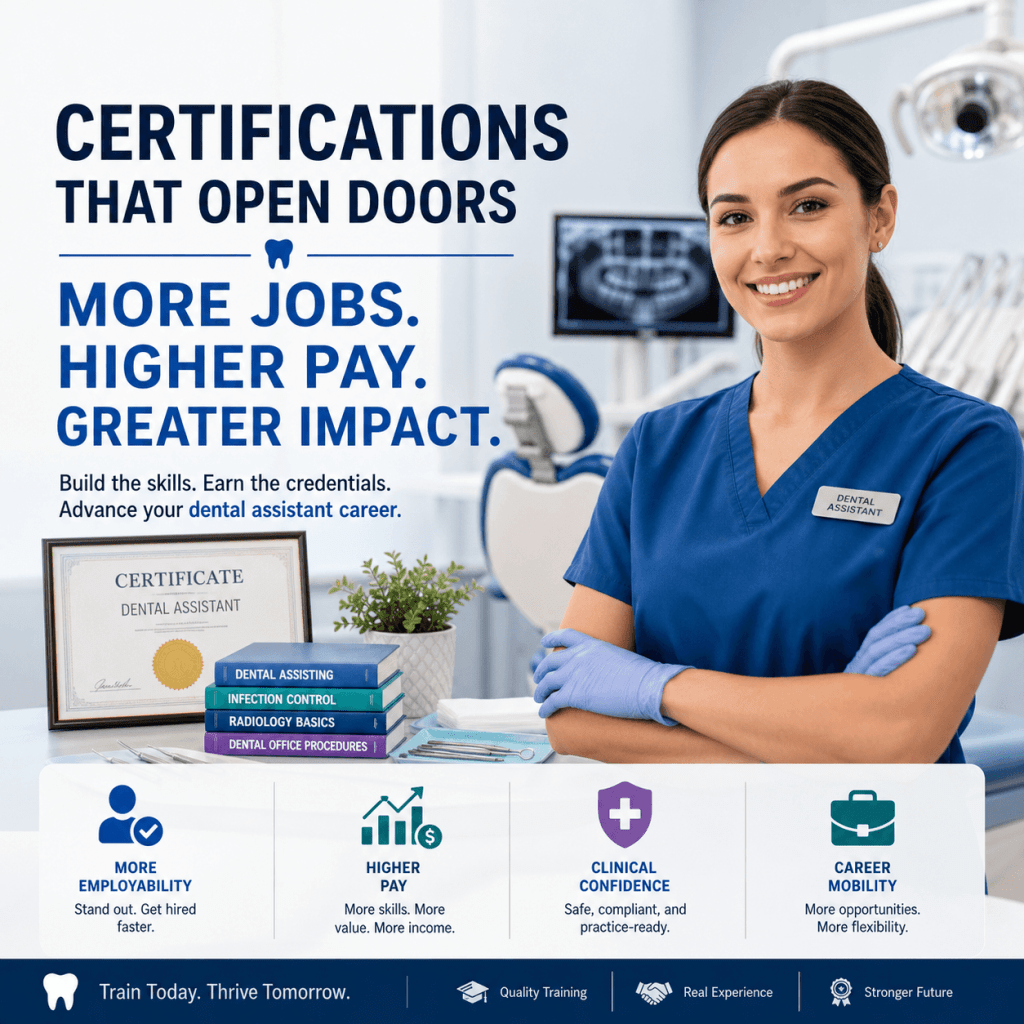
- They signal to employers that you are trained, serious, and ready for more.
Common credential paths to consider, depending on your state and employer:
- Radiology certification or permits
- CPR/BLS
- National certifications (such as CDA)
- Coronal polishing or other permitted expanded duties
How do you choose the right credential? Use a simple filter:
- What do local job postings request most often?
- Do you want a more clinical path or a more admin path?
- What is your current office missing right now?
A practical plan that works for many assistants is to pick one or two credentials that create immediate leverage in the next 3 to 6 months.
For example, if radiology certification is in high demand where you live, it can quickly increase the range of tasks you can support, which can translate to better pay offers and stronger negotiating power.
Why are expanded functions the fastest clinical advancement path?
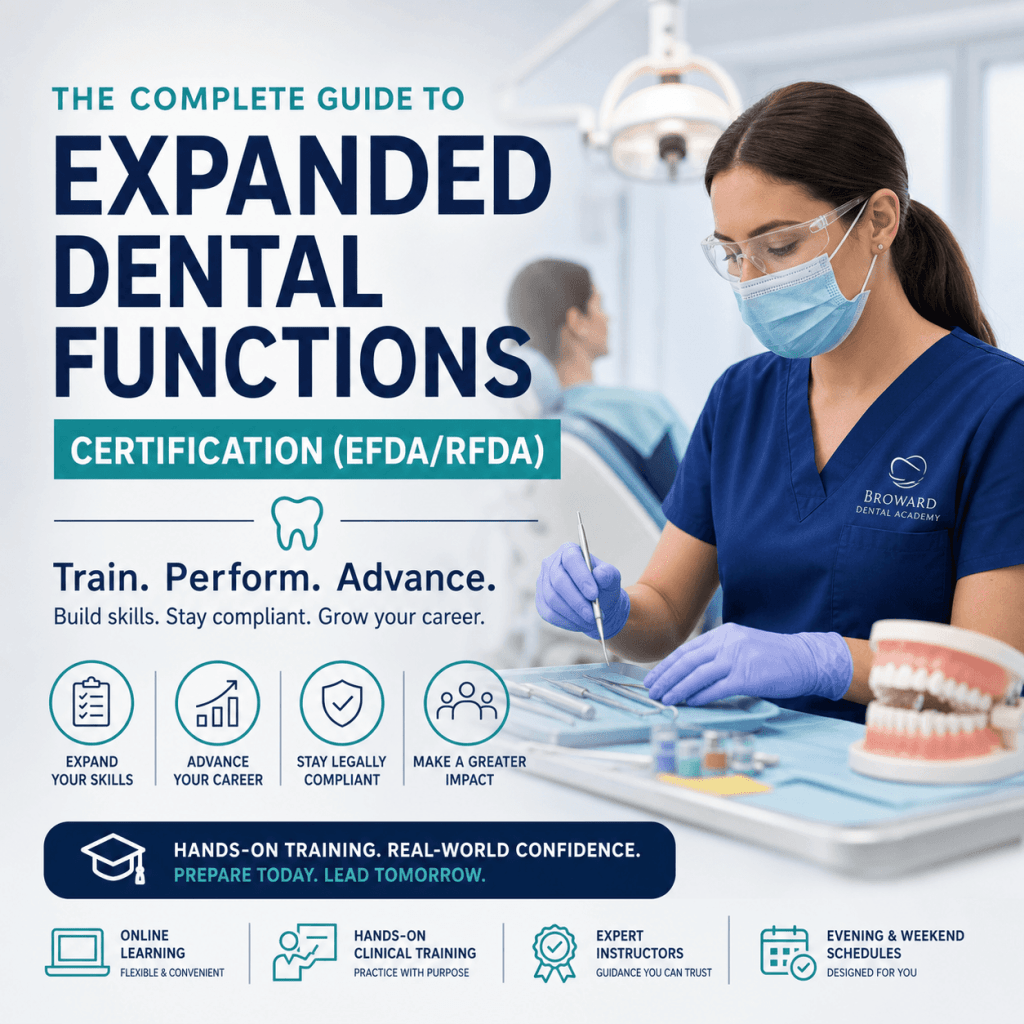
Expanded functions are a major rung on the dental assistant career ladder because they move you from “helpful” to “essential.”
Expanded functions can include responsibilities like these, where legally permitted and properly trained:
- Strong, consistent radiography performance
- Advanced impressions and temporaries support
- Surgical setups and assisting workflows
- Periodontal procedure support tasks
- Orthodontic assisting tasks
- Advanced infection-control leadership and compliance routines
Here is why expanded functions matter to a practice. It is the value equation:
- You reduce bottlenecks.
- You increase scheduling capacity.
- You improve patient experience because appointments feel smoother and more organized.
- You protect quality by making steps repeatable and consistent.
The key is building competency safely. Expanded functions should never be rushed.
The best approach looks like this:
- Structured training with clear standards
- Supervised repetitions with feedback
- Checklists so nothing is skipped
- Documentation to prove competence
- Ethics first, patient safety always
When you can do more, correctly and consistently, you become a higher-level assistant that practices compete for.
How does specializing help you stand out and earn more?
Specialization is how many assistants differentiate themselves, especially in competitive markets like South Florida.
Instead of being “a dental assistant,” you become a dental assistant with a niche.
Common specializations include:
- Orthodontics
- Oral surgery
- Pediatric dentistry
- Periodontics
- Endodontics
- Prosthodontics
- Cosmetic dentistry support
When you specialize, you are not just learning different procedures. You are learning:
- Different instruments and setups
- Specialty terminology
- A different pace and workflow
- New patient management skills (peds and surgery are very different, for example)
- More specific expectations from the doctor
If you are not sure which specialty fits you, test it before committing:
- Ask to shadow for a day
- Request cross-training days in your current office
- Take CE courses to see what holds your interest
- Ask to assist on specific procedures when possible
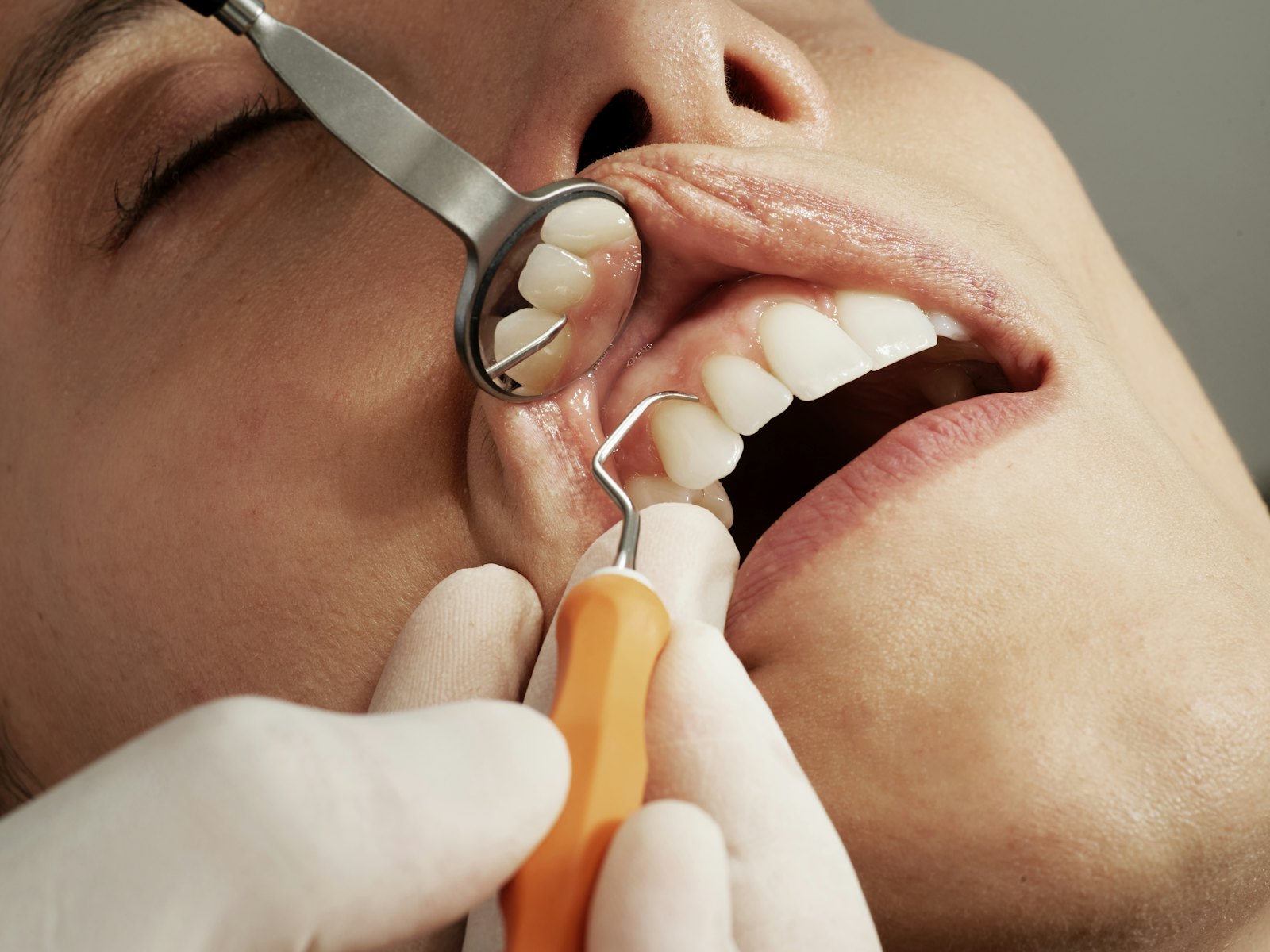
Specialization is a strong form of career mobility because you can move up without leaving assisting entirely. In many offices, a capable specialty assistant becomes a key part of production.
How do you move up without leaving dentistry?
Not every assistant wants to stay purely clinical. The good news is you can grow in dentistry without leaving the field.
This is the leadership side of the ladder, and it is often where assistants gain more predictable schedules and more stability.
Roles to consider:
- Lead dental assistant
- Sterilization or infection control coordinator
- Inventory and ordering lead
- Scheduling and operations support
- Treatment coordinator support
- Dental office manager pathway (longer-term)
Core skills to develop for these roles:
- Clear team communication and strong handoffs
- Conflict resolution and professionalism under pressure
- Training and onboarding new assistants
- Documentation and a compliance mindset
- Patient communication that builds trust, including financial conversations within your role
If you want to be taken seriously for leadership, build a small portfolio of wins:
- An onboarding checklist you created
- A sterilization audit improvement that reduced errors
- Reduced no-shows through better confirmations and scripting support
- Faster room turnover without quality drops
- A supply system that reduced waste and backorders
Those wins make promotion conversations much easier because you can point to outcomes, not just effort.
What does a realistic two to five year progression look like?
Timelines vary based on state rules, training, and office opportunity. But these sample ladders give you a model you can adapt.
Path A: Clinical growth
Start as an entry-level dental assistant, then move to radiology/credentialed, followed by expanded functions, specialty assistant, and finally lead/senior assistant.
Path B: Specialty-first
Begin as an entry-level dental assistant, then cross-train in ortho/peds, become a specialty assistant, then senior specialty assistant, and finally clinic lead.
Path C: Ops and leadership
Start as an entry-level dental assistant, proceed with front office cross-training, support treatment coordination, become lead assistant/ops coordinator, and then follow the office manager track.
Decision prompts that help:
- Do you like procedures more, or people and systems more?
- Do you want variety, or do you want a niche?
- What schedule fits your life right now?
- Do you want to grow inside one office, or build a resume that travels well?
How do you get promoted faster without burning out?
Promotions in dentistry often go to the assistant who makes the doctor’s day easier in measurable ways.
Learn the language of growth: ask for responsibility in exchange for outcomes.
Instead of “I want a raise,” try:
- “If I master X and reduce remakes, can we review my pay in 90 days?”
- “If I take over sterilization tracking and we pass internal audits consistently, can we revisit my title and compensation?”
- “If I get credentialed and can cover radiology independently, can we discuss expanding my role?”
Ask your employer for a simple growth plan:
- Quarterly skill goals
- Supervised competencies and sign-offs
- A scheduled check-in meeting (not a hallway conversation)
Avoid common blockers that slow careers down:
- Inconsistent attendance or last-minute call-outs
- Poor handoffs and miscommunication
- Weak documentation
- Skipping compliance steps to move faster
And protect your energy. Burnout helps nobody – Feeling burned out? You’re not alone
- Build repeatable routines for setup, turnover, and sterilization
- Communicate workload early, not at the breaking point
- Prioritize patient safety and ethics, even on the busiest days
Why does training quality matter to South Florida employers?
In South Florida, many practices are looking for professionals who are thoroughly trained, legally compliant, and clinically confident.
That is a higher standard than simply “passing an exam.”
Modern, high-performance offices care about what happens on a real schedule:
- Speed with accuracy
- Consistent infection control and documentation
- Strong patient communication
- Team coordination that keeps production flowing
- Professional judgment you can trust
Strong training usually includes:
- Immediate immersion in online and clinical settings
- Updated eLearning lesson plans
- In-office internships that build real-world readiness
That combination is what helps assistants show up confident, not overwhelmed.
How can Broward Dental Academy support your next move?
If you are serious about moving up the dental assistant career ladder in South Florida, Broward Dental Academy is a local pathway built for career mobility through advanced dental training.
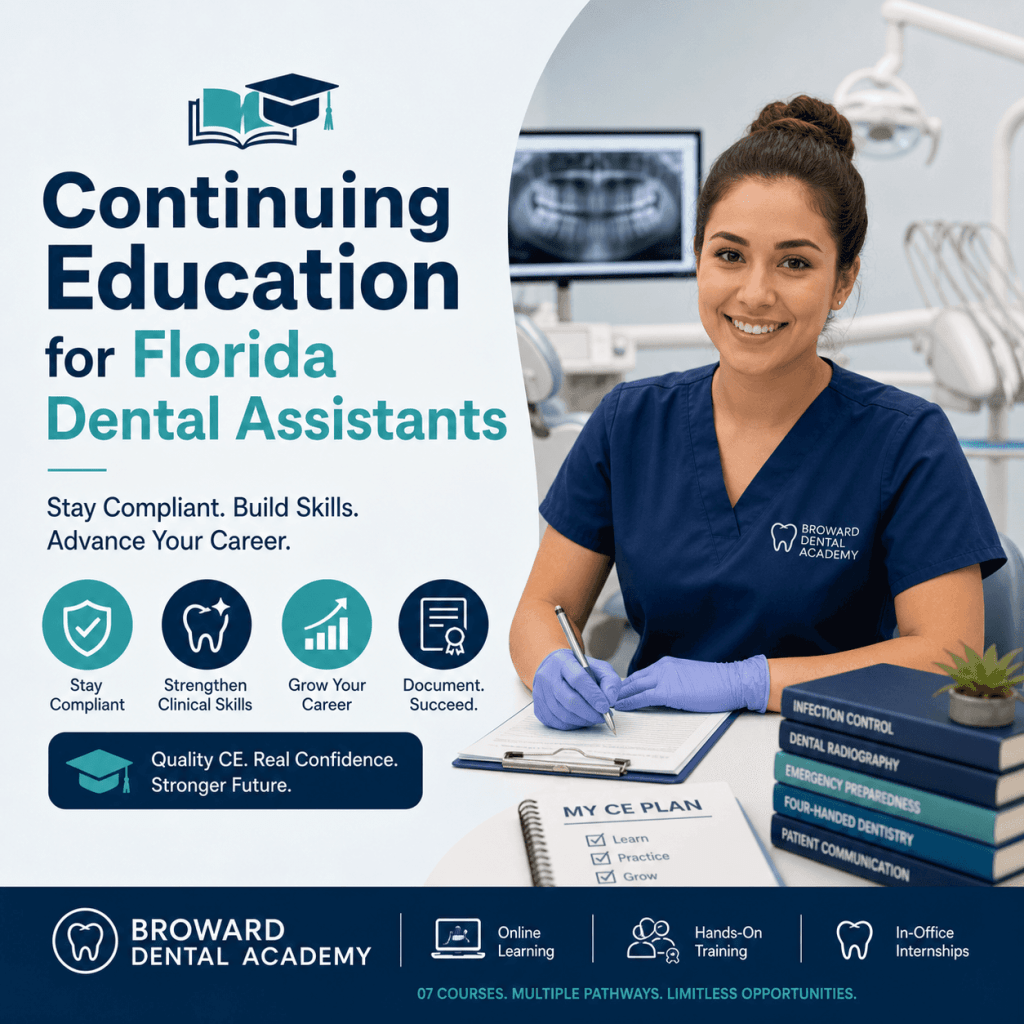
They offer a wide range of dental courses and advanced dental training, including “07 courses”, designed to help students become thoroughly trained, legally compliant, and clinically confident. The focus is not just on passing an exam. It is about preparing you to thrive in a modern, high-performance dental practice by learning to think critically, act ethically, and perform confidently.
Students benefit from flexible learning with remote training supported by the latest eLearning lesson plans, plus clinical immersion and in-office internships that build real confidence with real workflows. Flexible financing is also available, which makes it easier to take your next step without waiting for the “perfect time.”
If you are ready to make your next move in dentistry, do not delay. Enroll today, you will be glad that you did!
FAQs (Frequently Asked Questions)
What is a dental assistant career ladder and why is it important?
A dental assistant career ladder is a practical path that helps dental assistants advance to roles with higher value, more responsibility, and better pay. It matters because it connects daily efforts to long-term outcomes like job security, flexible schedules, and leadership opportunities in the fast-growing dentistry field.
How can dental assistants improve their skills to advance their careers?
Dental assistants can improve their careers by mastering fundamental skills such as infection control, efficient chairside assistance, digital X-rays, and patient communication. Gaining certifications, learning expanded functions allowed by state regulations, and developing leadership qualities also help in career advancement.
What role do state regulations play in a dental assistant’s career growth?
State regulations determine the scope of practice for dental assistants, including what clinical duties they can perform and what certifications or permits are required. Understanding these rules is crucial before pursuing credentials or expanded functions to ensure they align with local laws and employer expectations.
Why is formal training beneficial for dental assistants compared to on-the-job training?
Formal training provides structured learning with feedback and repetition, often leading to faster skill development and greater confidence. It accelerates advancement opportunities by equipping assistants with recognized credentials and comprehensive knowledge that employers value.
What are some specialty services in dentistry that can enhance a dental assistant’s career prospects?
Specialty services such as periodontics offer additional avenues for dental assistants to specialize and expand their skills. Pursuing training in these areas can lead to more clinical responsibilities, higher pay potential, and increased career mobility within diverse dental practice settings.
How can dental assistants demonstrate readiness for promotion within their practice?
Dental assistants can show readiness for promotion by consistently proving competence through faster room turnover without compromising quality, reducing remakes, supporting smooth appointments, maintaining professionalism like punctuality and calmness under pressure, and taking initiative in patient care and team collaboration.