Understanding the Dental OSHA HIPAA & Infection Control Training Requirements
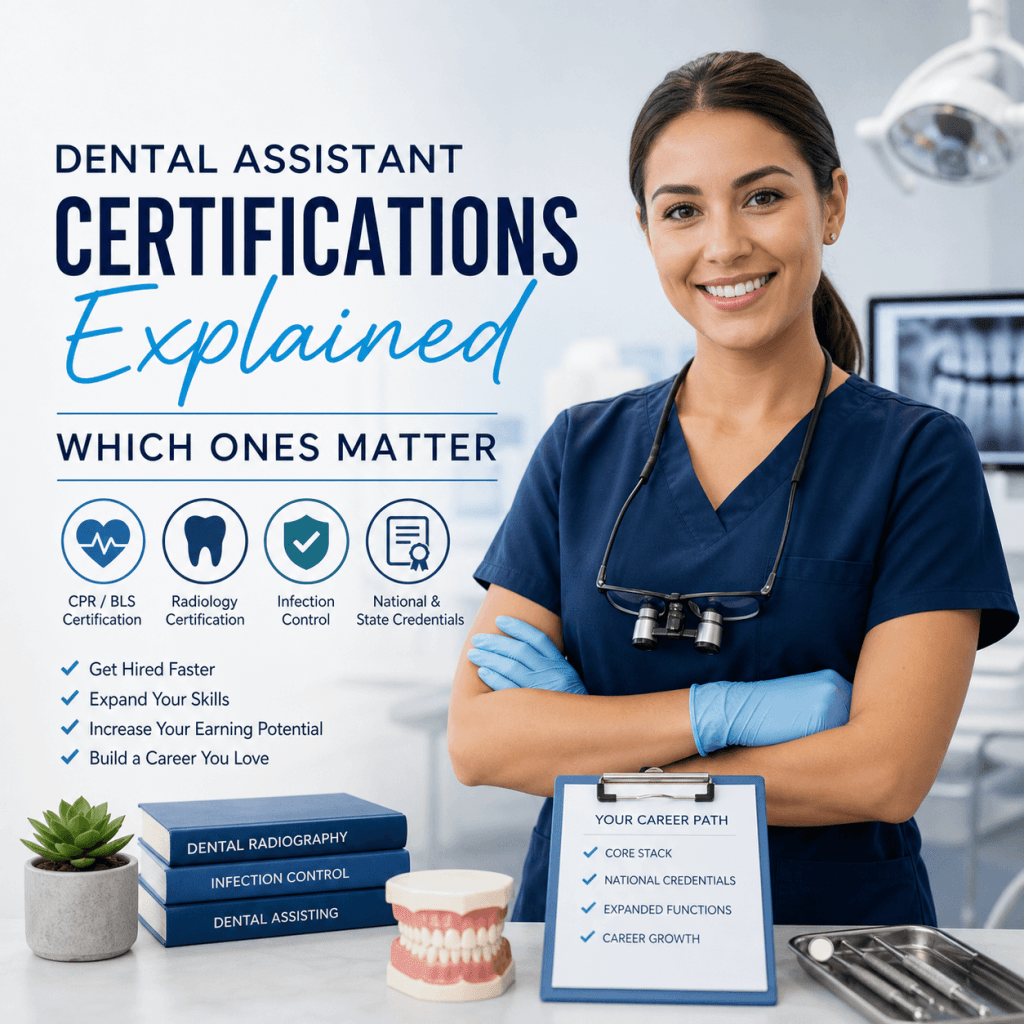
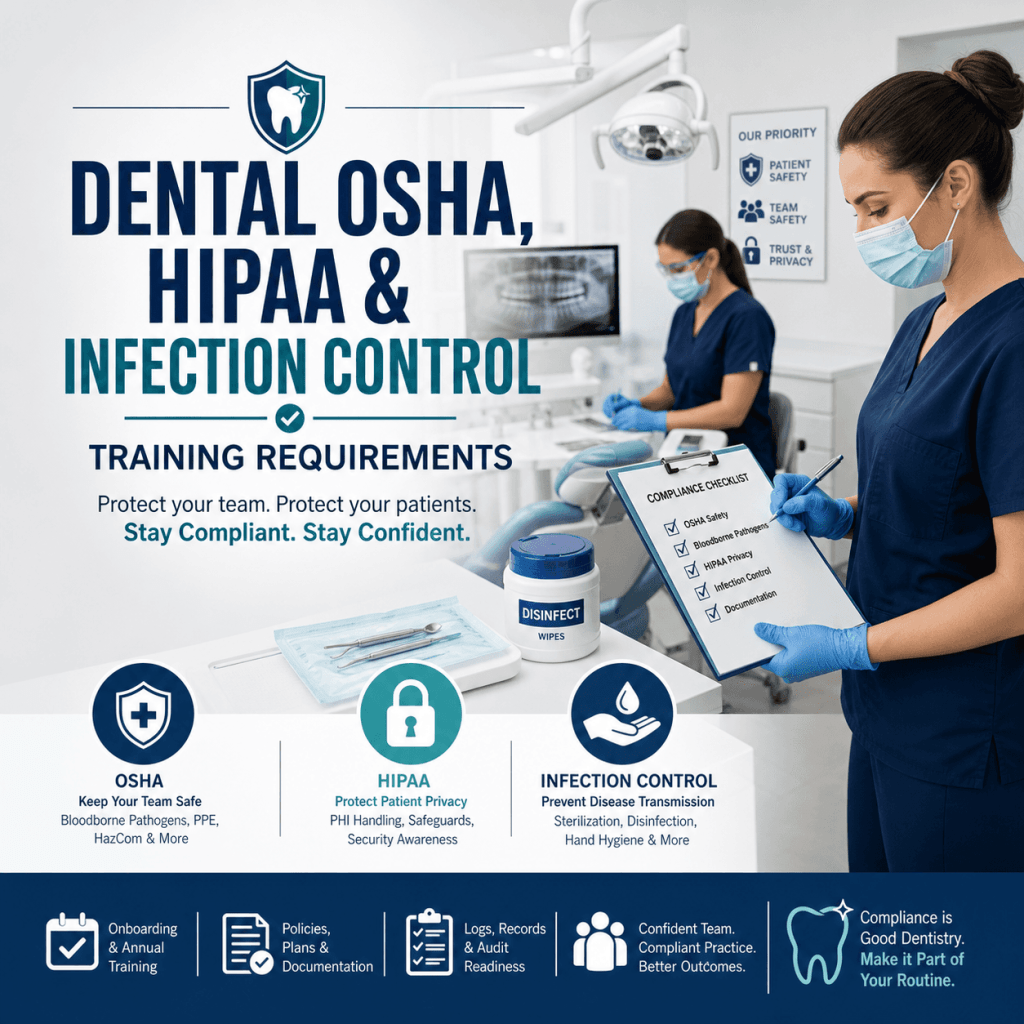
In modern dental practices, understanding the Dental OSHA HIPAA & Infection Control Training Requirements is not optional; it is a fundamental aspect of ensuring a safe and compliant workplace. OSHA’s standards are designed to protect healthcare workers from occupational hazards, while HIPAA protects patient privacy and information security. Additionally, robust infection control training is essential to prevent the transmission of infectious diseases within dental settings. This comprehensive guide will explore the nuances of these requirements, outlining the critical components that dental professionals must understand and implement.
Consider this scenario: a dental hygienist is about to perform a routine cleaning. Without proper OSHA training, they might not be aware of the correct procedures for handling instruments or the importance of using appropriate PPE, which could lead to potential exposure to bloodborne pathogens. Training that emphasizes these crucial safety measures not only protects the staff but also reinforces patient trust in the practice’s dedication to safety.

In terms of HIPAA compliance, it is essential to note that breaches can result in hefty fines for dental practices. Training should cover the process for reporting breaches and the importance of protecting sensitive patient data. Role-playing exercises can prepare staff to handle patient interactions that require sensitivity to privacy concerns, reinforcing the importance of patient confidentiality.
Moreover, infection control protocols must be routinely updated to reflect current best practices. This includes not only proper sterilization techniques but also educating staff on emerging infectious diseases and their implications in a dental setting. For example, understanding how to manage an outbreak or implement new protocols in response to public health emergencies is vital.
Technology plays a crucial role in the ongoing education of dental staff. Online resources and training modules can offer flexibility and accessibility, allowing staff to complete training at their convenience. Engaging educational content, such as videos demonstrating best practices, can enhance the learning experience and improve retention of critical information.
Ultimately, the commitment to understanding and adhering to the Dental OSHA HIPAA & Infection Control Training Requirements reflects the overall quality of care provided by a dental practice. By prioritizing thorough training and fostering an environment of continuous learning, dental professionals can ensure they are not only compliant but are also providing the highest standard of care to their patients.
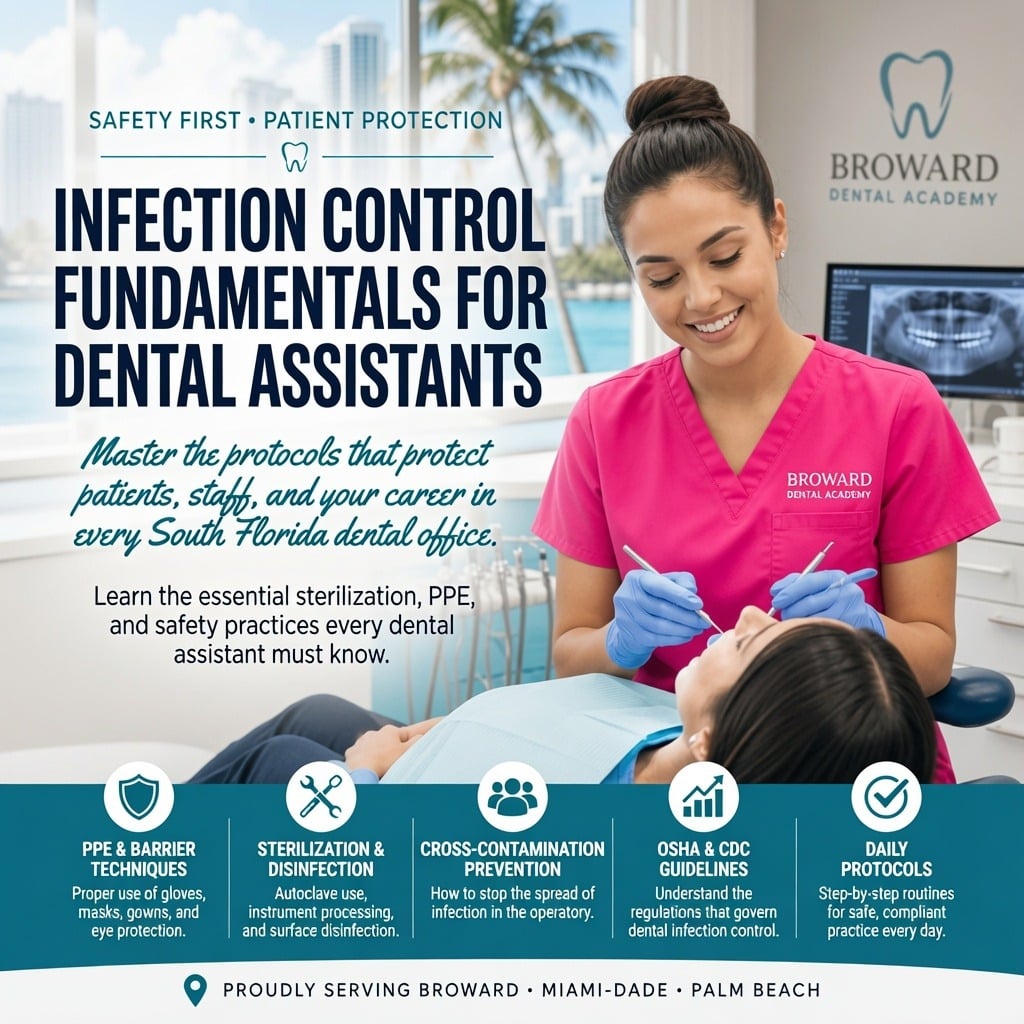
Starting with OSHA, it is vital for dental practices to provide training that covers the handling of hazardous materials, proper use of personal protective equipment (PPE), and protocols for reporting incidents. For example, dental assistants must be trained to recognize potential hazards such as chemical spills or sharp instruments. Regular training sessions should emphasize the importance of maintaining a safe environment, including proper waste disposal and maintaining cleanliness to reduce risks of injury or infection.
On the HIPAA front, every dental practice must ensure that its staff is well-versed in the privacy laws that govern patient information. This includes training on the secure handling of electronic health records (EHR) and understanding patients’ rights regarding their information. Incorporating real-world scenarios into training can enhance understanding, such as discussing a situation in which confidentiality may be at risk and how to address it responsibly. Regular refresher courses are also important to keep everyone updated with any changes in regulations.
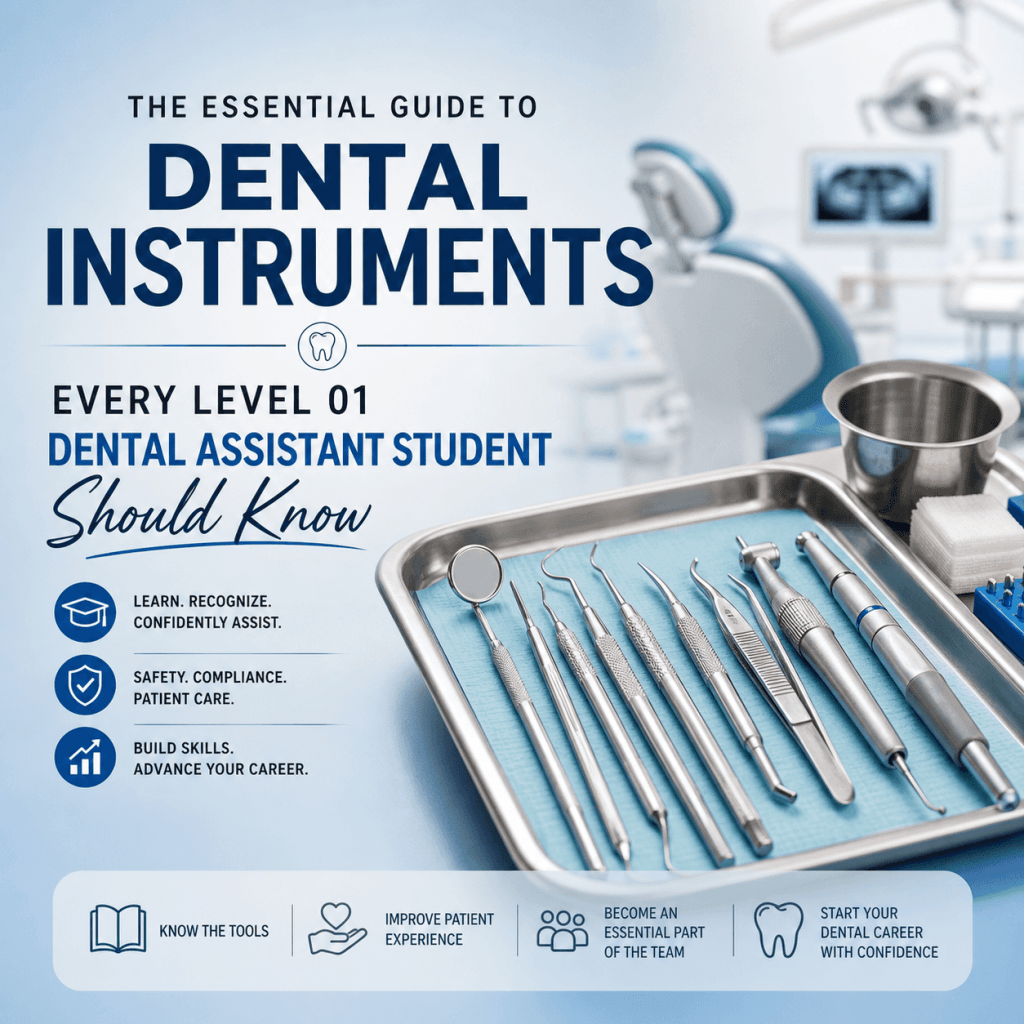
Infection control training should not only cover the basics but also focus on advanced techniques and the latest technologies available in dental settings. Training programs should integrate hands-on practice for sterilization techniques of dental instruments and establish clear guidelines for infection prevention. For instance, staff should be trained on the importance of using autoclaves properly and maintaining strict protocols for cleaning and disinfecting surfaces.
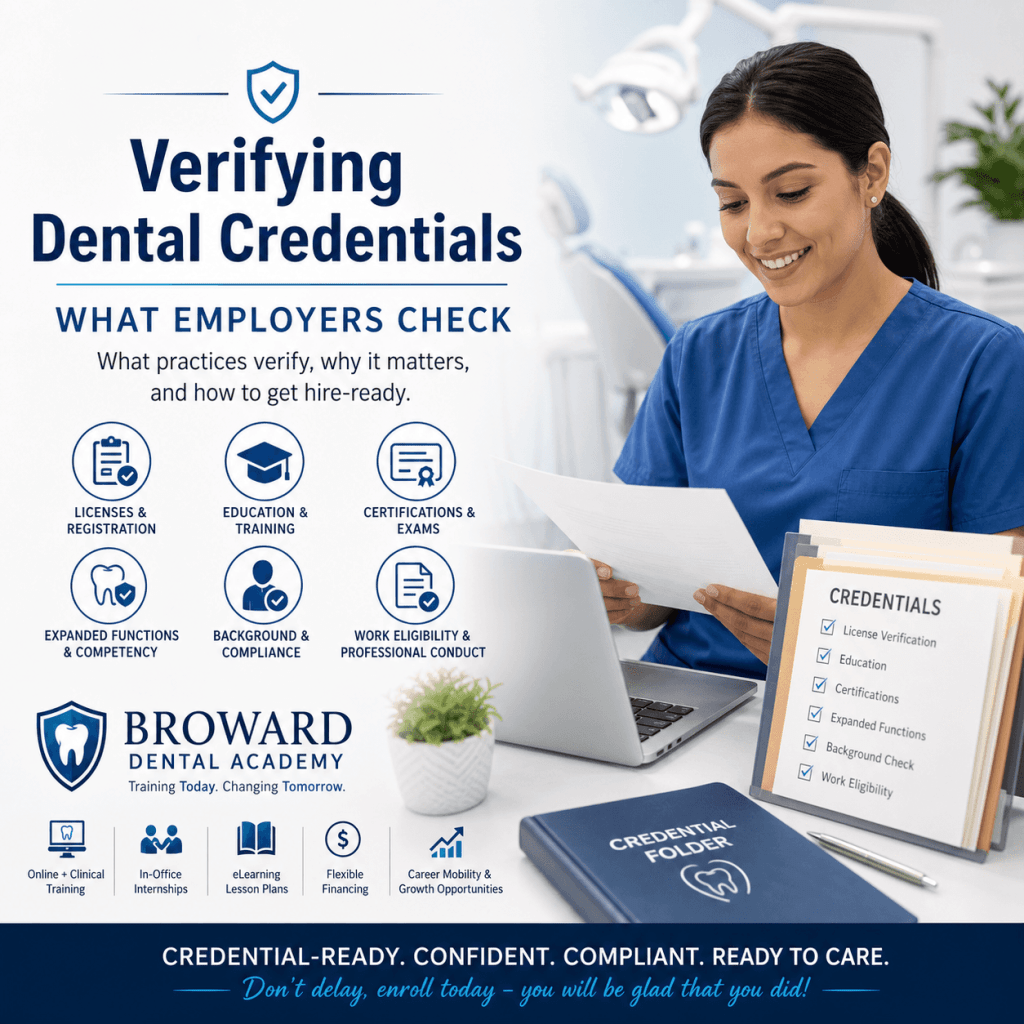
Furthermore, keeping comprehensive records of training sessions and employee compliance is essential for audits. A well-organized system can track each staff member’s training history, which is vital during inspections or if a compliance issue arises. Utilizing digital platforms to manage training records can streamline this process, ensuring that all necessary documentation is readily available.
In conclusion, the Dental OSHA HIPAA & Infection Control Training Requirements are integral to running a successful dental practice. By investing in continuous education and training, dental professionals can ensure not only compliance but also a safer environment for both patients and staff. It is essential for dental practices to embrace these training requirements as ongoing commitments rather than one-time events, fostering a culture of safety, privacy, and excellence in patient care.
That is exactly why dental OSHA, HIPAA, and infection control training gets so much attention. These are not “extra” tasks. They shape how safely you work, how confidently you treat patients, and how well your practice stands up to audits, complaints, and real-world incidents. In this guide, you will learn what dental offices typically must cover for OSHA, what HIPAA training should include for every role, what strong infection control training looks like today, and how to stay organized all year long. It is also essential to understand the Dental OSHA HIPAA & Infection Control Training Requirements.