
Why stainless steel crowns in pediatric dentistry are so common
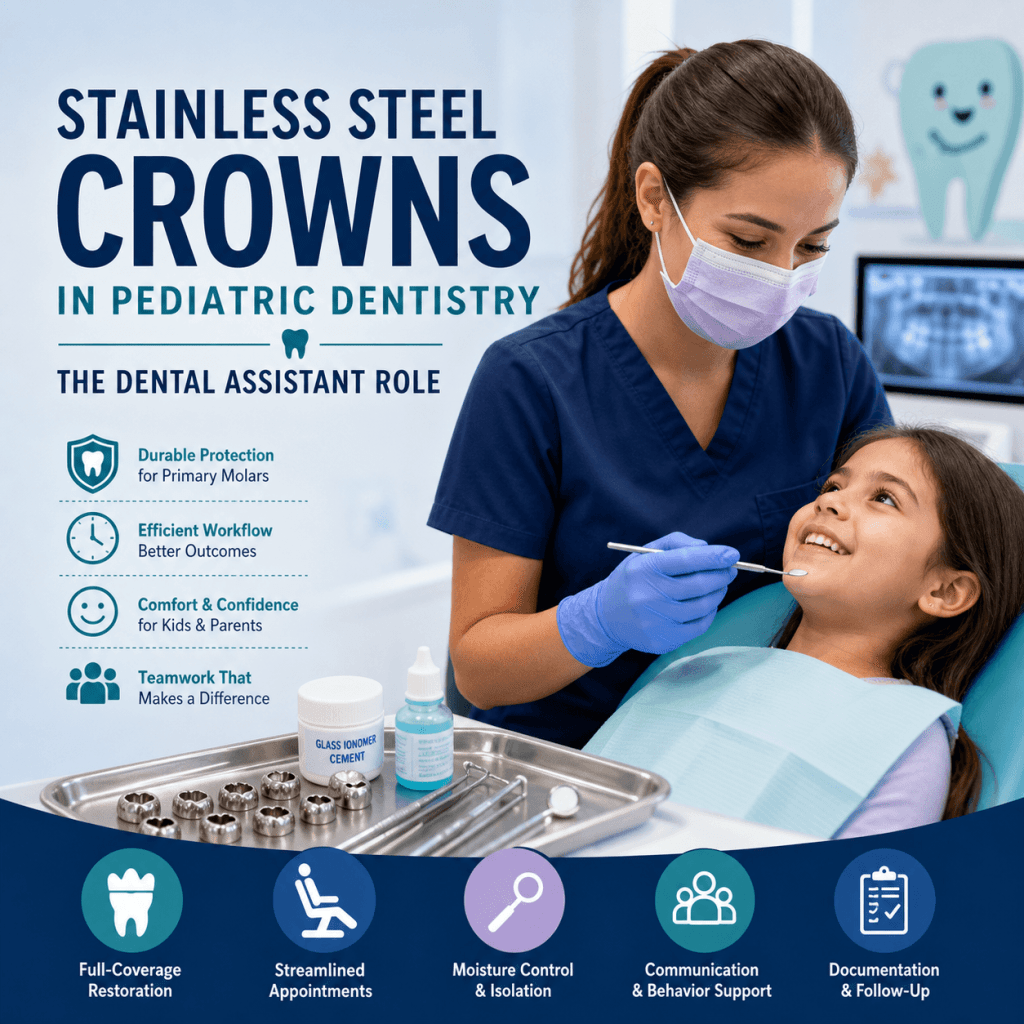
A stainless steel crown is a preformed metal crown that covers the entire tooth. In pediatric dentistry, SSCs are most often used on primary molars because those teeth take heavy chewing forces, have relatively thin enamel, and frequently develop multi-surface cavities that are hard to restore long term with a simple filling.
In fact, stainless steel crowns in pediatric dentistry provide an effective solution for young patients facing extensive dental issues.
The core clinical goal is straightforward: full-coverage protection. When a tooth is too broken down for a durable filling, an SSC helps seal and reinforce what is left so the child can chew comfortably until the tooth naturally exfoliates.
SSCs are often recommended when a child has:
- Extensive caries on multiple surfaces
- A tooth that needs an SSC after pulpotomy or pulpectomy
- Enamel hypoplasia or developmental defects that weaken tooth structure
- High caries risk, where the practice wants a restoration that is more forgiving over time
Parents usually focus on a few practical concerns:
- Durability: “Will it last until the tooth falls out?”
- Cost: “Is this more expensive than a filling?”
- Appointment time: “How long will my child be in the chair?”
- Comfort: “Will it hurt afterward?”
- Appearance: “Will the metal show?”
This is where the dental team’s communication matters. The dentist explains the diagnosis and the clinical reasoning, and the assistant reinforces it in plain language, helps the visit run smoothly, and supports a calm experience. In many pediatric offices, the assistant’s real value shows up in four places: efficiency, moisture control, patient management, and predictable workflow.
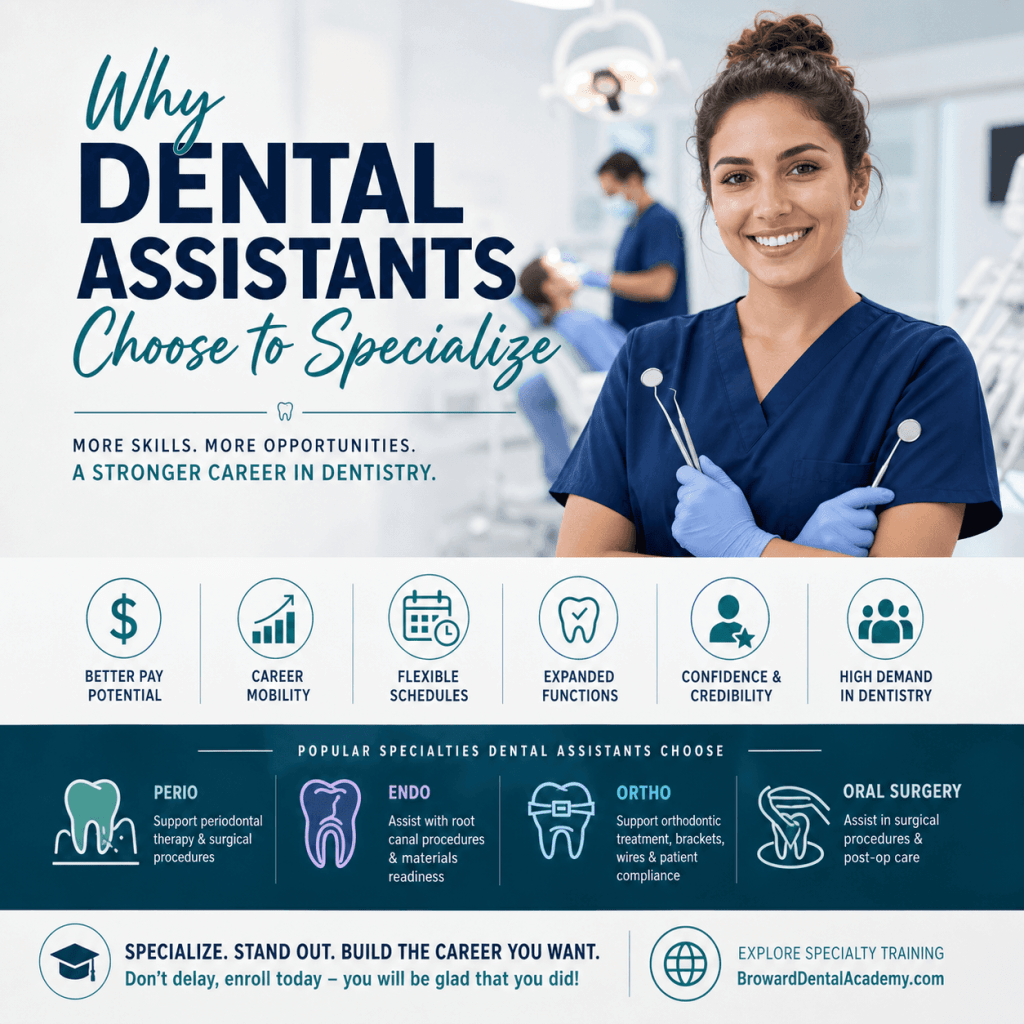
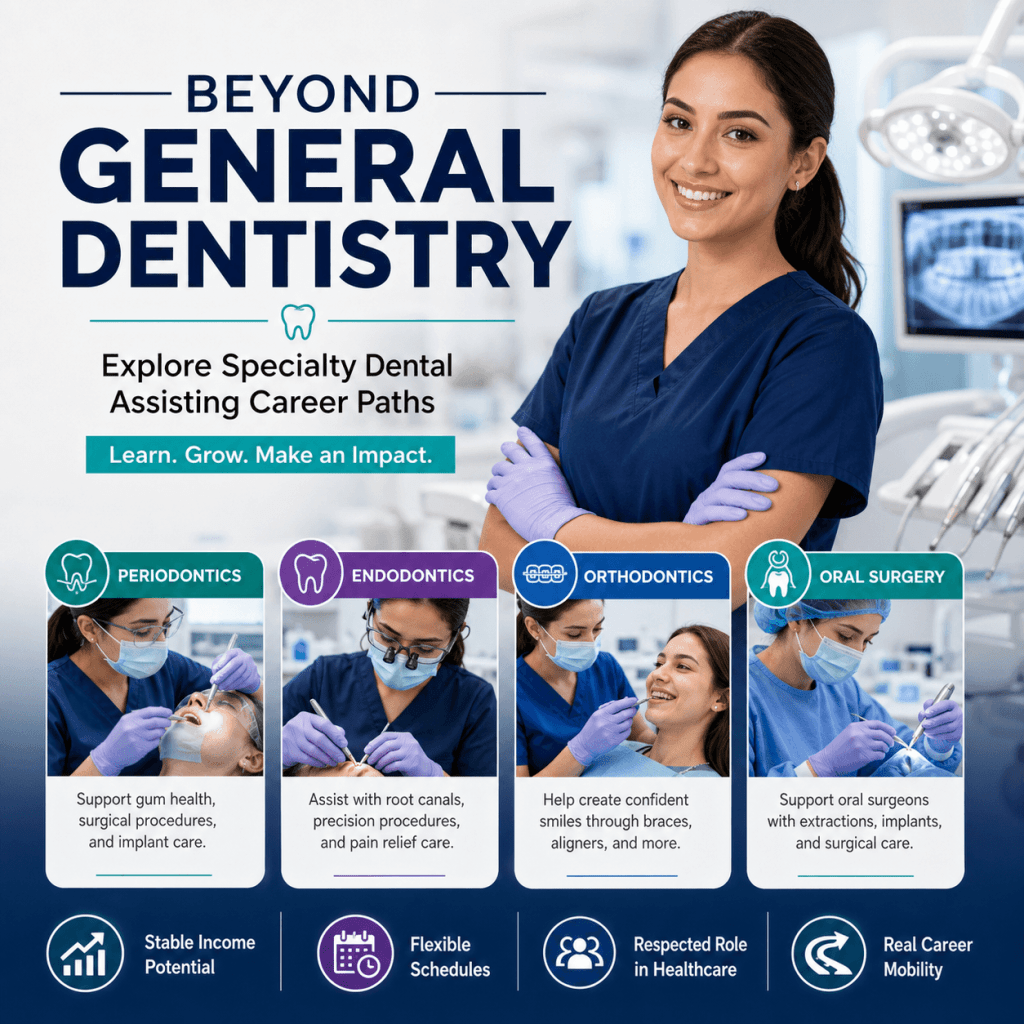
In addition to SSCs, pediatric dental practices also offer various other services such as orthodontics, periodontics, and courses offered for those interested in furthering their knowledge in these areas. Moreover, understanding when to use an SSC versus other treatment options is crucial. For instance, certain conditions may make an SSC a more suitable choice than other types of crowns or fillings. These conditions include extensive caries on multiple surfaces or severe enamel hypoplasia.
What a dental assistant needs to know before the appointment
Before the patient even arrives, a strong assistant already knows what the visit is supposed to look like.
Confirm the planned procedure and setup
Review the schedule and confirm whether the appointment is:
- SSC only
- SSC + pulpotomy
- SSC + pulpectomy
- SSC as part of multiple restorations in one visit
- Treatment planned with nitrous, oral sedation, or referral-based sedation (office-dependent)
This affects your tray setup, materials, timing, and how you help the parent understand the steps.
Verify patient basics
A quick pre-check prevents surprises:
- Age and expected cooperation level
- Medical history highlights and special notes
- Allergies, including latex and any history of metal sensitivity (rare, but still worth noting)
- Past responses to local anesthesia, nitrous, or sedation (if documented)
- Any protective stabilization policies and consent requirements (office protocol)
Consent and parent expectations
Assistants should be confident reinforcing the “why” without promising cosmetic outcomes. Many parents are relieved when they hear something like: “This is the strongest option for a baby molar that has a large cavity. It helps keep the tooth comfortable and functional.”
If a parent expresses concern about appearance, it helps to keep it factual and calm: SSCs on back teeth are usually not noticeable when the child smiles, and the priority is keeping the tooth healthy and pain-free.
Additional Considerations
In some cases, a dental assistant might need to prepare for more complex procedures such as oral surgery. It’s crucial to have relevant certifications to assist effectively during these procedures. Additionally, being aware of different locations where these procedures may take place can also be beneficial.
Room readiness checklist
A pediatric operatory runs best when the room is reset the same way every time. A reliable checklist often includes:
- HVE and saliva ejector working properly
- Air/water syringe functioning, handpieces checked
- Isolation aids stocked (cotton rolls, dry angles, cheek retractors, mouth prop)
- SSC kit organized and complete
- Sterilized tray ready and correct bur block available
- Cement and mixing setup staged
- Floss, gauze, articulating paper ready for cleanup
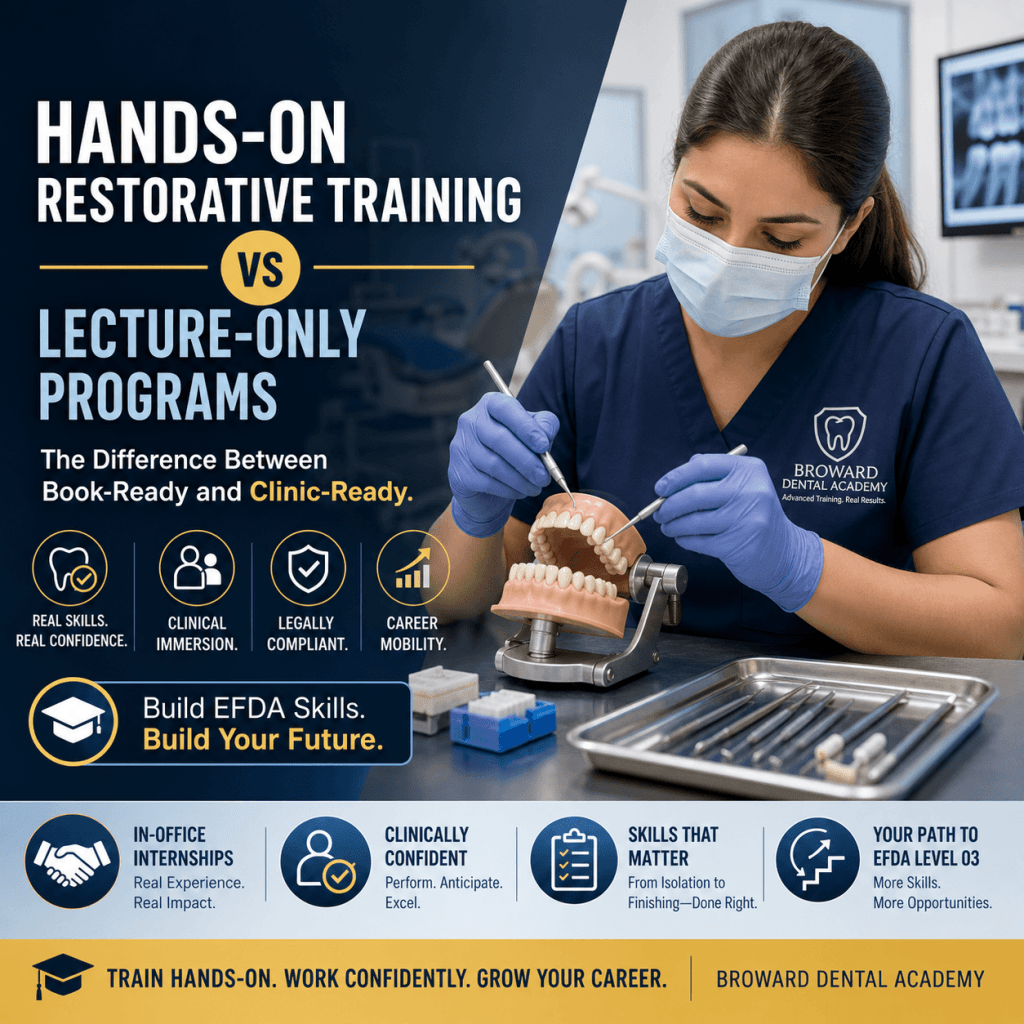
For assistants in expanded functions pathways, this is also where training pays off. Anticipating steps and staging instruments correctly can reduce chair time, improve cooperation, and make the procedure smoother for the dentist and patient.
Armamentarium and materials: setting up for an SSC the right way
While each practice has its own preferences, an SSC setup typically includes a consistent set of instruments and materials.
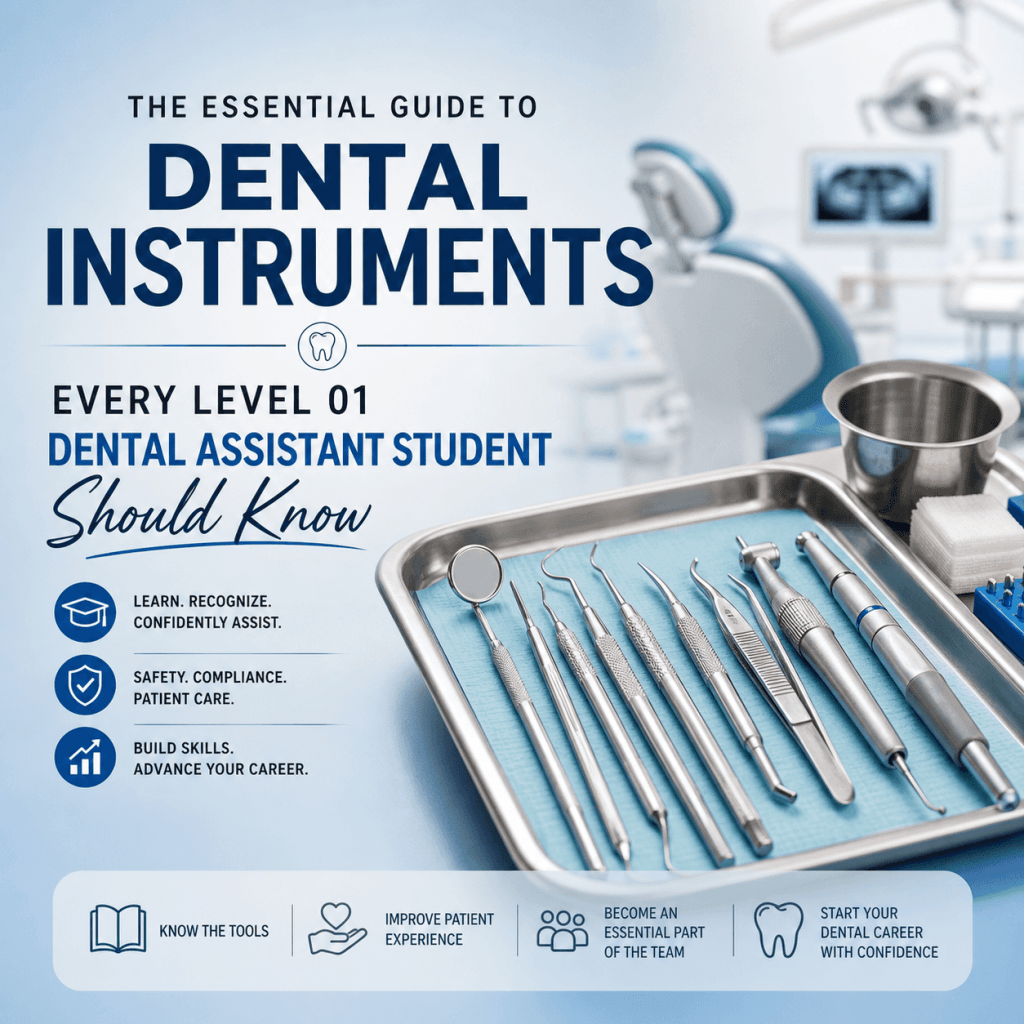
Typical SSC tray components
Many offices include:
- Mouth mirror, explorer, cotton pliers
- Spoon excavator and/or caries removal instruments (as needed)
- Crown scissors
- Contouring pliers
- Crimping pliers
- Bite stick or mouth prop (child-appropriate size)
- Hand instruments for cement removal (scaler or similar)
Isolation and moisture control
Moisture control is one of the biggest variables in crown cement success and patient comfort. Common options include:
- HVE and saliva ejector
- Cotton rolls and dry angles
- Cheek retractors
- Throat screen (office preference)
- Rubber dam when used in that office and appropriate for the case
The assistant’s positioning matters. Stable suction and gentle retraction reduce gagging, improve visibility, and keep cementation controlled.
Cement options in pediatrics
SSCs are commonly cemented with:
- Glass ionomer cement (GIC)
- Resin-modified glass ionomer (RMGI)
Your role is to prepare what the dentist prefers, confirm expiration dates, and set up the mixing method (pad, slab, capsule system, or automix if used).
Finishing and cleanup supplies
Have these ready before seating the crown:
- Floss (pre-cut pieces often help)
- Gauze and cotton rolls
- Articulating paper
- Explorer/scaler for cement cleanup
- Water syringe rinse setup, suction tip ready for final rinse
Infection control and workflow
Handle crowns and cement like any other clinical material: clean hands, appropriate barriers, and a smooth transfer technique. SSC appointments move quickly once the crown is selected, and delays during cement mixing or crown handoff are where problems start.
Chairside workflow: the dental assistant’s role step-by-step
SSCs are a team procedure. The dentist focuses on diagnosis, tooth preparation, and final fit. The assistant drives flow, comfort, and consistency.
1) Patient seating and comfort
A calm start improves cooperation:
- Seat the child confidently and quickly
- Protective eyewear and bib placement
- Tell-show-do support as directed by the provider
- Keep instructions short, positive, and concrete
In pediatric dentistry, behavior guidance is everyone’s job. Even small things, like warning a child before the suction turns on, can reduce stress.
2) Anesthesia support
Within scope and office protocol, assistants commonly support by:
- Setting up topical anesthetic and applicators
- Passing anesthetic supplies as needed
- Monitoring for comfort cues and helping the child stay still
- Staying aware of aspiration safety and patient positioning
Calming techniques should always align with your office’s behavior guidance policy and state rules.
3) Crown adjustment support
During crown selection and adjustment, assistants help by:
- Staging likely crown sizes
- Passing crown scissors, contouring, and crimping pliers
- Assisting with directed trimming support (as allowed and directed)
- Helping keep the field clean so the dentist can evaluate fit accurately
4) Cementation phase support
This is where timing matters most:
- Mix cement correctly and consistently
- Load the crown appropriately (not underfilled, not overflowing)
- Suction and retraction during seating
- Have gauze ready for bite pressure if the dentist uses it
5) Cleanup and final comfort
After seating:
- Help remove excess cement
- Floss contacts carefully
- Assist with occlusion marking using articulating paper
- Final rinse and suction
- Check that the child is comfortable before dismissing

Helping the dentist choose and fit the crown: sizing, contouring, and crimping support
A well-fitted SSC should feel secure and function normally.
What a “good fit” looks like
In general, the dentist is looking for:
- Good marginal adaptation with no obvious open margins
- Proper seating with a “snap” through the contact (as appropriate)
- No rocking
- Crown margin positioned appropriately around the tooth
Assistants support this by keeping the tooth clean, controlling moisture, and helping the crown selection happen quickly.
Speeding crown selection
A practical approach many assistants use is staging by tooth type:
- Primary second molars often correspond to E/F patterns (arch and quadrant dependent)
- Primary first molars have different crown forms and sizes than second molars
Your office’s crown system may label differently, but the idea stays the same: pre-sort likely sizes and keep them within reach. When the dentist tries one size and it is close, have the next two options ready immediately.
Managing common fit issues
Assistants can often spot workflow causes of fit problems:
- Crown too tall: may need occlusal adjustment (dentist-directed)
- Open margins: crown selection or contour/crimp may need refinement
- Tight contacts: try adjacent size options; keep field clean so the crown can seat
- Incomplete seating due to debris: rinse, suction, and keep the prep clear before the dentist judges fit
Occlusion basics
A slightly different bite can be normal immediately after cementation, especially if the child is numb or unfamiliar with the feel. However, if the child cannot close comfortably or there is a clear high spot, that should be re-checked.
Documentation support
Accurate notes help everyone later. Make sure the chart includes:
- Tooth number
- Crown size used
- Cement type (per office protocol)
Cementation, cleanup, and post-op instructions: where assistants make or break the result
SSCs are forgiving restorations, but cement handling and cleanup directly affect comfort and gingival health.
Cement properties that matter clinically
From a chairside perspective, the important cement factors are:
- Working time
- Viscosity and flow
- Cleanup window
- Final set time
The assistant’s mix consistency impacts all of these.
Assistant technique essentials
Depending on the cement system used:
- Follow the correct powder/liquid ratio or capsule activation steps
- Mix with consistent timing and pressure
- Avoid delays that shorten working time before seating
- Load the crown in a controlled way to reduce mess and improve seating
Flossing contacts safely
Flossing after cementation is a key assistant contribution. Technique matters:
- Slide floss through contact gently
- When removing, pull floss out through the side rather than snapping upward
- Check for retained cement and alert the dentist if you see it
Parent instructions that prevent call-backs
A simple, consistent message helps:
- Avoid sticky foods for the rest of the day if advised by the office
- Mild soreness around the gum can be normal for a short time
- Call the office if the child has persistent pain, swelling, fever, or cannot chew comfortably after the numbness wears off
- Maintain brushing and fluoride use as instructed
Also reinforce a key point: SSCs are durable, but cavities can still form at the margins if hygiene and diet do not improve.
Behavior management and communication: assisting kids (and parents) through crowns
Crown visits can be easy for some children and challenging for others. Assistants often set the tone.
Common pediatric concerns
In pediatric dentistry, you may encounter various concerns from children such as:
- Fear of the handpiece sound or water spray
- Worry about numbness
- Strong gag reflex
- “Metal tooth” appearance concerns
- Fear based on a previous appointment
Assistant scripts that work
Clear, honest, age-appropriate language usually wins:
- “We are going to clean the tooth and put a strong helmet on it.”
- “You will feel water and some pushing, but we will take breaks if you raise your hand.”
- “Your tooth will feel shiny and smooth when we are done.”
Offer choices that support cooperation without changing the treatment:
- Flavor for topical or fluoride (if used)
- Music or a show if the office has it
- Holding a stress ball
- Picking the color of the bib (if available)
Keeping parents aligned
Parents do best when they understand the benefit and the trade-off:
- SSCs are strong and protect the tooth
- They are commonly used for back baby teeth
- The crown is visible up close, but function and comfort come first
For more information on common questions regarding pediatric dental care, you can refer to these frequently asked questions.
Team-based approaches for anxious children
Assistants can reduce discomfort by:
- Keeping suction steady and gentle
- Retracting without pulling soft tissue aggressively
- Using short instructions and frequent praise
- Confirming the child’s coping plan with the dentist before starting
Special situations
For children with sensory needs, limited cooperation, or a stronger gag reflex, pre-planning matters. It is important to consider that some children may have pediatric feeding and swallowing difficulties which could complicate dental procedures. Ask the provider what has worked before, stage isolation tools early, and keep transitions quick.
Safety, legality, and scope: staying compliant while working efficiently
Assistant duties vary by state law, credential level, and office policy. Always follow your supervising dentist’s instructions and the regulations in your location.
Common compliant responsibilities during SSC visits often include:
- Room setup and teardown
- Suction and isolation
- Passing instruments and materials
- Mixing cement
- Patient support and comfort measures
- Documentation support (as allowed)
- Post-op instruction reinforcement under dentist direction
Expanded functions training can improve speed and consistency, but compliance is still the foundation. Risk reduction basics include:
- Sharps and burs safety during transfers and disposal
- Safe retraction to avoid soft-tissue trauma
- Confirming instruments and materials are accounted for
- Knowing emergency protocols in pediatrics, including where oxygen and emergency medications are stored (office protocol)
Common complications and how assistants help prevent them
Many SSC problems are preventable with strong assisting.
Crown not seating fully
Common causes include debris, inadequate reduction, tight contacts, or moisture and cement issues. Assistant prevention includes:
- Effective suction and field control
- Rinse and dry at key moments
- Keeping the prep free of cotton fibers and debris
- Having the next crown size ready quickly to avoid prolonged chair time
Open margins or rocking
If you notice rocking, a gap at the margin, or repeated seating difficulty, communicate quickly. The dentist may need to adjust the crown, refine the prep, or change crown size.
Gingival irritation
SSCs can temporarily irritate the gingiva, especially if cement is retained. Assistants help by:
- Gentle retraction
- Careful cement removal
- Thorough rinse and suction
- Not rushing flossing when there is visible cement near the contact
Recurrent caries around an SSC
SSCs are strong, but they do not cancel out a high-sugar diet or poor hygiene. Assistants can help prevent recurrence by reinforcing recall visits, fluoride varnish scheduling when indicated, and practical home care.
Bite feels “high”
Some bite awareness is normal, especially while numb. If the child cannot close comfortably or the crown looks clearly high, the office should re-check occlusion.
Documentation and team handoff: charting details that matter
Accurate charting supports quality care, insurance processes, and future treatment planning. Key chart items often include:
- Tooth number and procedure performed
- Crown size and brand/system (if required by the office)
- Cement type
- Anesthesia notes (per protocol)
- Behavior notes and what worked
- Parent communication highlights and post-op instructions reviewed
Crown size documentation helps later if the crown needs replacement, if adjacent restorations are planned, or if the patient returns after an emergency visit and the office needs quick reference.
If your office captures photos or radiographs for records, assistants often support by preparing the sensor, positioning aids, and ensuring images are saved correctly.
Finally, handoff to the front desk may include:
- Recall interval and next visit plan
- Any follow-up checks
- Notes that support correct coding and claims submission (as applicable)
In terms of gingival irritation, it’s crucial to manage this condition effectively to ensure patient comfort post-procedure. Furthermore, proper oral pathology charting is essential in documenting these cases accurately for future reference or treatment planning.
How EFDA-level skills strengthen pediatric crown appointments
SSCs are high-volume in pediatric dentistry, and they reward assistants who can anticipate steps and stay calm under time pressure. Developing EFDA-level skills can improve:
- Clinical confidence and critical thinking
- Faster, cleaner room turnover
- More consistent chairside setups
- Better patient experience through smooth pacing and communication
- Stronger compliance habits in a busy practice
For many assistants, pediatric crown appointments become a proving ground. When you can run an SSC visit efficiently, you are demonstrating real-world readiness that modern practices value.
Train for real-world pediatric dentistry at Broward Dental Academy
Broward Dental Academy prepares students to become thoroughly trained, legally compliant, and clinically confident professionals who can thrive in modern, high-performance dental practices.
Training is designed for practical readiness through:
- Immediate immersion in online and clinical settings
- Current eLearning lesson plans for remote training
- In-office internships that build real chairside experience
Broward Dental Academy offers 07 courses including the Dental Assistant Level 01, Dental Assistant Level 02, and flexible financing options. This helps students build skills for a respected healthcare career with stability, flexibility, and long-term mobility.
If you are focused on expanding your clinical capabilities, review the Expanded Functions Dental Assistant- Level 03 (EFDA) program today.
Don’t delay, enroll today. You will be glad that you did.

Additionally, understanding the psychological aspects of patient care can significantly enhance the overall experience during pediatric crown appointments. A comprehensive understanding of these elements can be found in this detailed resource about pediatric dentistry practices.
Quick recap: the dental assistant’s impact on stainless steel crowns
Stainless steel crowns are common in pediatric dentistry because they provide full-coverage protection for primary molars that are too compromised for long-lasting fillings. The dental assistant’s biggest impact comes from:
- Strong preparation and room setup
- Reliable isolation and moisture control
- Efficient crown selection support
- Accurate cement mixing and cleanup
- Calm, clear communication with kids and parents
- Thorough documentation and smooth team handoff
When assistants master SSC workflows, the result is a more comfortable visit, a durable restoration, and better follow-up outcomes. Building these pediatric skills is also a practical pathway toward expanded responsibilities and long-term growth in dentistry.
FAQs (Frequently Asked Questions)
What are stainless steel crowns (SSCs) and why are they commonly used in pediatric dentistry?
Stainless steel crowns (SSCs) are preformed metal crowns that cover the entire tooth. They are commonly used in pediatric dentistry, especially on primary molars, because these teeth endure heavy chewing forces, have thin enamel, and often develop multi-surface cavities that are difficult to restore long-term with simple fillings. SSCs provide full-coverage protection, sealing and reinforcing damaged teeth to ensure comfortable chewing until the tooth naturally exfoliates.
When is a stainless steel crown recommended for a child’s tooth?
An SSC is typically recommended when a child has extensive caries on multiple surfaces, needs an SSC after pulpotomy or pulpectomy, has enamel hypoplasia or developmental defects weakening the tooth structure, or is at high caries risk where a durable restoration is preferred over time.
What concerns do parents usually have about stainless steel crowns and how can dental assistants address them?
Parents commonly ask about durability (whether the crown will last until the tooth falls out), cost compared to fillings, appointment length, comfort during and after the procedure, and appearance of the metal crown. Dental assistants play a key role in communicating clearly and calmly about these aspects, reassuring parents that SSCs offer strong protection and that metal crowns on back teeth are usually not noticeable when the child smiles.
What should dental assistants know before an SSC appointment to ensure efficiency and patient comfort?
Dental assistants should review the planned procedure type (SSC only, SSC with pulpotomy/pulpectomy, multiple restorations), check patient details including age, medical history, allergies (especially latex or metal sensitivity), previous sedation responses, and any consent requirements. Preparing the operatory with all necessary tools like HVE, saliva ejector, isolation aids, SSC kits, cement setup, and sterilized trays ensures smooth workflow and patient management.
How do stainless steel crowns compare to other restorative options for primary molars?
SSCs provide full-coverage protection making them more durable than simple fillings for heavily damaged or multi-surface carious primary molars. They are particularly suitable when teeth require reinforcement after pulp therapy or have developmental defects. Unlike other types of crowns or restorations, SSCs are forgiving over time in high caries risk patients and help maintain tooth function until natural exfoliation.
What additional training or certifications might dental assistants need when assisting with pediatric stainless steel crown procedures?
Dental assistants may benefit from expanded functions training to anticipate procedural steps effectively. Certifications related to oral surgery assistance can be important if complex procedures accompany SSC placement. Familiarity with sedation protocols such as nitrous oxide or oral sedation is also valuable. Understanding office protocols for protective stabilization and consent further supports patient safety and smooth appointments.