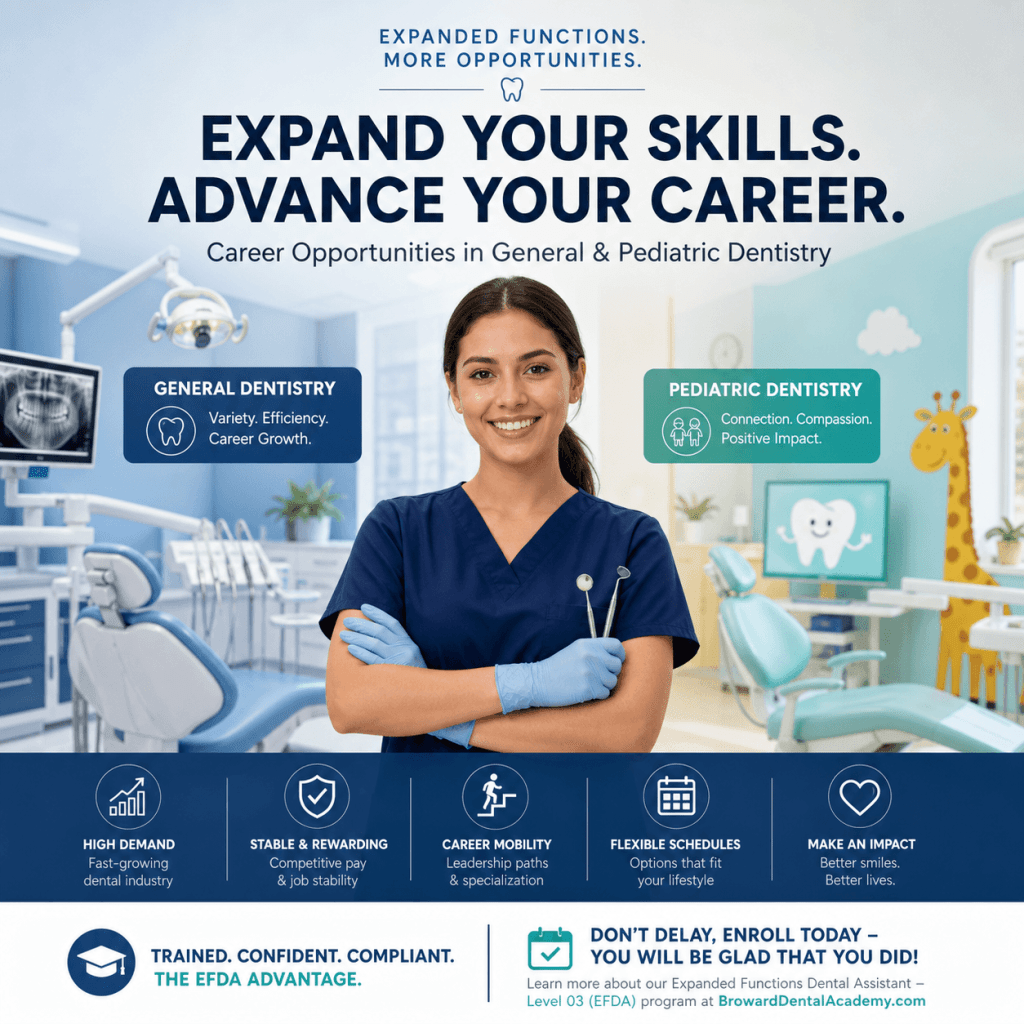
Patients expect on-time appointments, smooth visits, and clear communication. Dentists need clinical quality, strong compliance, and efficient production. And managers are watching bottlenecks that slow down the schedule, from room turnover to documentation to handoffs.
This is exactly why expanded functions matter.
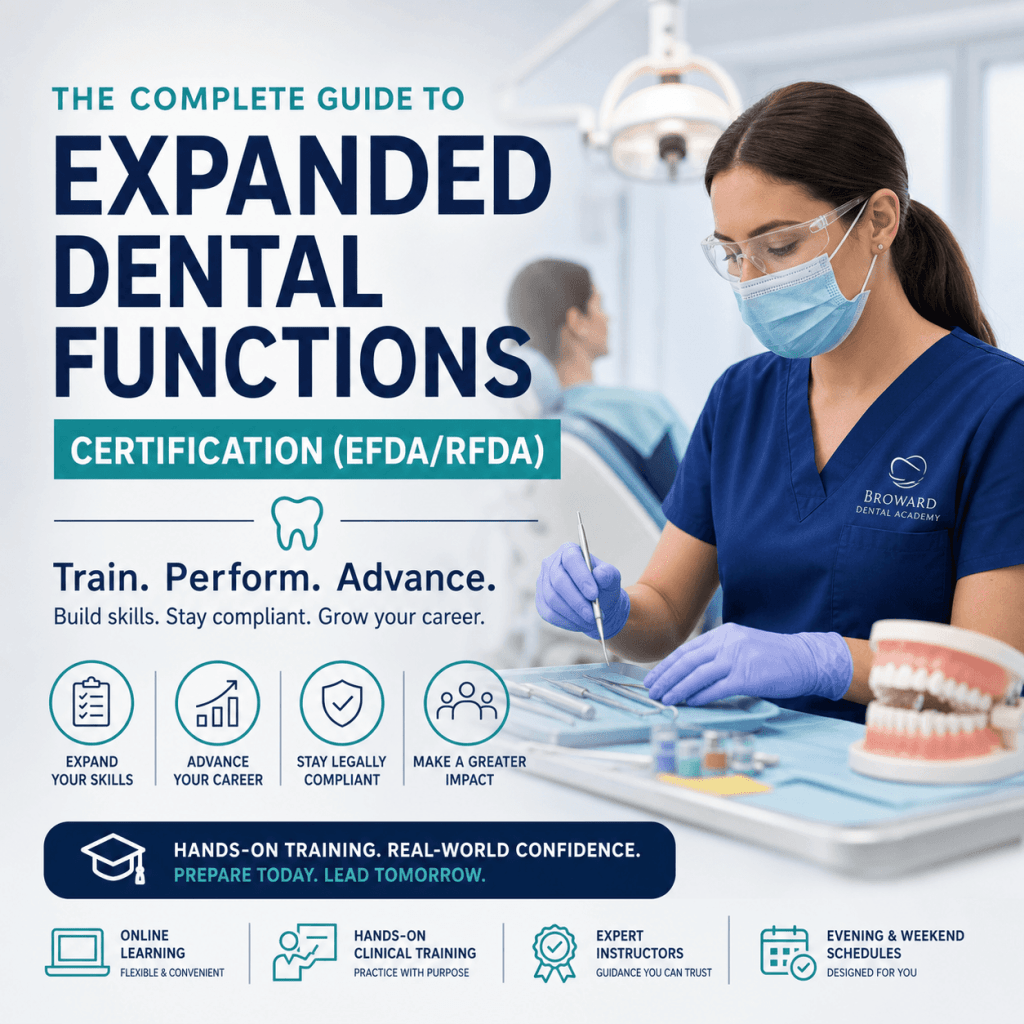
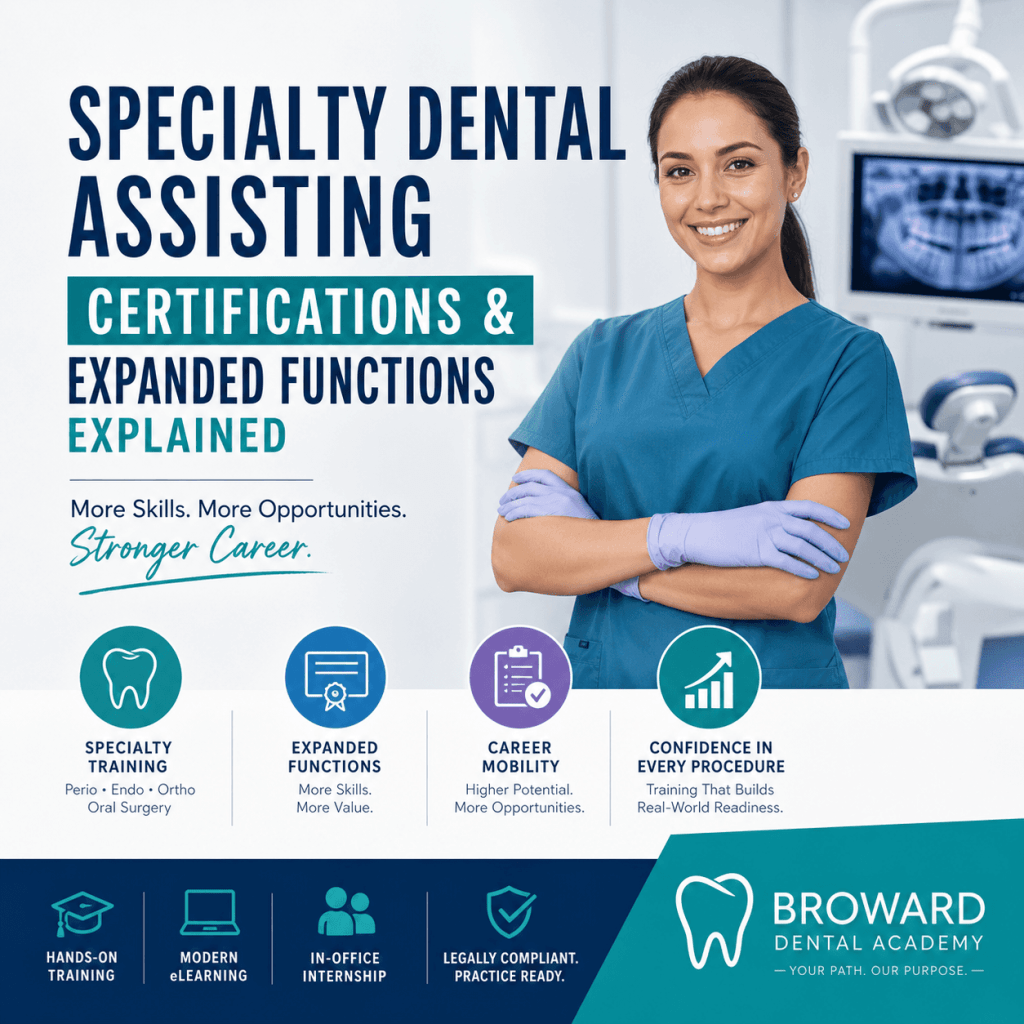
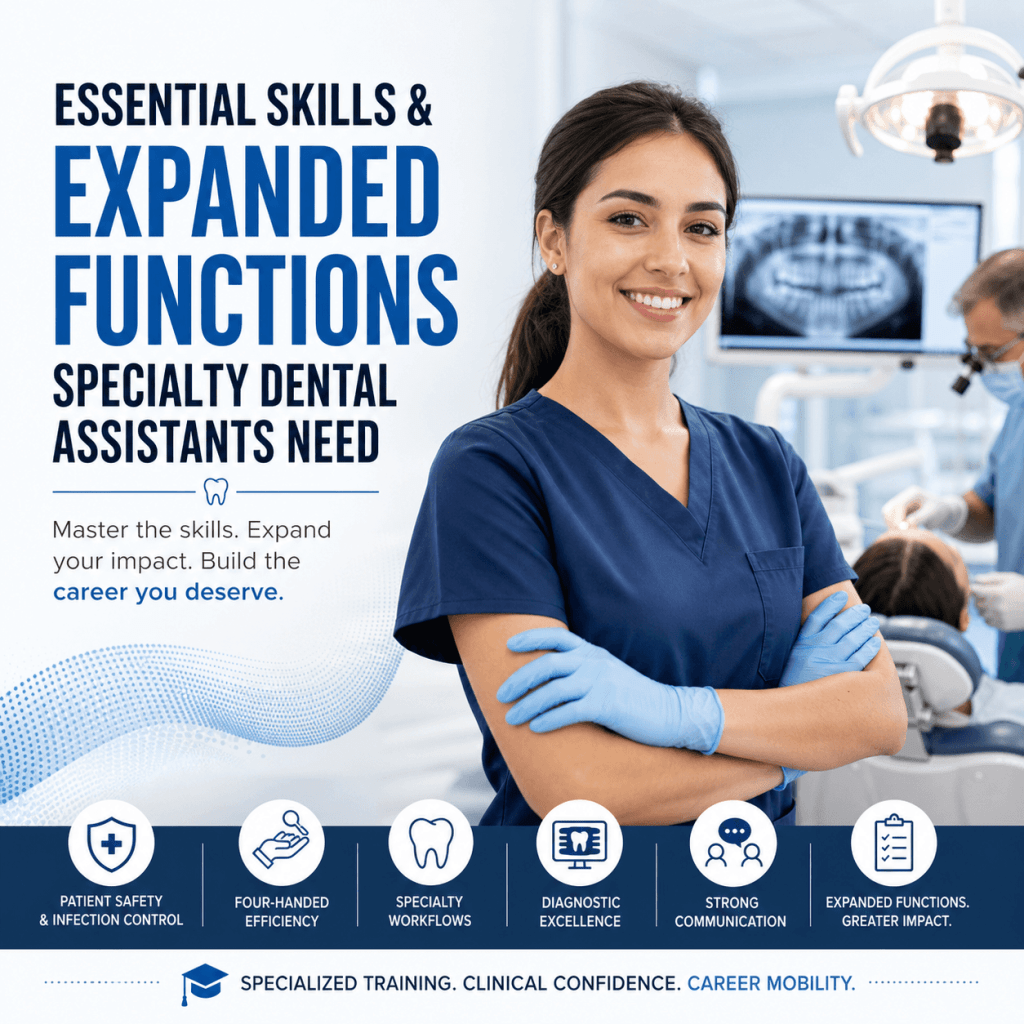
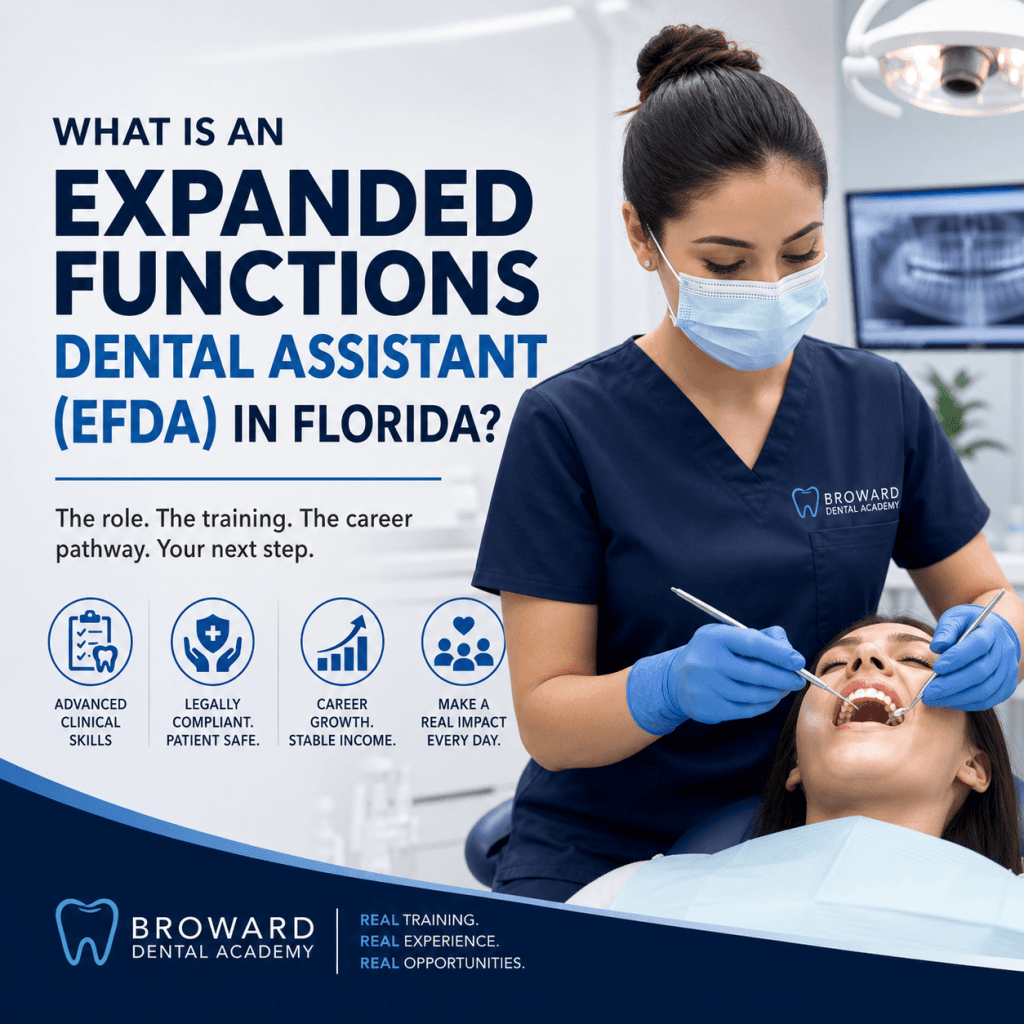
An Expanded Functions Dental Assistant (EFDA) is a dental assistant who has been trained to perform additional clinical duties that are allowed by state law and completed under the supervision of a licensed dentist. In plain English, it means you become the kind of assistant who can take on more responsibility, help the office run faster and cleaner, and support a better patient experience without cutting corners.
That hiring demand is not theoretical. Many clinics actively seek assistants who are thoroughly trained, legally compliant, and clinically confident because it improves chair utilization, reduces stress on the schedule, and helps the entire team perform at a higher level.
If you are looking for a healthcare career with stable income, flexible schedules, and real mobility, expanded functions can be a practical path forward.
Additionally, the growing demand for professionals in this field highlights the Dental Assistant Expanded functions career Opportunities that await those who are well-prepared.
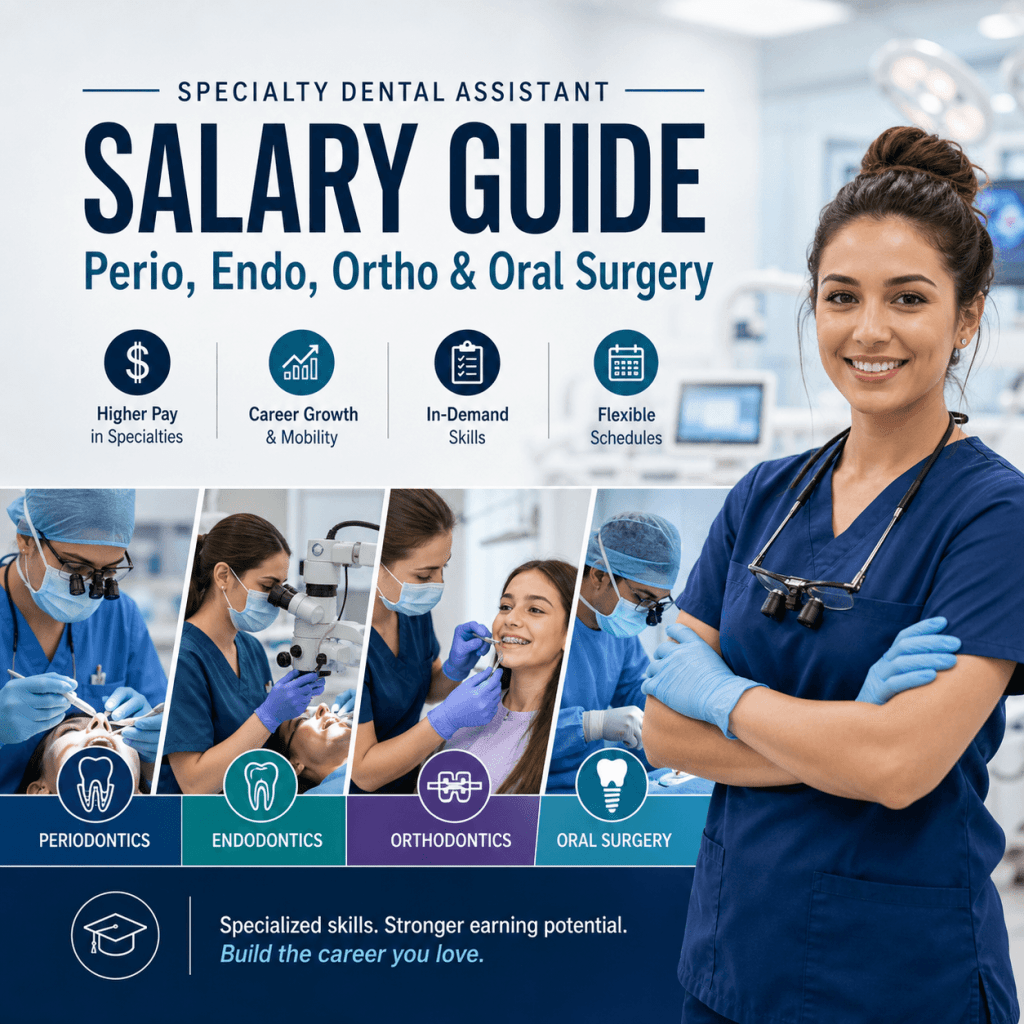
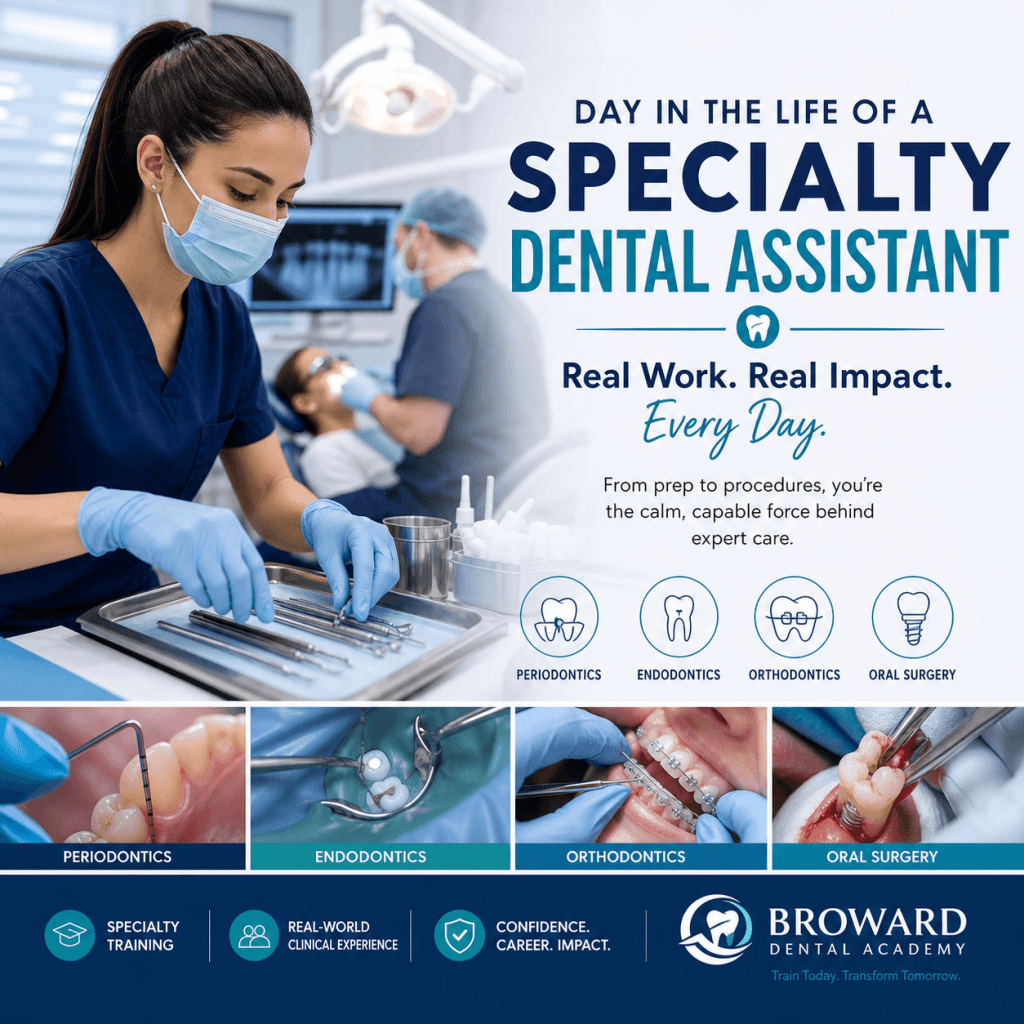
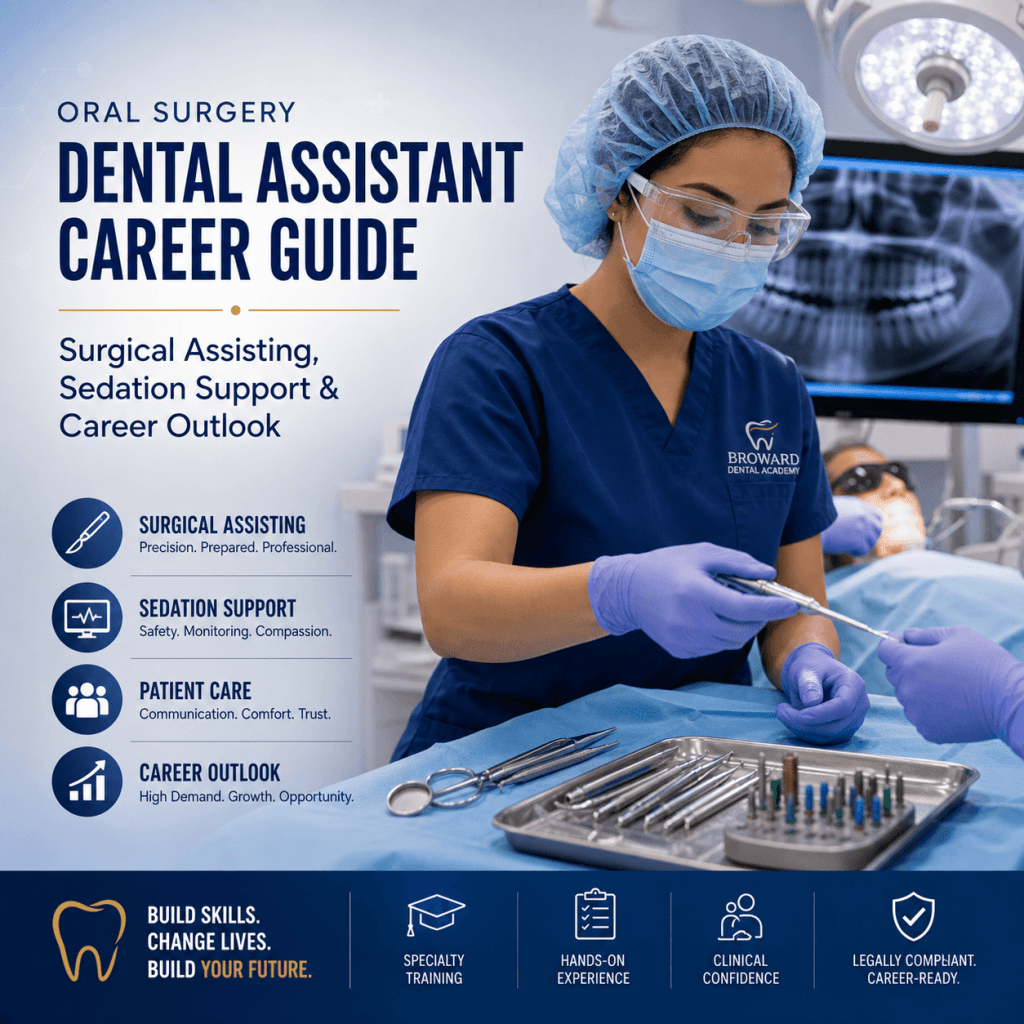
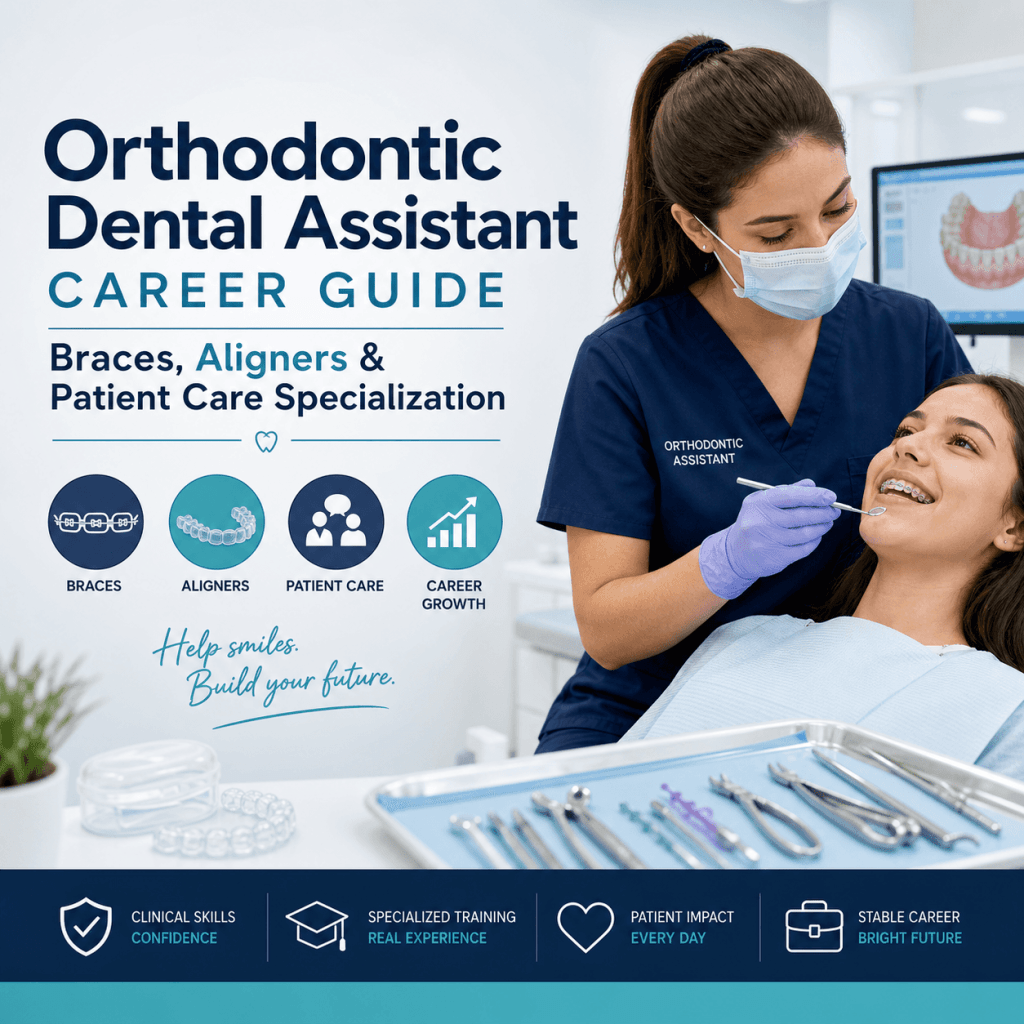
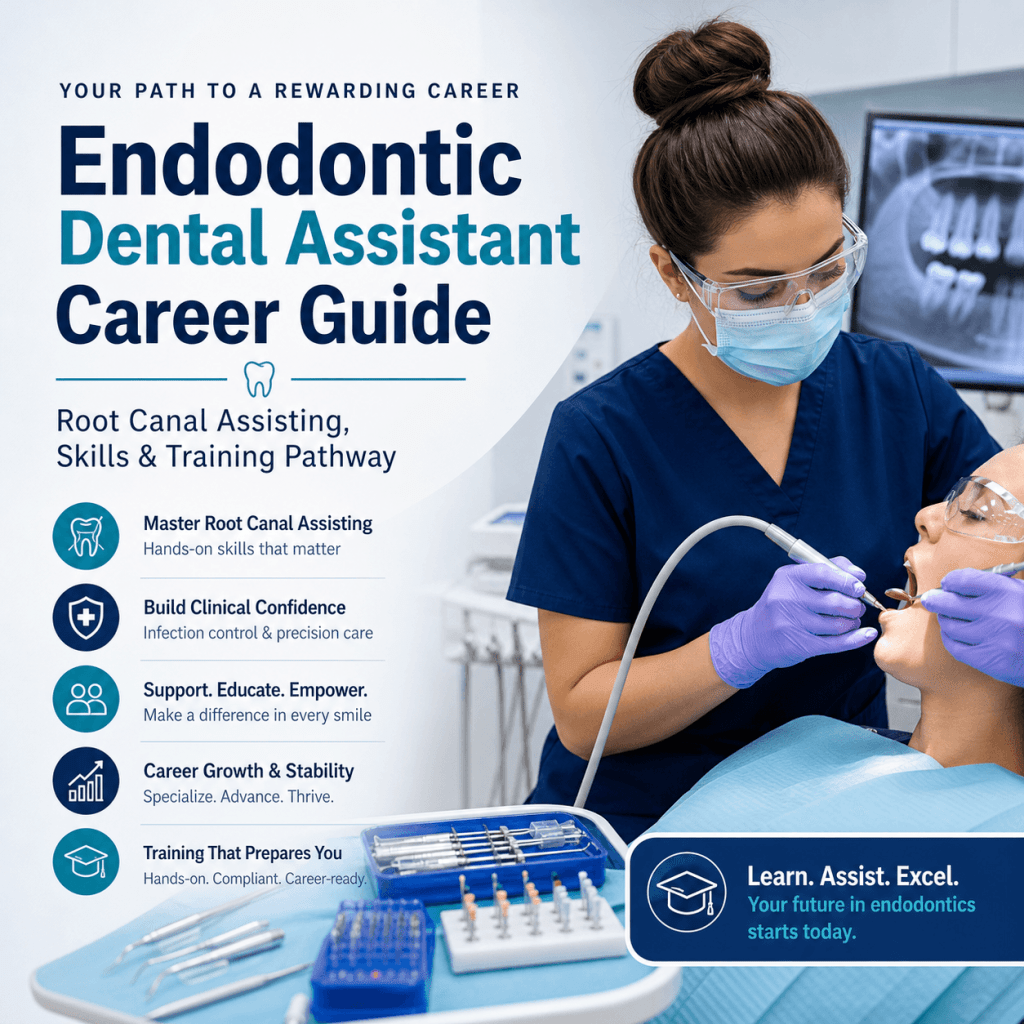
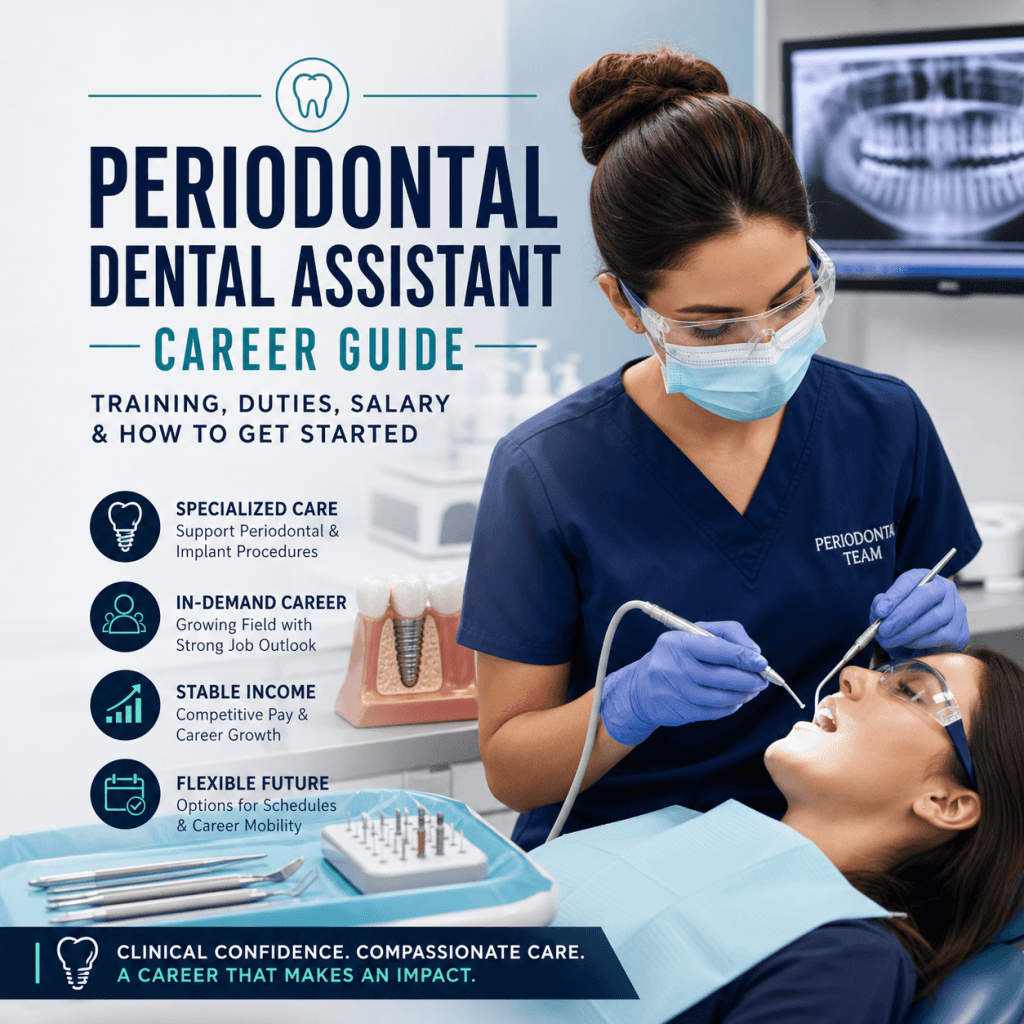
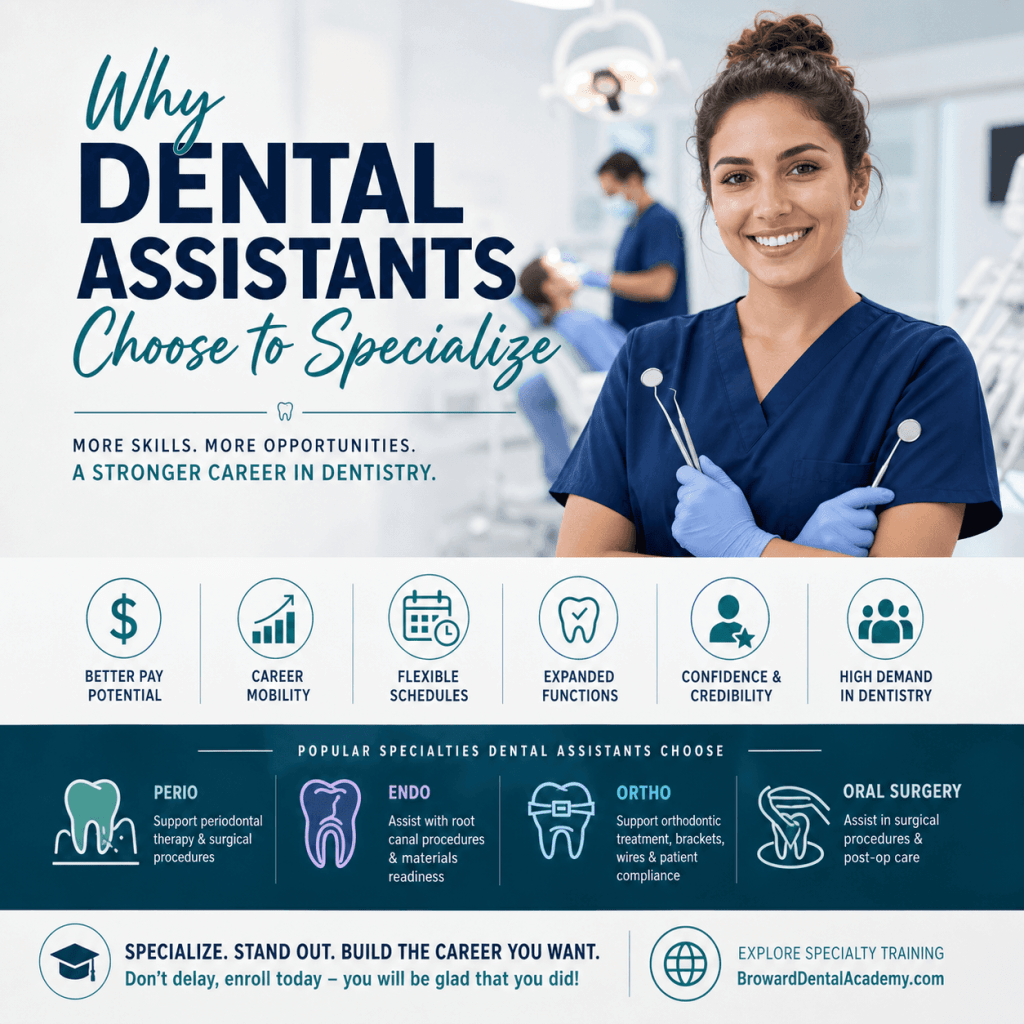
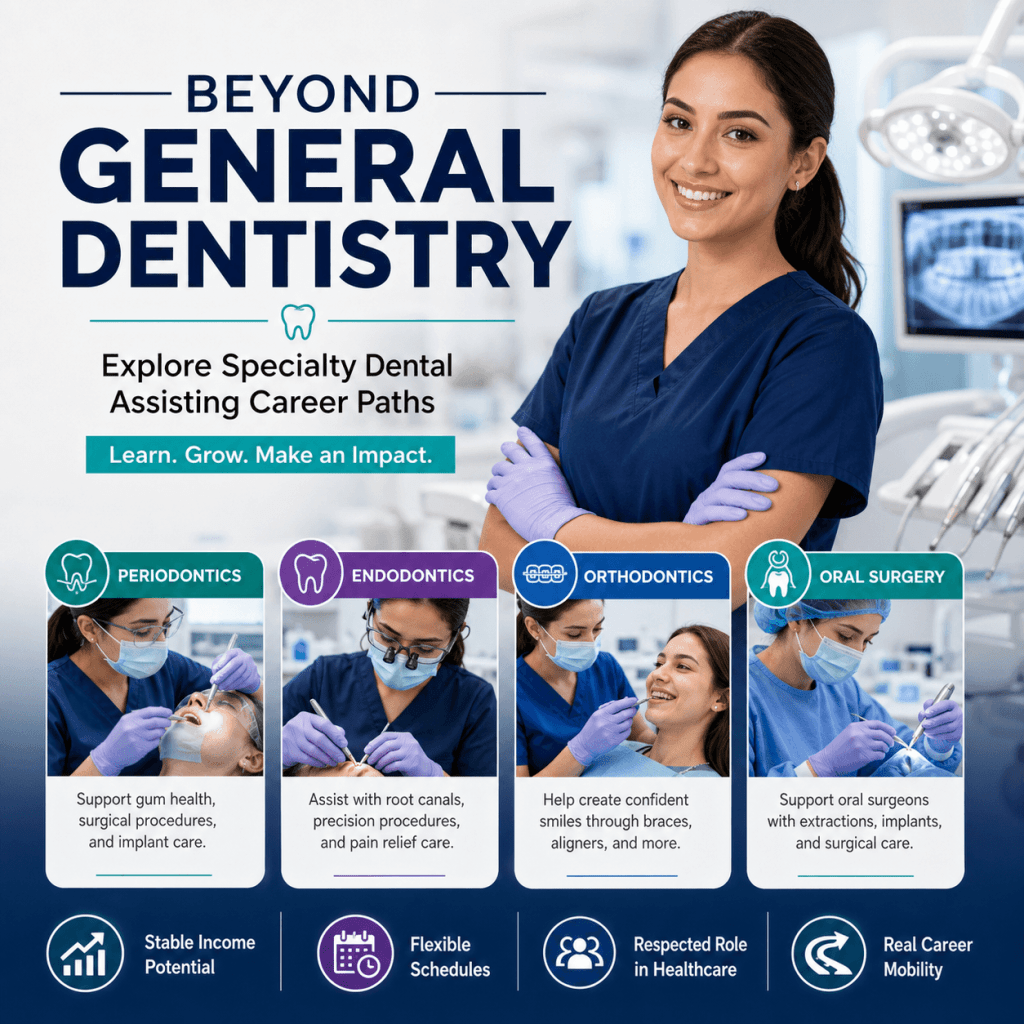
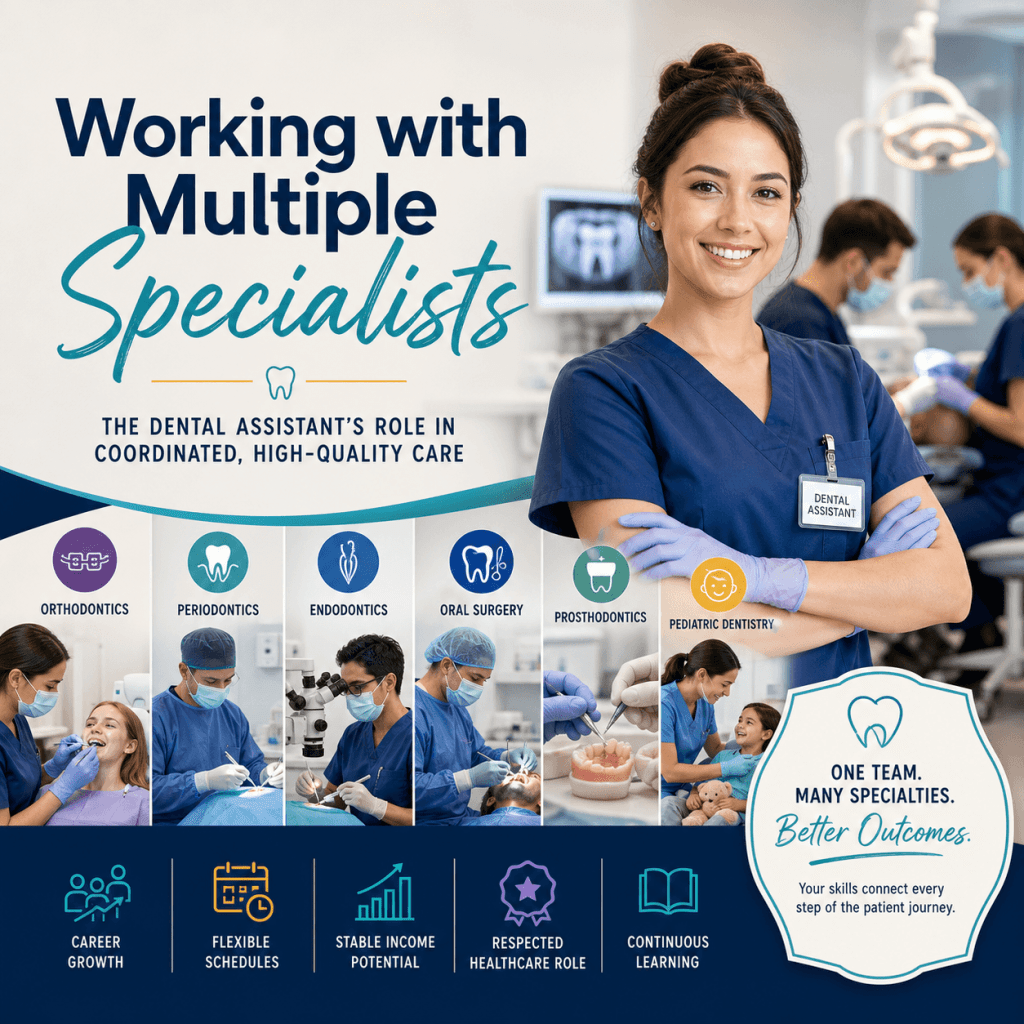
In this article, you will learn how EFDA career opportunities show up in general dentistry, pediatric dentistry, oral surgery, orthodontics, endodontics, and periodontics. You will discover how these roles differ, what offices look for, and how training and internships can help you stand out faster.
Why Expanded Functions Matter (and Why Clinics Are Hiring for Them)
Expanded functions are not just “extra skills.” In many practices, they are the difference between:
- A day that stays on time vs. a day that runs behind
- A calm operatory vs. constant scrambling
- A team that documents consistently vs. charts that need fixing later
- Patients who feel cared for vs. patients who feel rushed
From a clinic’s perspective, EFDAs support four things practices care about every day:
- Speed: streamlined workflows and fewer bottlenecks
- Quality: consistent clinical steps and fewer mistakes under pressure
- Compliance: strong scope-of-practice awareness and documentation habits
- Patient experience: clear explanations, smoother visits, better trust
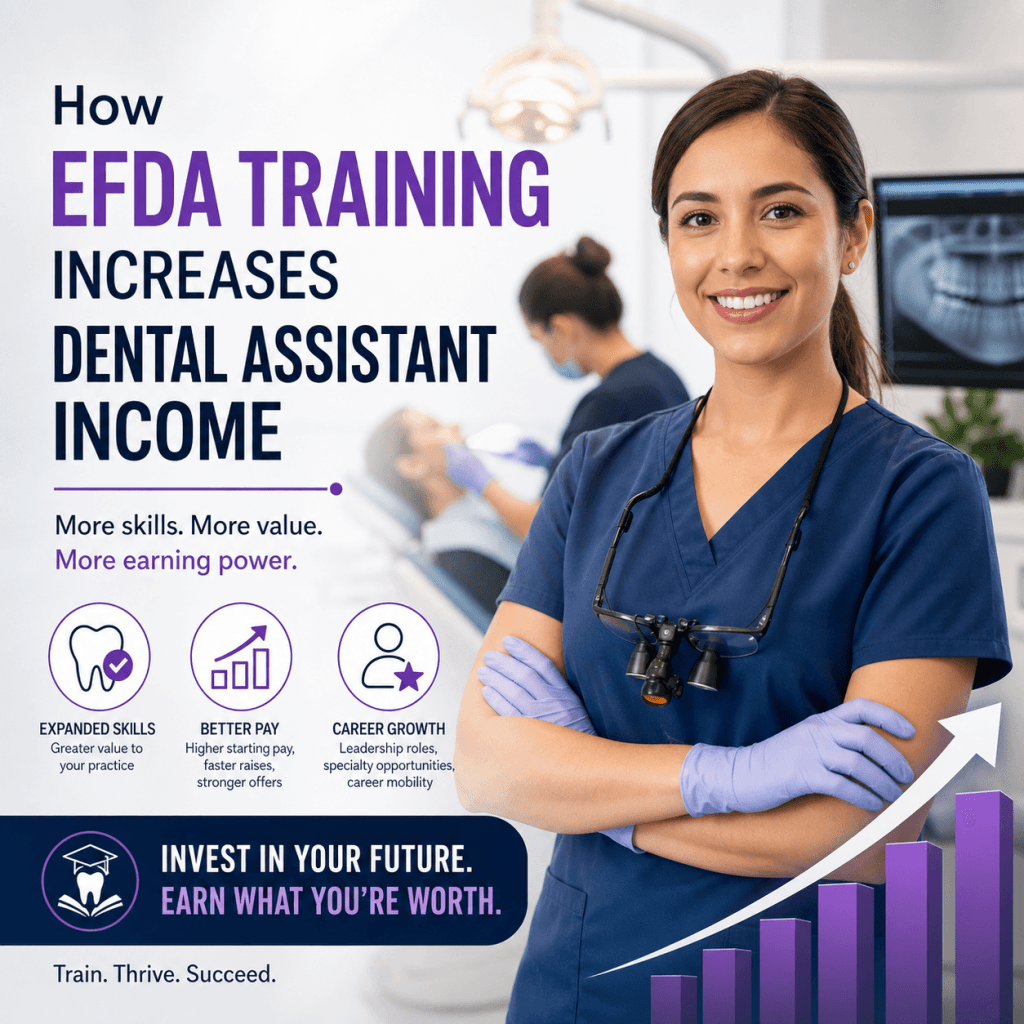
From your perspective, EFDA skills can help you become harder to replace. That often leads to more opportunity, stronger negotiating position, and clearer growth paths.
What “Expanded Functions” Can Include (General Overview)
Expanded functions vary by state. Always follow your state dental board rules, your dentist’s supervision requirements, and your office’s protocols.
That said, expanded functions commonly relate to areas like:
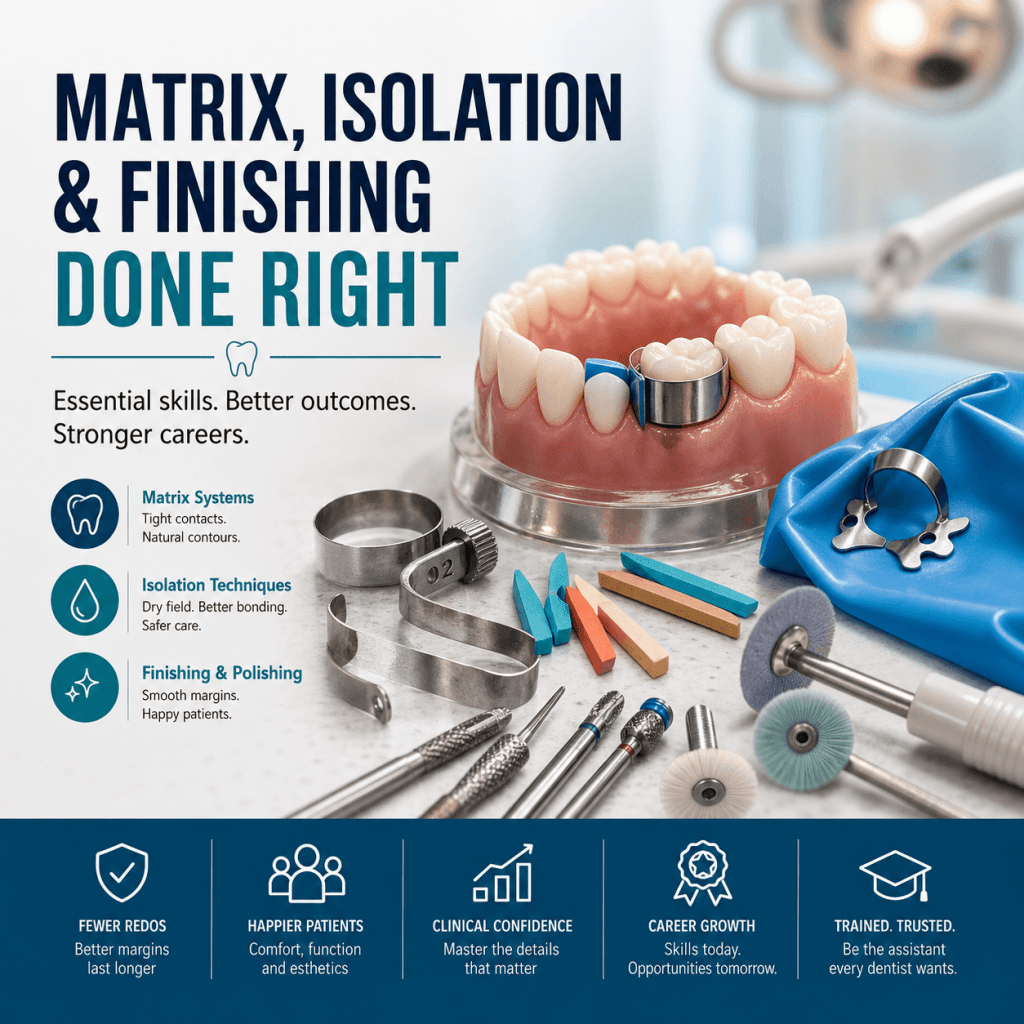
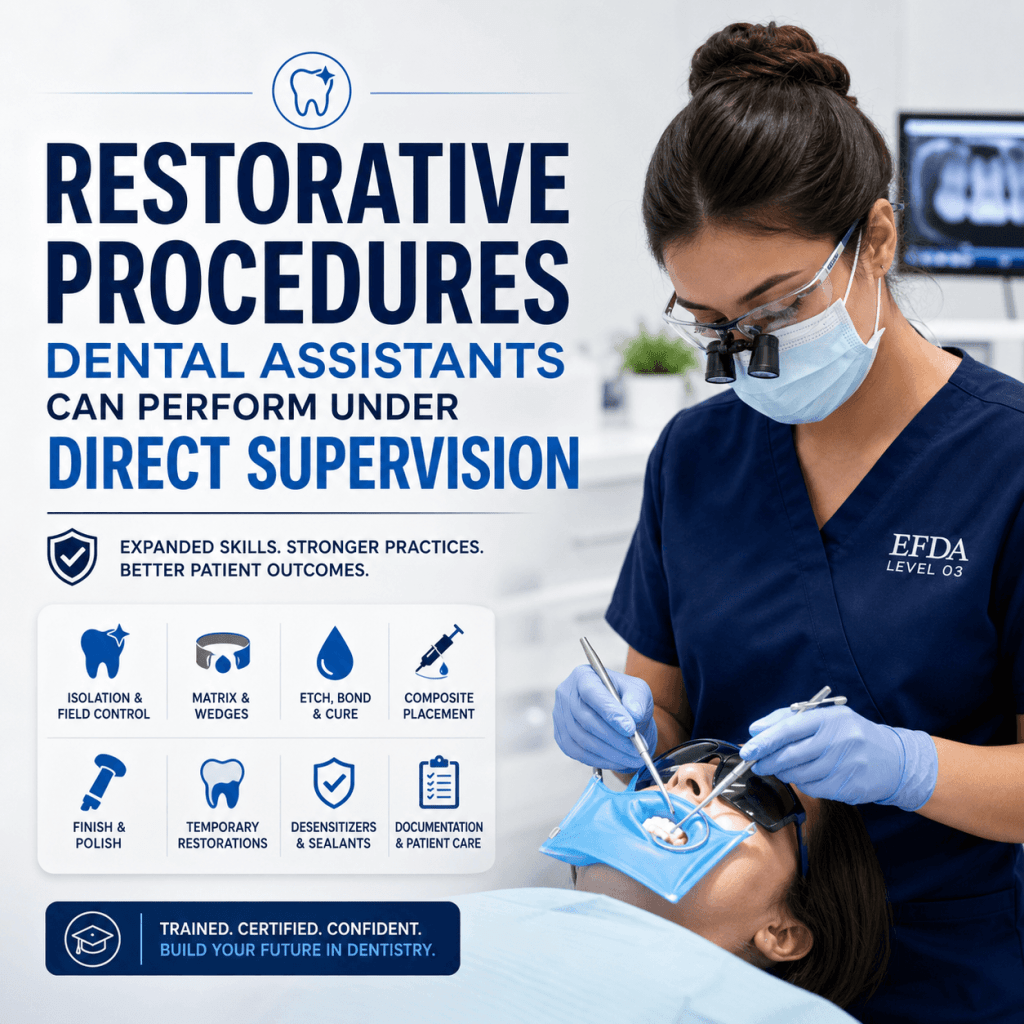
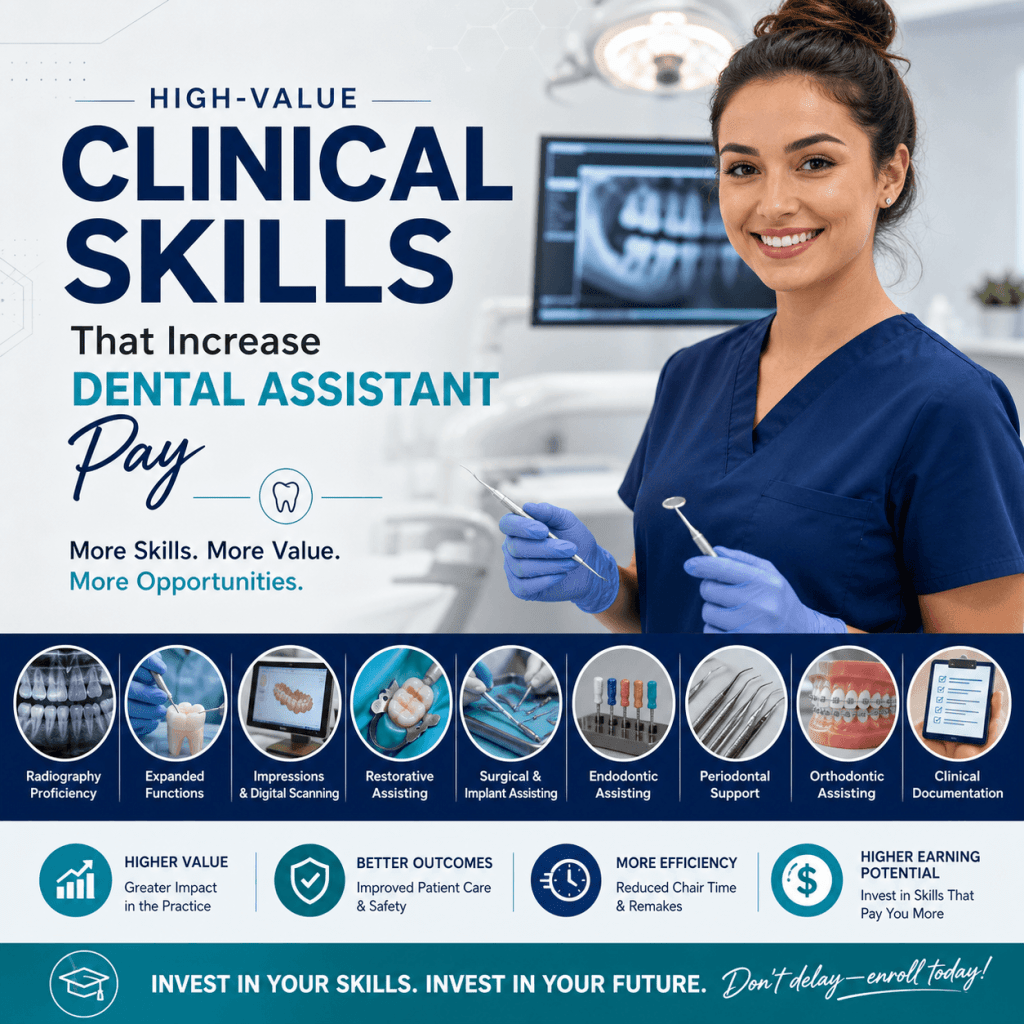
- Restorative support (assisting workflows that help restorative care move efficiently)
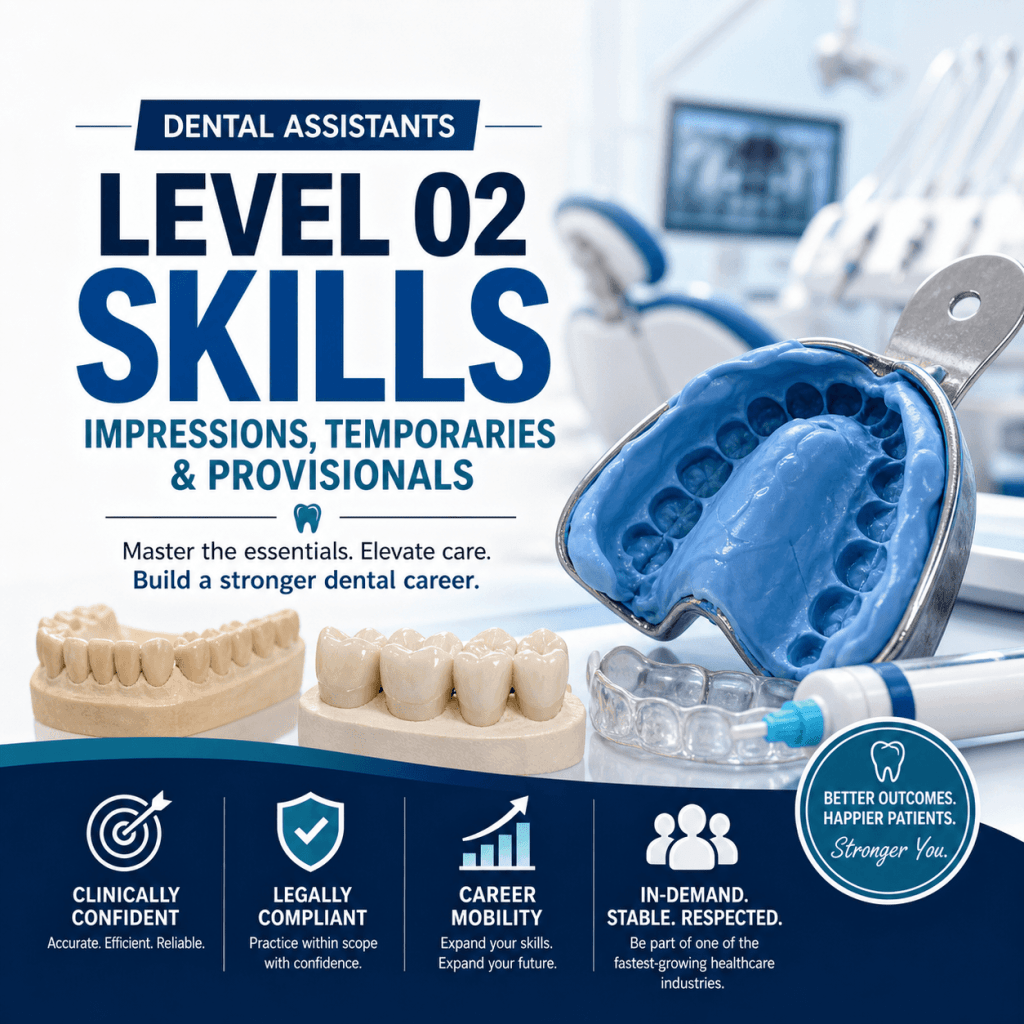
- Impressions and temporaries support (helping the practice stay on schedule with accurate, well-timed steps)
- Sealants and fluoride workflows (often tied to prevention-focused systems, especially in family and pediatric settings)
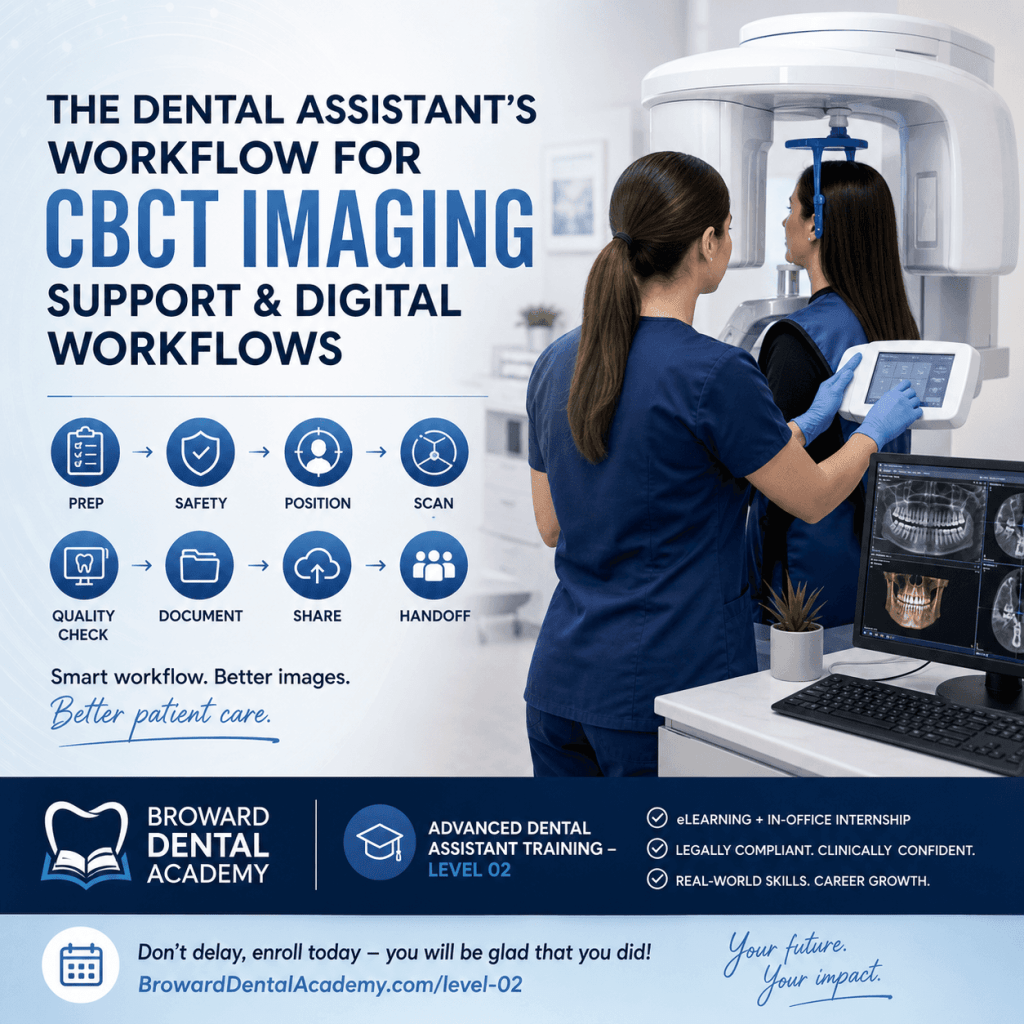
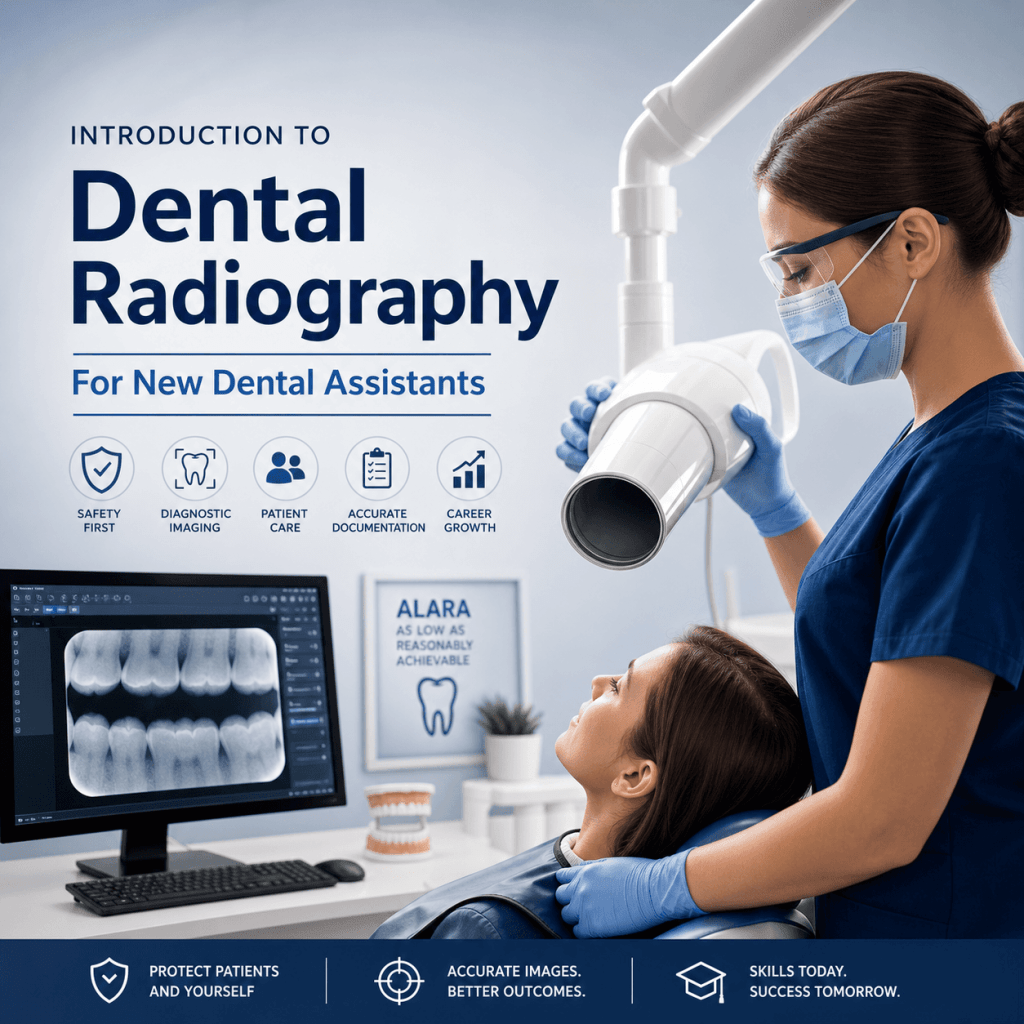
- Radiography (when properly trained and permitted)
- Infection control leadership (sterilization systems, safety checks, and consistent room protocols)
- Advanced assisting workflows (anticipation, setup precision, documentation, and handoffs)
As you expand your functions, your value changes. You contribute more directly to clinical flow, you help the dentist stay focused, and you create consistency that patients can feel.
This also raises the professionalism bar. Expanded functions require critical thinking, ethical decision-making, and documentation habits that protect patients and protect your career.
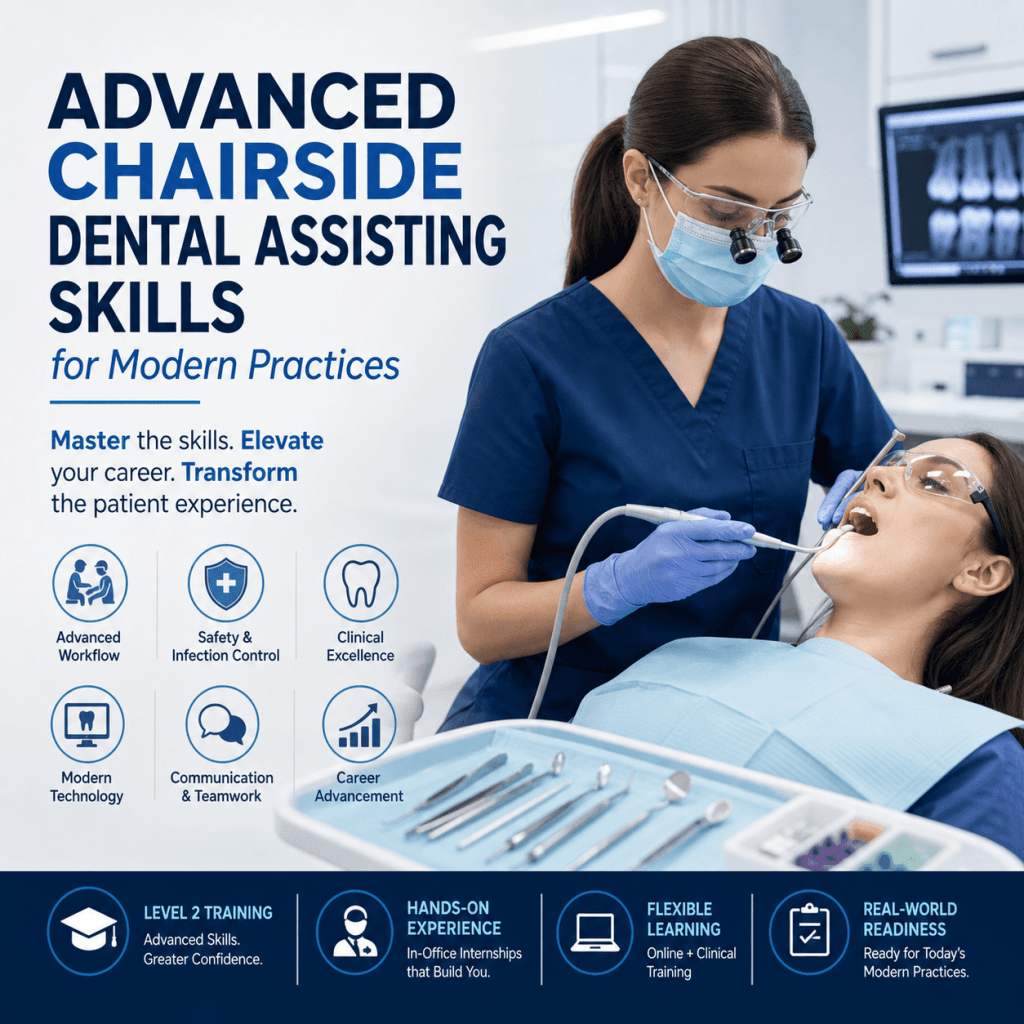
Strong programs do not just prepare students to pass an exam. They prepare graduates to step into a modern, high-performance dental practice like those found in Broward Dental Academy and perform with confidence.
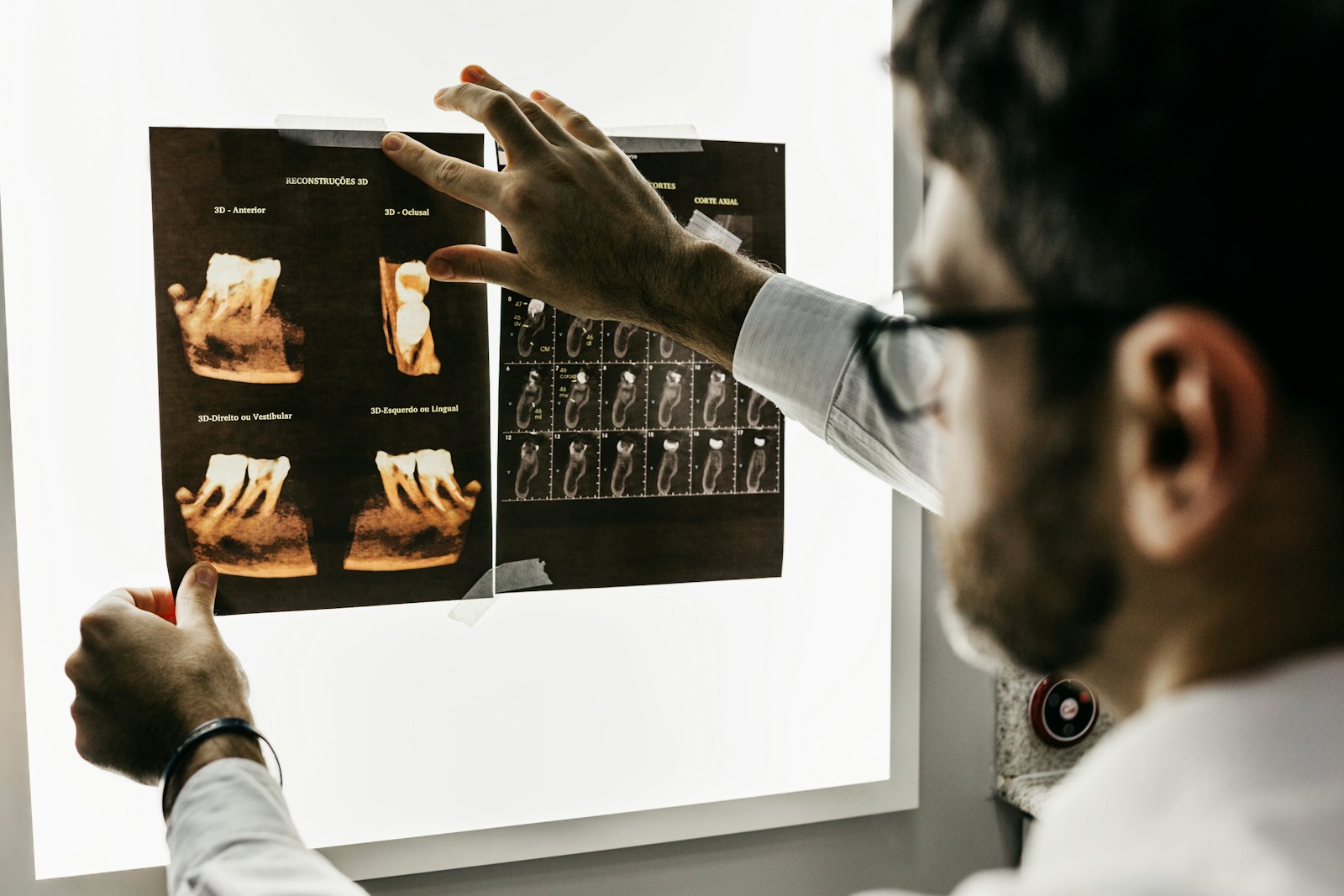
Career Opportunities in General Dentistry for EFDAs
General dentistry is the engine room of dental care. It is a broad mix of procedures, a fast-moving schedule, and a wide range of patient needs across different ages and backgrounds.
In a general practice, EFDA-friendly opportunities often center around:
- Supporting restorative workflows so procedures move efficiently and predictably
- Strengthening preventive care through consistent patient communication and follow-through
- Optimizing operatory turnover so the next patient is not waiting on setup or sterilization delays
- Reinforcing patient education so patients leave with clear expectations, fewer callbacks, and better compliance
What general dentists look for
General dentists typically value:
- Consistency: you do the steps the same way every time
- Strong chairside manner: calm presence, clear communication, patient comfort
- Time management: you protect the schedule without sacrificing safety
- Protocol compliance: infection control, documentation, radiographic safety, scope awareness
Where general dentistry jobs show up
You will commonly see EFDA opportunities in:
- Private practices (often close-knit teams with broad responsibilities)
- Group practices (more structure, potential for mentorship, multiple providers)
- DSOs (larger systems, standardized workflows, growth paths, benefits)
- Community clinics (high impact, diverse cases, strong mission-driven work)
Schedule flexibility
Depending on patient volume and office style, some general practices offer:
- Four-day weeks
- Early or late shifts
- Part-time schedules
- Split schedules across multiple providers
A Day-in-the-Life: EFDA in a General Practice
A typical day in general dentistry is built around rhythm and readiness.
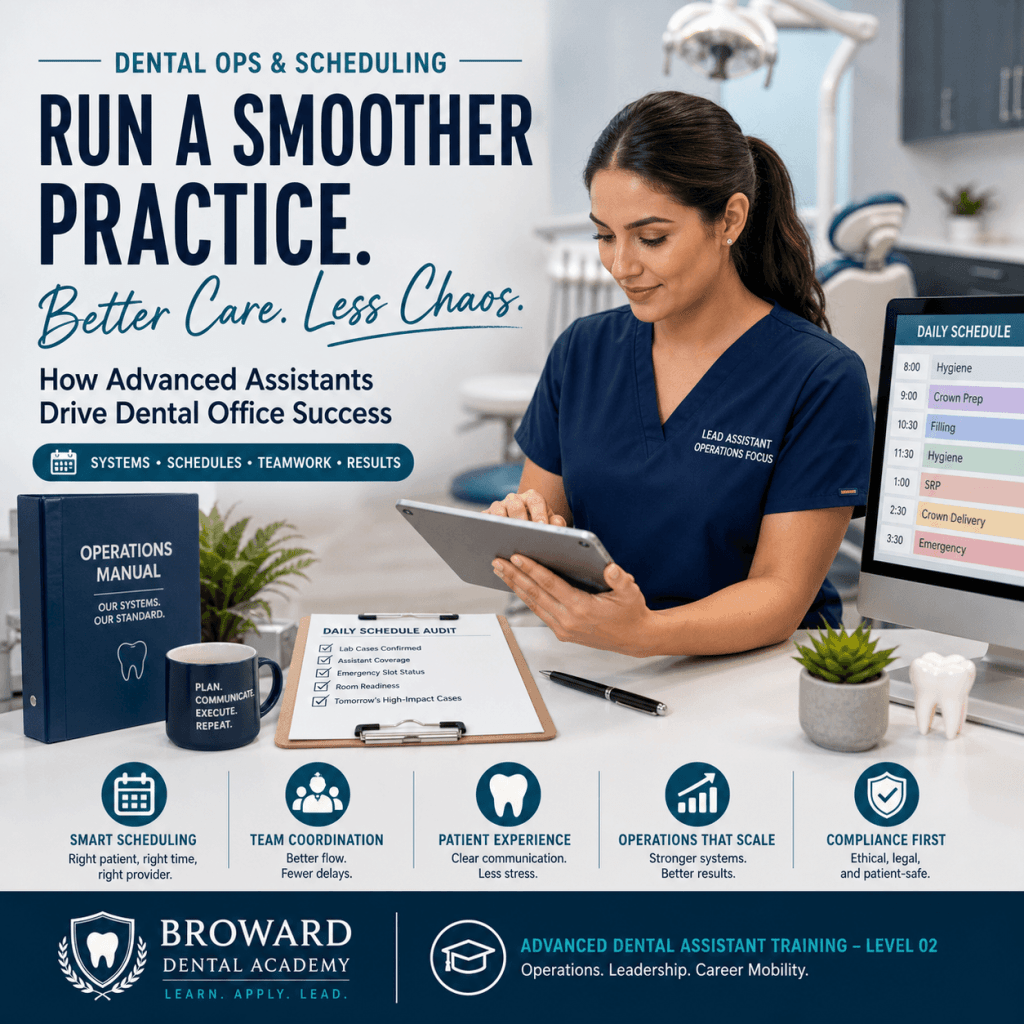
Patient flow and room setup
You prep rooms, confirm setup, check imaging readiness, and support smooth handoffs. You also help ensure medical history updates and documentation are not an afterthought.
Restorative cadence
You support the dentist chairside, anticipate steps, keep the field efficient, and help the appointment stay on time. The goal is not speed at any cost. It is efficient, repeatable execution.
Preventive reinforcement and patient education
Even in restorative-focused appointments, patients need clear next steps. You reinforce hygiene instructions, help patients understand post-op guidance, and support scheduling clarity that reduces no-shows.
End-of-day wrap
You check sterilization workflows, restock, reset operatories, and prep for the next day. This is where high-performing assistants separate themselves because tomorrow’s production starts with today’s closing systems.
What Helps You Get Hired Faster in General Dentistry
If you want to shorten the time between training and a strong offer, focus on the traits clinics feel immediately:
- Clinical confidence: you can step in with minimal hand-holding while staying within legal scope
- Communication: calm, clear, team-first communication with dentists, hygienists, and the front desk
- Reliability and compliance: infection control excellence, charting accuracy, consistent protocols
- Hands-on experience: internships and externships reduce the learning curve and provide real references
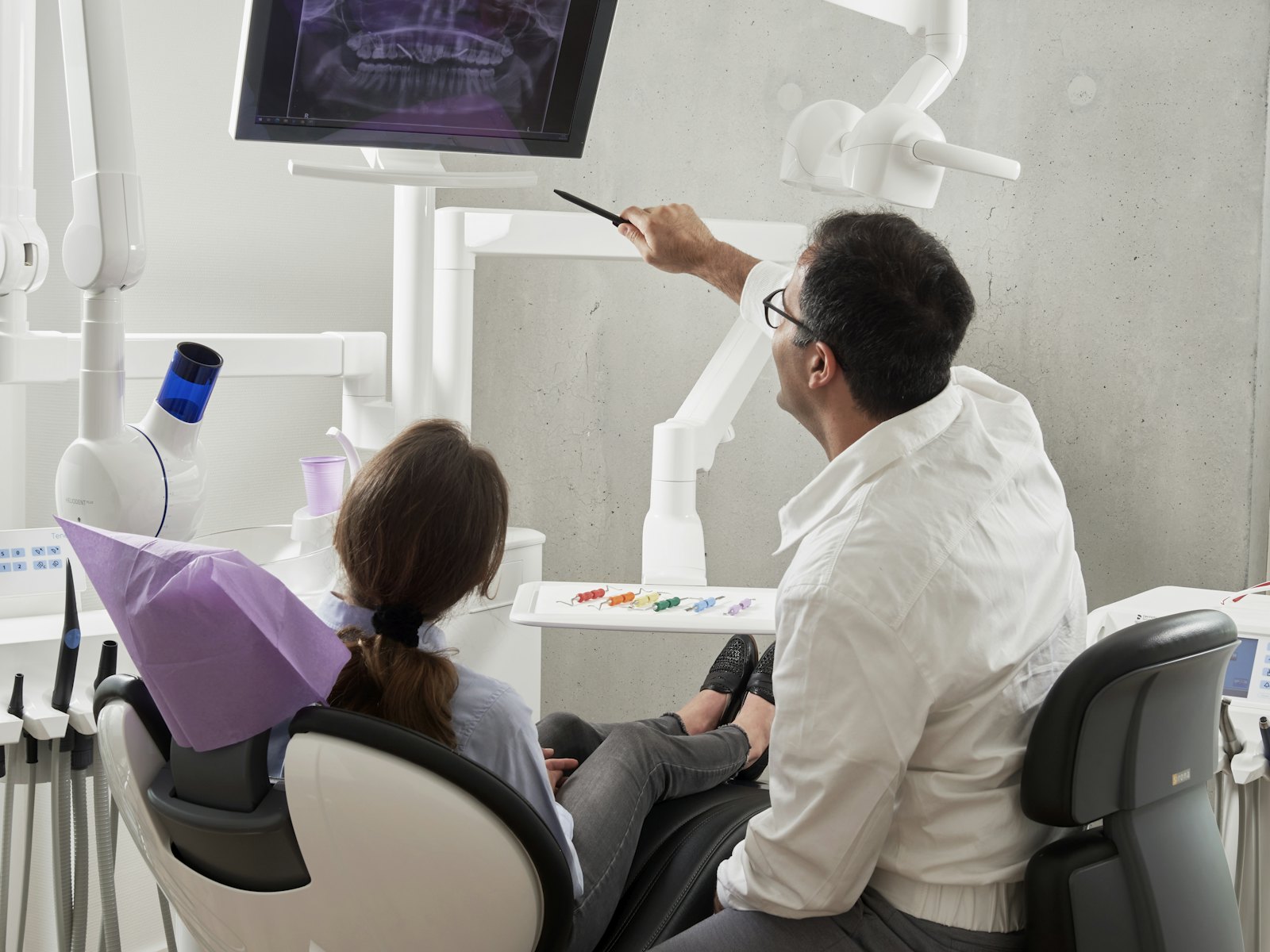
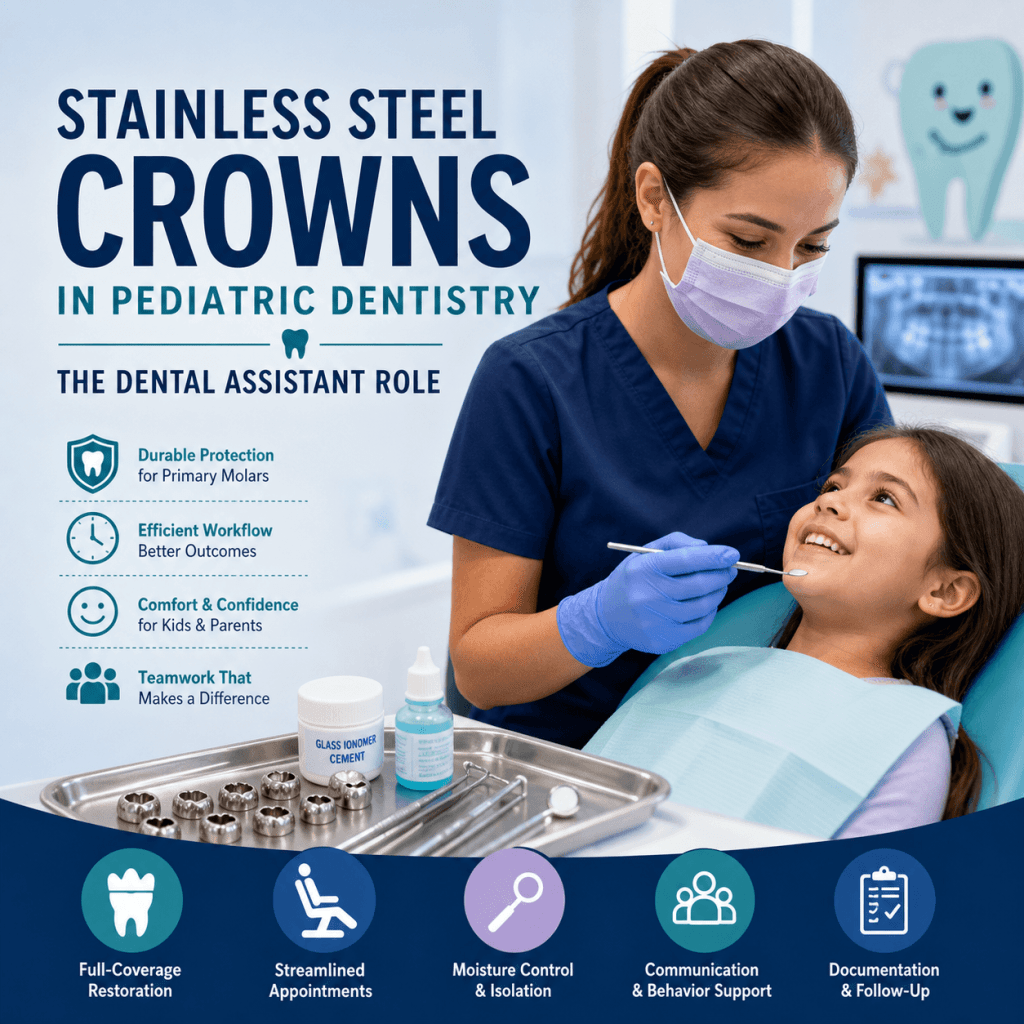
Career Opportunities in Pediatric Dentistry for EFDAs
Pediatric dentistry is its own world.
You are not only supporting clinical care. You are supporting child development, behavior guidance, family communication, and a prevention-first approach that can shape a child’s long-term health.
Pediatric practices value assistants who can keep kids calm, move efficiently, and protect a positive experience for both the child and the parent. When the operatory feels safe, the day runs better. When the day runs better, the team performs better.
Common pediatric settings
EFDA opportunities appear in:
- Private pediatric offices
- Multi-specialty clinics
- Community health centers
- Pediatric-focused DSOs
Strengths that stand out in pediatric dental assisting
- Gentle, confident communication
- Fast room turnover without feeling rushed
- Clear instructions for parents and caregivers
- Strong teamwork in high-energy environments
If you browse pediatric dental assistant job listings, you will often see emphasis on behavior support, prevention, and team culture. Expanded functions can complement that by helping the practice maintain consistent systems at speed.
How Expanded Functions Fit Into Pediatric Workflows
Pediatric dentistry is often prevention-forward and system-driven.
Prevention-first care
Pediatric offices frequently run strong recall and prevention systems. Expanded-function training can help you support sealants and fluoride workflows as permitted, reinforce parent education, and help the team stay consistent.
Efficiency with empathy
You often need to move quickly while helping a child feel safe. The best pediatric teams build a calm rhythm: clear words, predictable steps, and no chaos.
Assisting across a wide range
Pediatric schedules can include high repetition and high communication, from routine exams to restorative appointments. That variety is a good fit for assistants who like structure and energy.
Team alignment
Pediatric dentists, hygienists, and assistants rely on systems. When everyone follows the same process, the child feels it. The parent feels it too.
The Soft Skills That Make You In-Demand in Pediatric Dentistry
Pediatric success is heavily skill-based, but the skills are often human skills.
- Child-centered communication: simple words, friendly tone, support for “tell-show-do”
- Parent communication: clear post-visit instructions, homecare tips, what to expect next time
- Patience under pressure: managing anxious kids and tight schedules without losing professionalism
- Trust-building: consistency and warmth that makes families want to come back
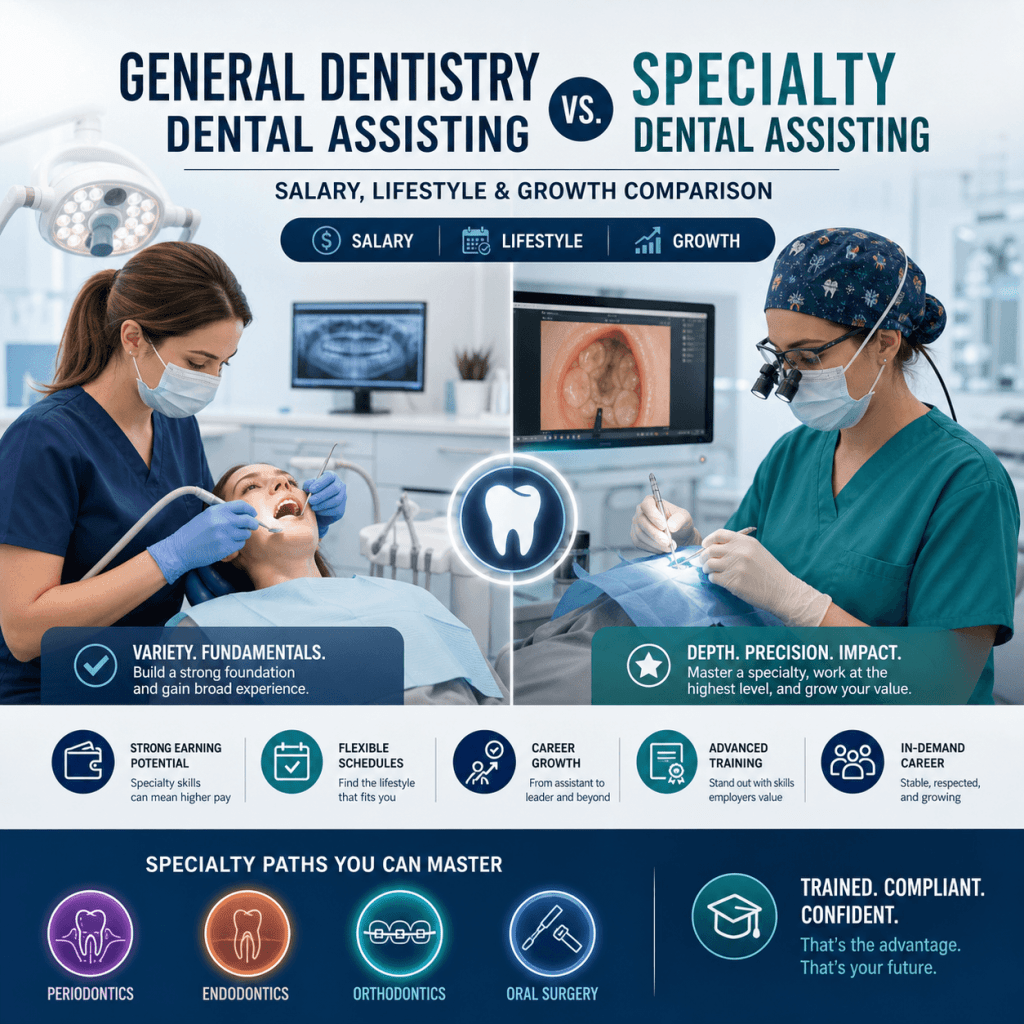
General vs Pediatric: Which Path Is Better for Your Goals?
There is no universal “better.” There is a better fit for you.
General dentistry may fit you if you want:
- Variety across many procedure types and patient ages
- Adult-to-adult communication most of the day
- A broad foundation that can transfer to many specialties
Pediatric dentistry may fit you if you want:
- A prevention-first environment
- High communication and high energy
- Daily opportunities to build trust with families
Earning potential and growth
Expanded functions can strengthen your negotiating position, but pay depends on location, credentials, state allowances, and office type.
Lifestyle considerations
Ask yourself:
- Do you enjoy adult communication or parent-child dynamics more?
- Do you want broad variety or a more specialized environment?
- How much emotional energy do you want to spend each day?
Test fit early
Shadowing, internships, or trying both environments early can help you choose with confidence. Also, skills transfer. Many assistants move between general and pediatric dentistry over time. To facilitate this process, consider utilizing resources like the Broward Dental Academy which offer valuable insights and opportunities.
How Expanded Functions Create Real Career Mobility (Beyond “Just Assisting”)
Expanded functions can change your trajectory.
They can open doors to higher-responsibility roles and leadership tracks, such as:
- Lead EFDA (team support, systems consistency, mentoring newer assistants)
- Clinical trainer (onboarding, skills coaching, workflow standardization)
- Quality and compliance champion (infection control systems, documentation habits, safety checks)
- Back-office leadership track, where applicable (inventory systems, operatory readiness, schedule flow support)
- Specialty transitions (building a foundation that helps you move into different clinical settings)
Additional training often compounds over time. Radiography credentials (where permitted), infection control leadership, and workflow optimization can make you a go-to person in a practice.
Long-term, dentistry remains essential healthcare. Demand for skilled dental professionals continues to rise, and well-trained EFDAs hold a respected position in patient care outcomes and practice success.
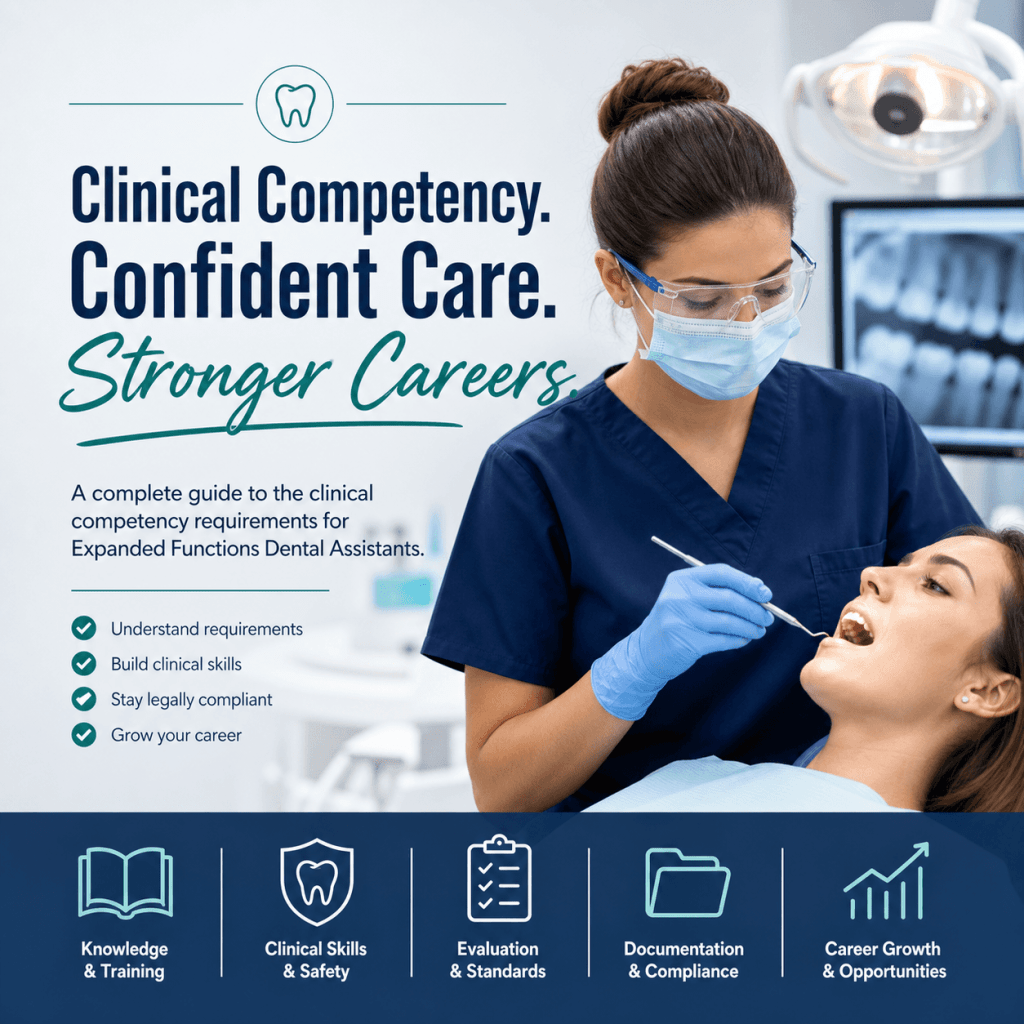
What Dental Offices Expect From an EFDA (Skills, Compliance, Confidence)
Practices hire EFDAs for capability, but they keep EFDAs for judgment.
Here is what offices typically expect:
- Clinical skill plus judgment: knowing the steps, anticipating needs, and recognizing when to ask questions
- Legal compliance: understanding scope-of-practice boundaries and documentation requirements
- Patient safety: infection control, radiographic safety, consistent room protocols
- Professionalism: ethical behavior, confidentiality, punctuality, reliability
- Confidence without ego: calm performance, steady improvement, team-first mindset
Training quality matters because practices prefer graduates who can contribute quickly while staying within the rules. If you have any frequently asked questions about this career path or the training involved, there are resources available to help clarify these points.
Training That Actually Prepares You for General & Pediatric Dentistry
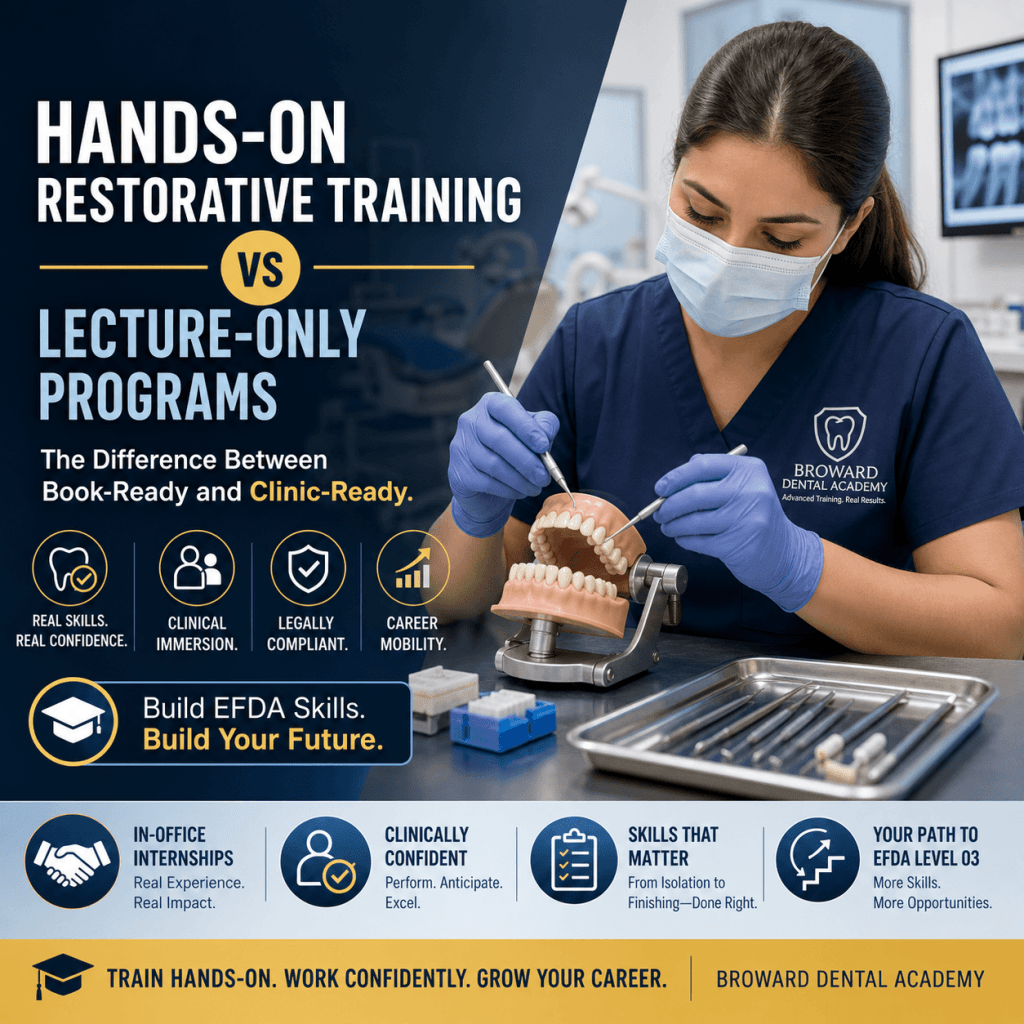
Job-ready EFDA training is not only about lectures. It is about performing under real expectations.
A strong program typically includes:
- Structured coursework that matches today’s clinical standards
- Real clinical exposure with feedback-driven skill building
- Immersive learning that blends online and clinical settings so knowledge and hands-on ability develop together
- Hands-on repetition until skills feel natural, not forced
- Instructor feedback on precision, professionalism, and patient communication
- Career readiness support such as resume help and interview preparation
- Clear expectations for punctuality, teamwork, and clinical etiquette
Broward Dental Academy offers a wide range of dental courses and advanced dental training designed to build thoroughly trained, legally compliant, and clinically confident professionals. Students are fully engaged in a training environment that focuses on real-world readiness, including in-office internships, so graduates can thrive in a modern, high-performance dental practice.
What to Look For in a Program (So You Don’t Waste Time)
Before you invest your time and money, look for a program that is aligned with how dental offices actually operate today:
- Training built around speed, safety, compliance, and confidence
- Hands-on repetition, not just observation
- Strong instructor standards and direct feedback
- Career readiness: resume, interviews, and professional expectations
- Practical clinical exposure that reduces the “first job shock”
How to Find EFDA Job Openings in General & Pediatric Dentistry
Finding the right EFDA role is part search strategy and part relationships.
Where to search
- Major job boards (search “expanded functions dental assistant” and “EFDA”)
- Local dental association postings
- Dental staffing groups
- Direct outreach to clinics you would genuinely like to work for
How to read listings
Look for clues that tell you what the practice really needs:
- General vs pediatric environment
- Certifications and required training, such as those listed on Broward Dental Academy’s certification page
- Workflow expectations (speed, teamwork, high-volume, patient education)
- Any mention of expanded functions, radiography, or compliance responsibilities
Networking strategies that work
Utilizing effective job networking tips can significantly enhance your job search. Consider these strategies:
- Internships and externships
- Instructors and program connections
- Classmates and alumni
- Local dental community events and study groups
What to prepare before applying
- A clean, honest skills list that stays within legal scope
- References from clinical settings
- A short pitch focused on value: efficiency, compliance, and patient experience
Interview angle that lands well
Explain how you support production while staying organized, calm, and within scope. Practices want confidence, but they want safe confidence.
What This Career Can Look Like in 12–24 Months
A realistic 12–24 month progression often looks like this:
Months 1–3: Foundation and consistency
You build speed in setup, improve room turnover, and strengthen documentation habits.
Months 3–12: Confidence and trust
You anticipate steps better, communicate more clearly with patients, and earn trust through consistency and compliance.
Months 12–24: Higher responsibility and mobility
You may take on leadership tasks, train newer assistants, negotiate better terms, or choose between general and pediatric environments based on what you enjoy most.
It’s important to note that federal hiring problems may start with how the jobs are defined, which can impact your job search. However, dentistry evolves, and assistants who keep upgrading skills tend to stay in demand.
Conclusion: Choose the Track, Get the Skills, and Move Up Faster
Expanded functions create more opportunities in both general and pediatric dentistry. The best fit depends on the patient environment you enjoy and the kind of day-to-day communication that energizes you.
The market is strong. The dental industry is one of the fastest-growing healthcare industries, demand continues to rise, and practices are actively looking for trained, compliant, confident professionals.
Broward Dental Academy is committed to serving the Dental Community by developing well-rounded professionals through advanced dental training, online plus clinical immersion, and internships. If you want to explore the next step, see our Expanded Functions Dental Assistant Level 03 (EFDA) program page.
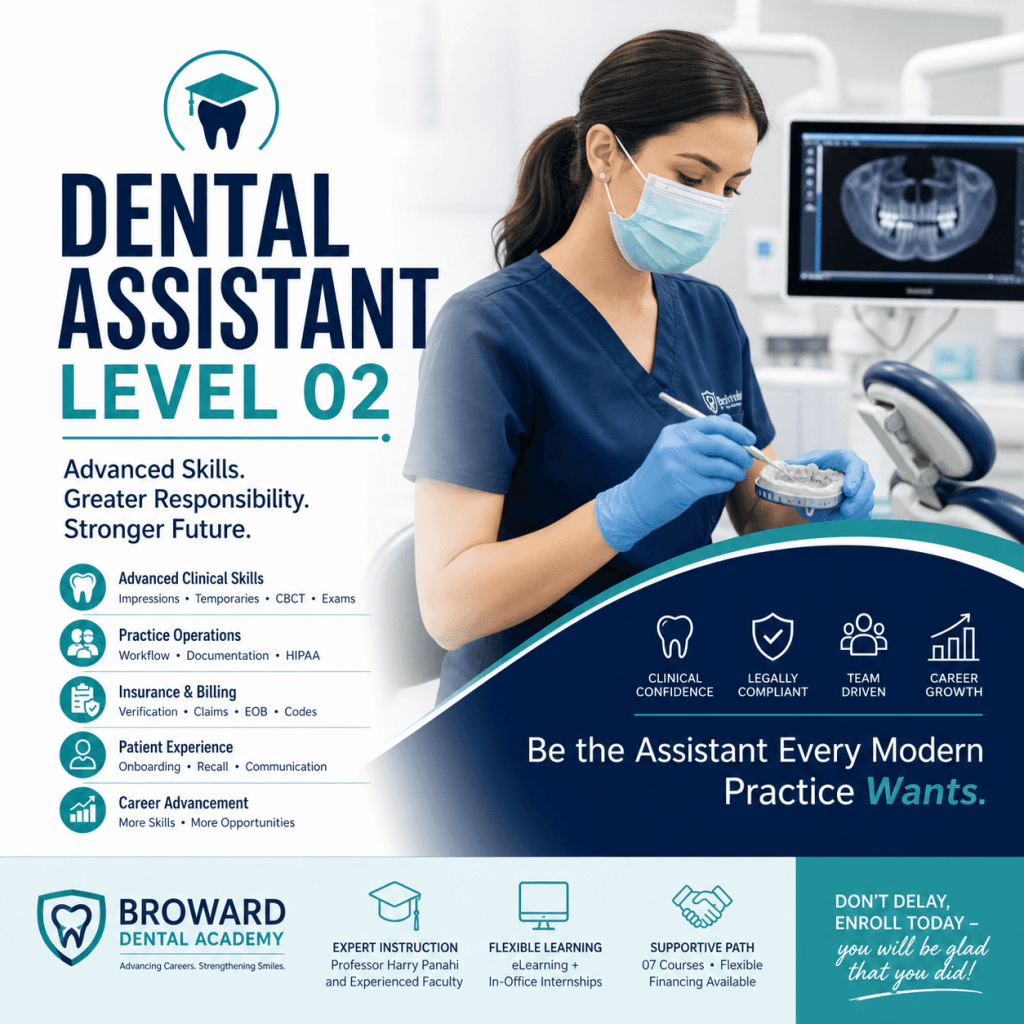
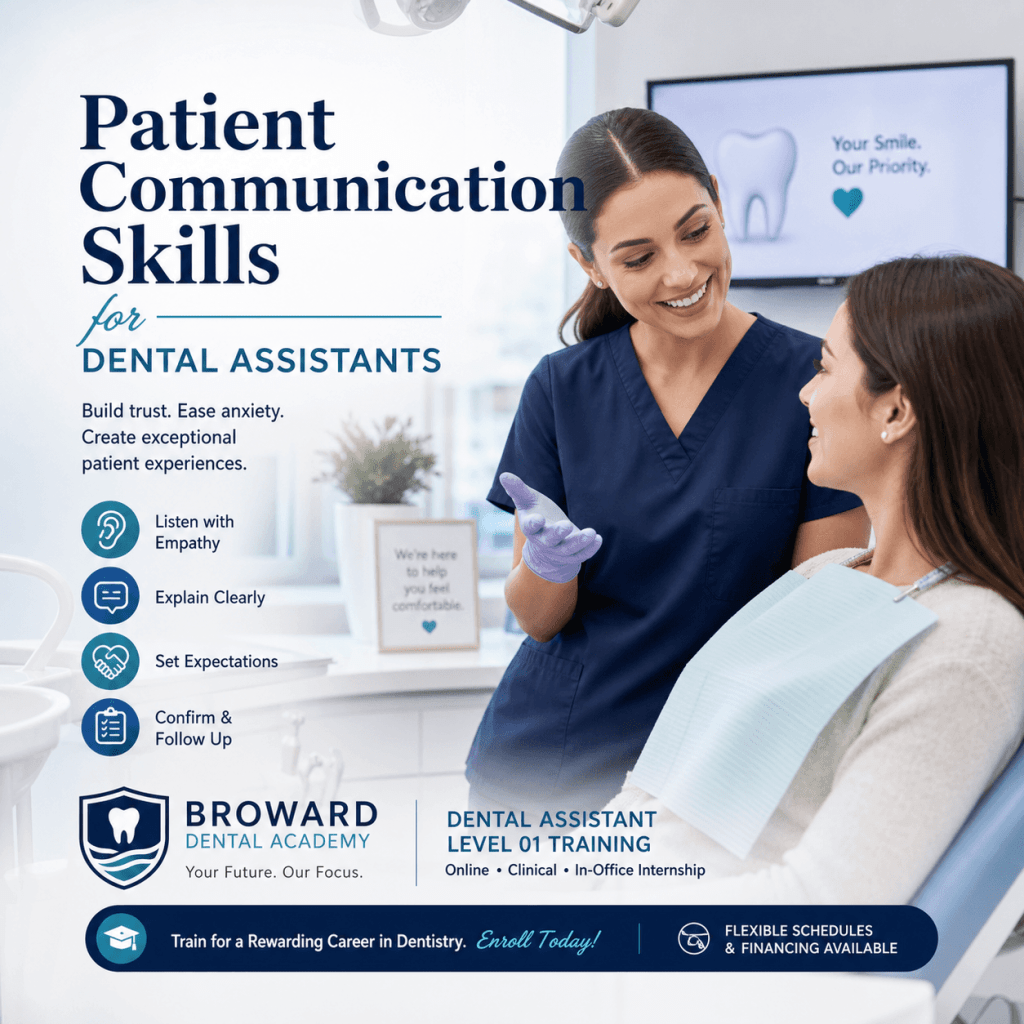
But that’s not all we offer. For those just starting out, our Dental Assistant Level 01 and Dental Assistant Level 02 programs provide a solid foundation. Additionally, we have specialized training for Dental Hygienists as well.
Don’t delay, enroll today – you will be glad that you did!
FAQs (Frequently Asked Questions)
What is an Expanded Functions Dental Assistant (EFDA) and why are they important in modern dental practices?
An Expanded Functions Dental Assistant (EFDA) is a dental assistant trained to perform additional clinical duties permitted by state law under the supervision of a licensed dentist. EFDAs are crucial because they help dental offices run more efficiently, improve patient experiences, support clinical quality, and reduce scheduling bottlenecks, making them highly sought after in busy dental practices.
What types of expanded functions can an EFDA perform?
Expanded functions vary by state but commonly include restorative support, assisting with impressions and temporaries, sealants and fluoride applications, radiography (when properly trained and permitted), infection control leadership, and advanced assisting workflows such as precise setup and thorough documentation. These skills enhance clinical flow and patient care quality.
How do expanded functions benefit both dental clinics and the EFDA’s career growth?
For clinics, expanded functions lead to streamlined workflows, higher clinical quality, strong compliance with regulations, and improved patient experiences. For EFDAs, acquiring these skills makes them harder to replace, opens up more job opportunities, strengthens their negotiating position, and provides clearer paths for professional advancement within dentistry.
What qualities do general dentists look for in an EFDA?
General dentists value consistency in performing clinical steps accurately every time, strong chairside manner including calm presence and clear communication to ensure patient comfort, effective time management to keep schedules on track without compromising safety, and strict adherence to protocols related to infection control, documentation accuracy, radiographic safety, and scope-of-practice awareness.
In which dental specialties do EFDA career opportunities commonly appear?
EFDA career opportunities commonly arise in general dentistry as well as specialized fields such as pediatric dentistry, oral surgery, orthodontics, endodontics, and periodontics. Each specialty may require specific expanded functions tailored to its unique clinical workflows and patient care needs.
How does training for expanded functions prepare dental assistants for high-performance practices?
Strong EFDA training programs not only prepare students to pass certification exams but also equip them with critical thinking skills, ethical decision-making abilities, thorough documentation habits, and hands-on experience through internships. This comprehensive preparation enables graduates to confidently contribute to modern dental practices that prioritize speed, quality, compliance, and excellent patient experiences.