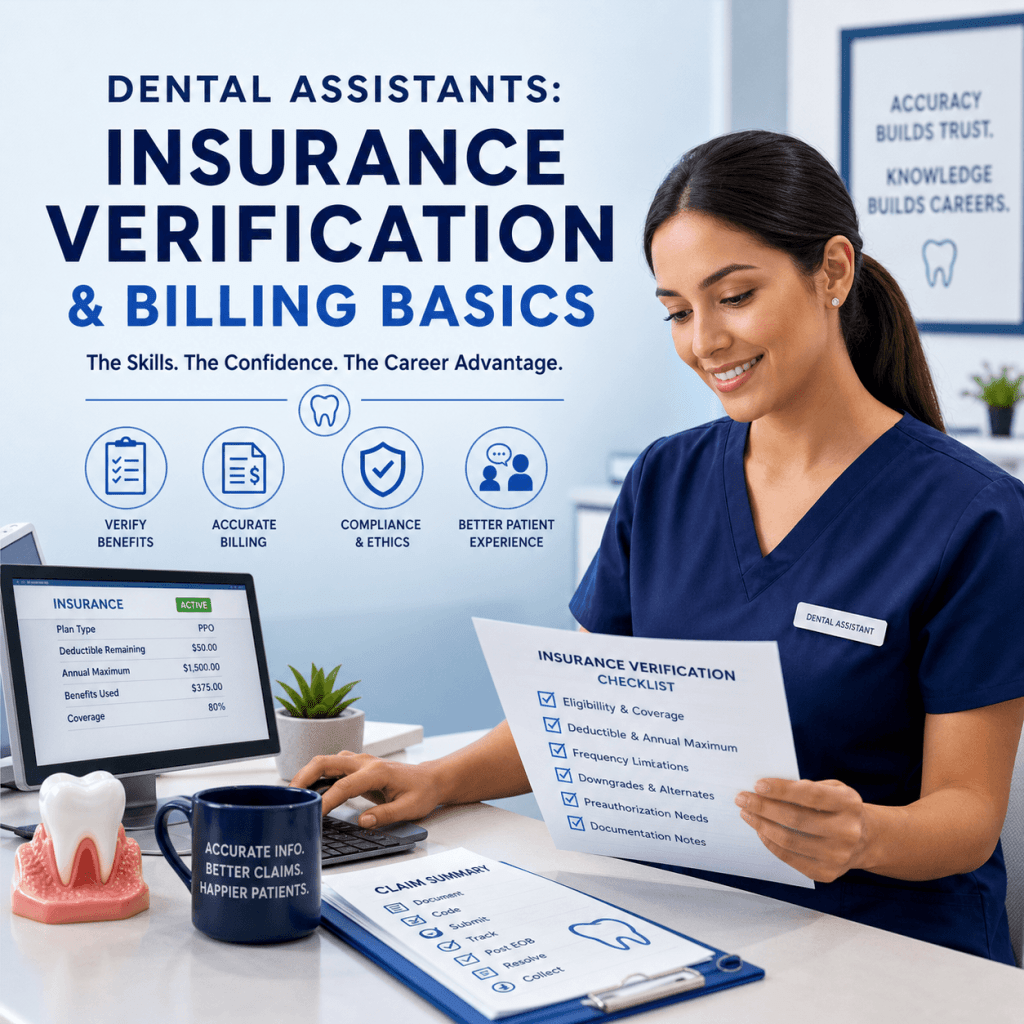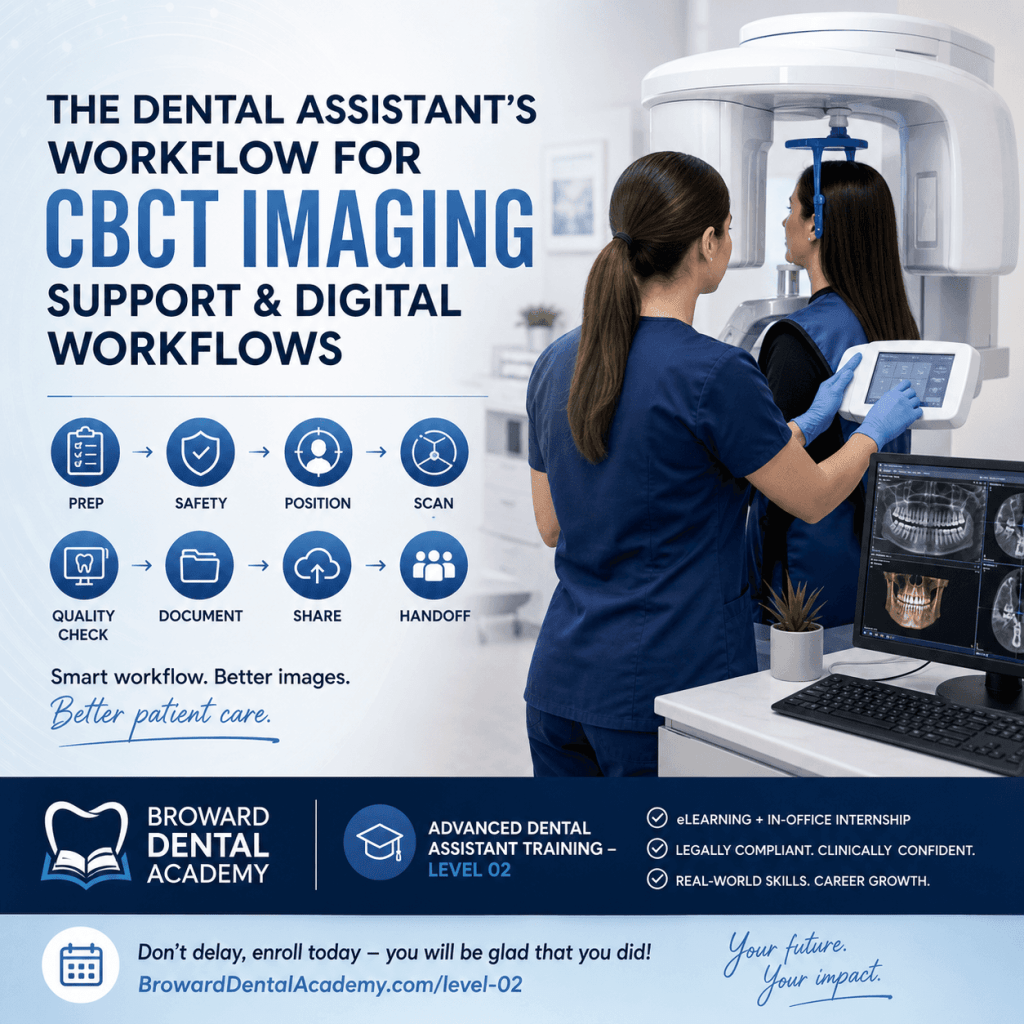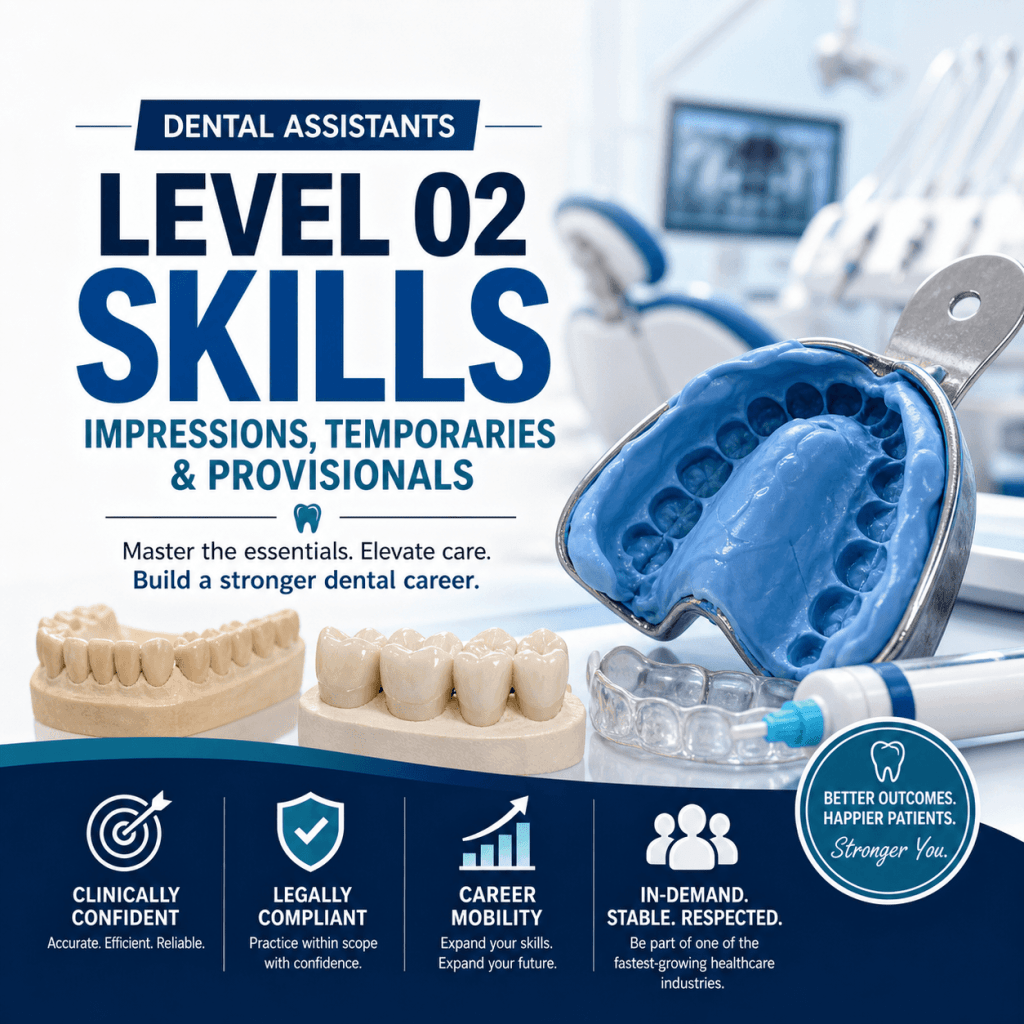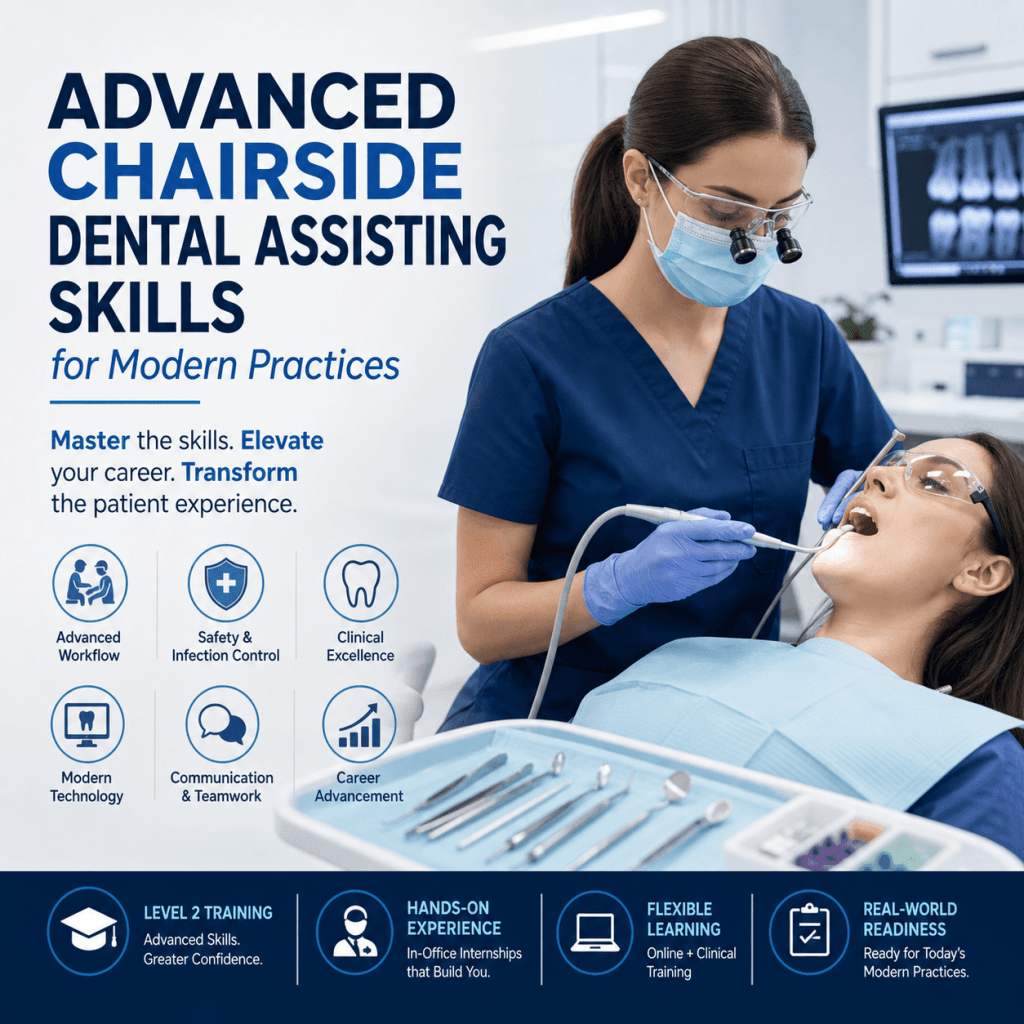
Many practices still need strong chairside basics, but more and more offices also want assistants who can support complex procedures, move with speed, and stay fully compliant in a high-performance environment. That is a big reason why dental assistants choose to specialize in these advanced roles.
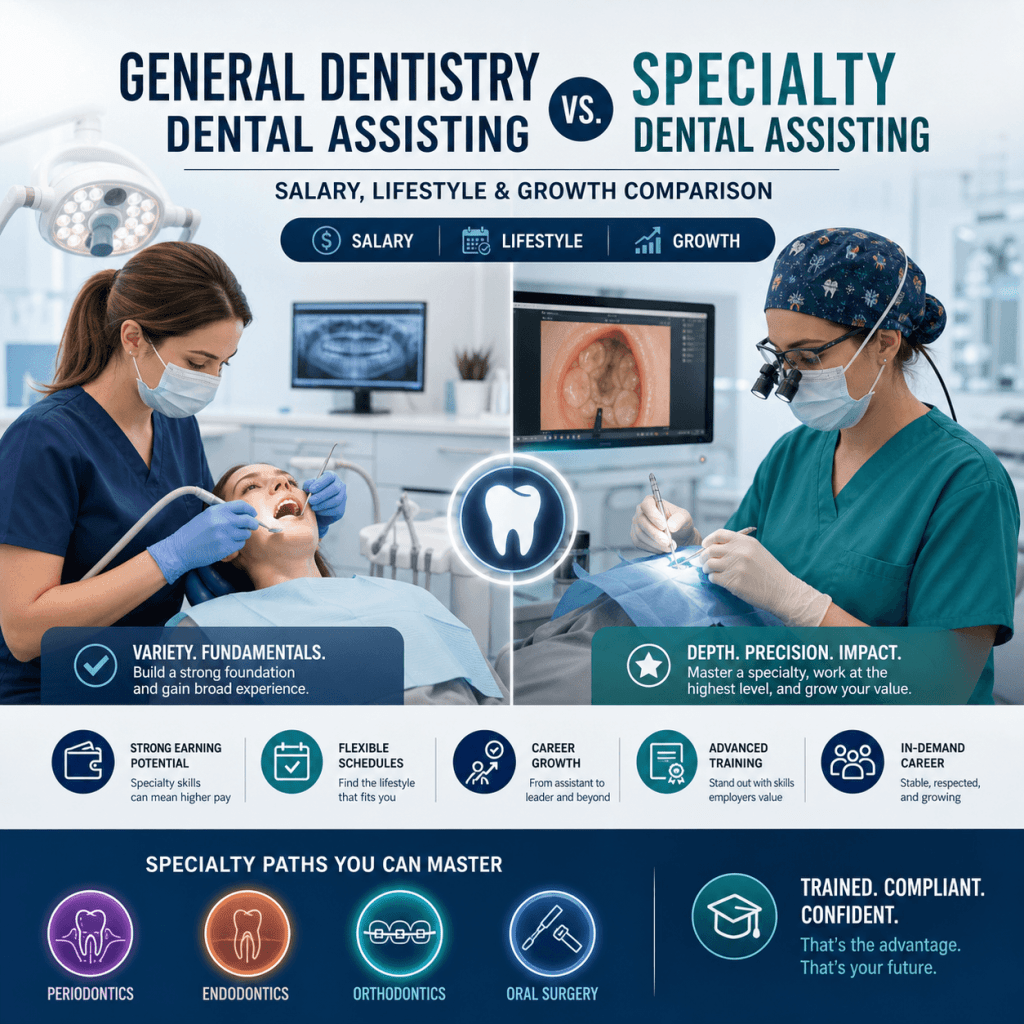
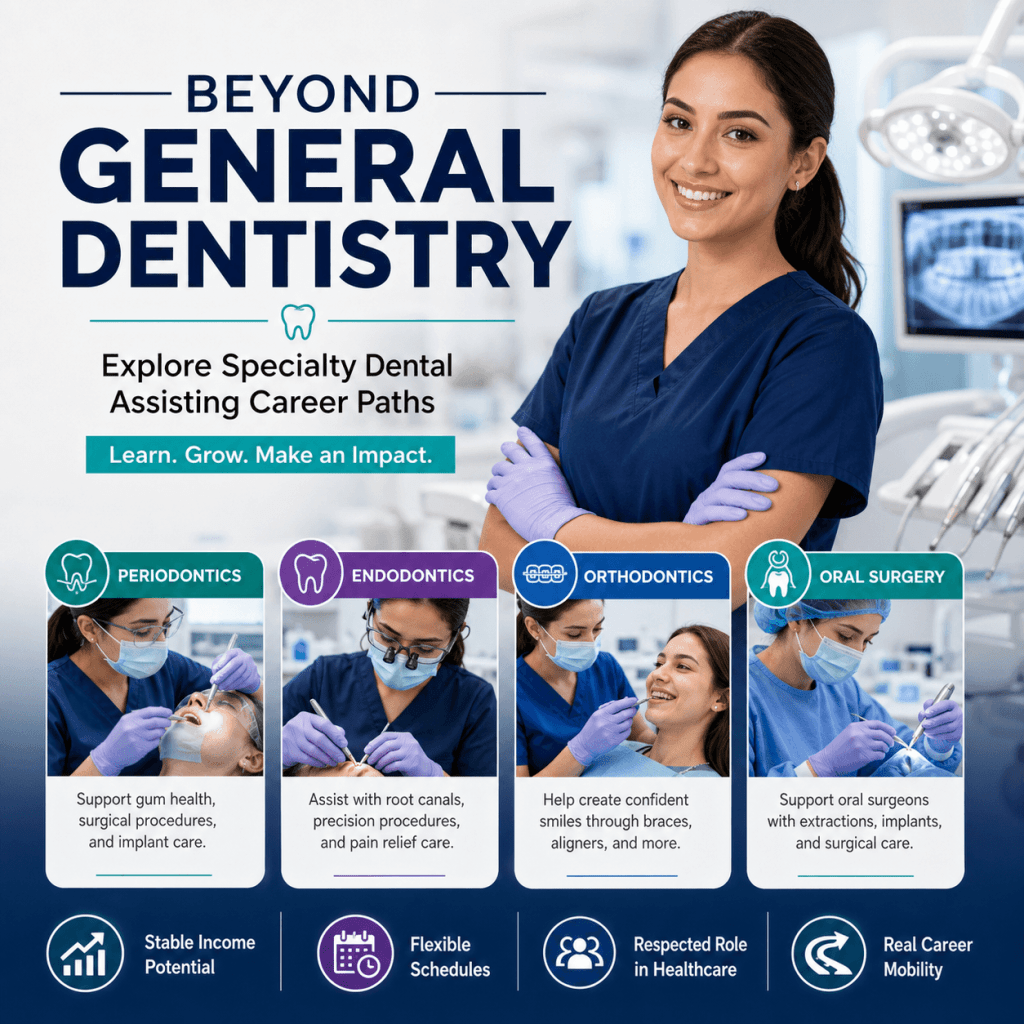
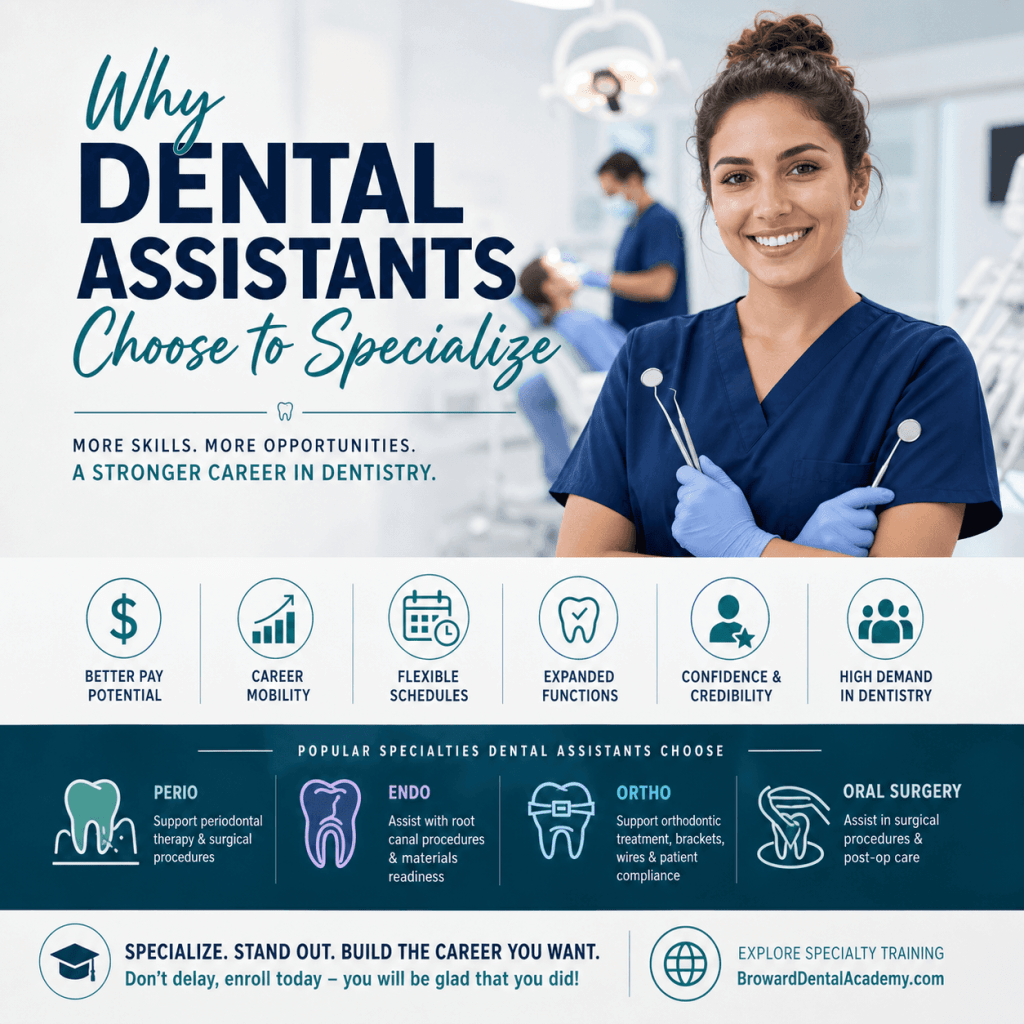
When a dental assistant “specializes,” it usually means building advanced, legally compliant skills in one focused area of dentistry, such as Periodontics, Endodontics, Orthodontics, or Oral Surgery.
Understanding why dental assistants choose to specialize can help future professionals navigate their career paths.
When considering why dental assistants choose to specialize, it’s essential to recognize the broad range of skills acquired.
As the dental industry evolves, many ask why dental assistants choose to specialize in certain fields over others.
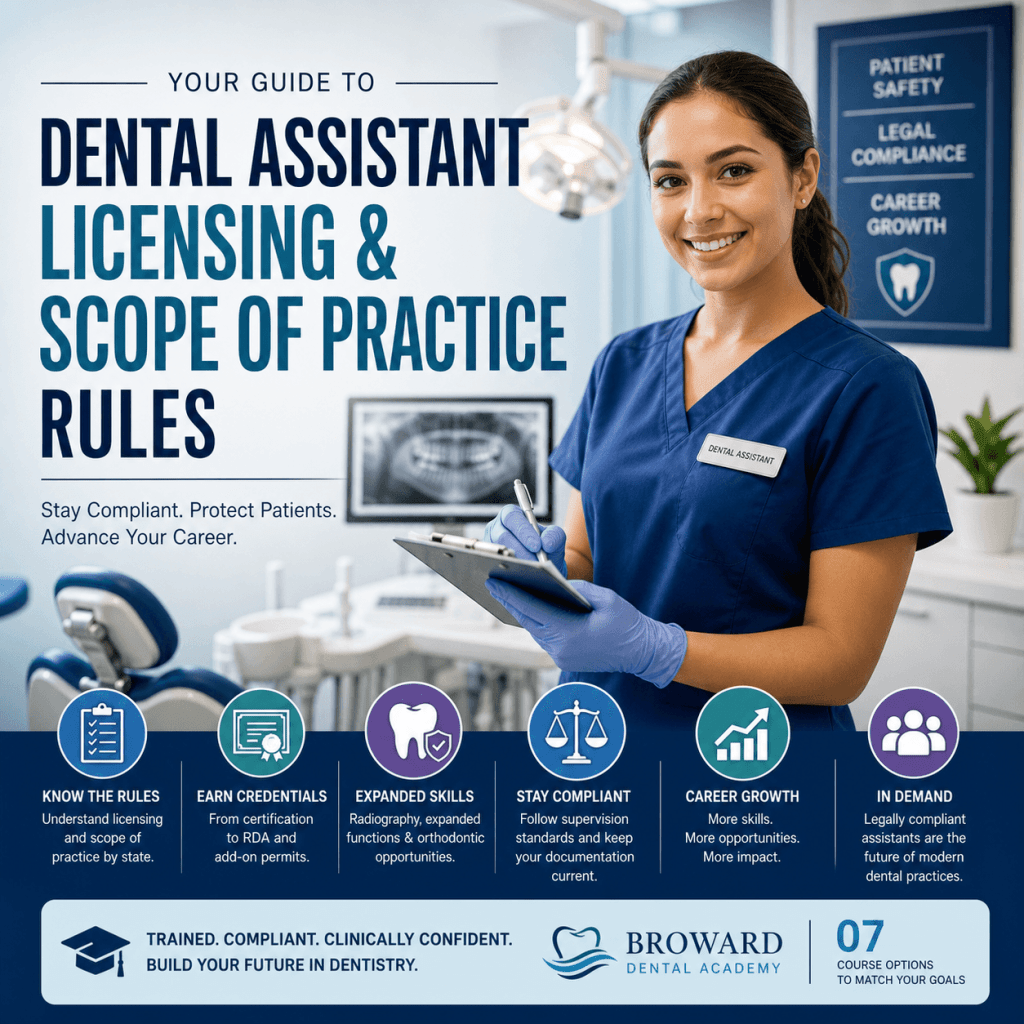
In many states, specialization also overlaps with expanded functions, meaning additional clinical tasks that are allowed with the right training and delegation.
And the timing makes sense. The dental industry continues to grow, patient demand keeps rising, and offices want teams that can deliver excellent care efficiently. For dental assistants, specialization is often the most strategic way to level up without leaving the career path they already chose.
This section will explore why dental assistants choose to specialize and the impact it has on their careers.
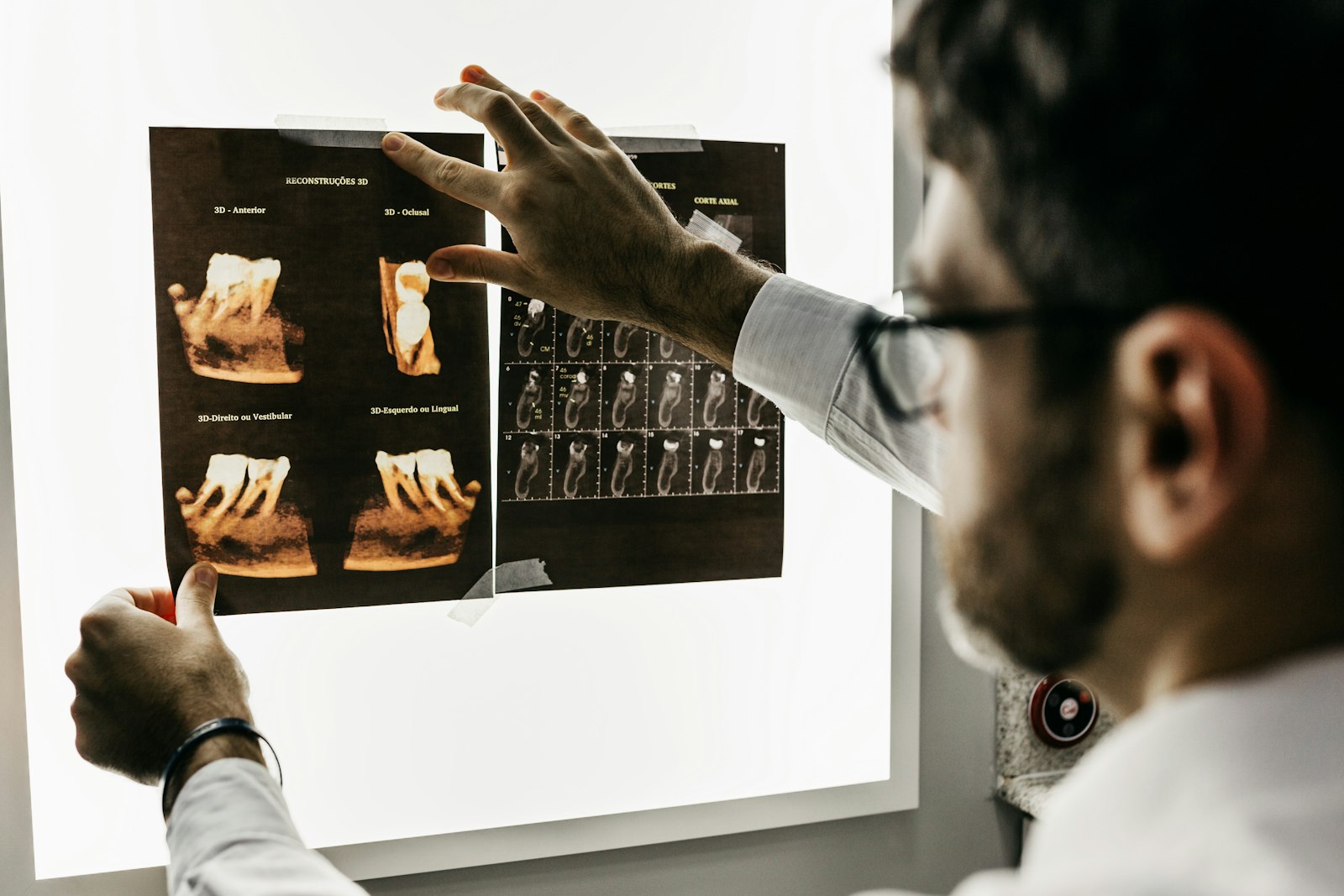
Many dental assistants report that their reasons align with why dental assistants choose to specialize in particular practices.
What Specialization Looks Like in a Modern Dental Office
Specialization is not about becoming a hygienist or dentist. It is targeted training that helps you become more clinically confident in specialty procedures and workflows.
Ultimately, understanding why dental assistants choose to specialize can lead to better job satisfaction.
In a modern office, that can show up in practical, day-to-day ways, including:
- Assisting in more complex procedures and longer appointments
- Knowing specialty instruments, materials, and tray setups without hesitation
- Coordinating workflow so the dentist stays in rhythm and chair time stays tight
- Communicating clearly with patients before, during, and after procedures
- Supporting stronger documentation and post-op instructions
Further research shows why dental assistants choose to specialize, emphasizing the importance of ongoing education.
There are a few common ways assistants build these skills:
- In-practice upskilling (learning on the job with a supportive dentist and team)
- Formal specialty dental assistant training (structured coursework, hands-on practice, and often an internship component)
Many assistants do both. They start learning in the office, then choose formal training to become consistent, confident, and job-ready.
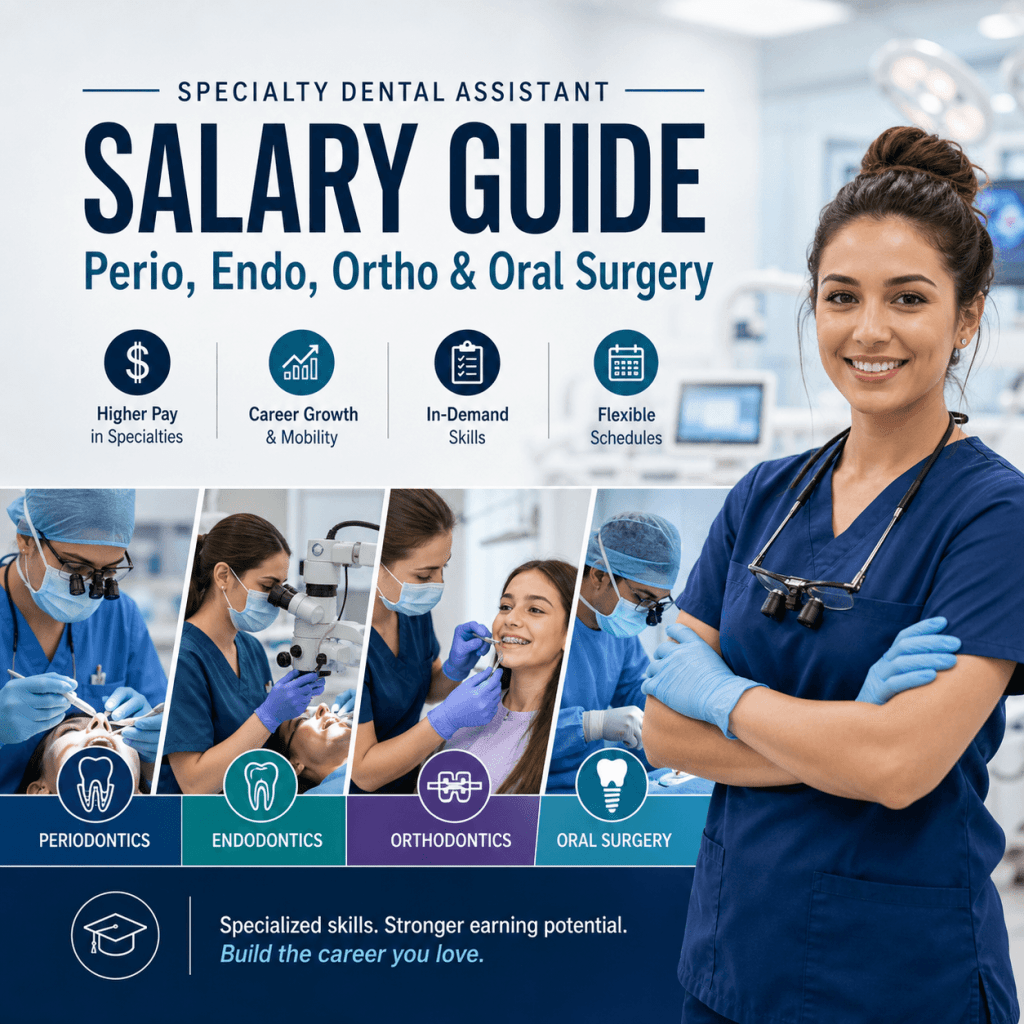
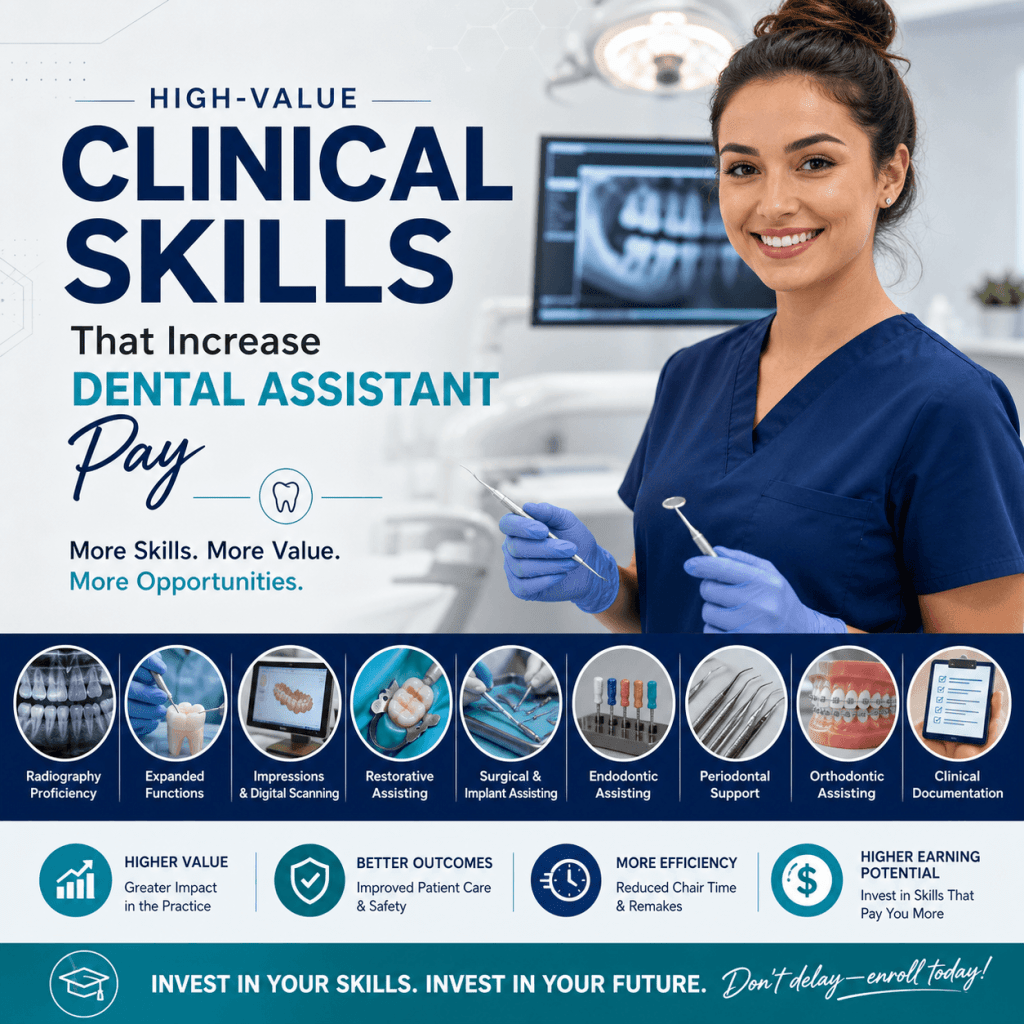
Reason #1: Better Pay Potential and a More Stable Income
Specialty skills can significantly raise your value in the dental field because they help practices run smoother and produce more.
One critical factor influencing why dental assistants choose to specialize is the potential for career advancement.
Higher pay potential is often cited as a reason why dental assistants choose to specialize in certain areas.
For many, understanding why dental assistants choose to specialize can help guide their education and career decisions.
In this discussion, we will address why dental assistants choose to specialize, focusing on both benefits and challenges.
Understanding the motivations behind why dental assistants choose to specialize can assist educators in tailoring training programs.
A specialty-trained dental assistant can help reduce chair time, prevent delays, and support higher-production procedures. When an office sees that you help the day stay on schedule and the clinical work stay consistent, pay conversations often change.
It is essential to explore why dental assistants choose to specialize to better prepare for the future of dental care.
Specialization also supports stability. Dentistry is known for long-term demand, and assistants who bring advanced, reliable skills tend to be harder to replace.
Here are a few real-world examples of how your value shows up:
- Faster, accurate setup and turnover for procedure rooms
- Being “procedure-ready” without needing repeated direction
- Clear post-op communication that reduces call-backs and confusion
- Fewer errors because you understand the materials, steps, and safety requirements
- Stronger infection control habits under pressure
Specialization is not just “more school.” It is a direct way to increase your practical impact in the operatory.
Reason #2: More Career Mobility (Without Starting Over)
While discussing career paths, it’s clear why dental assistants choose to specialize in areas that excite them.
One of the best parts about specializing is that it creates options without requiring a full career restart.
Specialty training can help you:
- Move between general and specialty offices more easily
- Qualify for expanded roles where permitted
- Grow into lead or senior assistant responsibilities
- Build credibility when applying to higher-paced practices
It also supports “stackable” growth. You do not have to pick one lane forever. Many assistants add one specialty now, then layer another later as opportunities open up.
Mobility matters in real life, too. People relocate, schedules change, and family needs shift. Having a specialty skill set makes it easier to find the right fit in a new office environment without going back to square one.
As we analyze the landscape, we can understand why dental assistants choose to specialize at various stages of their careers.
If you’re considering specializing further, you might have some questions. For instance, what certifications are available? Or maybe you’re wondering about the different locations where such training can be obtained? These are important factors to consider as you plan your career advancement.
Reason #3: Flexible Schedules and Better Fit With Lifestyle Goals
It’s crucial to know why dental assistants choose to specialize to ensure the relevance of training programs.
The growing demand for skills prompts many to understand why dental assistants choose to specialize.
In conclusion, reflecting on why dental assistants choose to specialize can inspire new professionals entering the field.
Recognizing why dental assistants choose to specialize can influence how upcoming professionals shape their careers.
Many people choose dental assisting because it can offer flexibility compared to other healthcare settings. Specialization can sometimes enhance that, depending on the office model.
In some specialty practices, scheduling is more procedure-based. That can mean:
- More predictable appointment blocks
- Clearer start and end times for certain days
- A steadier pace compared to high-volume general schedules, in some settings
Of course, every office is different. A busy oral surgery practice may be fast-paced all day, while an ortho office may run on a consistent flow of shorter visits.
A smart approach is to compare these common models:
- General dentistry: variety of procedures, varied pacing
- Specialty offices: deeper focus, more consistent procedure types
- Multi-specialty practices: variety plus access to advanced procedures
If lifestyle fit is part of your goal, specialization can help you target the kind of practice schedule you want.
Reason #4: Expanded Functions and More Hands-On Clinical Work
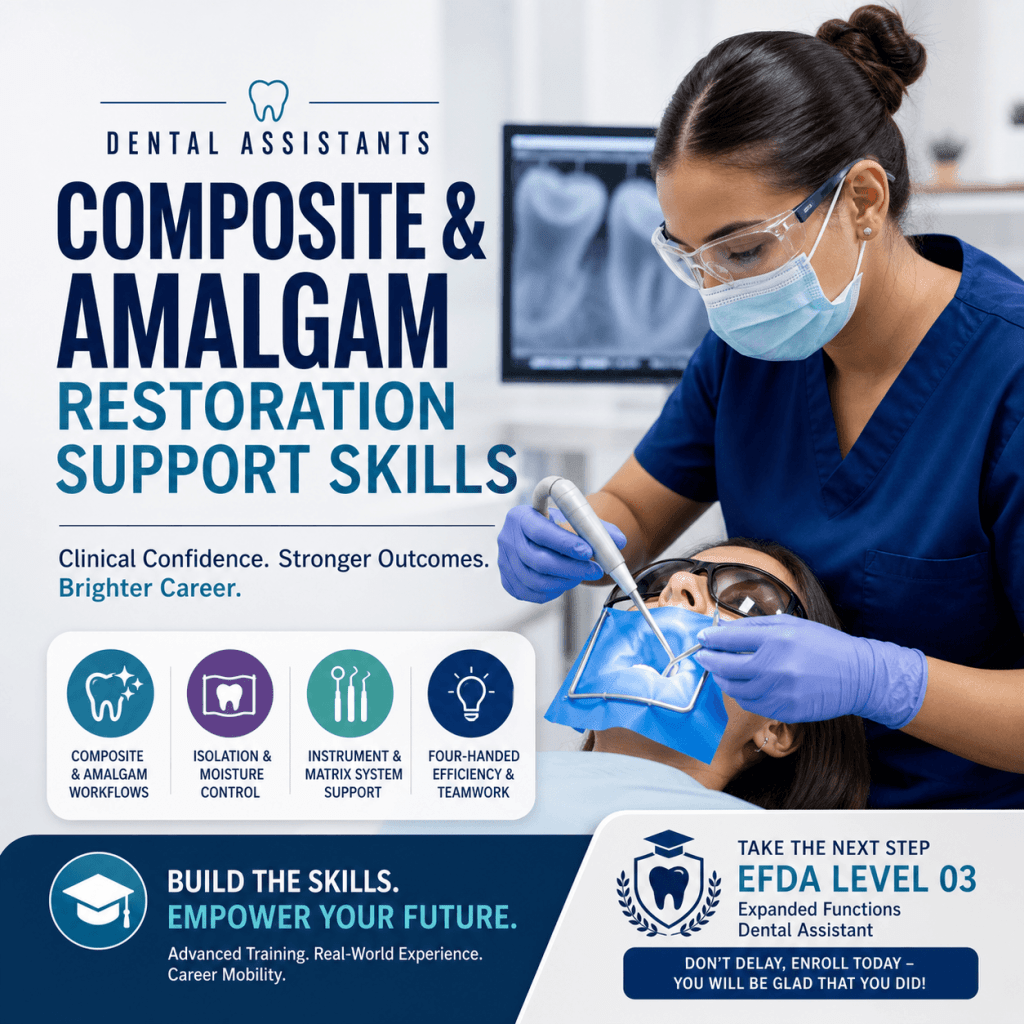
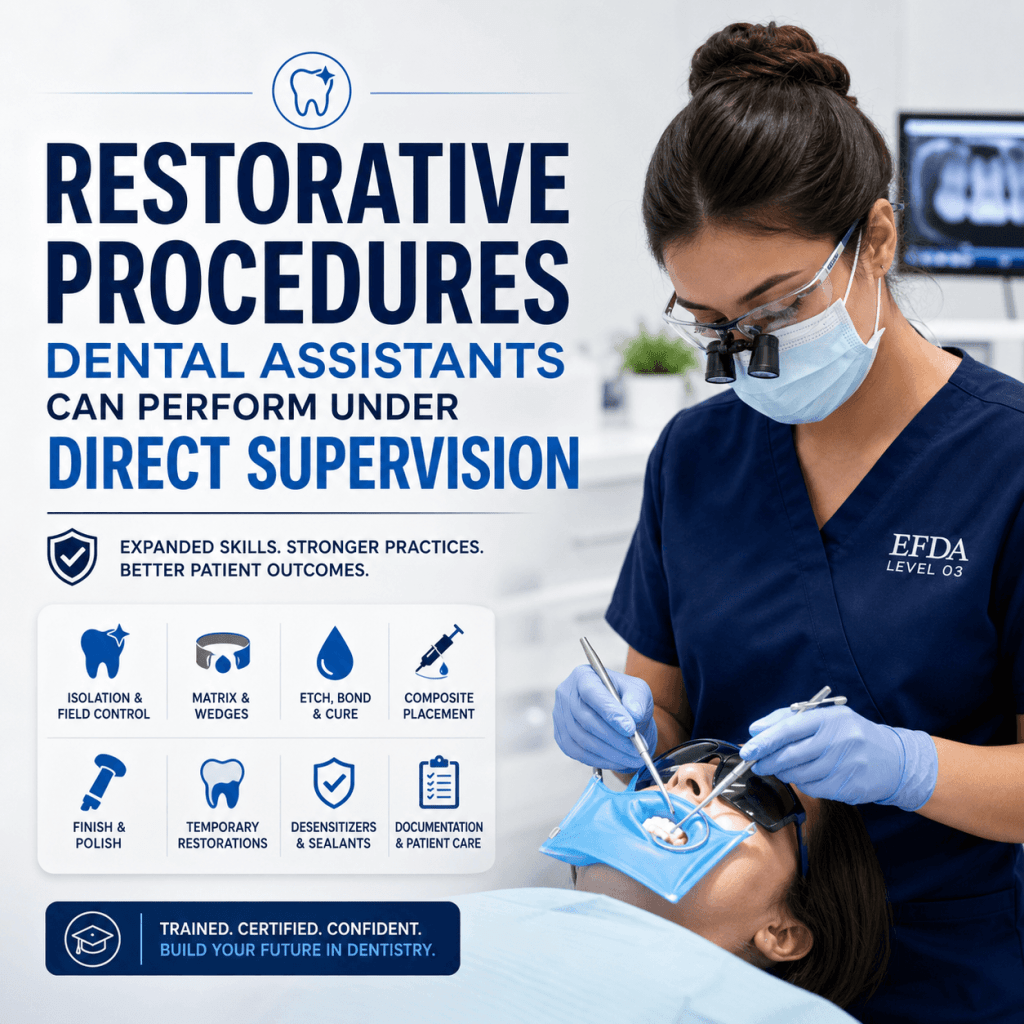
Expanded functions simply means additional clinical tasks that go beyond entry-level assisting, allowed by law and supported by proper training. For more detailed information about the scope of dental assistant roles and their qualifications, refer to this official guide.
This is motivating for many assistants because it often leads to:
- More autonomy in your role
- More responsibility and trust from the dentist
- A more hands-on clinical day
- A stronger sense of professional growth
The key is doing it the right way. Practices are increasingly cautious and quality-driven. They want assistants who are thoroughly trained, legally compliant, and able to perform confidently within regulations.
That combination, skill plus compliance plus calm execution, is what makes assistants stand out in today’s market.
Reason #5: Confidence, Credibility, and Being Taken Seriously in Healthcare
Dental assistants are essential to patient care, safety, and efficiency. Specialization strengthens that professional identity.
There is also a confidence loop that many assistants experience:
Deeper training leads to fewer surprises chairside. Fewer surprises lead to smoother procedures and calmer patients. That leads to better outcomes, a stronger reputation, and more trust from the team.
Credibility is not just technical skill, either. The assistants who rise fastest tend to bring:
- Clinical judgment and awareness
- Ethical decision-making
- Clear communication with patients
- Consistency under pressure
Specialization supports all of that by giving you structured reps, better understanding of procedures, and a clearer role in the clinical workflow.
Reason #6: Practices Are Actively Looking for Specialty-Trained Assistants
This is market-driven. Demand for skilled dental professionals continues to rise, and specialty procedures require consistent, capable support.
When offices say they want someone who is “thoroughly trained,” they usually mean more than knowing vocabulary. They want real clinical readiness, such as:
- Proper infection control habits that hold up on busy days
- Familiarity with specialty materials and instruments
- Confidence under supervision during complex procedures
- Strong suction, retraction, and patient management skills
- Accurate documentation support and post-op clarity
Specialization can also help your resume stand out when multiple candidates have similar entry-level experience. It signals commitment, competence, and momentum.
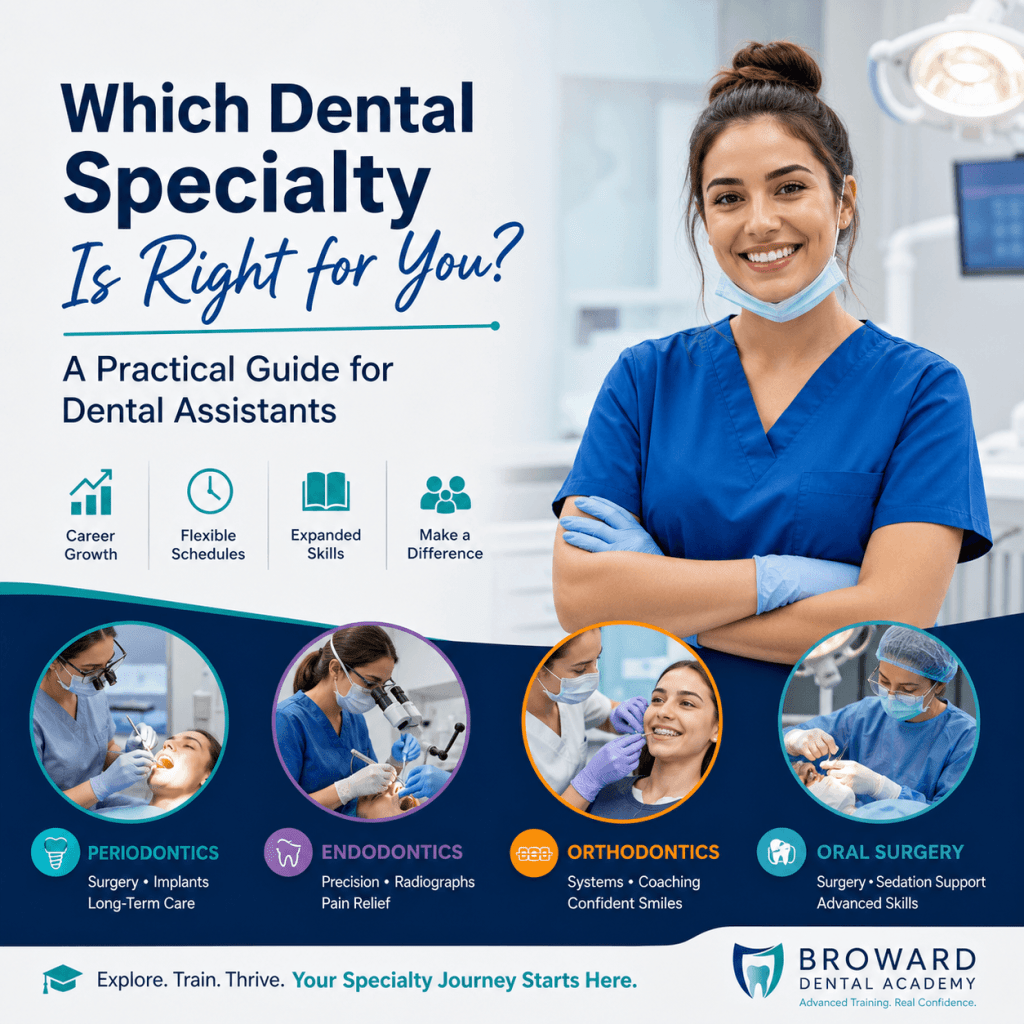
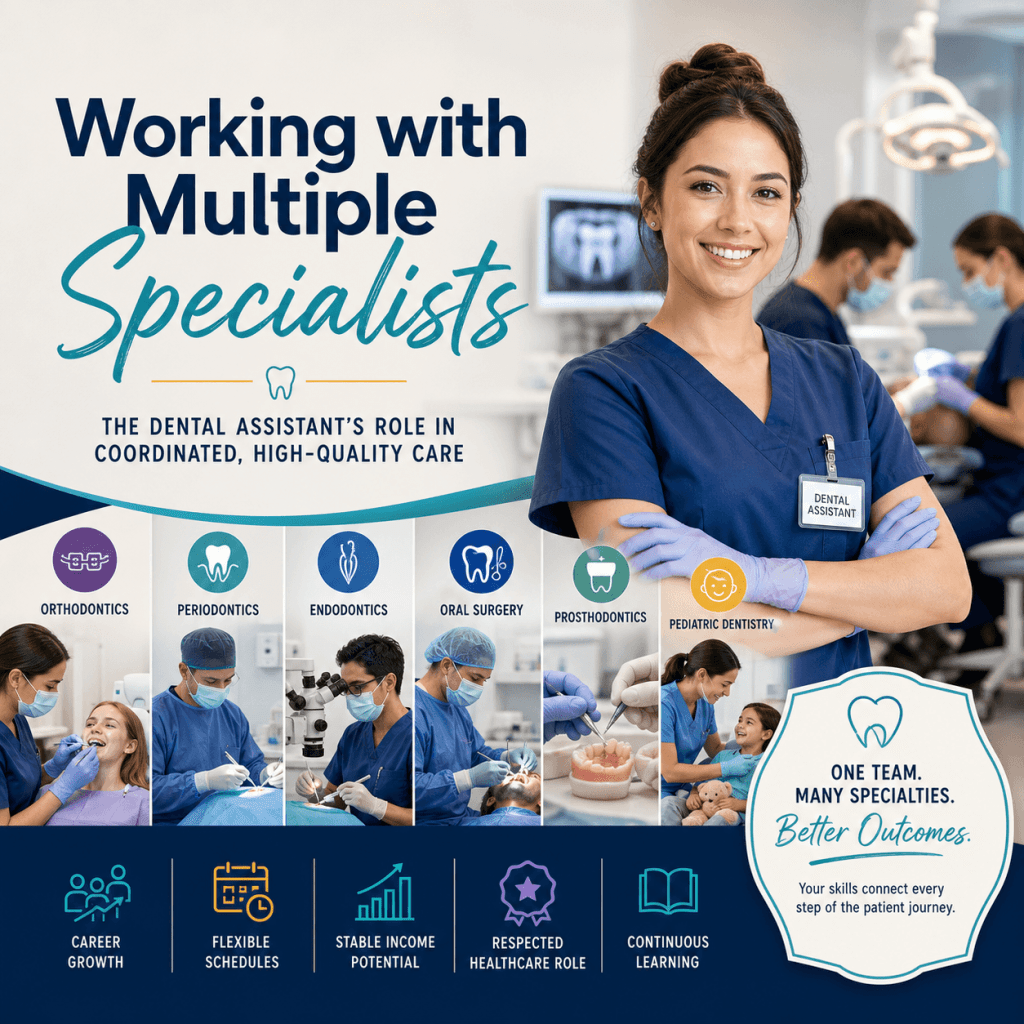
Popular Areas Where Dental Assistants Specialize (And What You Actually Do)
Below is a quick, high-level view of common specialties. Exact duties vary by state rules, dentist delegation, and your training.
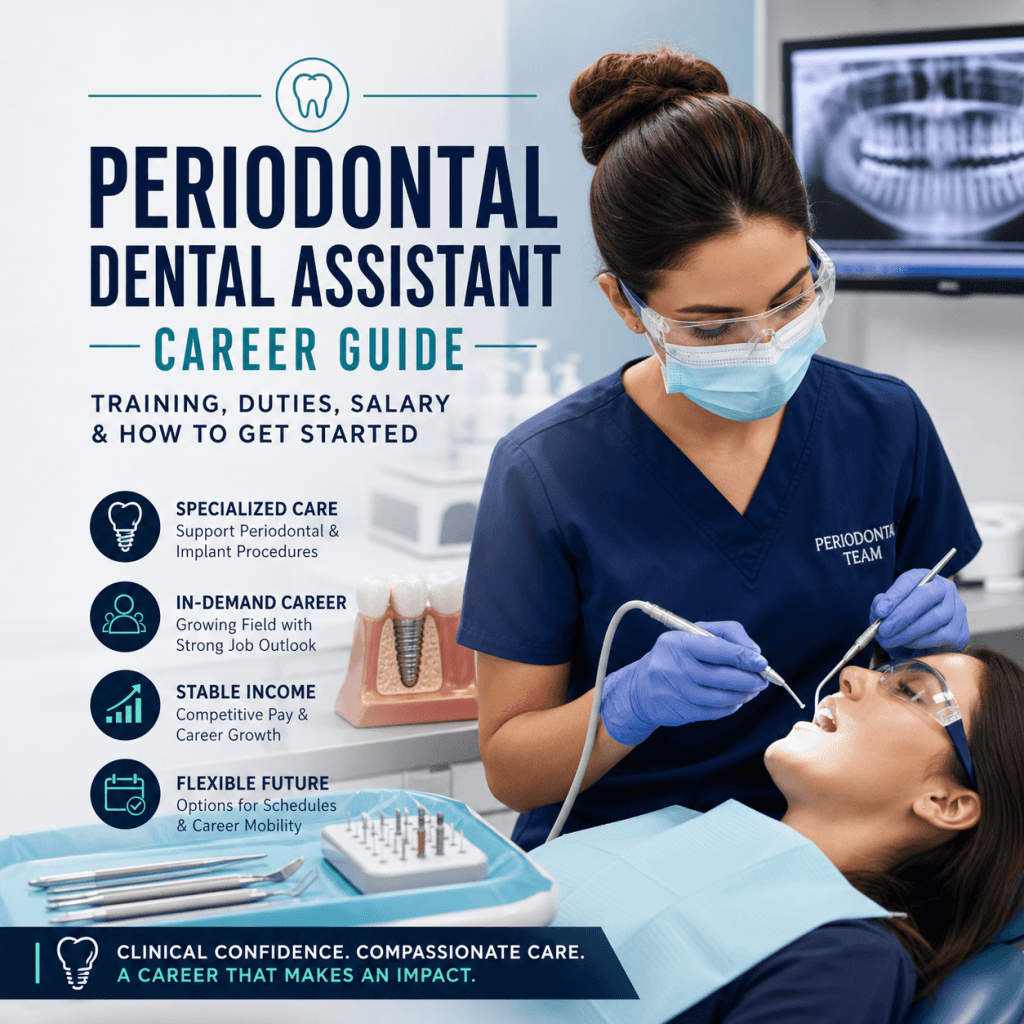
Periodontics (Perio)
In perio-focused settings, assistants often support periodontal therapy and surgical workflows. That can include:
- Surgical setup support and instrument familiarity
- Patient education and clear post-op instructions
- Strong infection control awareness during advanced procedures
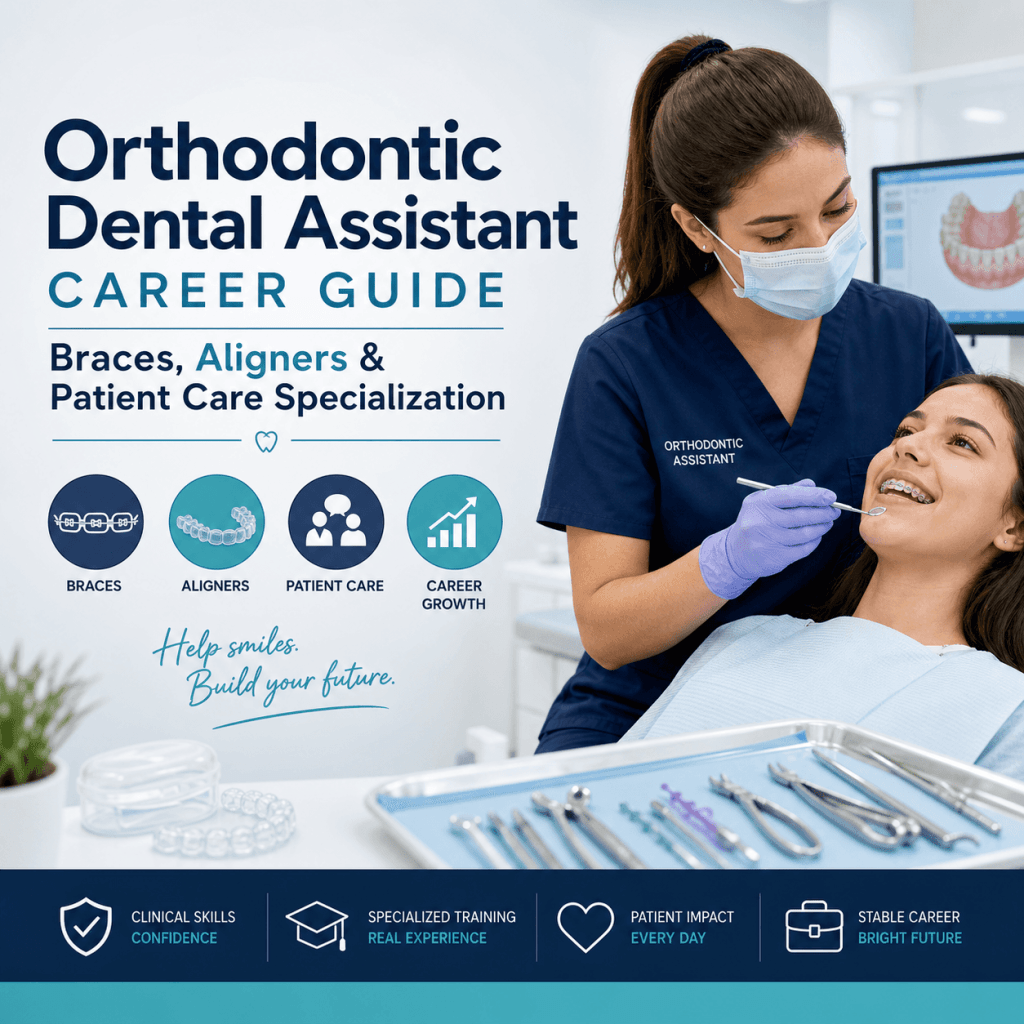
Orthodontics (Ortho)
Ortho is structured, detail-driven, and often high-flow. Assistants may support:
- Bracket and band appointment assistance
- Impressions or digital scan support (depending on office and training)
- Archwire appointment flow and room readiness
- Patient coaching around compliance and home care
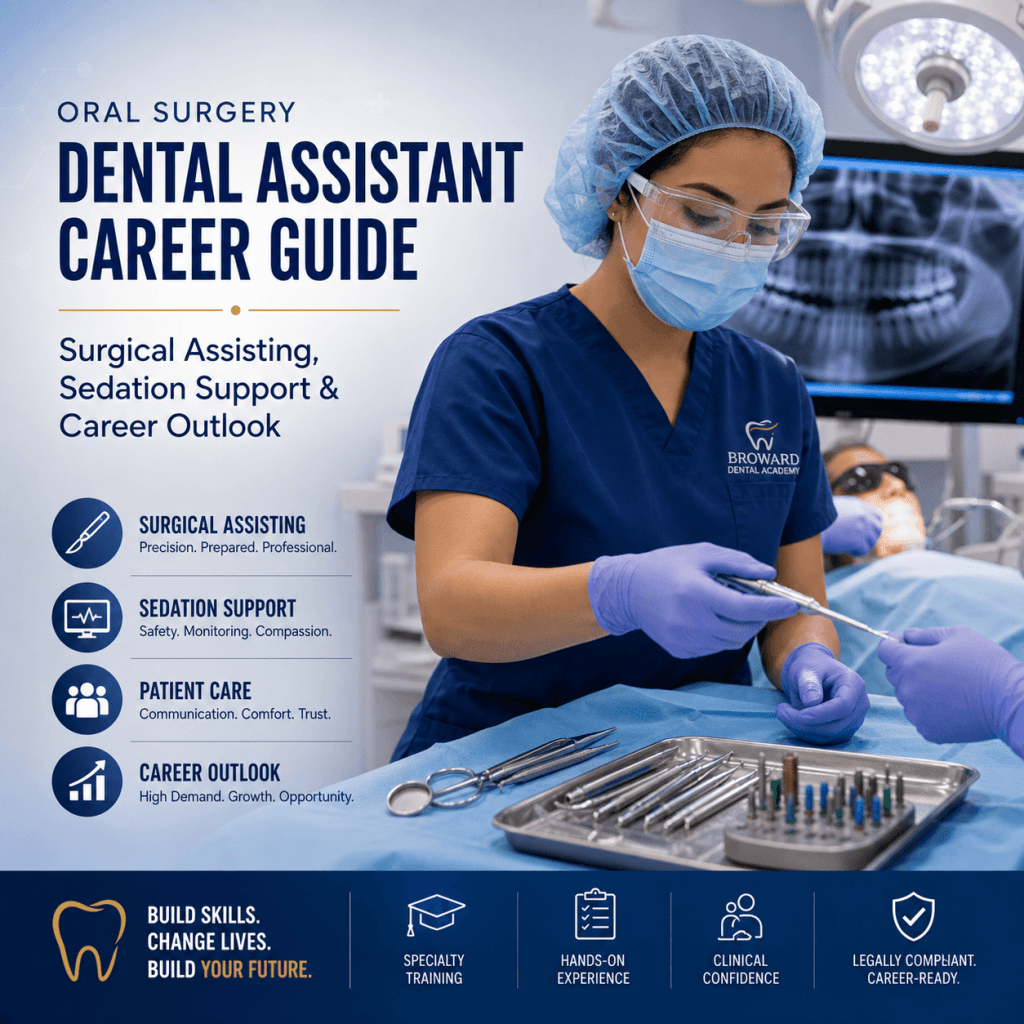
Oral Surgery
Oral surgery settings require excellent sterile technique awareness and calm execution. Assistants often support:
- Surgical setups and operatory readiness
- Sterile field awareness and excellent suction and retraction
- Post-op instructions and documentation support
To gain more insight into the responsibilities involved in this specialty, you can explore more about oral surgery.
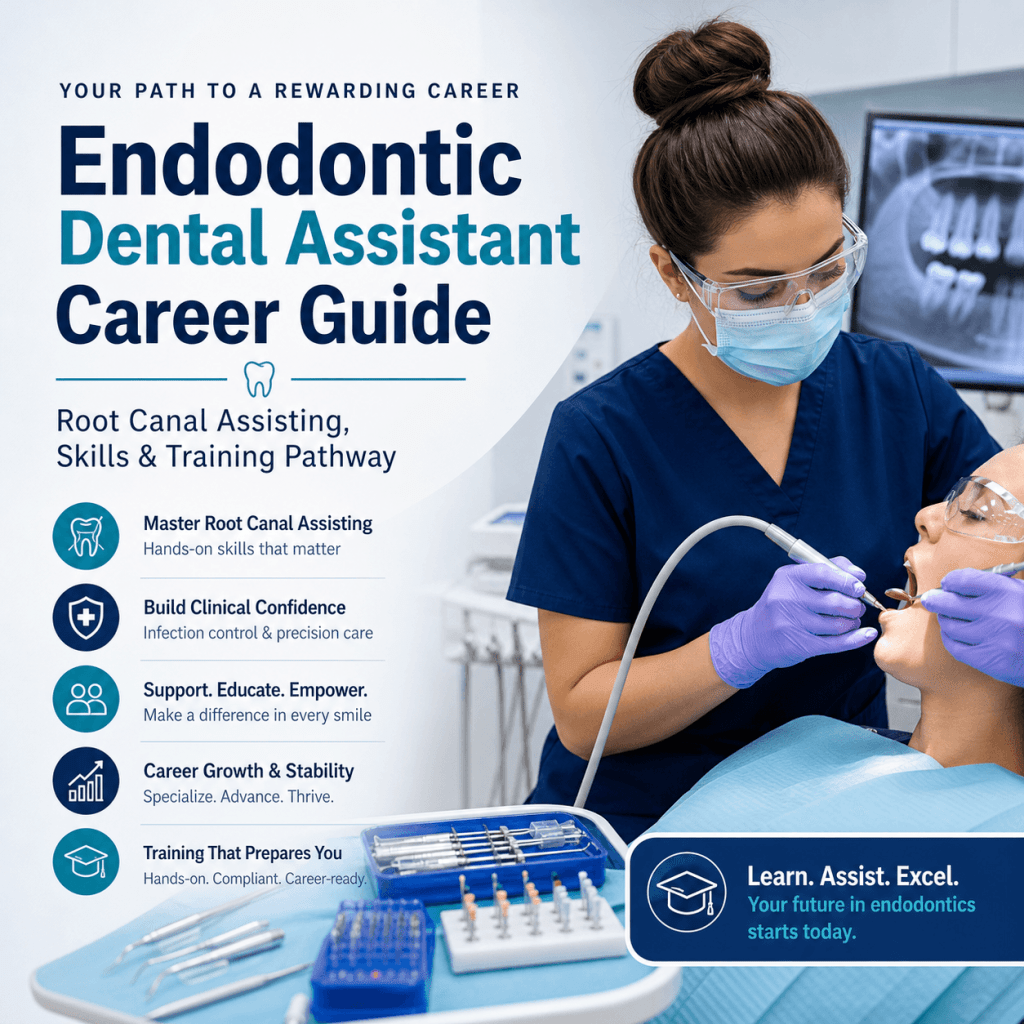
Endodontics (Endo)
Endo workflows are precision-focused and often procedure-specific. Depending on the setting, assistants may support:
- Efficient setups for endodontic procedures
- Materials familiarity and strong chairside anticipation
- Patient communication that reduces anxiety during treatment
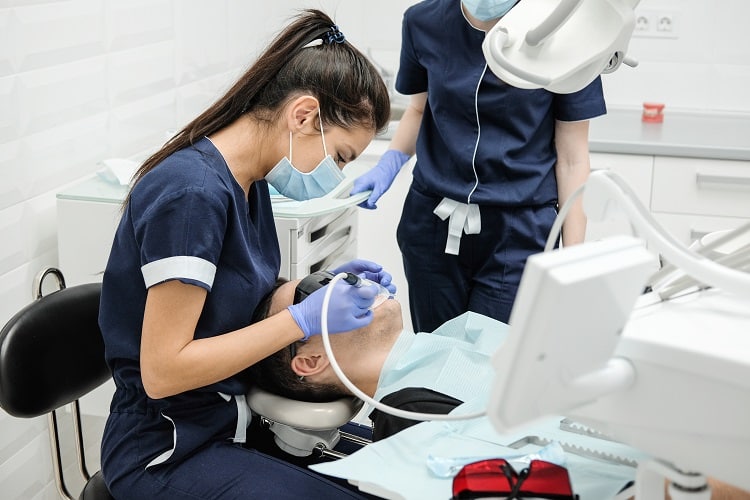
How to Choose the Right Specialty (A Practical Decision Framework)
If you are unsure where to start, a simple decision framework can help.
1) Start with your preferences
Ask yourself what you enjoy most:
- Do you like procedures or long-term case relationships?
- Do you prefer fast-paced flow or detail-heavy setups?
- Are you comfortable around surgery and blood, or do you prefer non-surgical settings?
- Do you like coaching and patient motivation (often common in ortho)?
2) Consider your strengths
Different specialties reward different strengths:
- Strong communication and patient calmness
- Speed and organization under time pressure
- Interest in anatomy, materials, and step-by-step clinical systems
- Confidence with instruments and procedure flow
3) Look at your local job market
Check what is hiring near you:
- General offices that offer specialty procedures
- Referral specialty offices (perio, endo, ortho, oral surgery)
- Multi-specialty practices
Your best first specialty is often the one that has real demand where you live.
4) Think in timelines
You do not have to do everything at once. Choose the specialty that gives you the quickest meaningful upgrade now. Then build from there.
What to Look for in Specialty Dental Assistant Training (So It Actually Helps You Get Hired)
Not all training is equal. If your goal is getting hired and thriving in a modern dental practice, prioritize clinical readiness.
Here is what matters most:
- Hands-on components that build real chairside confidence
- In-office internships or supervised clinical experience
- Strong focus on legal compliance and proper delegation
- Training that reinforces infection control standards in real workflows
- A learning model that prepares you to perform calmly under supervision
It also helps to choose programs designed for real-world performance, not a “test-only” mindset. The best programs teach you how to think through procedures, communicate clearly, and stay consistent in a busy operatory.
To find such beneficial training programs, consider exploring options like those offered by Broward Dental Academy, which emphasize practical skills and real-world application.
How Broward Dental Academy Supports Dental Assistants Who Want to Specialize
At the Broward Dental Academy, we are career-focused and committed to serving the dental community by developing well-rounded professionals through advanced dental training. Our goal is to prepare students to become professionals who are:
- Thoroughly trained
- Legally compliant
- Clinically confident
The training experience at Broward Dental Academy is designed to help students thrive in a modern, high-performance dental practice, not just pass an exam. We train our students to think critically, act ethically, and perform confidently.
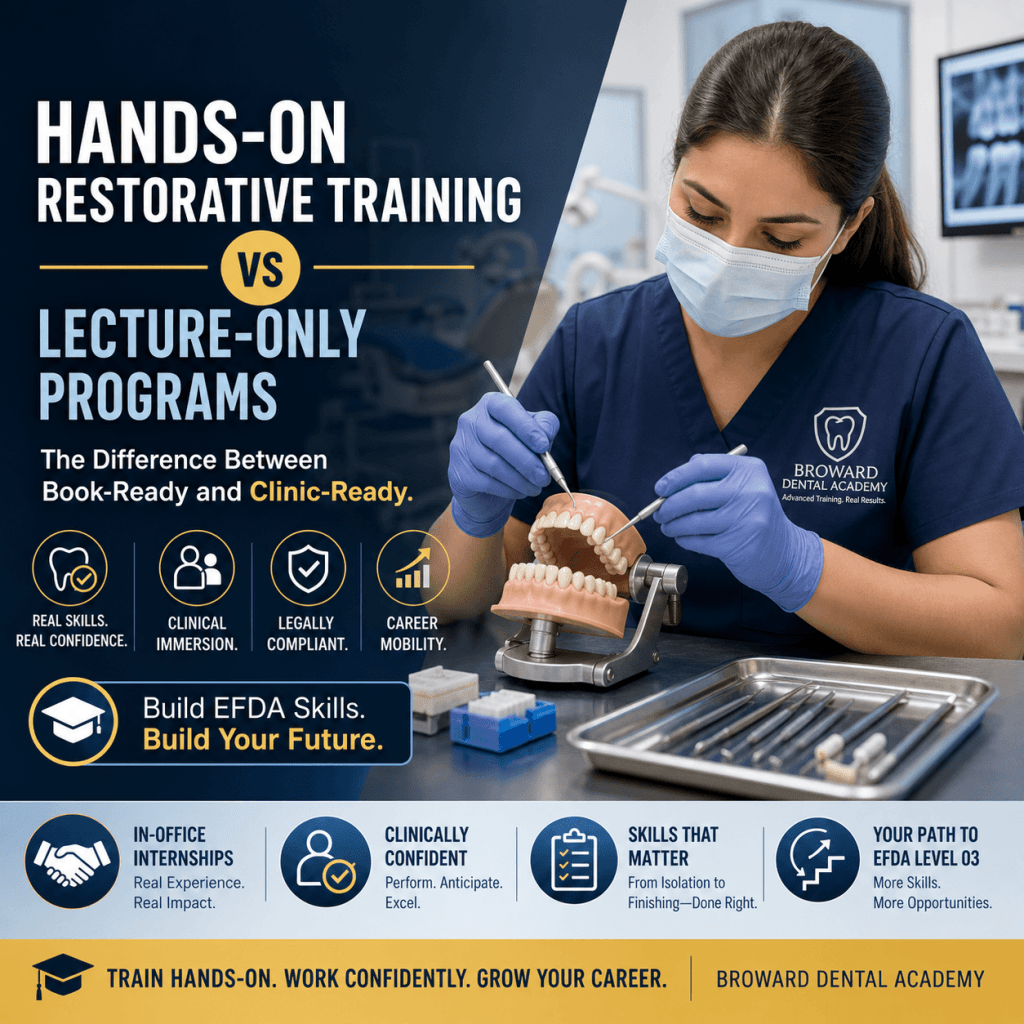
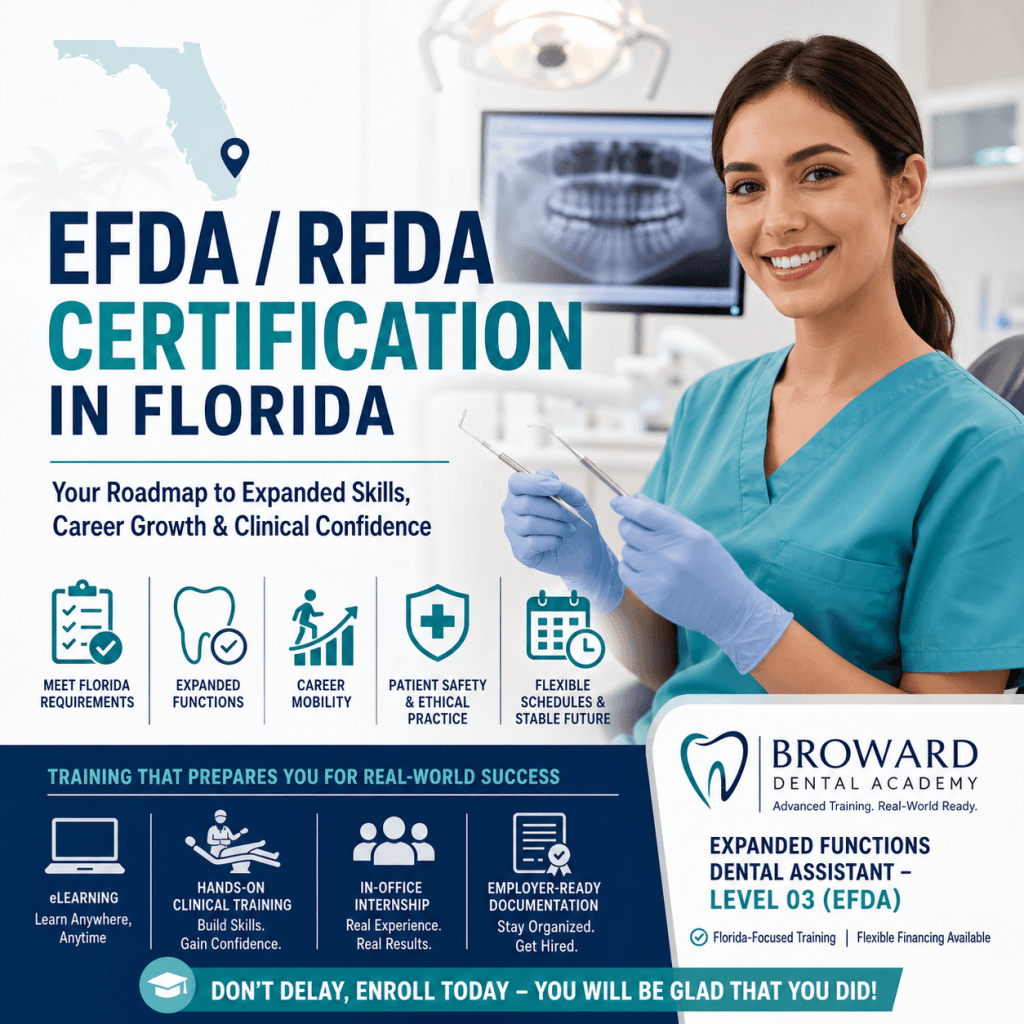
We offer a complex educational experience with immediate immersion in online and clinical settings. Our training includes the latest eLearning lesson plans for remote learning, plus in-office internships that help students build real clinical readiness.
Practical accessibility matters too. Broward Dental Academy offers a variety of courses and flexible financing options, helping students move forward without unnecessary delays.
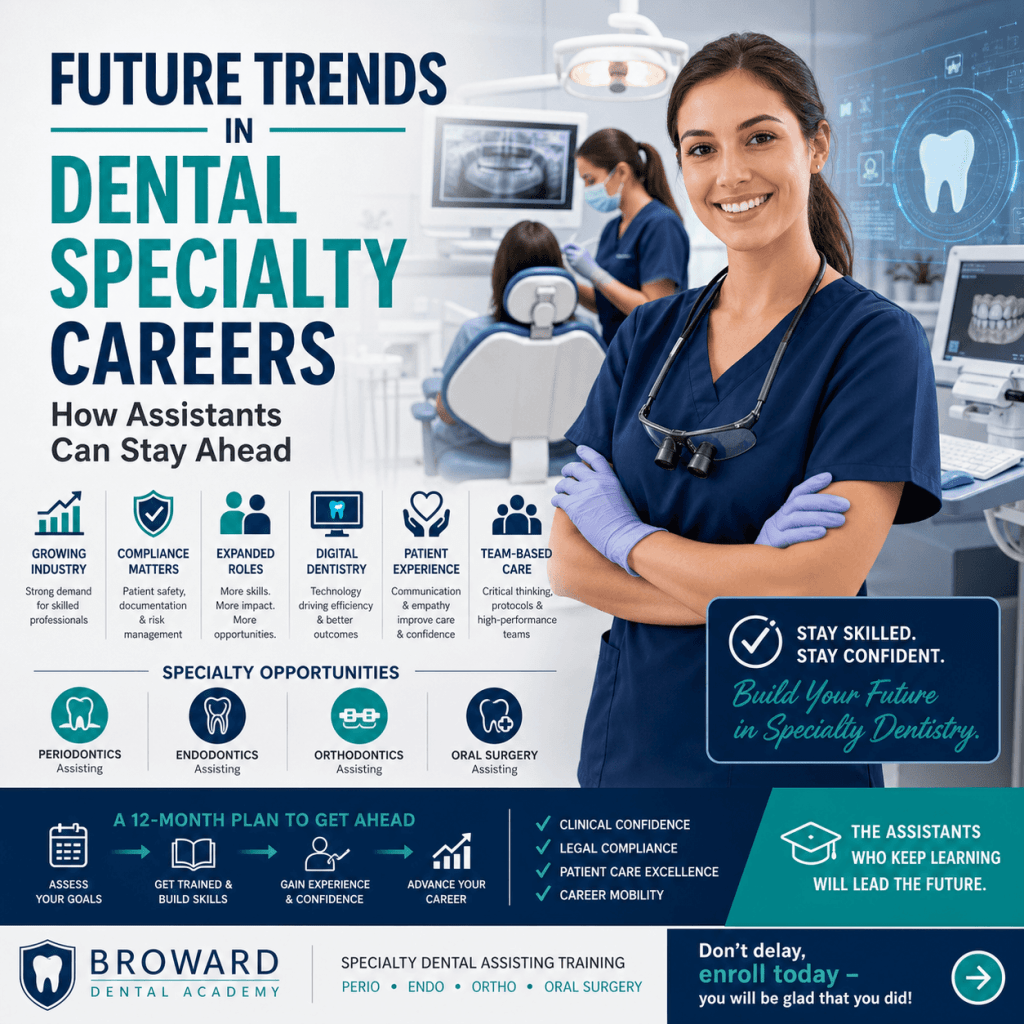
If you’re looking to explore specialty pathways, we provide comprehensive training programs such as our Specialty Dental Assisting Training which includes specialized fields like Perio, Endo, Ortho, and Oral Surgery.
What Your Career Can Look Like After You Specialize
Specialization often changes the next 6 to 18 months of your career in very practical ways, such as:
- Stronger interviews because you can speak to real procedures and workflows
- Faster onboarding because you already understand the pace and setup expectations
- More responsibility and trust in the operatory
- A clearer path toward senior or lead assistant roles
Long term, it also builds resilience. Dentistry will keep evolving, and assistants with a multi-skill specialty portfolio are often the ones who adapt fastest and stay in demand.
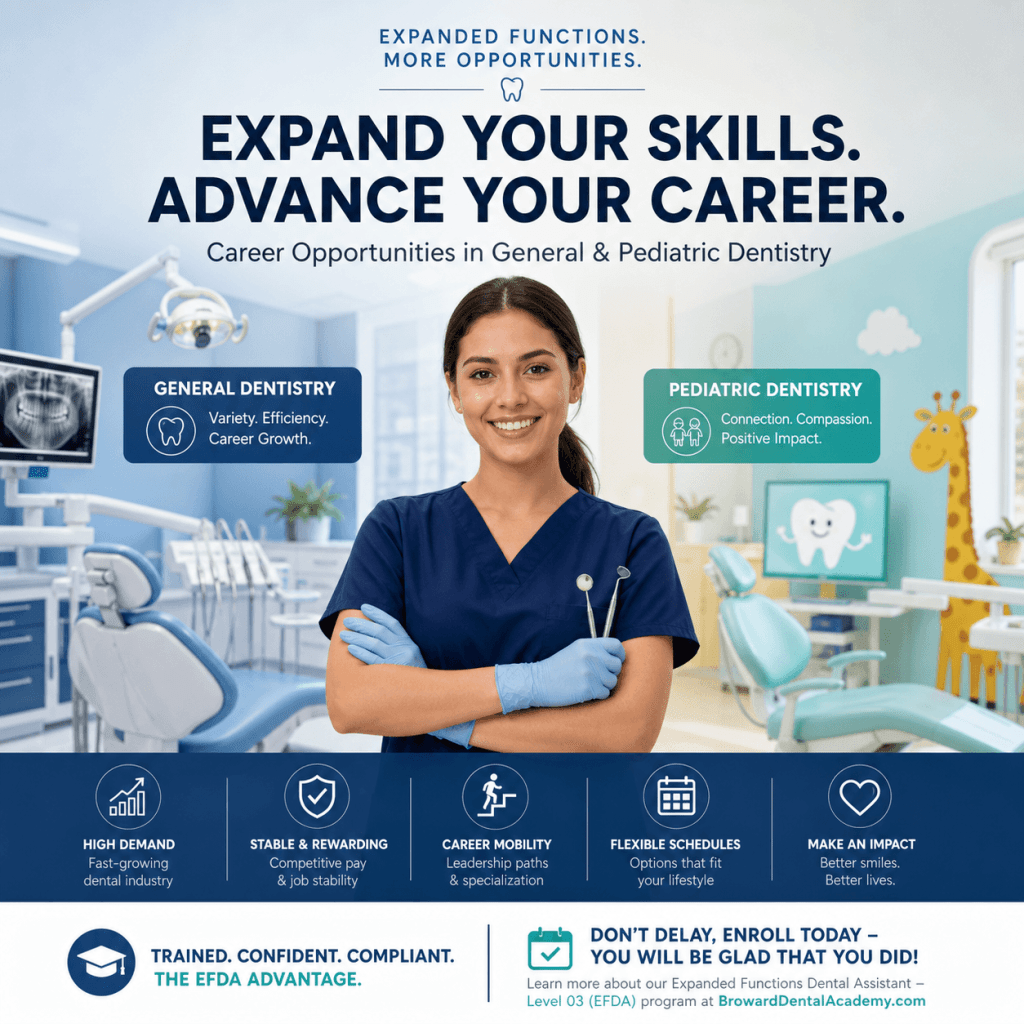
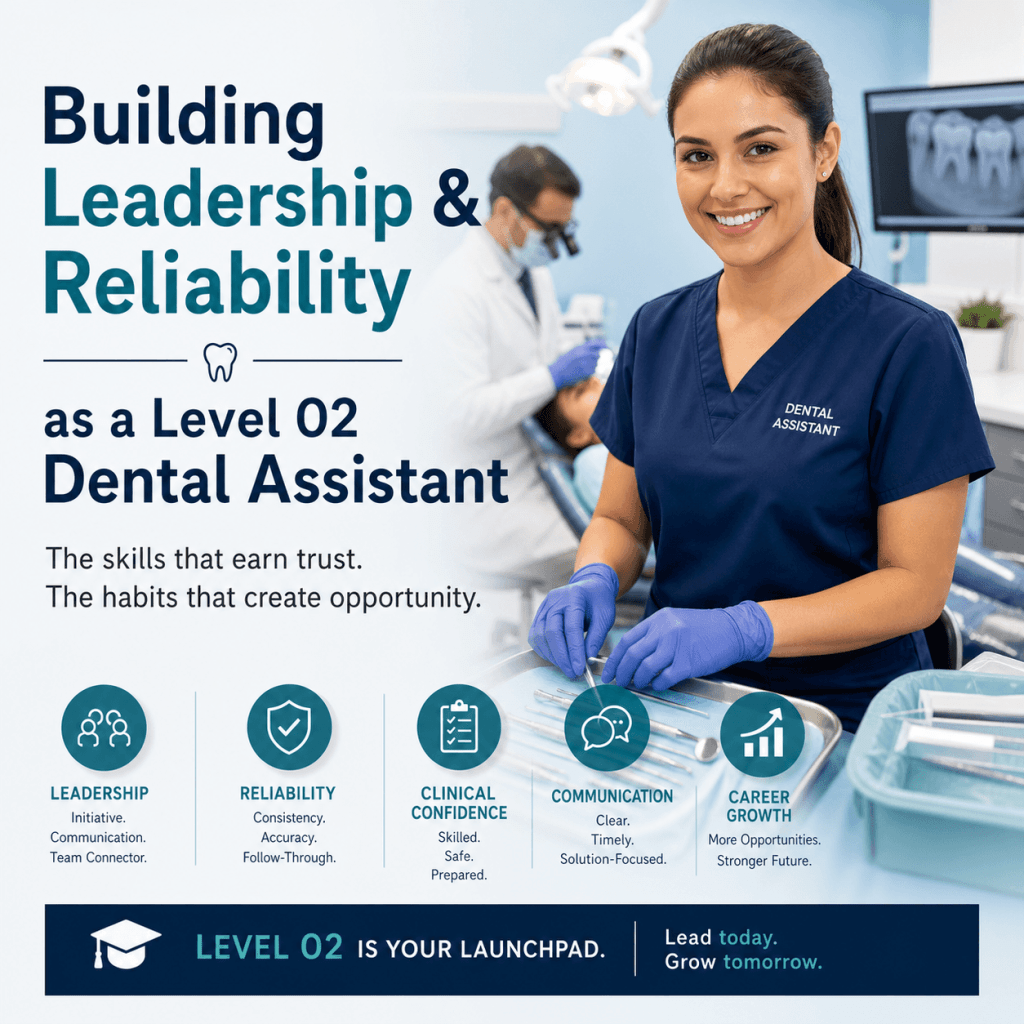
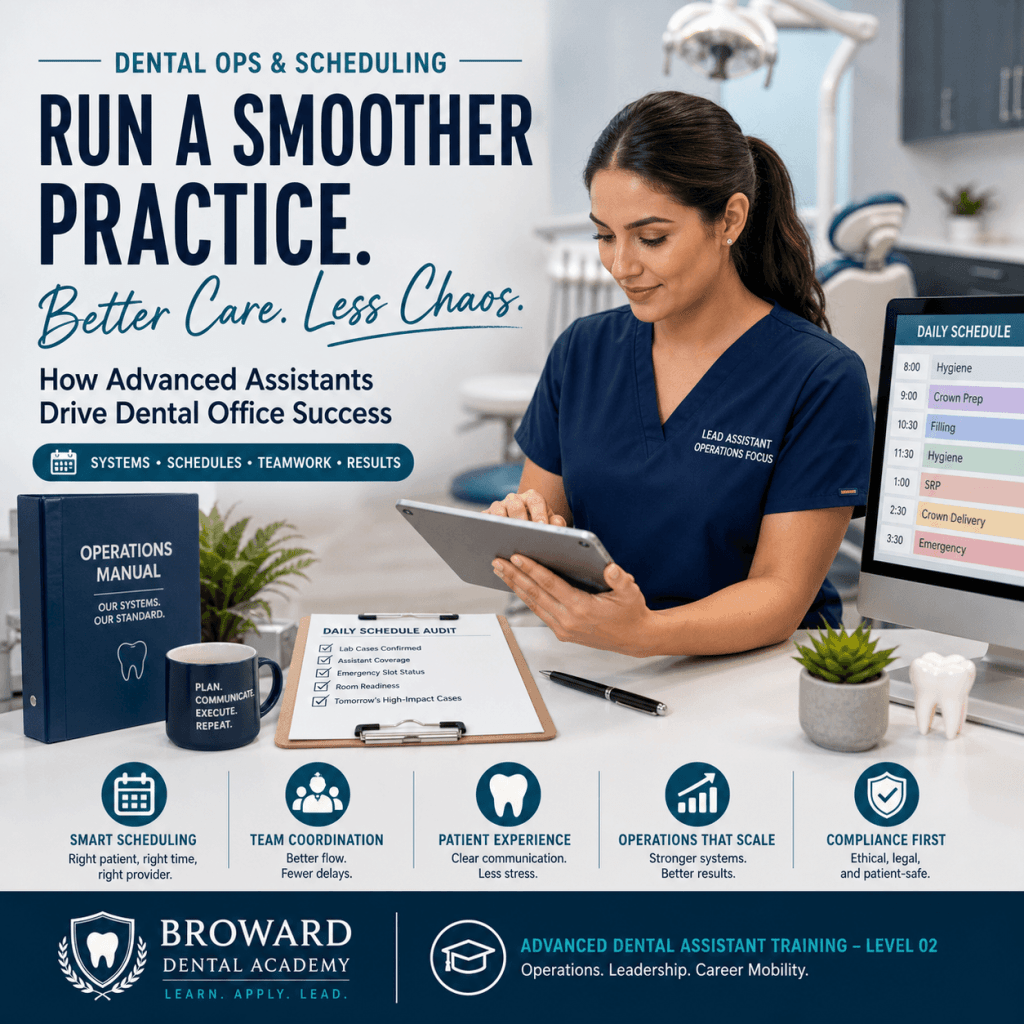
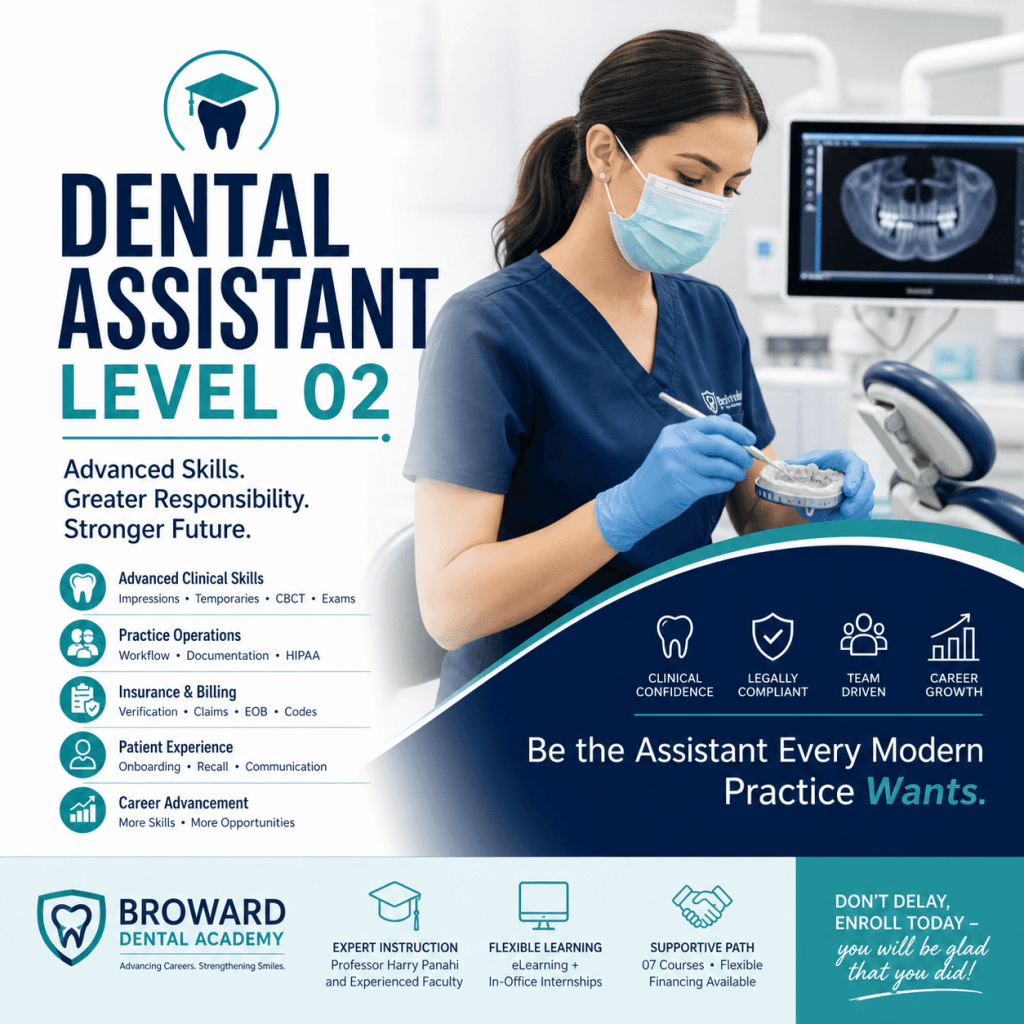
At Broward Dental Academy, we offer two levels of Dental Assistant Training and Dental Assistant Level 02, which can significantly enhance your skill set.
At the end of the day, specialization helps you become the assistant dentists trust most when procedures matter.
Closing: Specialization Is the Fastest Way to Level Up Without Leaving Dental Assisting
Dental assistants choose to specialize for clear reasons:
- Better pay potential and stability
- More career mobility without starting over
- Schedules that can better match lifestyle goals
- Expanded functions and more hands-on clinical work
- Greater confidence, credibility, and professional identity
- Real hiring demand for specialty-trained assistants
If you are ready to take the next step, explore the specialty training options and choose the path that fits your goals: Specialty Dental Assisting Training (Perio • Endo • Ortho • Oral Surgery).
Don’t delay, enroll today – you will be glad that you did!
FAQs (Frequently Asked Questions)
What does specialization mean for dental assistants in modern dental offices?
Specialization for dental assistants means building advanced, legally compliant skills in a focused area of dentistry such as Periodontics, Endodontics, Orthodontics, or Oral Surgery. It involves targeted training that enhances clinical confidence in specialty procedures and workflows, allowing assistants to support more complex treatments efficiently.
How can specializing as a dental assistant impact my pay and job stability?
Specialty skills significantly increase a dental assistant’s value by enabling smoother practice operations and higher production. Specialty-trained assistants help reduce chair time, prevent delays, and support complex procedures, which often leads to better pay potential and greater job stability due to their advanced, reliable skill set.
What are the common ways to gain specialization skills as a dental assistant?
Dental assistants typically build specialization skills through in-practice upskilling—learning on the job with supportive dentists and teams—and formal specialty training programs that include structured coursework, hands-on practice, and internships. Many combine both approaches to become consistent, confident, and job-ready.
How does specialization affect career mobility for dental assistants?
Specialization provides dental assistants with greater career mobility without needing to restart their careers. It enables easier transitions between general and specialty practices, qualifies them for expanded roles where permitted, supports advancement into lead positions, and builds credibility for higher-paced practices.
Can specializing as a dental assistant offer more flexible work schedules?
Yes, depending on the office model, specialization can enhance schedule flexibility. Specialty practices often have procedure-based scheduling with predictable appointment blocks and clearer start and end times. This can result in a steadier pace compared to high-volume general dentistry schedules, aligning better with lifestyle goals.
What certifications are available for specialized dental assistants and where can I obtain training?
Various certifications exist for specialized dental assisting roles across fields like Periodontics, Endodontics, Orthodontics, and Oral Surgery. Training is available through formal specialty programs that include coursework and internships. It’s important to research certification options and training locations that fit your career advancement plans.
Ultimately, understanding why dental assistants choose to specialize will enhance the dental workforce’s quality.
In summary, the question of why dental assistants choose to specialize is pivotal for industry growth.
Understanding why dental assistants choose to specialize will shape how training programs evolve.
It will be interesting to observe how trends regarding why dental assistants choose to specialize change over time.
In conclusion, the reasons why dental assistants choose to specialize shape the future of the profession.
Ultimately, this exploration of why dental assistants choose to specialize has significant implications.
These discussions are essential in understanding why dental assistants choose to specialize and succeed in their roles.
All of these factors contribute to why dental assistants choose to specialize, shaping the future of dental care.
Understanding why dental assistants choose to specialize is crucial for both professionals and the dental industry.
To summarize, knowing why dental assistants choose to specialize can bolster their careers and enrich patient care.
As we conclude, it’s important to remember why dental assistants choose to specialize affects the entire field.
We hope this discussion on why dental assistants choose to specialize inspires future professionals.
Reflecting on why dental assistants choose to specialize can enhance training and industry practices.
In conclusion, understanding why dental assistants choose to specialize is vital for educational institutions.
Finally, reflecting on why dental assistants choose to specialize can elevate their professional journeys.
Finally, always keep in mind why dental assistants choose to specialize as you advance your career.
This insight is key for anyone exploring why dental assistants choose to specialize and thrive.
Ultimately, the insights gained from understanding why dental assistants choose to specialize will benefit many.
In summary, discussing why dental assistants choose to specialize helps outline their professional trajectory.
Understanding why dental assistants choose to specialize empowers individuals to make informed career decisions.
Therefore, we must recognize why dental assistants choose to specialize in their careers for a successful future.
In conclusion, recognizing why dental assistants choose to specialize is essential for their future success.
To conclude, we should always consider why dental assistants choose to specialize for their growth.
In summary, understanding why dental assistants choose to specialize is vital for their career paths.
This understanding is crucial as we delve into why dental assistants choose to specialize across different fields.
Thus, recognizing why dental assistants choose to specialize can inform our understanding of the industry.
Through careful analysis, we can explore why dental assistants choose to specialize and how it influences practice.
All these factors illuminate why dental assistants choose to specialize and how they can thrive in their roles.