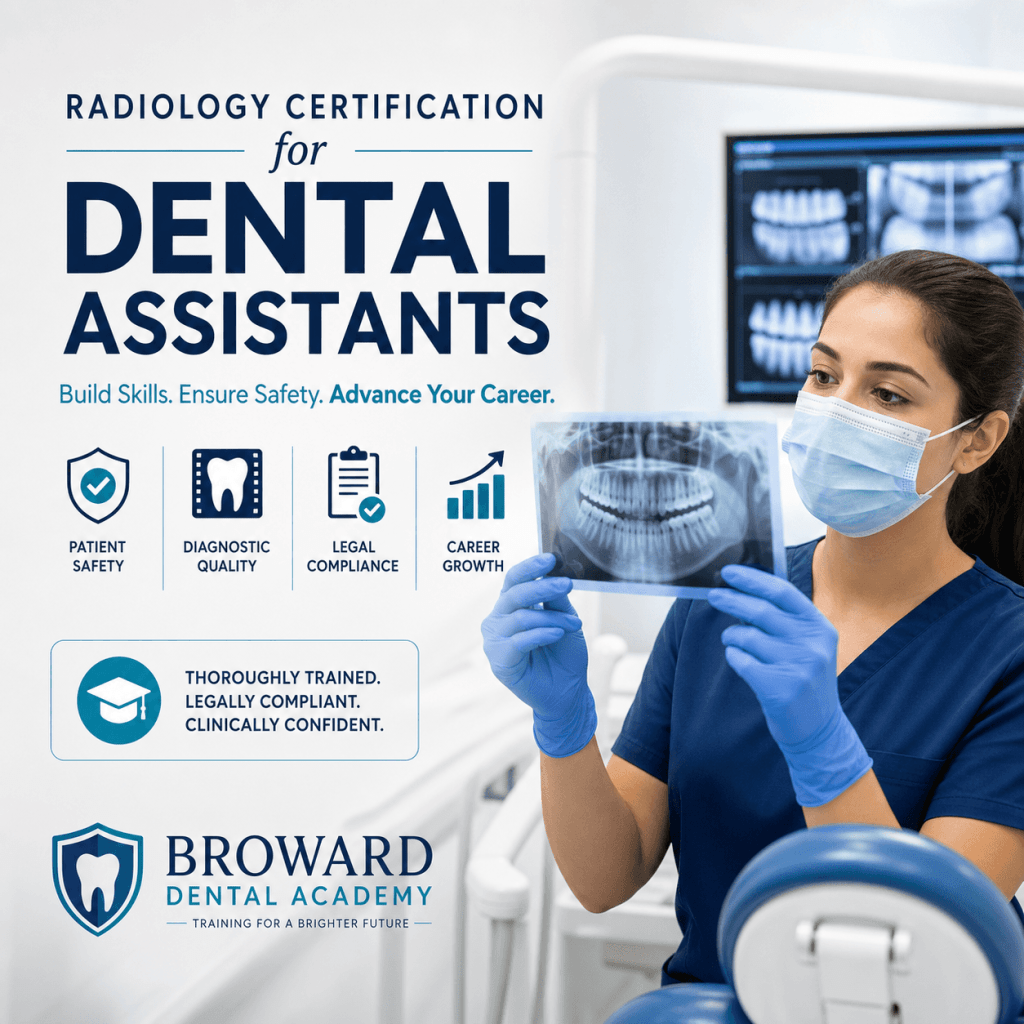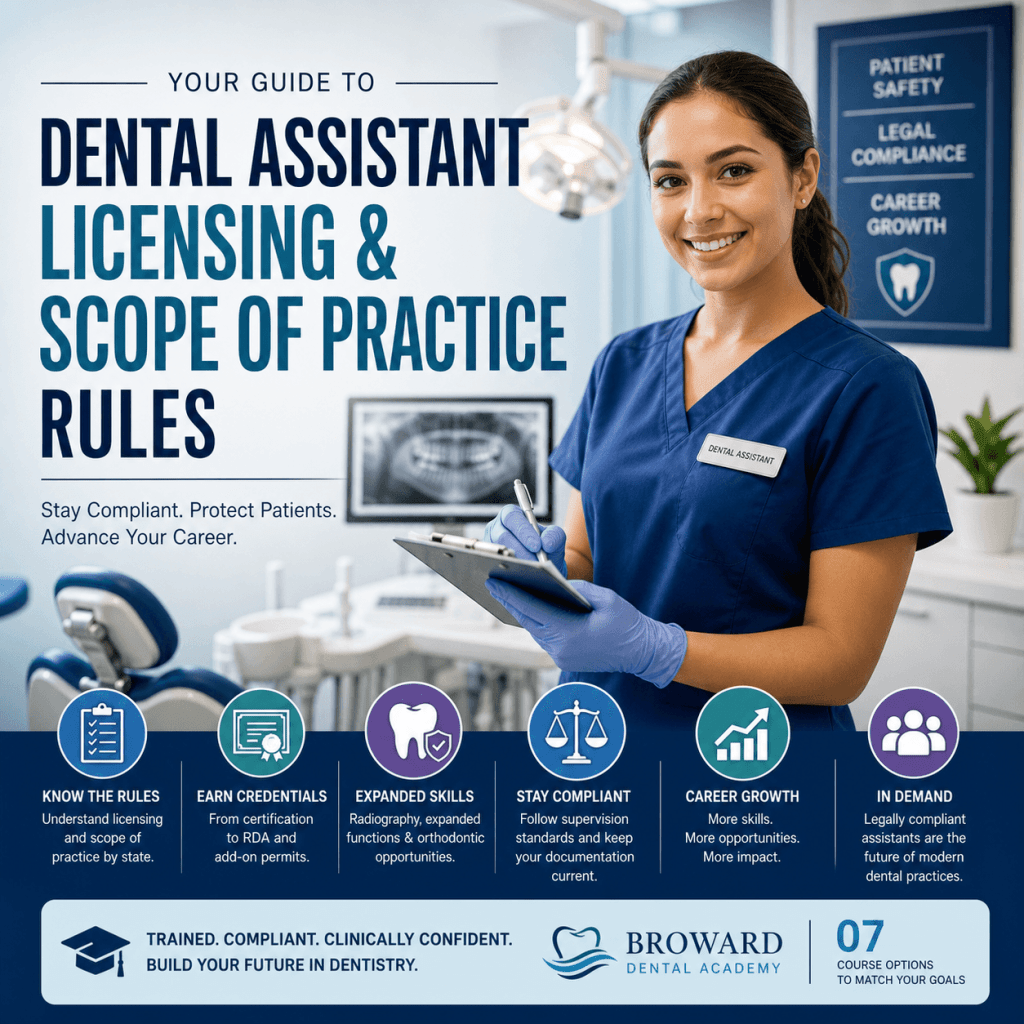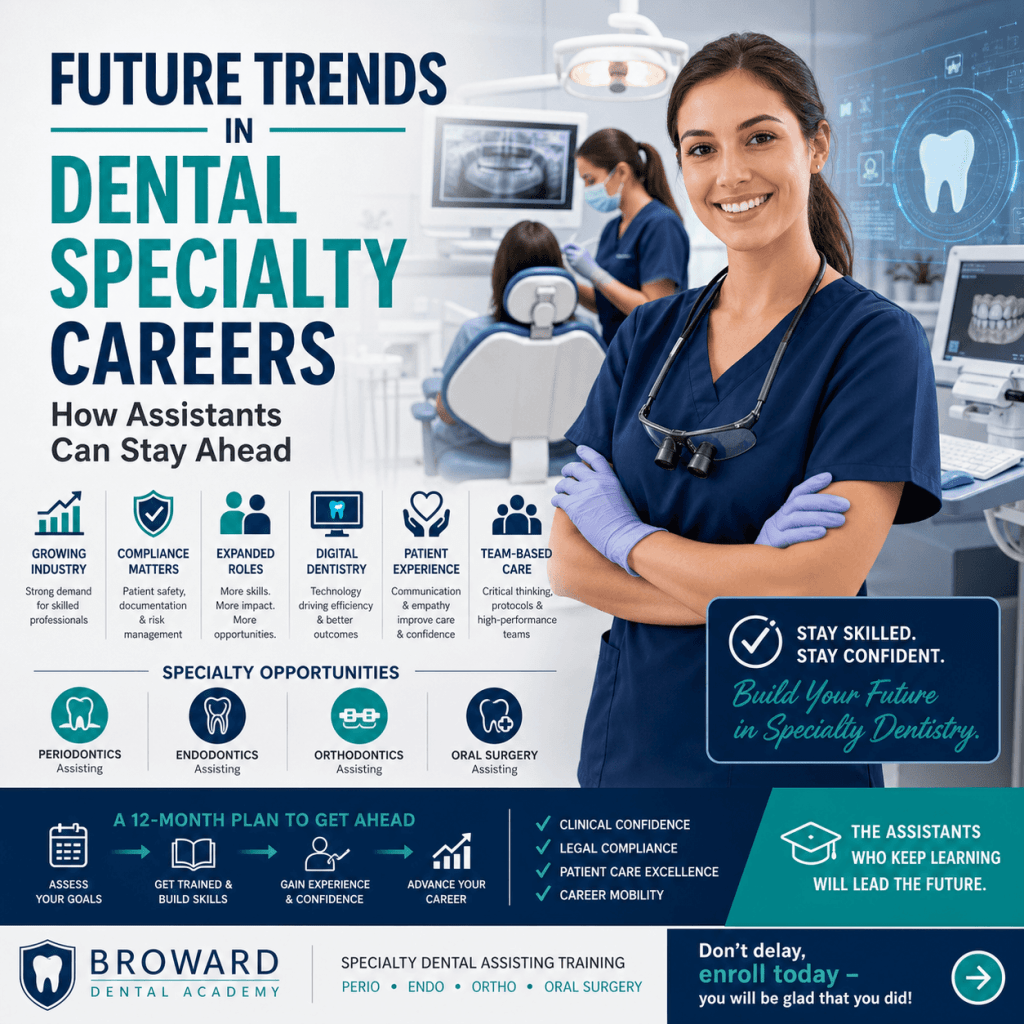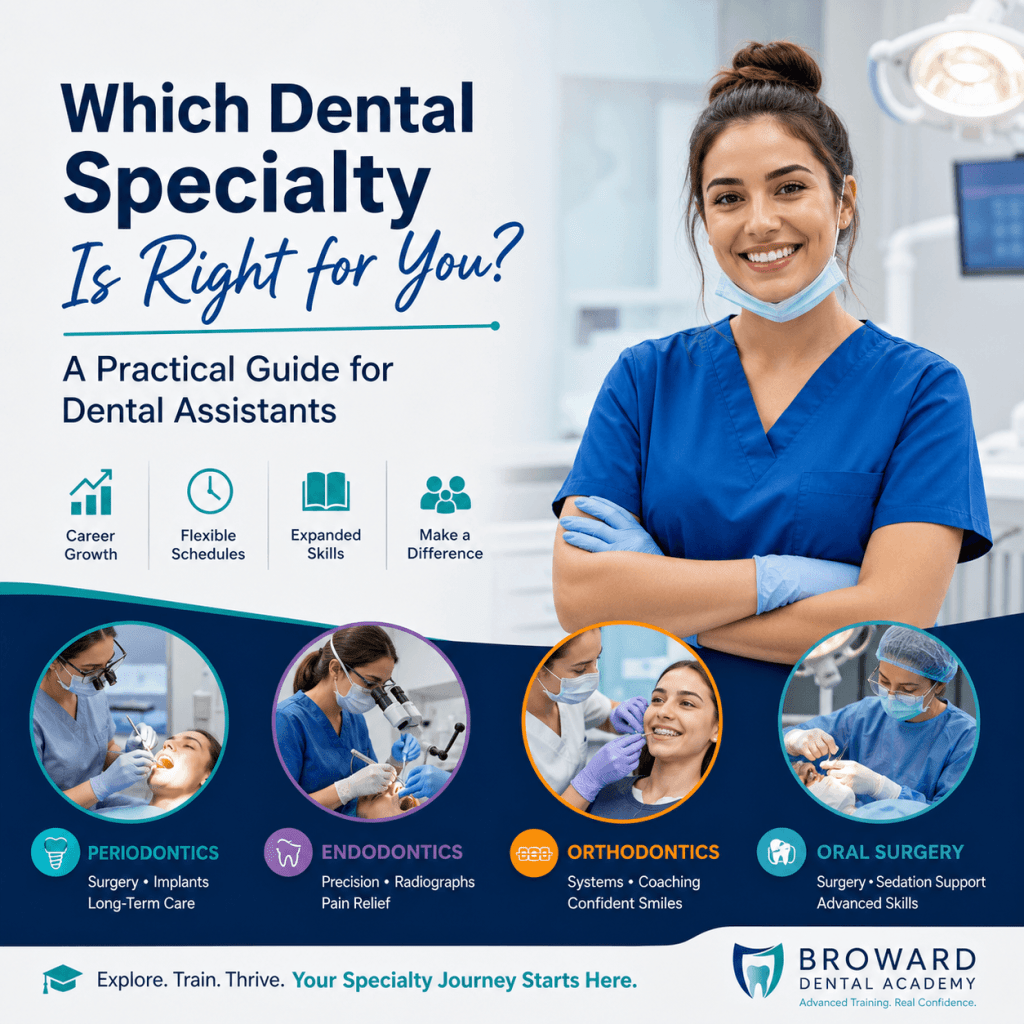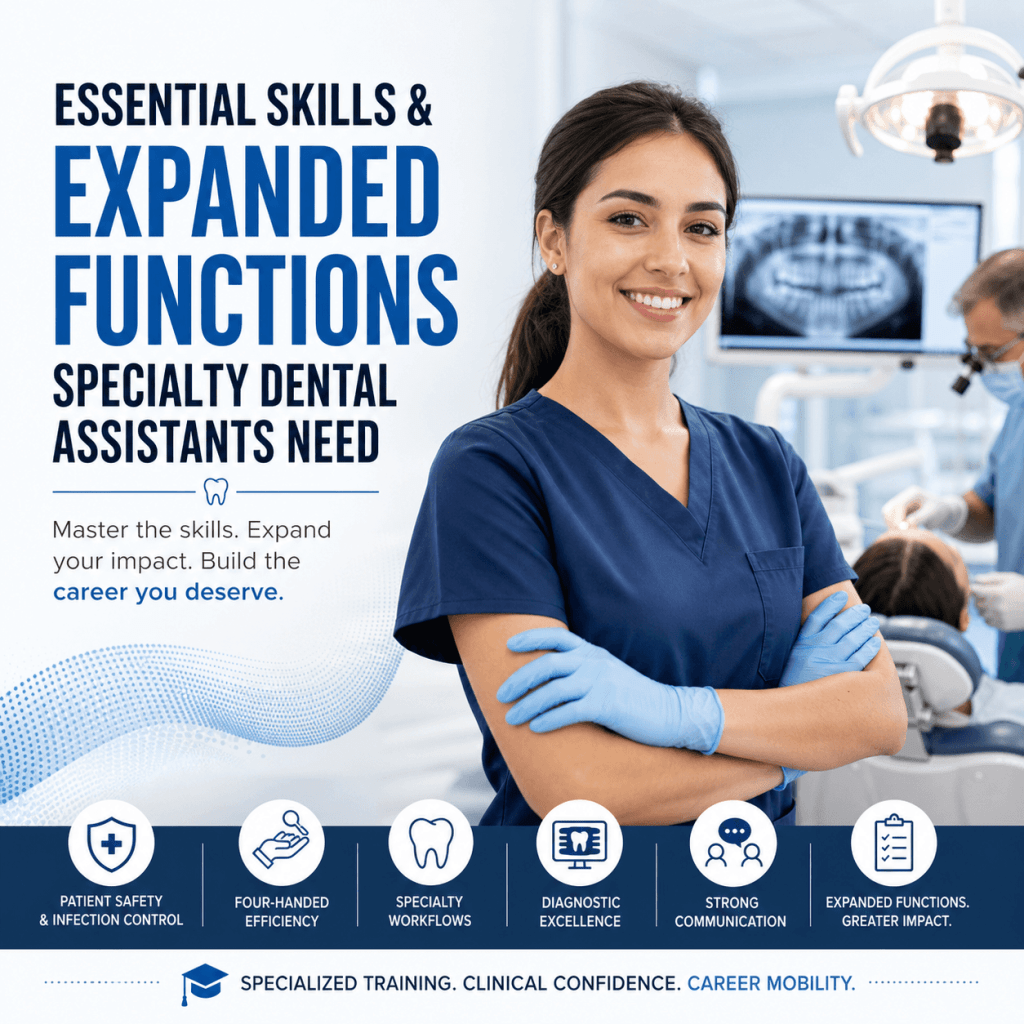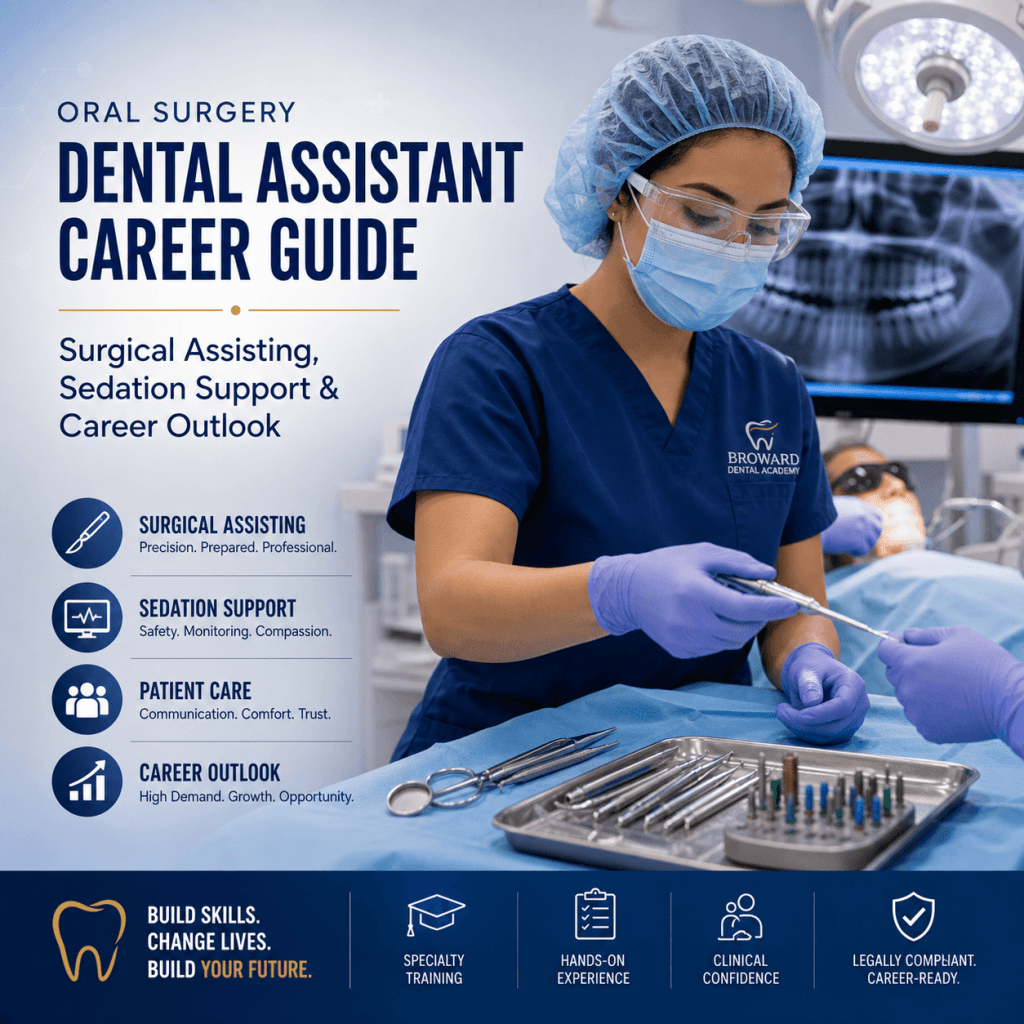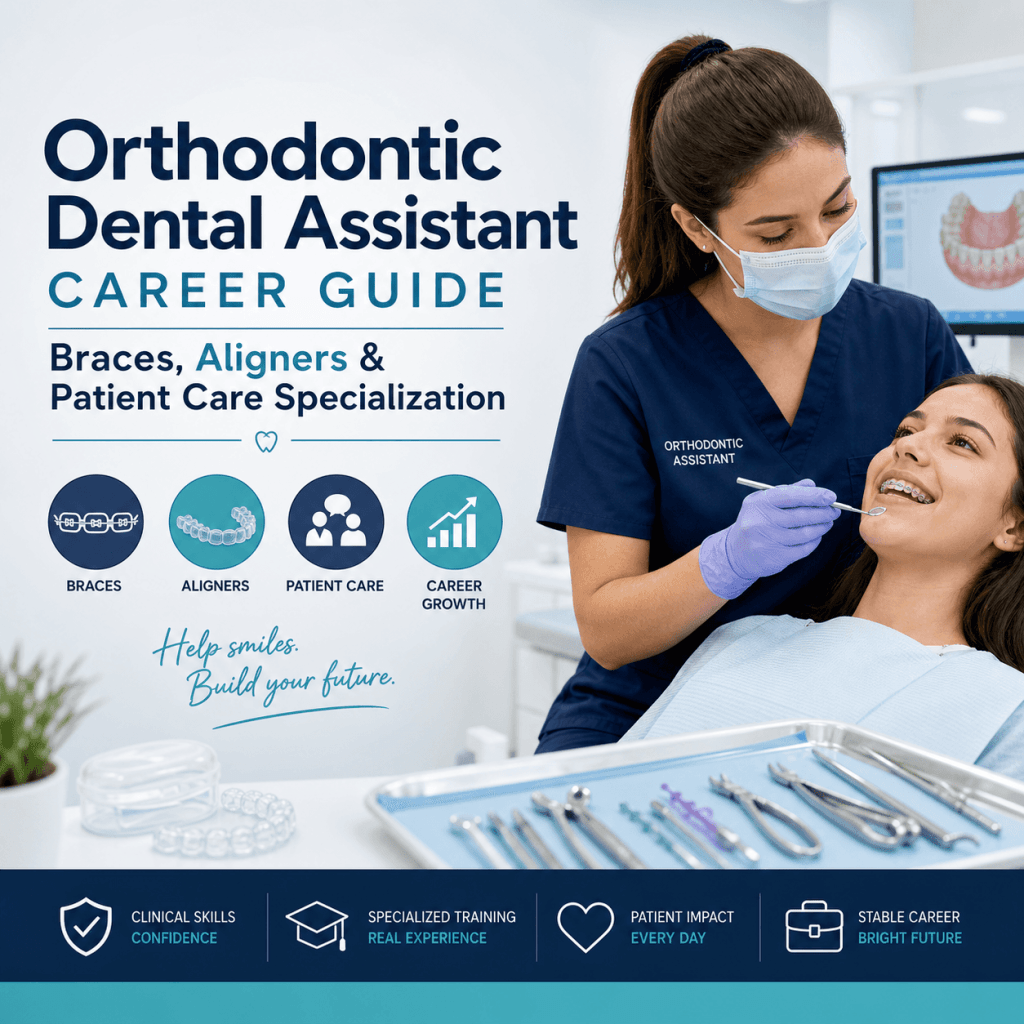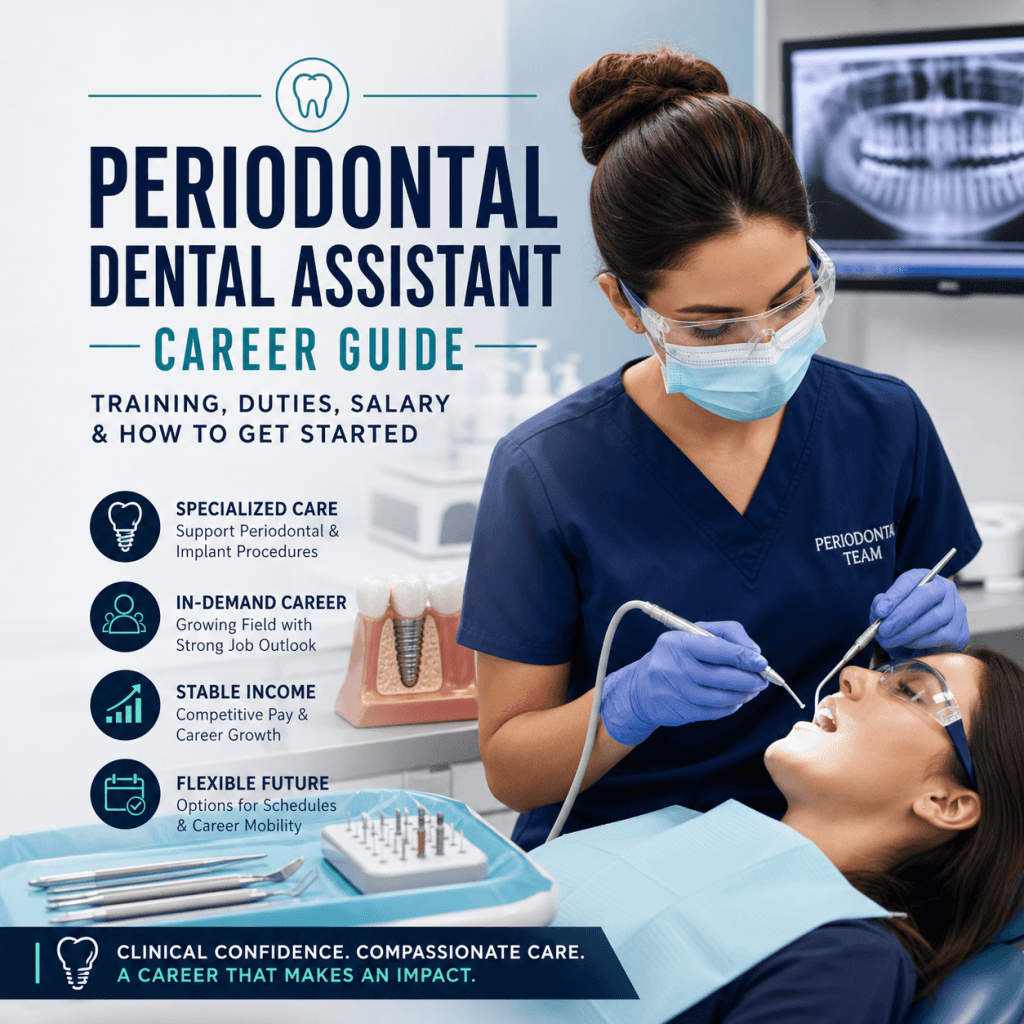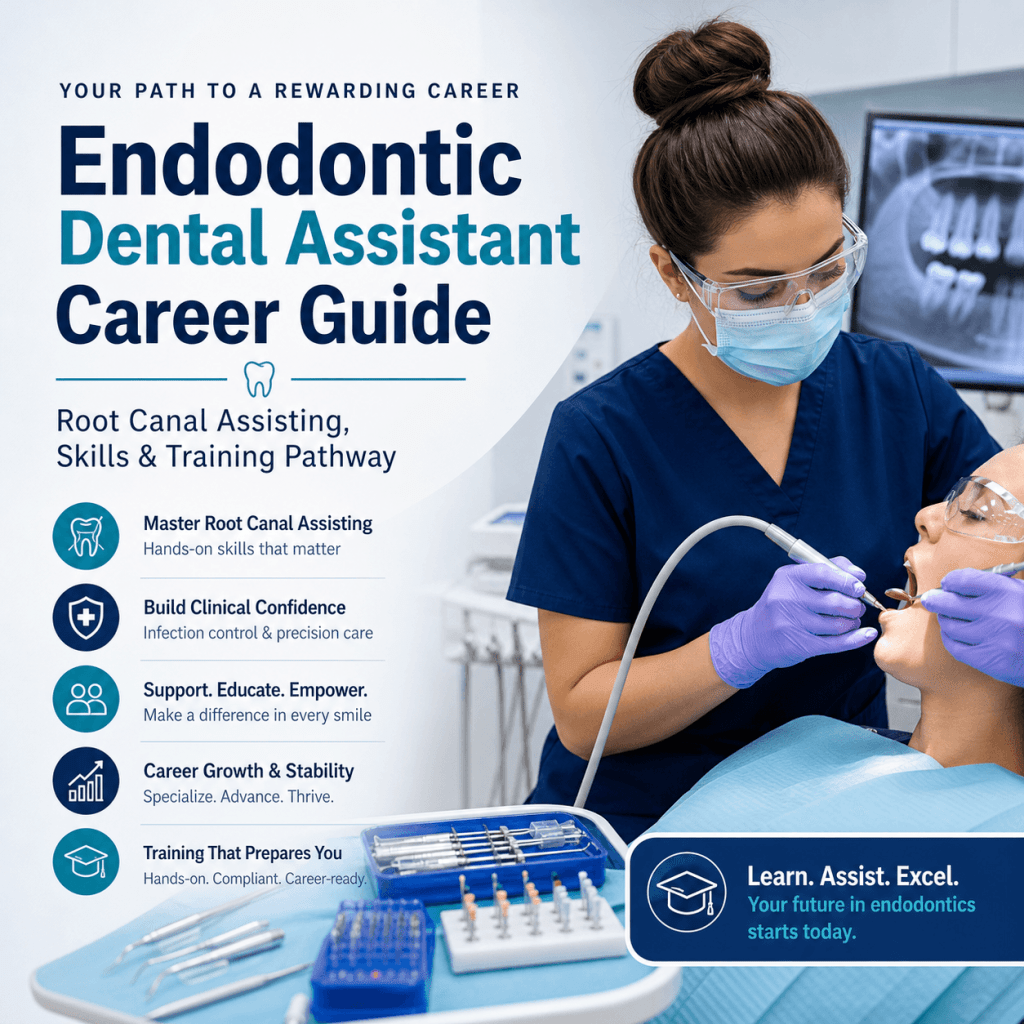
This guide provides a comprehensive overview of what an endodontic dental assistant does, the chairside responsibilities you’ll handle, the essential skills required, and the training pathway to become thoroughly trained, legally compliant, and clinically confident.
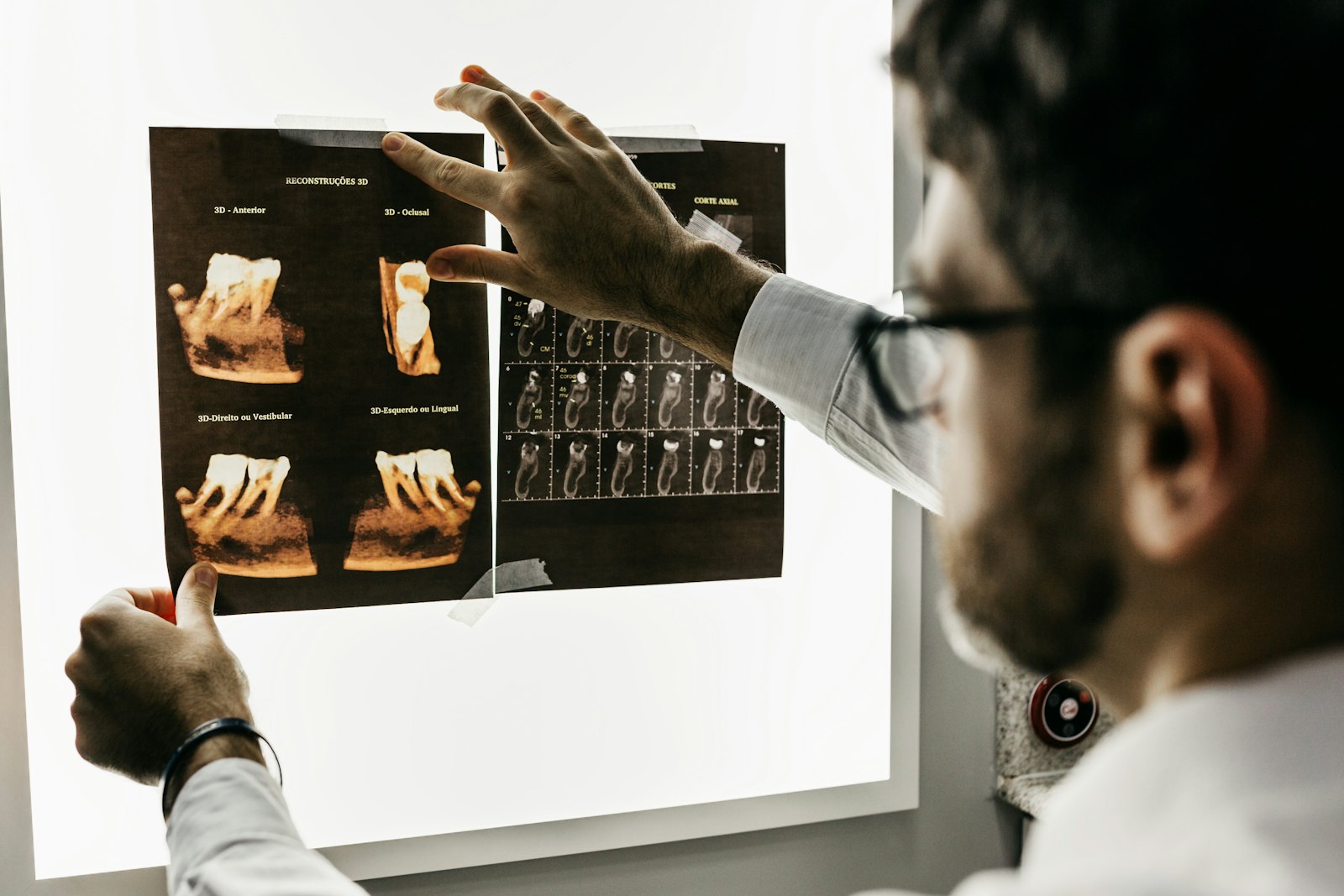
What an Endodontic Dental Assistant Does (and Why It’s a Strong Career Move)
An endodontic dental assistant supports an endodontist and the dental team during diagnosis and treatment involving the inside of the tooth, particularly during root canal therapy. This role is not just about “assisting in dentistry.” You are instrumental in delivering care in a specialty that focuses on saving natural teeth and relieving pain.
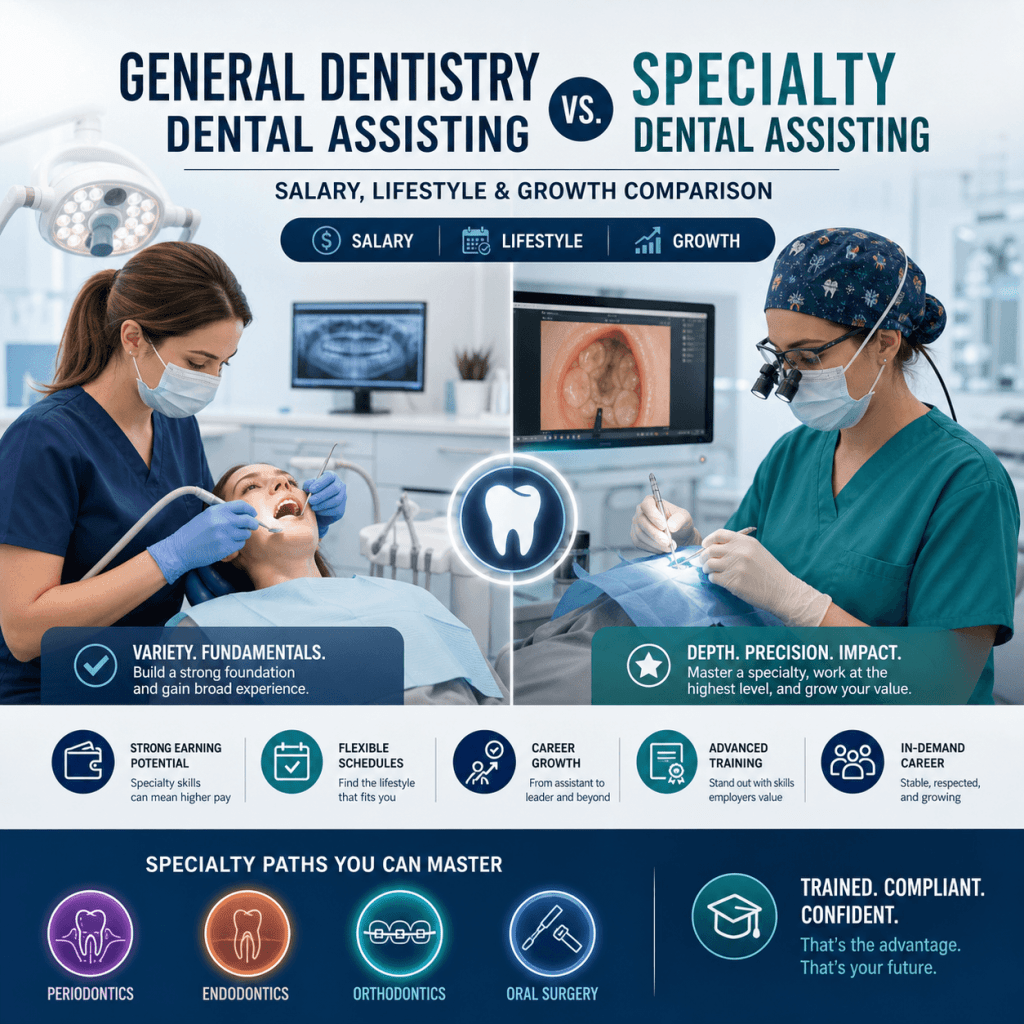
Understanding the Difference Between General Dentistry and Endodontics
General dentistry encompasses a wide range of routine care such as exams, cleanings, fillings, crowns, and preventive education. In contrast, endodontics is more focused and often more procedure-driven. It includes:
- Diagnosis of tooth pain related to the pulp and nerve
- Root canal treatment
- Retreatment of previously treated canals
- Apicoectomy (root-end surgery)
- Dental trauma cases (fractures, luxation injuries, emergency pain)
This focus significantly alters your daily routine. Many endo visits are high-need, time-sensitive, and comfort-centered.
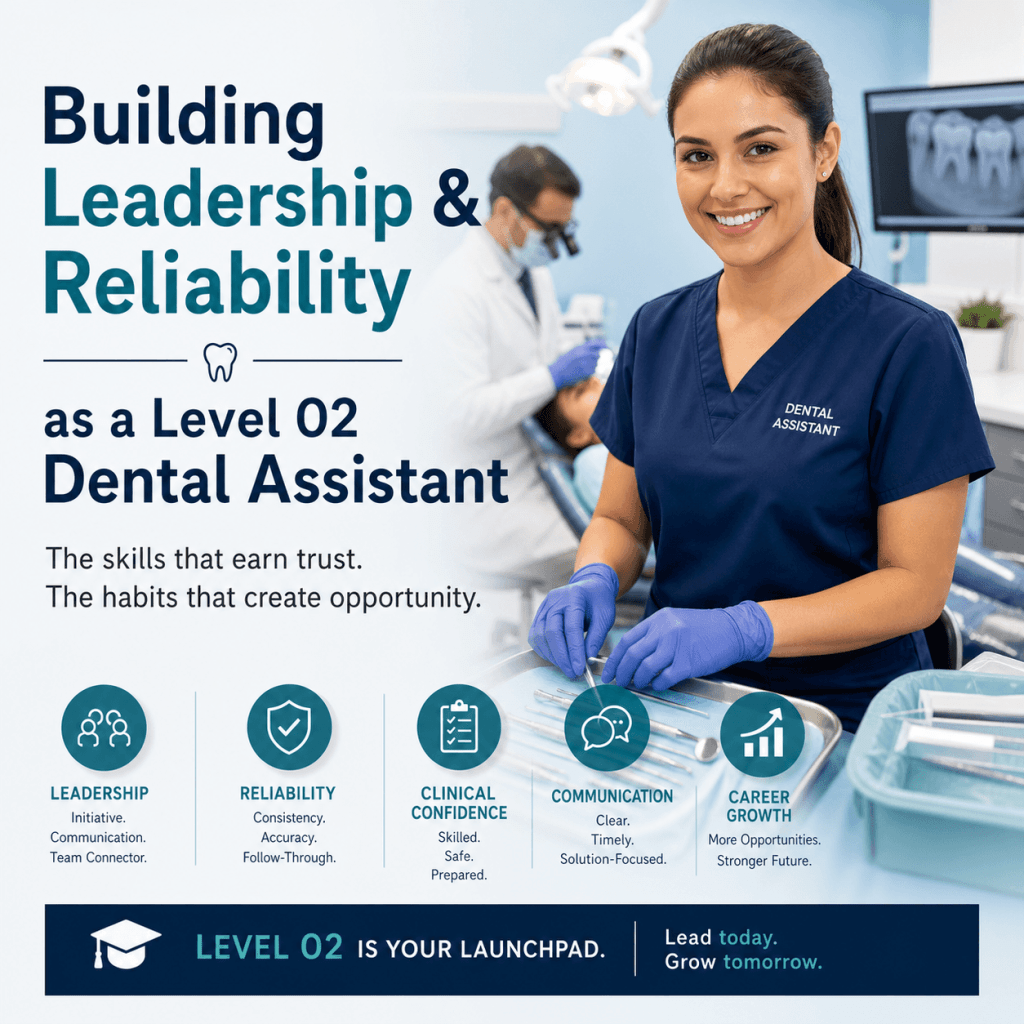
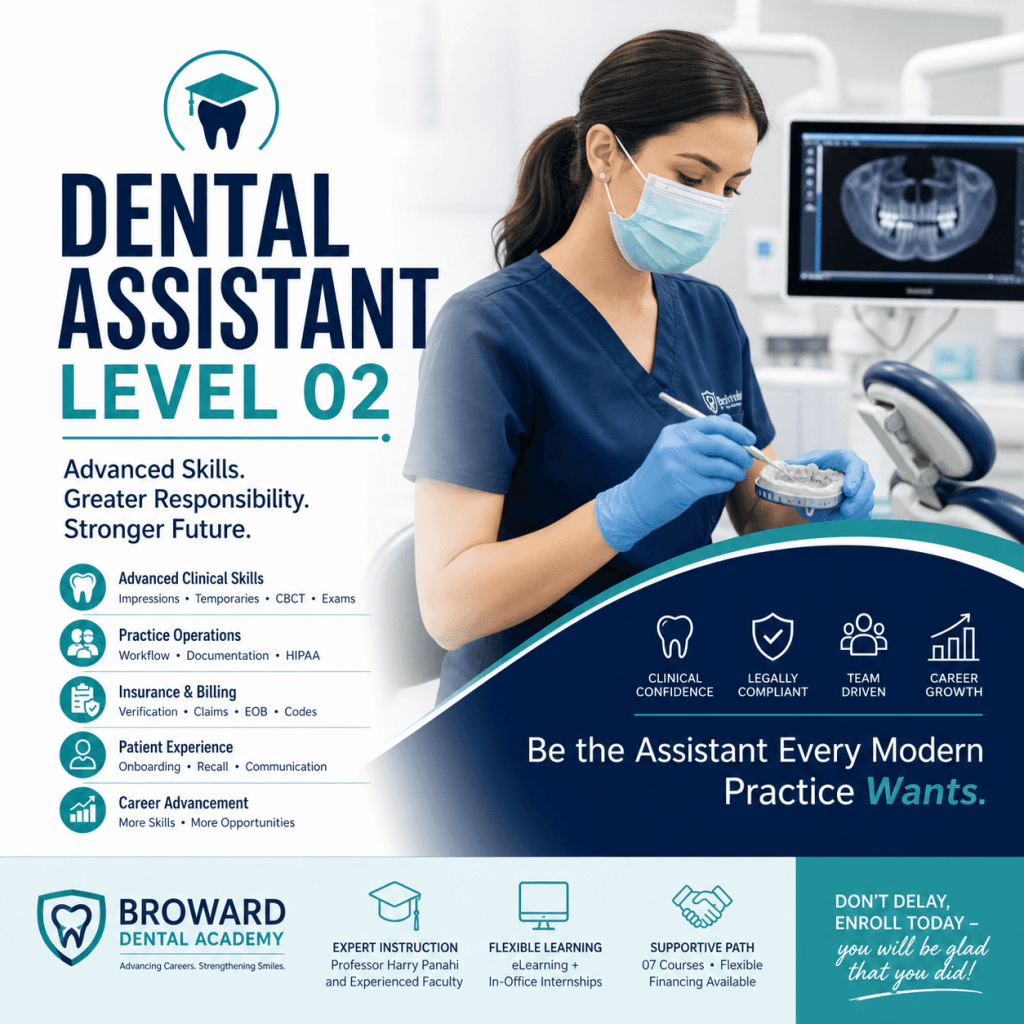
If you’re contemplating this career path, it’s crucial to undergo proper training to become thoroughly trained, legally compliant, and clinically confident. This specialized training equips you with the necessary skills to handle various responsibilities chairside effectively. Additionally, pursuing level 02 or even higher levels of dental assisting can further enhance your career prospects in this field.
Understanding the differences between a dentist and an endodontist, as well as familiarizing yourself with common misconceptions about root canal treatments and their benefits can also be beneficial. These insights can help you better support patients through their treatment journey.
What to expect in the role
Endodontic assisting is typically:
- Fast-paced
- Detail-heavy
- Patient-comfort focused
- Built on strong infection control and sterile technique
- Dependent on efficient setup and room turnover
If you like structure, clear steps, and becoming excellent at a specialized clinical flow, endo is a great fit.
Why many people choose this path
Endodontic assisting can be an attractive direction because dental careers tend to offer:
- Healthcare stability in a fast-growing industry
- A respected clinical role
- Career mobility across offices and specialties
- Flexible schedules in many practices
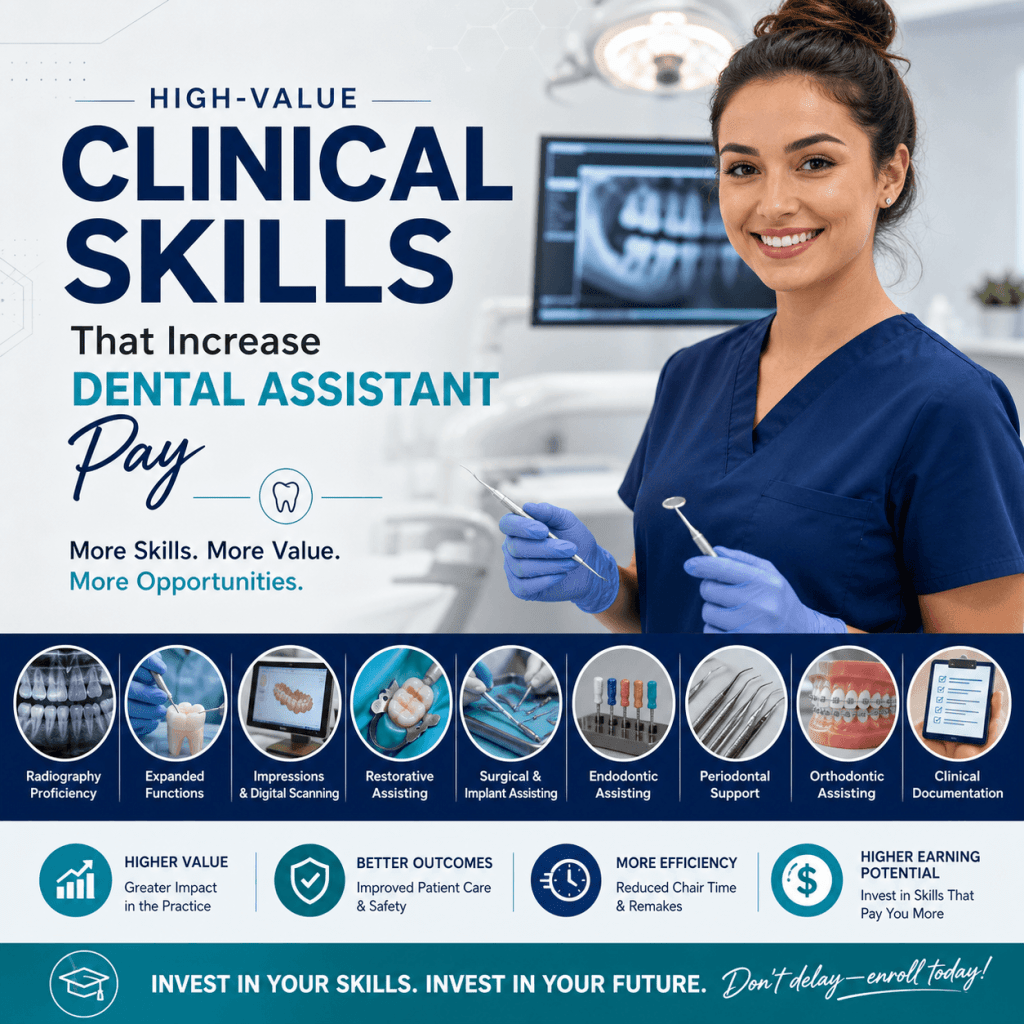
- Opportunities for expanded functions (where permitted by state rules and employer policy)
And here is the hiring reality: specialty practices want assistants who can step in prepared. The more thoroughly trained, compliant, and confident you are, the more valuable you become to an endodontic team. To gain such thorough training, consider exploring the courses offered at Broward Dental Academy.
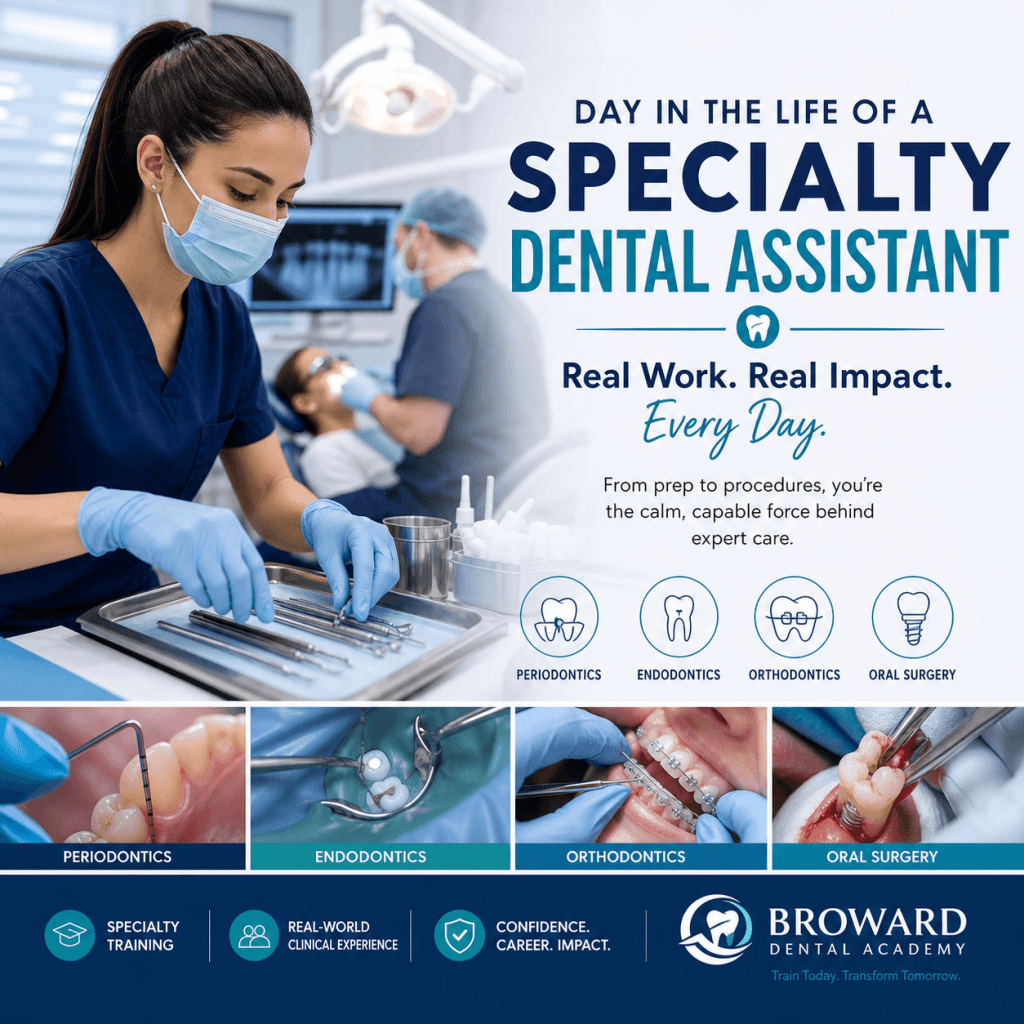
A Day in the Operatory: Root Canal Assisting Step-by-Step
A root canal appointment can feel intense for patients, even when everything is routine clinically. Your job is to help the day run smoothly, keep the field clean and organized, and support a calm patient experience.
A typical flow looks like this:
Check-in → Rooming → Pre-op setup → Procedure assistance → Post-op instructions → Room turnover
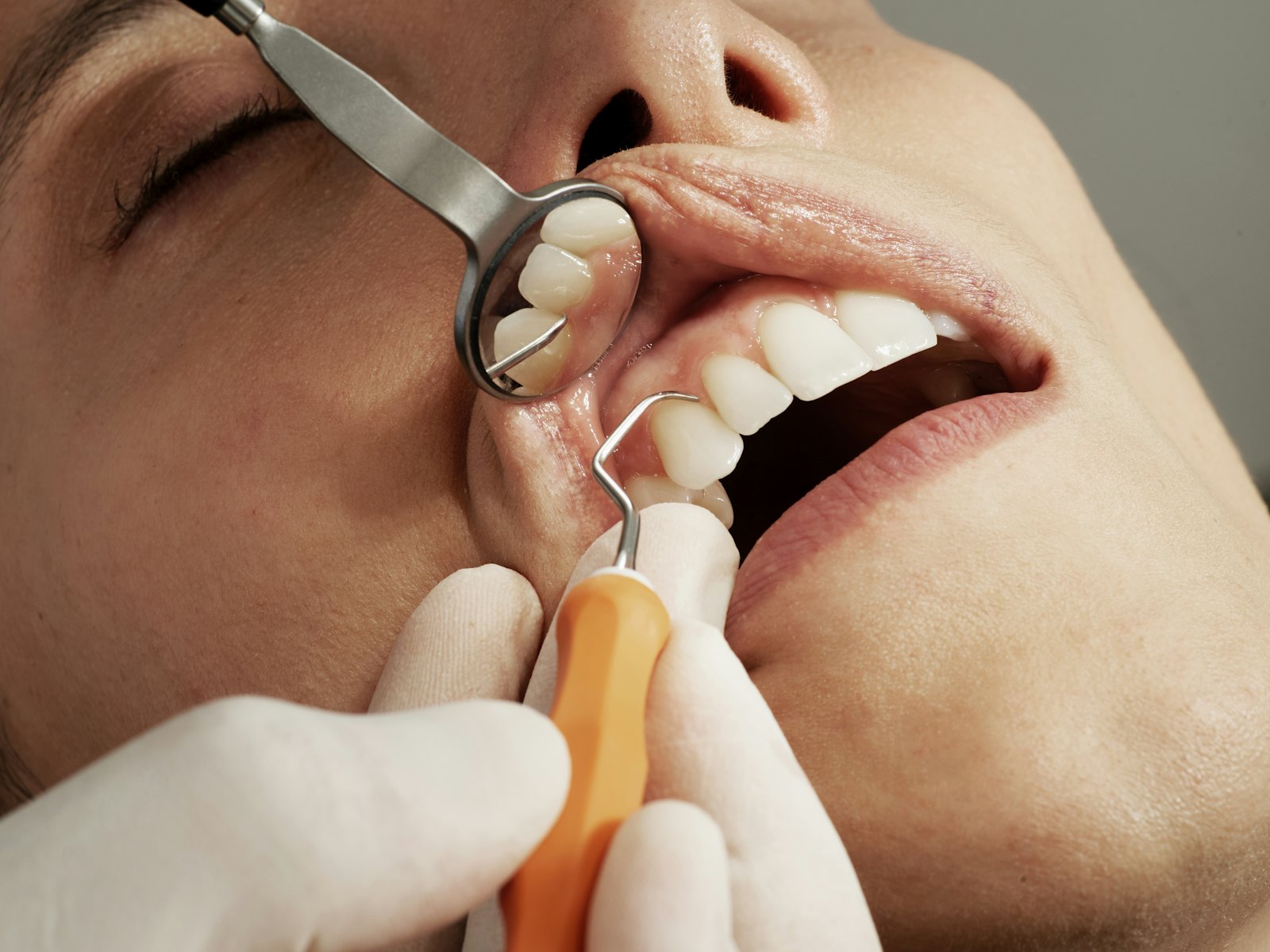
In case you’re considering where to start your journey in this field, Broward Dental Academy offers comprehensive training programs. With multiple locations available, it’s easier than ever to find a suitable place to kickstart your career in dental assisting.
One of the critical aspects of your role will be mastering the art of infection control during procedures such as root canals. This not only ensures patient safety but also contributes significantly to the overall success of the treatment.
1) Check-in and rooming
You may help welcome the patient, confirm basic information, and guide them to the operatory. Many endo patients arrive anxious or in pain, so tone matters. A steady, professional presence goes a long way.
2) Pre-op responsibilities
Depending on your office policy and what your training and state rules allow, pre-op tasks often include:
- Reviewing health history prompts and noting changes to report to the doctor
- Confirming the practice’s consent workflow
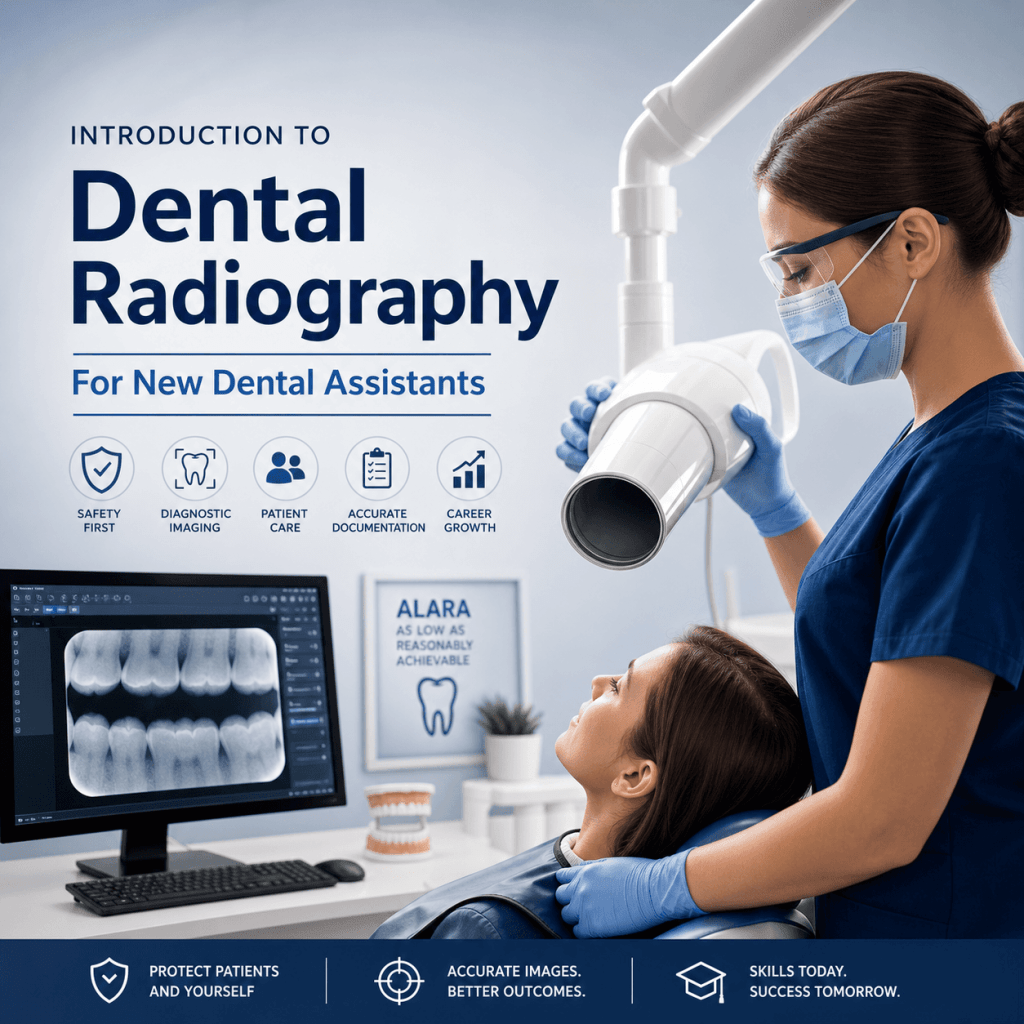
- Taking or preparing radiographs (if trained/allowed)
- Pulling relevant clinical notes and case details for the doctor
- Ensuring required items are ready for the planned procedure
Your goal is simple: no surprises once the doctor begins.
3) Operatory setup (endo-specific)
Endodontics is procedural and sequence-driven, so setup quality matters. Common setup tasks include:
- Organizing the tray in procedure order
- Preparing a sterile cassette
- Ensuring rubber dam supplies are complete and within reach
- Setting up irrigant delivery per office protocol
- Confirming suction and isolation tools are ready
- Checking that the room has the correct disposable items, barriers, and PPE
When setup is consistent, the whole appointment becomes smoother.
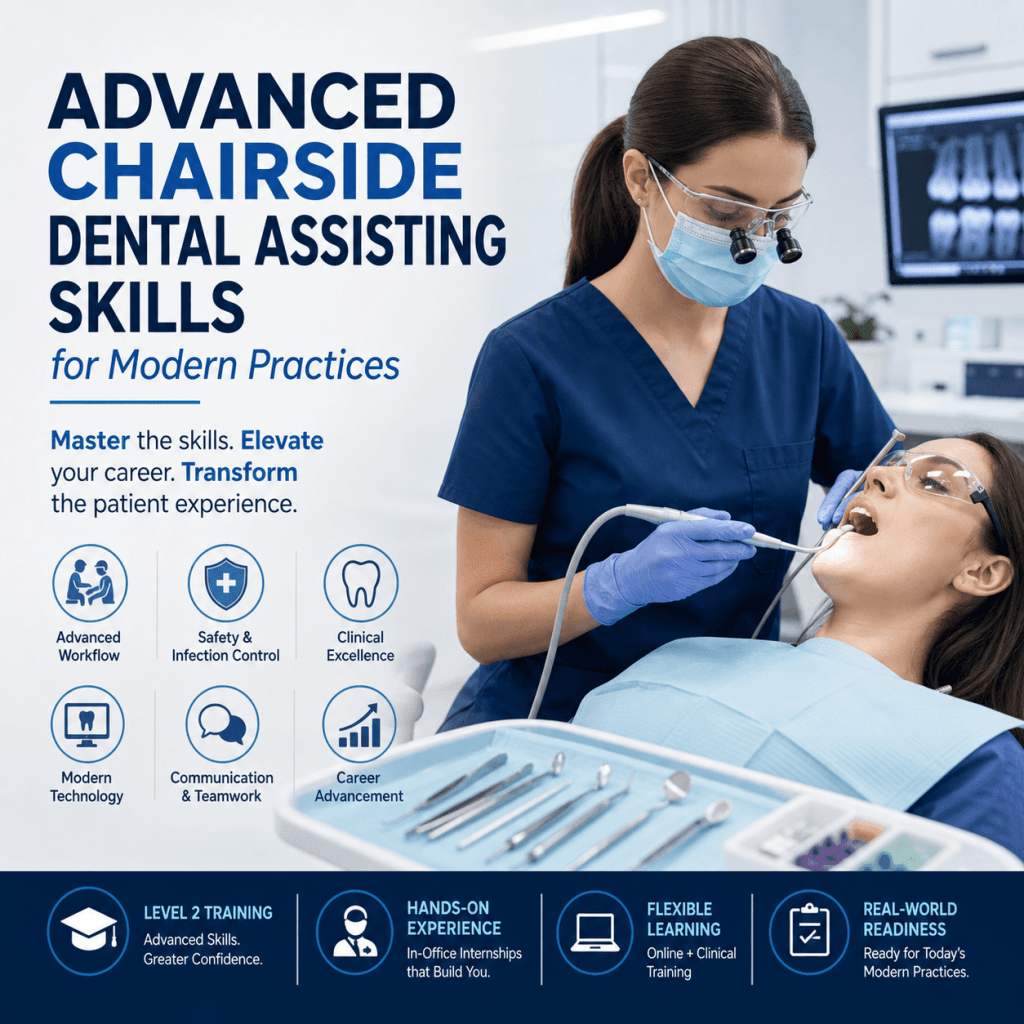
4) Chairside assisting during endodontic treatment
During the procedure, you support the doctor by:
- Passing instruments efficiently
- Maintaining a clear, dry field with suction and isolation
- Supporting rubber dam placement and patient comfort
- Staying alert to what will be needed next
- Documenting treatment details and materials, including lot numbers if required by the practice
In endo, small delays can add up quickly. Your ability to anticipate the next step is one of your biggest strengths.
5) Post-op support and instructions
After the procedure, you may help with:
- Setting up temporization materials as directed by the doctor
- Reinforcing post-op instructions in a calm, simple way
- Scheduling follow-up or recall based on the practice’s process
- Supporting a nervous patient and answering basic workflow questions within your role
Patients often remember how they were treated emotionally, not just clinically. Endo assistants who can reduce fear are highly valued.
For more detailed guidance on post-operative care, you might find these frequently asked questions helpful.
6) Room turnover
Fast, safe turnover is a major part of endodontic efficiency:
- Proper instrument transport to sterilization
- Surface disinfection and barrier replacement
- Restocking and resetting for the next patient
- Confirming sharps disposal and incident protocols if needed
Speed matters, but never at the expense of safety.
Core Skills That Make You Great in an Endo Office
Endodontic assisting rewards assistants who are steady, precise, and consistent.
Clinical precision
- Maintaining sterility and clean-to-dirty flow
- Anticipating the next step in a root canal sequence
- Accurate charting and clear documentation
Radiography comfort
You do not need to “love” X-rays on day one, but you do need to be comfortable with:
- Patient positioning
- Capturing diagnostically useful images
- Minimizing retakes through good technique and communication
- All within your allowed scope.
Time management
Endo schedules can be tight. The goal is efficient, not rushed.
- Quick room turnover
- Reliable setups
- Smooth transitions between patients
Team communication
Endodontic teams rely on concise communication:
- Clear handoffs
- Confirming materials and readiness
- Speaking up when something is missing or compromised
Professionalism and scope awareness
- Confidentiality and ethical behavior
- Respecting role boundaries
- Following office policy and state rules consistently
These habits build trust quickly, which is what leads to more responsibility and growth.
Tools and Materials You’ll Commonly Handle in Endodontics
A big part of becoming confident is simply knowing what you will touch every day and how it flows through the operatory.
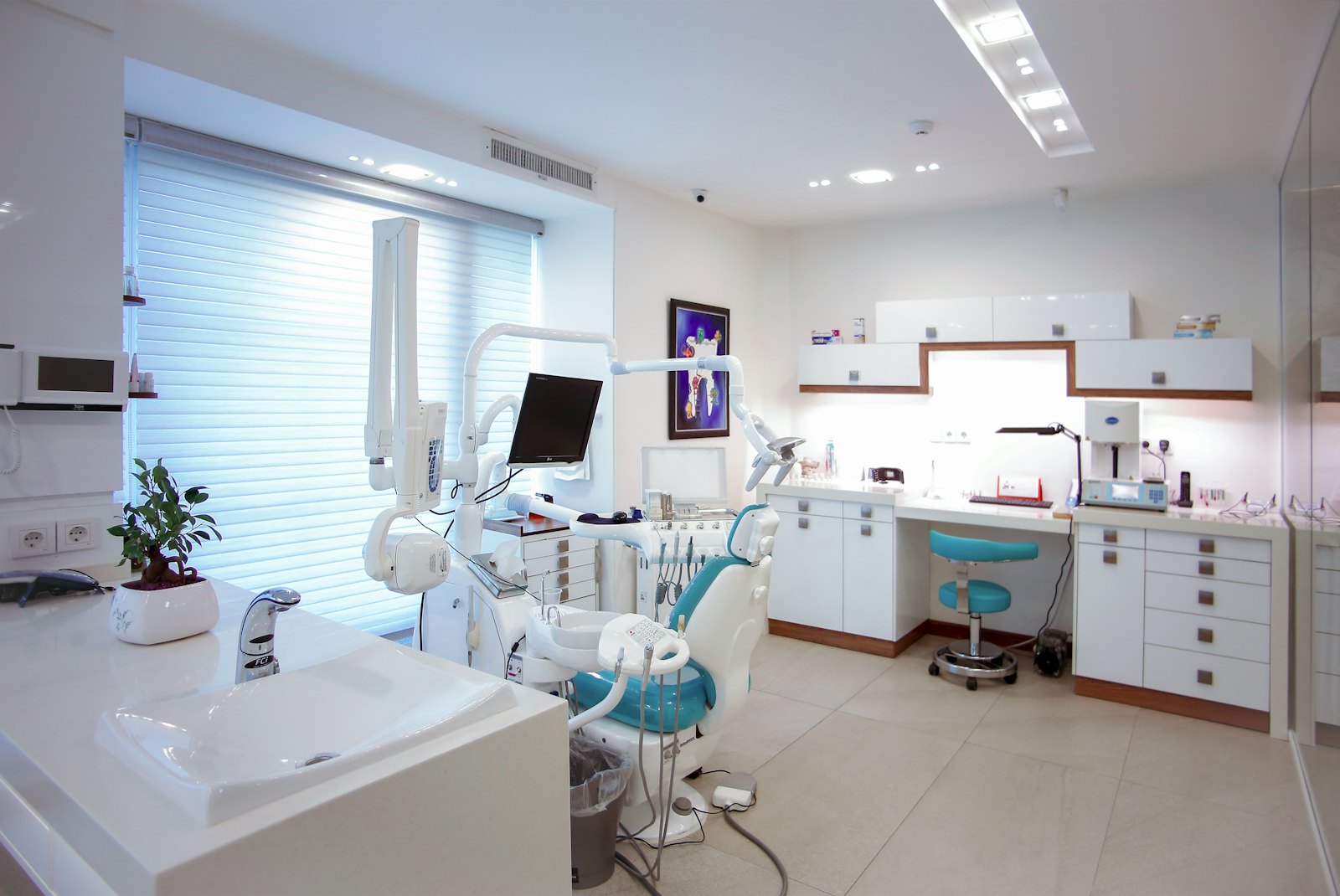
Basic endo armamentarium (assistant-facing)
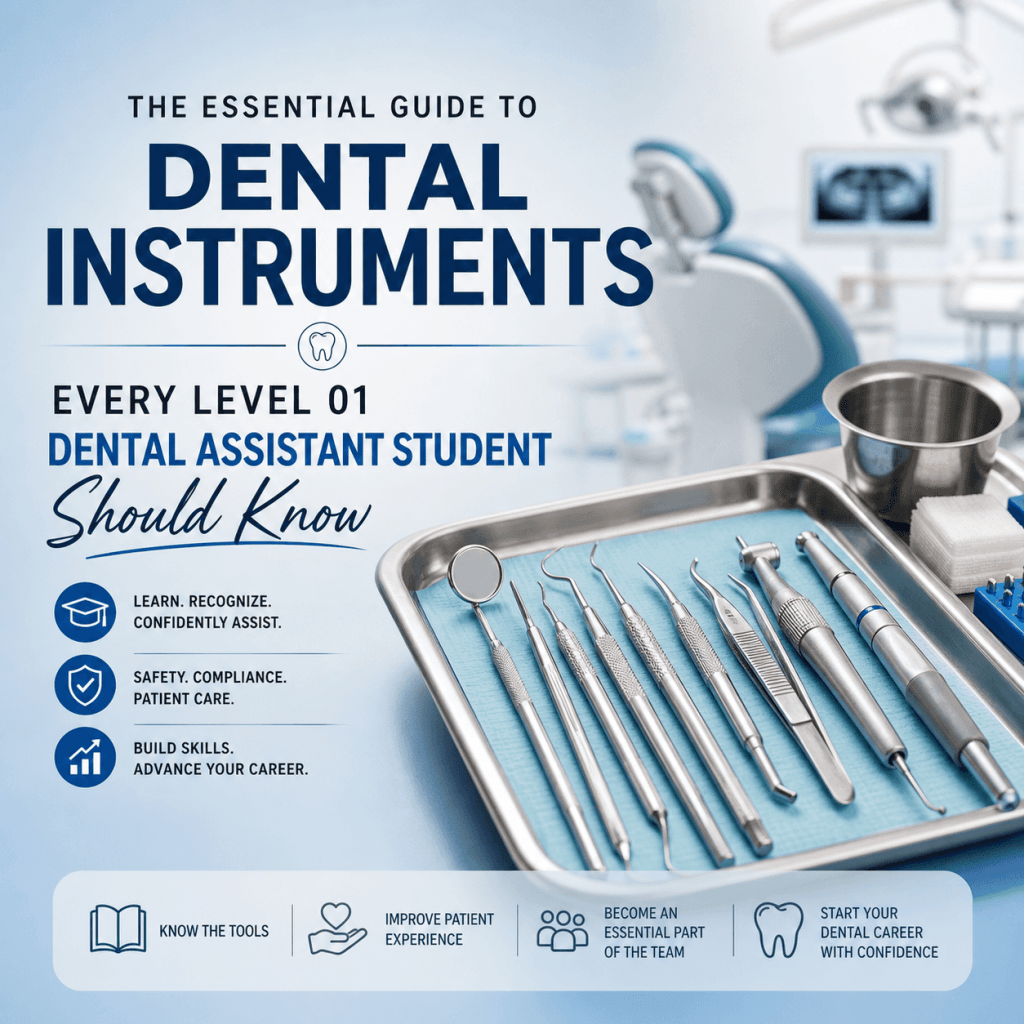
You will commonly handle and prepare items like:
- Rubber dam supplies (dam sheets, frame, punch, clamps, forceps)
- Irrigating syringes and delivery tips per office protocol
- Suction tips and isolation tools
- Paper points and gutta-percha handling (as directed)
- Temporary materials used post-procedure (as directed)
- Barriers, gauze, cotton products, and chairside disposables
You do not need to memorize every brand or variation. You do need to understand how the room is standardized in your office so you can set up the same way every time.
Sterilization and organization
Instrument management is often where new assistants either shine or struggle. Strong endo assistants understand:
- How endo cassettes are organized
- Labeling and tracking expectations
- The instrument flow from dirty to sterile
- How to avoid cross-contamination and reduce errors
Imaging and diagnostics support
Many endodontic offices rely heavily on imaging. Your role may include supporting digital workflows, preparing the patient, and capturing the images you are trained and permitted to take.
Safety focus (always)
You will be expected to follow strict safety habits around:
- Sharps management
- Basic chemical handling expectations for irrigants
- PPE use and compliance
- Spill or incident protocols based on office policy
Training Pathway: How to Become an Endodontic Dental Assistant
There is a difference between being “a dental assistant” and being ready for a specialty workflow.
Start with the baseline
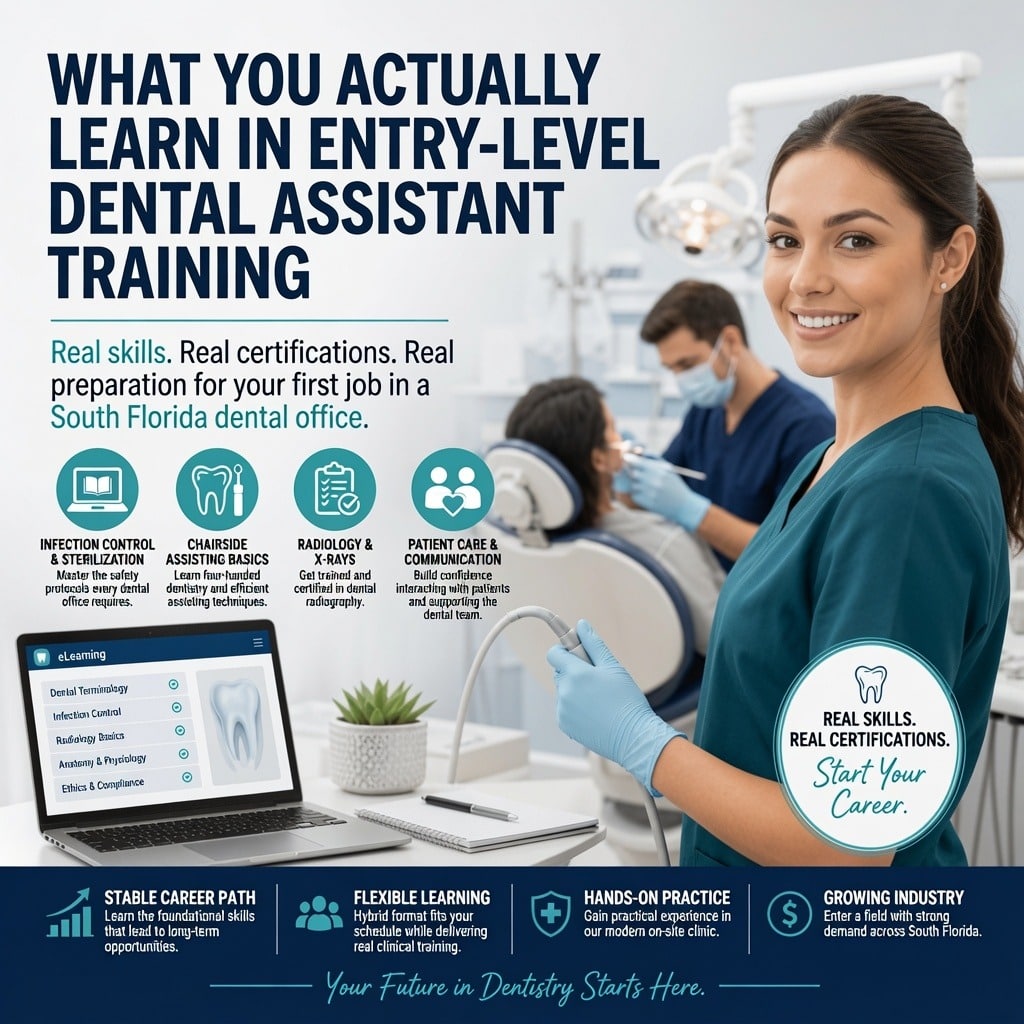
Most people begin with foundational dental assisting education and core clinical skills such as:
- Chairside assisting basics
- Infection control and sterilization
- Radiography fundamentals (where permitted)
- Charting and documentation habits
- Patient communication
Add the specialty layer (endo-specific)
Endodontic assisting training builds specialty readiness, including:
- Root canal operatory setup
- Rubber dam readiness and workflow support
- Procedure pacing and instrument passing flow
- Post-op processes and patient comfort support
What “legally compliant” training looks like
Being compliant is not just a phrase. It means you learn:
- Protocols and safety standards
- Documentation practices that reduce risk
- Scope boundaries and how to follow office policy
- When to ask questions and how to escalate appropriately
Why hands-on training matters
Endodontic assisting is learned fastest in real or realistic clinical environments. Hands-on chairside practice helps you understand:
- Real operatory flow
- How to work under time expectations
- How modern practices actually operate day-to-day
More practices want assistants who can step in prepared and contribute quickly, without cutting corners.
Expanded Functions, Certifications, and Career Growth (What to Ask Before You Enroll)
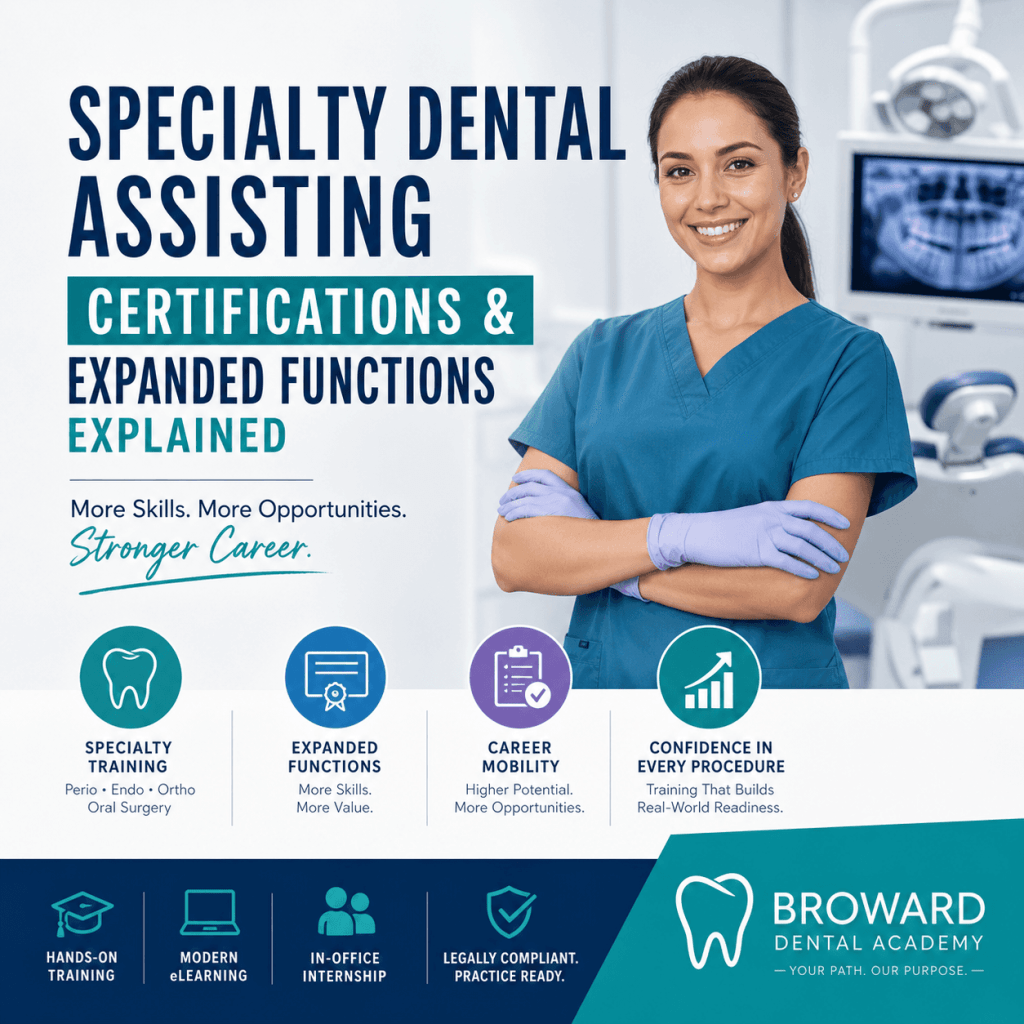
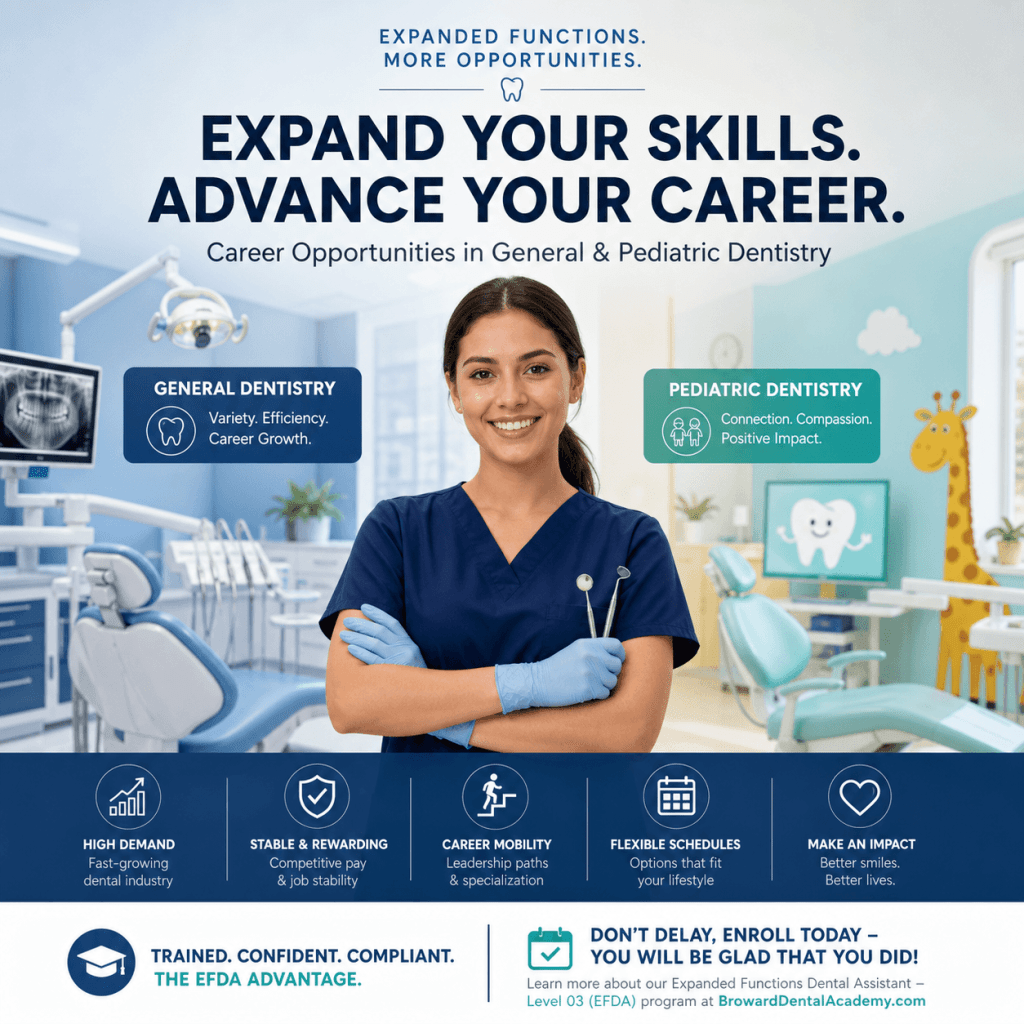
“Expanded functions” typically refers to additional duties that may be allowed depending on your state’s dental board rules and your employer’s policies.
Because these rules vary, a smart move is to check:
- Your state dental board requirements
- The expectations of the offices you want to work in
- Whether your training pathway supports the duties you are aiming for
What growth can look like over time
Endodontic assisting can lead to roles such as:
- Lead assistant
- Specialty assistant with advanced responsibilities
- Clinical trainer within a practice
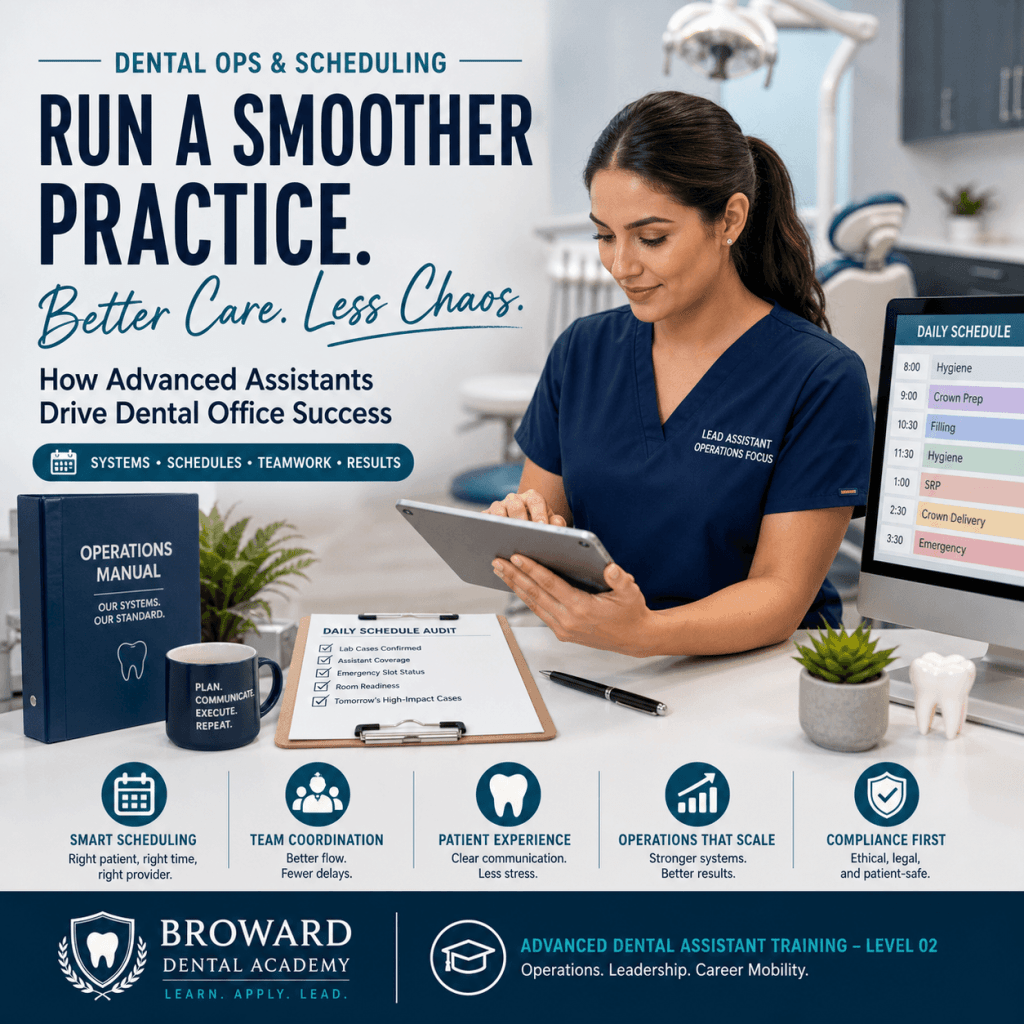
- Front office or treatment coordination roles
- Cross-training into other specialties like perio, ortho, or oral surgery
Stacking skills tends to increase employability over time, and it can improve your earning potential as you become more valuable to a high-performance practice (without any need for unrealistic promises).
Obtaining relevant certifications can significantly enhance your qualifications and open up more opportunities for career advancement.
What Employers Look For in an Endodontic Assistant (and How to Stand Out)
Specialty practices want assistants who are prepared, dependable, and calm under pressure.
Top differentiators hiring teams notice quickly
- Excellent infection control habits
- Smooth setup and turnover
- Patient communication that reduces anxiety
- Accurate documentation and attention to detail
Professional readiness matters
- Punctuality and consistency
- Ethical decision-making
- Comfort receiving feedback and improving fast
- A steady presence when the schedule is full
Interview readiness: what you should be able to explain
If you want to stand out in an interview, be prepared to describe:
- A basic root canal assisting workflow from setup to turnover
- Your sterilization flow (dirty to sterile, tracking habits)
- How you help an anxious or pain-based patient feel more comfortable
You do not need to sound like a dentist. You need to sound prepared.
Why Specializing in Endodontics Can Be a Smart Long-Term Choice
Specialty training, such as Endodontics, can be a strong anchor in a growing healthcare industry. It offers a clear role, repeatable systems, and meaningful patient impact because you are helping people move from pain and fear to relief.
Many endo practices also offer a lifestyle fit that assistants appreciate:
- Often predictable clinical routines
- Often flexible schedules
- Work that feels specialized and respected
And long term, specialty experience can open doors. Once you have proven you can handle a demanding clinical workflow with professionalism and safety, it becomes easier to grow into advanced roles or move into other specialties.
Specialty Dental Assisting Training at Broward Dental Academy (Endo-Focused, Career-Ready)
If you want to train for real practice expectations, Broward Dental Academy offers specialty dental assisting training designed to help students become thoroughly trained, legally compliant, and clinically confident.
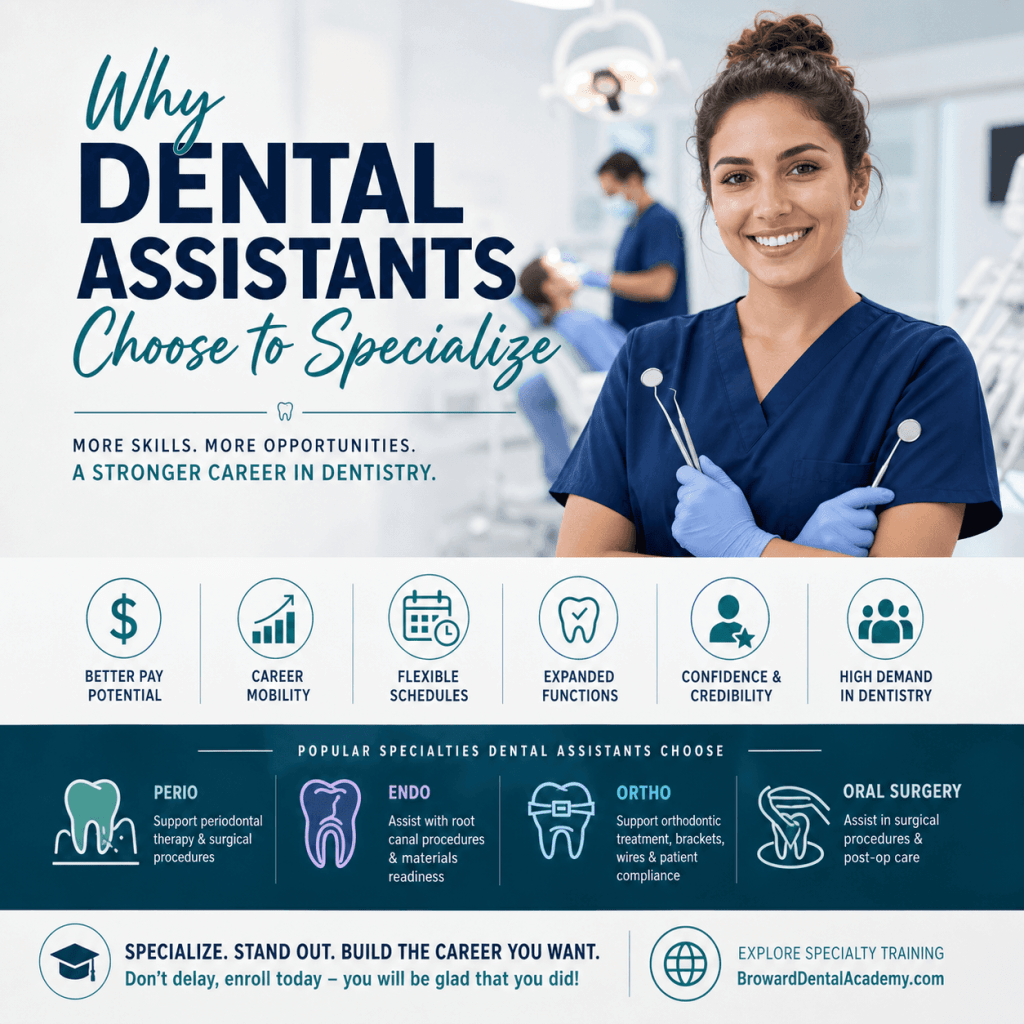
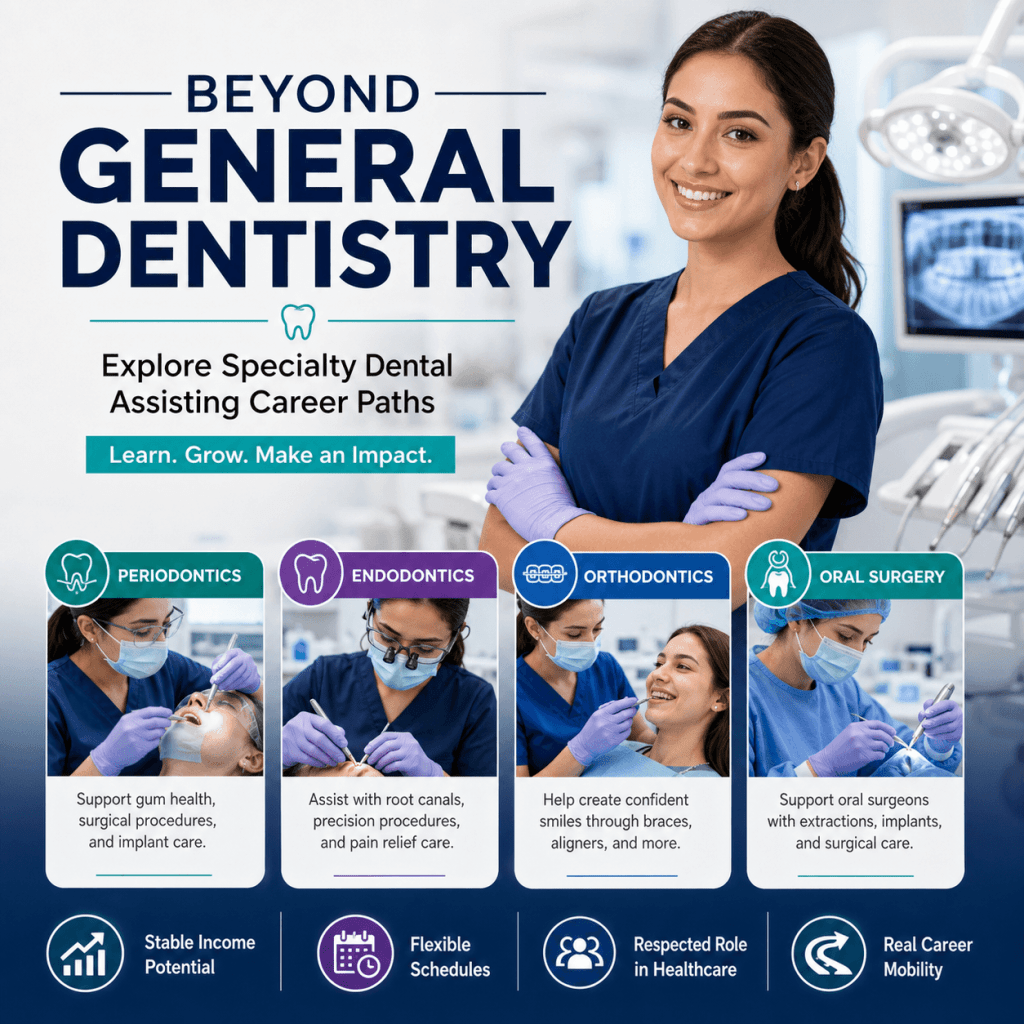
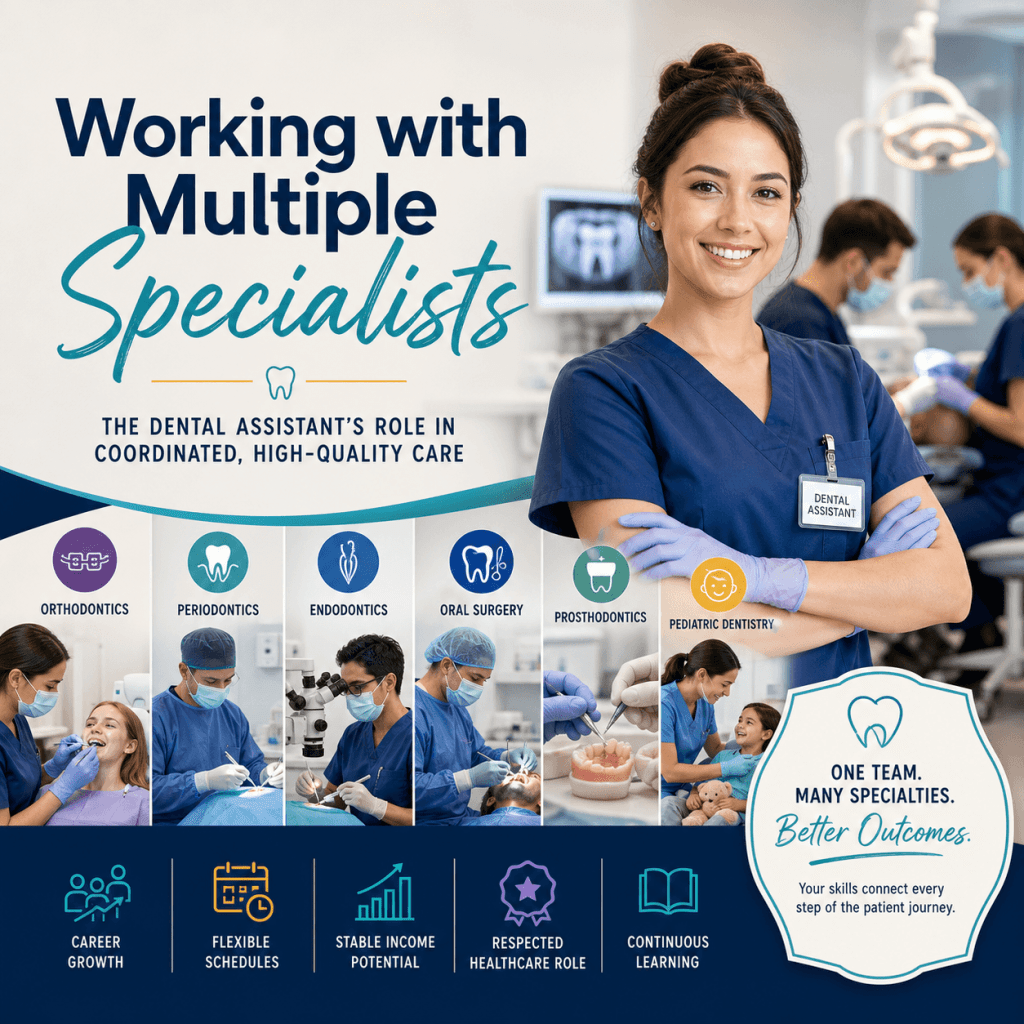
This specialty-focused pathway includes endodontic exposure alongside other specialty areas such as Periodontics, Orthodontics, and Oral surgery.
Broward Dental Academy is built around outcomes that matter in modern offices. The goal is not just passing an exam. It is preparing you to thrive in a high-performance dental practice by building:
- Strong clinical judgment and critical thinking
- Ethical habits and professionalism
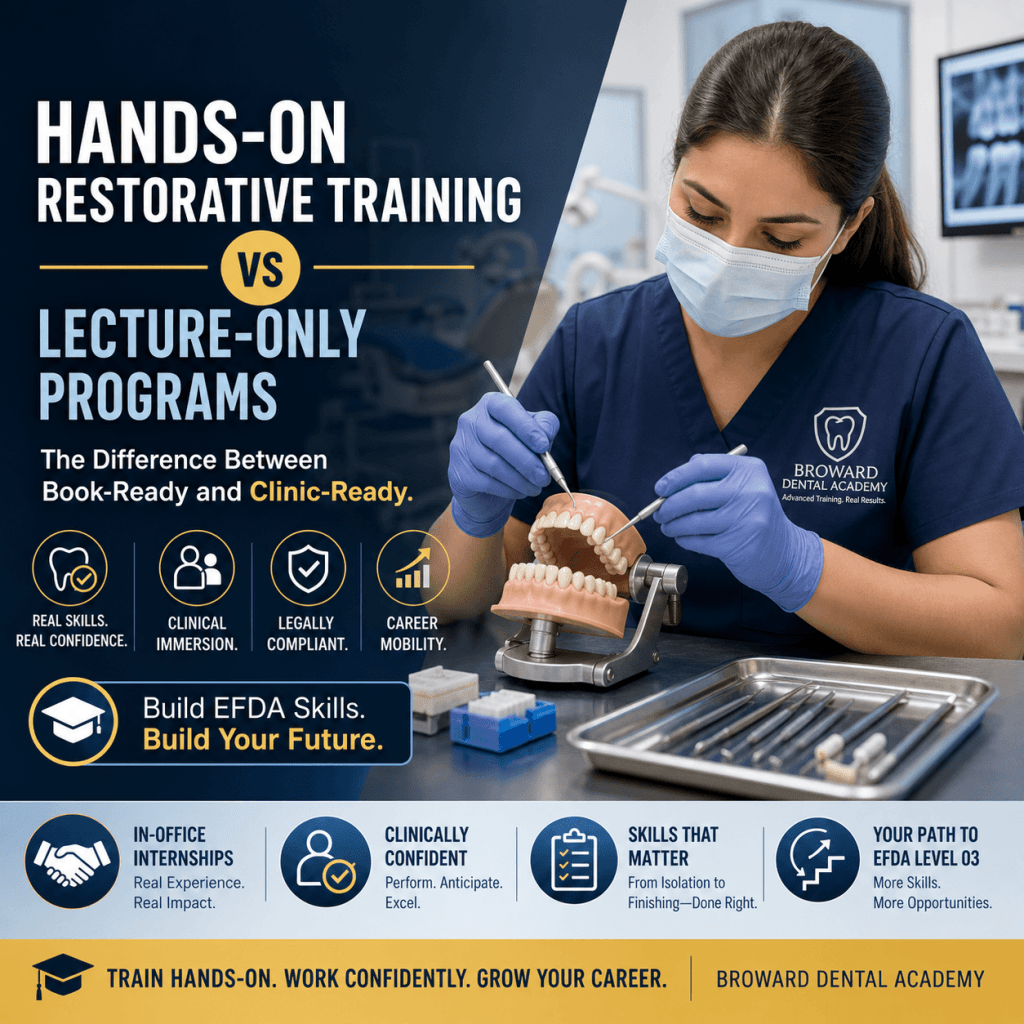
- Workflow confidence through hands-on learning
Training includes in-office internships, helping students build real-world familiarity with operatory flow, patient interaction, and day-to-day clinical expectations. The academy also incorporates modern eLearning lesson plans for remote training and immediate immersion into the learning process.
Broward Dental Academy offers 07 courses including their Dental Assistant Level 01 program and flexible financing options, making it easier to choose a path that fits your goals and schedule.
For the full overview of specialty training including areas like Perio, Endo, Ortho, and Oral Surgery visit:
Specialty Dental Assisting Training (Perio • Endo • Ortho • Oral Surgery)
How to Get Started (A Simple Enrollment Roadmap)
Step 1: Choose your target setting
Decide where you want to work first:
- A general dental office with occasional endo cases
- or
- A specialty endodontic office with root canal focused workflow
Write down the skills you want to build, like root canal assisting, sterilization flow, and patient anxiety management.
Step 2: Choose a program with hands-on exposure
Look for training that includes real clinical practice and internship opportunities, so you graduate ready for real schedules and real patients.
Step 3: Build your job-ready toolkit
Prepare the basics that hiring managers care about:
- A resume that highlights specialty workflow readiness
- References from clinical training or internship sites
- Confidence explaining your endo setup and turnover process
Step 4: Apply and show chairside readiness
Apply to practices and be prepared to demonstrate professionalism, calm communication, and safe clinical habits.
If you are ready to take the next step toward an endodontic dental assistant career with specialty-focused training, don’t delay, enroll today. You will be glad that you did!
FAQs (Frequently Asked Questions)
What does an endodontic dental assistant do?
An endodontic dental assistant supports an endodontist and the dental team during diagnosis and treatment involving the inside of the tooth, especially root canal therapy. The role focuses on assisting with detail-heavy procedures, ensuring patient comfort, and maintaining efficient workflow in a specialty that saves natural teeth and relieves pain.
How is endodontics different from general dentistry?
General dentistry covers routine care like exams, cleanings, fillings, crowns, and preventive education. Endodontics is more focused on diagnosing tooth pain related to the pulp and nerve, performing root canal treatments, retreatments, apicoectomies (root-end surgery), and handling dental trauma cases such as fractures or emergency pain.
What skills and training are required to become an endodontic dental assistant?
To become a proficient endodontic dental assistant, you need specialized training that ensures you are legally compliant and clinically confident. This includes mastering infection control and sterile techniques, efficient setup and room turnover skills, and gaining experience in fast-paced, detail-oriented environments. Pursuing level 02 or higher dental assisting certifications can enhance career prospects.
What does a typical day look like for an endodontic dental assistant during root canal procedures?
A typical root canal assisting workflow includes patient check-in, rooming the patient, pre-operative setup of instruments and sterile trays, assisting during the procedure to maintain a clean field and patient comfort, providing post-operative instructions, followed by room turnover. The role demands strong focus on infection control and patient-centered care throughout.
Why is endodontic dental assisting considered a strong career move?
Endodontic assisting offers healthcare stability in a growing industry with a respected clinical role. It provides career mobility across offices and specialties, flexible schedules in many practices, opportunities for expanded functions where permitted by state rules, and the chance to develop specialized clinical skills that make you highly valuable to specialty practices.
Where can I get comprehensive training for a career in endodontic dental assisting?
Comprehensive training programs for endodontic dental assisting are available at institutions like Broward Dental Academy. They offer specialized courses designed to prepare you thoroughly for this role with multiple locations to choose from. Their curriculum emphasizes legal compliance, clinical confidence, infection control mastery, and practical chairside skills essential for success in this specialty.