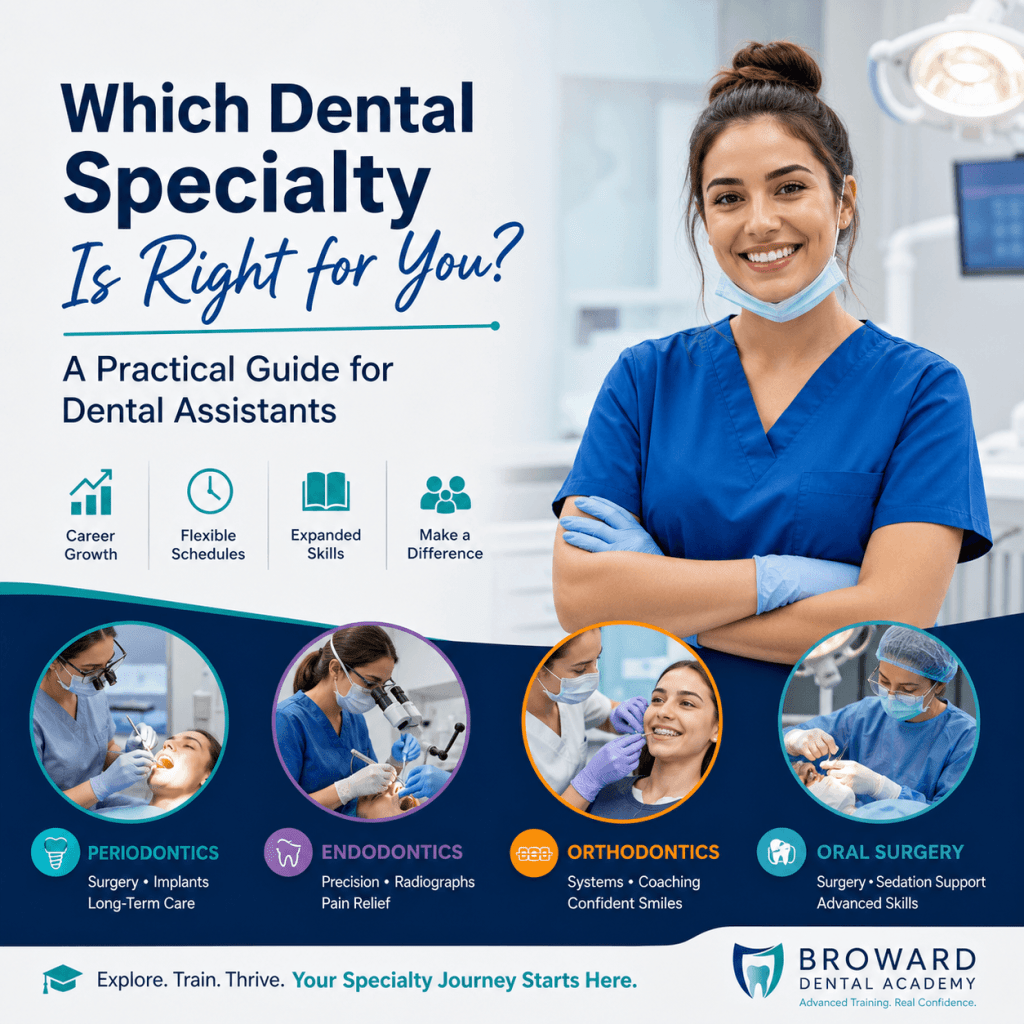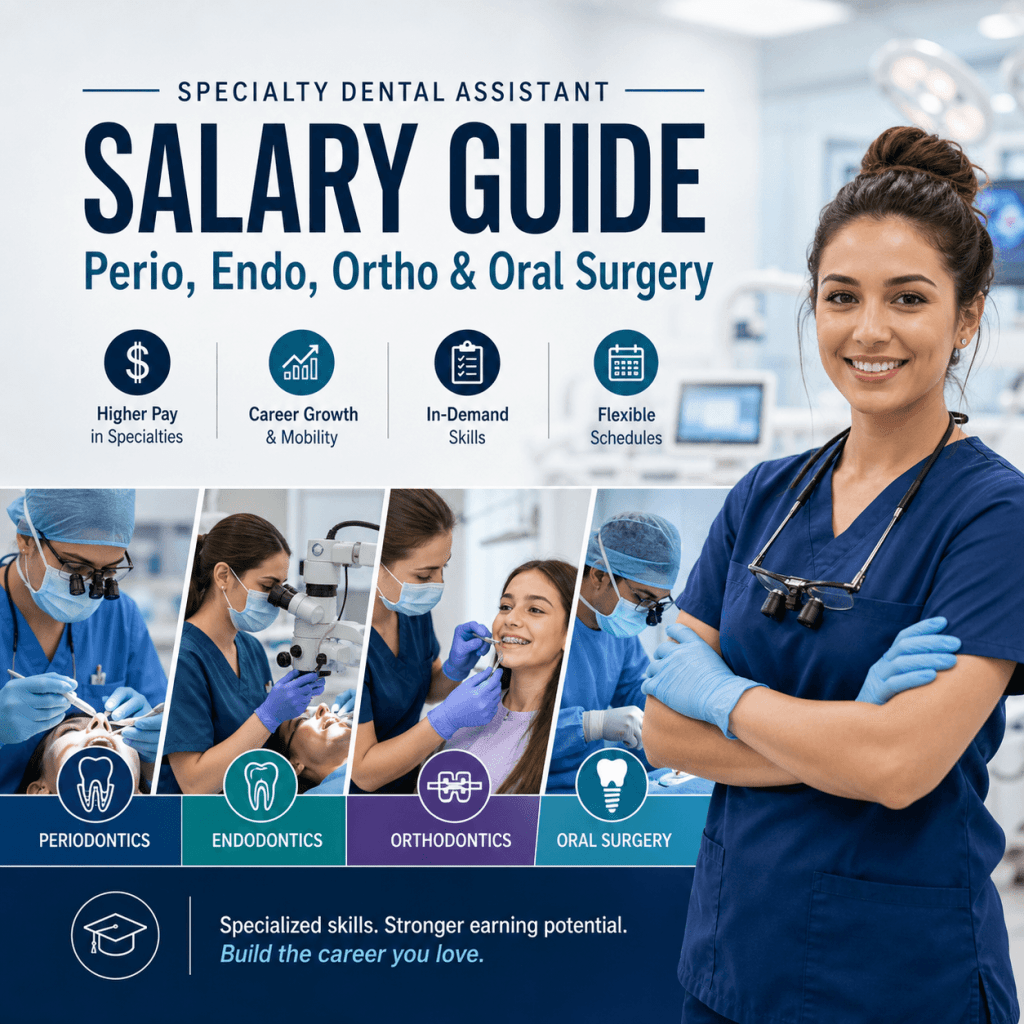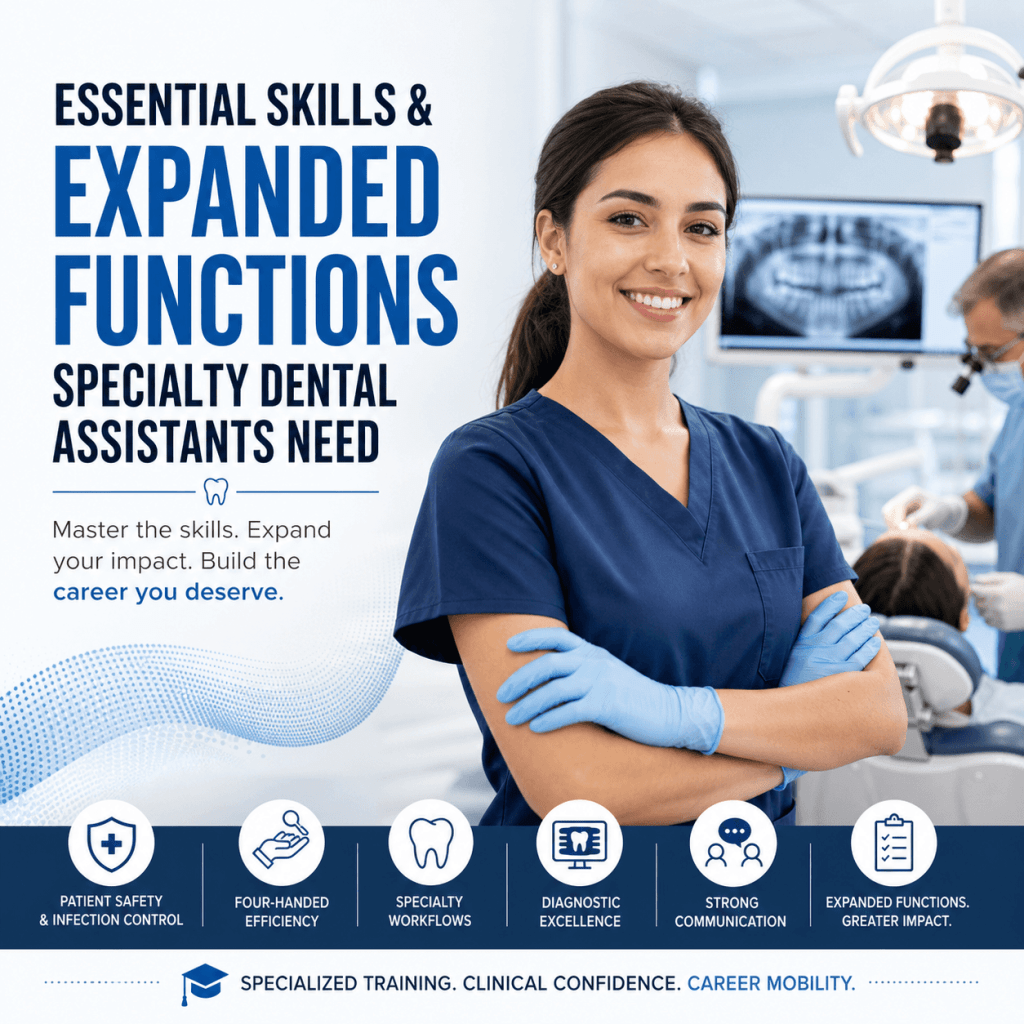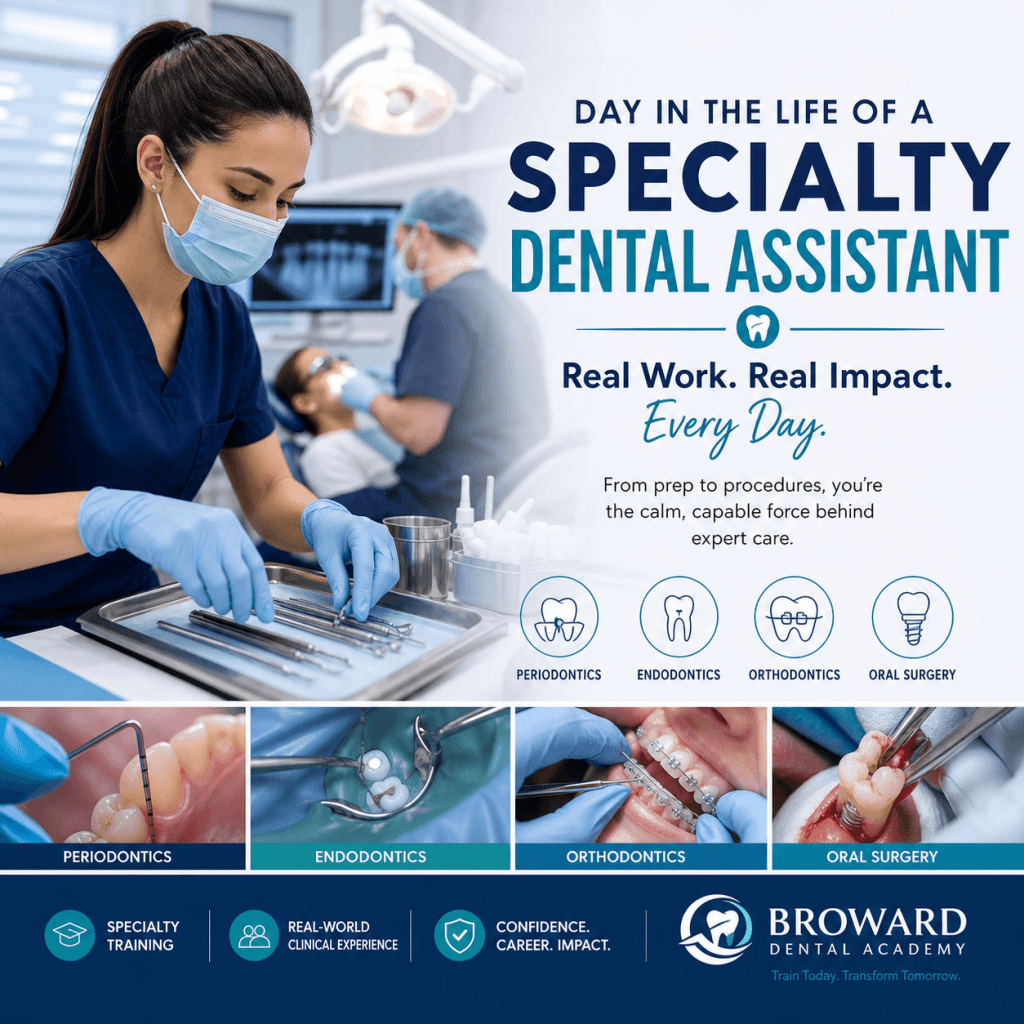
A real “day in the life of a specialty dental assistant” (and why it’s different)
You clock in, tie your hair back, wash up, and head straight for the specialty rooms. Before the first patient even walks through the door, you are already thinking three steps ahead: which procedures are on the schedule, which doctor prefers which setup, what needs to be sterilized, and where the potential bottlenecks are.
That is the core difference between a specialty dental assistant and a general dental assistant.
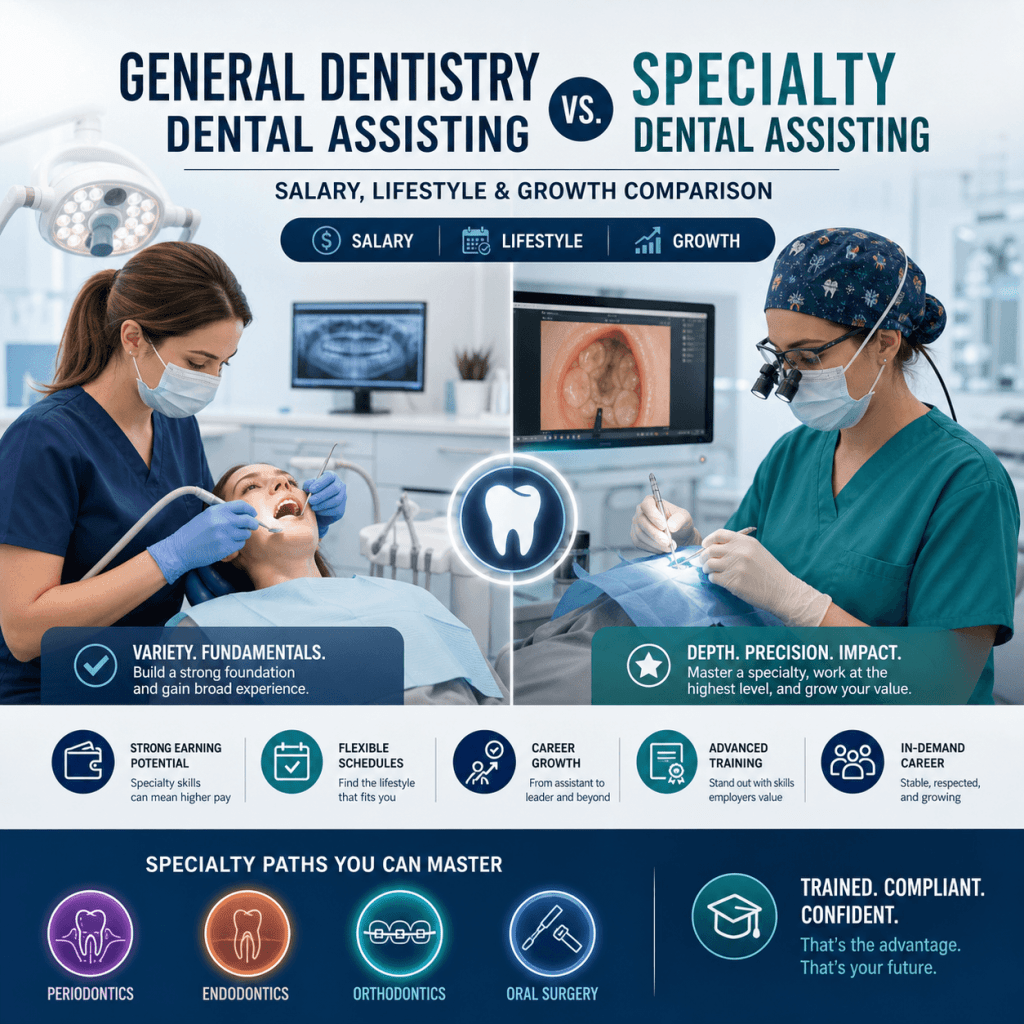
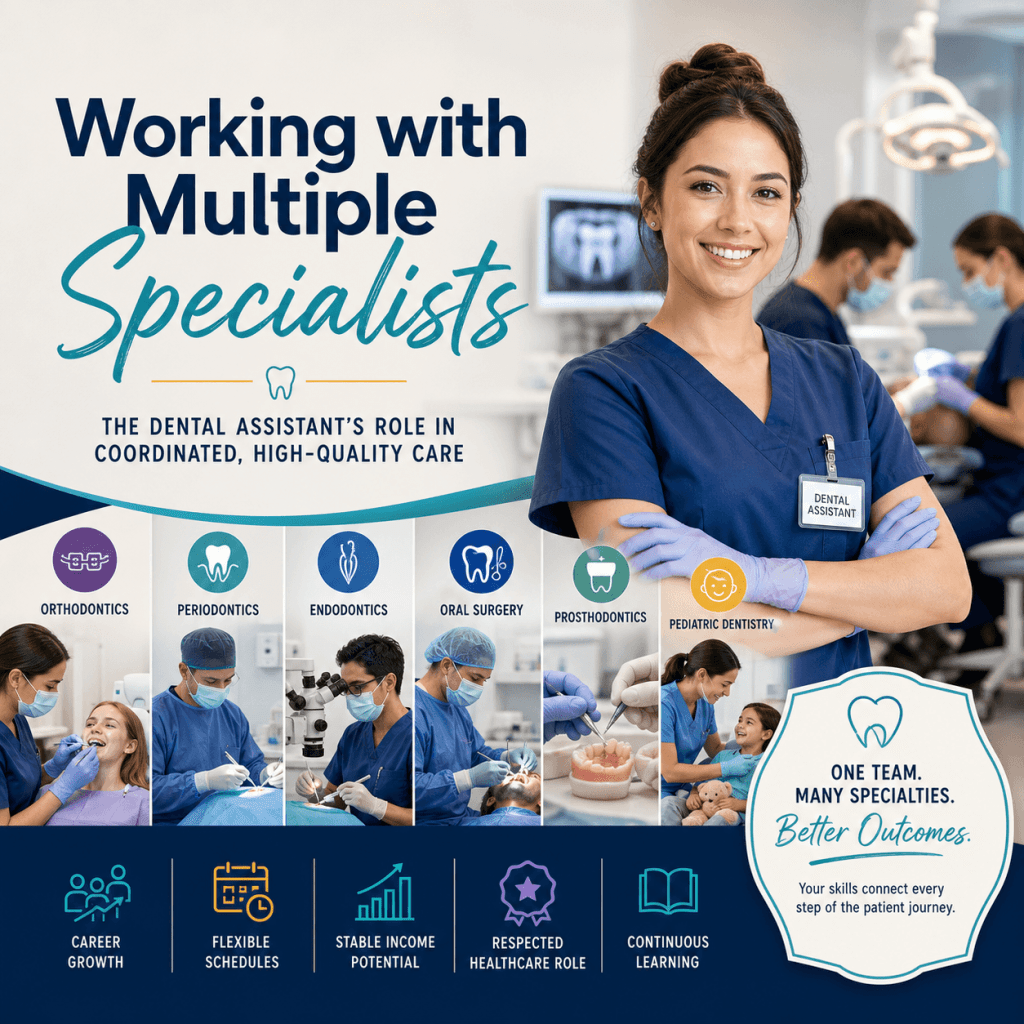
In general dentistry, you may assist with a wide mix of exams, fillings, crowns, and hygiene support. In specialty dentistry, you are working alongside providers who focus on specific procedures that often involve higher acuity, tighter clinical workflows, and more procedure-specific instruments. The pace can be faster, the documentation expectations are typically higher, and patient anxiety levels are often more intense.
For instance, in endodontics, patients may feel heightened anxiety due to the nature of root canal treatments. Similarly, during oral surgery, the stakes are high and require precision and calmness from both the surgeon and the assistant.
On the other hand, working in orthodontics, you might find yourself managing multiple cases with varying degrees of complexity. Each patient has unique needs that require tailored treatment plans involving braces or aligners.
Then there’s periodontics, where you assist in managing gum diseases that can affect overall health. This specialty demands a keen understanding of dental health and patient care.
In this article, I will walk you through a typical day so you can see what the work actually looks like: the rhythm of the schedule, the chairside duties, the behind-the-scenes tasks, and the skills that make you confident and compliant. You will get an inside look into these specialties as we delve deeper into each one.
Before patients arrive: prepping like a pro (sterilization, setups, and the first huddle)
Most specialty assistants arrive early because the first hour sets the tone for the entire day.
Reviewing the schedule and provider preferences
The first stop is the schedule. You are scanning for:
- Procedure types and estimated times
- Medical history flags (blood thinners, diabetes, hypertension, allergies)
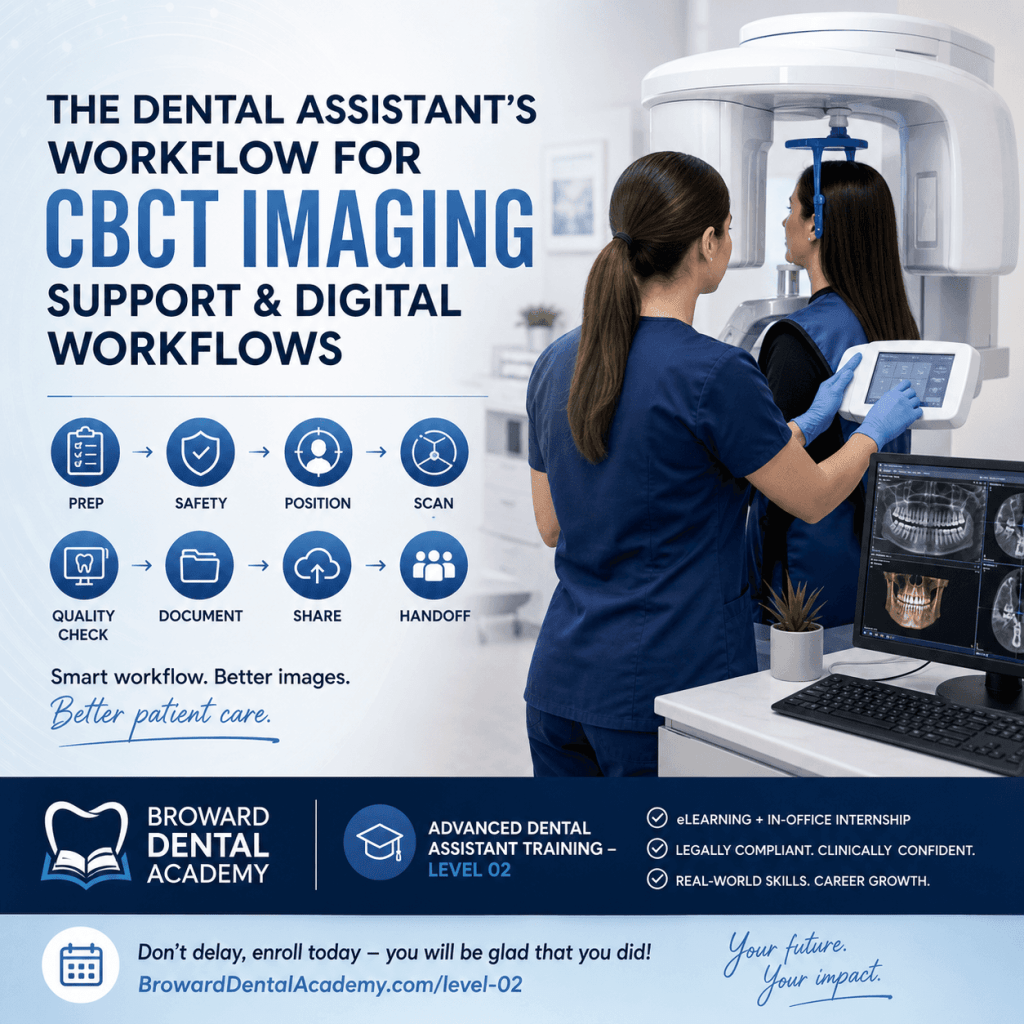
- Imaging needs (PAs, pano, CBCT, intraoral photos)
- Sedation or anesthesia notes
- Room assignments and assistant coverage
In specialty settings, preferences matter. One endodontist may want a specific file sequence laid out in a precise order. One oral surgeon may prefer certain implant components opened only after a time-out. Those details affect speed, safety, and stress levels.
Infection control and sterilization flow
Before anything else, you confirm your sterilization area is running correctly:
- Sterilizer logs are checked and documented
- Biological indicators are verified as required
- Instrument pouches are intact and labeled
- Sharps containers are not overfilled
- Operatories are turned over with fresh barriers
Specialty rooms tend to turn over quickly, and there is no room for “almost clean.” The standard has to be consistent every time, even when the day gets hectic.
Tray setups by specialty
This is where specialty assisting starts to feel different. Trays are not generic. They are built around specific procedures with specific timing.
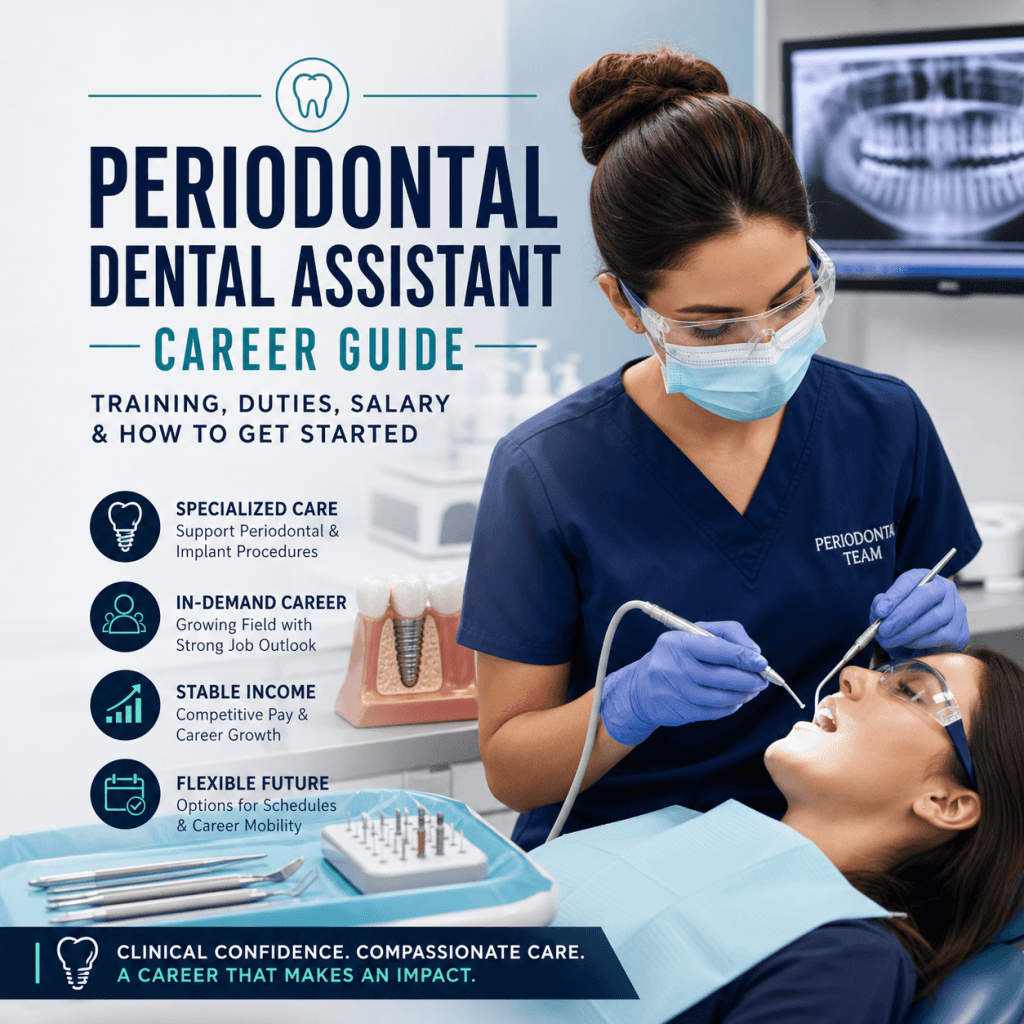
- Perio setups focus on irrigation, hemostasis materials, and detailed charting support.
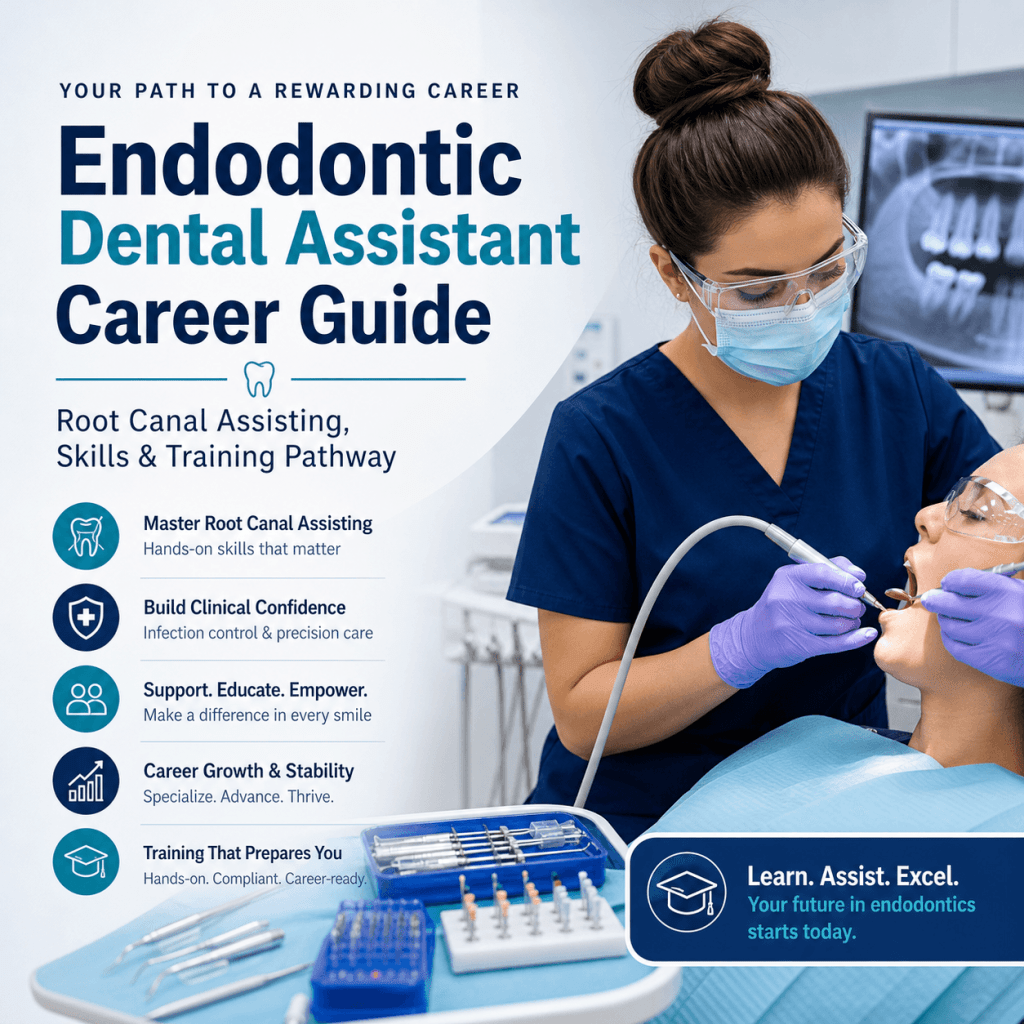
- Endo setups revolve around isolation and organized sequencing.
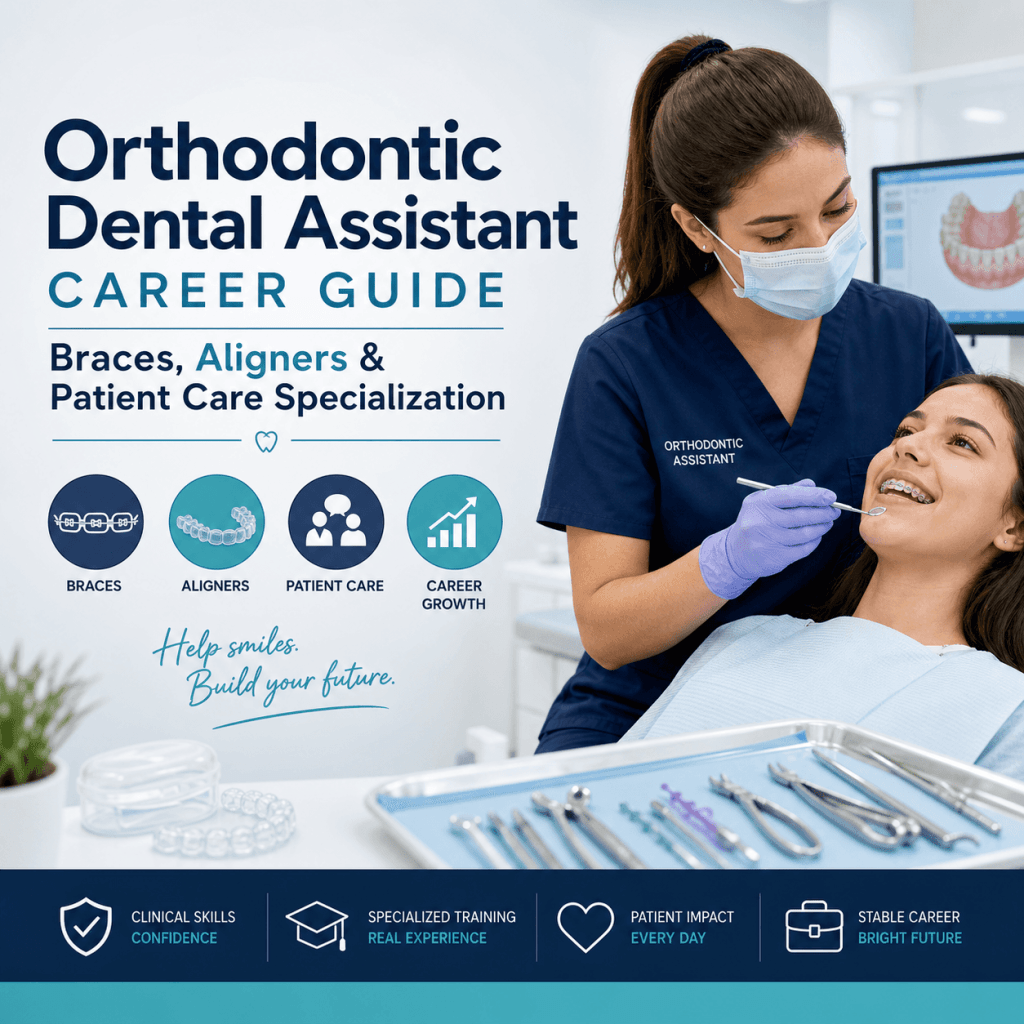
- Ortho setups require speed, consistency, and a system for small components.
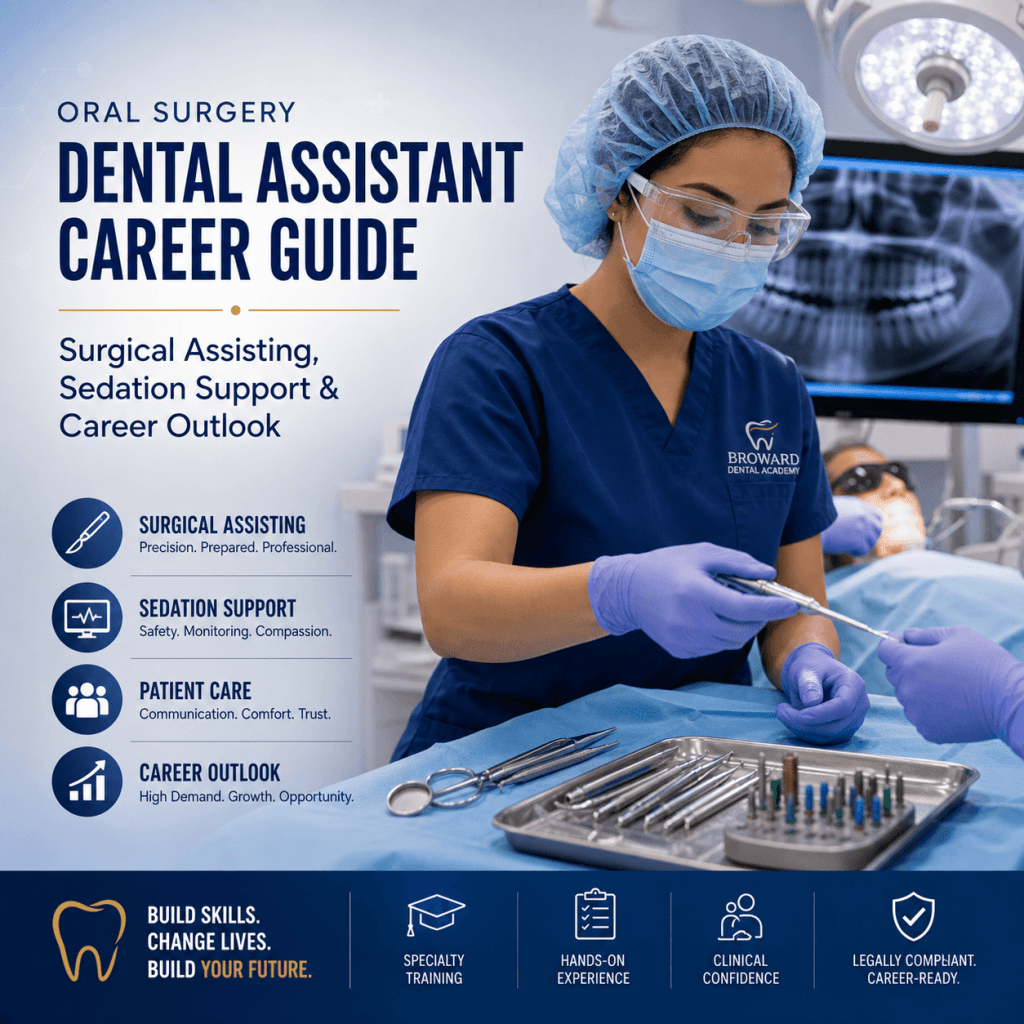
- Oral surgery setups look and feel closer to a minor OR, with sterile fields and surgical-level readiness.
If you’re looking to enhance your skills in this area or explore new specialties, consider pursuing some relevant certifications. The courses offered at Broward Dental Academy could provide valuable knowledge and hands-on experience. Additionally, they have multiple locations, making it convenient for you to find a suitable training center.
The morning huddle
Before the first patient, many offices run a quick huddle. It is short, but it prevents surprises:
- Which cases may run long
- Who has medical complexities
- Which radiographs are needed and when
- Anesthesia and sedation considerations
- Supplies to confirm before you start
That five-minute alignment can save the entire morning.
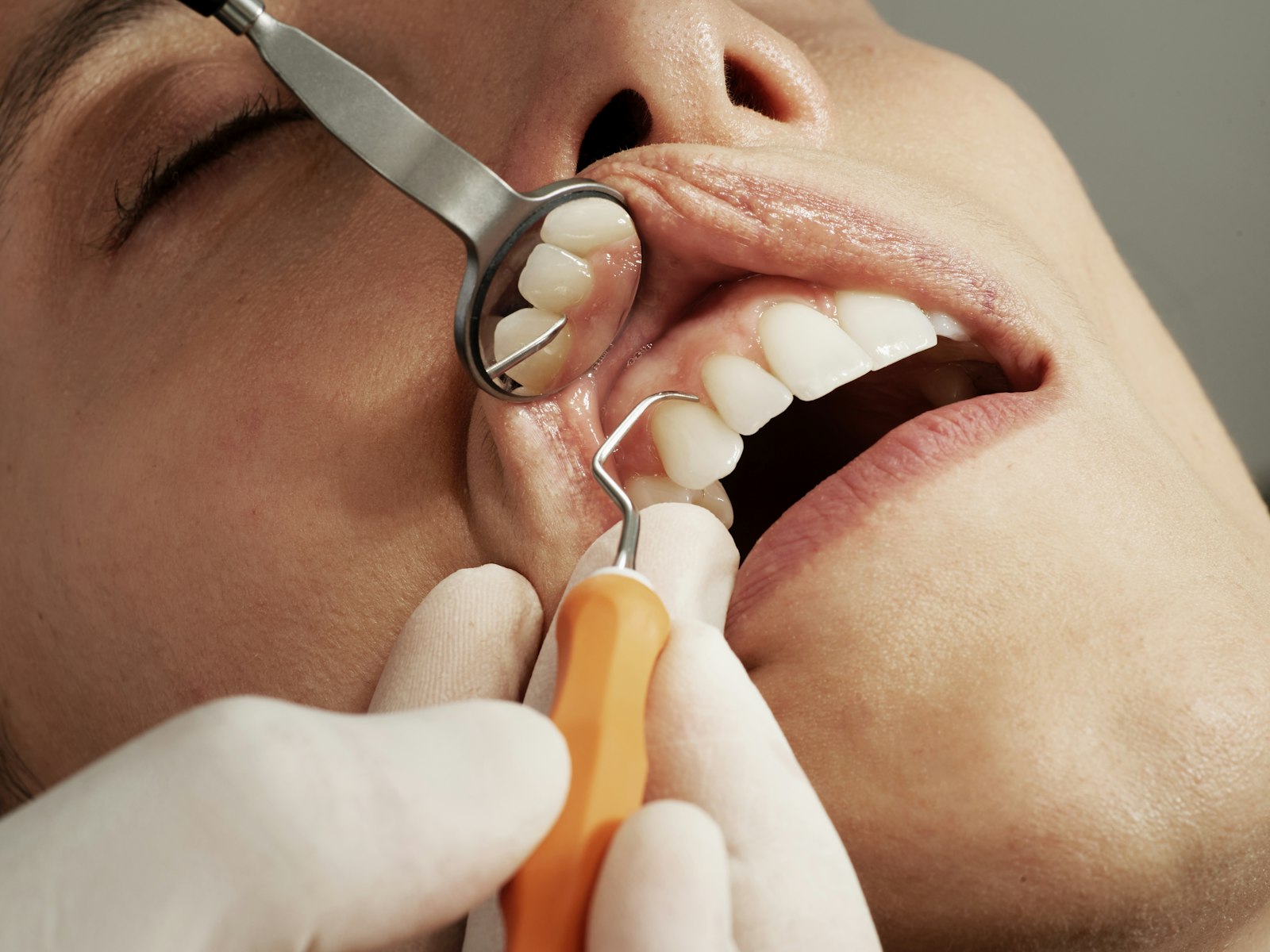
8:00–10:00 AM: Specialty procedures start (what you actually do chairside)
Once patients begin, the chairside rhythm kicks in.
You are not only “assisting.” You are actively running a system that supports:
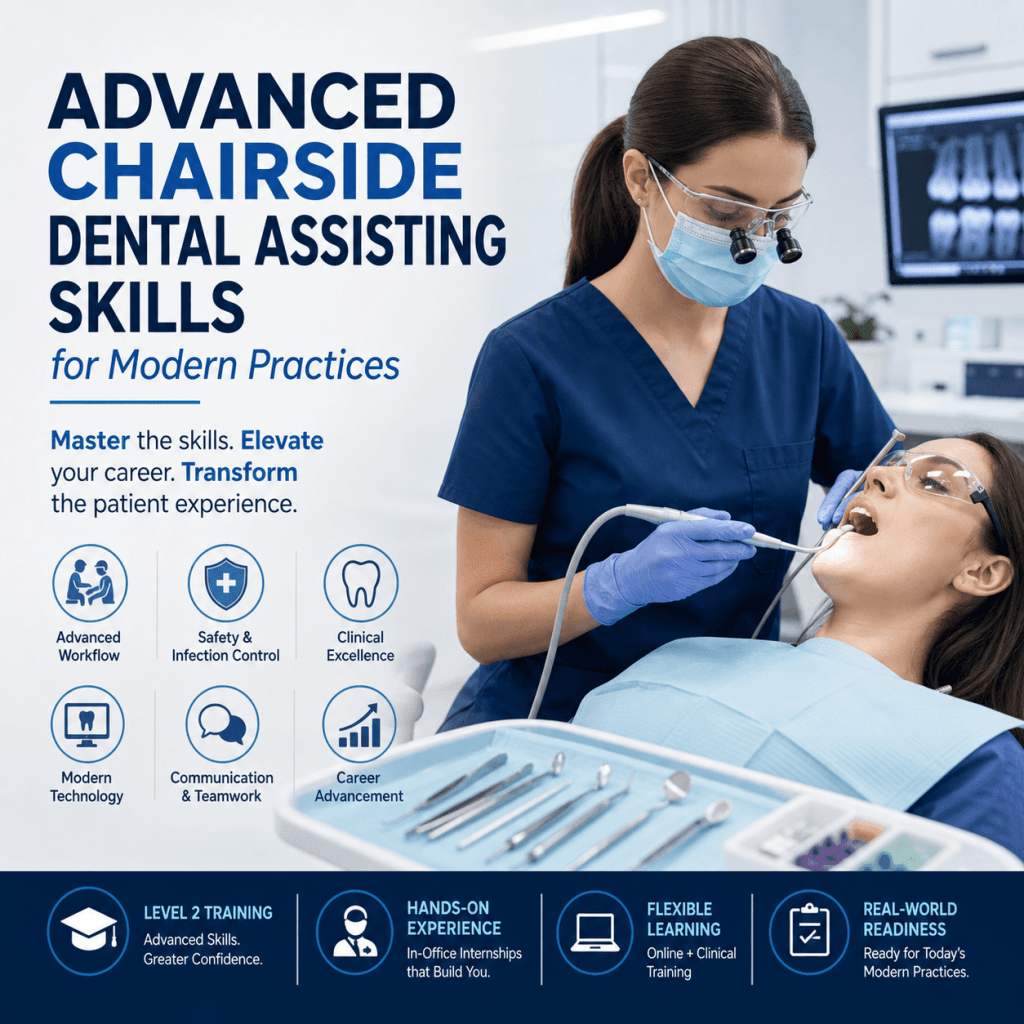
- Visibility (suction, retraction, irrigation readiness)
- Anticipation (having the next instrument ready without being asked)
- Documentation (notes, materials used, images captured, time stamps)
- Patient reassurance (tone, clarity, calm)
Specialty patients often arrive with more anxiety. Your ability to communicate matters as much as your clinical skill.
You are also coordinating constantly with the rest of the team:
- Front desk timing and room flow
- Imaging handoffs and uploads
- Lab items that must go out the same day
- Sequencing cases so the doctor is not delayed
Below is what that looks like in each specialty.
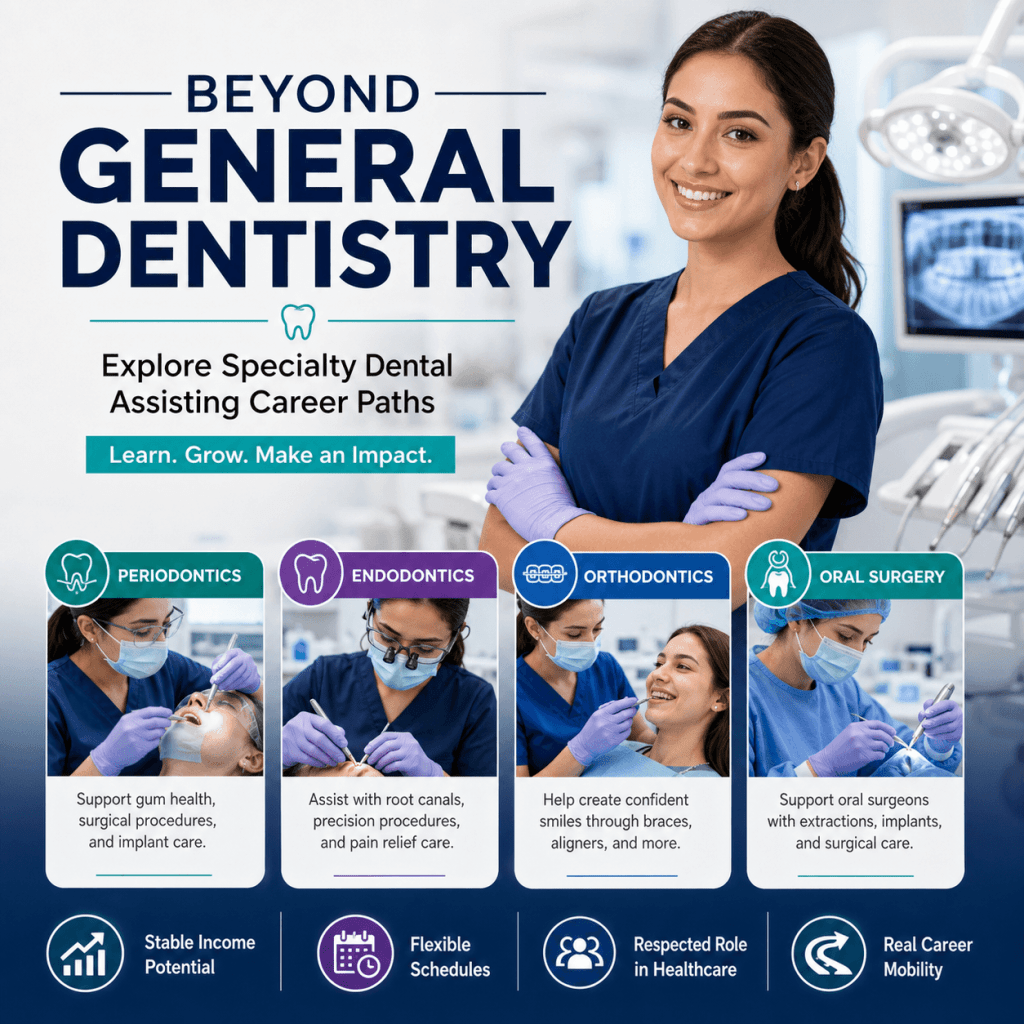
Periodontics assisting: deep cleanings, periodontal surgery support, and maintenance visits
Perio days often include a mix of periodontal maintenance, scaling and root planing support, and sometimes surgical procedures depending on the practice and state rules.
Common appointment types:
- Periodontal maintenance visits
- Scaling and root planing support
- Soft tissue procedures and surgical assists (as allowed)
- Follow-ups and re-evaluations
Key assisting tasks tend to include:
- Setting up anesthesia support items and ensuring carpules, tips, and topical are ready per protocol
- High-volume suction and retraction to maintain a clean field
- Irrigation readiness and quick instrument transfer
- Having hemostasis materials available when needed
- Recording and supporting periodontal measurements and notes when required
Patient education is a big part of perio. Many patients are managing chronic gum disease and need practical coaching that feels doable, not overwhelming:
- What sensitivity may feel like after deep cleaning
- How to use interdental brushes, floss aids, or water flossers
- How inflammation improves with consistency
- Why maintenance intervals matter
Perio is detail work. Small things like keeping the field dry, tracking maintenance intervals, and recording accurate notes have a real impact on outcomes.
For more insights into common questions about dental procedures, feel free to explore our FAQ section. Additionally, understanding oral hygiene is crucial for maintaining dental health post-treatment.
Endodontics assisting: root canals, isolation, and calm under pressure
Endodontics has a unique emotional tone. Many patients walk in with pain and fear, and the schedule can be dense.
The assistant’s calm presence matters. You set the pace in the room.
Key tasks often include:
- Supporting rubber dam setup and ensuring clamps, frames, and punch are ready
- Coordinating radiographs quickly and accurately
- Keeping irrigation and suction ready to maintain visibility and safety
- Organizing files, materials, and sequence so the provider stays focused
- Supporting efficient turnover because multiple endo cases can stack back-to-back
Endo is one of those specialties where organization is clinical safety. When steps are cleanly sequenced, the procedure runs smoother and the patient feels it.
Post-op basics are usually repeated clearly because patients may be relieved, numb, and distracted:
- What to expect as numbness wears off
- Normal soreness versus a problem sign
- Bite sensitivity reminders
- When to call back and what symptoms should not wait
Orthodontics assisting: adjustments, impressions/scans, and fast-paced room flow
Orthodontics can feel like controlled speed. You may have a block of quick adjustment visits followed by longer appointments for bonding or records.
A typical ortho flow might include:
- Quick wire changes and adjustments
- Emergencies like poking wires or loose brackets
- Bonding appointments that require more setup and time
- Records appointments with photos and scans
Key assisting tasks often include:
- Setting up brackets, wires, ligatures, and adhesive systems
- Suctioning and helping maintain patient comfort during bonding steps
- Instrument transfer and keeping small components controlled
- Chairside support for debonds and retainer delivery
Records are a major part of ortho assisting:
- Intraoral and extraoral photos
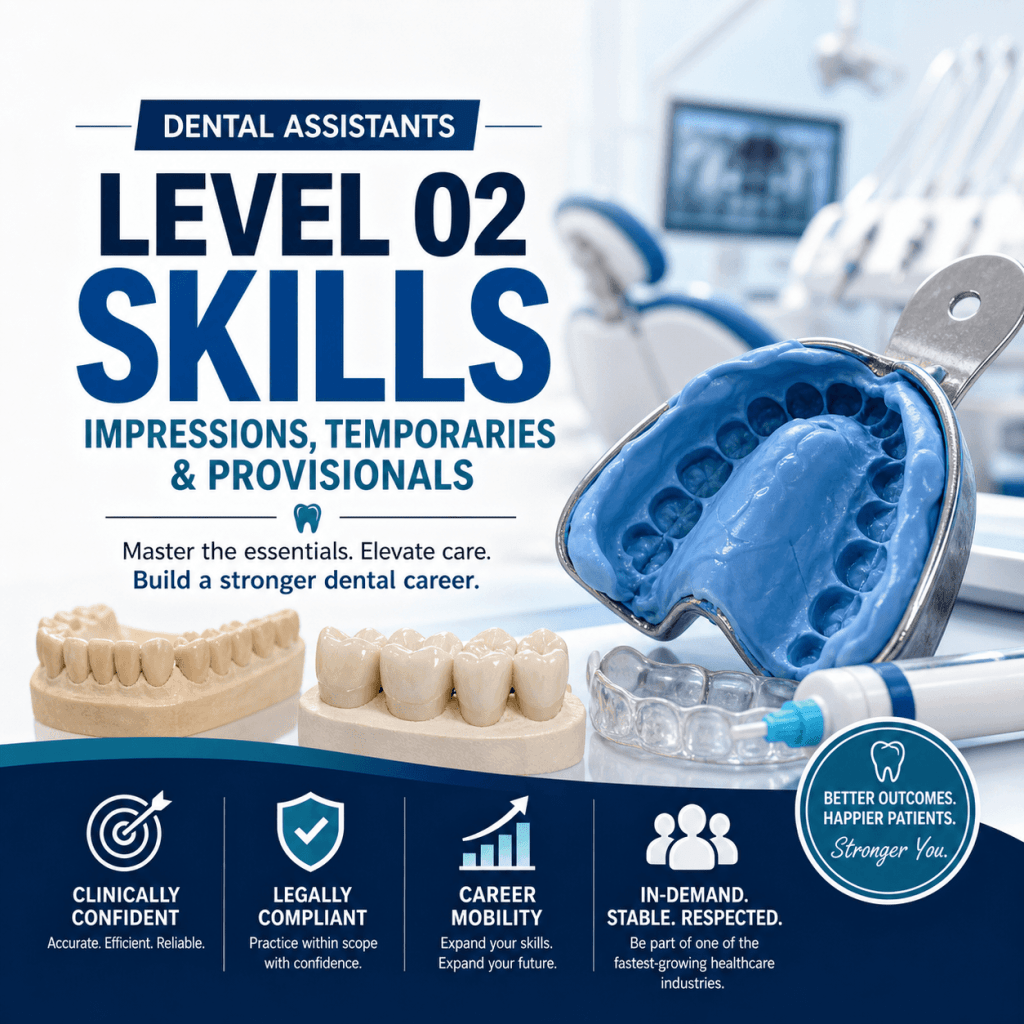
- Impressions or digital scans
- Bite registrations
- Patient instructions for elastics, aligners, or retainers
Ortho highlights workflow discipline. Many short visits mean sterilization and setup have to be rapid but never sloppy. Consistency protects quality.
In both endodontics and orthodontics assisting roles, maintaining a calm demeanor is crucial. Just like in this Instagram post which illustrates how important it is to stay composed during dental procedures.
Oral surgery assisting: extractions, implants, and surgical-level preparedness
Oral surgery raises the stakes. Patients are often nervous, procedures can be invasive, and sterile technique becomes even more central.
You may assist with:
- Simple and surgical extractions
- Bone grafting and implant procedures
- Surgical consults and imaging
- Sedation cases in practices that offer it
Key assisting tasks include:
- Surgical setup with the correct trays and sterile supplies
- Maintaining a clean surgical field with suction and retraction
- Managing materials and anticipating when to open or pass items
- Supporting patient comfort and monitoring how they are tolerating the procedure
- Detailed documentation and accurate chart notes
Sedation awareness, when applicable, adds another layer. Assistants must understand the office protocols, vitals workflow, emergency readiness, and recovery turnover.
Post-op instructions are not just “hand them a paper.” Patients need clear, simple guidance:
- Bleeding control and what is normal versus excessive
- Swelling expectations and ice timing
- Medication directions as prescribed by the provider
- Diet guidance and activity limits
- Follow-up steps and how to reach the office
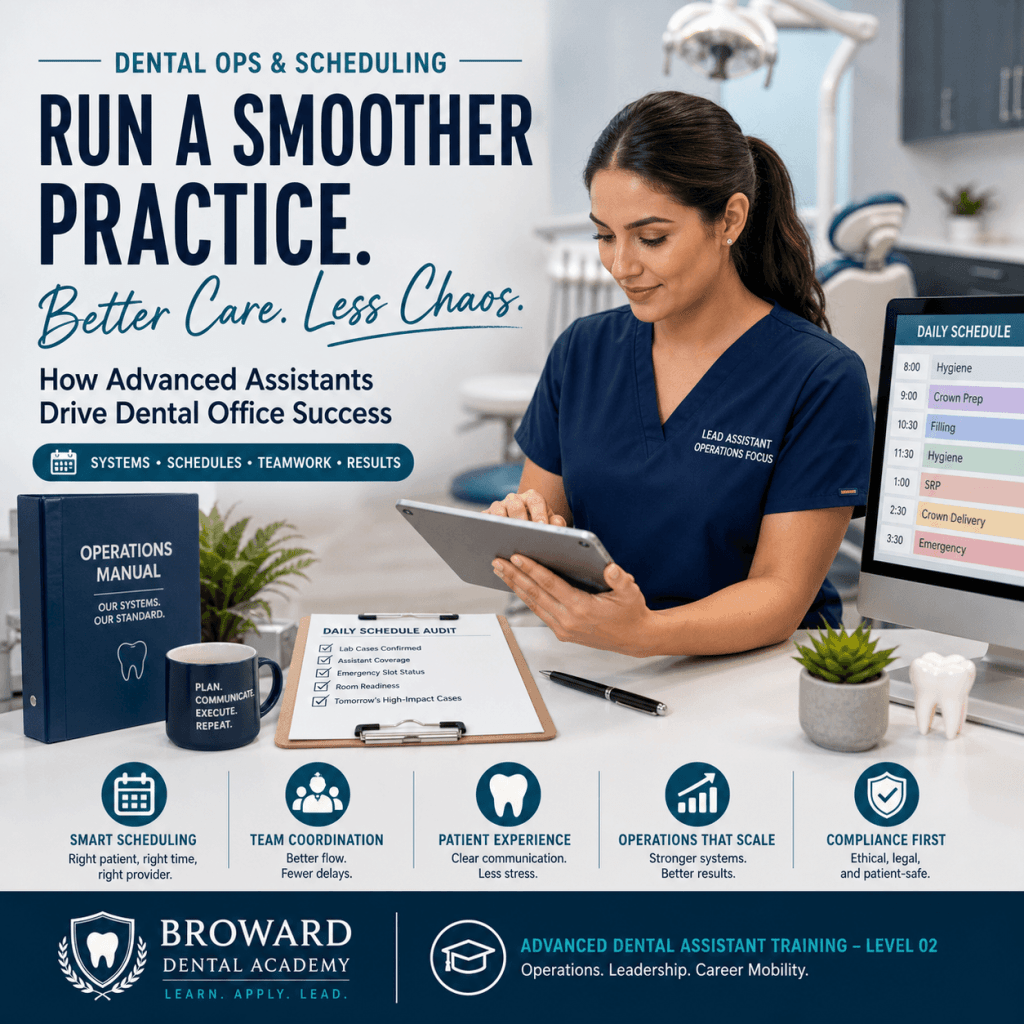
10:00 AM–12:30 PM: The “in-between” work patients never see (and it matters)
This is the part of the job most people underestimate. Specialty days are won or lost between appointments.
Turnovers between specialty cases
Turnover is not just wiping the chair. It is a full reset:
- Cleaning and disinfecting per protocol
- Replacing barriers
- Processing instruments properly
- Resetting trays quickly without cutting corners
- Confirming the next room is ready before the doctor steps in
Supply and inventory checks
Specialty supplies run out in sneaky ways. A day can derail if you are short on essentials like:
- Anesthetic supplies
- Impression or scan items
- Surgical disposables
- Endo consumables
- Ortho components like ligatures, wires, or bonding materials
Many experienced assistants do “micro-inventory” all day instead of waiting for a monthly count.
Lab and case coordination
You may also coordinate:
- Sending and receiving lab cases
- Tracking aligners and retainers
- Organizing implant components and ensuring they match the planned case
Compliance habits
This is where great assistants protect the practice:
- Logs are updated
- Labeling is correct
- Sharps are handled properly
- Rooms stay audit-ready
Compliance is not a separate task. It is part of everything you do.
Lunch break: resetting your brain (and your schedule)
Lunch is often not just lunch.
It can include mini-resets like:
- Confirming the afternoon cases
- Restocking rooms
- Returning patient calls
- Prepping surgical kits
- Double-checking imaging uploads and notes
Specialty days can be intense, so assistants develop small routines to stay steady: hydrate, eat something that will not crash your energy, and take five quiet minutes if you can.
Team culture matters here. A supportive clinic will use lunch to regroup, communicate, and prevent the afternoon from turning into catch-up chaos.
1:30–4:30 PM: Afternoon block—more complex cases and more patient coaching
Afternoons often bring longer procedures or add-ons:
- Emergency endo pain cases
- Surgical consults that turn into same-day treatment
- Ortho repairs and quick fixes that have to be squeezed in
This is where your consistency shows.
Patient coaching ramps up because many afternoon visits involve post-op questions and nervous patients. You might be explaining the same key points multiple times, but each patient needs to feel like you are talking to them, not reciting a script.
You are also staying on top of:
- Documentation and referrals
- Imaging and provider notes
- Making sure written and verbal instructions are understood
- Scheduling follow-ups that match clinical recommendations
Even when the schedule gets tight, the goal stays the same: safe, clean, organized care with a calm chairside presence.
End of day: closeout, sterilization cycles, and setting up tomorrow’s wins
When the last patient leaves, the day is not over yet.
End-of-day closeout typically includes:
- Final sterilization cycles and proper storage
- Wiping down and disinfecting operatories
- Restocking for the next morning
- Confirming lab pickups and returns
- Sharps checks and proper disposal steps
Then comes the communication piece:
- Notes are completed and accurate
- Providers are updated on follow-ups or concerns
- Tomorrow’s cases are pre-planned, especially complex surgeries or heavy endo days
Professional pride in specialty assisting looks like walking out knowing the clinic is clean, safe, and ready for the next day. Training and strong systems make that feeling possible, even after a tough schedule.
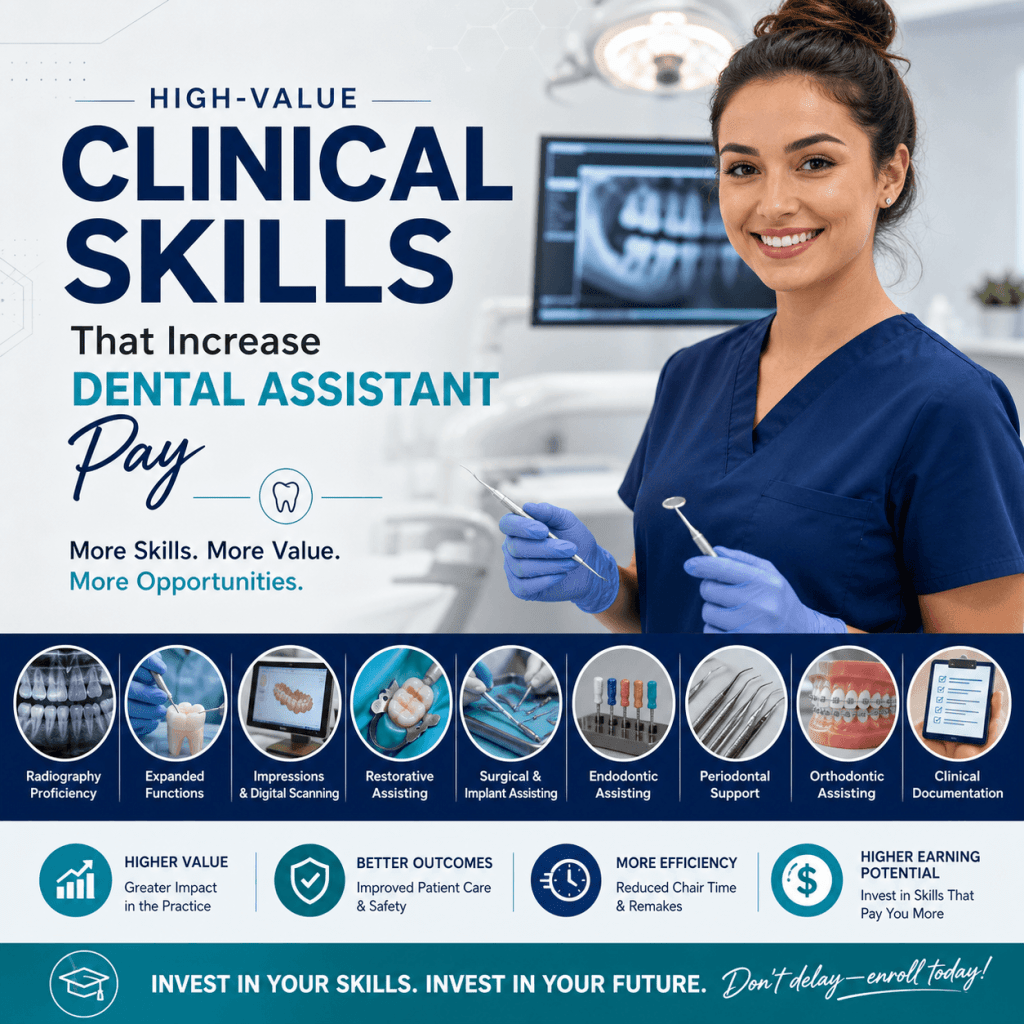
The skills that make specialty dental assistants stand out (and get hired)
Specialty practices look for assistants who are strong in the basics and dependable under pressure.
Here are the skills that consistently stand out:
- Clinical competence: solid assisting fundamentals plus specialty-specific setups, instruments, and sequencing
- Legal compliance and ethics: following protocols consistently, protecting patient safety, and documenting accurately
- Communication: calm chairside presence, clear instructions, and strong teamwork with the specialist and front office
- Adaptability: shifting between perio, endo, ortho, and oral surgery expectations without losing your rhythm
- Career upside: increased responsibility, expanded functions where allowed, and long-term mobility across practices
Why this career is growing: stability, flexibility, and real upward mobility
Dental assisting continues to attract people for practical reasons, and specialty assisting builds on those benefits.
The dental industry is one of the fastest-growing healthcare fields, and demand for skilled dental professionals continues to rise. Many people are looking for a healthcare role that offers:
- Stable income
- Flexible schedules
- A respected position in patient care
- Real career mobility over time
Specialty training can open doors because it prepares you to support higher complexity cases and meet tighter clinical expectations. That said, growth comes from being truly trained and confident, not just having a certificate. Practices want assistants who can step in, follow protocols, and contribute on day one.
How Broward Dental Academy helps you become specialty-ready (not just test-ready)
Broward Dental Academy is designed not only to prepare students for exams but also to equip them for modern, high-performance practices, including specialty environments where training, compliance, and confidence matter every day.
Our students are trained to become thoroughly trained, legally compliant, and clinically confident professionals. The focus is not solely on passing an exam but on learning how to think critically, act ethically, and perform consistently in real clinical workflows. This holistic approach is part of our commitment to producing polished professionals ready for the dental industry.
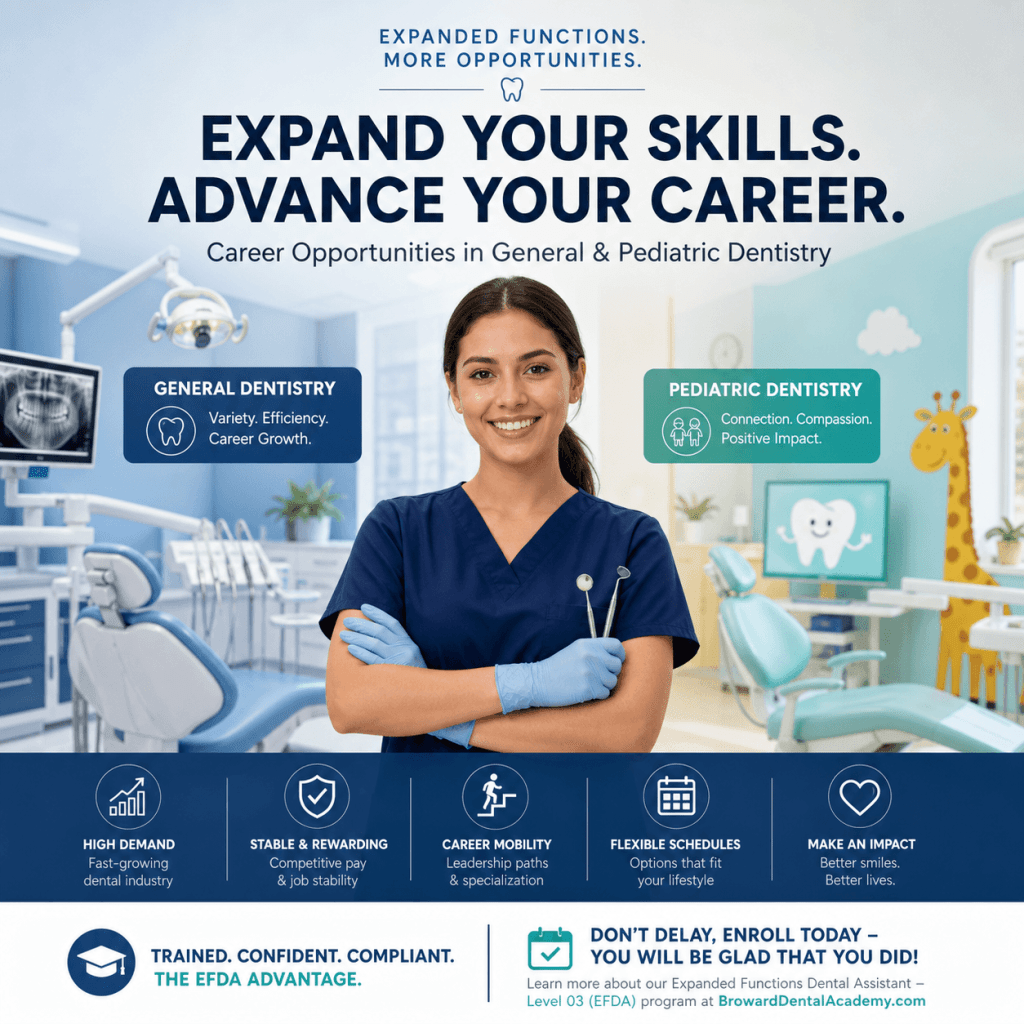
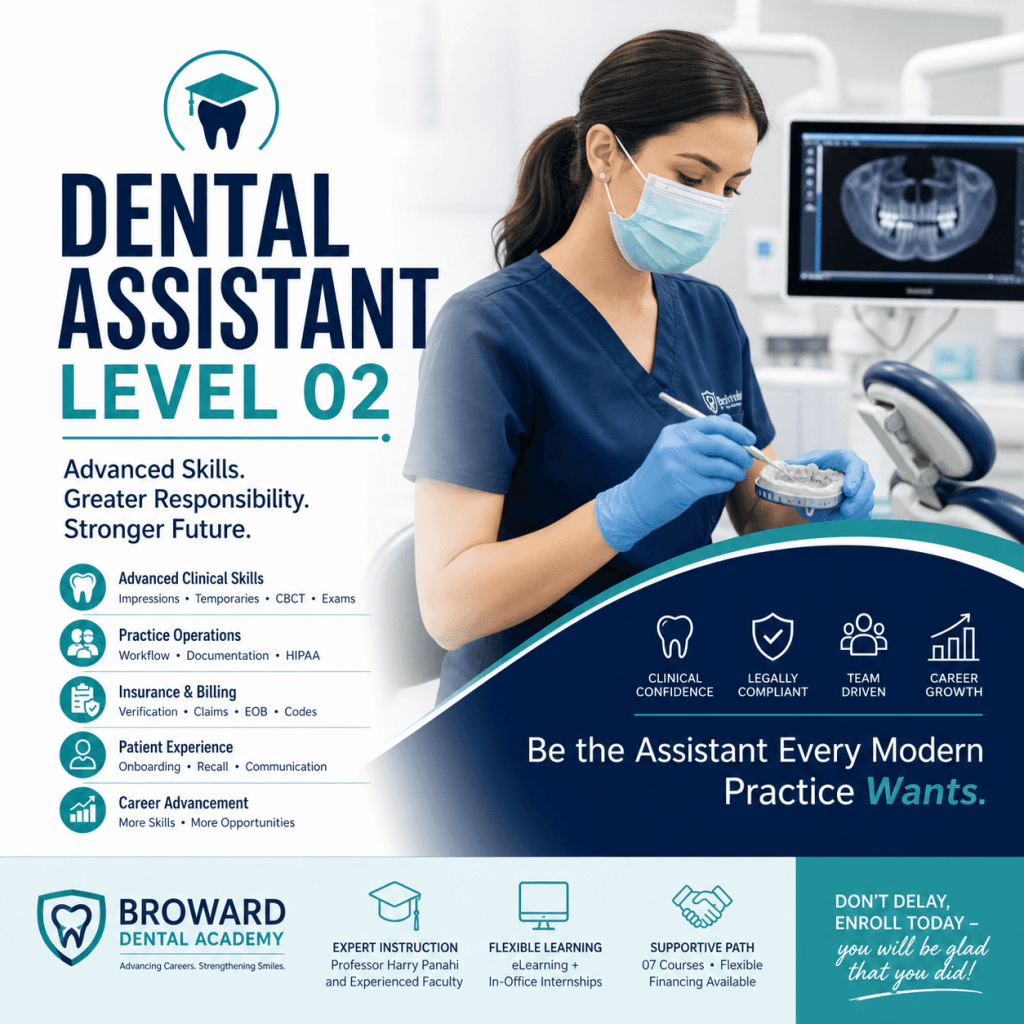
We offer a variety of programs tailored to different career needs. For instance, our Dental Assistant Level 02 course and Dental Assistant Hygienists Level 03 course provide foundational knowledge and skills necessary for a successful career in dental assisting.
Our learning experience is designed for immediate immersion and includes:
- Training in online and clinical settings
- Updated eLearning lesson plans for remote training
- Hands-on readiness through in-office internships
- A wide range of dental courses and advanced dental training, including 7 courses
- Flexible financing options
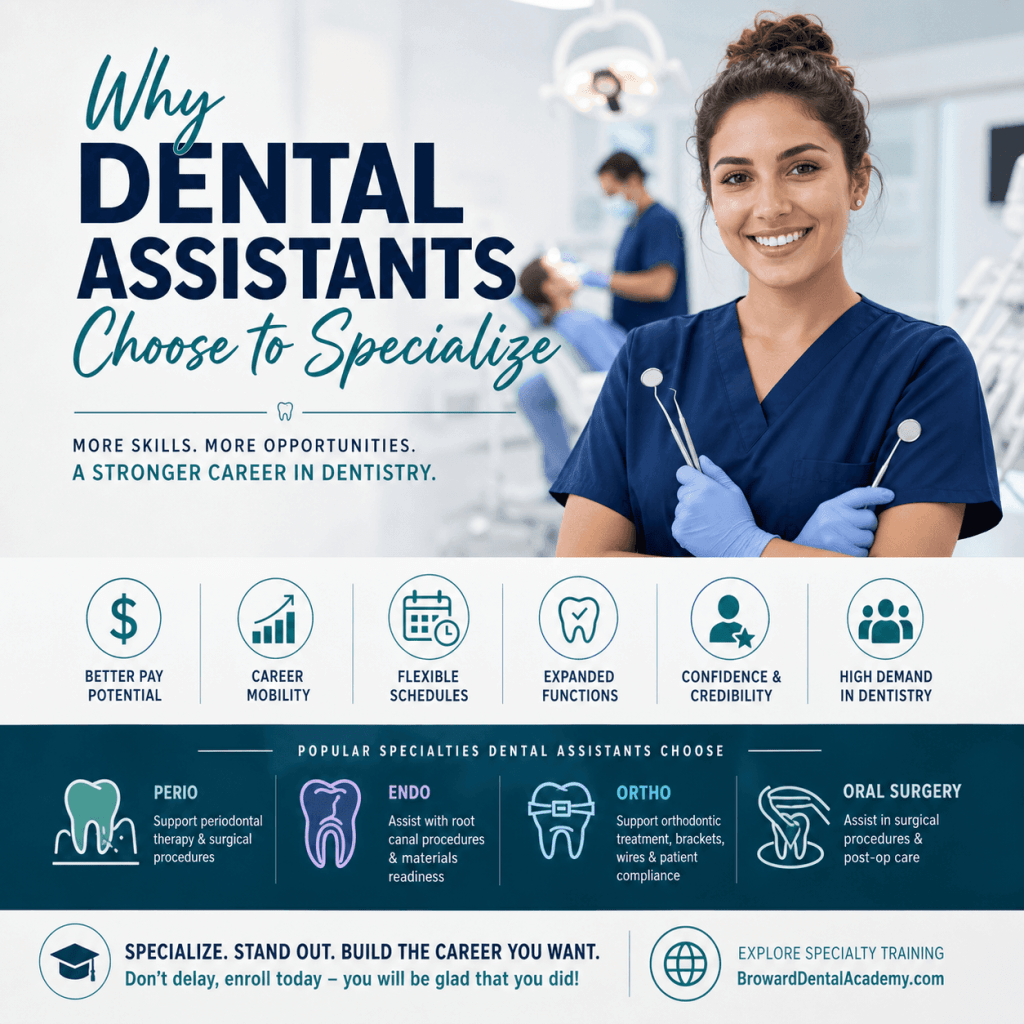
If you are serious about building a specialty-ready career in dental assisting, with our specialty dental assisting training that covers areas such as Perio, Endo, Ortho, and Oral Surgery, Broward Dental Academy can help you get there.
Don’t delay, enroll today – you will be glad that you did!
FAQs (Frequently Asked Questions)
What distinguishes a specialty dental assistant from a general dental assistant?
A specialty dental assistant focuses on assisting providers who perform specific procedures involving higher acuity, tighter clinical workflows, and more procedure-specific instruments. Unlike general dental assistants who assist with a wide mix of exams and treatments, specialty assistants manage faster-paced environments with higher documentation expectations and often deal with patients experiencing more intense anxiety.
What are the key tasks specialty dental assistants perform before patients arrive?
Before patients arrive, specialty dental assistants prepare by reviewing the schedule and provider preferences, ensuring sterilization protocols are strictly followed, setting up procedure-specific trays, and participating in a morning huddle to align on cases, medical complexities, radiograph needs, anesthesia considerations, and supply confirmations.
How do tray setups differ among various dental specialties?
Tray setups are tailored to each specialty: periodontal trays focus on irrigation and hemostasis materials; endodontic trays emphasize isolation and organized instrument sequencing; orthodontic trays prioritize speed, consistency, and management of small components; oral surgery trays resemble minor operating room setups with sterile fields and surgical readiness.
Why is infection control critical in specialty dental assisting?
Infection control is vital because specialty rooms turn over quickly and require consistent sterilization standards to ensure patient safety. This includes checking sterilizer logs, verifying biological indicators, ensuring instrument pouches are intact and labeled, managing sharps containers properly, and maintaining fresh barriers in operatories every time.
What chairside duties does a specialty dental assistant perform during procedures?
During procedures, specialty dental assistants support visibility through suction and retraction, anticipate the dentist’s needs by preparing instruments ahead of time, document notes and materials used accurately including images and timestamps, and provide patient reassurance through clear communication to help manage anxiety.
How can one enhance skills or pursue training as a specialty dental assistant?
Enhancing skills can be achieved by pursuing relevant certifications offered by institutions like Broward Dental Academy. They provide courses that offer valuable knowledge and hands-on experience across various specialties. Multiple locations make it convenient for aspiring assistants to find suitable training centers.