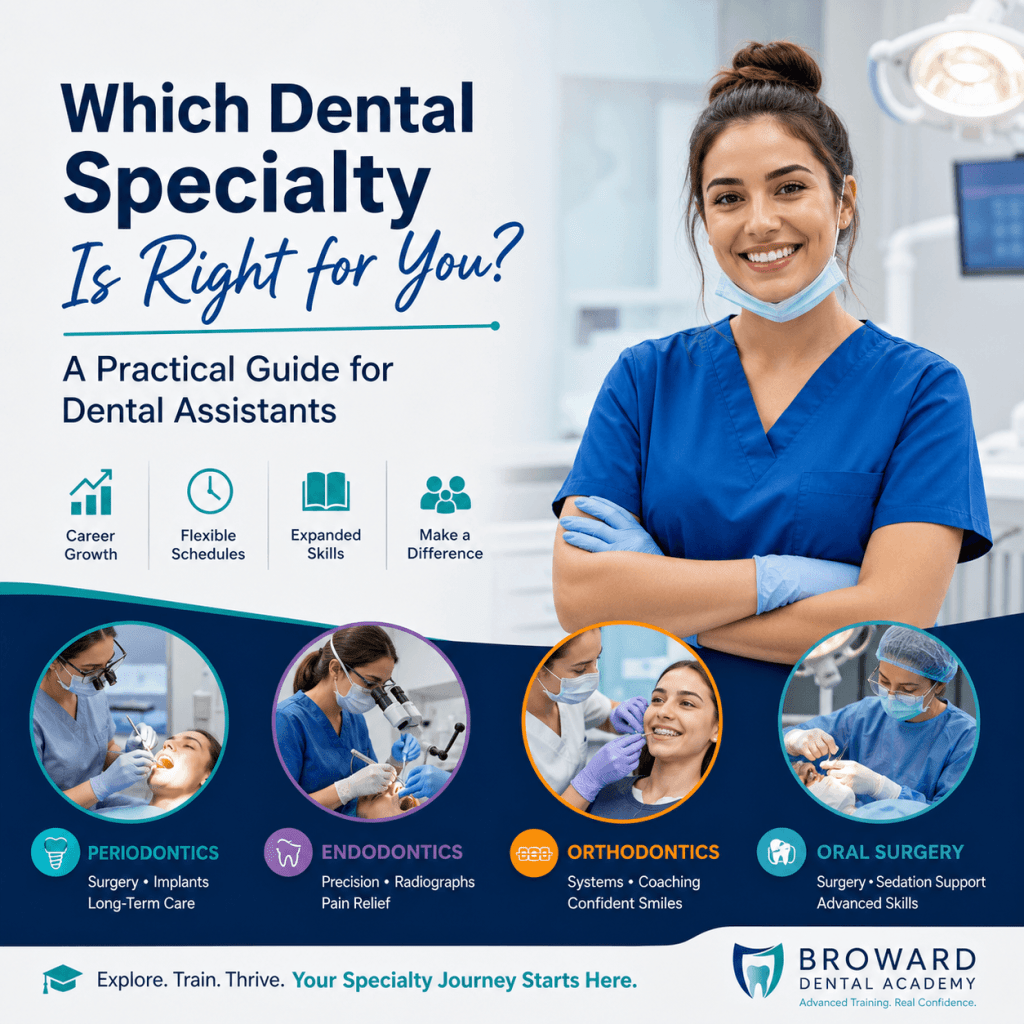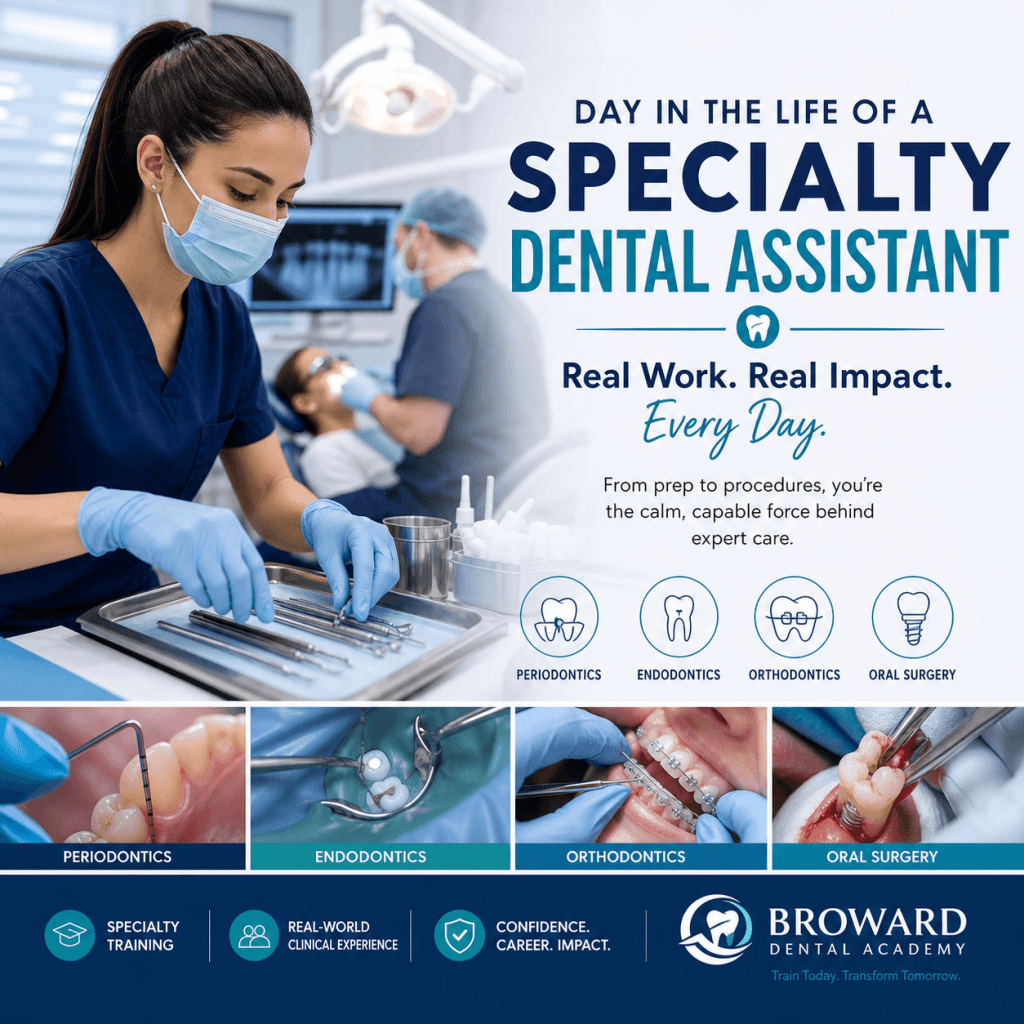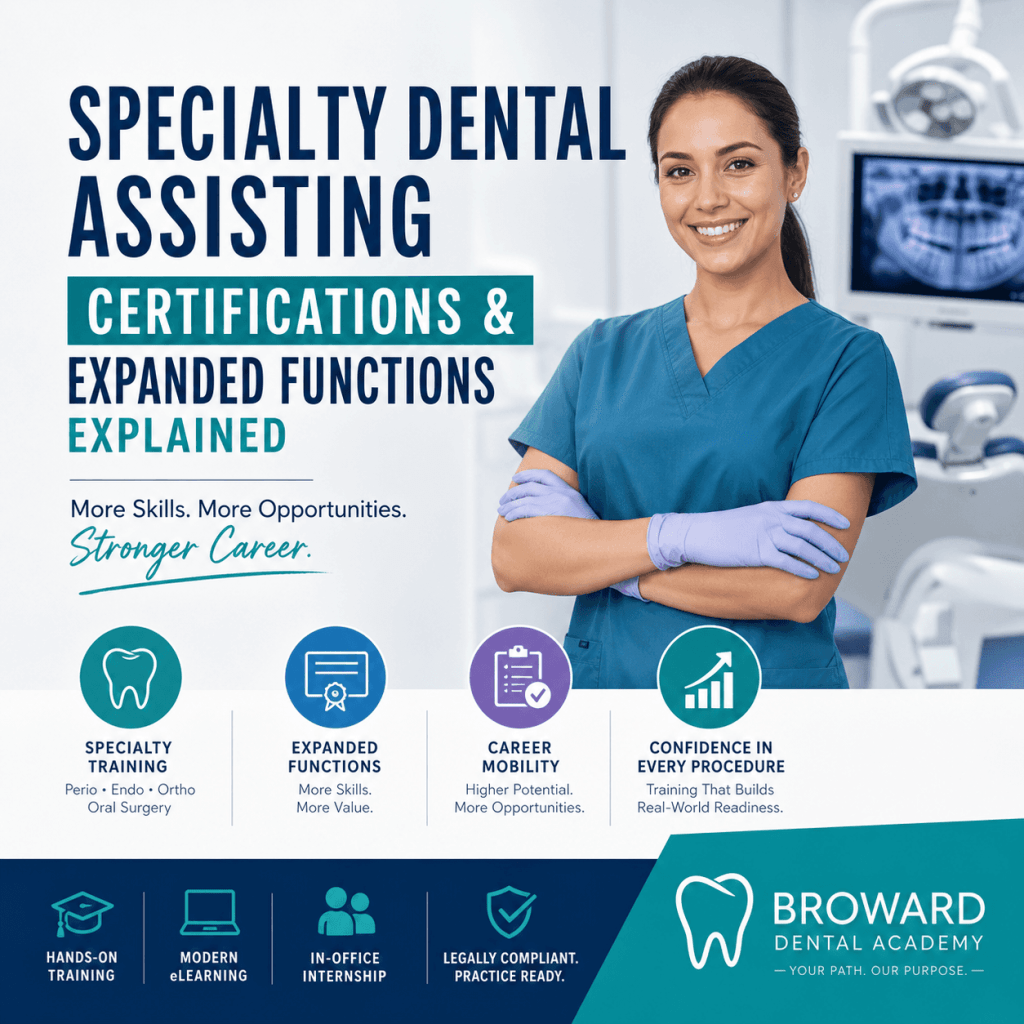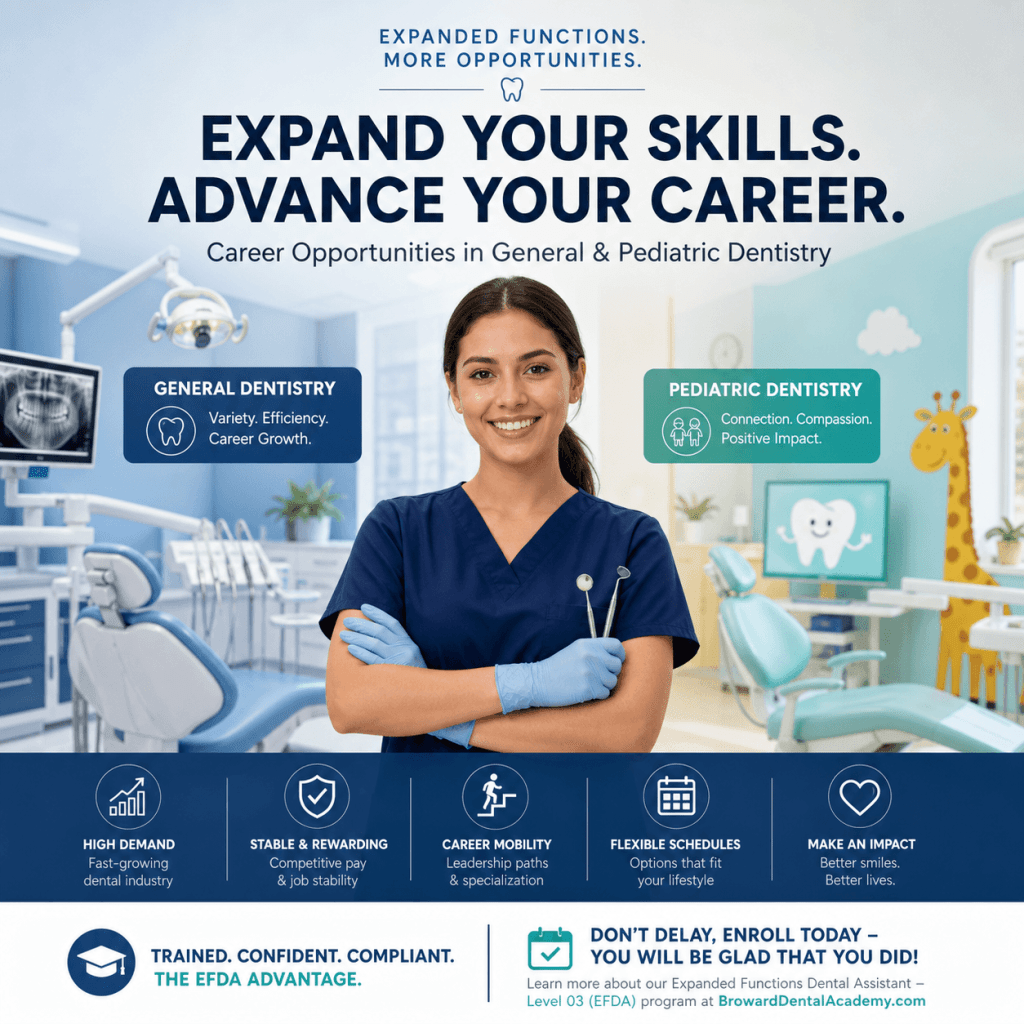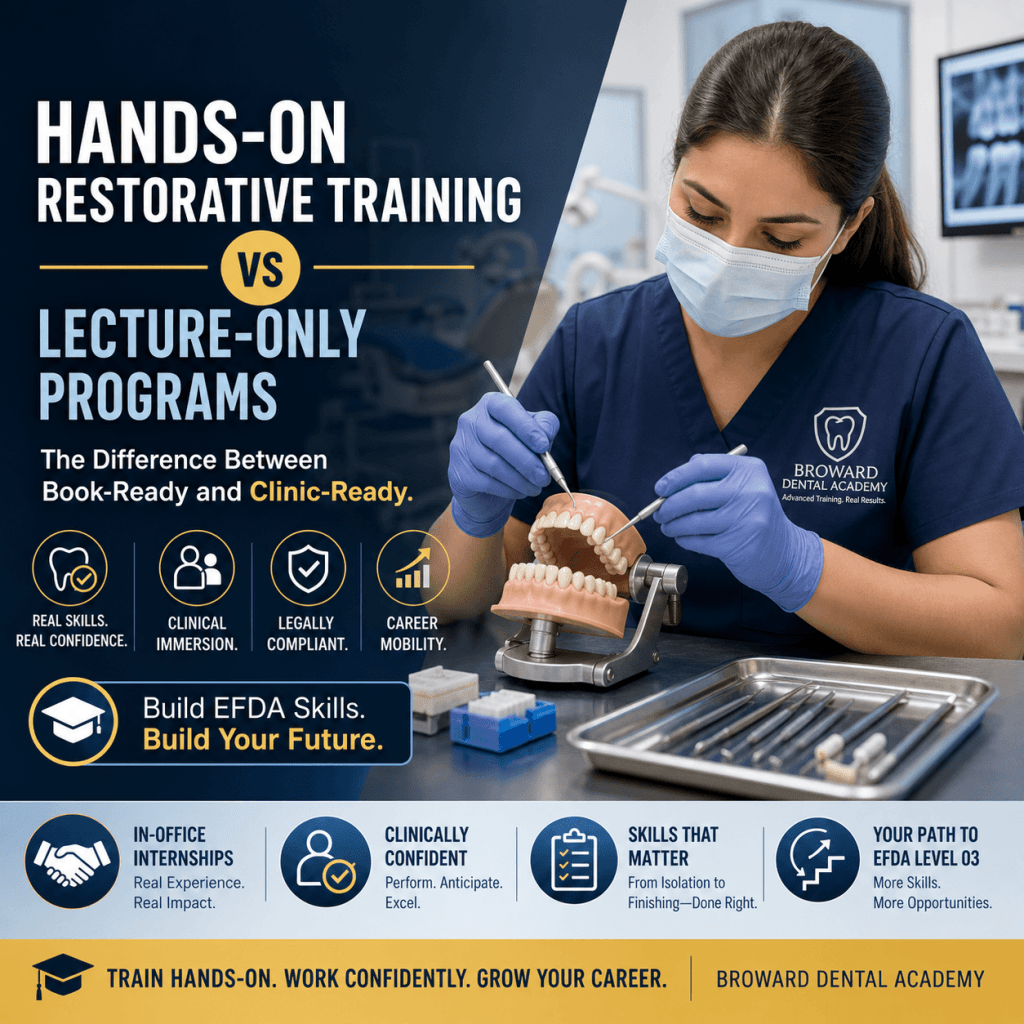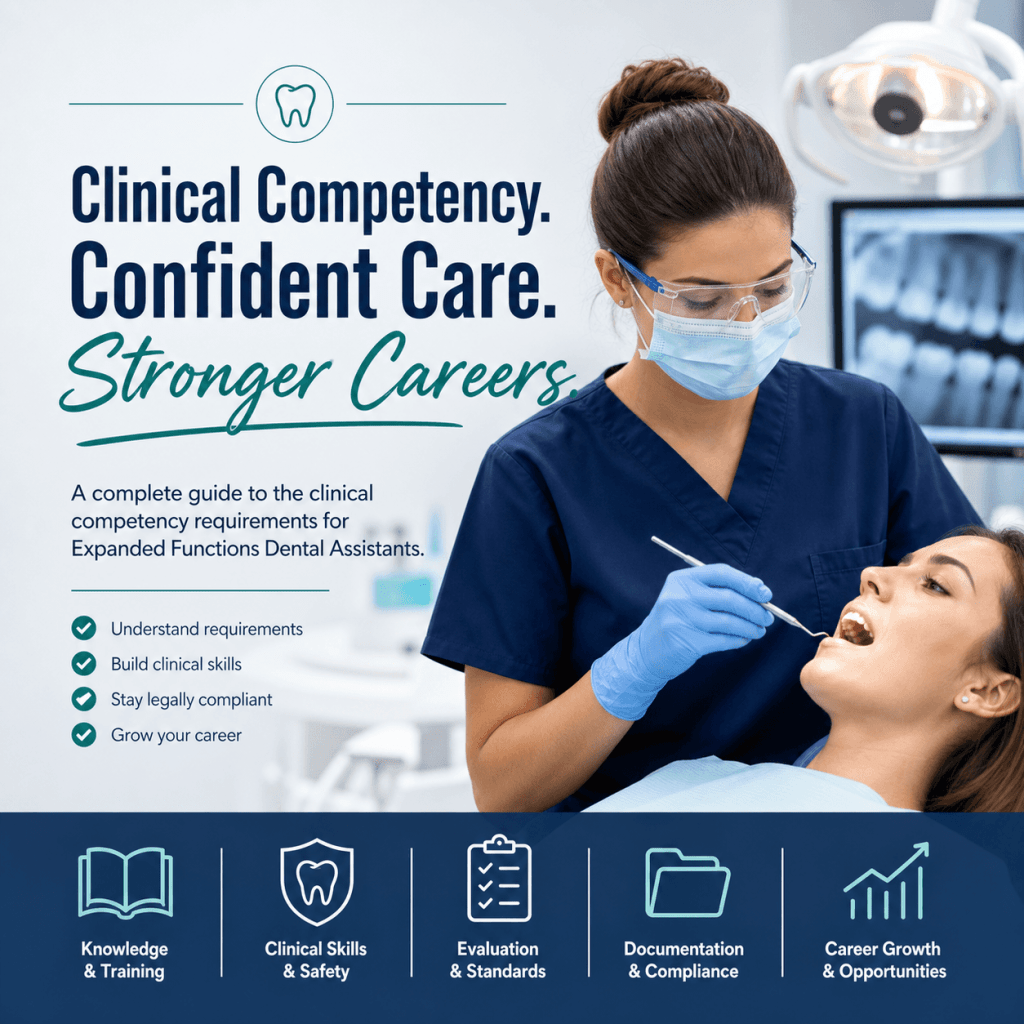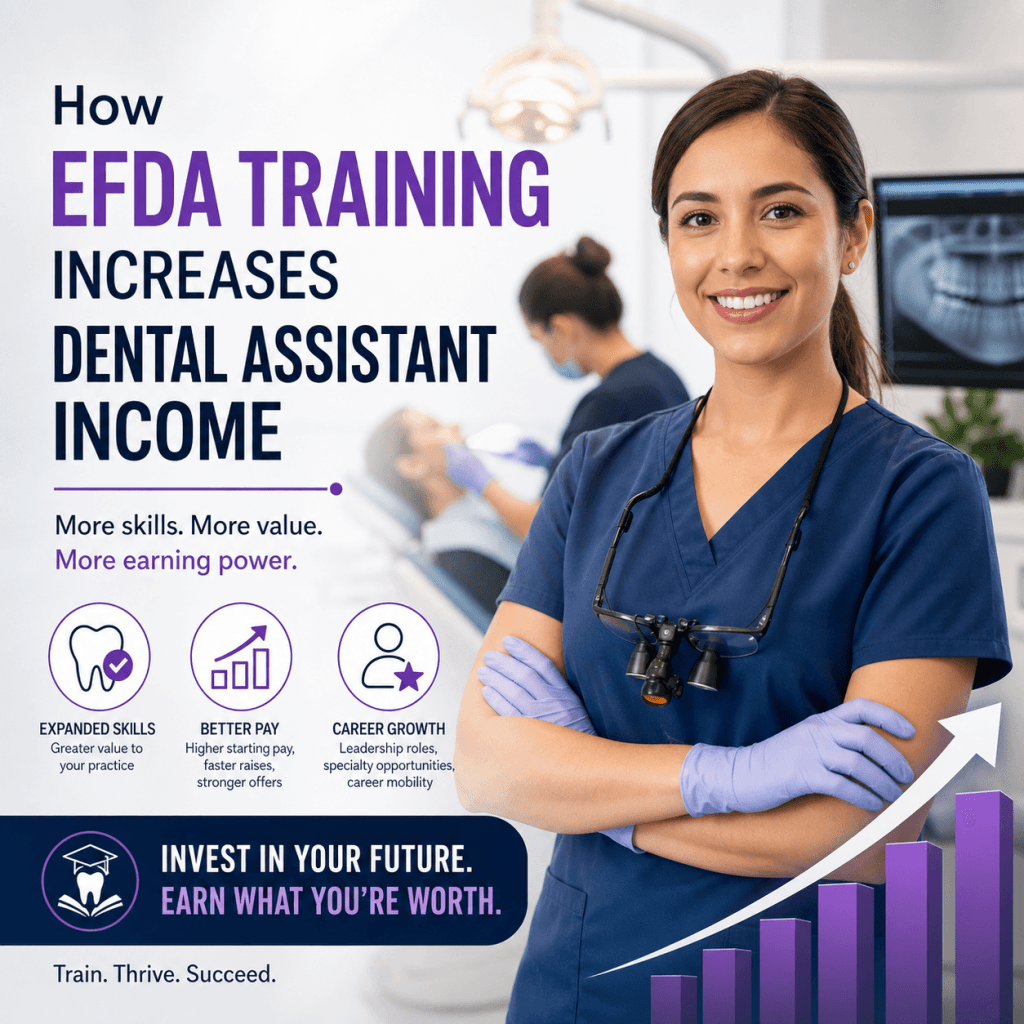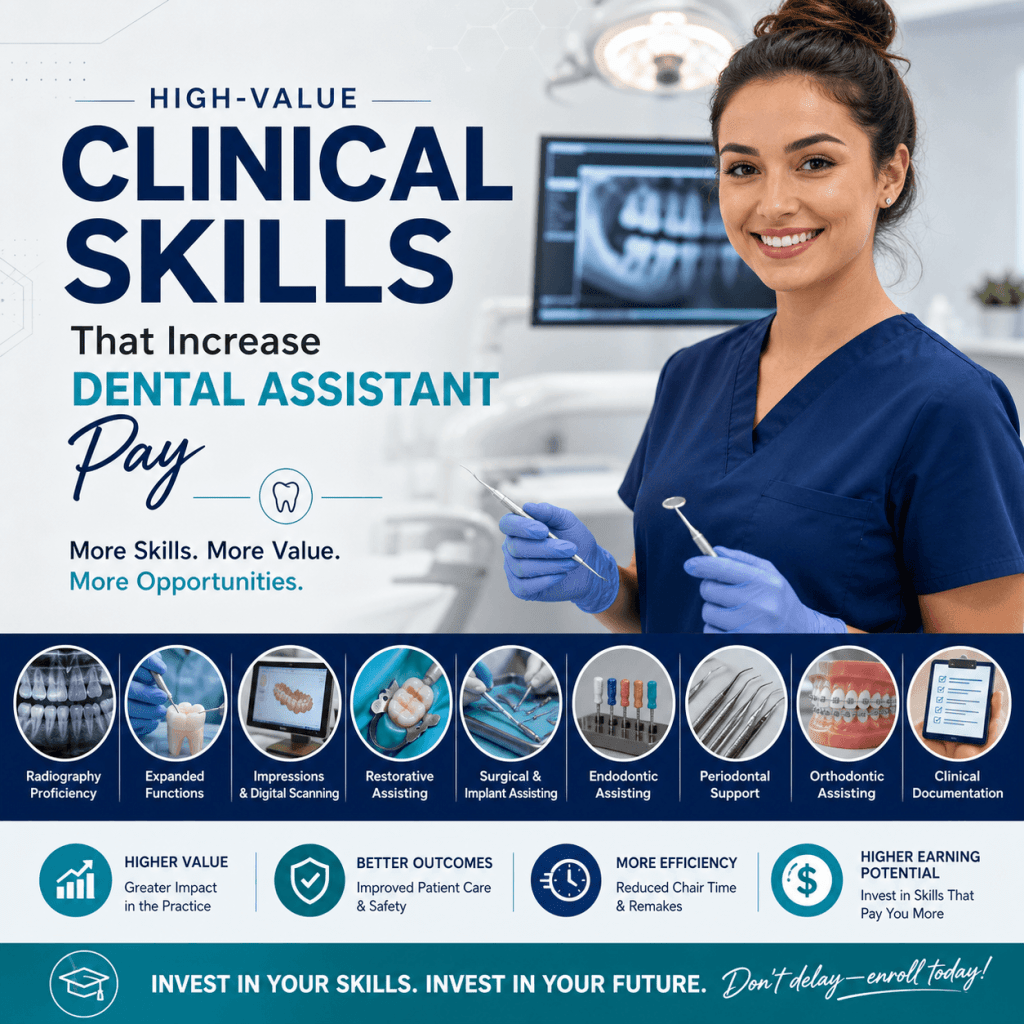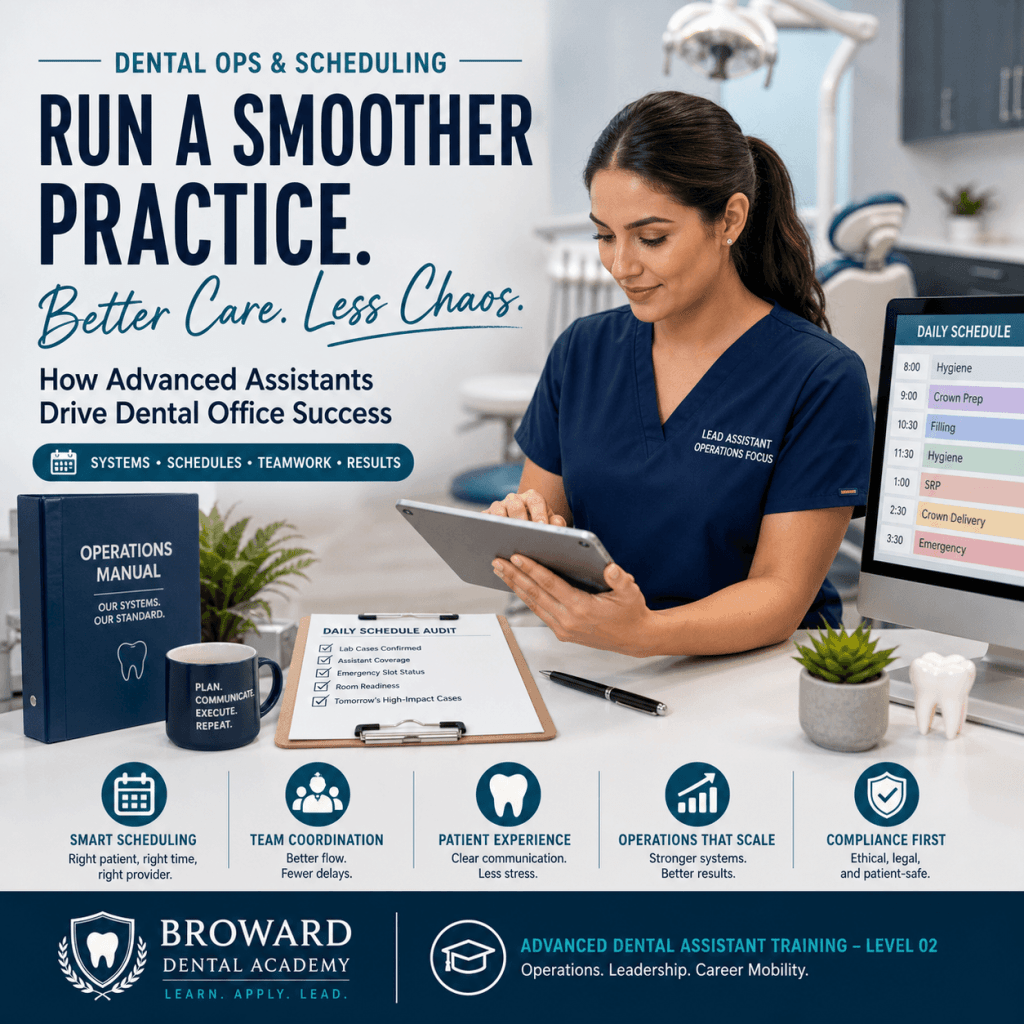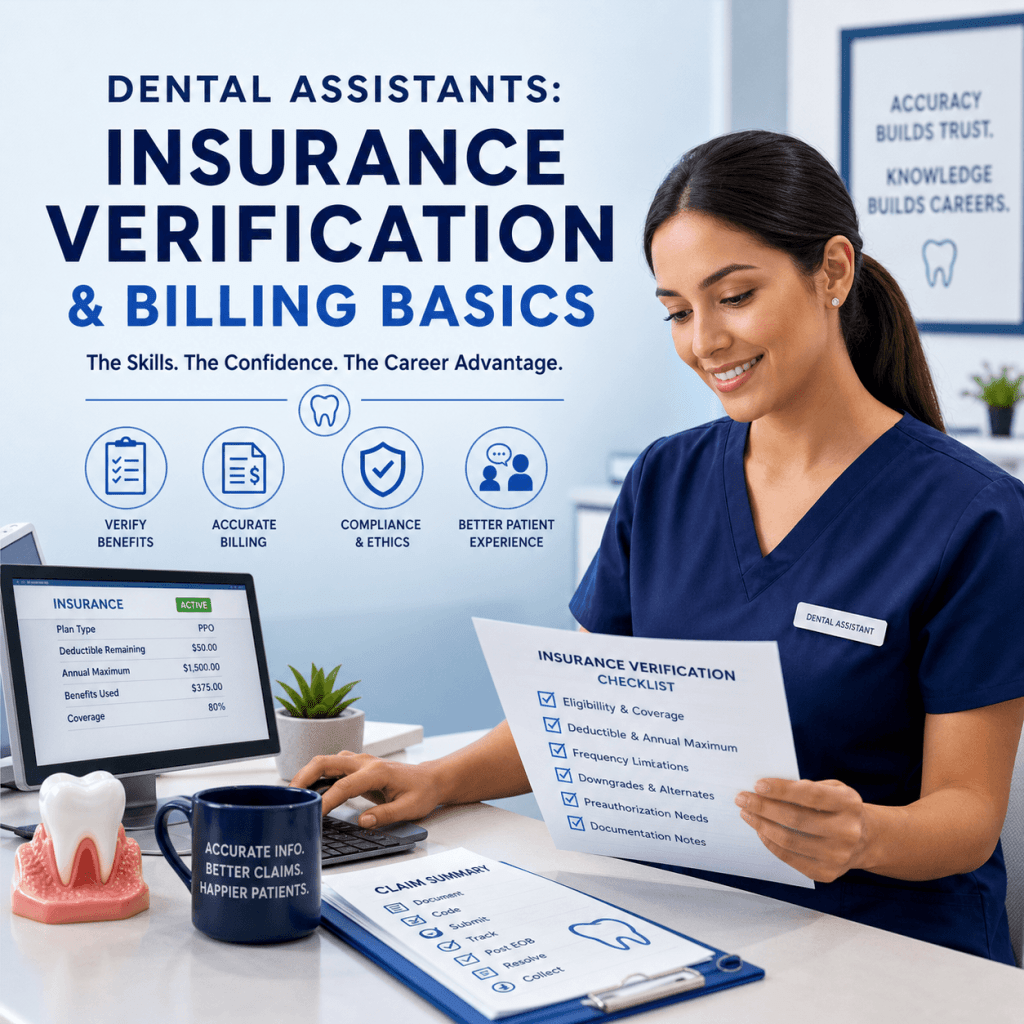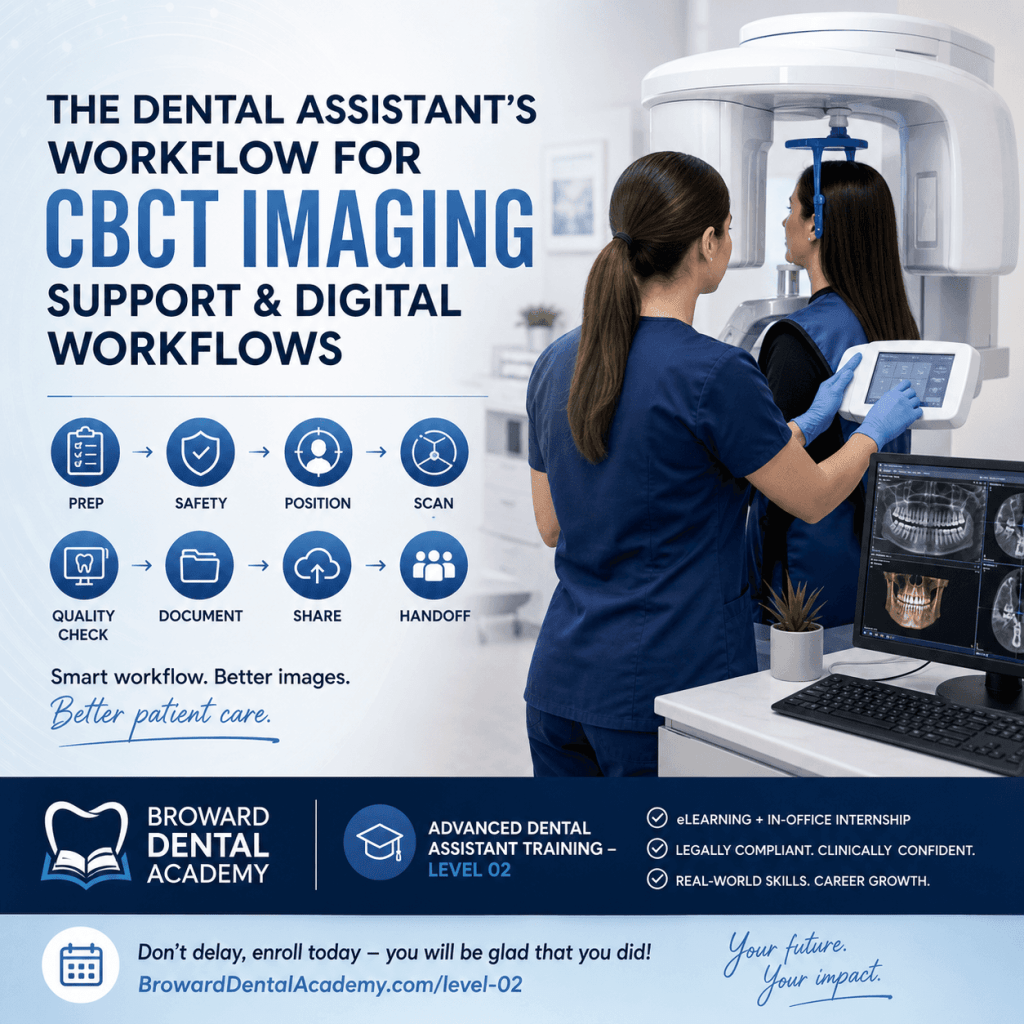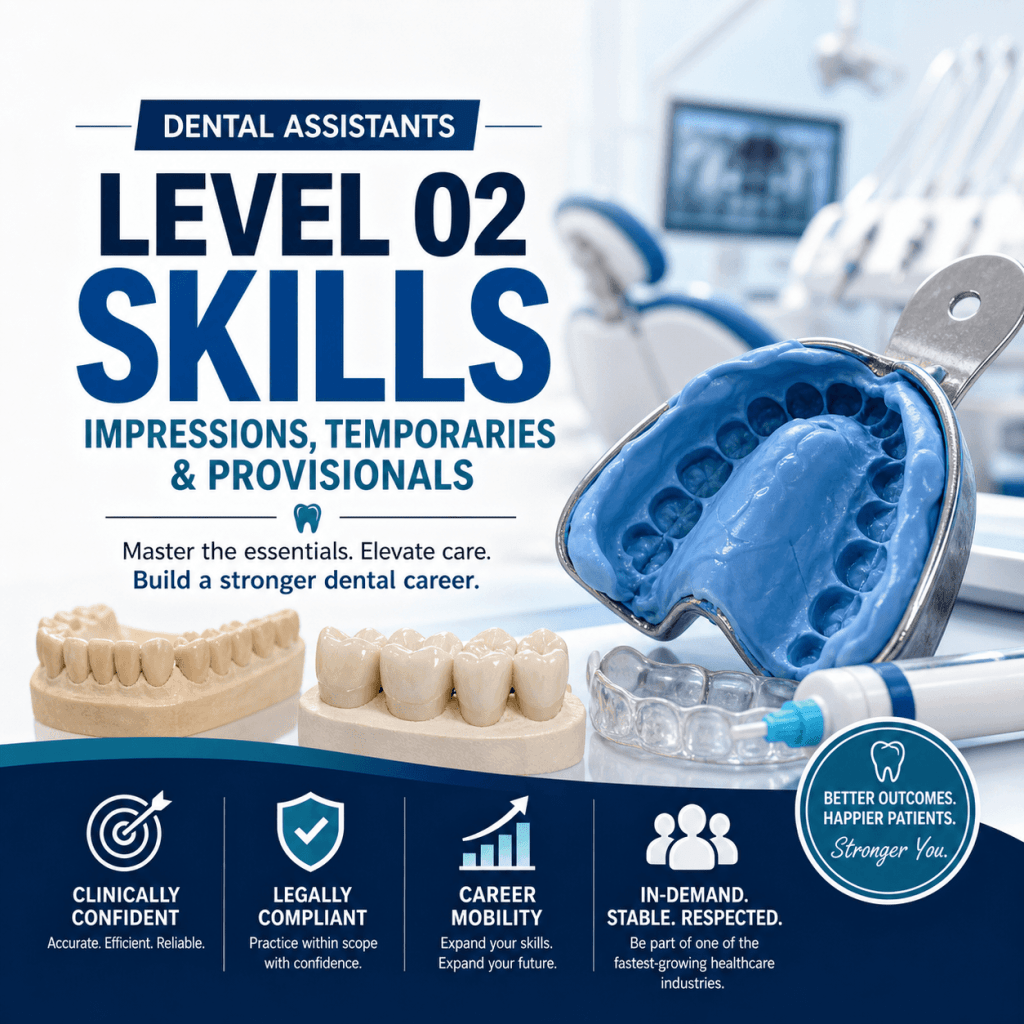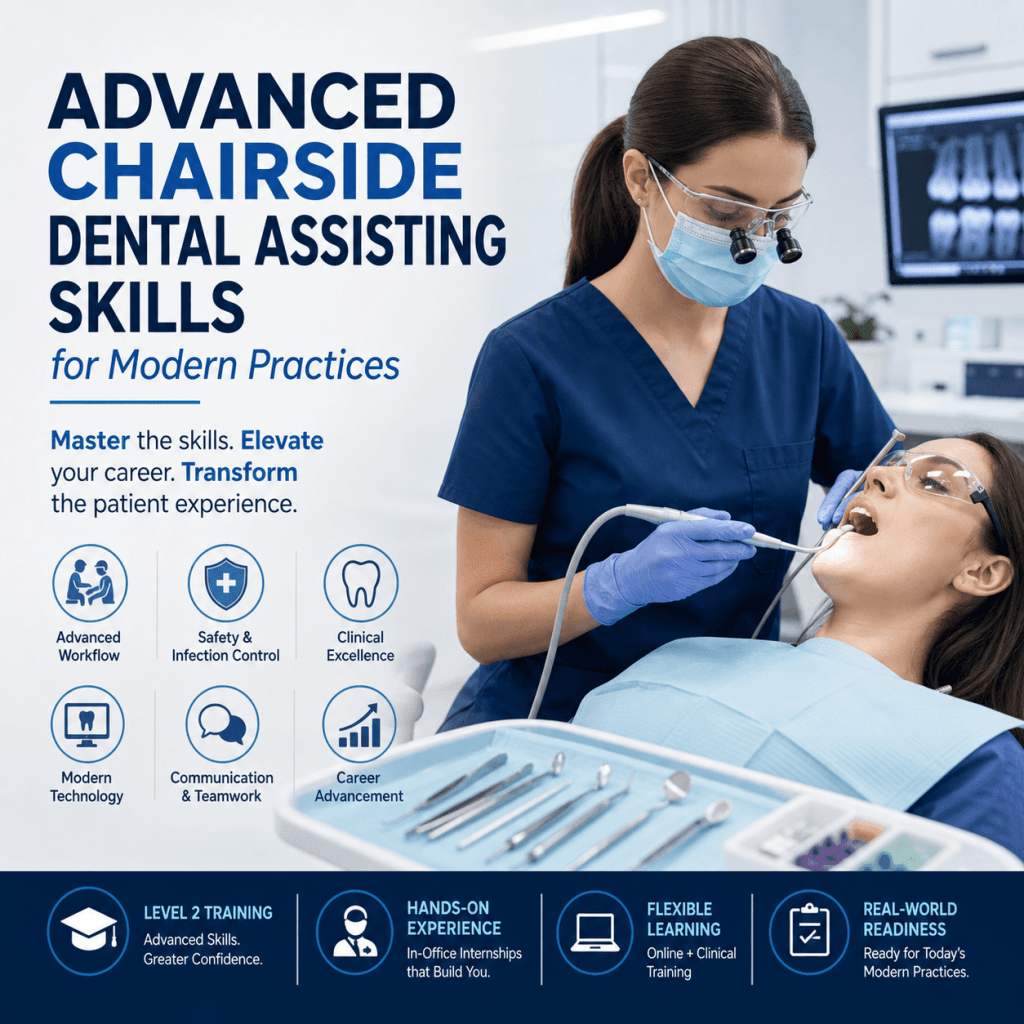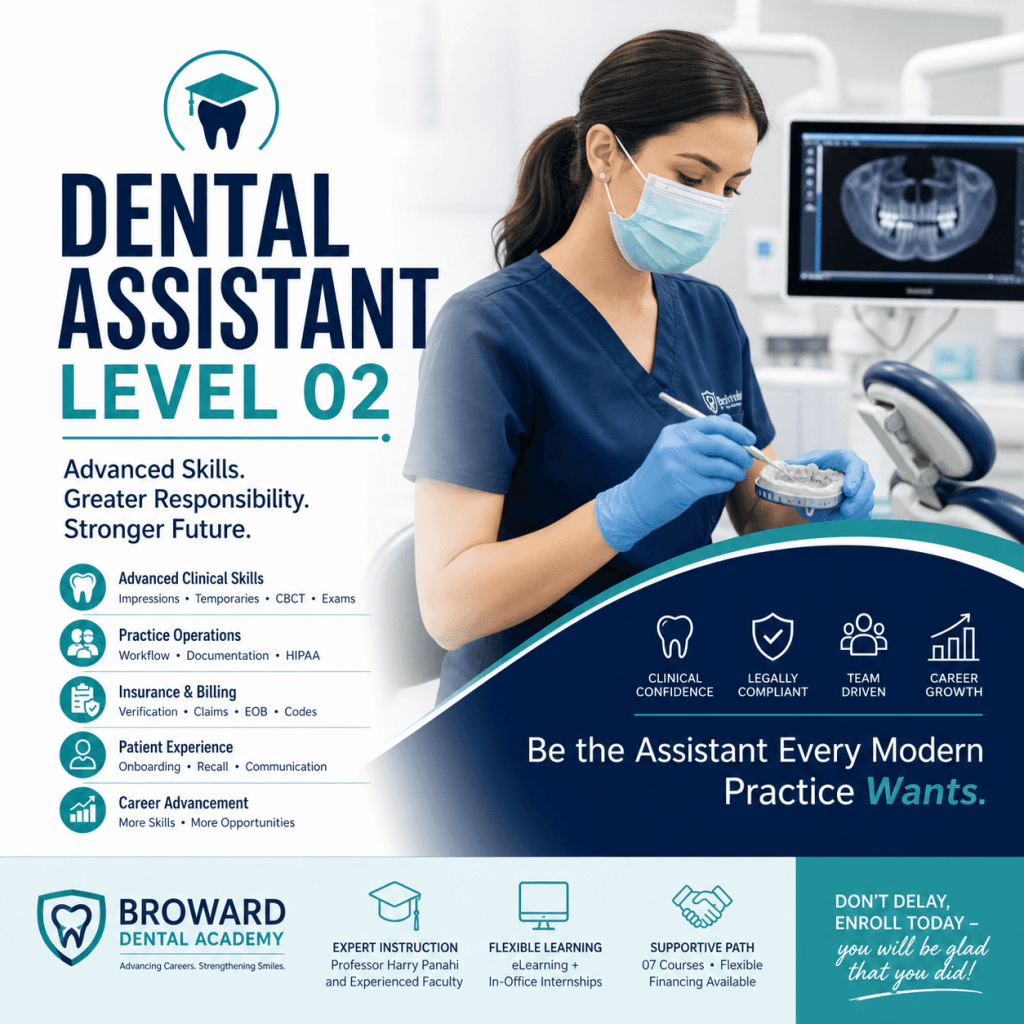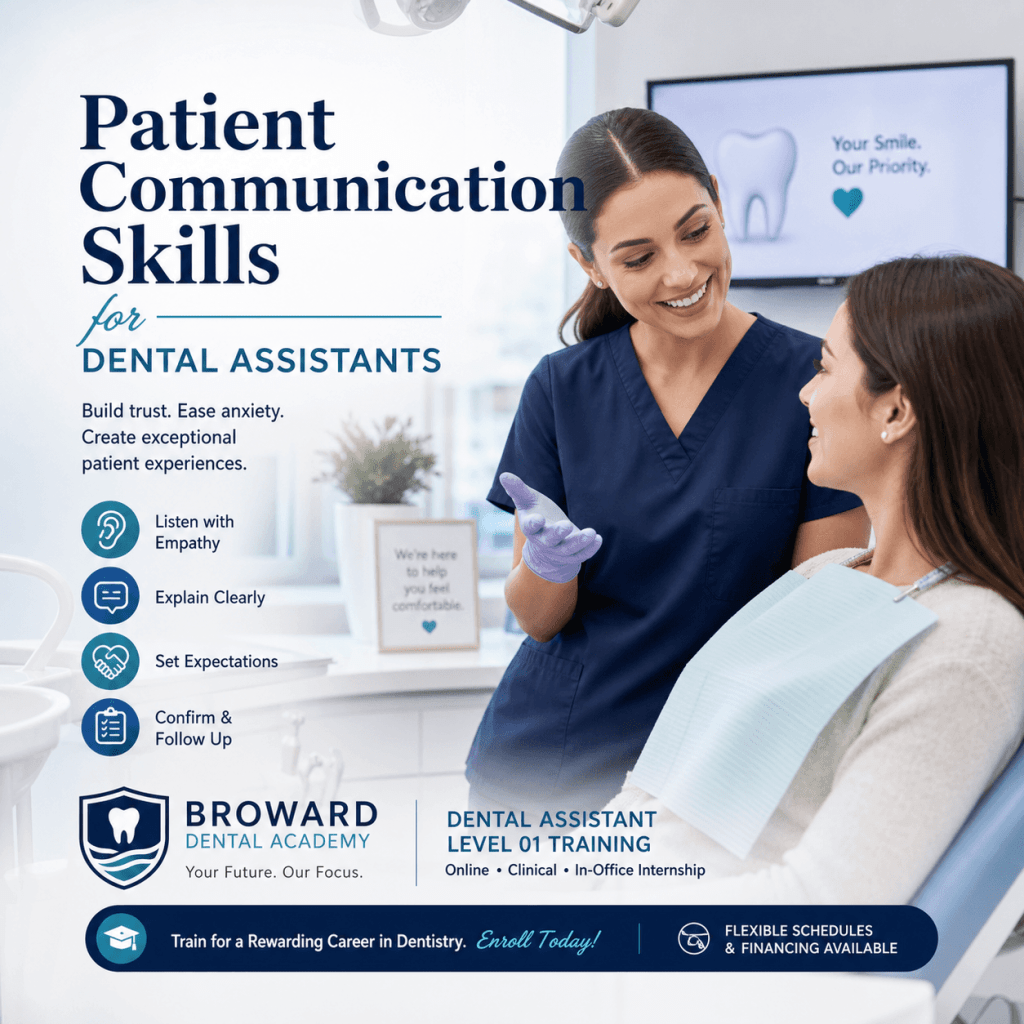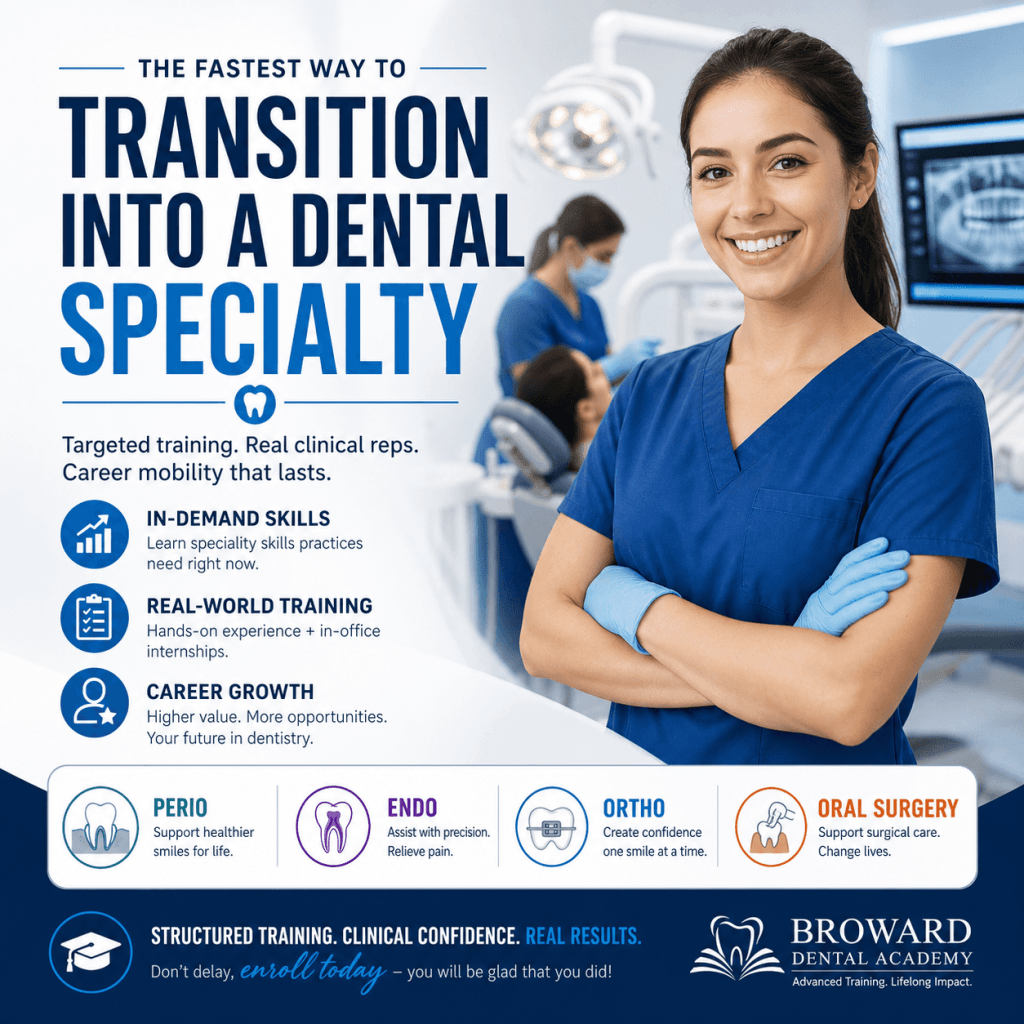
That matters right now because dentistry continues to be one of the strongest and most stable areas in healthcare. It offers reliable income potential, flexible schedules, a respected clinical role, and real career mobility. When you pair that stability with specialty skills, such as those learned in Dental Assistant Level 01, Dental Assistant Level 02, or even Dental Assistant Hygienists Level 03, you create leverage. You become the kind of assistant specialty practices want because you reduce their training time, protect compliance, and help keep patient flow moving.
This article will show you what “fast” realistically means, what you can control (your training pathway, clinical exposure, and compliance habits), and how to choose the specialty track that gets you hired sooner.
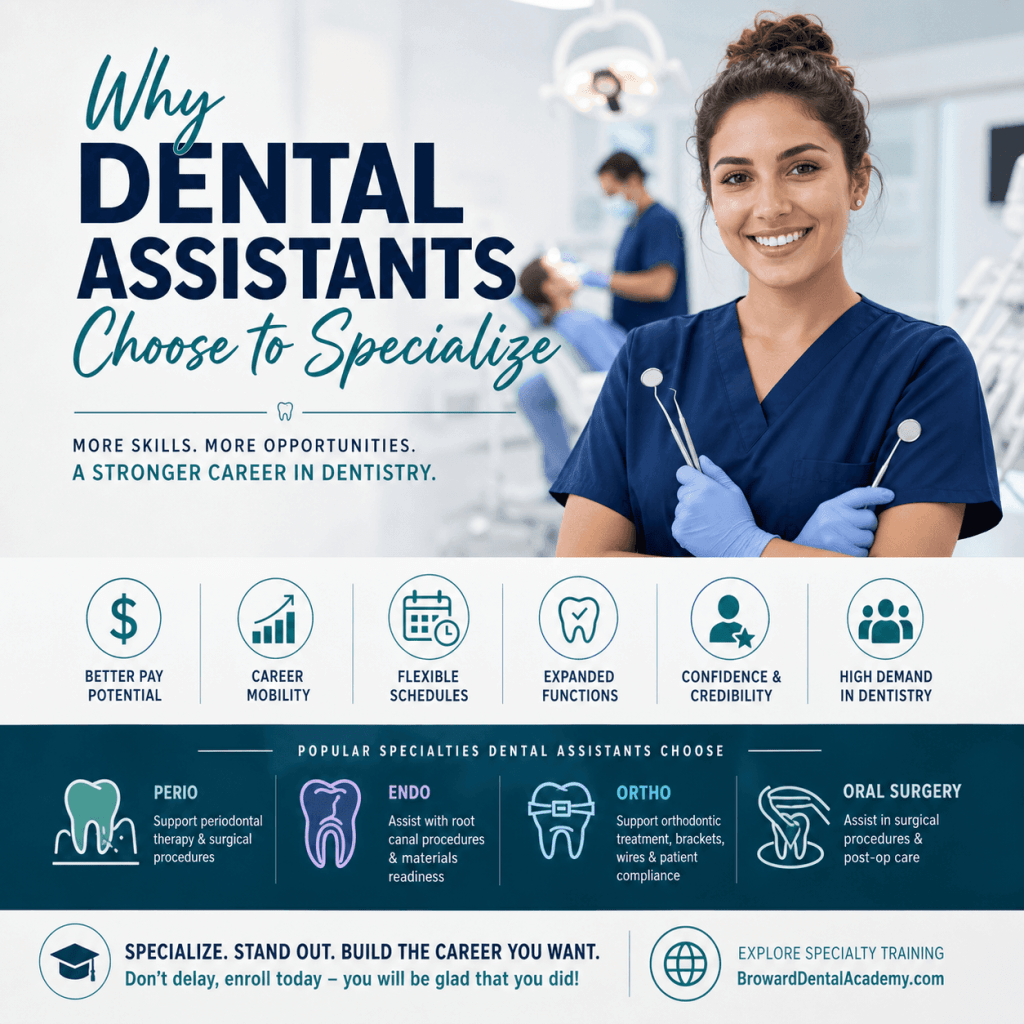
Why “specialty” is the fastest way to level up in dental assisting
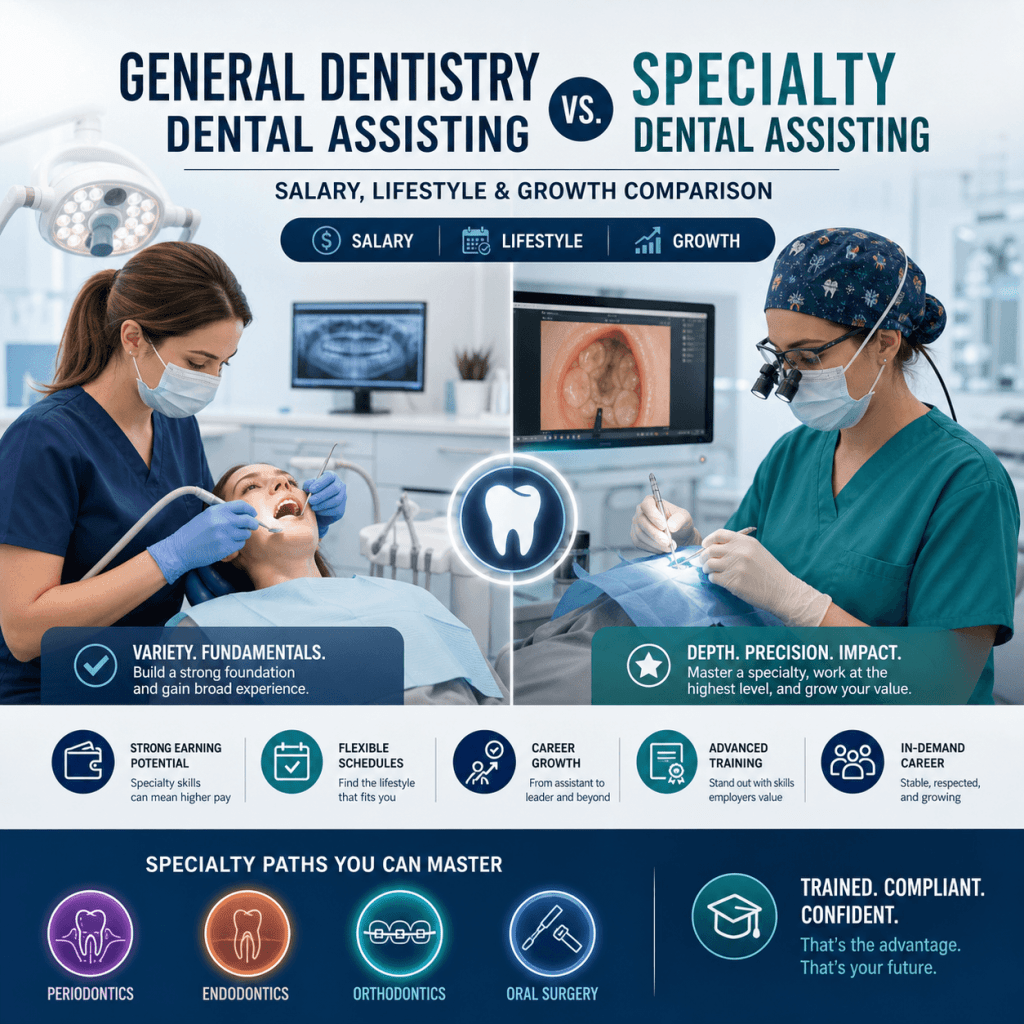
General assisting experience is valuable, but specialty practices are built around specific procedures, specific setups, and a faster rhythm. When you can already speak that language, you skip a big part of the learning curve.
Specialty skills help you:
- Plug into high-performance workflows faster (less chairside guessing, more anticipation).
- Support higher-value procedures (which often means higher expectations and more career growth).
- Stand out in a crowded applicant pool because you bring a defined capability, not just time on the job.
Here is the key mindset shift: practices are not only hiring “a dental assistant.” They are hiring procedure readiness, compliance confidence, and speed with accuracy.
To gain these essential skills quickly and efficiently, consider enrolling in specialized programs like those offered by Broward Dental Academy.
What counts as a dental specialty transition (and what doesn’t)
A true specialty transition for a dental assistant means moving from general chairside duties into specialty-focused assisting, where the procedures, instruments, documentation, and patient flow are meaningfully different.
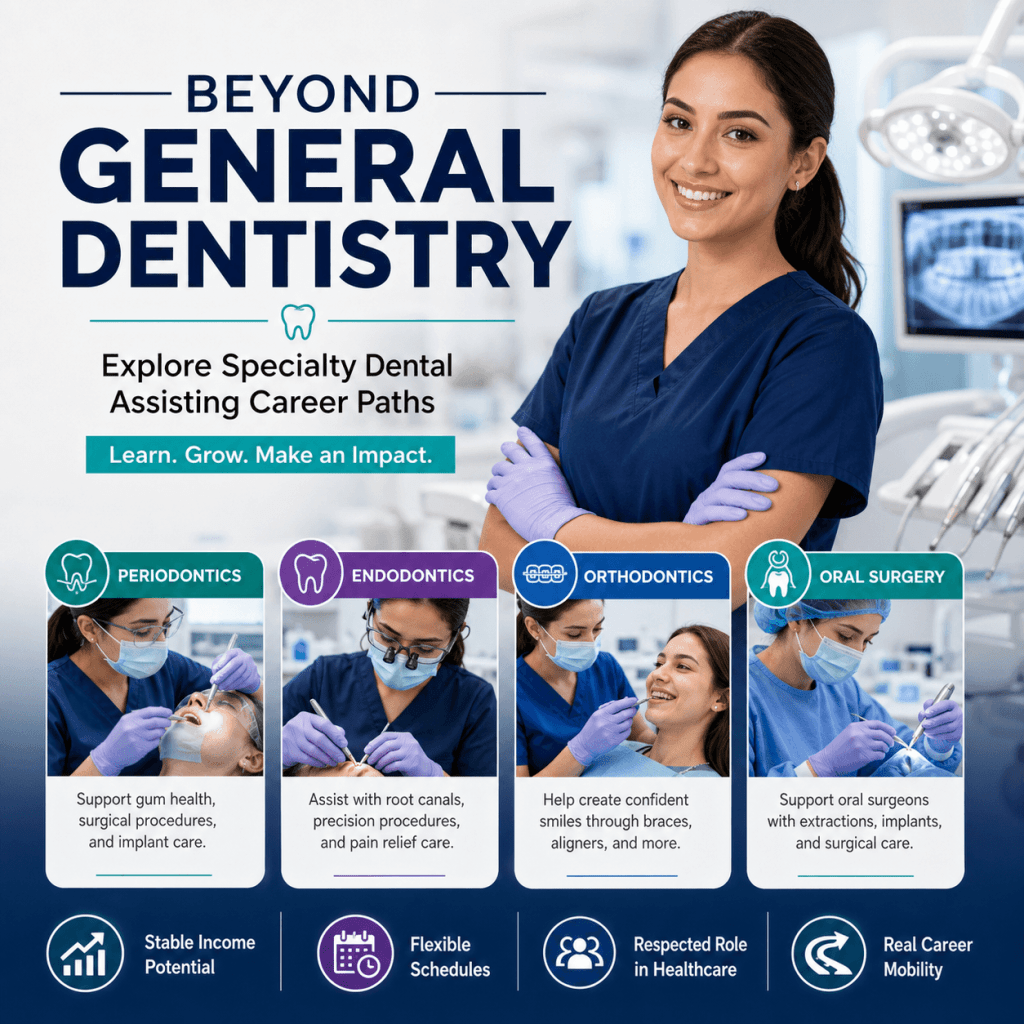
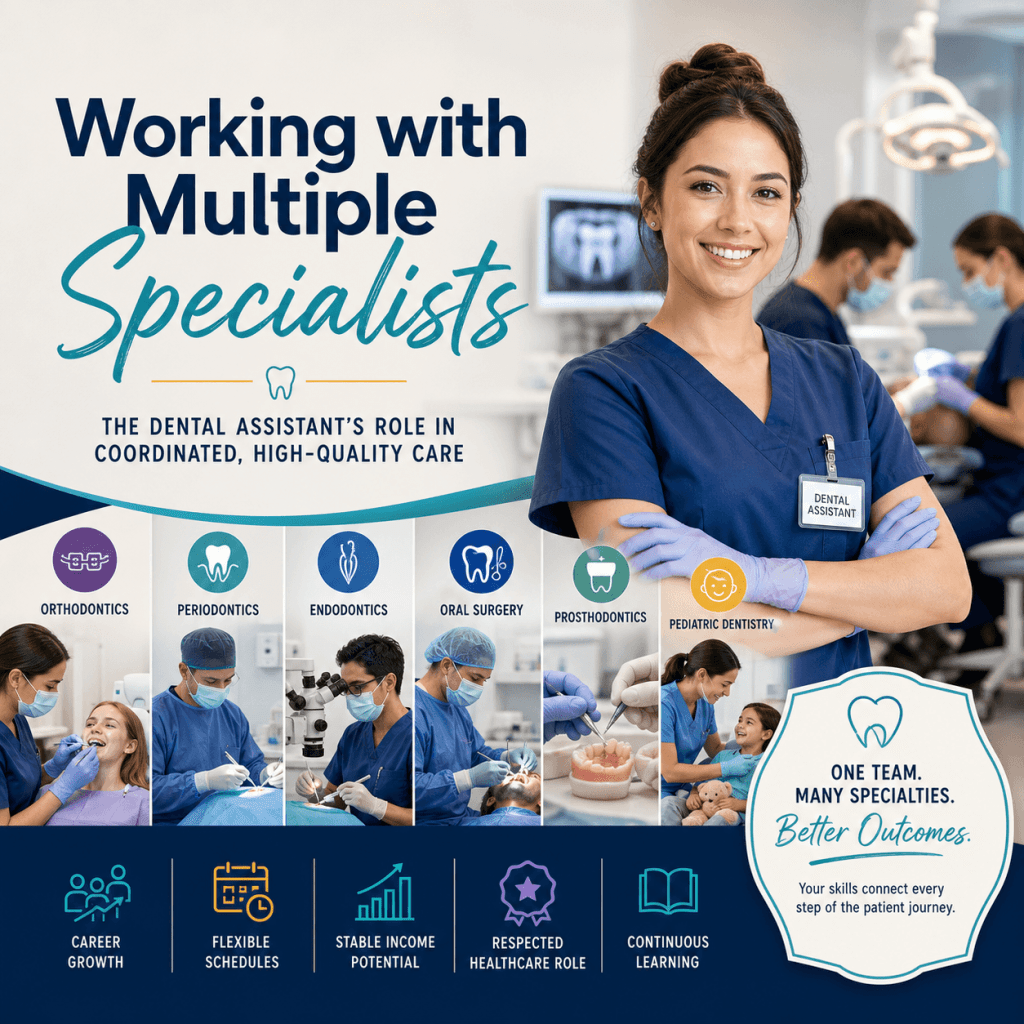
Common specialty lanes include:
What does not qualify as a real transition
These paths often feel productive, but they usually do not make you job-ready:
- Only shadowing without performing real setups or patient flow tasks.
- “Learning on the job” with no structured training plan or competency checks.
- Theory-only courses with little to no hands-on repetition.
Markers of a specialty-ready assistant
Specialty offices look for assistants who can do more than “help.” They want someone who can keep pace. Specialty readiness typically includes:
- Familiarity with specialty procedures and appointment flow
- Correct instrument and material setups
- Strong infection control and sterile technique habits
- Clear patient communication before, during, and after procedures
- Solid documentation routines and scope awareness
- Confidence under real clinical pace
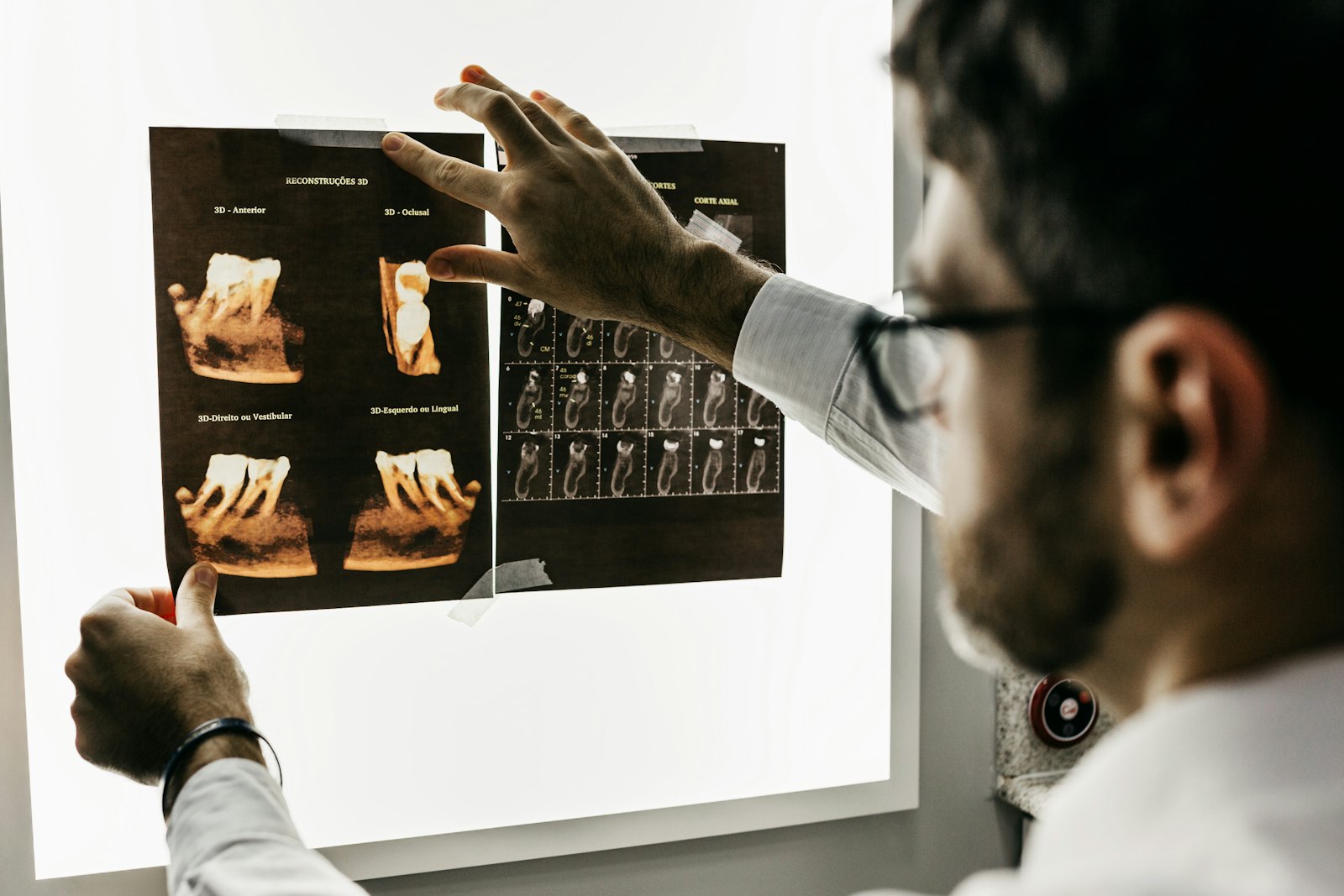
The 3 things that make a specialty transition fast (and the traps that slow you down)
A fast transition is not about rushing. It is about removing wasted motion and focusing on what produces job-ready performance. Achieving this requires understanding the specific demands of each specialty, whether it’s orthodontics, endodontics, or periodontics.
To facilitate this transition, obtaining relevant certifications can be beneficial. However, it’s important to avoid common pitfalls such as solely shadowing without active participation, undergoing unstructured on-the-job training, or taking theory-heavy courses without practical application.
Speed factor #1: Targeted training aligned to specialty procedures
Generic continuing education can help, but it often skips the exact workflows you will be judged on in a specialty interview and working interview. The fastest path focuses on:
- procedure steps and chairside sequence
- setups and breakdown
- specialty documentation patterns
- patient instructions and communication
Speed factor #2: Immediate immersion in real specialty workflows
You speed up when your learning matches reality. That means seeing what “good” looks like in a specialty room:
- how trays are set consistently
- how the team communicates
- how the schedule drives the pace
- how to anticipate the next step instead of waiting for instructions
Speed factor #3: Internship or in-office exposure that turns knowledge into performance
Knowledge becomes hireable skill when you can do it repeatedly, under supervision, with feedback.
Traps that slow you down
- Choosing the wrong program format (all theory, no performance)
- Delaying hands-on practice until “later”
- Skipping compliance and ethics because it feels “basic”
- Not building a specialty-focused resume or proof-of-skills
Fast transitions come from intensity + repetition + accountability.
Pick your specialty: which track gets you hired fastest?
The “fastest” specialty is usually the one that matches:
- Local demand (what offices are hiring for in your area)
- Your strengths (speed, patient education, surgical comfort, documentation focus)
- Your procedure preference (what you want to do daily)
Below is a practical view of several high-demand lanes.
If you’re considering pursuing a dental career, it’s essential to understand the local demand for various specialties. For instance, Broward Dental Academy offers insights into different locations and their specific requirements in terms of dental specialties. This information could significantly aid in making an informed decision about your career path.
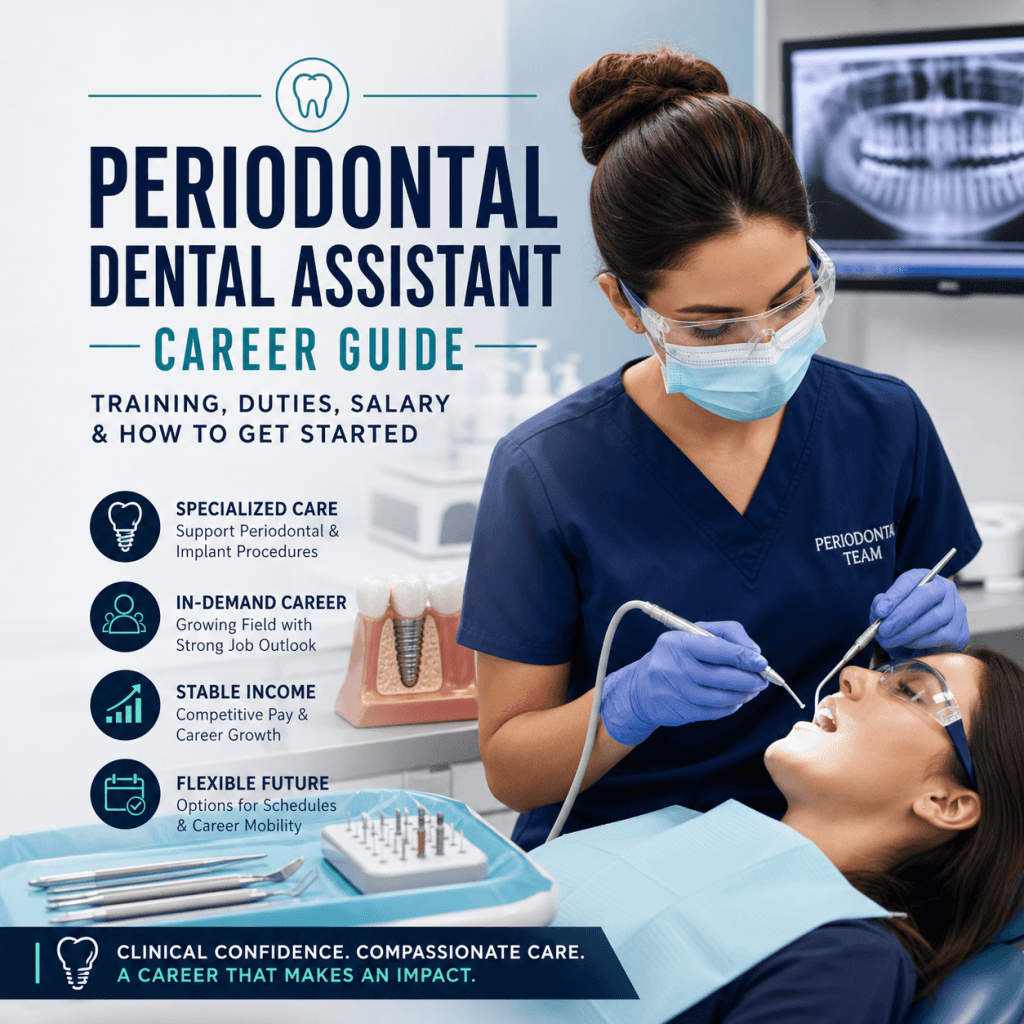
Periodontics (Perio)
Perio offices value assistants who can support both surgical and maintenance-based workflows.
What you may be supporting:
- periodontal charting support and consistent data habits
- surgical setup patterns and operatory turnover discipline
- maintenance visit flow and patient education
- post-op instructions and reassurance for anxious patients
Perio can be a strong fit if you like precision, routine, and patient coaching, and you are comfortable with clinical detail.
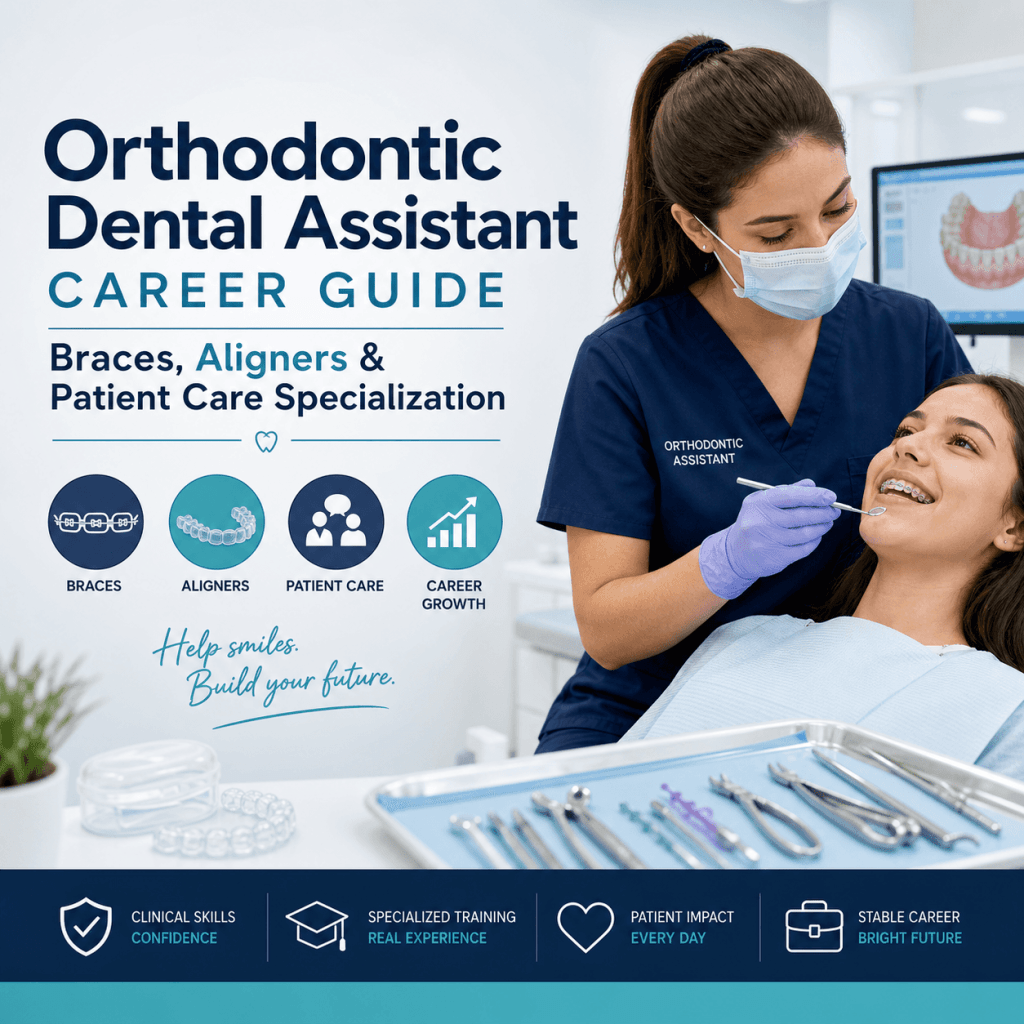
Orthodontics (Ortho)
Ortho is often high-volume and systems-driven. Speed and consistency matter every hour.
What you may be supporting:
- bonding and debonding support
- appliance workflows and efficient room turnover
- patient education (home care, elastics, retainer wear)
- tight scheduling and repeatable appointment routines
Ortho can be a strong fit if you like fast pace, repetition, and communication with teens, parents, and long-term cases.
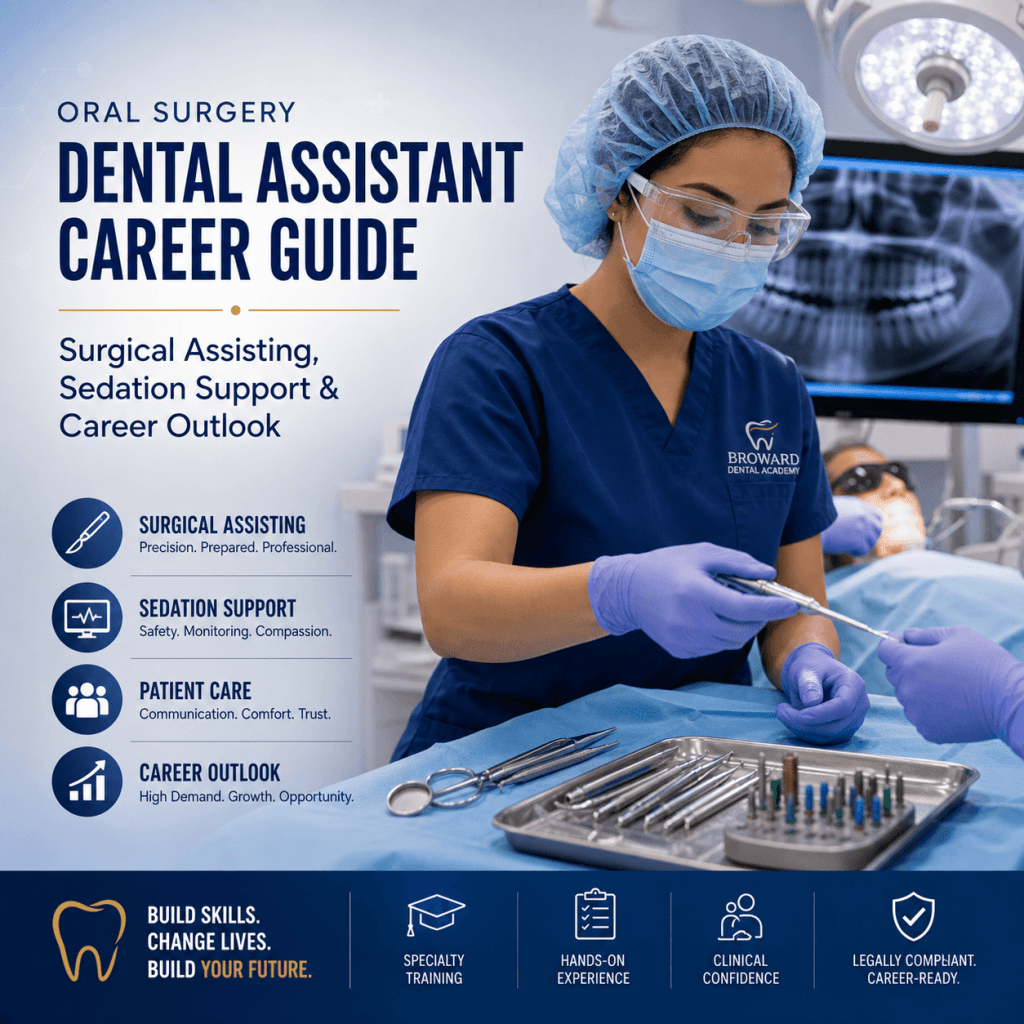
Oral Surgery
Oral surgery requires calm under pressure and excellent sterile technique habits.
What you may be supporting:
- surgical asepsis and room setup consistency
- extraction support and efficient instrument readiness
- sedation awareness basics within your role and scope
- clear post-op communication and discharge flow
Oral surgery can be a strong fit if you are composed, detail-driven, and comfortable with surgical environments.
For speed: choose one primary track first, get hired, then stack additional specialties later for mobility and expanded opportunities.
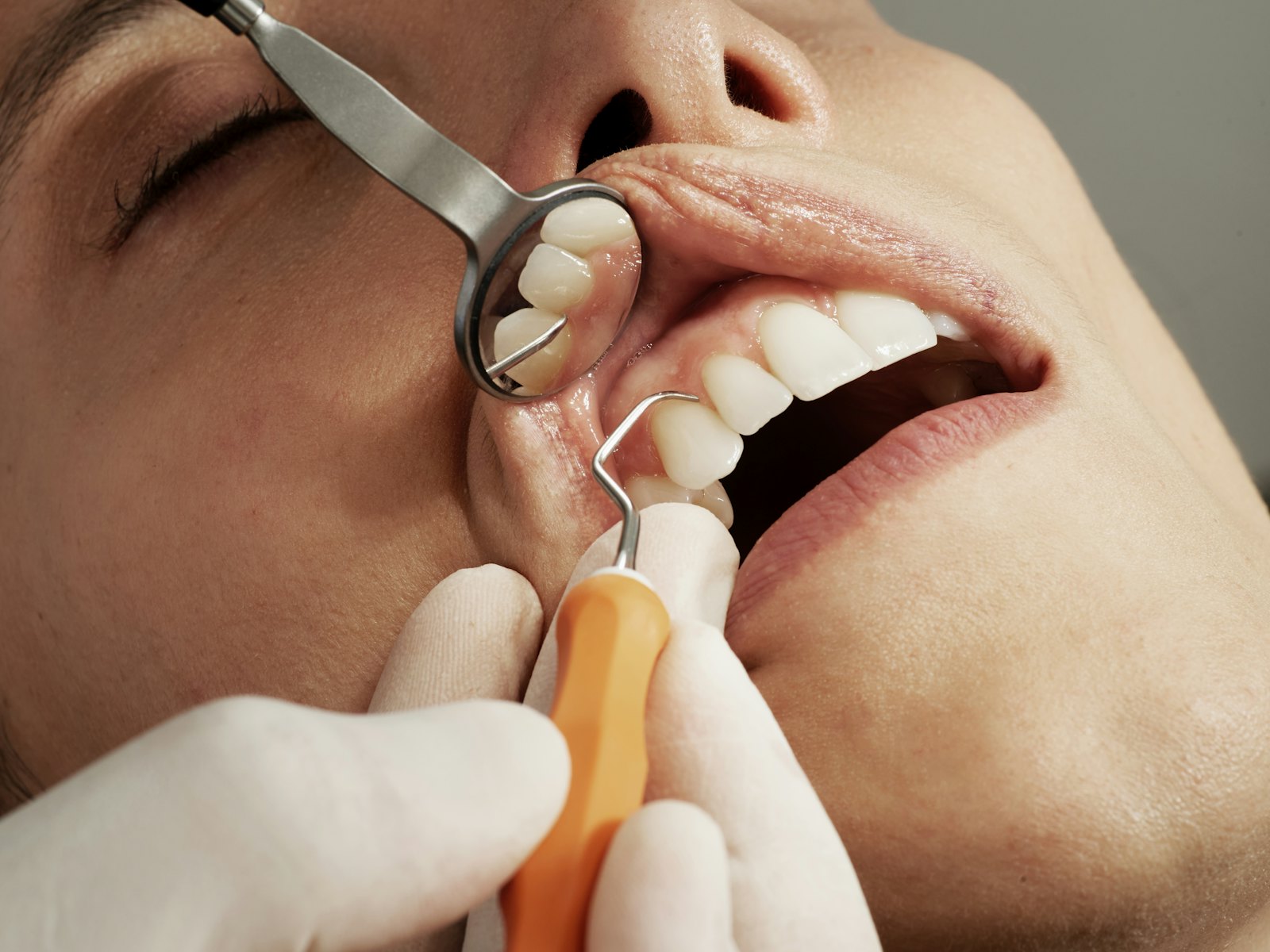
The fastest roadmap to transition into a dental specialty (step-by-step)
Step 1: Confirm your baseline
Be honest about where you are right now:
- entry-level, limited chairside time
- general assisting experience, no specialty exposure
- returning to the workforce after time away
Then compare that to your target specialty role. Read job postings and note repeated requirements: procedures, software, documentation expectations, pace, and compliance language.
Step 2: Choose a structured specialty training program built for real readiness
Look for training that goes beyond theory and prepares you for what happens in a real operatory:
- specialty procedure flow
- setup and breakdown standards
- infection control and documentation habits
- simulated reps that build speed and accuracy
Step 3: Get immediate hands-on reps (labs/clinical practice)
This is where “fast” happens. The goal is to repeat the same setups and procedure support steps until they feel automatic.
Step 4: Get in-office internship experience
Internship exposure helps you prove you can perform with real patients, real time pressure, and real team expectations. It also gives you stories to use in interviews that show judgment, communication, and reliability.
Step 5: Build proof of skills
Create a simple “proof of skills” record you can bring to interviews. Include:
- checklist of procedures you have supported
- instrument setups you can perform consistently
- competencies signed off where applicable
- internship highlights and references (when appropriate)
Step 6: Apply strategically
Apply to:
- specialty offices
- multi-specialty practices
- general practices that perform specialty procedures in-house
Tailor your pitch around what practices care about most:
- productivity support
- compliance and safety
- patient experience and communication
- being ready to contribute quickly
What specialty practices really want (so you can train for it on purpose)
Specialty practices are hiring with a specific mindset. They want professionals who are thoroughly trained, legally compliant, and clinically confident.
What “legally compliant” looks like day to day
Compliance is not just a policy manual. It is daily behavior:
- consistent infection control and sterile technique
- correct barrier use and operatory turnover routines
- documentation habits that match practice standards
- knowing your scope and escalating appropriately
- ethical behavior with patients, records, and team communication
What “clinically confident” actually means
Confidence is not being loud. It is being dependable:
- anticipating next steps in a procedure
- setting up correctly without being reminded
- maintaining flow while staying calm and accurate
- communicating clearly chairside and during handoffs
High-performance practice expectations
Specialty offices often run on speed plus precision:
- minimal rework and fewer delays
- tight teamwork and clean handoffs
- patient experience that feels organized and reassuring
The best specialty training develops critical thinking, not memorization. You should understand the “why” behind steps so you can adapt when an appointment changes.
How Broward Dental Academy helps you transition faster (without cutting corners)
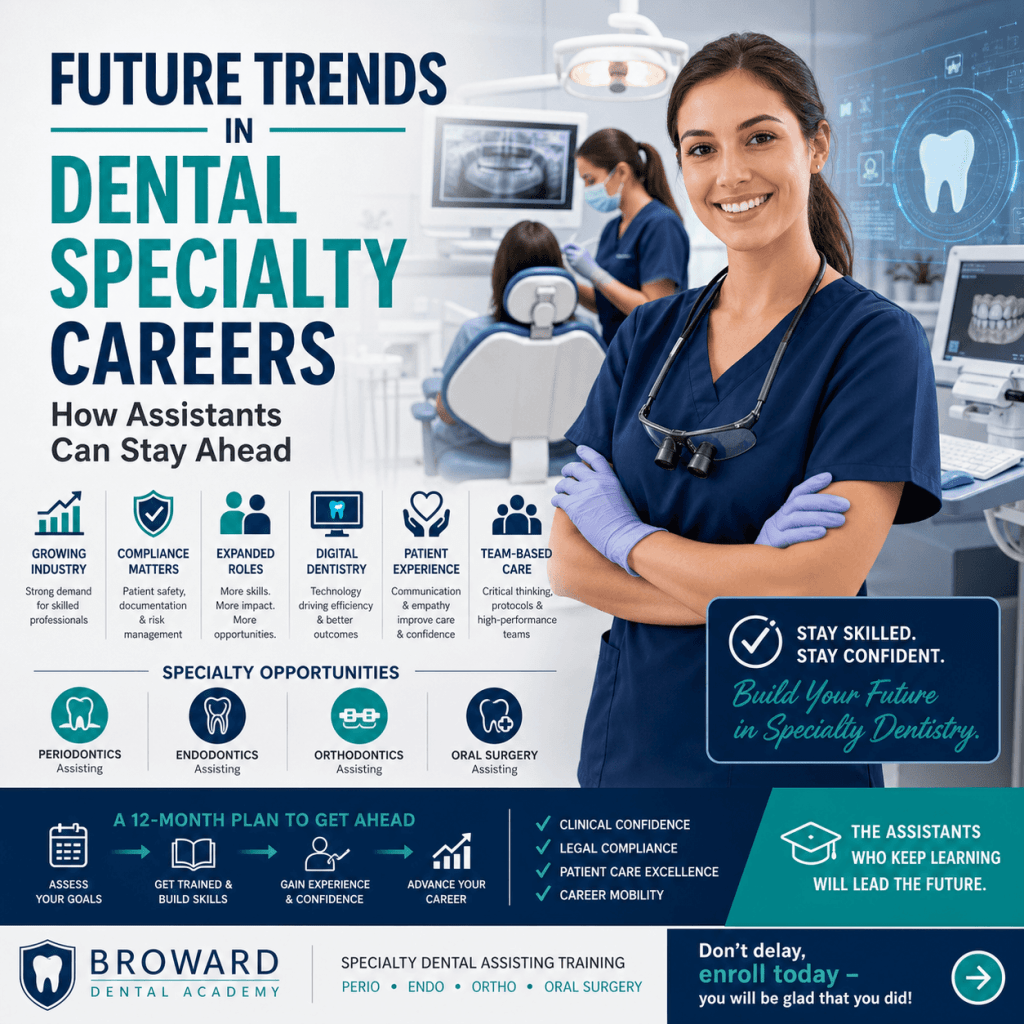
If you want a faster transition, you need a training partner that focuses on real practice readiness. Broward Dental Academy provides advanced dental training designed to help assistants become thoroughly trained, legally compliant, and clinically confident, with an emphasis on thriving in a modern, high-performance dental practice.
Their specialty-focused approach aligns with the skills needed in:
- Periodontics (Perio)
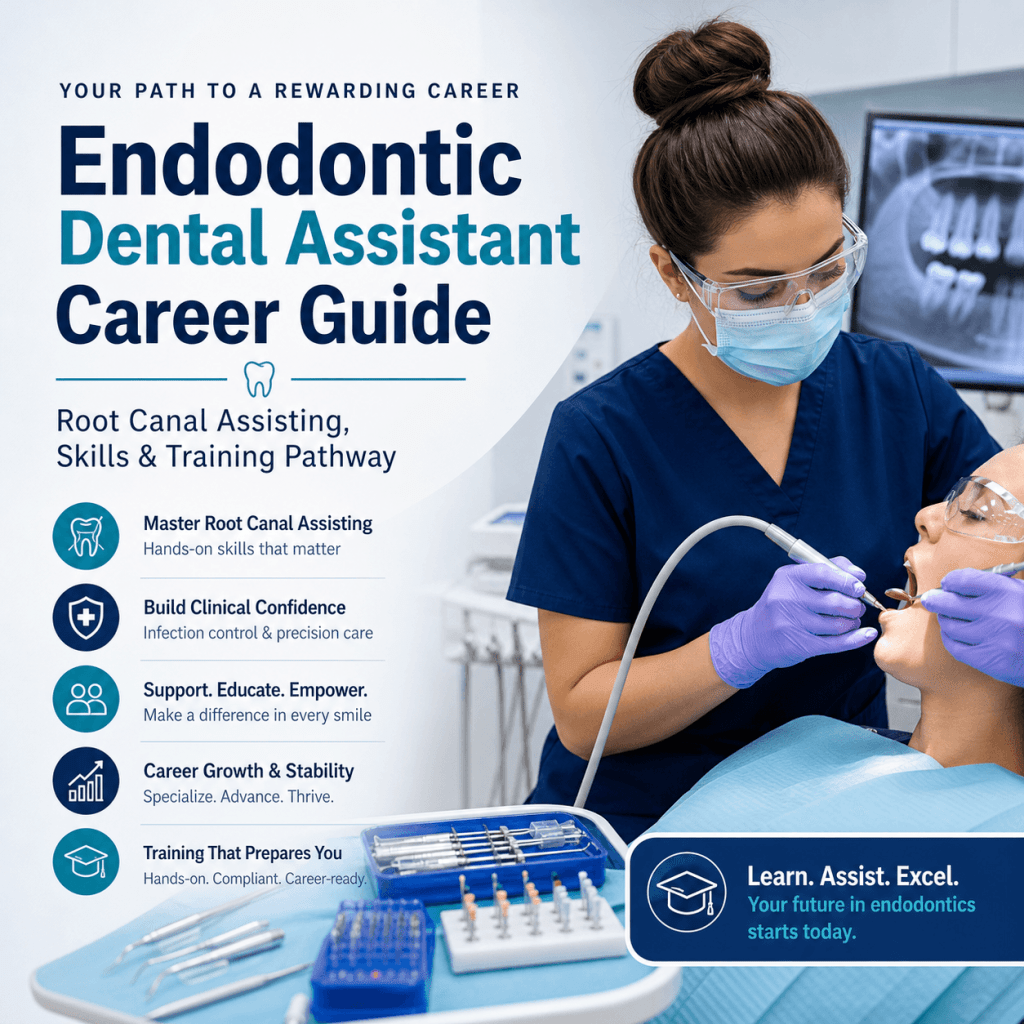
- Endodontics (Endo)
- Orthodontics (Ortho)
- Oral Surgery
A key accelerator is in-office internships, where students translate training into real-world competence under real practice pace and standards.
Broward Dental Academy also offers 7 courses, allowing you to stack skills over time for expanded functions and long-term career mobility. And with flexible financing options, many students can start sooner instead of delaying their transition. To explore the full range of courses offered by Broward Dental Academy, visit their courses page.
To explore the full specialty training pathway, visit:
Specialty Dental Assisting Training (Perio • Endo • Ortho • Oral Surgery)

A realistic timeline: how long a “fast” specialty transition takes
Your timeline depends on:
- your baseline experience
- your weekly availability
- program format (online plus hands-on vs theory-heavy)
- how quickly you get clinical repetition and feedback
A fast transition usually combines:
- online learning for foundations
- hands-on labs or clinical training for repetition
- internship experience for real pace and performance
Instead of looking for promises, track milestones:
- Specialty foundations (terms, procedure flow, setup logic)
- Simulated reps (setups, breakdown, role-played patient communication)
- Supervised clinical performance (feedback-based improvement)
- Internship confidence (pace, teamwork, consistency)
- Interview readiness (clear talk track, proof of skills, references)
Stacking specialties can be phased. Start with one specialty to get hired faster, then add a second specialty once you are employed and stable.
How to market yourself as “specialty-ready” (even if you’re switching from general assisting)
Specialty offices hire based on risk reduction. Your job is to show you reduce risk and increase performance.
Resume positioning
Lead with specialty training and procedure relevance. Add a quick skills snapshot near the top:
- specialty procedures supported
- setup strengths
- infection control strengths
- documentation discipline and chairside communication
Keep it specific. “Assisted in periodontal surgical setups” is stronger than “assisted in procedures.”
Portfolio ideas (simple, professional, effective)
Bring proof, not claims:
- procedure setup checklists you can explain confidently
- competency logs or skills checklists
- internship highlights (what you did, how often, what improved)
- references or contact-ready supervisors when appropriate
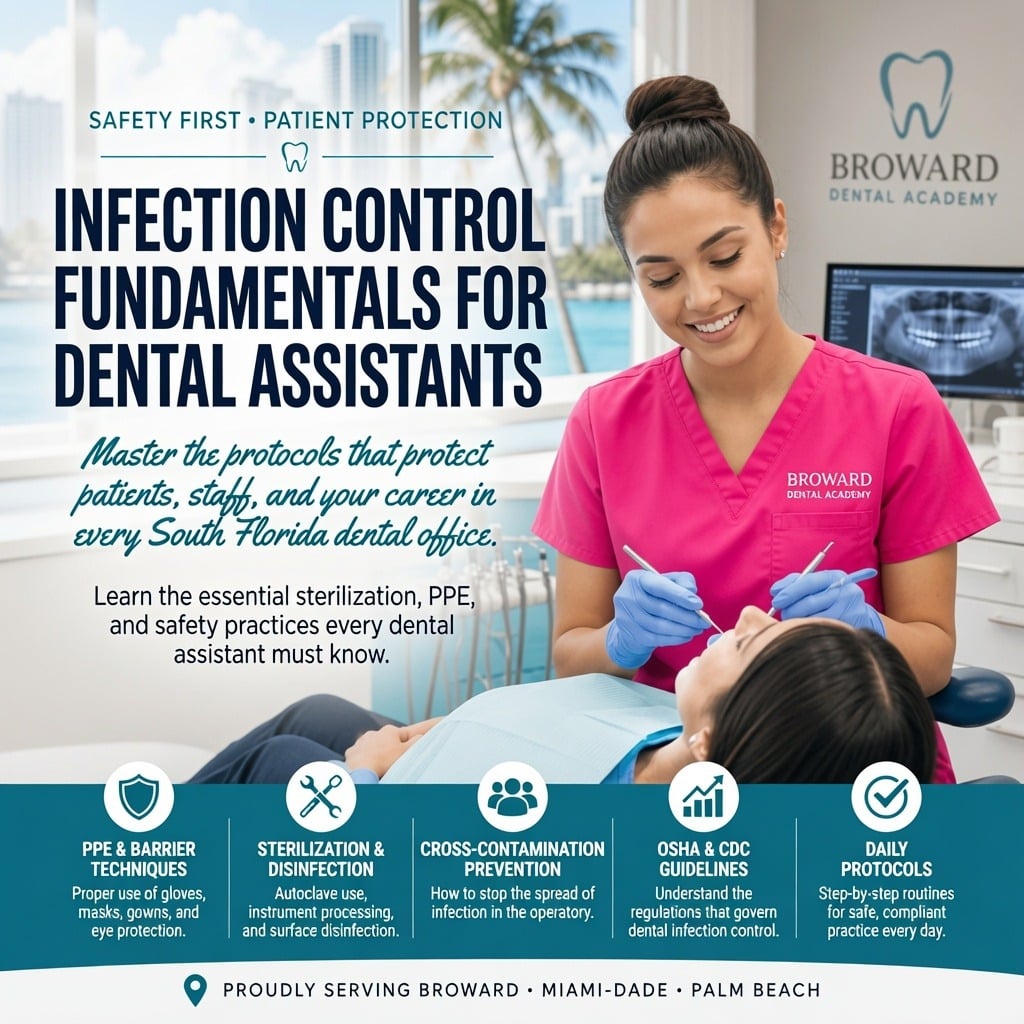
In addition to these strategies, it’s beneficial to incorporate some fundamental principles of infection control into your practice. Understanding these principles can significantly enhance your infection control strengths, making you a more valuable asset to any specialty office.
Interview talk tracks that work
Be ready to describe:
- how you anticipate next steps
- how you maintain sterile technique under pressure
- how you handle anxious patients and post-op instructions
- how you protect scope, ethics, and documentation standards
Where to apply
- specialty practices
- multi-specialty groups
- general practices that offer specialty services
The value message is simple: you reduce training burden, improve efficiency, support patient experience, and maintain compliance.
Common mistakes that slow down the transition (and what to do instead)
Mistake: Trying to learn multiple specialties at once
Do instead: Pick one primary track first, get job-ready, then stack.
Mistake: Choosing the cheapest or shortest option with no clinical component
Do instead: Prioritize hands-on practice and internship pathways.
Mistake: Ignoring legal and compliance basics
Do instead: Build daily habits that protect patients and the practice.
Mistake: Waiting until you “feel ready” to apply
Do instead: Apply when you can prove competencies and speak clearly about workflow.
Mistake: Not asking for feedback during internship
Do instead: Request coaching to improve speed, setup accuracy, and chairside communication.
Wrap-up: the fastest way to transition into a dental specialty is structured training + real clinical reps
The fastest way to transition into a dental specialty comes down to three things: targeted specialty training, immediate immersion, and in-office internship experience. That is how you become thoroughly trained, legally compliant, and clinically confident without cutting corners.
Dentistry offers stability, flexibility, respect, and real mobility. Specialty skills accelerate that growth and open the door to expanded functions and higher-level opportunities over time.
If you are ready to move into Perio, Endo, Ortho, or Oral Surgery, explore Broward Dental Academy’s specialty training options here:
https://browarddentalacademy.com/specialty-dental-assisting-training-perio-endo-ortho-oral-surgery/
Don’t delay, enroll today – you will be glad that you did!.
FAQs (Frequently Asked Questions)
Why is transitioning into a dental specialty faster than gaining general assisting experience?
Transitioning into a dental specialty is faster because it involves adding in-demand specialty skills that practices can use immediately. Specialty practices operate with specific procedures, setups, and faster workflows, so being trained in these areas allows you to plug into high-performance workflows quicker, support higher-value procedures, and stand out in the job market by demonstrating procedure readiness, compliance confidence, and speed with accuracy.
What defines a true dental specialty transition for an assistant?
A true dental specialty transition means moving from general chairside duties to specialty-focused assisting where the procedures, instruments, documentation, and patient flow are distinctly different. Common specialties include periodontics, endodontics, orthodontics, and oral surgery. This transition requires structured training that prepares you to handle the unique demands of these specialties effectively.
What activities do not qualify as a real specialty transition in dental assisting?
Activities that do not qualify include only shadowing without performing actual setups or patient flow tasks, learning on the job without structured training plans or competency checks, and theory-only courses lacking hands-on repetition. These methods often fail to make an assistant truly job-ready for specialty roles.
What skills and habits mark a specialty-ready dental assistant?
Specialty-ready assistants are familiar with specialty procedures and appointment flow; they perform correct instrument and material setups; maintain strong infection control and sterile technique habits; communicate clearly with patients before, during, and after procedures; follow solid documentation routines; understand their scope of practice; and demonstrate confidence working under real clinical pace.
What are the key factors that make a dental specialty transition fast?
The three main factors are: 1) Targeted training aligned specifically to specialty procedures including steps, chairside sequence, setups, breakdowns, documentation patterns, and patient communication; 2) Immediate immersion into real clinical workflows to build practical experience quickly; 3) Avoiding common pitfalls like passive shadowing or unstructured on-the-job learning by engaging in structured programs such as those offered by Broward Dental Academy.
How can specialized programs accelerate my career mobility in dental assisting specialties?
Specialized programs provide focused education on procedure readiness, compliance confidence, and accuracy needed for high-performance specialty workflows. By reducing training time for practices and enhancing your skills in specific specialties like periodontics or orthodontics through hands-on repetition and competency checks, these programs help you become the kind of assistant that specialty practices want to hire sooner.