Key takeaways
- What do offices hire for?
Chairside speed and accuracy, infection control discipline, imaging support, and communication that keeps anxious patients calm. - Is being friendly enough?
No. Practices need demonstrated clinical skill first, then the patient manner that keeps the schedule and the relationship intact. - Which skill is non-negotiable?
Infection control, because it protects patients and the practice’s license before anything else is considered. - How are these built?
Repetition under supervision in a real operatory, which is why hands-on hours matter more than classroom time.
Why are great dental assistants in such high demand right now?
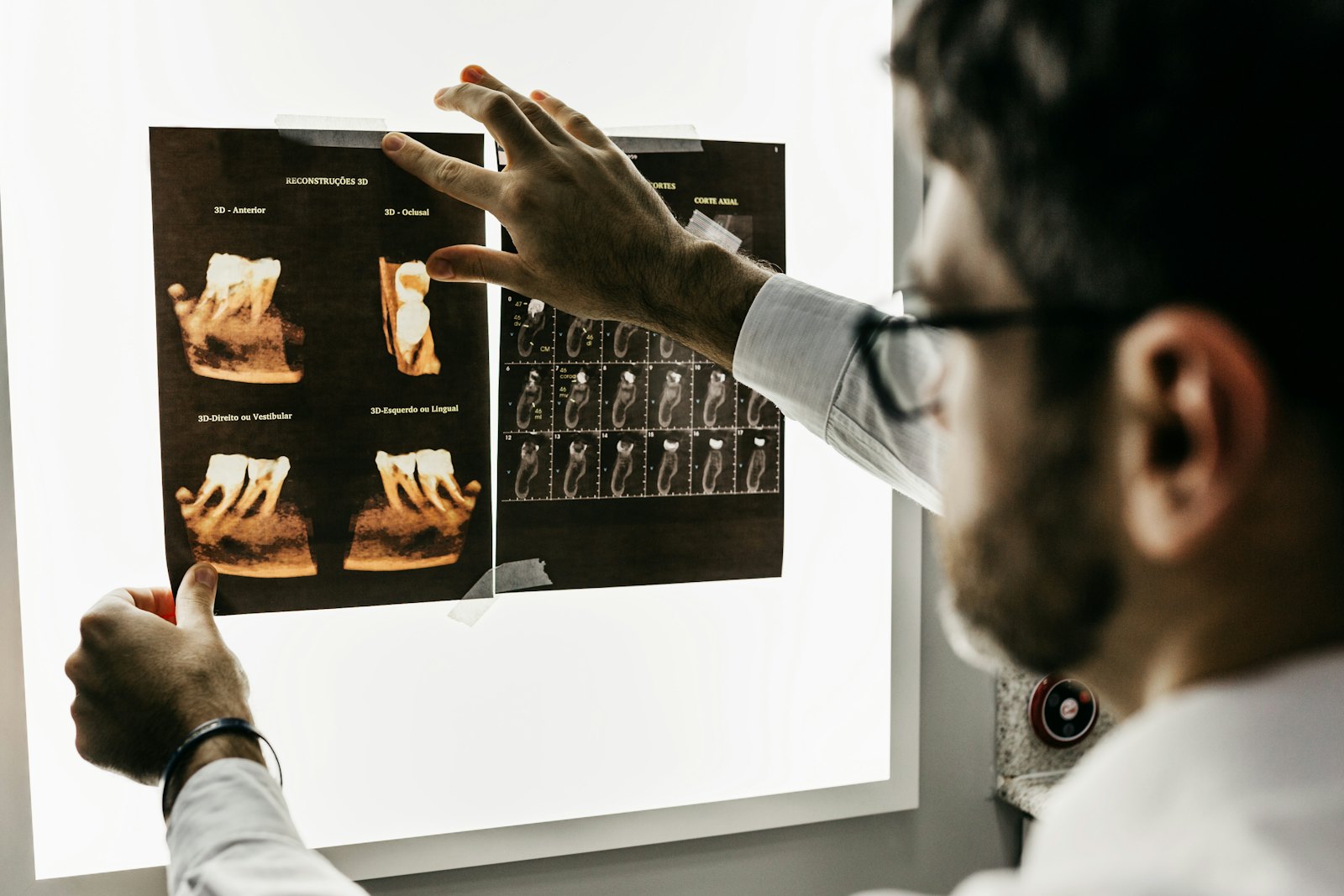
The dental industry is one of the fastest-growing sectors within healthcare, a fact that is palpable in any bustling practice. Appointment schedules are packed, technology is advancing at an unprecedented rate, and patient expectations have soared. This creates a pressing need for not just any assistant, but rather dental assistants who possess essential Dental Assistant Skills to thrive in a modern, high-performance environment without compromising on safety, accuracy, or patient comfort.
So what does a dental assistant really do day-to-day?
A strong assistant plays a dual role: enhancing the patient experience while simultaneously supporting the clinical workflow. This typically involves preparing operatories, assisting chairside during procedures, documenting patient information, managing instruments and materials, maintaining infection control standards, and ensuring compliance with office protocols and regulations. Additionally, they often help to create a calm and organized atmosphere for patients who may be anxious or when the schedule becomes hectic.
This article breaks down the skills that make a great dental assistant and how to build them, especially if you are exploring how to become a dental assistant in Florida.
What makes a great dental assistant?
While being friendly is important, dental offices have a more specific definition of what makes a “great” assistant. A great dental assistant is:
- Safe and consistent, particularly with infection control and patient protection
- Efficient, demonstrating strong room turnover and procedure support
- Calm under pressure, even during long or stacked schedules
- Patient-centered, exhibiting real chairside empathy and communication
- Legally compliant, with clear scope awareness and professional ethics
When these skills are present, the outcomes are significant. You witness faster room turnover, smoother procedures, fewer errors and remakes, enhanced patient experience, and stronger trust between the dentist, the assistant, and the rest of the team.
The encouraging part is that these skills are learnable. With training, repetition, mentorship, and real clinical exposure, most people can build the confidence and competence that practices are looking for. For those interested in specializing further, there are various fields within dentistry such as oral surgery, orthodontics, or endodontics, each requiring specific skill sets that can be acquired through dedicated training courses like those offered by Broward Dental Academy.
Which five qualities make a good dental assistant?
If you are searching for the “top qualities” employers want, these five show up again and again. The rest of this article expands on them in practical detail.
- Communication (with patients, dentist, and front desk)
- Attention to detail (accuracy, safety, and consistency)
- Reliability and professionalism (punctuality, confidentiality, consistency)
- Calm, empathetic chairside manner (comfort and anxiety support)
- Coachability and continuous learning (new tech, materials, and expanded functions)
Which chairside skills separate average from great?
Chairside assisting is where patients and providers feel your skill level immediately. Great clinical support is not about moving faster in a chaotic way. It is about being prepared, anticipating needs, and keeping the procedure flowing.
Understanding and developing Dental Assistant Skills is crucial for anyone looking to excel in this profession.
Four-handed dentistry fundamentals
Four-handed dentistry is one of the biggest separators between average and great. It includes:
- Anticipating steps so the provider is not waiting for materials or instruments
- Efficient instrument transfer that is safe, smooth, and predictable
- Staying out of the provider’s line of sight while still staying engaged
- Consistent setup and breakdown so every appointment starts and ends cleanly
When you get this right, procedures feel calmer for the patient and easier for the provider.
To enhance your skills as a dental assistant, consider pursuing specialized certifications. These can provide you with the necessary knowledge in areas such as periodontics, which could be beneficial in your role. Moreover, it’s essential to stay informed about common queries related to your profession; resources like frequently asked questions can provide valuable insights. If you’re looking to find specific dental assistant programs or schools near you, utilizing online tools to explore various locations could be very helpful.
Patient positioning and comfort
Small positioning adjustments can improve ergonomics, visibility, and patient comfort at the same time. Great assistants pay attention to:
- Chair position and headrest alignment
- Patient protective eyewear and bib placement
- Effective suction technique
- Minimizing gag reflex triggers with smart timing, communication, and moisture control
Impressions and bite registrations (if applicable)
When impressions or bite registrations are part of the role, accuracy matters. Handling materials properly, mixing or preparing on time, and keeping the field appropriately controlled can reduce remakes and delays.
Radiography readiness (as permitted)
Many offices value assistants who can support radiography where permitted and trained. The “great” version of this skill includes:
- Understanding positioning basics to reduce retakes
- Calm patient coaching to get the shot right the first time
- Moving efficiently while protecting patient comfort and privacy
Asepsis and isolation assistance
Isolation is not just for complex procedures. Everyday moisture control can make or break restorative work. Assistants who can confidently support:
- Cotton rolls and cotton roll placement strategy
- Dry angles and basic isolation tools
- High-volume evacuation and saliva ejector control
- Basic field awareness to keep materials clean and timed correctly
…make the provider’s job easier and improve clinical outcomes.
Why is infection control the non-negotiable skillset?
Infection control is one of the top hiring filters because it protects patients, protects the team, and protects the practice’s reputation. Great dental assistants do not treat sterilization as a checklist they rush through. They understand the purpose behind the process, which helps prevent shortcuts when the day gets busy.
Core routines typically include:
- Sterilization workflow consistency
- Operatory turnover and proper disinfection
- Barrier use and correct removal
- Proper PPE use
- Sharps safety and safe disposal
A “why-based” understanding matters because real life gets hectic. When you understand the reason behind each step, you are less likely to make a mistake during a fast room flip.
Just as important is knowing how to handle exposures or incidents professionally. That includes staying calm, following the office reporting chain, documenting appropriately, and taking the situation seriously without panic.
In Florida dental offices, a compliance mindset matters. Practices want assistants who respect protocols and understand that legal and safety requirements are part of the job, not an optional extra.
Which communication skills does the job demand?
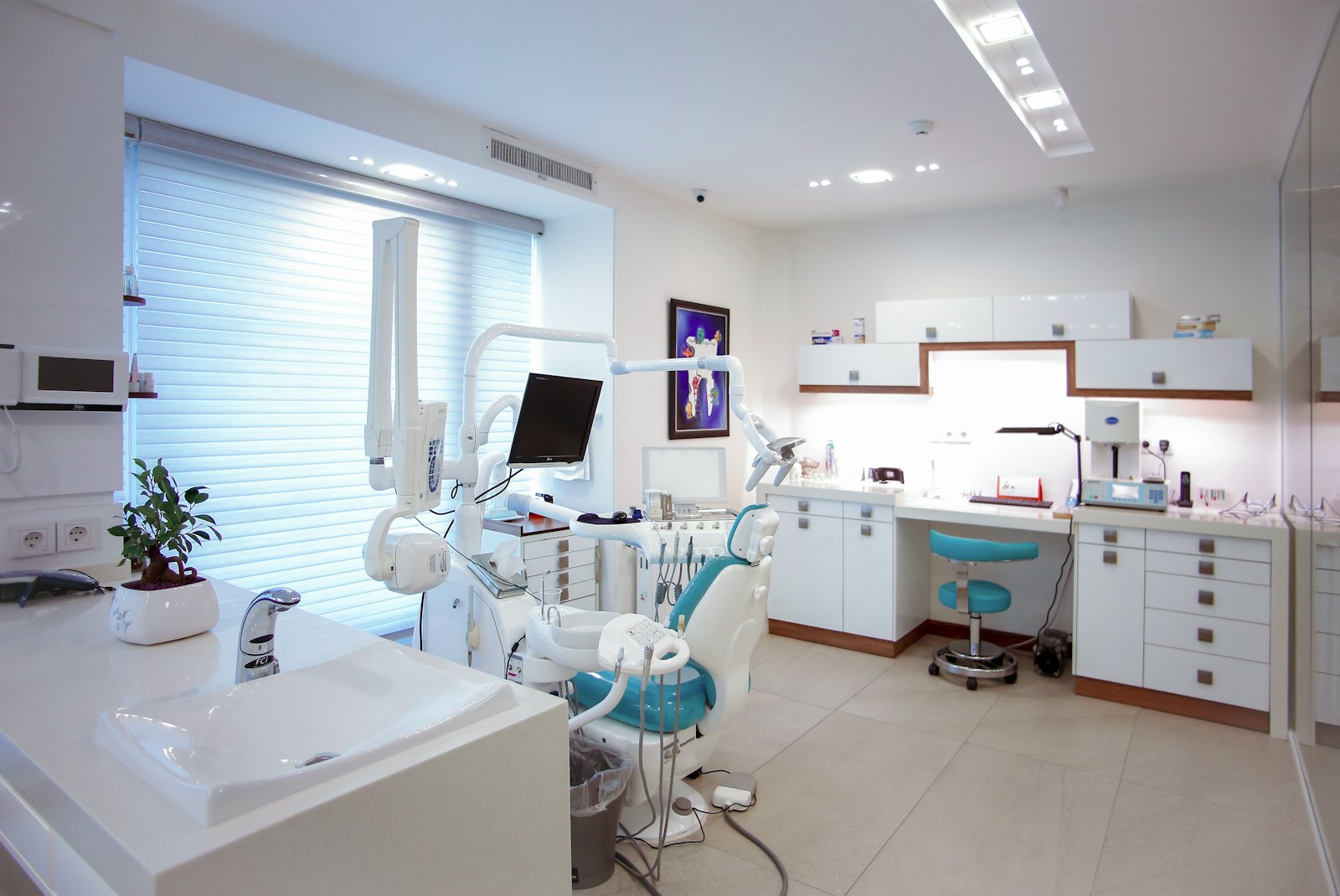
Dental assisting is a communication role as much as it is a clinical role.
Chairside communication
Patients often do not know what is normal in a dental chair, so your words and tone can reduce fear fast. Great chairside communication looks like:
- Explaining what is happening in plain language
- Setting expectations (“You’ll feel some water spray,” “This will take about a minute”)
- Checking comfort without interrupting the provider’s flow
- Not overpromising, but staying reassuring
Dentist-to-assistant communication
In a fast procedure, small misunderstandings create errors. Great assistants use closed-loop communication: confirm what was requested, clarify preferences, and speak up early if something is unclear.
Team handoffs
Dental assistants often bridge clinical and administrative. Clean handoffs to the front desk can include:
- Scheduling context (timing, follow-up needs)
- Patient sensitivities, anxiety triggers, or comfort needs
- Clear notes that help the next visit go smoothly
De-escalation basics
Patients can be anxious, frustrated, or embarrassed. Assistants who can respond with empathy and boundaries help protect the patient experience and the team’s momentum. A steady tone, respectful language, and a calm pace go a long way.
Cultural sensitivity and professionalism
Great communication is also about respect, privacy, and tone. How you speak to patients and about patients matters, especially in open clinical environments.
How do organization and workflow thinking show up at the chair?
Great dental assistants do not just “do tasks.” They think in systems.
Operatory readiness
A consistent setup style helps any provider walk in and start. That includes tray setup, materials readiness, suction setup, barrier placement, and knowing the day’s procedures before the patient is seated.
Prioritization during stacked schedules
On busy days, everything can feel urgent. Strong assistants know what must be done now, what can wait five minutes, and what should be addressed between patients to avoid delays later.
Inventory awareness
Noticing low supplies early prevents procedure interruptions. Practices value assistants who keep an eye on essentials and communicate needs before the office runs out mid-day.
Documentation habits
Accurate support with charting and details helps protect the patient and the practice. It also reduces confusion when multiple team members are involved across visits.
Multi-tasking without chaos
The goal is not doing ten things at once. The goal is keeping the room calm while doing the right next thing. Checklists, consistent routines, and clean resets make you faster without getting sloppy.
What do professionalism and compliance look like in a Florida office?
Professionalism is not just “being nice.” It is how you show up, how you protect patient privacy, and how reliably you do the right thing when no one is watching.
Professionalism includes:
- Punctuality and consistent attendance
- Appearance standards appropriate for a clinical setting
- Respectful communication with patients and teammates
- Accountability when something goes wrong
HIPAA and confidentiality are practical, everyday responsibilities. That means not discussing patient information casually, being mindful of what is visible on screens, and keeping conversations private.
Scope awareness is also critical. Great assistants know what they can perform, when to ask for clarification, and how to document appropriately. Practices trust assistants who take compliance seriously because it protects everyone.
Ethical decision-making matters, too. If a mistake happens, honesty and immediate communication protect patients and preserve trust. Sterilization integrity, patient-first thinking, and doing the right thing under pressure are career-defining habits.
In many offices, trust is the currency. When you earn it, you are given more responsibility, more autonomy, and more long-term mobility.
How do you handle anxious patients?
Dental anxiety is common. Many patients walk in expecting pain, embarrassment, or bad news. A great dental assistant can change the entire tone of the appointment, sometimes before the dentist even enters the room.
Practical comfort skills include:
- A calm, confident tone
- Slowing down your pace when the patient looks overwhelmed
- Offering breaks when appropriate
- Explaining sensations in a grounded way
- Supporting “tell-show-do,” especially with nervous patients
Working with kids, seniors, and patients with special considerations often requires extra patience and clarity. Great assistants adapt their approach rather than forcing one communication style on everyone.
Emotional intelligence also includes boundaries. If a patient is in distress, if something feels clinically off, or if a concern needs a provider decision, the assistant should bring the dentist in and document appropriately.
Finally, protecting your own mindset matters. Long days happen. Great assistants learn how to stay kind and steady without absorbing every stressful moment.
How do you build dexterity and technical confidence?
Fine motor skills are part of the job, and nobody starts perfect. Confidence comes from repetition, coaching, and real clinical practice.
Key hands-on skills include:
- Retraction and visibility support
- Suction control without causing discomfort
- Instrument passing and safe handling
- Mixing and timing materials cleanly
Technology comfort is increasingly important, too. Depending on the office, that can include digital X-rays, charting software, intraoral cameras, and scanners.
A normal learning curve is expected, which is why labs and clinical immersion matter. Great assistants also develop a quality-control mindset. They check their work before the dentist needs to ask, including tray completeness, room readiness, and material timing.
How does an assistant make the whole practice better?
Dental assisting is a team-based healthcare. Great assistants improve the entire practice by being the connector between clinical and admin.
That can look like aligning the schedule with patient needs, remembering provider preferences, and helping the front office understand what happened clinically so the next steps are clear.
Great assistants also help new team members get up to speed by sharing setups, protocols, and small tips that prevent mistakes. They receive feedback well and can adapt to different dentists and specialties without taking preferences personally.
This is also where quiet leadership shows up. You do not need a title to lead. Consistency, preparation, and a steady attitude set a standard other people rely on.
How do expanded functions turn skills into a career?
Dental assisting has real career mobility. With experience and continuing education, many assistants grow into specialized roles, expanded functions, lead positions, or other paths within dentistry.
Practices typically give more responsibility to assistants who show:
- Competence and consistency
- Strong compliance habits
- Initiative and preparation
- Calm execution under pressure
Continuing education keeps you valuable as materials and technology change. If your goal is to build a long-term career, the best approach is training that prepares you to thrive in a real practice, not just pass an exam.
Research shows that hands-on experience significantly enhances learning outcomes in dental assistant programs.
How do you build these skills faster?
Reading helps, but confidence comes from doing. Hands-on, clinically grounded training helps you build muscle memory, real workflow habits, and professional judgment.
Strong programs typically include:
- Early and repeated clinical exposure
- Structured skill-building that matches real procedures
- Modern learning tools that support retention
- In-office internships that bridge training and employment
- Professionalism, compliance, and patient communication as core skills, not afterthoughts
If you are comparing dental assistant programs, look for structure, clinical practice time, support from instructors, and a clear focus on preparing you for the pace and standards of a working dental office.
Why is Broward Dental Academy built around the skills offices hire for?
If you are serious about becoming a dental assistant in Florida, Broward Dental Academy is designed around what practices are actually hiring for: thoroughly trained, legally compliant, clinically confident professionals.
Broward Dental Academy offers 07 courses, alongside a wide range of dental courses and advanced dental training. The focus is not just helping students pass an exam, but preparing them to thrive inside a modern, high-performance dental practice.
Students at Broward Dental Academy are trained through a robust educational experience that includes:
- Immediate immersion in online and clinical settings
- The latest eLearning lesson plans for remote training
- In-office internships to build real-world confidence
- Professional development that reinforces critical thinking, ethical decision-making, and calm clinical performance
If financing is a concern, Broward Dental Academy also offers flexible financing options, making it a realistic path for career change or advancement.
For those interested in pursuing this rewarding career path, it’s essential to explore the step-by-step guide on How to Become a Dental Assistant in Florida which outlines the necessary steps.
Why choose dental assisting as a career?
When you develop the skills taught at Broward Dental Academy, such as in our comprehensive Dental Assistant Level 01 course, or our advanced Dental Assistant Level 02 course, or even our specialized Dental Assistant Hygienists Level 03 course, dental assisting can offer what many people are looking for: a stable career path, flexible schedules, and a respected role in healthcare.
And because demand for skilled dental professionals continues to rise, offices are actively looking for assistants who can contribute from day one with confidence and professionalism.
If you are ready to build real skills in a structured program and step into a career with momentum, now is the time. Don’t delay, enroll today, you will be glad that you did!
FAQs (Frequently Asked Questions)
Why are great dental assistants in such high demand right now?
The dental industry is rapidly growing with packed appointment schedules, advancing technology, and increased patient expectations. This creates a need for dental assistants who can thrive in a modern, high-performance environment while ensuring safety, accuracy, and patient comfort.
What are the key roles and daily tasks of a dental assistant?
Dental assistants enhance the patient experience and support clinical workflow by preparing operatories, assisting chairside during procedures, documenting patient information, managing instruments and materials, maintaining infection control standards, and ensuring compliance with office protocols and regulations.
What qualities make a great dental assistant beyond being friendly?
A great dental assistant is safe and consistent with infection control, efficient in room turnover and procedure support, calm under pressure during busy schedules, patient-centered with empathy and communication skills, and legally compliant with clear scope awareness and professional ethics.
What are the top five qualities employers look for in a dental assistant?
Employers consistently seek dental assistants who have strong communication skills, attention to detail for accuracy and safety, reliability and professionalism including punctuality and confidentiality, a calm empathetic chairside manner to support patient comfort, and coachability with a commitment to continuous learning.
How does four-handed dentistry differentiate an average dental assistant from a great one?
Four-handed dentistry involves anticipating procedural steps so the provider isn’t waiting for materials or instruments, efficient and safe instrument transfer, staying out of the provider’s line of sight while remaining engaged, and consistent setup and breakdown of operatories. Mastering these fundamentals results in smoother procedures and improved patient experience.
What specialized training or certifications can enhance a dental assistant’s skills?
Pursuing specialized certifications in areas like periodontics, oral surgery, orthodontics, or endodontics can expand a dental assistant’s knowledge and skill set. Continuous education through mentorships and training programs such as those offered by Broward Dental Academy helps build confidence and competence required by modern practices.