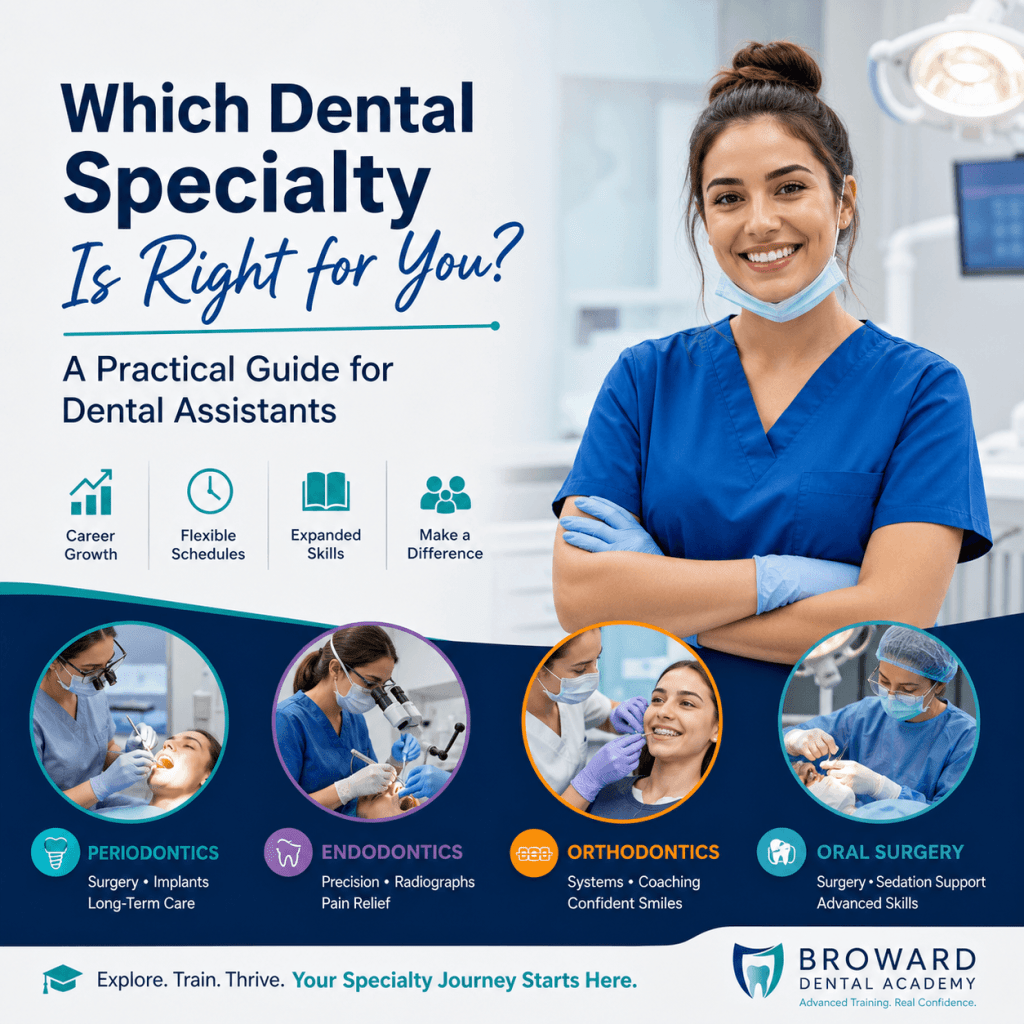
This guide breaks down what the main specialty paths look like in real clinics, and how to decide what fits your personality, strengths, and long-term goals.
Why “specialty” matters for dental assistants (and why now)
From a dental assistant’s perspective, a “specialty” is not just a different sign on the door. It changes your whole day.
Specialty work typically affects:
- Workflow and pace: High-volume ortho days feel very different from a longer surgical perio case.
- Instruments and setups: Endo organization, surgical sterile packs, ortho bonding kits, and imaging needs all vary.
- Patient type: Teens in orthodontics, pain emergencies in endodontics, anxious surgical patients in oral surgery, and long-term perio maintenance patients all bring different chairside dynamics.
- Team structure: Some specialty offices run like a tight surgical team. Others feel like a fast, repeat-visit coaching environment.
For most assistants, the “why” comes down to career outcomes that matter in the real world:
- Stable income potential
- Flexible schedules (depending on the specialty and office model)
- Career mobility
- Opportunities to learn expanded functions where allowed, such as obtaining relevant certifications or enrolling in courses offered by specialized training institutes.
- More confidence and credibility as a clinical professional
And here is the market reality. Demand for skilled dental professionals continues to rise, and practices increasingly want assistants who are thoroughly trained, legally compliant, and clinically confident. Specialty offices especially value assistants who can step into established protocols quickly, without learning everything the hard way under pressure.
This guide will help you narrow down your best-fit specialty while keeping expectations realistic. You can sample specialties, shadow, cross-train, and build a specialty focus gradually. If you’re considering pursuing further education or training in specific areas of dentistry, exploring locations that offer these specialized courses could be beneficial.
Start here: a quick self-check to narrow down your best-fit specialty
Before you compare specialties, do a fast self-check. You will get a clearer answer by matching what you like to what the clinic actually needs.
1) Interest: what procedures do you genuinely enjoy assisting?
- Surgical and hands-on: you may like periodontics or oral surgery
- Detail-oriented, precise, protocol-driven: you may like endodontics
- Smile aesthetics, systems, repeat visits, coaching: you may like orthodontics
2) Work style: what pace feels natural to you?
- Prefer fast pace and many short appointments: orthodontics often fits
- Prefer focused, slower precision: endodontics often fits
- Prefer procedure intensity with strict steps: oral surgery often fits
- Prefer a mix of procedures plus long-term follow-up: periodontics often fits
3) Strengths: what do you already do well?
- Strong sterile technique and turnover: perio and oral surgery may fit
- Confident radiographs and imaging: endo may fit well
- Great patient communication and coaching: ortho may fit well
- Fast, anticipatory assisting and setup: all specialties value it, but high-volume ortho makes it obvious quickly
4) Lifestyle preferences: what schedule and environment do you want?
- Predictable hours or consistent routine
- High variety versus repeat-visit systems
- Interest in leadership or mentoring newer assistants
5) Long-term goals: where are you trying to go?
- Become a lead assistant
- Move into a specialty office
- Expand skills through advanced dental training
- Keep broad general dentistry versatility and cross-train on specialty days
Write down your top three non-negotiables (for example: “no sedation,” “I want a predictable schedule,” or “I love surgery”). You will use them later.
The main specialty paths for dental assistants (what it’s really like)
Most assistants start in general dentistry and specialize later. Others train directly through specialty-focused dental assisting training and enter a specialty office sooner.
In this guide, we will focus on four common tracks:
- Periodontics (Perio)
- Endodontics (Endo)
- Orthodontics (Ortho)
- Oral Surgery
One important note: duties and expanded functions vary by state, and even by practice. The best approach is to train in structured protocols and always stay within your legal scope.
Periodontics (Perio): for assistants who like surgery plus long-term patient relationships
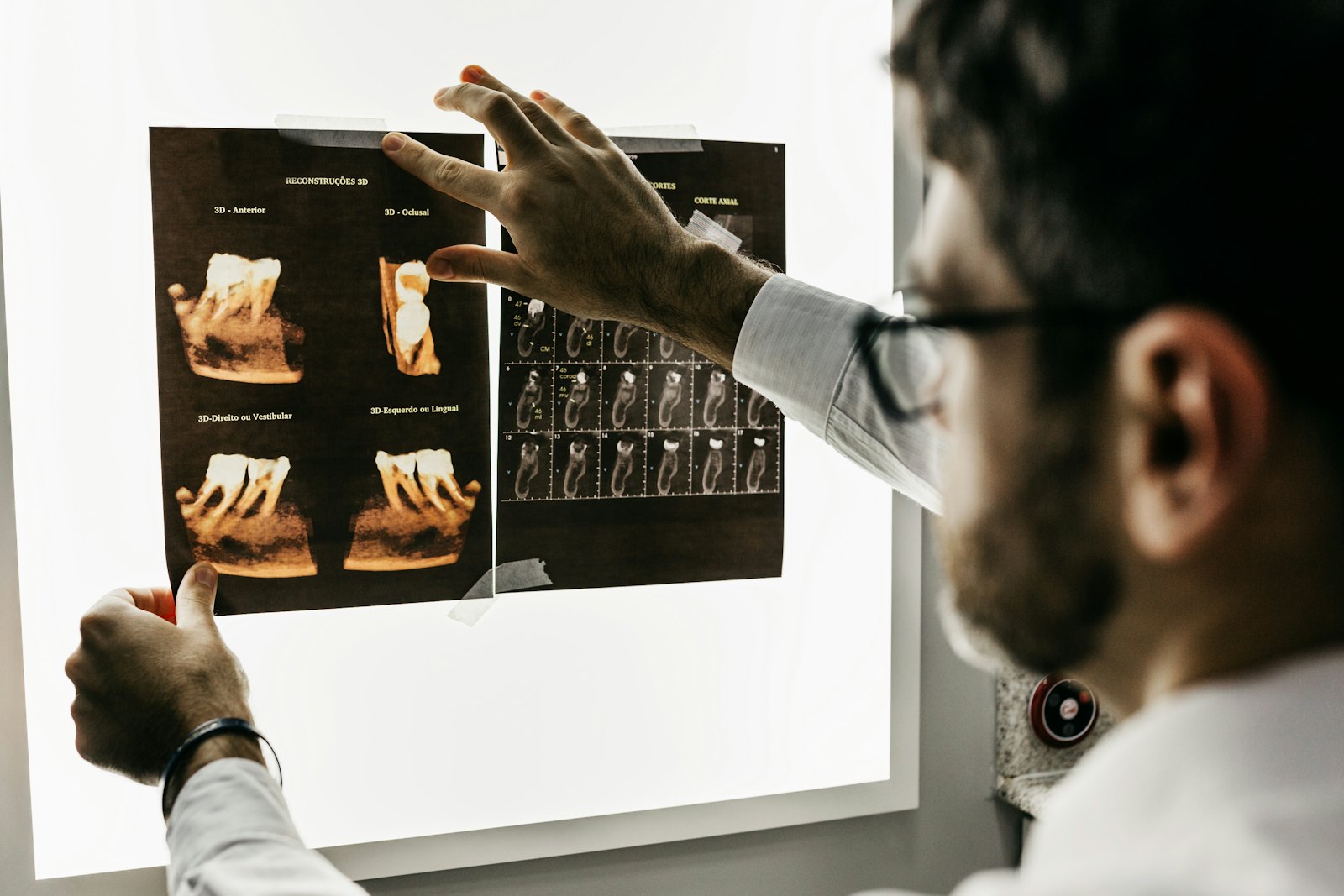
Periodontics is a strong fit if you enjoy surgical workflows and also want ongoing patient relationships. Many perio patients return for maintenance and long-term care, so your role often blends clinical intensity with consistent follow-up.
What day-to-day often looks like
- Supporting periodontal charting
- Surgical tray setups and room preparation
- Soft tissue management workflows
- A rhythm that includes both procedures and maintenance visits
Common procedures you may assist with
- Scaling and root planing support (practice-dependent)
- Periodontal surgery setups
- Implant-related appointments (your role varies by office and state scope)
- Grafting support (as permitted)
Patient experience
Many patients are anxious, especially with surgery, injections, or post-op discomfort. A calm assistant who can reassure patients and deliver clear instructions becomes a major part of the clinical success.
Who thrives in perio
- Calm under pressure
- Excellent sterile technique and infection control habits
- Detail-oriented documentation and charting
- Enjoys educating patients about home care and risk factors
Skills to build for perio success
- Surgical asepsis and clean setup habits
- Instrument identification and surgical tray mastery
- Efficient room turnover without cutting corners
- Strong documentation and post-op instruction delivery
- Patient education around risk factors and long-term maintenance
Endodontics (Endo): for assistants who love precision, radiographs, and “fixing pain fast”
Endodontics is often the most protocol-driven specialty from an assisting standpoint. It is precise, imaging-heavy, and focused on helping patients who are often in pain. Many endo offices run very tight schedules, so efficiency matters.
What day-to-day often looks like
- Highly structured workflows with consistent steps
- Frequent imaging and excellent documentation habits
- Rubber dam setups and isolation systems
- Organized endo instruments and materials, often in a repeatable layout
Common procedures you may assist with
- Root canal therapy support
- Retreatment support
- Apexification or apexogenesis support (case-dependent)
- Emergency pain visits and same-day problem solving
Patient experience
Endo patients are often in pain or stressed. Your tone, calmness, and speed can dramatically reduce the emotional intensity of the visit. When patients feel the team is in control, they relax.
Who thrives in endo
- Detail-driven and comfortable with repetitive precision steps
- Confident with radiographs and consistent positioning
- Likes predictable protocols and checklists
- Enjoys being the person who keeps the provider moving
Skills to build for endo success
- Radiograph consistency and speed without sacrificing accuracy
- Reliable isolation and rubber dam setup habits
- Anticipatory assisting with the next step always ready
- Clear charting and documentation, especially for emergencies
Orthodontics (Ortho): for assistants who like aesthetics, systems, and patient coaching
Orthodontics is a great fit if you enjoy systems, organization, and patient coaching. Ortho often involves high patient volume and repeat visits, which can be energizing if you like routine, flow, and measurable progress.
What day-to-day often looks like
- High patient volume and frequent follow-ups
- Adjustments, bonding support, debonding support
- Inventory and organization of wires, brackets, and materials
- Coordination between chairside flow and scheduling needs
Common procedures you may assist with
- Bracket placement support
- Wire changes and adjustment support
- Elastic instructions and compliance coaching
- Retainer delivery education
- Intraoral scans or impressions (practice-dependent)
Patient experience
A large portion of ortho patients are teens and young adults. Motivation, clarity, and consistency matter. The assistant who can teach without lecturing becomes extremely valuable.
Who thrives in ortho
- Upbeat, patient, and comfortable repeating instructions
- Organized and efficient with many appointments per day
- Enjoys coaching, encouragement, and routine follow-ups
- Strong at building rapport quickly
Skills to build for ortho success
- Patient education scripts you can deliver confidently
- Speed plus accuracy in fast-paced appointments
- Strong infection control with quick turnovers
- Documentation habits that support smooth scheduling and follow-up
Oral Surgery: for assistants who want high-intensity procedures and strong clinical skills
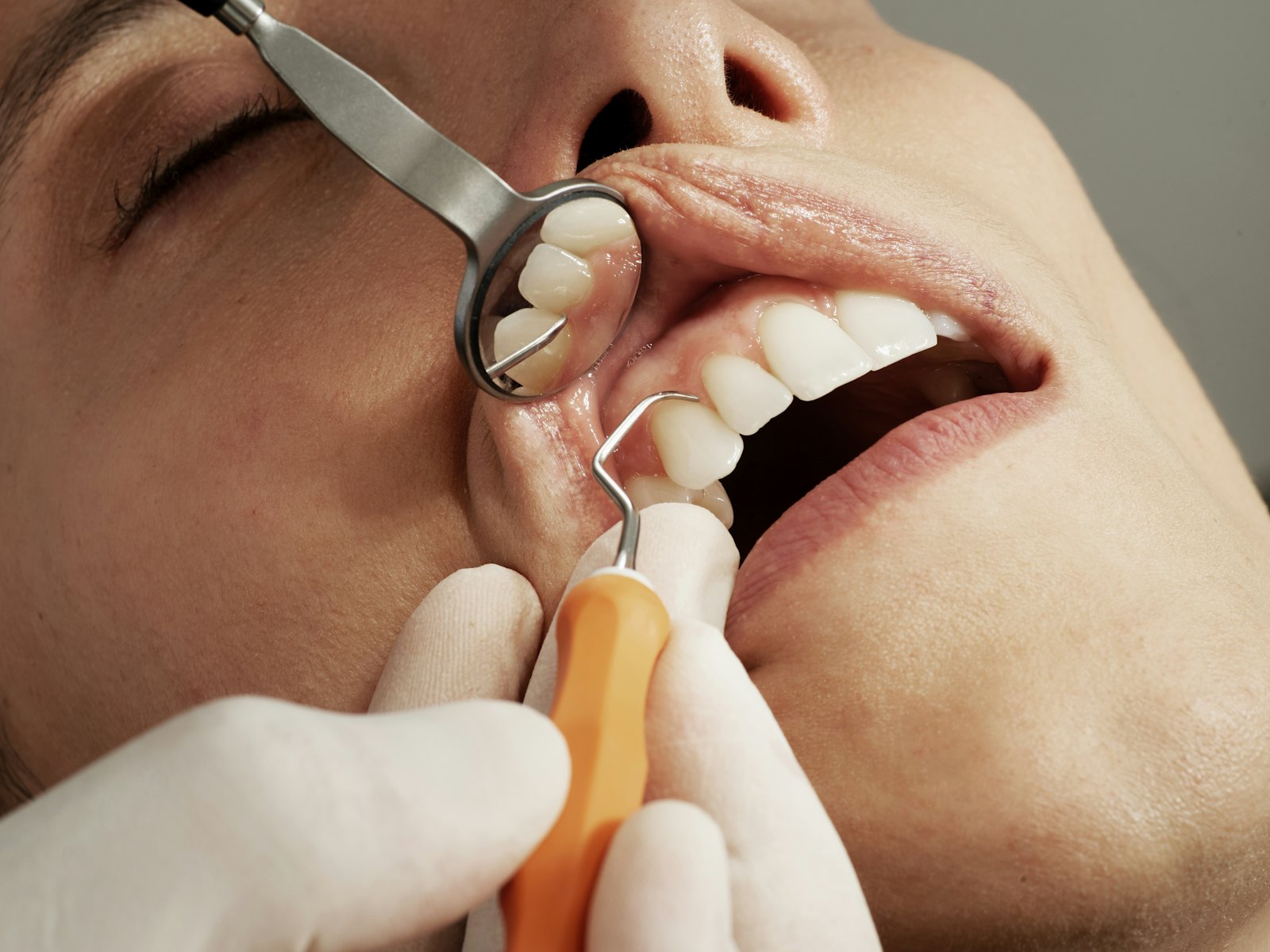
Oral surgery is often the most intense environment. It can be highly rewarding if you enjoy procedure-driven days, teamwork, and strong clinical standards. It can also be a poor fit if you dislike blood, surgical smells, or high-anxiety patient moments.
What day-to-day often looks like
- Surgical setups and strict sterile processes
- Sedation support where permitted and trained
- Post-op protocols and fast, accurate room turnovers
- A strong team dynamic with clear roles and communication
Common procedures you may assist with
- Extractions, including complex cases
- Impacted teeth support
- Biopsy support
- Implant surgery support (role varies by office and scope)
- Emergency swelling or pain cases
Patient experience
Surgical patients often arrive anxious, especially when sedation is involved or when they have had bad experiences before. Clear pre-op and post-op communication is critical.
Who thrives in oral surgery
- Confident, composed, and steady under pressure
- Strong stomach and comfortable around surgical procedures
- Excellent infection control and sterile technique
- Enjoys high-performance teamwork and structured protocols
Skills to build for oral surgery success
- Surgical tray mastery and fast, correct setups
- Emergency preparedness mindset and calm communication
- Monitoring basics when applicable and legally permitted
- Strong documentation and post-op instruction delivery
- Instrument reprocessing excellence and sterile workflow discipline
How to choose the right specialty: match your personality to the clinic reality
Instead of choosing based on what sounds impressive, match your personality to daily reality.
Here is a practical comparison framework.
Quick comparison framework
1) Pace
- Fastest: often Ortho
- Most procedure-intense: often Oral Surgery
- Most protocol-tight: often Endo
- Mixed pace with long-term follow-up: often Perio
2) Repetition vs. variety
- Highest repetition: Ortho and Endo
- More variety: Perio and Oral Surgery
3) Patient age mix
- Teen-heavy: Ortho
- Adult-heavy with pain: Endo
- Adult-heavy with chronic risk factors: Perio
- Mixed, often high anxiety: Oral Surgery
4) Stress level
- Stress from volume: Ortho
- Stress from precision and timing: Endo
- Stress from surgery and sterile standards: Perio and Oral Surgery
5) Physical demands
- More standing, turning rooms, and surgical setups: Oral Surgery
- Consistent flow and repetitive tasks: Ortho
- Focused posture and imaging cycles: Endo
- A blend with longer appointments: Perio
How to “test drive” a specialty before committing
- Ask for a shadow day in a specialty office
- If you work in general dentistry, ask to assist on specialty-heavy days (implant, endo blocks, perio surgeries, ortho aligner days)
- Try short, focused training modules like those offered at Broward Dental Academy, to see if the protocols excite you or drain you
Common mismatches to avoid
- Choosing oral surgery for “higher pay” but hating blood, sedation environments, or high-intensity days
- Choosing ortho and realizing you dislike high volume and repeating instructions all day
- Choosing endo and realizing repetitive precision steps feel boring or stressful
- Choosing perio without enjoying long-term maintenance and patient education
It can also help to think in seasons. Some assistants start in ortho to master systems and speed, then move into perio or oral surgery to build advanced clinical skills.
The skills employers look for in specialty-trained dental assistants
Specialty offices want assistants who can perform with confidence and consistency. These are the themes that show up again and again when you look at what employers value.
Clinical readiness
- Anticipating steps and staying two moves ahead
- Excellent asepsis and infection control
- Accurate charting and documentation
- Radiographs and imaging competence
- Efficient setups and room turnover
Professional readiness
- Ethics and patient confidentiality
- Calm communication, especially with anxious patients
- Teamwork, reliability, and clear handoffs
- Clear post-op instructions and patient education
Compliance readiness
- Understanding your scope and staying within it
- Documentation habits that support legal compliance
- Training that matches your responsibilities and state rules
Confidence in modern practice
- Comfort with digital workflows and updated protocols
- Ability to learn structured systems quickly
- A steady, coachable mindset
Training paths: how dental assistants actually move into a specialty
There are two common paths: learning on the job or pursuing formal specialty training. Many assistants do a mix of both.
On-the-job learning
Pros
- You earn while you learn
- Real-world repetition builds comfort quickly
Cons
- Training quality depends on the office and who is teaching
- Gaps in technique or compliance can create stress later
- You may feel behind when the schedule is busy
Formal specialty training
Pros
- Faster confidence with structured protocols
- More consistent technique and fewer “bad habits”
- Better foundation for legal compliance and scope awareness, including understanding state-specific regulations
Cons
- Requires time and financial planning
Advanced dental training can include specialty assisting protocols, clinical immersion, and hands-on internships. Many practices prefer assistants who can perform confidently from day one, because it reduces errors, stress, and downtime.
Expanded functions can also be a motivator where allowed, but the key is always the same: get trained properly, follow state rules, and stay within your legal scope.
How Broward Dental Academy supports specialty-bound dental assistants
If your goal is to become thoroughly trained, legally compliant, and clinically confident, Broward Dental Academy is built for that outcome.
Broward Dental Academy offers a wide range of dental courses and advanced dental training designed to prepare students for modern, high-performance practices. The training model emphasizes:
- Immediate immersion in online and clinical settings
- Latest eLearning lesson plans for remote learning
- In-office internships that translate skills into real workflow confidence
- A focus on more than passing an exam, preparing students to thrive professionally by thinking critically, acting ethically, and performing confidently
Broward Dental Academy offers 07 courses including Dental Assistant Level 01, Dental Assistant Level 02, Dental Assistant Hygienists Level 03, making it easier for students to start sooner and build real career momentum.
If you are ready to specialize, explore the next step here: Specialty Dental Assisting Training (Perio • Endo • Ortho • Oral Surgery).
A practical 30-day plan to decide (without overthinking it)
You do not need months of debating. Use a simple 30-day plan and make a confident first move.
Week 1: Define your non-negotiables and skill gaps
- List your must-haves: schedule, pace, comfort with surgery, patient type
- Identify your gaps: imaging, sterile technique, documentation, patient coaching, speed
Week 2: Interview 2 to 3 assistants in different specialties
Ask questions like:
- What is a typical day like from start to finish?
- What is the toughest part of your specialty?
- What do you wish you learned earlier?
- What personality type struggles in this environment?
Week 3: Gain practical experience and track what energizes you
During this week, seek out clinical experiences such as shadowing or internships. Take notes on:
- What you enjoy doing
- What drains you fast
- Stress triggers (blood, volume, precision, anxious patients)
- What you would be excited to learn next
Week 4: Pick one specialty to pursue first
- Choose one specialty and set a timeline
- Select a training path that supports confidence and legal compliance
- Set a clear goal, such as: “Be job-ready for endo assisting workflows in X weeks.”
Choosing your first specialty is progress. You can pivot later as your confidence and interests evolve.
Wrap-up: pick the specialty that fits your strengths and train for confidence
Here are the quick-fit signals:
- Perio: surgery plus long-term patient relationships
- Endo: precision, radiographs, and helping patients get out of pain fast
- Ortho: systems, aesthetics, high volume, and patient coaching
- Oral Surgery: high-intensity procedures and advanced clinical skills
The dental industry is one of the fastest-growing healthcare industries, offering stable income potential, flexible schedules, respected career paths, and real mobility. As demand rises, practices are looking for assistants who are trained well, follow the rules, and perform confidently.
If you’re ready to take the next step but have some queries or uncertainties about the process or requirements involved in pursuing a specialty dental assisting career, consider checking out these frequently asked questions for more insights.
When you’re prepared to move forward with your career choice, explore Broward Dental Academy’s Specialty Dental Assisting Training (Perio • Endo • Ortho • Oral Surgery). This training will equip you with essential skills such as those outlined in the Maryland Public Schools’ Dental Assistant Program, which include areas like imaging and sterile technique. Choose the path that aligns best with your strengths and work style.
Don’t delay; enroll today – you will be glad that you did!
FAQs (Frequently Asked Questions)
Why is choosing a dental specialty important for dental assistants early in their career?
Choosing a dental specialty shapes your daily workflow, patient interactions, and team dynamics. It impacts your career outcomes such as stable income potential, flexible schedules, career mobility, opportunities for advanced certifications, and increased confidence and credibility as a clinical professional.
How can dental assistants decide which specialty fits their personality and strengths?
Dental assistants can perform a self-check by considering their interests (e.g., surgical vs. detail-oriented tasks), preferred work pace (fast vs. focused), strengths (sterile technique, imaging skills, patient communication), lifestyle preferences (predictable hours vs. variety), and long-term goals such as leadership or specialized training.
What are the main dental specialty paths available for dental assistants?
The four common specialty tracks for dental assistants include Periodontics (Perio), Endodontics (Endo), Orthodontics (Ortho), and Oral Surgery. Each specialty offers unique workflows, instruments, patient types, and team structures.
Can dental assistants explore multiple specialties or change their focus over time?
Yes! Dental assistants often explore and cross-train in different specialties gradually to refine their niche. You are not locked into one specialty forever; sampling specialties or shadowing can help identify the best fit while building expertise over time.
How do duties and expanded functions vary among dental specialties?
Duties and expanded functions depend on the specialty, state regulations, and individual practice protocols. Training in structured protocols while staying within legal scope is essential. Some specialties offer opportunities for certifications or advanced training to expand clinical functions.
What should dental assistants consider about lifestyle when choosing a specialty?
Consider factors like predictable working hours, routine versus high variety environments, interest in leadership roles or mentoring newer assistants, and balancing work pace with personal preferences to ensure a satisfying career path aligned with your lifestyle goals.