Key takeaways: restorative procedures dental assistants can perform
- What are the restorative procedures dental assistants can perform in Florida?
Placing and finishing certain restorations, taking impressions, fabricating temporaries and assisting the prep, all under direct supervision and only with the documented training Florida requires for that task. - What is direct supervision?
The dentist has examined the patient, authorized the procedure and remains on site while the delegated task is performed. - Which tasks are delegable?
Those Florida permits to be delegated with documented training, which is why the training record matters more than the job title. - What stays with the dentist?
Diagnosis, treatment planning, the prep itself and anything requiring clinical judgment about the tooth. - Why does it pay?
Delegated restorative support makes the schedule more predictable, and practices pay for the assistant who makes that possible.
That is exactly why many restorative duties are regulated according to state dental practice acts and why “direct supervision” matters so much for dental assistants who support, and in some states actively perform, delegated restorative steps.
Why does direct supervision matter in restorative dentistry?
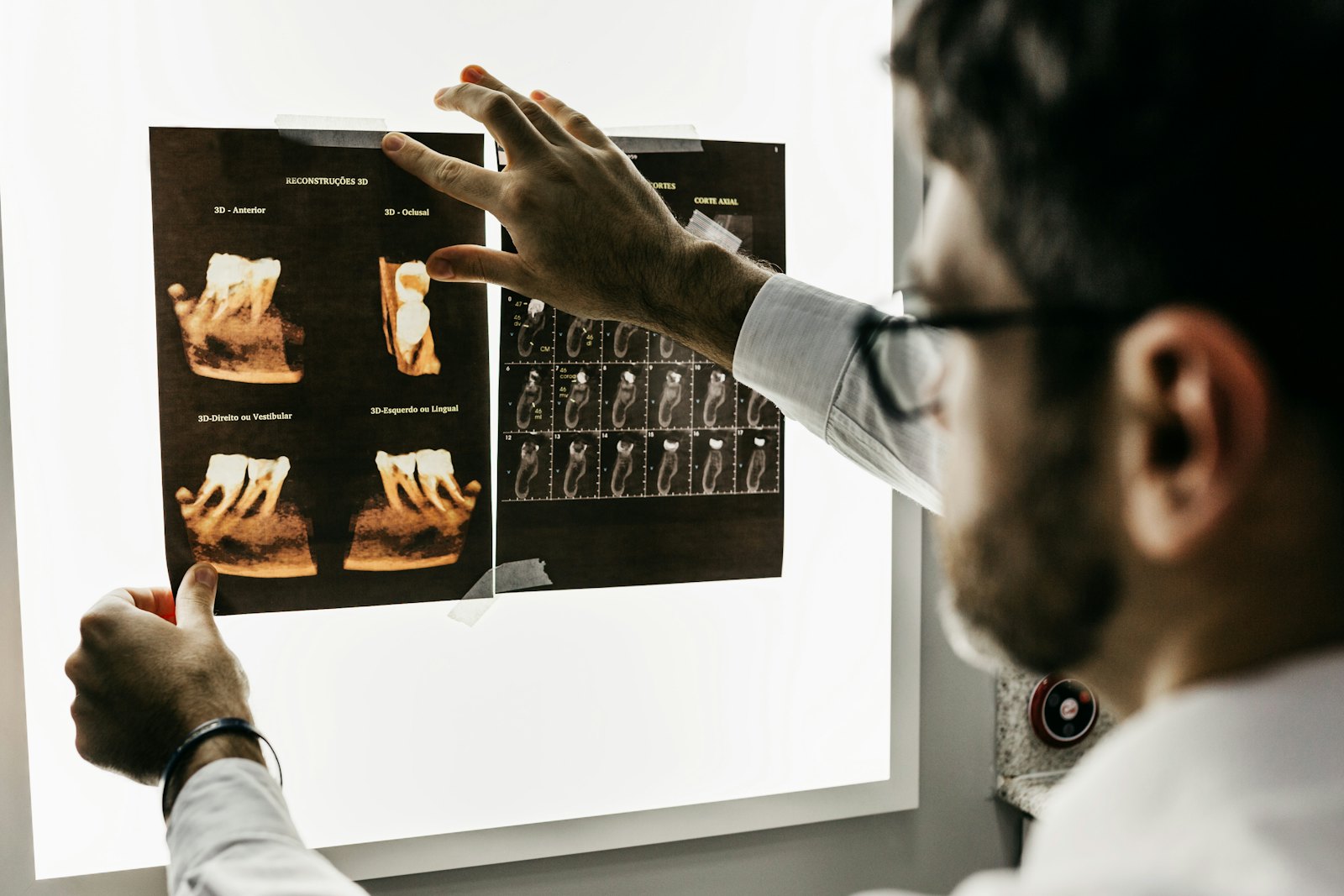
Direct supervision generally means the dentist has examined the patient, made the diagnosis, created the treatment plan, and authorizes the procedure. The dentist is also present as needed by your state dental practice act (this may be in the office and sometimes in the operatory, depending on the specific rule and the task being delegated). Even when a restorative step is delegated, the dentist remains responsible for the care delivered.
Restorative tasks are considered high-stakes because they involve:
- Tooth structure and pulpal proximity: Small differences in depth, material placement, or sealing can impact the pulp.
- Occlusion and function: A high spot can cause pain, fracture, or bite issues.
- Patient safety and outcomes: Contamination, poor isolation, and technique errors can shorten restoration longevity.
Just as important, what dental assistants can do under direct supervision varies based on three factors:
- State dental practice acts and board rules
- Employer protocols and dentist delegation
- Your training, credentialing, and documented competence
When you build expanded restorative skills within these rules, it becomes a real career advantage. Practices rely on assistants who can keep restorative appointments moving smoothly, protect quality, and help the dentist stay focused on the most critical clinical steps. That often translates into more schedule flexibility, stronger job stability, and clearer income growth over time.
Dental assistants with expanded skills not only excel in restorative tasks, but they also have opportunities to branch into other areas such as oral surgery, orthodontics, or endodontics. These specializations need extra training which is offered through various courses designed to equip dental assistants with advanced skills and knowledge.
What counts as a restorative procedure?
In everyday practice, “restorative” usually refers to services that restore tooth structure or protect a tooth after caries or minor fracture. Common restorative services include:
- Direct restorations such as composite resin and amalgam fillings
- Liners and bases placed to protect dentin and pulp (where permitted)
- Bonding procedures tied to direct restorations
- Temporary restorations (including sedative/temporary materials)
- Finishing and polishing of restorations (where permitted)
- Sealants (often preventive, but commonly included in expanded-function skill sets)
A helpful way to think about delegation is the difference between supportive steps and irreversible clinical decisions:
- Often delegated supportive steps: isolation, matrix placement, suction/retraction, curing support, finishing/polishing steps, patient education, documentation.
- Typically dentist-only: diagnosis, preparation design, cutting tooth structure, and final clinical acceptance.
Some adjacent procedures get confused with restorative, and their delegation rules can vary by state:
- Impressions for crowns/bridges (traditional or digital) may be delegated in some jurisdictions.
- Provisional crowns (temporaries) can be delegated in some states with extra training.
- Cement removal and clean-up may be delegated depending on the material and circumstance.
- Post-op instructions are typically appropriate for assistants when aligned with dentist direction and office protocol.
When in doubt, your safest move is to check your state rules and follow your dentist’s written protocols.
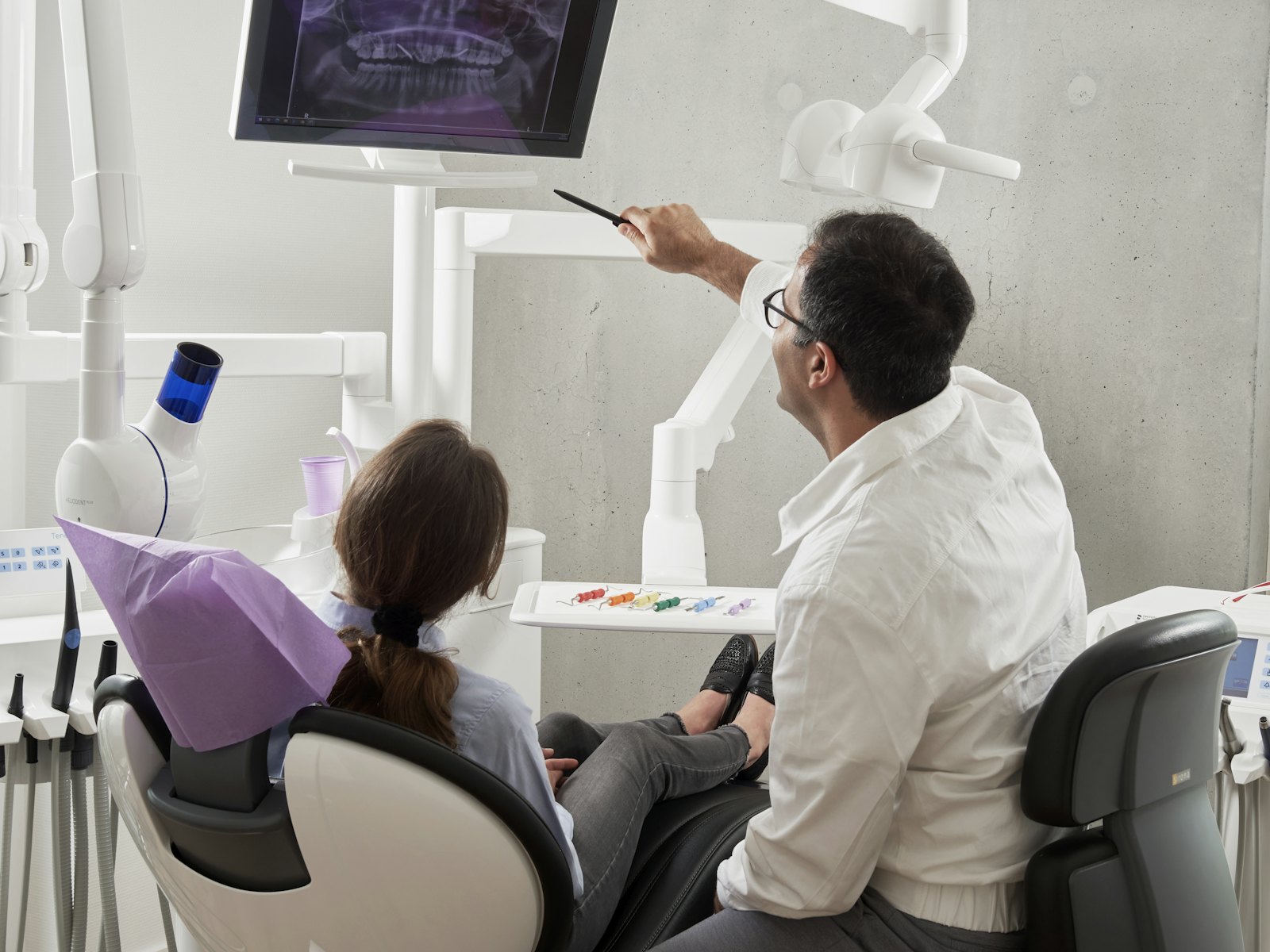
For more specialized procedures such as periodontics, it’s essential to consult with a professional. Also, if you’re considering expanding your skills in the dental field, you might want to look into available certifications which can enhance your qualifications. If you have any questions regarding these processes or certifications, you can find answers to frequently asked questions on the Broward Dental Academy website. For those interested in pursuing their dental education at specific locations, detailed information can be found through the gave link.
Which restorative tasks can an assistant perform under direct supervision?
This is the core list most assistants are looking for. Keep in mind the dentist must diagnose, prepare the tooth, and authorize delegation per your state law. Your specific allowable duties may be broader if you are trained as an expanded functions dental assistant.
1) Isolation and field control
Moisture control can make or break adhesive dentistry. Under direct supervision, dental assistants commonly perform isolation and field control tasks such as:
- Placing rubber dam components where permitted (dam, frame, punch, clamp selection per dentist preference)
- Using isolation devices (cheek retractors, dry-angle systems, cotton roll isolation)
- High-volume evacuation and suction positioning for visibility and aerosol control
- Retraction and soft-tissue management support to keep access and patient comfort
- Maintaining a dry field during etch, bond, and composite placement steps (as directed)
Why it matters: contamination during bonding steps can lead to microleakage, sensitivity, staining, and early failure. A highly skilled assistant protects the margin and the bond.
2) Matrix placement and wedging support (where permitted)
Proper contacts and contours help prevent food impaction and gingival inflammation. Depending on your state and training, common delegated steps may include:
- Selecting and placing matrix systems (Tofflemire, sectional matrices, mylar strips) based on dentist preference
- Placing wedges to adapt the matrix and protect the gingiva
- Assisting with burnishing and stabilization so the dentist can focus on placement and anatomy
Even when the dentist places the final restoration, an assistant who can place and stabilize a matrix efficiently can significantly improve the appointment flow.
3) Light curing support
Curing is a technique-sensitive step that impacts strength and wear resistance. Under direct supervision, assistants often:
- Prepare the curing light (barrier, tip cleanliness)
- Confirm curing parameters per office protocol (timing, distance, angulation)
- Position and stabilize to ensure consistent exposure
A well-trained assistant also recognizes common issues, such as a contaminated curing tip, poor access angles, or the need for incremental curing.
4) Temporary restorations and sedative fillings (where allowed)
Many practices delegate temporization tasks under direct supervision where state rules permit. This can include:
- Placing temporary restorative materials, such as those used in dental crowns, which are interim materials used to seal the tooth between visits
- Assisting with sedative-type temporary restorations when showed by the dentist and permitted by law
- Providing patient instructions on chewing, sensitivity expectations, and what to avoid
- Scheduling and reinforcing follow-up timing, especially if the temporary is part of a staged treatment plan
Because temporaries can dislodge or wear, assistants should clearly explain when the patient should call the office (lost temporary, pain, bite feels high, swelling).
5) Apply desensitizers or varnish after restorative care (when permitted)
Post-operative sensitivity is a common concern. Under direct supervision and where permitted, assistants may apply:
- Desensitizing agents to reduce sensitivity
- Fluoride varnish as directed after restorative care to support enamel and comfort
These steps can improve the patient’s experience, especially for cervical lesions, deep restorations, or patients with generalized sensitivity.
6) Coronal polishing and sealants (often included in expanded functions)
Although sealants are typically categorized as preventive, many offices train assistants in sealant placement because it uses the same fundamentals as adhesive dentistry:
- Isolation and moisture control
- Etching and timing awareness
- Material handling and curing
- Occlusal anatomy awareness
Under direct supervision, assistants may perform:
- Coronal polishing when permitted
- Sealant application (clean, isolate, etch, rinse, dry, place, cure, check)
If your role includes these duties, your consistency with isolation and curing directly impacts retention rates.
Which tasks stay dentist-only?
Even in states with broader expanded functions, there are duties that are commonly restricted to the dentist, or heavily limited. That is because they involve irreversible decisions and higher risk.
Diagnosis and treatment planning
This includes:
- Caries diagnosis and determining severity
- Choosing the restoration type and material
- Deciding whether the pulp is at risk
- Determining if a tooth needs endodontic or indirect restorative care instead
Tooth preparation (cutting tooth structure)
Cutting tooth structure with a handpiece, defining preparation design, and many forms of decay removal are frequently dentist-only or restricted. Rules vary widely, so assistants should never assume.
Final evaluation and acceptance
The dentist typically performs final checks and sign-off, such as:
- Margins and adaptation
- Proximal contacts and contour
- Occlusion and functional movements
- Final clinical acceptance of the restoration
Administering anesthesia and prescribing medications
Local anesthesia and prescribing are dentist duties in most contexts, with limited exceptions in some jurisdictions and credentials. Monitoring tasks may be allowed under separate training pathways, but they are not the same as administering anesthesia.
When to pause and ask immediately
If you are assisting with delegated restorative steps, stop and notify the dentist if you notice:
- Contamination during bonding steps
- Unexpected patient pain or numbness issues
- Bleeding that compromises visibility or bonding
- Uncertain contact tightness or bite concerns
- Material setting problems or suspected curing issues
Protecting the patient protects your license and your career.
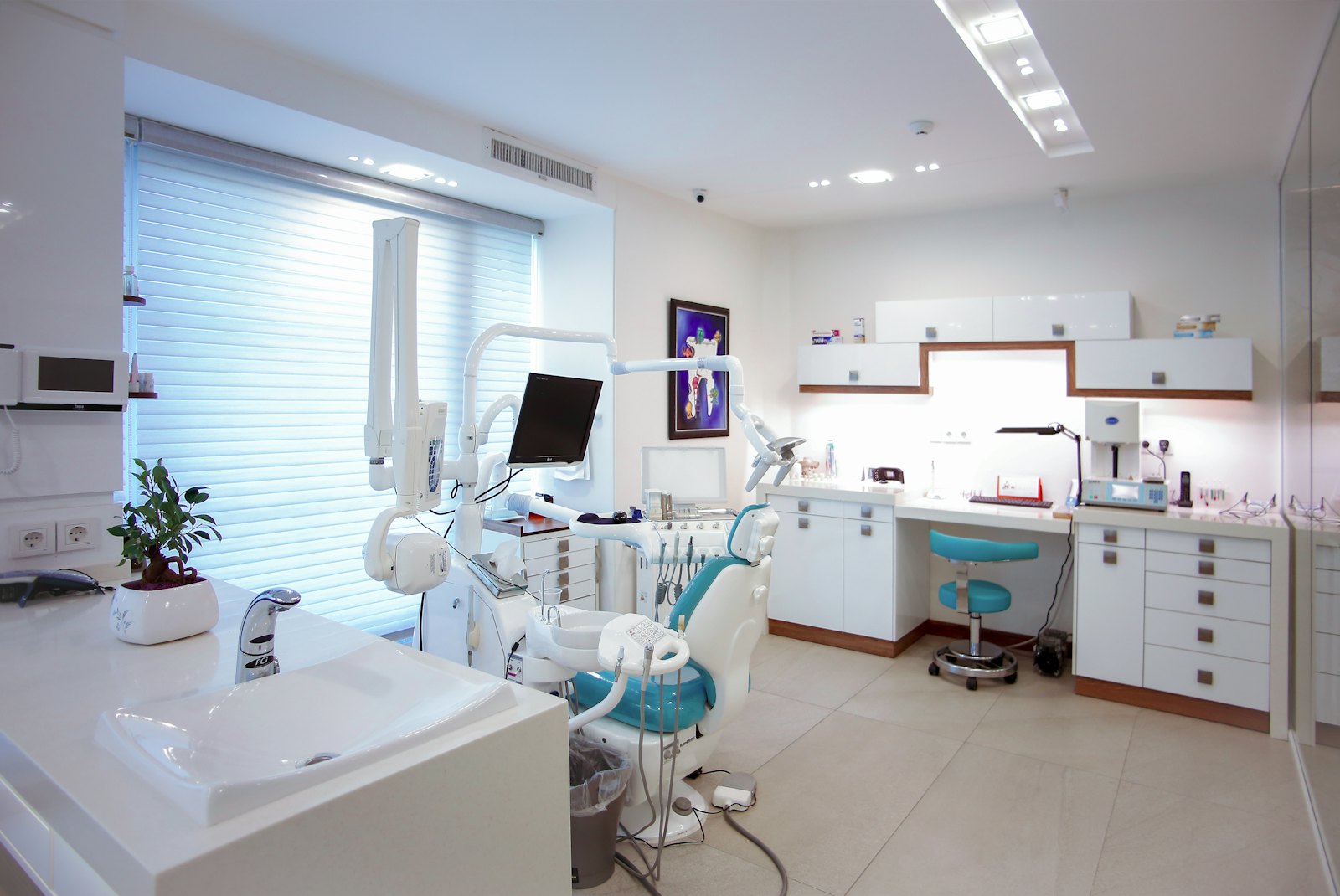
How does a restorative appointment flow?
Most restorative appointments follow a predictable pattern. When assistants know the flow, they anticipate needs instead of reacting late.
Pre-op
Common assistant responsibilities include:
- Review medical history, allergies, and alerts
- Confirm the informed consent workflow is complete per office protocol
- Take radiographs as ordered and allowed
- Set up the restorative tray and materials (bonding agents, composite, matrices, wedges, etch, hemostatic agents if used)
- Support shade selection for anterior composites (as directed)
During preparation
While the dentist preps, the assistant commonly handles:
- Isolation set-up and continuous field control
- Matrix selection readiness
- Instrument transfer and efficient suction positioning
- Mixing/dispensing materials as requested
- Curing light readiness and timing support
During placement
This is where isolation excellence matters most. Depending on state rules and your training, the assistant may:
- Keep a dry field throughout bonding steps
- Help with timing for etch and rinse cycles
- Support incremental placement workflow
- Help ensure curing access is stable and consistent
Finishing and check
Finishing is about function and patient comfort. Assistant contributions may include:
- Flossing contacts as directed
- Supporting finishing strip use when appropriate
- Polishing sequences per material and protocol
- Articulating paper passes and marking support
- Documenting materials used, shade, and any patient concerns per office protocol
- Reinforcing post-op instructions
Post-op
Before the patient leaves, assistants often:
- Schedule follow-up or future restorative visits
- Give home-care guidance for sensitivity and chewing precautions
- Explain red flags that need a call (persistent pain, swelling, bite feels off, temporary lost)
When assistants master these steps, the appointment runs smoother and patients feel more cared for.
Which training makes delegation possible?
Practices do not just want “someone who can help.” They want assistants who are:
- Thoroughly trained
- Legally compliant
- Clinically confident
That is where expanded functions training becomes a turning point.
High-quality hands-on training typically includes:
- Restorative materials science (composite handling, working time, curing concepts)
- Isolation methods and moisture control
- Matrix systems, wedging, and contact management fundamentals
- Bonding protocols and contamination troubleshooting
- Curing light use, maintenance, and technique consistency
- Finishing and polishing sequences
- Infection control and operatory turnover excellence
- Documentation and ethical, scope-compliant decision-making
For assistants pursuing advanced restorative delegation, Expanded Functions Dental Assistant (EFDA) Level 03 is a common pathway to build these skills in a structured, compliant way. Real confidence comes from supervised clinical performance and repetition, not just passing an exam.
Why do practices value expanded-function restorative assistants?
Expanded-function restorative assistants help practices run more predictably. That value shows up in multiple ways.
Efficiency
When the assistant can handle isolation, matrices, curing support, finishing steps, and delegated procedures where permitted, restorative appointments become:
- More on-time
- Less stressful
- Easier to scale across a busy schedule
Quality
Strong isolation and consistent bonding support reduce:
- Sensitivity complaints
- Marginal staining
- Remakes and repairs
- Early restoration failures
Patient experience
Patients remember comfort and clarity. A capable assistant improves:
- Chair time length
- Communication and reassurance
- Post-op instruction compliance
Career benefits
For dental assistants, expanded restorative skills can support:
- More stable income potential
- Flexible schedules in a fast-moving field
- A respected role in healthcare
- Mobility into lead assisting, mentoring, and training roles
Dental remains one of the fastest-growing areas in healthcare, and demand for skilled, compliant professionals continues to rise.
Where can you build restorative confidence?
Broward Dental Academy is built around outcomes, not shortcuts. The goal is to prepare students to thrive in a modern, high-performance dental practice with the habits that employers consistently ask for: critical thinking, ethics, and confident clinical performance.
Students benefit from a training model that emphasizes:
- Immediate immersion in online and clinical settings
- Updated eLearning lesson plans for remote training
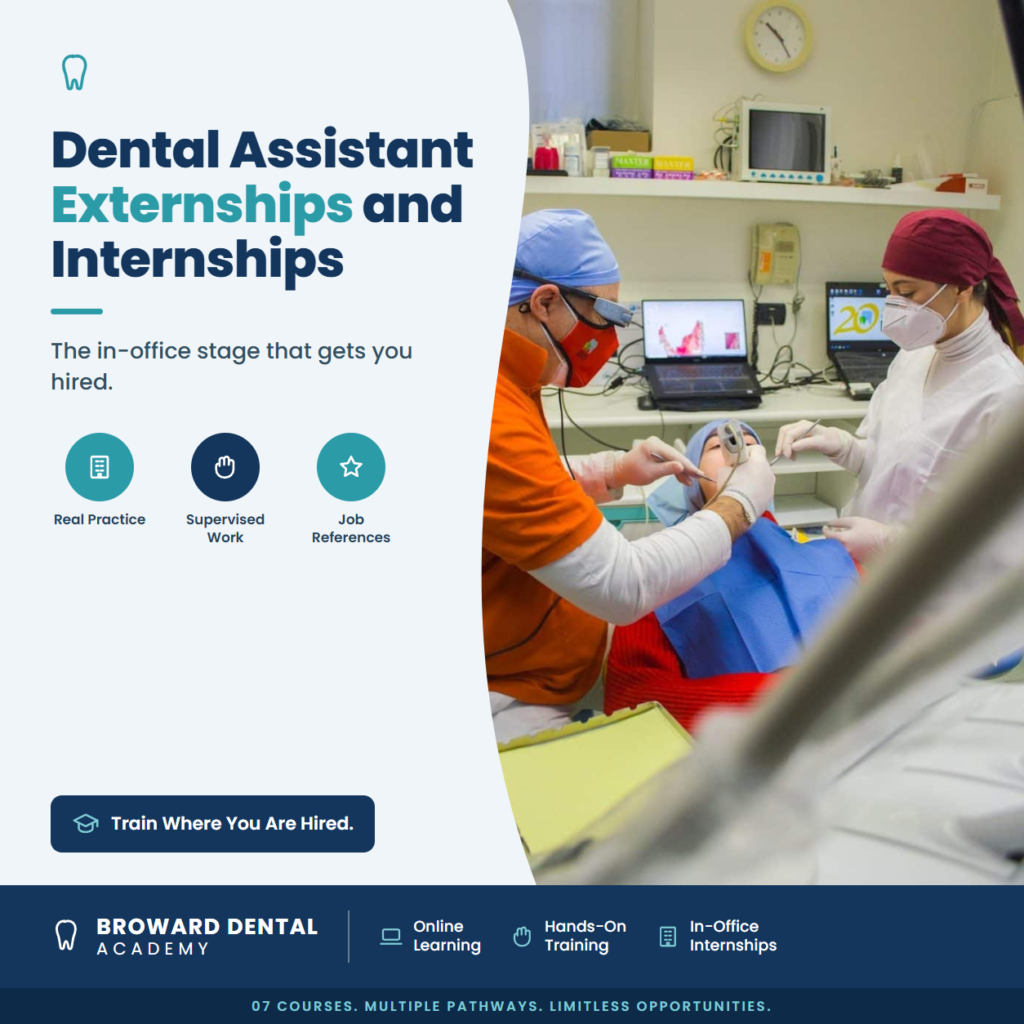
- In-office internships for real-world repetition and speed-building
- A professional environment designed to develop accomplished, polished dental professionals
Broward Dental Academy offers a wide range of dental courses, including advanced training aligned with modern practice needs, along with flexible financing options.
If you want to expand your restorative role the right way and build skills that practices value, explore the Expanded Functions Dental Assistant Level 03 (EFDA) program.
Broward Dental Academy also gives comprehensive training for various dental assistant levels such as Level 01, Level 02, and Hygienists Level 03.
Don’t delay, enroll today, you will be glad that you did.
FAQs (Frequently Asked Questions)
What is restorative dentistry and why is clinical precision important in it?
Restorative dentistry involves procedures that restore tooth structure or protect teeth after caries or minor fractures. Clinical precision is crucial because even small errors in moisture control, contact, or curing can lead to sensitivity, open margins, recurrent decay, or early restoration failure.
Why does “direct supervision” matter for dental assistants in restorative dentistry?
Direct supervision ensures the dentist has examined the patient, made the diagnosis, created the treatment plan, and authorizes the procedure while being present as needed by state dental practice acts. This supervision is vital because restorative tasks are high-stakes, impacting tooth structure, occlusion, function, and patient safety. It also defines what dental assistants can perform based on state laws, employer protocols, and their training.
What factors determine what restorative tasks dental assistants can perform under direct supervision?
The scope of restorative tasks a dental assistant can perform under direct supervision varies based on three main factors: 1) State dental practice acts and board rules; 2) Employer protocols and dentist delegation; 3) The assistant’s training, credentialing, and documented competence.
Which procedures are typically considered restorative procedures in dental practice?
Common restorative procedures include direct restorations like composite resin and amalgam fillings. Placement of liners and bases to protect dentin and pulp where permitted. Bonding procedures related to direct restorations. Temporary restorations including sedative materials. Finishing and polishing of restorations where allowed. And sealants which are often preventive but included in expanded-function skill sets.
What restorative steps are usually delegated to dental assistants versus those reserved for dentists?
Dental assistants often handle supportive steps such as isolation, matrix placement, suction/retraction, curing support, finishing/polishing steps, patient education, and documentation. Dentists typically perform irreversible clinical decisions including diagnosis, preparation design, cutting tooth structure, and final clinical acceptance.
How can dental assistants expand their skills in restorative dentistry and related specialties?
Dental assistants can build expanded restorative skills within regulatory rules through extra training and credentialing. This career advancement leads to greater schedule flexibility, job stability, and income growth. They may also branch into specialties like oral surgery, orthodontics, endodontics, or periodontics by completing specialized courses and obtaining relevant certifications offered by accredited programs.